15 Common Fig Tree Diseases and Problems (With Proven Fixes)
Fig trees have a reputation for being easy to grow. I have seen that reputation hold up in many gardens. Yet even tough trees get sick, and small warning signs are easy to miss.
This guide covers 15 common fig tree diseases and problems. For each one, you will find the symptoms, the likely cause, and practical steps to fix it. Use it as a field guide when something looks wrong on your tree.
Extension services in several US states agree on one point: good prevention matters more than treatment. For example, in some states no fungicides are currently labeled for use on figs. In many cases, healthy soil, clean pruning and the right variety are your best tools.
Quick Note
Start by checking where the symptom appears: leaves, fruit, branches or roots. Then match it to the list below.
Many problems look alike. Yellow leaves can mean a virus, a fungus or simply poor watering. Always check the roots and the soil before you decide on a cure.
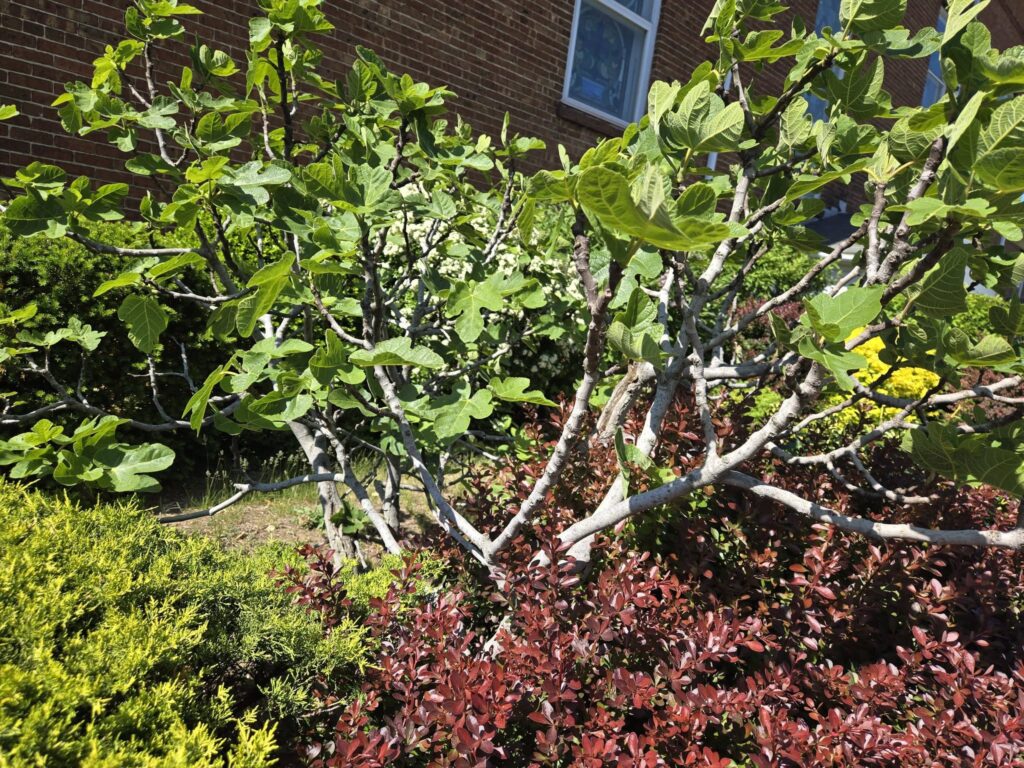
15 Common Fig Tree Diseases and Problems
1. Fig Rust
Fig rust is a fungal disease and one of the most widespread problems in humid regions. It is the most common fig disease in the southeastern United States. It usually appears in late summer.
You will first see small, yellow-green flecks on the leaves. These turn into rusty brown spots, and orange powdery pustules form on the underside. Severe infections turn leaves brown, cause early leaf drop, and lower the tree’s cold tolerance.
To manage it, rake and destroy fallen leaves every autumn. Water at the base of the tree, not over the leaves. Give the tree space so air can move through the canopy.
Choose resistant varieties when you can. Where fungicides are allowed, apply them according to local extension advice.
2. Root-Knot Nematodes
Root-knot nematodes are microscopic worms that attack the roots. They are a serious threat, especially in sandy soil. This pest is a leading cause of fig decline and death.
Above ground, the tree looks weak. Growth is slow, leaves turn yellow or bronze, and fruit is poor. The real proof is underground: swollen galls on the roots.
Sadly, a cure is difficult. No chemical is currently registered to control nematodes on established plants. That is why prevention is so important.
Plant only nematode-free nursery stock. Avoid sites where tomatoes, okra or tobacco grew recently. Add plenty of compost, since high organic matter in the soil can reduce root-knot nematodes.
ALSO READ: 25 Types of Fig Trees (Identification, With Pictures)
3. Fig Mosaic Virus
Fig mosaic is a viral disease that spreads quietly. Many gardeners never notice it at first. The tree may live for years with the infection.
Typical symptoms include yellow patches on leaves, ring-shaped spots, and a mild mottled pattern. Leaves can also become twisted or deformed. Fruit may drop early.
The virus travels with tiny fig mites and through infected cuttings. Mite control is part of managing this disease.
There is no cure. Never take cuttings from a mottled tree. Control mites, and keep the tree well fed and watered so it can cope with the stress. In my experience, a vigorous tree often keeps producing despite mild symptoms.
4. Fig Endosepsis (Internal Fruit Rot)
Endosepsis, also called internal rot or pink rot, spoils the fruit from the inside. The outside may look fine while the pulp turns brown or pink. It is frustrating to cut open a perfect-looking fig and find this.
The cause is a group of fungi, mainly Fusarium species. It is among the most common fig diseases in California. Fungi enter through the small opening at the fruit’s tip, called the eye.
Varieties with an open eye are more at risk. Insects carry spores into the fruit through that opening. Wet weather during ripening makes things worse.
Choose closed-eye varieties where possible. Remove and discard infected fruit promptly. Control insects, and keep the area under the tree clean.
5. Fig Souring (Sour Rot)
Souring is a fruit problem that you can smell before you see it. Ripe figs develop a sharp, vinegar-like odor. The pulp turns soft and watery, and the fruit often drops.
Yeasts and bacteria cause it, and insects usually spread them. Fruit flies and beetles are the main carriers. Infected fruit shows soft rot and falls prematurely.
Warm, humid weather increases the risk. Fruit that splits after rain is an easy target.
Pick ripe figs often, and do not let them sit on the tree. Remove soured fruit right away. Choose varieties with a tight eye, and keep fallen fruit cleared from the ground.
6. Cercospora Leaf Spot
Cercospora leaf spot is a common fungal disease of fig leaves. It rarely kills a tree, but it can weaken it. I often see it after a long, wet spell.
Look for small, round to angular brown spots on the leaves. The spots may have a darker edge. Heavy infections cause leaves to yellow and fall early.
The fungus spreads by splashing water and survives on old fallen leaves. Crowded branches that stay wet for long periods make the problem worse.
Clean up fallen leaves in autumn. Prune to open the canopy. Water early in the day at ground level. Good sanitation usually keeps this disease under control.
ALSO READ: Beginner: How to Prune a Fig Tree (Timing, Techniques, and Tools)
7. Botrytis Blight and Limb Dieback
Botrytis, or gray mold, attacks tender shoots and fruit. It prefers cool, damp conditions. Gardeners often meet it in spring and in rainy autumns.
The fungus can cause branch tips to turn black and die. You may also see fuzzy gray growth on dead tissue or on rotting fruit. The affected limbs look scorched.
The fungus enters through wounds, such as frost damage or rough pruning. Poor airflow keeps tissue wet and helps it spread.
Cut out dead tips well below the damage, using clean, sharp tools. Burn or bin the waste. Avoid heavy pruning in wet weather, and keep the canopy open.
8. Fig Smut
Fig smut is a fruit rot caused by Aspergillus fungi. The name comes from the black, sooty spores that fill the fruit. Cut one open and you will see a dark, powdery mass.
Smut is among the main fig diseases in California and is linked to Aspergillus niger and related species. Insects, especially beetles and fruit flies, carry the spores into the fruit.
Open-eye figs and fruit that stays too long on the tree are most at risk. Warm weather speeds up the damage.
Harvest at the right time. Remove spoiled fruit from the tree and the ground. Control insect pests, and use closed-eye varieties if smut returns each year.
9. Alternaria Rot and Surface Mold
Alternaria rot causes dark, velvety mold on the fruit. It often starts at the eye or on a crack in the skin. The mold can be olive green to black.
The fungus Alternaria alternata is the cause. It is also one of the most common fig diseases in California. It thrives when humidity stays high during ripening.
Damaged fruit is the easiest entry point. Splits, bird pecks and insect holes all give the fungus a way in.
Harvest figs promptly and handle them gently. Do not store wet fruit. Thin crowded branches so fruit dries quickly after rain. I also recommend protecting ripe fruit from birds, which reduces entry wounds.
10. Root Rots (Cotton Root Rot and Mushroom Root Rot)
Root rots are among the most serious problems because they hide underground. By the time the leaves wilt, the damage is usually severe. The tree may die within weeks.
Both cotton root rot and mushroom root rot are problems for figs. Cotton root rot affects alkaline, clay soils in warm regions. Mushroom root rot, often from Armillaria, thrives around old stumps and buried wood.
Watch for sudden wilting, yellowing and dieback. You may find white fungal mats under the bark at the base, or mushrooms near the trunk.
Prevention is the best plan. Plant in well-drained soil and avoid overwatering. Remove old stumps and roots before planting. If a tree dies, do not replant figs in the same spot.
11. Fig Canker
Fig canker damages the woody parts of the tree. You will see sunken, discolored patches on branches or the trunk. The bark may crack, ooze or peel.
Fig canker is a recognized disease of Ficus carica. Fungi usually invade through wounds. Cold injury, sunscald and careless pruning are common causes.
A canker can girdle a branch and cut off water. Everything above the damage then wilts and dies.
Prune out infected limbs, cutting well into healthy wood. Disinfect your tools between cuts. Protect young trunks from sunscald with white tree wrap or paint. Avoid injuring the bark with mowers and trimmers.
12. Cold Injury and Winter Dieback
Cold injury is not a disease, but it opens the door to many diseases. Figs are warm-climate trees. Early or late frosts can kill young twigs, and hard freezes can kill whole branches.
Early or late frosts often kill the younger twigs. Many fig diseases also start on twigs and branches already hurt by cold. This is why winter care matters.
In colder zones, mulch the base heavily in late autumn. Wrap young trees or move potted ones indoors. Avoid heavy nitrogen feeding late in summer, which encourages tender growth that frost will kill.
In spring, wait until new growth appears before pruning. Dead wood will then be easy to identify.
ALSO READ: Edible Fig Tree Care: How to Grow, Nurture, and Harvest Fruits
13. Premature Fruit Drop
Fruit drop worries many gardeners, and the cause is often simple. Small green figs fall before ripening. Sometimes the whole crop is lost.
Several factors play a part. Figs produce different flower types, and the common fig grown in Texas produces mainly mule flowers. Some varieties also need pollination by a special wasp, and the wrong type will drop its fruit.
Stress is the other major cause. Irregular watering, extreme heat, nutrient shortage and nematode damage can all trigger drop.
Water deeply and evenly, especially during fruit set. Mulch to keep roots moist and cool. Make sure you choose a self-fertile variety suited to your region. If drop continues, check the roots for galls.
14. Fig Mites and Blister Mites
Fig mites are tiny pests that cause big trouble. You cannot easily see them without a hand lens. What you notice is the damage.
Young leaves become blistered, distorted or russeted. Buds may fail to open properly. These mites are important for another reason: mite control is also linked to managing fig mosaic virus. So controlling mites also protects your tree from infection.
Mites hide inside buds and under leaf surfaces. Hot, dry weather encourages a population boom.
Inspect new growth regularly. Prune and destroy distorted shoots. Horticultural oil or sulfur-based products may help, but follow local extension guidance and label directions. A healthy tree tolerates light infestations well.
15. Mealybugs, Borers and Ants
Insect pests round out the list of common fig problems. They do not cause diseases directly, but they weaken the tree and spread infections. Mealybugs, the three-lined fig borer and ants are the most common insect pests.
Mealybugs look like small white cotton clumps on stems and fruit. They suck sap and leave sticky honeydew, which attracts sooty mold. Ants often protect them, so a trail of ants is a clue.
Borers tunnel into the wood. Look for small holes, sawdust and wilting branches. In other parts of the world, bark beetles cause similar damage. A study of fig trees in Turkey describes one such beetle attacking weakened trees and causing branch and tree death.
Wash mealybugs off with a strong water jet or use insecticidal soap. Keep ants away with sticky barriers on the trunk. Remove and destroy borer-infested limbs, and keep the tree healthy, since borers favor stressed wood.
Quick Prevention Checklist
Most fig problems share the same roots. A few simple habits will prevent many of them.
- Choose the right site: full sun, good air movement and well-drained soil.
- Buy clean plants: pick healthy, disease-free and nematode-free stock.
- Water wisely: deep, regular watering at the base, never over the leaves.
- Clean up: remove fallen leaves and fruit every season.
- Prune carefully: use sharp, disinfected tools and avoid wet weather.
- Mulch and feed: compost builds soil health and reduces nematode damage.
- Protect from cold: insulate roots and young stems before winter.
Frequently Asked Questions
Why are my fig tree leaves turning yellow?
The cause could be fig rust, root-knot nematodes, mosaic virus or poor watering. Check the leaf underside for rust pustules. Then inspect the roots for galls.
Can a diseased fig tree be saved?
Often, yes. Fungal leaf diseases and dieback respond well to sanitation and pruning. Nematodes, root rot and viruses are harder, so early action matters.
Do I need fungicide for my fig tree?
Not always. Cultural care is the first defense. Rules differ by region, so check your local extension office before you spray.
Final Thoughts
Fig trees are rewarding, but they are not trouble-free. The good news is that most problems give early warnings. A weekly walk around your tree will help you catch them in time.
Start with the basics: clean soil, good airflow and careful watering. These three habits prevent more problems than any spray. With patience and attention, your tree can give you sweet, healthy fruit for many years.
References
- NC State Extension. Fig Diseases in North Carolina. https://content.ces.ncsu.edu/fig-diseases-in-north-carolina
- Texas A&M AgriLife Extension. Texas Plant Disease Handbook: Fig. https://plantdiseasehandbook.tamu.edu/food-crops/fruit-crops/fig/
- LSU AgCenter. 2025 Louisiana Plant Disease Management Guide: Fig (Publication 1802). https://www.lsuagcenter.com/~/media/system/2/e/4/0/2e40f4d1dd1e8dce7b732afd272a8838/p1802_2025-louisianaplantdiseasefigpdf.pdf
- University of California, Fruit & Nut Research & Information Center. Fig Diseases & Disorders. https://ccfruitandnuts.ucanr.edu/node/133943
- Penn State University, PlantVillage. Fig: Common Pests and Diseases. https://plantvillage.psu.edu/topics/fig/infos
- University of Arkansas System Division of Agriculture. Plant Health Clinic Newsletter, Issue 12 (Fig). https://www.uaex.uada.edu/yard-garden/plant-health-clinic/docs/2012_Plant_Health_Clinic_Newsletters/Plant%20Health%20Clinic%20Newsletter-Issue%2012.pdf
- USDA Forest Service, Treesearch. Attack by Pyemotes johnmoseri on Hypoborus ficus in fig trees in Turkey. https://research.fs.usda.gov/treesearch/29219

Tim M Dave is a gardening expert with a passion for houseplants, particularly cacti and succulents. With a degree in plant biology from the University of California, Berkeley, he has vast experience in gardening. Over the years, he has cultivated a vast collection of desert plants and learned a great deal about how to grow and care for these unique companions.