15 Types of Birch Trees: Identification, Features, and Uses
Birch trees are among the most graceful and widely recognized trees in the world. Their striking white bark, delicate leaves, and ecological importance make them a favorite among gardeners, foresters, and nature lovers alike.
There are approximately 60 recognized species distributed across the Northern Hemisphere — from the cold boreal forests of Canada and Russia to the temperate woodlands of Europe and East Asia.
Most birch species are deciduous, meaning they shed their leaves in autumn. They are typically fast-growing, relatively short-lived compared to oaks or maples.They thrive in conditions that other trees simply cannot tolerate
This guide covers 15 distinct birch tree species, including their native ranges, key characteristics, growth habits, and uses.
1. Silver Birch (Betula pendula)
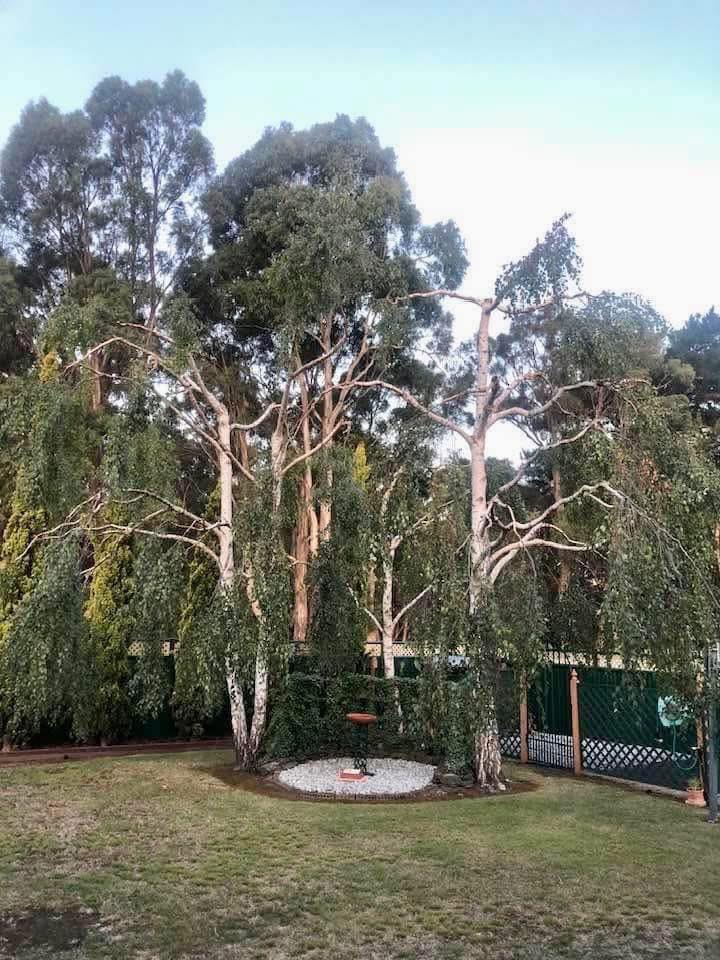
The Silver Birch is perhaps the most iconic birch species in the world. Native to Europe and parts of Asia, it is instantly recognizable by its brilliant white bark that peels in papery strips and its gracefully weeping branches.
- Height: 15–25 metres (50–80 feet)
- Bark: Brilliant white with distinctive black fissures near the base
- Leaves: Small, triangular, and sharply serrated
- Native range: Europe, Siberia, and Central Asia
Silver birch is widely planted as an ornamental tree in parks and gardens. It is also an ecologically important species — over 300 invertebrate species depend on it in the UK alone. The wood has historically been used for furniture, flooring, and firewood.
Key fact: Betula pendula was one of the first trees to colonize northern Europe after the last Ice Age.
2. Paper Birch (Betula papyrifera)
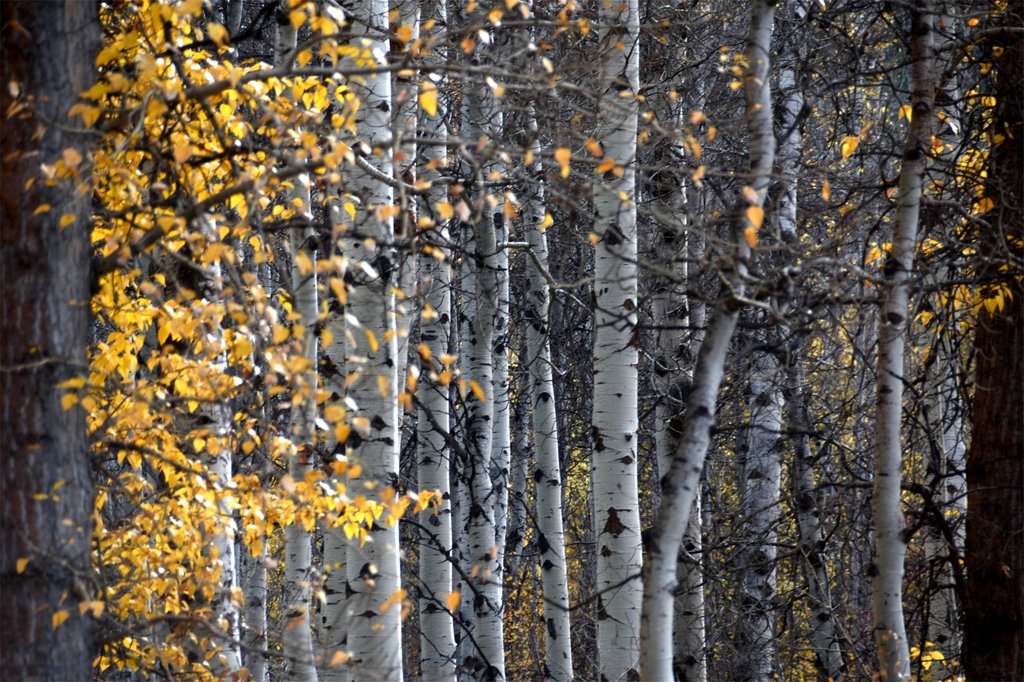
The Paper Birch, also called the Canoe Birch or White Birch, is native to North America and is perhaps the continent’s most beloved birch species. Its name comes from its remarkably thin, paper-like bark that peels off in large, clean sheets.
- Height: 18–24 metres (60–80 feet)
- Bark: Creamy white to chalky white, exfoliating cleanly
- Leaves: Ovate, doubly serrated, turning golden yellow in autumn
- Native range: Canada, northern United States, and Alaska
Indigenous peoples of North America used the bark of Paper Birch extensively — for canoes, baskets, shelters, and writing surfaces. This cultural connection gives the tree a depth of meaning beyond its appearance.
The University of Michigan Herbarium notes it as one of the most culturally significant trees in North American Indigenous traditions.
3. Yellow Birch (Betula alleghaniensis)
The Yellow Birch is the largest native birch in North America. It takes its name from the golden or bronze sheen of its young bark. As the tree matures, the bark develops into shaggy, amber-tinted strips that peel loosely from the trunk.
- Height: 18–30 metres (60–100 feet)
- Bark: Silvery-yellow to bronze, peeling in thin, curly strips
- Leaves: Ovate with double serration
- Native range: Northeastern United States and southeastern Canada
Yellow birch is one of the most commercially important hardwoods in eastern North America. Its dense, durable wood is used for flooring, cabinets, furniture, and veneer. It is also the provincial tree of Quebec, Canada.
Interestingly, the bark and twigs have a faint but pleasant wintergreen scent when broken or scratched — a small sensory detail that makes identifying this species in the field feel like a small discovery.
4. River Birch (Betula nigra)
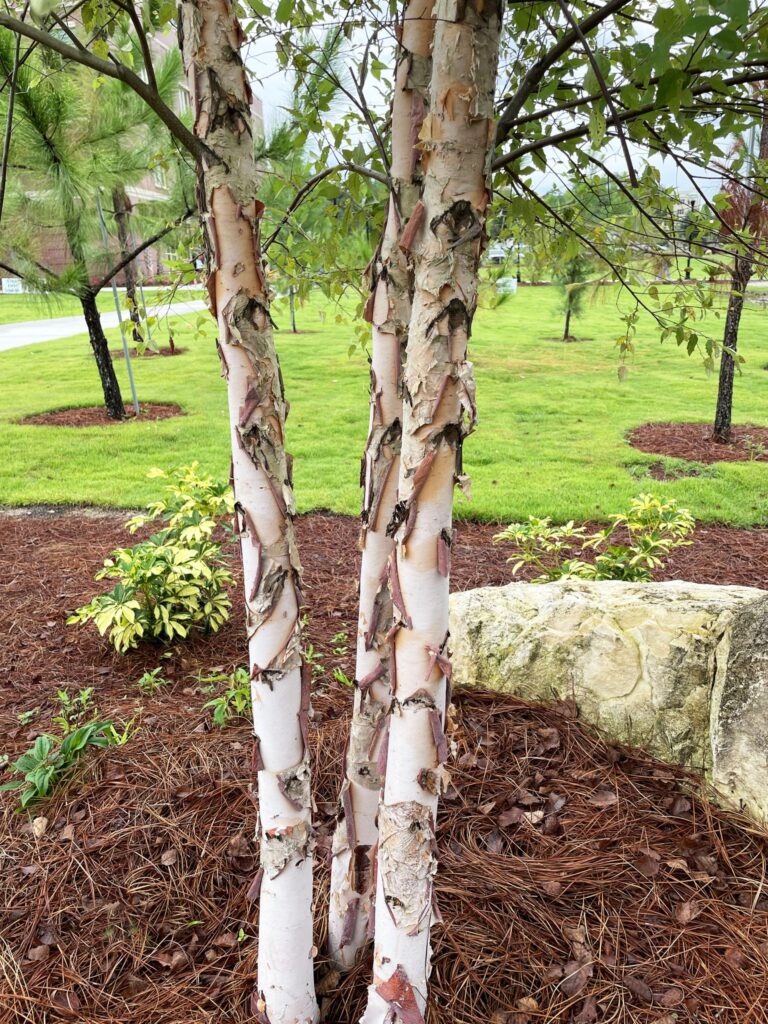
The River Birch stands apart from most other birch species by one notable trait: it thrives in heat and humidity, unlike its cold-climate relatives. It is native to the eastern United States and is one of the few birch trees well-suited to southern landscapes.
- Height: 12–20 metres (40–70 feet)
- Bark: Salmon-pink to reddish-brown, peeling in papery curls
- Leaves: Rhombic-ovate with double serration
- Native range: Eastern and central United States
River birch is highly popular in urban landscaping due to its heat tolerance, attractive peeling bark, and resistance to the bronze birch borer — a destructive pest that devastates many other birch species. It typically grows in floodplains and along streambanks in the wild.
The USDA Forest Service identifies it as one of the most ecologically adaptable native birch species in North America.
5. Downy Birch / White Birch (Betula pubescens)
The Downy Birch is closely related to the Silver Birch and is often confused with it. The key difference lies in the twigs: those of Betula pubescens are covered in fine, soft hairs (hence “downy”), while Silver Birch twigs are smooth and waxy.
- Height: 10–20 metres (33–65 feet)
- Bark: White to grey, less brilliantly white than Silver Birch
- Leaves: Rounded with a less pronounced point than B. pendula
- Native range: Northern Europe, Iceland, and mountainous regions of Central Europe
Downy Birch is more tolerant of waterlogged and acidic soils than Silver Birch. It is a dominant tree in upland peatlands and wet moorlands across the British Isles and Scandinavia. In the Scottish Highlands, it forms ancient native woodlands of significant conservation value.
6. Sweet Birch / Black Birch (Betula lenta)
The Sweet Birch earns its name honestly. Break a small twig, and you will immediately detect the unmistakable scent of oil of wintergreen. This tree was historically the commercial source of natural wintergreen oil before synthetic production took over.
- Height: 15–25 metres (50–80 feet)
- Bark: Dark reddish-brown to nearly black, non-exfoliating in mature trees
- Leaves: Ovate-oblong, finely serrated
- Native range: Eastern United States, from Maine to Georgia
The bark of young Sweet Birch resembles that of Black Cherry (Prunus serotina), which can cause confusion. The wintergreen scent is the most reliable field identification characteristic. Its wood is heavy and hard, valued for furniture and cabinetry, and historically used to produce birch beer.
7. Gray Birch (Betula populifolia)
The Gray Birch is a small, often multi-stemmed birch native to northeastern North America. Its bark is white but non-peeling, and it bears distinctive dark triangular marks at the base of each branch — a feature not seen in Paper Birch.
- Height: 6–10 metres (20–33 feet)
- Bark: Chalky white with dark chevron-shaped patches
- Leaves: Long-triangular with a tapering tip, similar to aspen
- Native range: Northeastern United States and southeastern Canada
Gray Birch is a classic pioneer species. It rapidly colonizes abandoned fields, disturbed soils, and areas recovering from fire. Its lifespan is short — typically 30 to 50 years — but its role in forest succession is crucial.
It provides shelter and nutrients that allow longer-lived species like oaks and maples to establish beneath it.
8. Water Birch (Betula occidentalis)
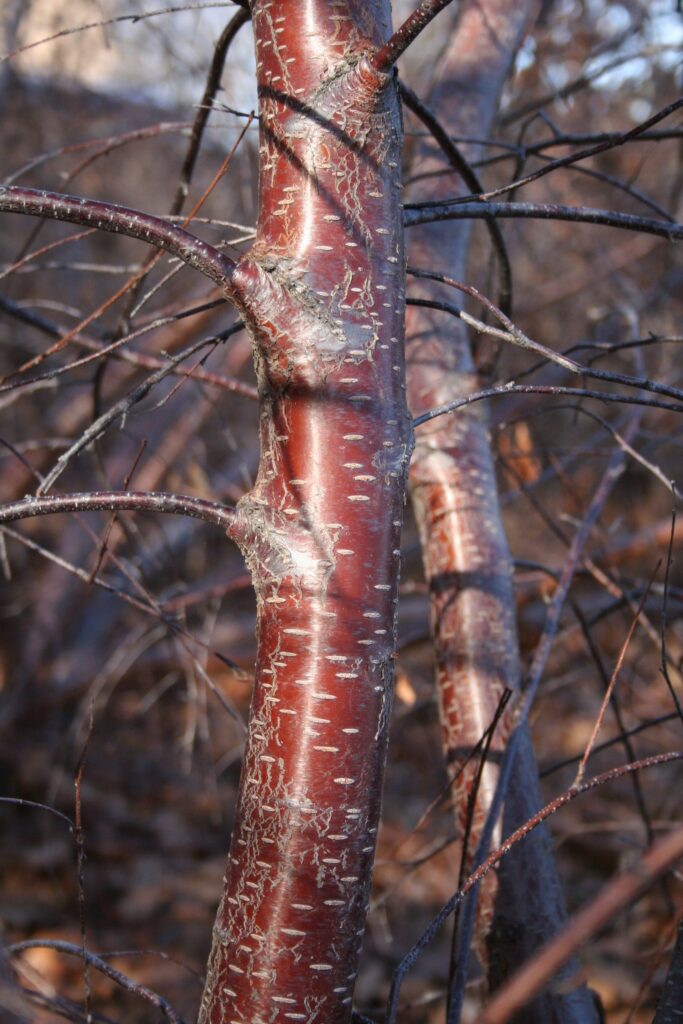
The Water Birch is a shrubby, multi-stemmed species native to the western United States and Canada. It grows naturally along streams, riverbanks, and moist mountain slopes — living up to its name in habitat preference.
- Height: 3–8 metres (10–25 feet)
- Bark: Shiny, dark reddish-brown to copper, non-exfoliating
- Leaves: Small, ovate, and finely toothed
- Native range: Western North America, from British Columbia to New Mexico
Water Birch provides critical riparian habitat in arid and semi-arid western landscapes. Its dense thickets stabilize streambanks, reduce erosion, and provide shelter and food for wildlife. It is one of the few native birch species adapted to the drier conditions of the American West.
9. Himalayan Birch (Betula utilis)
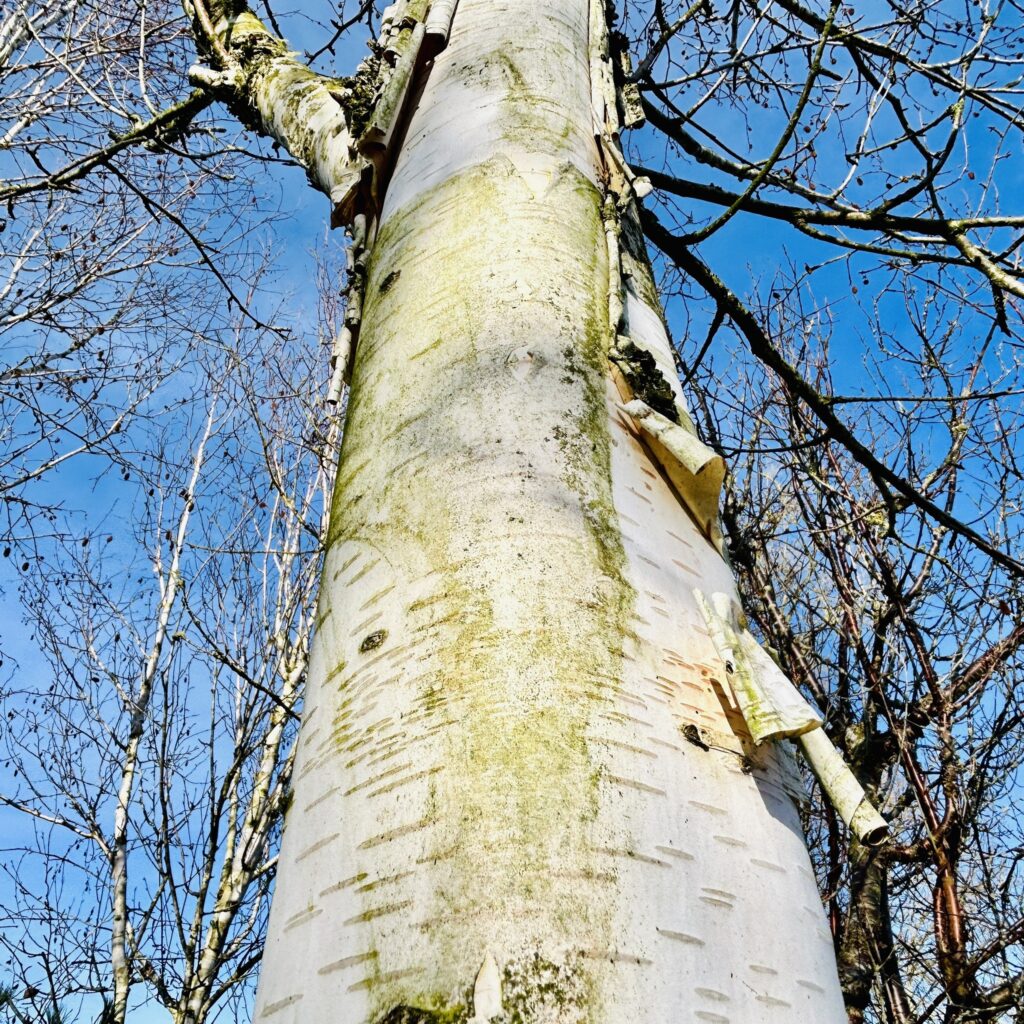
The Himalayan Birch is known for producing some of the most extraordinarily white bark of any tree species in the world. Cultivated forms, particularly the variety jacquemontii, have become highly sought after in ornamental horticulture globally.
- Height: 12–18 metres (40–60 feet)
- Bark: Brilliant pure white to cream, peeling in papery sheets
- Leaves: Ovate with sharp serration, hairy undersides
- Native range: Himalayas, from Afghanistan to southwestern China
Himalayan Birch grows at elevations of 3,000 to 4,500 metres in the wild, making it one of the highest-altitude tree species in Asia. In the UK and Europe, the cultivar Betula utilis var. jacquemontii is one of the most popular ornamental trees for winter garden interest, prized for its luminous white stems. The Royal Botanic Gardens, Kew maintains notable specimens and extensive documentation on this species.
10. Japanese White Birch (Betula platyphylla)
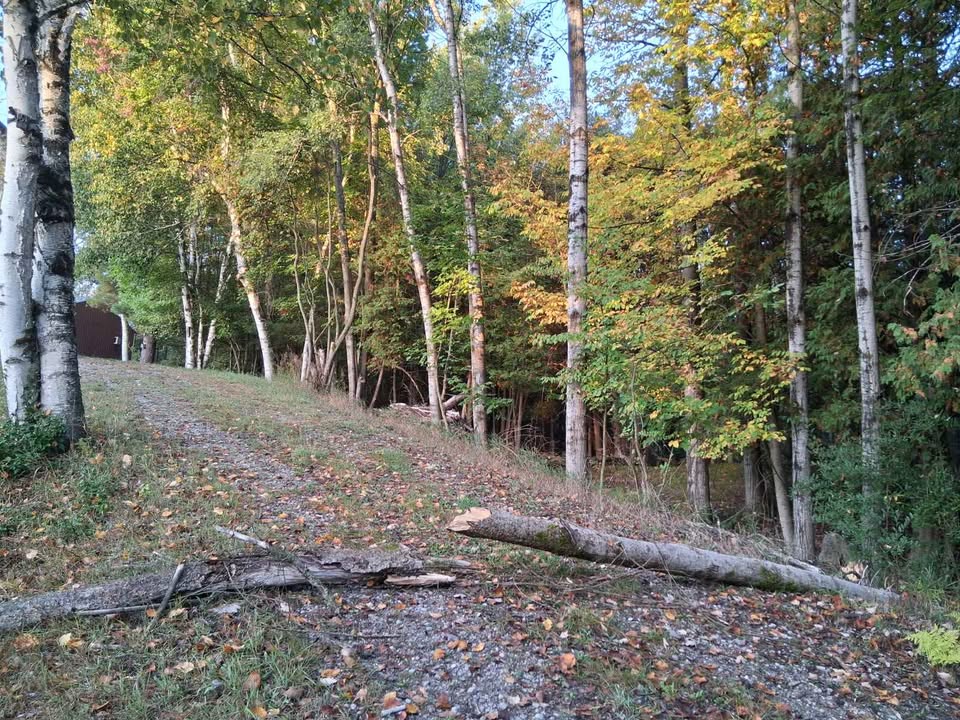
The Japanese White Birch is native to northeastern Asia, including Japan, Korea, China, and Siberia. It closely resembles the Paper Birch of North America and is sometimes treated as a variety of the same species by some botanists.
- Height: 15–25 metres (50–80 feet)
- Bark: Creamy white, peeling in thin sheets
- Leaves: Triangular-ovate with double serration
- Native range: Japan, Korea, northeastern China, and Siberia
This species is widely cultivated in East Asia and North America as a landscape tree. One notable cultivar, ‘Whitespire Senior’, is particularly resistant to the bronze birch borer and has become a popular choice in American urban forestry.
Its graceful form and clean white trunk make it a beautiful specimen tree in parks and large gardens.
11. Chinese Red-Barked Birch (Betula albosinensis)
The Chinese Red-Barked Birch is, in my view, one of the most visually striking trees in the entire genus. Instead of the typical white or brown bark associated with birches, its bark presents in rich shades of orange, copper, and pinkish-red — often with a glowing, metallic quality.
- Height: 12–18 metres (40–60 feet)
- Bark: Peeling in papery strips of orange, copper-red, and pink
- Leaves: Ovate-lanceolate, sharply serrated
- Native range: Central and western China
In cultivation, this species is treasured purely for its extraordinary bark colour. The cultivar ‘Fascination’ is particularly acclaimed for its intense coppery-orange tones.
It is considered a collector’s tree and is featured prominently in notable botanical gardens including the Sir Harold Hillier Gardens in the United Kingdom.
12. Dwarf Birch (Betula nana)
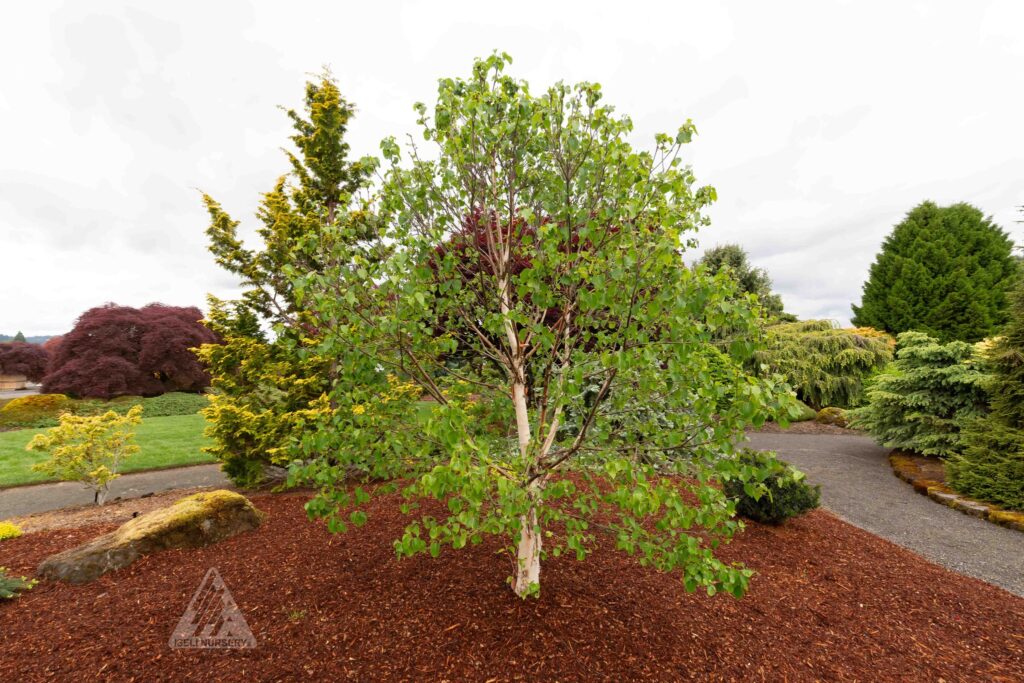
The Dwarf Birch breaks all the assumptions people have about birch trees. It is not a tall, elegant woodland tree. Instead, it is a low-growing, sprawling shrub, rarely exceeding one metre in height.
- Height: 0.2–1 metre (less than 3 feet)
- Bark: Dark brown, smooth
- Leaves: Tiny, rounded, with scalloped margins — quite unlike other birch species
- Native range: Arctic and subarctic regions of the Northern Hemisphere
Dwarf Birch is a circumpolar species, growing across the treeless tundra of Canada, Greenland, Iceland, Scandinavia, and northern Russia. It is highly cold-tolerant and forms an important part of Arctic plant communities, providing food for reindeer, grouse, and other wildlife.
Its small, rounded leaves turn brilliant red and orange in autumn — a rare and beautiful display in treeless tundra landscapes.
As climate change pushes temperatures upward, monitoring species like Dwarf Birch is critically important. Research institutions including Natural England and Arctic conservation organizations track its distribution as an ecological indicator.
13. Erman’s Birch (Betula ermanii)
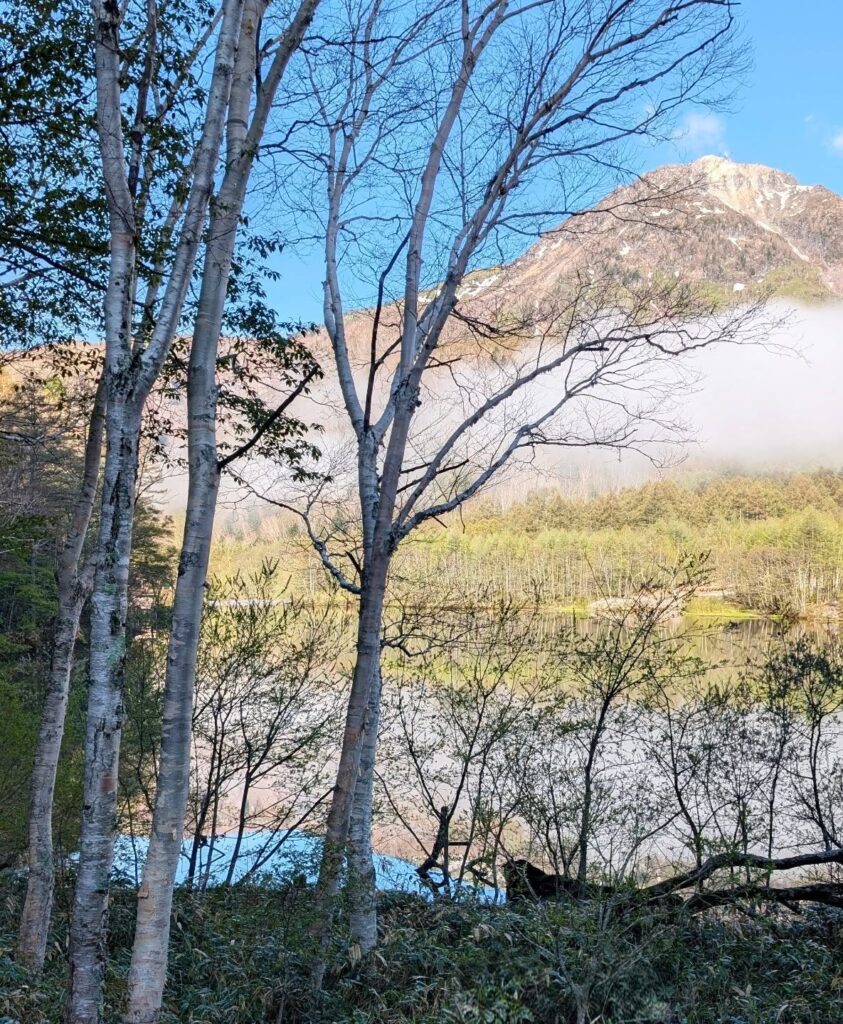
Erman’s Birch is a rugged, large-leaved birch native to northeastern Asia and the mountainous regions of Japan. It is known for its creamy to pinkish-white bark and its impressive tolerance of harsh growing conditions.
- Height: 10–20 metres (33–65 feet)
- Bark: Creamy white, yellowish, or pinkish, peeling in layers
- Leaves: Broadly ovate, large, and prominently veined
- Native range: Japan, Korea, Kamchatka (Russia), and northeastern China
Erman’s Birch grows near the treeline in volcanic and mountainous terrain — conditions that would challenge most tree species. It is named after the German naturalist Georg Adolf Erman, who documented it during his 19th-century travels across Siberia and the Pacific.
In cultivation, it is admired for its large, dramatic leaves and attractive bark, and is increasingly popular in European and North American arboreta.
14. Monarch Birch (Betula maximowicziana)
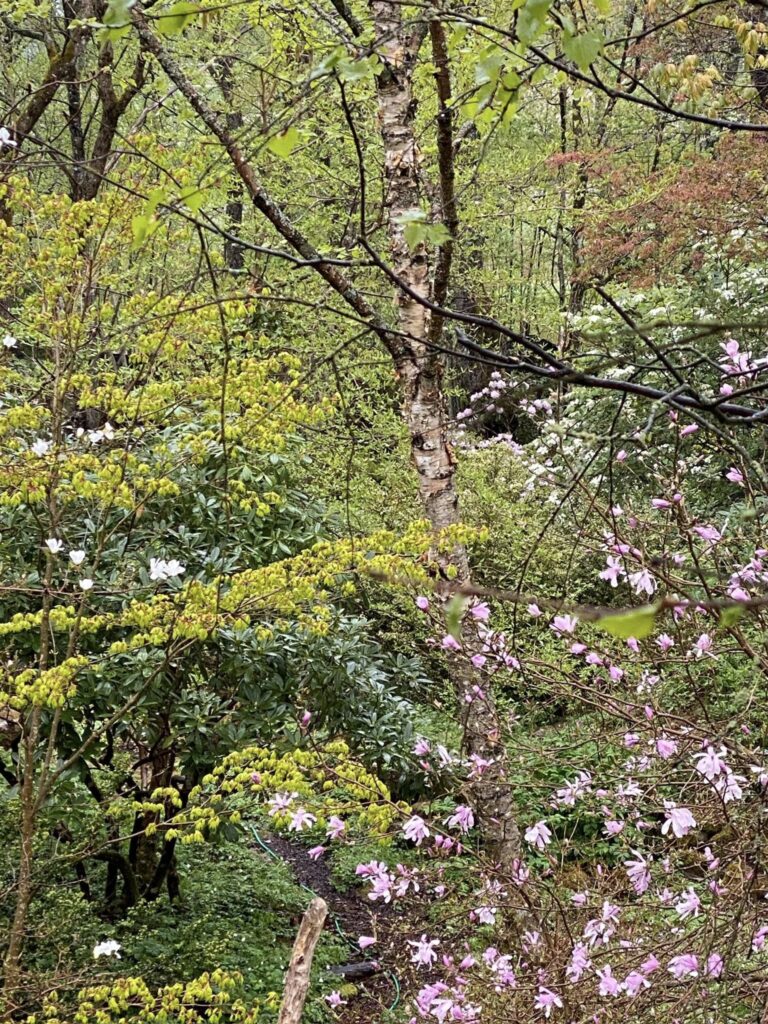
The Monarch Birch lives up to its regal name. It is the largest-leaved birch in the world, with foliage that can reach up to 14 centimetres in length. It is also among the most vigorous of all birch species in terms of growth.
- Height: 20–30 metres (65–100 feet)
- Bark: Orange-grey to white, peeling in sheets
- Leaves: Broadly heart-shaped, very large, with fine double serration
- Native range: Japan and the Russian island of Sakhalin
The Monarch Birch is named in honour of the Russian botanist Karl Maximowicz, who contributed extensively to knowledge of East Asian flora. In the landscape, its large leaves and fast growth make it a bold, impressive specimen.
It is less commonly cultivated than other ornamental birches but is prized by specialist collectors for its imposing scale and vigorous constitution.
15. Bog Birch (Betula pumila)
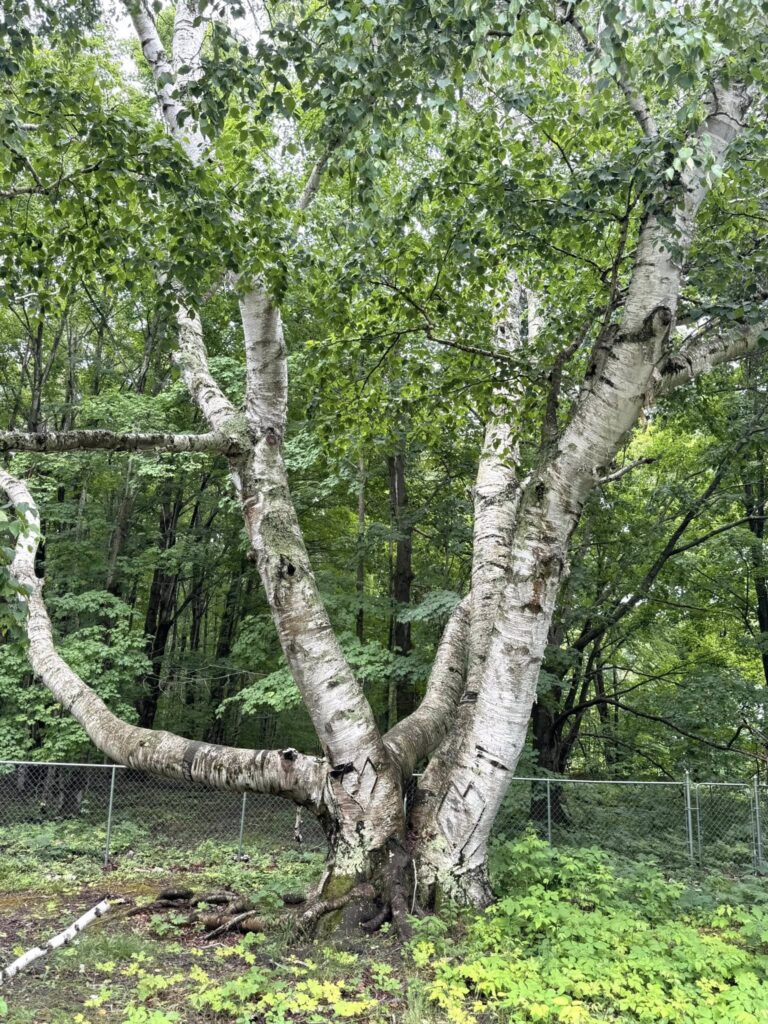
The Bog Birch is a North American native shrub birch that, as its name suggests, is adapted to wet, boggy, and poorly drained soils. It is closely related to Dwarf Birch and shares many of the same ecological traits.
- Height: 0.5–3 metres (1.5–10 feet)
- Bark: Dark brown, smooth
- Leaves: Small, rounded to oval, with coarsely toothed margins
- Native range: Northern United States and Canada, particularly the Great Lakes region and the Prairie Provinces
Bog Birch is a vital component of northern wetland ecosystems. It stabilizes boggy soils, provides habitat for birds and small mammals, and supports specialized insect communities.
It is frequently found alongside sedges, sphagnum mosses, and other wetland shrubs in the glaciated landscapes of the northeastern United States and Canada.
From a conservation perspective, the habitats Bog Birch occupies — bogs, fens, and wet shrublands — are among the most threatened ecosystems in North America due to drainage, development, and climate change.
Key Differences Between Common Birch Species
Understanding birch species is much easier when you compare a few key characteristics side by side.
| Species | Bark Colour | Height | Notable Feature |
| Silver Birch | Brilliant white | 15–25 m | Weeping branches |
| Paper Birch | Chalk white | 18–24 m | Canoe-bark heritage |
| Yellow Birch | Bronze / gold | 18–30 m | Wintergreen scent |
| River Birch | Salmon-pink | 12–20 m | Heat tolerant |
| Himalayan Birch | Pure white | 12–18 m | Brightest white bark |
| Chinese Red-Barked | Copper / orange | 12–18 m | Most colourful bark |
| Dwarf Birch | Dark brown | 0.2–1 m | Smallest birch species |
| Monarch Birch | Orange-grey | 20–30 m | Largest leaves |
Ecological Importance of Birch Trees
Birch trees are far more than attractive woodland specimens. They are keystone species in many northern ecosystems, supporting extraordinary biodiversity.
- For insects: In the UK, Silver Birch supports over 300 insect species, including rare moths and beetles.
- For fungi: Birch trees form mycorrhizal relationships with dozens of fungi species, including the iconic fly agaric (Amanita muscaria). This underground network is essential to forest health.
- For birds: Birch seeds are a critical food source for finches, particularly siskins and redpolls, during winter months.
- For soil: As pioneer species, birches improve soil structure and fertility, preparing ground for climax woodland species.
The USDA Forest Service has documented birch trees as among the most ecologically productive early-successional species in North American temperate forests.
Common Uses of Birch Wood and Bark
Beyond ecology, birch trees have served human cultures for thousands of years.
- Timber and woodworking: Yellow Birch and Sweet Birch produce hard, fine-grained wood excellent for furniture, flooring, and cabinetry.
- Birch bark crafts: Indigenous communities across North America and Siberia used bark for canoes, containers, and scrolls.
- Traditional medicine: Birch sap, leaves, and bark have been used in herbal remedies across Europe and Asia for centuries.
- Food and drink: Birch sap is harvested in early spring to make birch water, birch beer, and birch wine — a tradition still active in Scandinavia, the Baltic states, and parts of Russia.
- Landscaping: Many birch species and cultivars are grown purely for ornamental value, particularly for winter bark interest.
How to Identify a Birch Tree
If you are trying to identify a birch tree in the wild or in a garden, look for these key indicators:
- Bark texture and colour — Is it white and peeling? Copper-red? Dark and non-peeling?
- Leaf shape — Most birches have triangular or ovate leaves with doubly serrated edges.
- Catkins — Birch trees produce distinctive elongated catkins, which are particularly visible in spring and winter.
- Tree size and form — Is it a tall single-stemmed tree, a multi-stemmed shrub, or a sprawling ground-level plant?
- Scent — Breaking a small twig can reveal the wintergreen scent of Yellow Birch or Sweet Birch.
Being able to recognise birch species adds a new layer of engagement to any walk through woodland. It is a skill that, once developed, becomes second nature.
Growing Birch Trees: Basic Requirements
Most birch species share broadly similar cultivation needs.
- Sunlight: Full sun to partial shade. Most birches prefer full sun for best growth and bark development.
- Soil: Moist, well-drained, slightly acidic soil is ideal. River Birch tolerates waterlogged conditions; most others do not tolerate drought.
- Water: Birches are relatively water-demanding and do not perform well in dry, compacted urban soils without supplemental irrigation.
- Pests: The bronze birch borer (Agrilus anxius) is the most serious pest of birch trees in North America, particularly in stressed specimens. Healthy, well-watered trees are far more resistant.
- Lifespan: Most birch species are relatively short-lived — typically 40 to 100 years under good conditions — compared to oaks or beeches.
Conclusion
Birch trees are remarkable in their diversity. From the towering Monarch Birch of Japan to the luminous white of the Himalayan Birch, this genus offers some of the most visually striking and ecologically important trees in the world.
These trees are living links between ancient landscapes and the present — pioneers, providers, and in many ways, symbols of resilience itself.
References
- USDA Forest Service — Silvics of North America: Betula papyrifera (Paper Birch) U.S. Department of Agriculture, Forest Service. https://www.srs.fs.usda.gov/pubs/misc/ag_654/volume_2/betula/papyrifera.htm
- Missouri Botanical Garden — Plant Finder: Betula nigra (River Birch) Missouri Botanical Garden, St. Louis. https://www.missouribotanicalgarden.org/PlantFinder/PlantFinderDetails.aspx?kempercode=b395
- Royal Botanic Gardens, Kew — Plants of the World Online: Betula utilis (Himalayan Birch) Royal Botanic Gardens, Kew. https://powo.science.kew.org/taxon/urn:lsid:ipni.org:names:327325-2
- North Carolina State University Extension — Betula alleghaniensis (Yellow Birch) NC State Extension, Department of Horticultural Science. https://plants.ces.ncsu.edu/plants/betula-alleghaniensis/
- University of Wisconsin–Madison, Wisconsin Horticulture Division of Extension — Birch Trees University of Wisconsin–Madison. https://hort.extension.wisc.edu/articles/birch-trees/

Tim M Dave is a gardening expert with a passion for houseplants, particularly cacti and succulents. With a degree in plant biology from the University of California, Berkeley, he has vast experience in gardening. Over the years, he has cultivated a vast collection of desert plants and learned a great deal about how to grow and care for these unique companions.