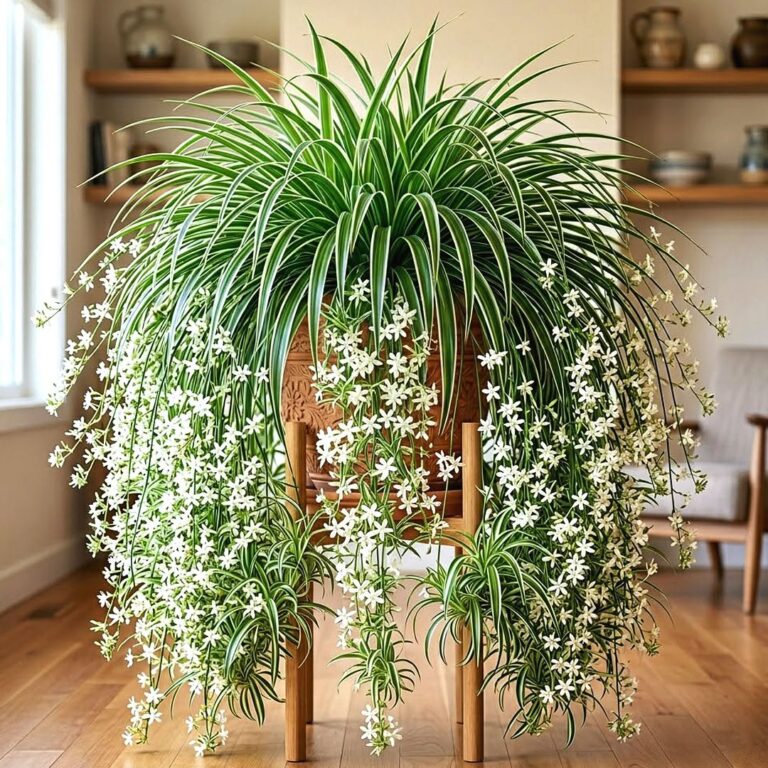
25 Best Shade Flowers for Zone 9 (With Growing Details)
Not every corner of a zone 9 garden gets baked in sunlight, and honestly, that’s a blessing. Shady spots under trees, along fences, or beside a house stay cooler through the brutal summer months, and plenty of flowering perennials actually prefer it that way.
USDA Zone 9 covers regions where winter lows fall between 20°F and 30°F (-6.7°C to -1.1°C), including much of Florida, coastal California, southern Texas, and the Gulf Coast. Summers here run hot and often humid, which changes the shade-gardening equation compared to cooler zones.
Many classic “shade perennials” struggle once temperatures climb past 90°F, even with protection from direct sun. So this list focuses on flowers that handle both shade and zone 9’s particular heat and humidity — not just plants that tolerate shade in milder climates.
Quick answer: the best shade flowers for zone 9 include Hellebore, Hosta, Astilbe, Coral Bells, Clivia, Firespike, Turk’s Cap, and Toad Lily — all of which bloom reliably in partial to full shade without scorching in summer heat.
Here’s the full list, with realistic care notes for each one.
1. Hellebore (Lenten Rose)
Hellebores are unusual because they bloom in late winter and early spring, often from January through March in zone 9. That timing alone makes them worth planting, since almost nothing else flowers that early.
The nodding, cup-shaped flowers come in white, pink, purple, and deep maroon, often with speckled patterns inside. Foliage stays evergreen year-round, giving structure to shady beds even when not in bloom.
This plant tolerates deep shade better than most flowering perennials, and it actually prefers protection from strong afternoon sun in zone 9’s climate.
Note: hellebores are toxic if ingested, so keep that in mind around pets and small children.
2. Hosta
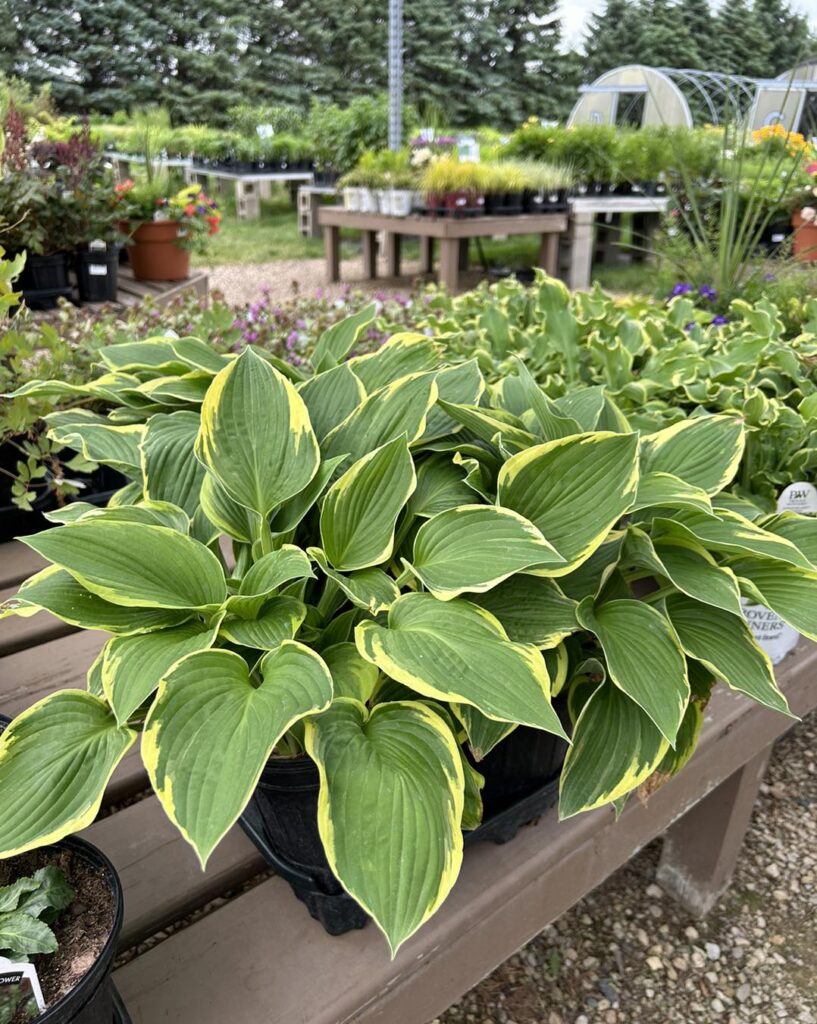
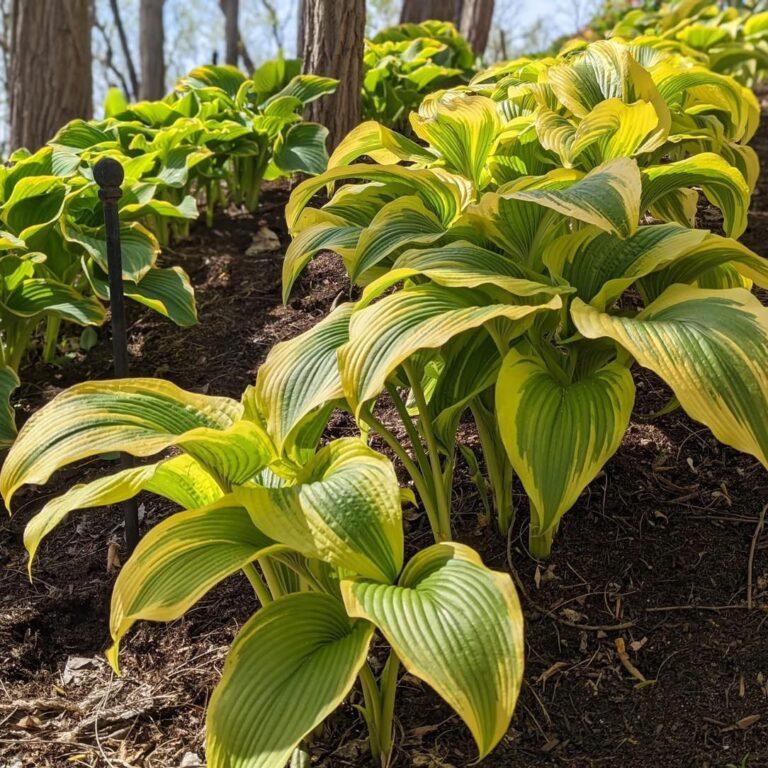
Hostas are usually grown for their broad, textured leaves, but they also send up tall flower spikes in summer, typically in shades of white or lavender. Some fragrant varieties, like ‘Guacamole,’ perfume the whole bed at dusk.
There are more than 8,000 registered hosta cultivars, according to the American Hosta Society, which gives gardeners an enormous range of leaf colors, sizes, and patterns to choose from.
In zone 9, hostas need consistent moisture and protection from the hottest afternoon sun, or leaf edges can scorch by midsummer.
Slugs and snails can be a nuisance in humid climates, so watch for chewed leaf margins early in the season.
3. Astilbe
Astilbe produces fluffy, plume-like flower spikes in shades of pink, red, purple, and white, rising above finely cut, fern-like foliage. The texture alone makes it stand out in a shaded bed.
It blooms in early to midsummer, and the color often holds for several weeks before fading to attractive dried seed heads.
This plant wants consistently moist soil — it’s one of the few shade perennials on this list that doesn’t tolerate drought well. In zone 9, mulch heavily to help retain soil moisture through summer heat.
Morning sun with afternoon shade gives the best bloom results in this climate.
4. Coral Bells (Heuchera)
Heuchera is grown partly for its foliage, which ranges from deep purple to lime green to amber, and partly for its thin, wiry flower stalks topped with tiny bell-shaped blooms. Hummingbirds visit these small flowers more often than people expect.
It blooms in late spring through early summer, adding a light, airy layer above the colorful leaf mounds.
Coral bells prefer part shade in zone 9, since intense afternoon sun can fade leaf color and stress the plant during peak summer heat.
Good drainage matters here — soggy soil in winter can cause crown rot even in a mild climate.
ALSO READ: 25 Best Perennial Flowers for Zone 9 (With Details)
5. Japanese Anemone
Japanese anemone flowers in late summer through fall, right when many shade perennials have already finished for the year. Pink or white blooms sit atop slender stems that sway gently in the breeze.
This plant spreads gradually by underground rhizomes, filling in shaded areas over a few seasons without becoming aggressive.
It prefers part shade and consistently moist, well-drained soil. In zone 9, some afternoon protection from direct sun helps the blooms last longer.
Established clumps need very little maintenance beyond an annual cleanup in late winter.
6. Toad Lily (Tricyrtis hirta)
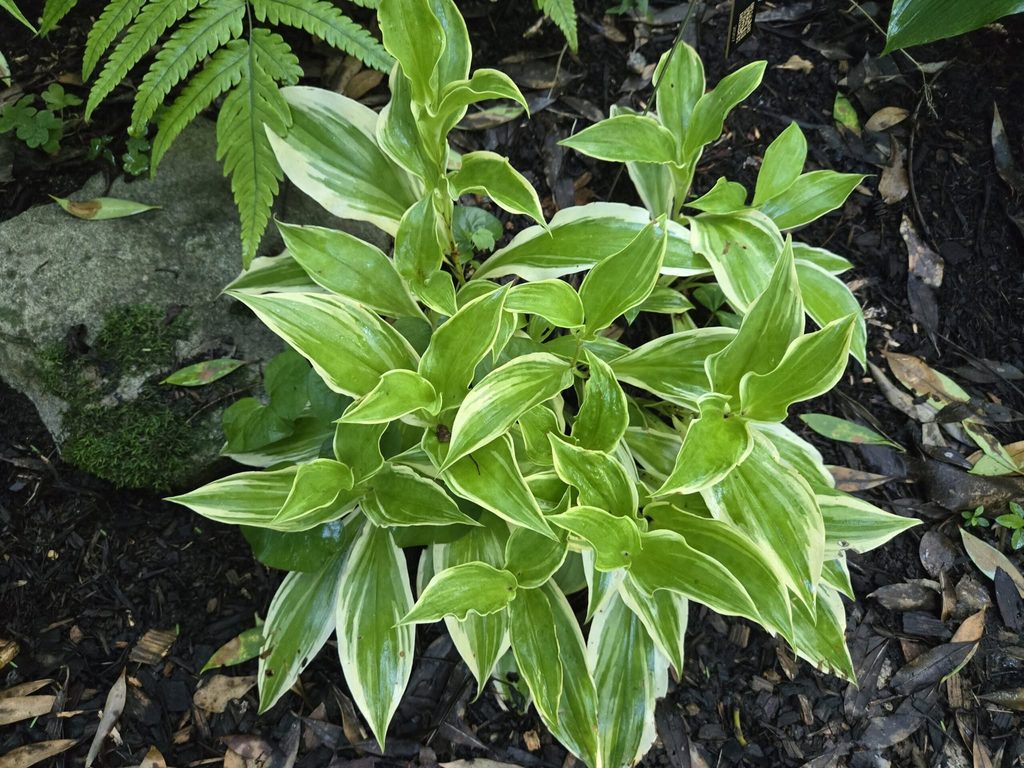
Toad lily gets its name from the small, orchid-like flowers speckled with purple spots, blooming in late summer into fall. It’s an unusual, conversation-starting plant that thrives in conditions many other flowers avoid.
This perennial genuinely prefers full to partial shade, making it one of the few flowering plants that performs better the less sun it gets in zone 9’s climate.
It likes rich, moist soil with good organic content, so working in compost at planting time pays off.
Toad lily spreads slowly, forming an attractive groundcover-like patch after a few years.
7. Cardinal Flower (Lobelia cardinalis)
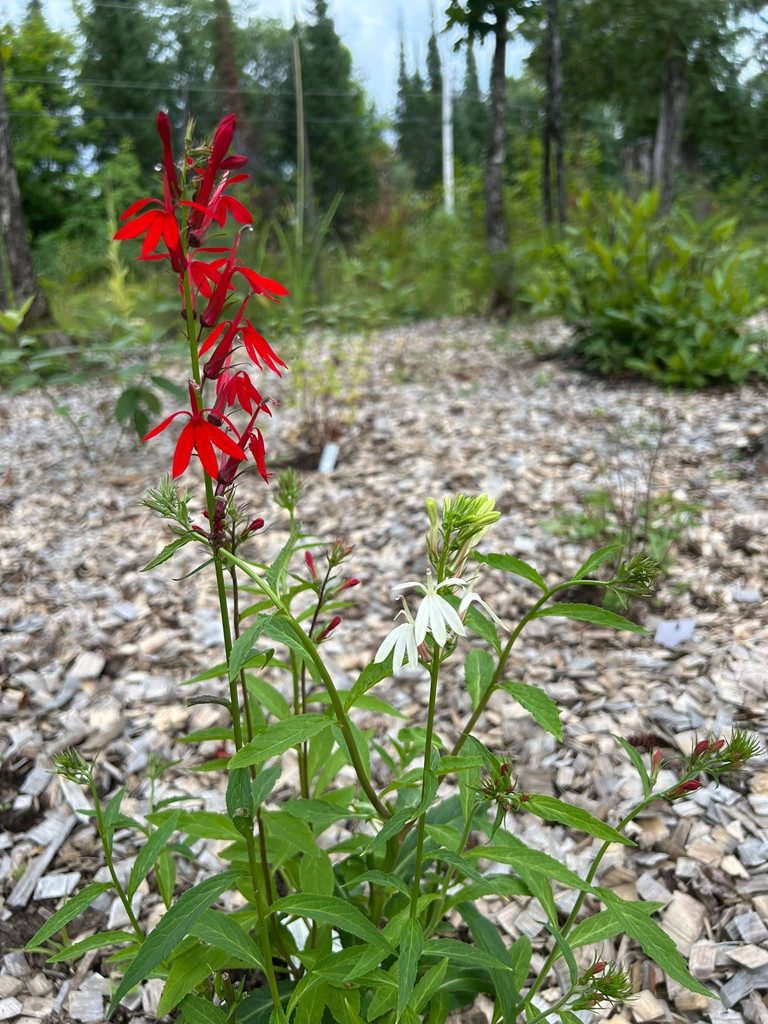
Cardinal flower produces tall, upright spikes of intense scarlet-red blooms in mid to late summer. It’s native to much of the eastern and southern United States, so it’s naturally well-suited to zone 9 conditions.
Hummingbirds are drawn to this plant more consistently than almost any other shade-tolerant perennial, thanks to its deep red, tubular flower shape.
It prefers part shade and moist soil, often growing naturally along stream banks and damp woodland edges. Zone 9 gardeners should keep soil consistently moist, especially during summer heat.
This plant is relatively short-lived but self-seeds readily, keeping a patch going for years.
8. Columbine (Aquilegia canadensis)
Columbine flowers have a distinctive shape, with backward-pointing spurs and nodding blooms in red, yellow, pink, or purple. The native eastern columbine handles zone 9’s heat better than many hybrid varieties.
It blooms in mid to late spring, often finishing before the hottest part of summer arrives — timing that works well in this climate.
Part shade with morning sun suits columbine best. It tolerates a range of soil types as long as drainage is decent.
This plant self-seeds easily, so new plants often appear nearby each year without any extra effort.
9. Woodland Phlox (Phlox divaricata)
Woodland phlox spreads low to the ground, forming a carpet of fragrant, star-shaped flowers in soft blue, lavender, or white. It blooms in early to mid-spring, often alongside other woodland perennials.
This plant is native to shaded forest floors across much of the eastern United States, which makes it naturally comfortable in zone 9’s dappled shade conditions.
It prefers moist, humus-rich soil, so adding compost or leaf mold at planting time helps it establish quickly.
After flowering, cut back stems lightly to encourage a tidier form through summer.
ALSO READ: 17 Fruit Trees for Zone 9 (Identification, With Details)
10. Foxglove (Digitalis purpurea)
Foxglove produces dramatic, towering flower spikes covered in tubular blooms, often spotted inside, in shades of purple, pink, and white. It’s technically a biennial or short-lived perennial, but it self-seeds reliably.
In zone 9, foxglove appreciates part shade and cooler morning sun, since intense heat can shorten its bloom period considerably.
Bees, especially bumblebees, favor this plant heavily, often disappearing entirely inside the tubular flowers while foraging.
Important: all parts of foxglove are toxic if ingested, so plant it away from areas where pets or children play.
11. Bear’s Breeches (Acanthus mollis)
This bold, sculptural perennial produces large, glossy, deeply lobed leaves alongside tall spikes of white and purple hooded flowers in early summer. It brings serious visual weight to a shaded bed.
Bear’s breeches tolerates deep shade better than most flowering perennials on this list, making it useful for genuinely dark corners of the garden.
It handles zone 9’s heat well once established, and actually prefers some relief from intense afternoon sun.
This plant can spread assertively over time, so give it room or plan to divide it every few years.
12. Clivia (Clivia miniata)

Clivia is native to South Africa’s forest understories, which makes it exceptionally well-adapted to shaded, humid zone 9 gardens. Clusters of trumpet-shaped orange (or occasionally yellow) flowers bloom on thick stalks above strappy, dark green leaves.
It flowers mainly in late winter and early spring, adding welcome color to shaded beds during the cooler months.
Clivia genuinely prefers dry shade once established, tolerating far less water than most flowering shade plants — a rare and useful trait.
It resents being disturbed, so once planted, leave it in place to mature undisturbed for years.
13. Firespike (Odontonema strictum)
Firespike produces long, upright spikes of tubular red flowers that bloom heavily from late summer through fall, right as many other shade plants are slowing down. It’s a favorite among zone 9 gardeners specifically for this reason.
Hummingbirds rely on firespike heavily in autumn, when many other nectar sources have already faded for the season.
This plant tolerates both shade and part sun, and it handles zone 9’s heat and humidity without any real struggle.
It dies back in a hard freeze but returns reliably from the roots each spring in zone 9’s mild winters.
ALSO READ: 55 Flowers That Grow in Shade (With Growing Details)
14. Turk’s Cap (Malvaviscus arboreus)
Turk’s cap gets its name from its unusual, spiral-shaped red flowers that never fully open. It’s native to the southern United States and Mexico, and it genuinely prefers filtered shade over full sun in hot climates.
This plant blooms continuously from late spring through fall, providing one of the longest bloom windows of any shade perennial on this list.
Hummingbirds and butterflies visit turk’s cap constantly, and its small red fruits attract birds later in the season too.
It tolerates drought reasonably well once established, though regular water encourages heavier blooming.
15. Walking Iris (Neomarica gracilis)
Walking iris produces flattened, iris-like leaves and delicate white-and-blue flowers with a faint fragrance. It gets its unusual name from the way new plantlets form at the tip of spent flower stalks, eventually bending down to root nearby.
Each individual bloom lasts only a day, but a healthy clump produces flowers in flushes throughout the warm season.
This plant thrives in filtered or partial shade in zone 9, and it tolerates the region’s humidity better than many other flowering perennials.
It prefers consistently moist, well-drained soil, and spreads gradually to form an attractive shaded groundcover.
16. Ajuga (Bugleweed)
Ajuga forms a dense, low mat of glossy foliage, often in bronze, purple, or variegated tones, topped with short spikes of blue-purple flowers in spring. It’s primarily grown as a groundcover, but the bloom period adds real seasonal interest.
This plant tolerates shade well and spreads readily, making it useful for filling in bare, difficult spots under trees or shrubs.
It handles zone 9’s heat reasonably well with consistent moisture, though it can struggle in the driest, sunniest corners.
Because it spreads by runners, contain it with edging if you don’t want it wandering into nearby beds.
17. Lungwort (Pulmonaria)
Lungwort produces clusters of small, funnel-shaped flowers in blue, pink, or purple, often on the same plant at once, since the color shifts as blooms age. Silver-spotted foliage adds interest even after flowering ends.
It blooms in early spring, giving shaded beds color before most other perennials wake up for the season.
This plant prefers part to full shade and consistently moist soil. In zone 9, protection from afternoon heat is important, since lungwort can struggle in prolonged high temperatures.
Mulching helps retain the moisture this plant needs through the warmer months.
ALSO READ: 30 Best Shrubs That Grow in Shade (Bushes Identification, With Pictures)
18. Hardy Geranium (Geranium maculatum)
Hardy geranium, also called wild cranesbill, produces soft pink to lavender flowers above deeply lobed foliage. It’s native to woodland edges across much of the eastern United States.
This plant blooms in mid to late spring, and it tolerates zone 9’s shade and humidity reasonably well, particularly in beds with some organic matter worked into the soil.
It spreads gently over time, forming an attractive, low-maintenance patch without becoming invasive.
Cutting back foliage after flowering often encourages a tidier appearance through summer.
19. Jacob’s Ladder (Polemonium caeruleum)
Jacob’s ladder gets its name from the way its leaflets line up in neat rows along each stem, resembling a small ladder. Clusters of blue to lavender bell-shaped flowers bloom above the foliage in late spring.
This plant prefers part shade and cooler conditions, so in zone 9, it does best with protection from intense afternoon sun and consistent soil moisture.
It’s a good choice for the cooler, more sheltered pockets of a shaded garden bed.
Regular watering during the hottest months helps this plant perform its best in a warm climate.
20. Ligularia
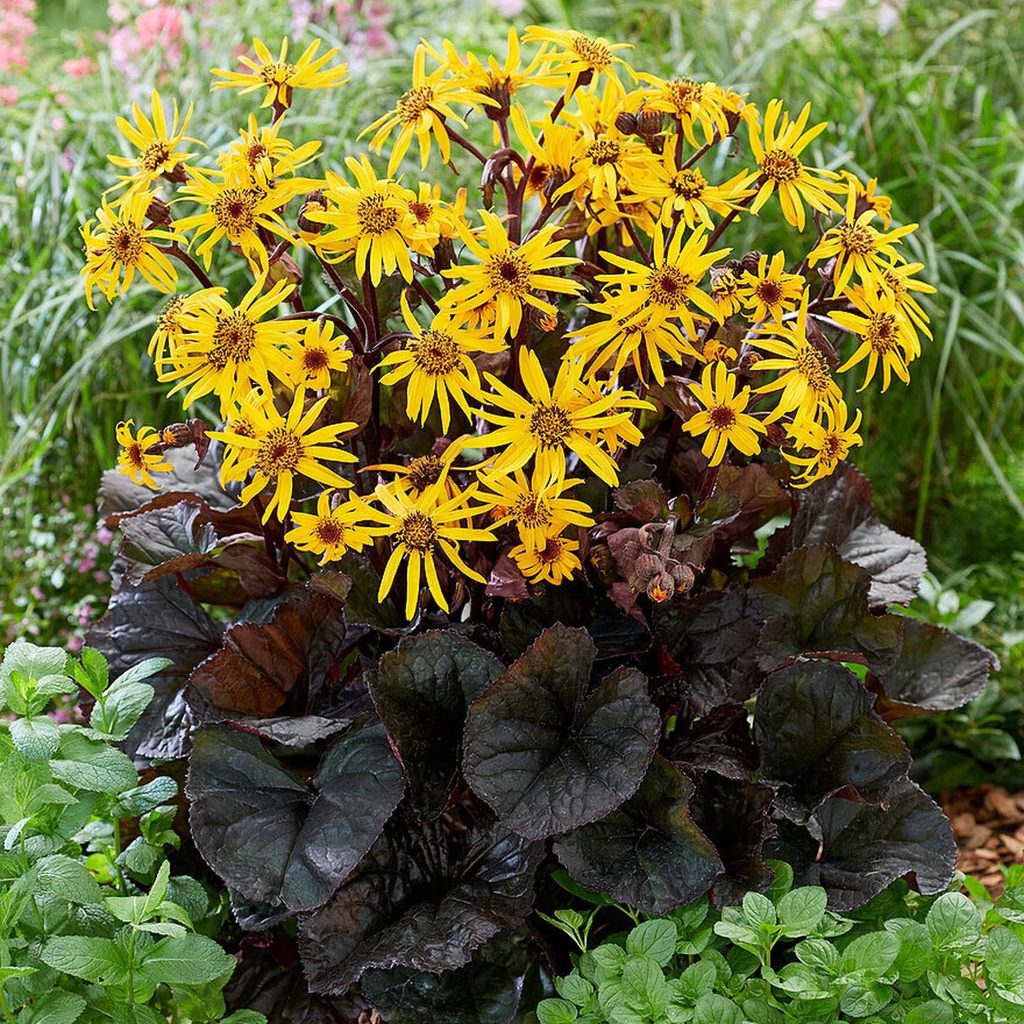
Ligularia produces large, sometimes heart-shaped or deeply cut leaves, along with tall spikes or clusters of yellow-orange, daisy-like flowers in mid to late summer. It’s a bold, statement-making plant for shaded beds.
This perennial needs consistently moist soil and appreciates some protection from direct sun, since its large leaves can wilt dramatically in intense heat, even with adequate water.
In zone 9, plant ligularia in a sheltered, shaded spot near a water feature or in consistently damp soil for the best results.
Wilting leaves in early afternoon usually recover by evening if the plant is otherwise healthy.
21. Brunnera (Siberian Bugloss)
Brunnera produces small, forget-me-not-like blue flowers in spring, paired with heart-shaped leaves often marked with silver variegation. The foliage alone makes this plant worth growing, even after the blooms fade.
This perennial prefers full to partial shade and consistently moist, rich soil. In zone 9’s heat, it does best in the coolest, most sheltered shade available.
It struggles in prolonged high temperatures, so gardeners in the hottest parts of zone 9 should give it extra mulch and consistent watering through summer.
Once established in the right spot, brunnera requires very little ongoing maintenance.
22. Bleeding Heart (Dicentra spectabilis)
Bleeding heart produces rows of small, heart-shaped pink or white flowers dangling from arching stems, blooming in mid to late spring. It’s one of the more delicate-looking perennials on this list.
This plant genuinely prefers cooler conditions, so in zone 9, it performs best in a sheltered, shaded spot with morning sun only and reliably moist soil.
Foliage often dies back by midsummer once temperatures climb, which is normal rather than a sign of a problem — the plant is simply going dormant early to cope with the heat.
Plant bleeding heart alongside later-emerging perennials that can fill the gap once it goes dormant.
23. Bergenia (Pigsqueak)
Bergenia produces large, glossy, rounded leaves alongside clusters of pink or magenta flowers on sturdy stalks in early spring. The foliage often takes on reddish tones in cooler months, adding year-round interest.
This plant tolerates shade well and handles a range of soil types, though it appreciates consistent moisture during zone 9’s hot summer stretch.
It’s a relatively low-maintenance perennial, needing little beyond an occasional cleanup of old or damaged leaves.
Bergenia works particularly well as an edging plant along shaded pathways.
ALSO READ: 20 Evergreen Trees That Grow in Shade (With Growing Details)
24. Shrimp Plant (Justicia brandegeeana)
Shrimp plant gets its name from its curved, overlapping bracts that resemble a shrimp’s shell, usually in coppery orange or chartreuse, with small white flowers peeking out from within.
In zone 9’s mild climate, this plant can bloom nearly continuously, with only a brief pause during the coolest weeks of winter.
It tolerates part shade well and handles humidity without issue, making it a strong match for the Gulf Coast and similar regions.
Hummingbirds visit the small white flowers regularly, even though the colorful bracts are what catch a person’s eye first.
25. Fuchsia (Hardy Fuchsia magellanica)
Hardy fuchsia produces distinctive, dangling flowers with two-toned petals, usually in combinations of pink, red, and purple. The shape and movement of the blooms make them look almost like tiny dancers hanging from the stems.
This plant blooms from late spring through fall, and hummingbirds visit it as reliably as almost any flower on this list.
In zone 9, fuchsia needs part to full shade and protection from the hottest afternoon sun, since intense heat can cause it to drop buds before they open.
Consistent moisture and a cooler, sheltered spot bring out the best and longest bloom performance.
How to Choose the Right Shade Flowers for Your Zone 9 Garden
Not all “shade” is equal, so the first step is figuring out what kind you actually have. Dappled shade under tall trees suits plants like hosta, astilbe, and toad lily, while deep, dry shade near a wall or fence favors clivia and bear’s breeches.
Moisture needs vary widely across this list. Astilbe, ligularia, and cardinal flower want consistently damp soil, while clivia and turk’s cap tolerate drier conditions once established. Matching plants to your bed’s natural moisture level saves a lot of frustration later.
Bloom timing is worth planning around, too. Hellebore and clivia bring color in winter and early spring, while firespike and toad lily carry the display into fall — combining a few of each keeps a shaded bed interesting for most of the year.
Finally, consider wildlife. Cardinal flower, firespike, turk’s cap, and fuchsia all draw hummingbirds reliably, adding movement and life to parts of the garden that might otherwise feel quiet and still.
Frequently Asked Questions
What flowers grow best in full shade in zone 9? Hellebore, clivia, bear’s breeches, and toad lily all tolerate full shade well, making them strong choices for the darkest corners of a zone 9 garden.
Which shade perennials bloom the longest in zone 9? Turk’s cap and firespike both bloom for several months at a stretch, often from late spring or summer through the first frost.
Do shade flowers still need water in zone 9’s heat? Yes. Even shade-loving plants lose moisture through humid, hot summers, and most on this list need supplemental water during extended dry spells, especially astilbe, ligularia, and bleeding heart.
Are any of these shade flowers toxic to pets? Yes — hellebore and foxglove are both toxic if ingested. Plant them away from areas where pets or children spend time, and consider pet-safe alternatives like hosta or coral bells in those spots instead.
Final Thoughts
Shade doesn’t have to mean a bare, empty corner of the garden. With the right combination of plants, a shaded zone 9 bed can bloom for most of the year, drawing hummingbirds and butterflies while staying far more forgiving to maintain than a full-sun border.
Start with two or three of these perennials that match your specific shade type and moisture level, then build outward from there. Given a season or two to settle in, a shaded garden can end up being the most rewarding part of the whole yard.

Tim M Dave is a gardening expert with a passion for houseplants, particularly cacti and succulents. With a degree in plant biology from the University of California, Berkeley, he has vast experience in gardening. Over the years, he has cultivated a vast collection of desert plants and learned a great deal about how to grow and care for these unique companions.