15 Flowers That Smell Like Vanilla (With Pictures, And Growing Details)
Many vanilla-scented flowers produce a compound called heliotropin, also known as piperonal. This is the same molecule found in true vanilla beans, and it creates that soft, powdery, dessert-like aroma.
Other flowers rely on vanillin itself, or closely related aromatic compounds, released through their petals as the bloom matures. This is why some vanilla-scented flowers smell stronger in the evening or after a warm afternoon. Heat releases more of the fragrant oils into the air.
This guide walks you through 15 flowers that genuinely smell like vanilla. Some carry a true custard-like sweetness. Others lean more toward almond, honey, or spice, with vanilla riding underneath.
1. Vanilla Orchid (Vanilla planifolia)
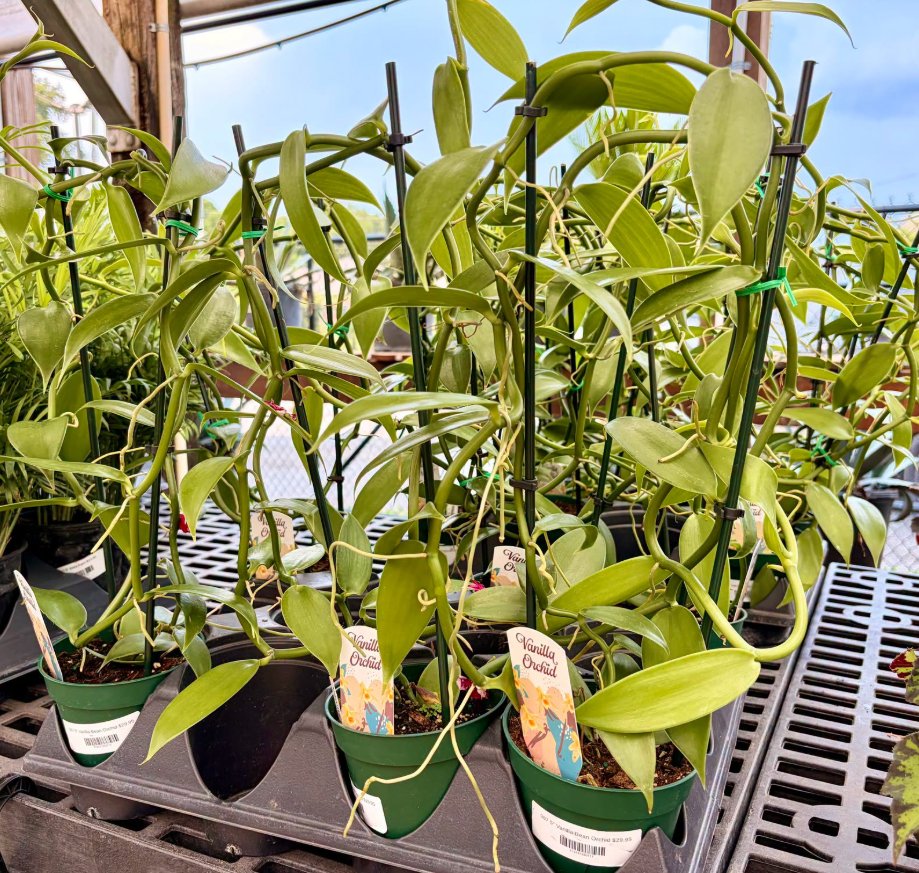
There is no better place to start than the source itself. The vanilla orchid is the only orchid species grown commercially for food, and its cured seed pods are the actual vanilla beans used in kitchens worldwide. The flower itself is pale yellow-green, bell-shaped, and surprisingly subtle in scent compared to the bean.
I find it fascinating that this humble-looking flower is responsible for one of the most recognizable tastes in the world. According to the University of Florida’s IFAS Gardening Solutions program, less than 1% of vanilla sold today actually comes from the vanilla orchid, since most is synthetic vanillin made in labs.
Growing this orchid is not simple. It needs a warm, humid climate similar to USDA hardiness zones 10a to 11a, and it grows as a climbing vine that can stretch beyond 200 feet under the right conditions. Each flower opens for only one day and must be hand-pollinated within hours of blooming, which is part of why real vanilla stays so costly.
2. Heliotrope (Heliotropium arborescens)
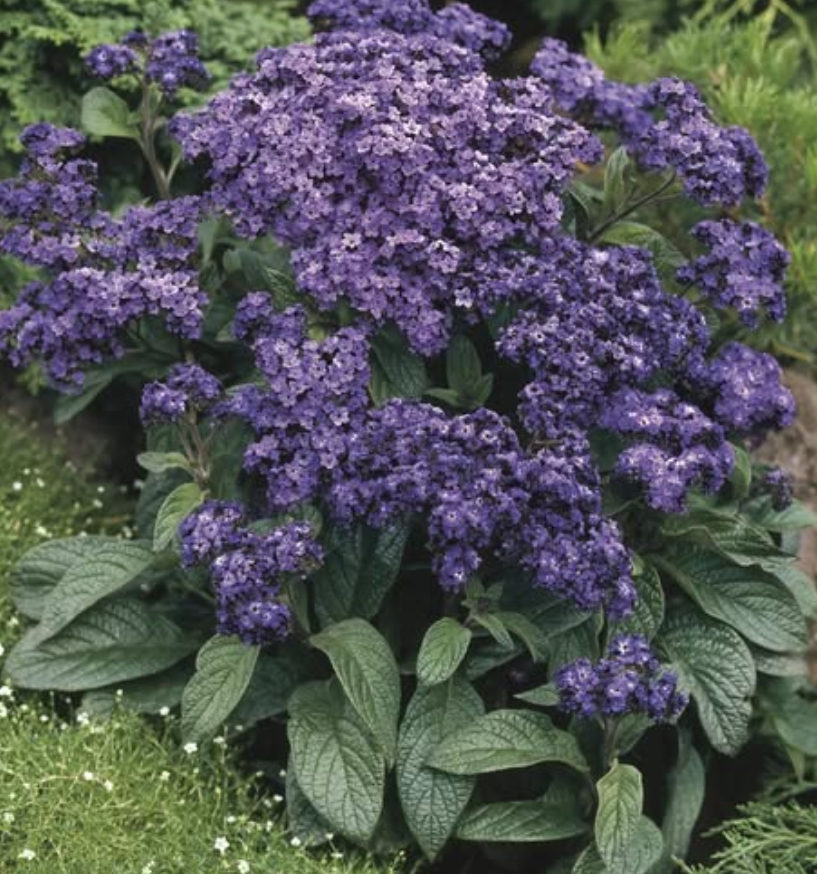
Heliotrope earns its nickname “cherry pie plant” for good reason. The small purple flower clusters smell like a mix of vanilla, almond, and baked cherries, and the fragrance is strong enough to fill an entire patio on a warm evening.
I planted heliotrope near my back door specifically because the scent hits you before you even see the flowers. It is one of the few plants where the smell arrives before the visual, which makes it a lovely surprise for guests walking up to the house.
NC State Extension confirms this plant is strongly fragrant with a vanilla-like scent, and describes it as a tender perennial shrub often grown as a summer annual in cooler climates. It typically grows two to six feet tall in its native tropical range, though most garden varieties stay closer to two feet.
Keep pets and grazing animals away, since all parts of this plant are considered toxic if consumed in quantity.
3. Gardenia (Gardenia jasminoides)
Gardenia is a classic Southern garden staple, and its fragrance is often described as a blend of vanilla, jasmine, and a touch of nutmeg. The scent grows spicier and richer as the white blossoms age on the shrub, which gives gardenia a layered, evolving perfume rather than one flat note.
I always tell people that a single gardenia bloom, cut and placed in a small dish of water, can perfume an entire room for days. That is not an exaggeration. Florida horticulture extension records describe gardenias as having a fragrance of vanilla, jasmine, and nutmeg that becomes spicier as the blooms age.
The plant is a medium evergreen shrub, usually four to eight feet tall and wide, with glossy dark green leaves. It prefers acidic, well-drained soil and does best in full sun to partial shade. Gardenias have been cultivated in China for more than a thousand years before making their way to Europe and the American South in the 1700s.
4. Sweet Alyssum (Lobularia maritima)
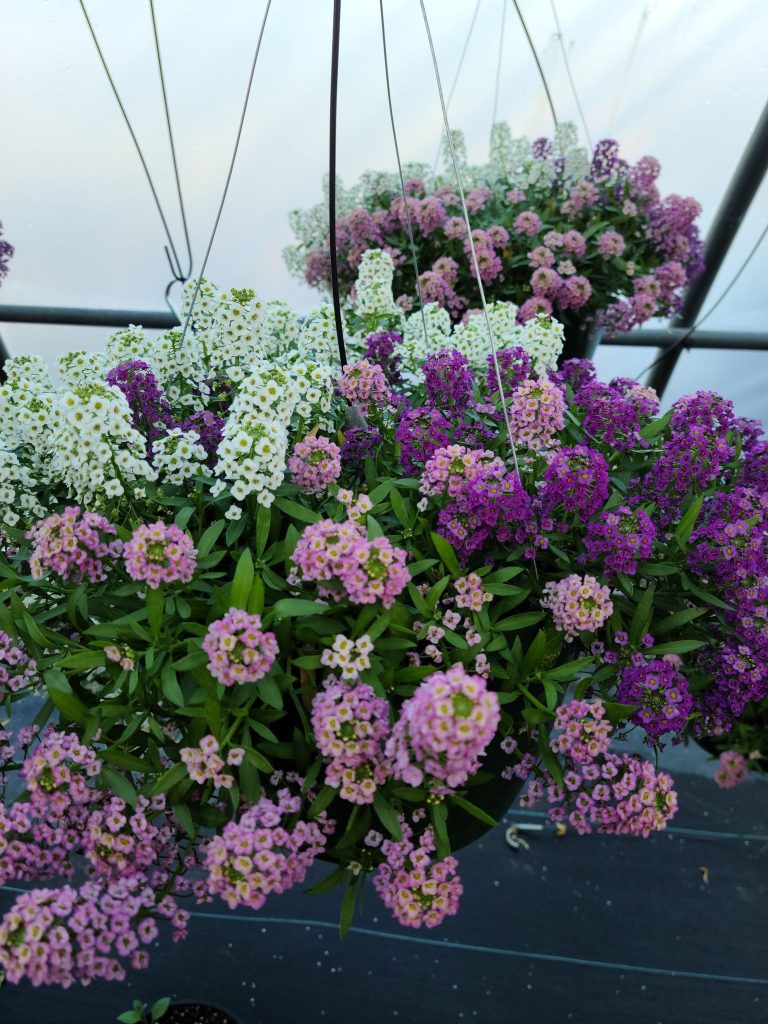
Sweet alyssum is a low-growing, carpet-forming annual that produces tiny clusters of white, pink, or purple flowers. Up close, the scent carries honeyed, sweet notes with a soft vanilla undertone, especially on plants grown in full sun.
I like using sweet alyssum as a border plant because it blooms continuously from spring through the first frost, and it rewards very little effort. It reseeds easily too, so once established, it tends to come back on its own the following year.
This flower is a favorite of pollinators, particularly bees and hoverflies, since the fragrance and nectar are both easy to access. It stays compact, usually under a foot tall, which makes it ideal for edging walkways, window boxes, or rock gardens where the scent can rise up to meet you.
5. Garden Phlox (Phlox paniculata)
Garden phlox produces large, domed flower clusters in shades of white, pink, and purple, and many cultivars carry a fragrance that leans sweet and slightly spicy, with a warm vanilla base. The scent tends to intensify in the evening air, which makes phlox a wonderful choice near a porch or patio seating area.
I have grown phlox for years, and I still notice how the fragrance changes depending on humidity. On damp evenings, the scent seems to hang lower and thicker around the plant.
NC State Extension notes that phlox is an erect, clump-forming perennial reaching two to four feet tall, blooming from midsummer into fall.
University of Minnesota Extension adds that many cultivars are strongly fragrant and highly attractive to hummingbirds and clearwing moths. Good air circulation helps prevent powdery mildew, a common issue with this species.
ALSO READ: 25 Flowers That Don’t Need Direct Sun (With Pictures)
6. Angel’s Trumpet (Brugmansia species)
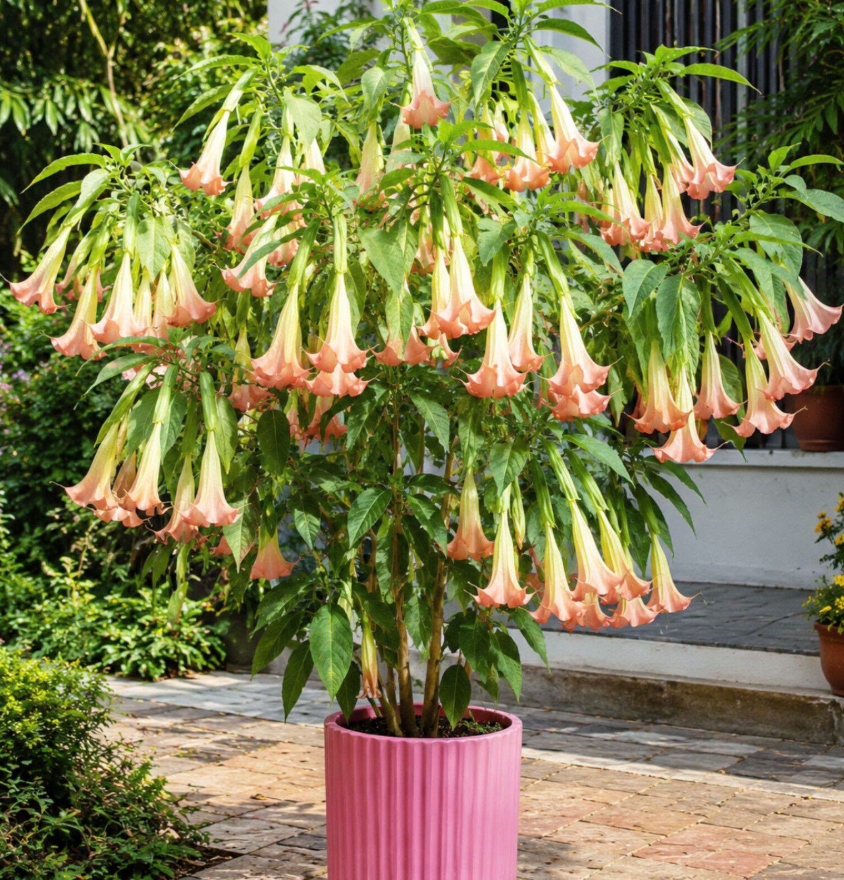
Angel’s trumpet produces enormous, drooping, trumpet-shaped flowers that can reach up to a foot in length. The fragrance is often described as a rich blend of vanilla and custard, and it grows noticeably stronger after sunset, which is when the plant attracts night-flying pollinators like moths.
I have to be honest here. This plant is stunning, but every part of it is toxic if ingested, so it needs careful placement in homes with children or pets. Still, gardeners keep growing it because few flowers deliver such a dramatic, theatrical fragrance at dusk.
Brugmansia grows as a woody shrub or small tree, often reaching six to fifteen feet in warm climates, and it dies back in frost but can be grown in containers and brought indoors in cooler regions.
The blooms come in white, yellow, pink, and orange, and a single well-established plant can produce dozens of flowers at once during peak season.
ALSO READ: 35 Good Flowers to Grow in Pots (With Pictures)
7. Flowering Tobacco (Nicotiana alata)
Flowering tobacco is an underrated garden annual with star-shaped, tubular flowers that open fully in the evening. The scent combines clove and vanilla notes, and it becomes far more noticeable after dark, since the plant times its fragrance release to attract nighttime pollinators like moths.
I planted this near a bedroom window one summer, and the smell drifting in after sunset became one of my favorite parts of that season. It is subtle during the day, almost unnoticeable, but transforms completely by evening.
The plant typically grows one to three feet tall, with flowers in white, pink, red, or lime green. It thrives in full sun to partial shade and tolerates a wide range of soil types, which makes it a forgiving choice for beginner gardeners who still want a fragrant payoff.
8. Plumeria (Plumeria species)
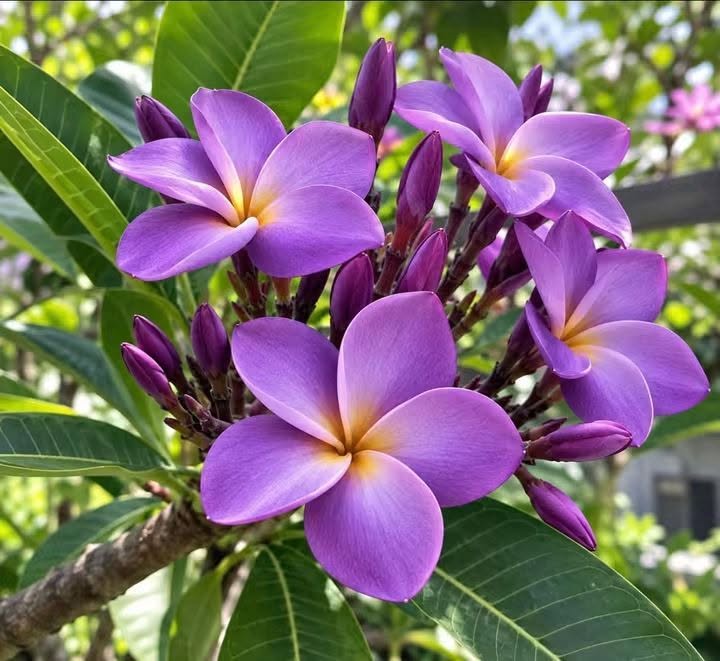
Plumeria, also called frangipani, is best known for its role in Hawaiian leis, but many varieties carry a warm, creamy scent with distinct vanilla and coconut undertones. The waxy, five-petaled flowers come in white, yellow, pink, and multicolor combinations, each releasing fragrance most strongly in the late afternoon and evening.
I think plumeria deserves more attention outside tropical vacation memories. Grown in a container, it can thrive on a sunny patio almost anywhere, as long as it comes indoors before frost.
This plant grows as a small tree or large shrub, typically eight to ten feet tall in cultivation, though it can reach much taller in native tropical soil. It is drought-tolerant once established and actually blooms best when slightly underwatered, which makes it a low-maintenance option for gardeners in warm, dry climates.
9. Chocolate Cosmos (Cosmos atrosanguineus)
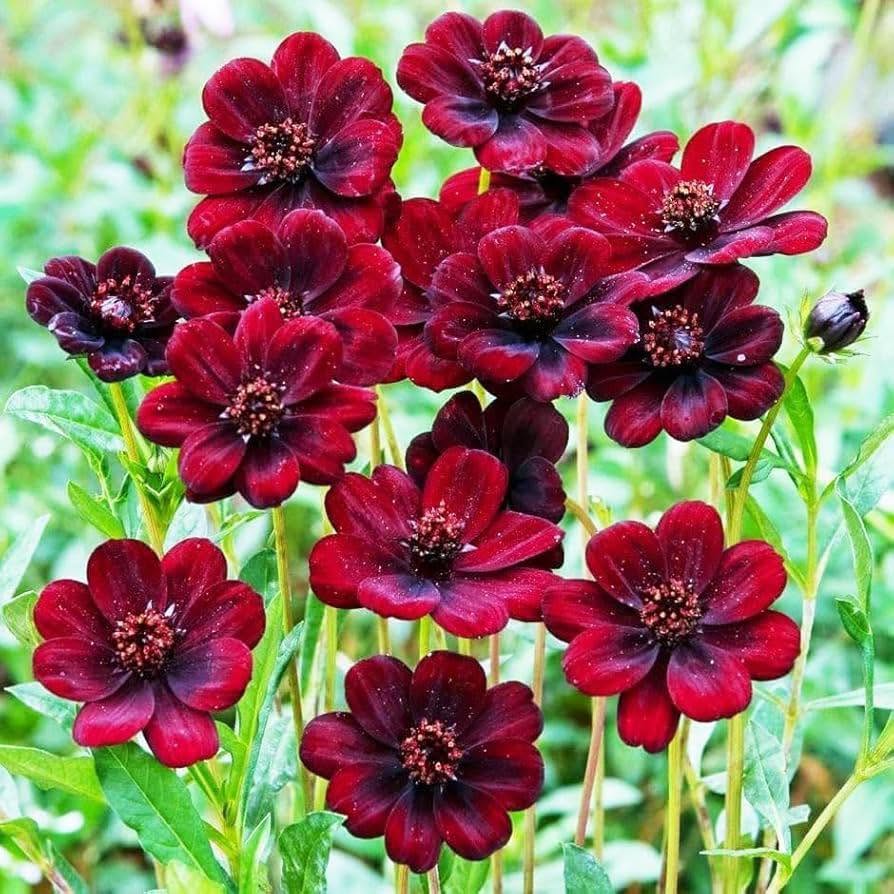
Chocolate cosmos lives up to its name with deep maroon, velvety petals and a scent that blends chocolate with a distinct vanilla sweetness. It is one of the more unusual entries on this list, since the flower looks almost black in low light, yet smells like a warm dessert.
I always recommend planting chocolate cosmos near a seating area, because the fragrance is subtle from a distance but rewarding up close. It is the kind of flower that makes visitors lean in and ask what they are smelling.
This perennial typically grows one to two feet tall and blooms from midsummer through fall. It is native to Mexico and is only hardy in warmer zones, so many gardeners in cooler climates treat it as an annual or overwinter the tuberous roots indoors, similar to dahlias.
10. Clove Pink (Dianthus caryophyllus)
Clove pink, the wild ancestor of the modern carnation, produces fringed pink or white flowers with a spicy fragrance that carries clear vanilla and clove notes. This scent profile is actually where the flavoring “clove pink” gets its name, since early perfumers used the blooms to scent wine and vinegar centuries ago.
I enjoy growing clove pinks along garden edges where their low, mounding habit works as a natural border. The scent is strongest on warm, sunny afternoons, fading somewhat once temperatures drop in the evening.
The plant typically reaches one to two feet tall, with gray-green foliage that stays attractive even when not in bloom. It prefers well-drained, slightly alkaline soil and full sun, and it is a favorite among pollinators, particularly butterflies drawn to its sweet, spicy perfume.
11. Sweet Autumn Clematis (Clematis terniflora)
Sweet autumn clematis is a fast-growing vine that produces a blanket of small, star-shaped white flowers in late summer and early fall. The fragrance is often described as a mix of almond and vanilla, carried on the breeze in a way that can perfume an entire yard when the vine is in full bloom.
I have seen this vine completely cover a fence or arbor within a single growing season, which is both its biggest advantage and its biggest challenge. It spreads aggressively in some regions, so many extension offices now recommend monitoring it closely or choosing native clematis alternatives instead.
This vine can climb 15 to 30 feet given the right support, and it blooms heavily for several weeks before producing decorative, feathery seed heads. It tolerates a wide range of soil conditions and handles both sun and partial shade, which explains why it spreads so easily once established.
12. Star Jasmine (Trachelospermum jasminoides)
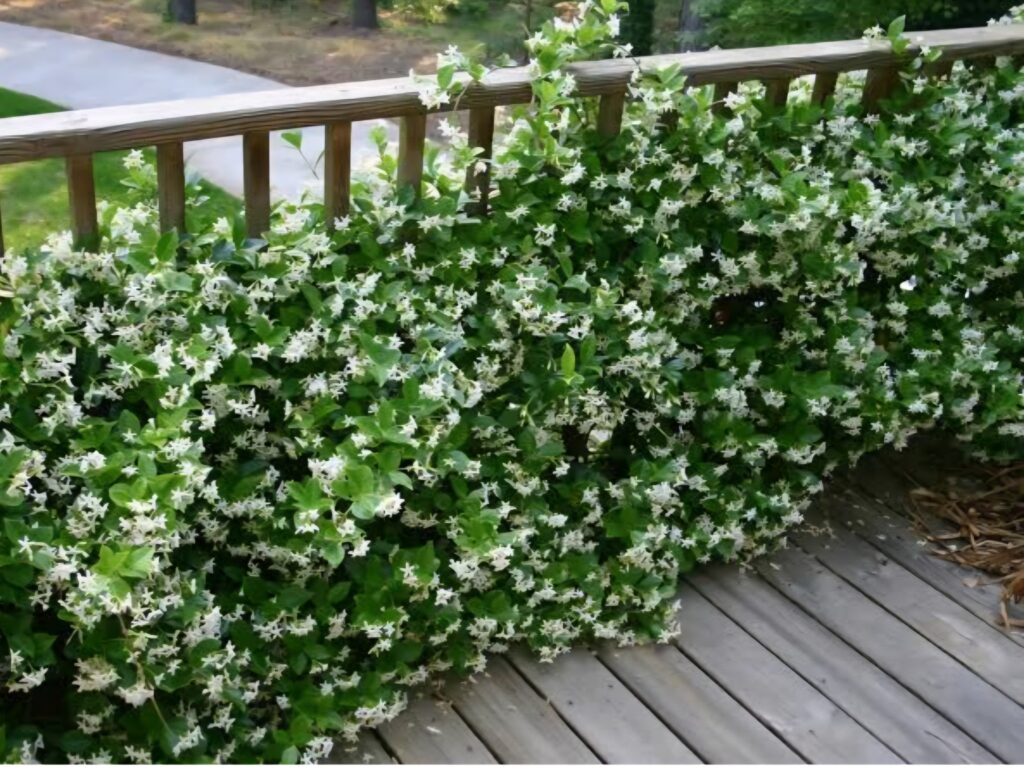
Star jasmine, sometimes called Confederate jasmine, is a twining evergreen vine covered in small, pinwheel-shaped white flowers. Despite the name, it is not a true jasmine at all, but a member of a completely different plant family. Its fragrance carries sweet, creamy vanilla notes layered under the classic jasmine profile.
I like training this vine over doorways and trellises specifically because the scent gets trapped in that enclosed space, creating a wall of fragrance every time someone walks through. It is one of the most requested plants for that exact reason.
Clemson Cooperative Extension describes it as intensely fragrant, with clusters of blooms appearing on twining stems in spring. The vine can reach considerable length when supported, climbing fences, posts, or arbors, and it stays evergreen in warmer climates, giving year-round structure even outside of bloom season.
13. Mock Orange (Philadelphus coronarius)
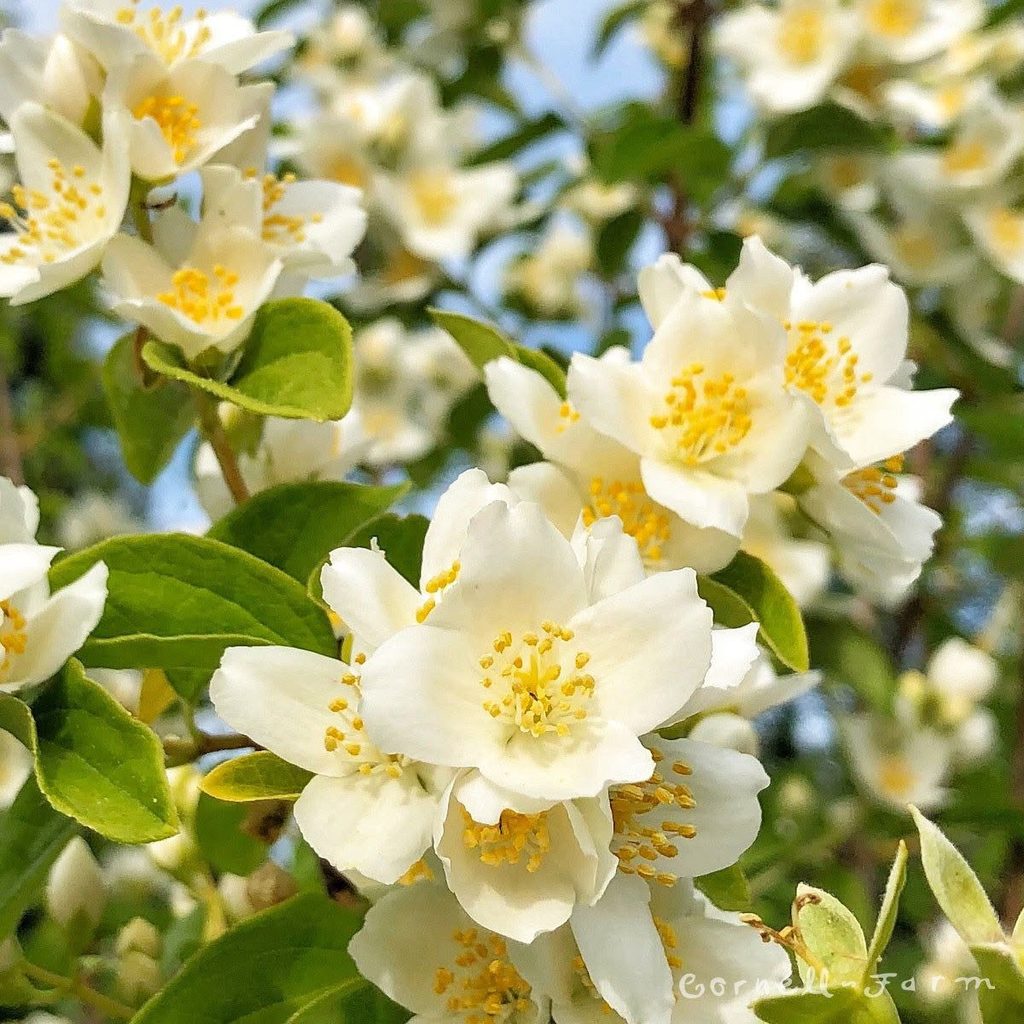
Mock orange is a deciduous shrub that produces clusters of white, four-petaled flowers in late spring. The scent is often compared to orange blossom with a creamy vanilla base, strong enough to be detected from several yards away on a calm day.
I planted mock orange along a fence line mainly for privacy, and the fragrance during its short bloom window turned out to be an unexpected bonus. The bloom period only lasts a few weeks, so many gardeners pair it with later-blooming shrubs to keep the fragrance rotation going through the season.
This shrub typically grows six to ten feet tall and wide, tolerating a range of soil types as long as drainage is decent. It prefers full sun for the heaviest bloom, though it also tolerates partial shade with slightly reduced flowering.
14. Bearded Iris (Iris germanica, select cultivars)
Not every bearded iris carries a strong scent, but certain cultivars, often marketed under names referencing grape or vanilla, produce a distinctly sweet, custard-like fragrance close to the bloom. The scent tends to be most noticeable when you bend down and smell the flower directly, rather than from a distance.
I find bearded iris rewarding because the plant does double duty. The ruffled, colorful blooms are a visual centerpiece in late spring, and the fragrant varieties add a bonus layer that many gardeners do not expect until they get close.
These irises grow from rhizomes and typically reach two to three feet tall, thriving in full sun with well-drained soil. They are drought-tolerant once established and multiply over time, making them a long-term investment for a fragrant spring border.
15. Stock Flower (Matthiola incana)
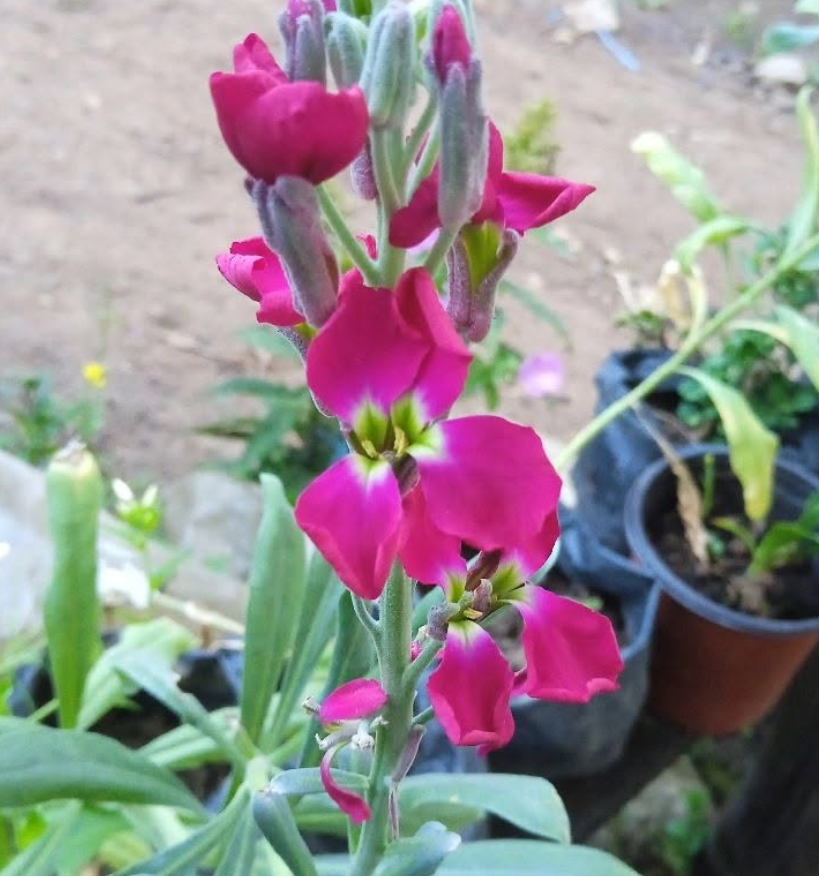
Stock flower produces dense spikes of ruffled blooms in shades of pink, purple, white, and lavender. The fragrance is spicy and sweet at once, often described as clove mixed with vanilla, and it tends to be strongest in cooler morning and evening air rather than the heat of midday.
I love using stock in cutting gardens because a single stem in a vase can scent an entire room for days. It is a favorite among florists for exactly this reason, alongside its long vase life compared to many other cut flowers.
This annual typically grows one to three feet tall, depending on the variety, and prefers cooler growing conditions. It performs best as a spring or fall crop in warm climates, since intense summer heat can shorten its bloom period and reduce fragrance intensity.
ALSO READ: 35 Flowers That Attract Bees (With Pictures, And Growing Tips)
Quick Comparison Table
| Flower | Scent Profile | Bloom Season | Typical Height |
| Vanilla Orchid | Subtle, sweet | Varies, single-day blooms | Vine, 200+ ft |
| Heliotrope | Vanilla, cherry, almond | Summer | 2 ft |
| Gardenia | Vanilla, jasmine, nutmeg | Late spring to summer | 4-8 ft |
| Sweet Alyssum | Honey, soft vanilla | Spring to frost | Under 1 ft |
| Garden Phlox | Sweet, spicy vanilla | Midsummer to fall | 2-4 ft |
| Angel’s Trumpet | Vanilla, custard | Summer to fall, night-scented | 6-15 ft |
| Flowering Tobacco | Clove, vanilla | Summer, night-scented | 1-3 ft |
| Plumeria | Vanilla, coconut | Late afternoon to evening | 8-10 ft |
| Chocolate Cosmos | Chocolate, vanilla | Midsummer to fall | 1-2 ft |
| Clove Pink | Clove, vanilla | Summer | 1-2 ft |
| Sweet Autumn Clematis | Almond, vanilla | Late summer to fall | Vine, 15-30 ft |
| Star Jasmine | Sweet, creamy vanilla | Spring | Vine, variable |
| Mock Orange | Orange blossom, vanilla | Late spring | 6-10 ft |
| Bearded Iris (select) | Sweet, custard-like | Late spring | 2-3 ft |
| Stock Flower | Clove, vanilla | Spring/fall | 1-3 ft |
Tips For Growing Vanilla-Scented Flowers Together
If you want to build a garden bed dedicated to this fragrance family, timing matters. Pair day-scented flowers like gardenia and phlox with night-scented ones like angel’s trumpet and flowering tobacco. This gives you fragrance coverage from morning through late evening.
Group taller shrubs like gardenia and mock orange toward the back of a bed, then let lower growers like sweet alyssum and clove pink fill the front edge. Vines such as star jasmine and sweet autumn clematis work best on a fence, arbor, or trellis where the scent can gather in one spot.
Water and soil needs vary across this list, so check each plant’s preferences before grouping them too tightly. A gardenia, for example, wants acidic soil, while bearded iris prefers a more neutral to slightly alkaline mix.
Final Thoughts
Vanilla-scented flowers bring something that color alone cannot offer. They turn a garden into a place people want to linger in, not just look at. Whether you choose the true vanilla orchid or a more forgiving option like sweet alyssum, each of these 15 flowers adds that familiar, comforting warmth to outdoor spaces.
I would start small if you are new to fragrance gardening. Pick two or three from this list, based on your climate zone, and build outward from there once you see what thrives. The reward, that soft vanilla air drifting through your yard on a warm evening, is worth the patience.
References
- University of Florida IFAS Gardening Solutions — Vanilla: https://gardeningsolutions.ifas.ufl.edu/plants/edibles/vegetables/vanilla/
- University of Florida IFAS — Vanilla Growing in South Florida (HS1348): https://ask.ifas.ufl.edu/publication/HS1348
- NC State Extension Plant Toolbox — Heliotropium arborescens: https://plants.ces.ncsu.edu/plants/heliotropium-arborescens/
- NC State Extension Plant Toolbox — Gardenia jasminoides: https://plants.ces.ncsu.edu/plants/gardenia-jasminoides/
- NC State Extension Plant Toolbox — Phlox paniculata: https://plants.ces.ncsu.edu/plants/phlox-paniculata/
- University of Minnesota Extension — Tall Garden Phlox: https://extension.umn.edu/flowers/tall-garden-phlox
- Clemson Cooperative Extension HGIC — Jasmine Factsheet: https://hgic.clemson.edu/factsheet/jasmine/

Tim M Dave is a gardening expert with a passion for houseplants, particularly cacti and succulents. With a degree in plant biology from the University of California, Berkeley, he has vast experience in gardening. Over the years, he has cultivated a vast collection of desert plants and learned a great deal about how to grow and care for these unique companions.