40 Arizona Native Flowers (With Bloom Times & Growing Tips)
Arizona does not look like a place built for flowers. Yet drive through the Sonoran Desert in March, and you will find carpets of gold, purple, and orange stretching to the horizon.
I still remember my first spring in Phoenix, when a stretch of dry roadside turned into a wall of poppies overnight. It felt like the desert had been hiding a secret.
This guide covers 40 Arizona native flowers, so you can find what blooms where, and when.
Quick answer: Arizona’s official state flower is the saguaro cactus blossom, designated in 1931. It blooms at night between April and June and closes by the following afternoon, making it one of the shortest-lived state flowers in the country.
Let’s get into it.
40 Arizona Native Flowers
1. Saguaro Cactus Blossom
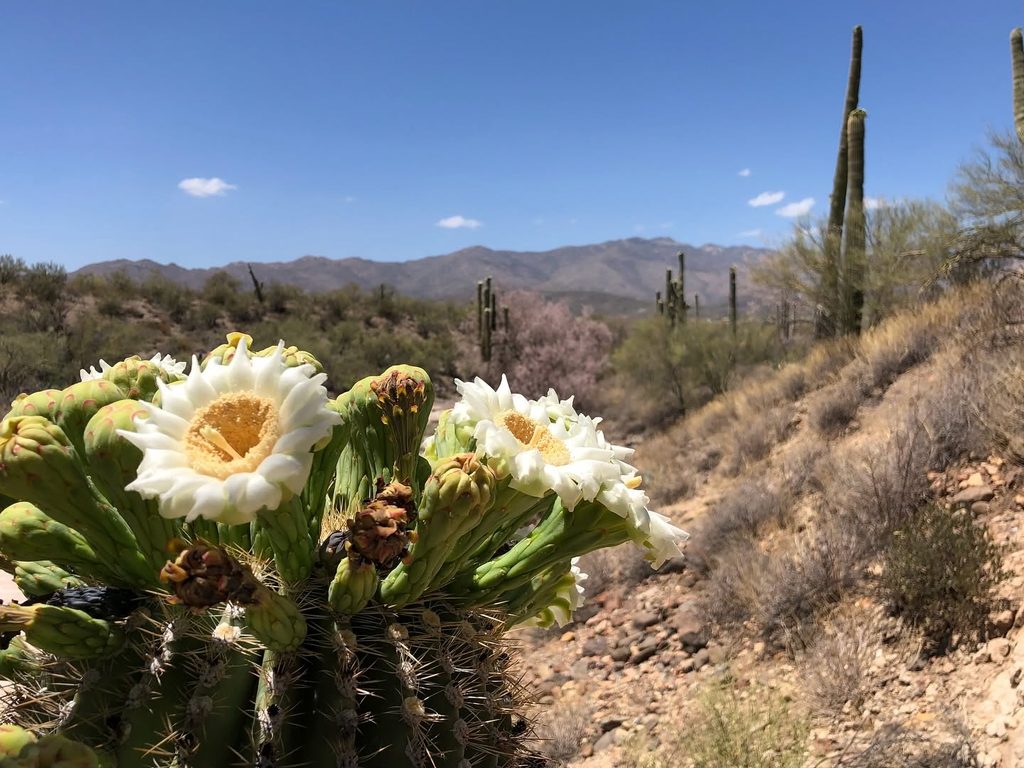
Arizona’s official state flower since 1931 is the creamy-white bloom of the giant saguaro. Each flower opens after sunset and stays open through the night for bats and moths, then closes by the next afternoon. That means a single blossom lives for roughly 24 hours.
Peak bloom season runs from late April through June. A mature saguaro can carry dozens of these flowers at once, though only a handful open on any given night. This is the only U.S. state flower that comes from a cactus rather than a shrub or tree.
ALSO READ: Are Saguaro Cactus Protected? What to Know
2. Mexican Gold Poppy
If you have seen photos of Arizona hillsides turning solid orange in spring, you have seen the Mexican gold poppy. It blooms from February to April, and a wet winter can trigger a true super bloom across places like the Sonoran Desert National Monument.
The petals close at night and on cloudy days, opening fully only in bright sunlight. This flower is an annual, meaning its entire life cycle depends on winter rainfall. A dry year can mean almost no bloom at all.
3. Desert Marigold
Desert marigold produces bright yellow, papery flowers on silvery-gray stems. It blooms nearly year-round in warmer areas, though its heaviest show comes between March and May.
This plant is remarkably drought tolerant and often thrives in gravelly roadside soil where little else survives. Note that the foliage is toxic to livestock, so it is planted mainly for its resilience and color rather than any culinary use.
4. Brittlebush
Brittlebush covers entire hillsides with yellow daisy-like flowers held above silver-green leaves. Bloom season peaks from February to April, right alongside the poppies.
Early Spanish missionaries reportedly burned its dried sap as incense, giving it the nickname “incienso.” Today it is one of the most common shrubs used in low-water desert landscaping across Phoenix and Tucson.
5. Ocotillo
Ocotillo looks like a bundle of thorny whips most of the year, then bursts into scarlet-red tubular flowers at the tips after rainfall. Bloom timing is unpredictable, but it usually peaks between March and June.
Hummingbirds rely heavily on ocotillo nectar during spring migration. Unlike a true cactus, ocotillo can grow tiny leaves within days of rain, then drop them again during dry spells.
6. Desert Ironwood
Desert ironwood produces clusters of small pink and lavender pea-like flowers in late spring, usually April through May. It is considered a keystone species of the Sonoran Desert because so many other plants germinate in its shade.
Ironwood trees can live for over 800 years, among the longest lifespans of any desert tree. Its wood is so dense that it sinks in water.
7. Ghost Flower
The ghost flower is a small, pale, translucent bloom with purple veining that seems to glow faintly in low light. It appears briefly from March to April, mostly in sandy desert washes.
Because it is so short-lived and easy to overlook, many longtime desert hikers say they have never spotted one. Finding a ghost flower patch is considered a small badge of honor among native plant enthusiasts.
8. Arizona Lupine
Arizona lupine grows in dense spikes of blue-purple flowers, often mixed in with gold poppies to create the classic two-tone desert wildflower photo. Bloom season runs February through April.
Like other lupines, it fixes nitrogen in the soil, quietly improving conditions for neighboring plants. Seeds and foliage are toxic if eaten in quantity, so admire rather than forage.
9. Desert Globemallow
Desert globemallow produces cup-shaped orange to salmon flowers on tall, fuzzy stalks. It blooms in spring and again after summer monsoons, giving it two flowering windows most years.
The fine hairs on the leaves can irritate skin, earning it the local nickname “sore-eye poppy.” Despite that, it is a favorite of native bees and one of the easiest wildflowers to grow from seed.
10. Fairy Duster
Fairy duster flowers look like small pink or red pom-poms made of long, feathery stamens rather than typical petals. It blooms mainly from February to April, with a possible repeat after monsoon rain.
Hummingbirds and butterflies are drawn to it constantly, making it a popular choice for pollinator gardens in Tucson and Phoenix. The shrub stays compact, rarely growing past three feet tall.
ALSO READ: 25 Arizona Native Trees (With Growing Facts)
11. Chuparosa
Chuparosa produces tubular red flowers shaped perfectly for a hummingbird’s beak, and the name itself translates loosely to “hummingbird sipper” in Spanish. It can bloom almost any month but peaks from January to April.
Unlike most desert plants, chuparosa often grows in dry washes where it gets slightly more moisture. Its flowers are edible and have a faint cucumber flavor, occasionally used in Southwestern garnishes.
12. Desert Bluebells
Desert bluebells carpet sandy flats with nodding, bell-shaped blue-purple flowers during a strong wildflower year. Bloom season is short, typically February to March.
This species depends heavily on winter rain timing, so it does not appear every year in the same location. When conditions align, it often blankets ground alongside poppies and lupines for a striking color contrast.
13. Owl Clover
Owl clover grows in low, dense clusters of pink to magenta flowers with a distinctive beak-like shape. It blooms from February to April in open desert flats and grasslands.
The plant is a partial parasite, tapping into the roots of neighboring grasses for extra nutrients. This trait makes it tricky to cultivate deliberately, so most people enjoy it only where it grows wild.
14. Blackfoot Daisy
Blackfoot daisy forms tidy mounds of white, daisy-like flowers with yellow centers, blooming almost continuously from spring through fall. It is one of the longest-blooming native perennials in Arizona.
The plant releases a faint honey scent on warm afternoons. Because it tolerates poor soil and extreme heat, it is a common choice for low-maintenance home gardens across the state.
15. Sand Verbena
Desert sand verbena produces round clusters of pink to magenta flowers that seem to float above sandy soil. Bloom season runs February to May, often following the poppies by a few weeks.
Its sweet fragrance is strongest in the evening, attracting moths for pollination. This trailing plant helps stabilize loose desert sand, reducing erosion in open dune areas.
16. Desert Chicory
Desert chicory has crisp white, dandelion-like petals with a soft yellow center, blooming from February to May. The flowers close during the hottest part of the day, a survival trick shared by several desert annuals.
It often grows alongside poppies and lupines, adding a bright white accent to the color mix. The plant is an annual, so its numbers vary sharply from year to year based on rainfall.
17. Arizona Poppy
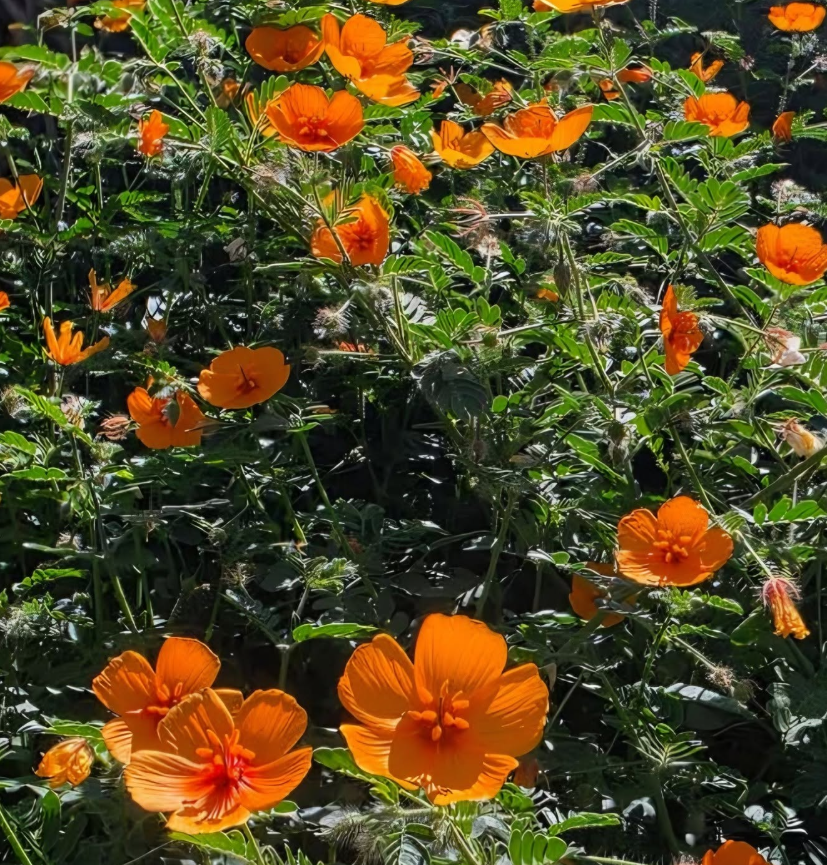
Not related to the true poppy family, Arizona poppy (Kallstroemia grandiflora) produces bright orange, five-petaled flowers with a deep red center. It blooms mainly during the summer monsoon season, from July to September.
This makes it one of the few showy Arizona wildflowers tied to summer rather than spring rainfall. It is commonly seen along desert roadsides after a good monsoon storm.
18. Prickly Pear Blossom
Prickly pear cactus produces large, silky flowers in yellow, orange, pink, or magenta, depending on the species. Bloom season falls between April and June, usually lasting just a few days per flower.
The plant is a major food source once flowers turn into purple-red fruit called tunas, still harvested and used in jams and syrups across the Southwest. Prickly pear is also Texas’s state plant, showing how widely it ranges beyond Arizona.
19. Claret Cup Cactus
Claret cup cactus produces some of the most vivid scarlet-red flowers in the desert, opening in clusters along the top of the plant. It blooms in April and May, slightly earlier at higher elevations.
Hummingbirds are its primary pollinators, drawn by both the color and the tubular shape of the flower. This species tolerates colder temperatures better than many cacti, allowing it to grow at elevations up to 8,000 feet.
20. Fishhook Barrel Cactus Flower

Fishhook barrel cactus produces a ring of yellow to orange flowers around its crown in late summer, typically August through October. This timing sets it apart from most spring-blooming desert cacti.
The plant’s curved, fishhook-shaped spines give it its common name. Because it often leans toward the south, some desert travelers have nicknamed it the “compass cactus,” though this is not a reliable navigation tool.
21. Organ Pipe Cactus Flower
Organ pipe cactus produces funnel-shaped white to pale pink flowers that open only at night during May and June. This species grows almost exclusively in southern Arizona, giving its name to Organ Pipe Cactus National Monument.
Long-nosed bats are its main pollinators, migrating north from Mexico specifically for this bloom period. The flowers close before sunrise, so nighttime visits are the only way to see them fully open.
22. Teddy Bear Cholla Bloom
Teddy bear cholla produces small, pale green to yellow flowers that seem understated compared to its famously spiny, “fuzzy” appearance. Bloom season runs from April to June.
Despite the soft nickname, the spines detach easily and cling to skin or clothing on contact, so admiring the flowers from a short distance is the safer approach. New cholla plants often start from a single dropped segment that roots on its own.
23. Soaptree Yucca Flower
Soaptree yucca sends up a tall flower stalk covered in creamy white, bell-shaped blooms during May and June. It is the state flower of neighboring New Mexico, and it grows widely across northern and eastern Arizona too.
The flowers are pollinated exclusively by the yucca moth, in one of the most specialized plant-insect relationships in North America. Roots and trunk fibers were historically used by Indigenous communities to make soap, rope, and baskets.
24. Desert Willow Blossom
Desert willow is not a true willow, but its narrow leaves resemble one. It produces trumpet-shaped, orchid-like flowers in pink, lavender, or white from April through September.
This long bloom window makes it a favorite for pollinator gardens, since hummingbirds and bees visit throughout most of the warm season. The tree tolerates both drought and occasional flooding in desert wash areas.
ALSO READ: 9 Important Desert Trees in Arizona: Size, Growth Rate, Uses, and Care
25. Palo Verde Blossom
Palo verde, Arizona’s official state tree, explodes into a canopy of small yellow flowers each spring, typically late March through May. For a short window, entire hillsides and city streets turn gold.
The name means “green stick” in Spanish, referring to its photosynthetic bark, which lets it produce energy even when leafless during drought. Two related species, blue palo verde and foothill palo verde, bloom at slightly different times, extending the yellow display by several weeks.
26. Indian Paintbrush
Indian paintbrush produces brilliant red-orange bracts, often mistaken for petals, that surround small true flowers. It blooms from April to August, particularly at higher elevations in northern Arizona.
This plant is a partial root parasite, drawing nutrients from nearby grasses to fuel its intense color. It rarely survives transplanting for this reason, so it is best enjoyed in its natural setting.
27. Parry’s Penstemon
Parry’s penstemon sends up tall spikes of bright pink, tubular flowers, standing out sharply against desert gravel. Bloom season is March through May.
It is one of the most reliable hummingbird magnets among Arizona native perennials. Unlike many desert wildflowers, it can be grown successfully from nursery stock in home gardens with well-draining soil.
28. Desert Zinnia
Desert zinnia is a low, spreading perennial with small white, daisy-like flowers that bloom nearly continuously from spring through fall given enough summer rain. It rarely grows taller than eight inches.
Because of its long bloom window and tolerance for heat, it is often used as a groundcover in xeriscape design. The plant spreads slowly by underground rhizomes rather than aggressive reseeding.
29. New Mexico Thistle
New Mexico thistle produces large, showy pink to purple flower heads on a spiny stalk, blooming from June to September, mostly at higher elevations in northern Arizona. Despite the spines, it is an important native nectar source.
Butterflies, including monarchs on migration, rely on thistle nectar during late summer. It should not be confused with introduced invasive thistles, which spread far more aggressively.
30. Desert Four O’Clock
Desert four o’clock opens its magenta-pink trumpet flowers in the late afternoon, giving the plant its name. Bloom season runs from April through October, with flowers closing again by mid-morning.
This timing helps the plant avoid the harshest midday heat while still attracting evening pollinators like sphinx moths. The sprawling plant can form mounds several feet wide over a single growing season.
31. Wild Heliotrope
Wild heliotrope, also called scorpionweed, produces curled clusters of small purple-blue flowers that uncurl gradually as they open. It blooms from February to May in sandy desert soils.
The curled flower arrangement, called a scorpioid cyme, is where the plant gets its nickname. Some people experience skin irritation from contact with the foliage, so it is best observed rather than handled.
32. Desert Trumpet
Desert trumpet is named for its unusual, swollen, trumpet-shaped stems topped with tiny yellow flower clusters. It blooms from April to June across dry, open desert flats.
The swollen stem sections were reportedly used by some Indigenous groups as makeshift pipes, giving the plant an additional folk name. It is easy to overlook among taller wildflowers despite its odd shape.
33. Scarlet Bugler
Scarlet bugler, a penstemon relative, produces narrow spikes of tubular red flowers from March to May. It favors rocky slopes and canyon edges across central and southern Arizona.
Hummingbirds strongly favor red tubular blooms like this one over most other colors. The plant’s slender form allows it to grow in tight rock crevices where soil is minimal.
34. Baja Fairy Duster
Baja fairy duster is a larger relative of the common fairy duster, producing bigger, brighter red pom-pom flowers. It blooms most heavily from spring through fall in warmer, low-elevation regions.
This shrub can grow up to six feet tall, taller than its smaller cousin, making it a popular privacy screen in desert landscaping. It attracts hummingbirds throughout its long bloom season.
35. Desert Milkweed
Desert milkweed produces clusters of small, creamy white to pale yellow flowers atop thick, upright stems from May to September. It is a critical host plant for monarch butterfly caterpillars.
Given that monarch populations have declined sharply over recent decades, conservationists increasingly recommend planting native milkweed species like this one instead of non-native tropical varieties. The stems contain a milky sap, which gives the plant its common name.
36. Cliffrose
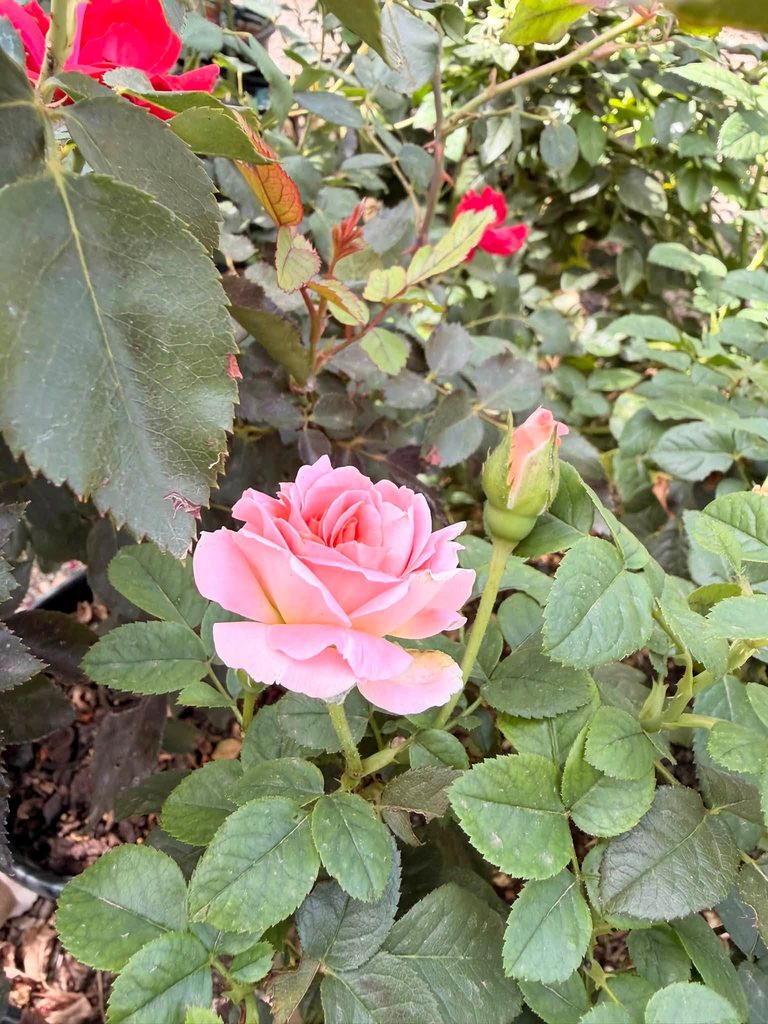
Cliffrose produces small, fragrant, cream to pale yellow flowers resembling single roses, blooming from April to June at mid to high elevations. The scent is often compared to a light, sweet perfume.
After flowering, feathery seed plumes give the shrub a soft, silvery appearance well into summer. It is an important browse plant for deer and other wildlife in northern Arizona’s woodlands.
37. Desert Senna
Desert senna produces bright yellow, five-petaled flowers in loose clusters, blooming from March to May and sometimes again after monsoon rains. It grows as a rounded shrub across warm desert regions.
The seed pods that follow are flat and papery, rattling in the wind once dried. Historically, parts of the plant were used in folk remedies, though it is grown today mainly for its cheerful color.
38. Wolfberry Blossom
Wolfberry, a relative of the goji berry, produces small, pale purple to white star-shaped flowers from winter through spring, depending on rainfall. The flowers give way to small red-orange berries popular with desert birds.
This shrub is remarkably drought hardy and often one of the first plants to flower after a rare winter storm. Its berries were traditionally eaten fresh or dried by Indigenous communities across the region.
39. Desert Rock Pea
Desert rock pea (Hoffmannseggia) produces small clusters of orange-red, pea-shaped flowers close to the ground, blooming mainly from March to May. It favors disturbed, gravelly soils along roadsides and washes.
Its low-growing habit makes it easy to miss among taller wildflowers, but a closer look reveals intricate, layered petals. The plant spreads readily in areas with loose, sandy soil.
40. Arizona Rosewood Blossom
Arizona rosewood produces small clusters of creamy white, star-shaped flowers in late spring, typically April and May. Unlike its name suggests, it is not related to true rosewood trees used in furniture making.
This evergreen shrub is prized in landscaping for its dense, dark green foliage and reliable structure year-round. It tolerates both heat and light frost, making it useful across a wide range of Arizona elevations.
When Is the Best Time to See Arizona Wildflowers?
Spring (February to May) brings the biggest and most famous displays, including poppies, lupines, and desert bluebells. Rainfall the previous winter determines how strong the bloom will be, so some years are far more colorful than others.
Summer monsoon season (July to September) triggers a second wave, featuring Arizona poppy, desert senna, and repeat blooms from globemallow and desert willow. This second bloom is less famous but still worth watching for.
Fall and winter are quieter, though a handful of species like fishhook barrel cactus and wolfberry bloom outside the typical spring window.
Frequently Asked Questions
What is Arizona’s official state flower? The saguaro cactus blossom, designated in 1931. It blooms at night and closes within about 24 hours.
When is the best time to see Arizona wildflowers in bloom? Generally late February through April, following a wet winter. Locations like the Sonoran Desert National Monument and Picacho Peak State Park are known for strong displays.
Are Arizona native flowers safe to plant in a home garden? Most are safe and require very little water once established. A few, including desert marigold and lupine, are toxic if ingested by pets or livestock, so plant with that in mind.
Do Arizona wildflowers bloom every year? Not always at the same intensity. Annual species like Mexican gold poppy and desert chicory depend heavily on winter rainfall, so dry years can mean a much smaller show.
Final Thoughts
Forty flowers barely scratch the surface of what grows across Arizona’s deserts, grasslands, and high country. Still, this list covers the ones you are most likely to spot on a hike, notice in a garden center, or wonder about after a spring drive through the Sonoran Desert.
Next time the desert turns gold, purple, or scarlet after a good rain, you will know exactly what you are looking at.

Tim M Dave is a gardening expert with a passion for houseplants, particularly cacti and succulents. With a degree in plant biology from the University of California, Berkeley, he has vast experience in gardening. Over the years, he has cultivated a vast collection of desert plants and learned a great deal about how to grow and care for these unique companions.