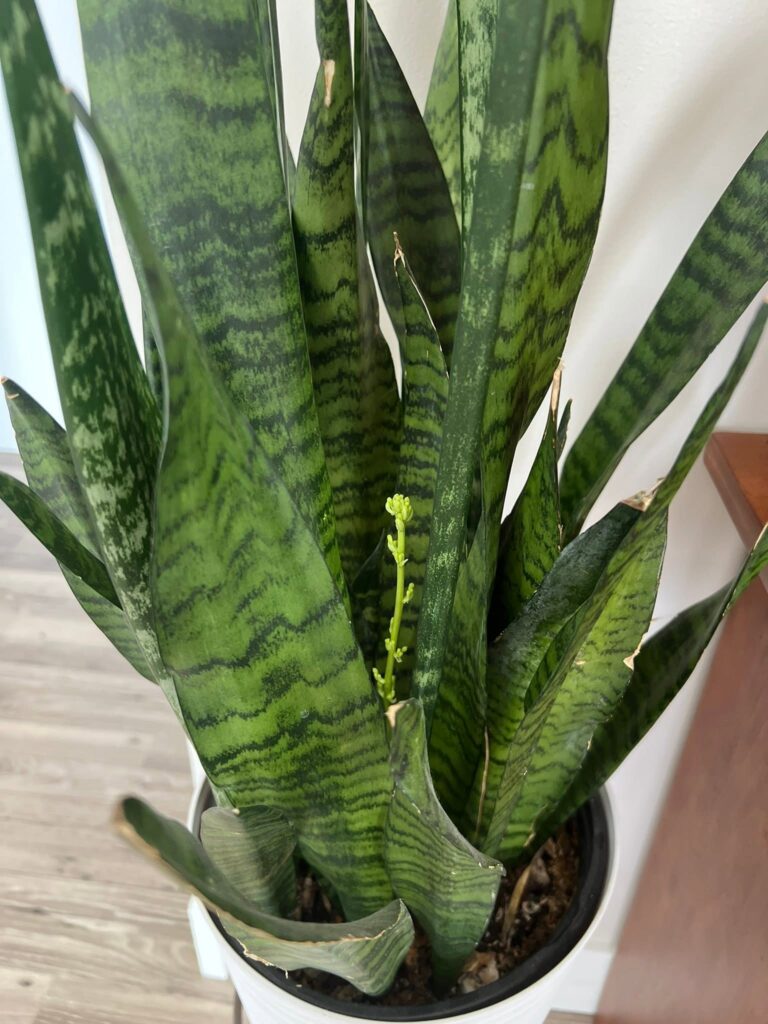
35 Good Flowers to Grow in Pots (With Pictures)
You do not need a backyard to grow a beautiful garden. A balcony, a windowsill, or a small patio is often more than enough.
Container gardening has grown into one of the most practical ways to bring color into tight spaces. Penn State Extension notes that container gardening suits patios, balconies, decks, and porches equally well, and lets gardeners control soil quality in a way that ground beds often cannot match.
I have grown flowers in pots for years, moving them around a small balcony to chase the sun. What follows is a list of 35 flowers I trust, along with details that make each one work in a container.
Why Container Gardening Works So Well
Before the list, it helps to understand why pots suit certain flowers better than others. Root depth is the first thing to consider.
University of California Cooperative Extension explains that most annual flowers have fairly shallow roots, which makes them naturally well-suited to container life. Perennials generally need deeper, larger pots because their root systems expand over time.
Container size matters just as much as plant choice. Extension horticulturists generally recommend containers at least 10 inches wide and deep for most flowering plants, since larger pots hold moisture better and keep root temperatures more stable.
Drainage is the third pillar of success. Every container needs holes at the base, and a good potting mix should combine organic material with mineral matter to balance moisture retention against proper drainage.
With those basics in mind, here are 35 flowers that reliably thrive in pots, whether your space gets full sun, partial shade, or something in between.
1. Geraniums
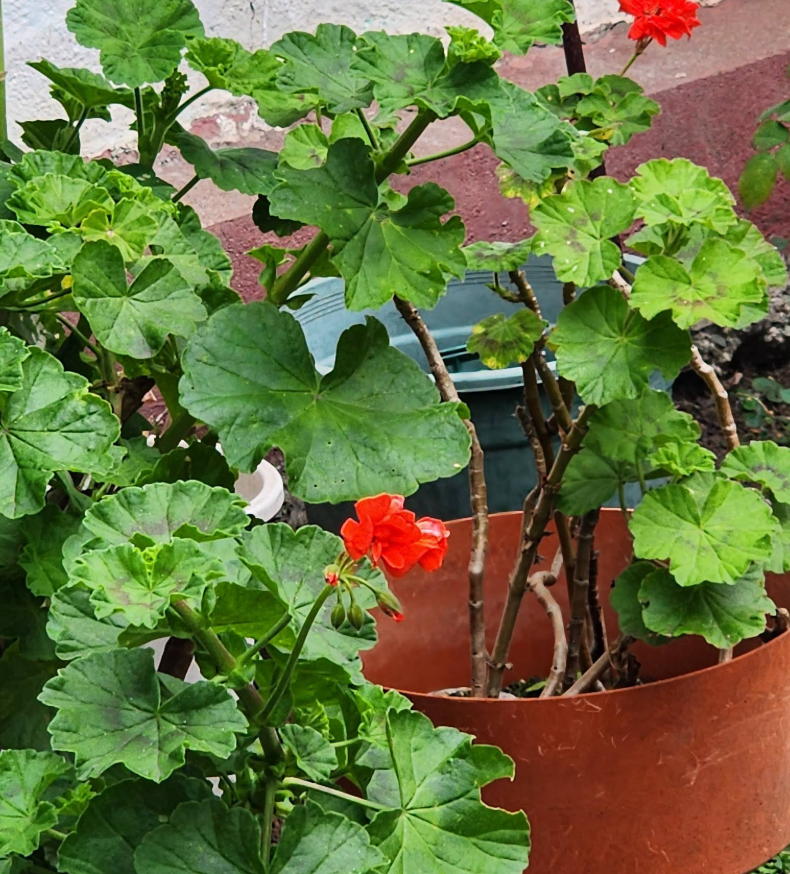
Geraniums are often the first flower recommended to beginner container gardeners, and for good reason. They bloom continuously through summer in shades of red, pink, salmon, and white, set against rounded, slightly ruffled leaves.
They tolerate heat and short dry spells better than many flowering annuals. This makes them forgiving if you forget to water for a day or two during a busy week.
I keep a row of geraniums along my balcony railing every summer. They ask for little beyond a sunny spot and occasional deadheading, and they reward that small effort with months of steady color.
2. Petunias
Petunias are a staple of hanging baskets and window boxes for a simple reason: they cascade beautifully. Their trumpet-shaped blooms come in nearly every color imaginable, including bicolor and ruffled varieties.
They need consistent moisture and benefit from occasional pinching back to stay full rather than leggy. Deadheading spent blooms keeps new flowers coming throughout the season.
Full sun brings out their best performance. Give them a container with good drainage, and they will fill it generously by midsummer.
3. Marigolds
Marigolds bring cheerful gold, orange, and rust tones to any container arrangement. Their strong scent is often credited with helping deter certain garden pests, which makes them a popular companion plant near vegetable pots.
They are remarkably low-maintenance and tolerate poor soil better than most flowering annuals. Overwatering is actually more of a risk than underwatering with marigolds.
Choose a sunny spot for the best bloom density. French marigold varieties, being more compact, work particularly well in smaller pots.
4. Impatiens
Impatiens solve a problem many container gardeners face: what to plant in shade. Their compact, colorful blooms thrive where sun-loving flowers simply refuse to perform.
They need consistently moist soil, since their shallow roots dry out faster than deeper-rooted plants. A container with good moisture retention suits them well.
I have used impatiens on a shaded side porch for years. They fill a pot quickly and keep blooming from late spring through the first cool nights of autumn.
5. Begonias
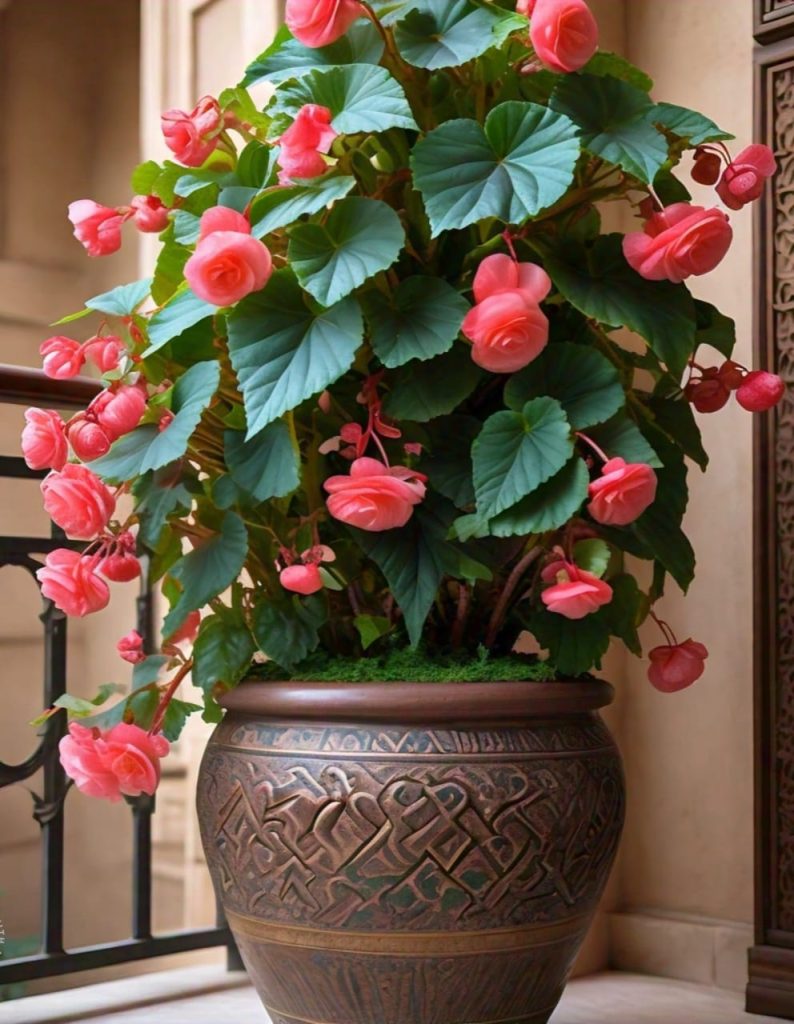
Begonias offer dependable color in partial shade, making them a natural pairing with impatiens in mixed containers. Tuberous and wax begonia types both perform well in pots, though their care needs differ slightly.
Wax begonias tolerate more sun than tuberous types and bloom continuously with minimal deadheading required. Tuberous begonias produce larger, showier flowers but need more careful watering.
Both types appreciate a well-draining potting mix. Overly soggy soil is the most common cause of begonia problems in containers.
6. Pansies
Pansies are among the few flowers that genuinely enjoy cooler weather, making them ideal for early spring or late autumn containers. Their cheerful, face-like blooms come in an enormous range of color combinations.
They prefer moist, well-drained soil and benefit from regular deadheading to encourage continued flowering. Hot summer temperatures tend to cause them to fade, so plan their bloom window around cooler stretches of the year.
Pair them with spring bulbs in a mixed container for an early-season display. They are also a favorite for adding color to window boxes before summer annuals take over.
7. Zinnias
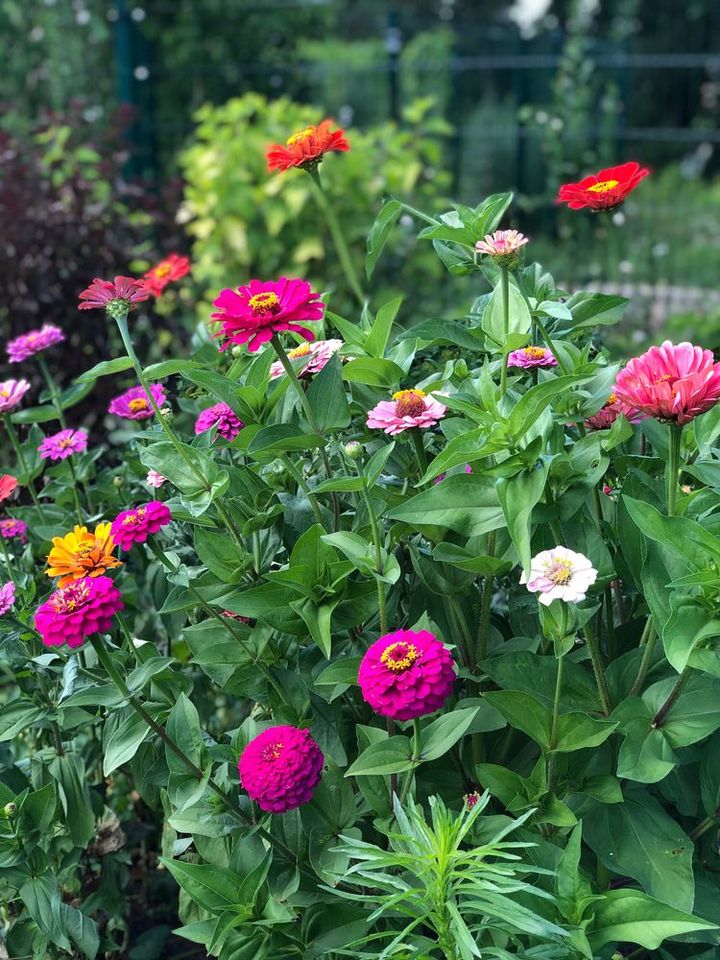
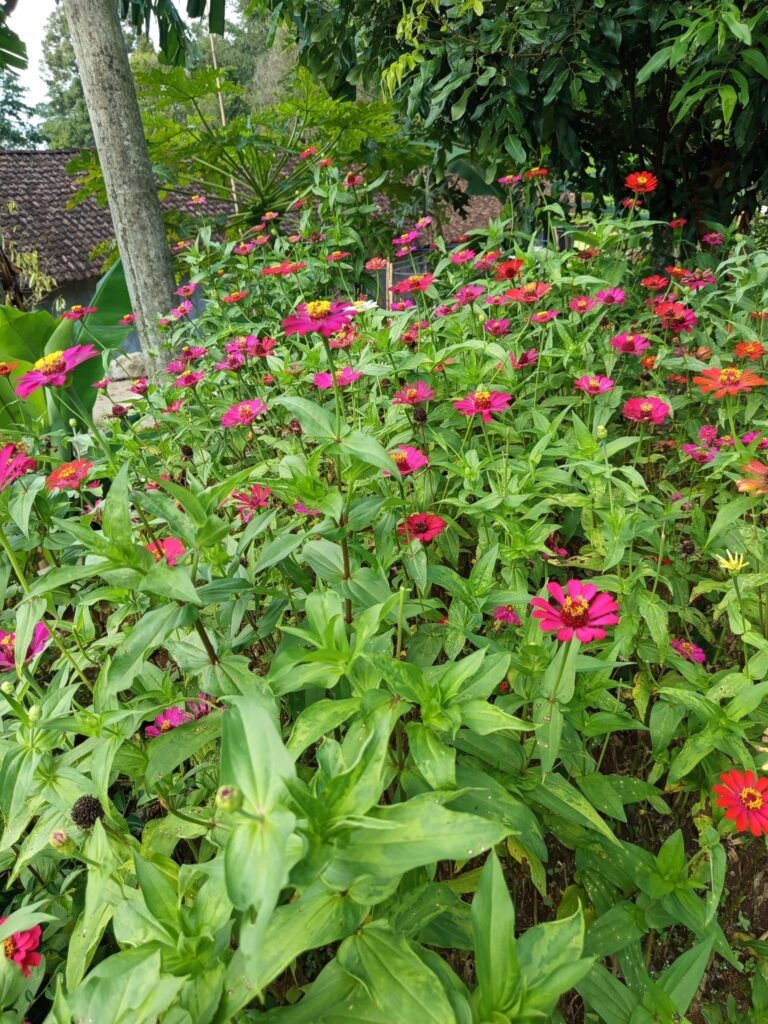
Zinnias bring bold, saturated color and a long vase life, which makes them a favorite for gardeners who like to cut flowers for indoor display. Their sturdy stems hold up well in containers with adequate depth.
They need full sun and good air circulation to avoid powdery mildew, a common issue in crowded pots. Spacing plants slightly further apart than feels intuitive helps prevent this.
Choose compact or dwarf zinnia varieties for smaller containers. Taller varieties do best in larger pots that offer more stability against wind.
8. Lantana
Lantana produces clusters of small, multicolored flowers that shift shades as they mature, often blending yellow, orange, and pink in a single cluster. This gradual color change gives each bloom cluster a layered, almost painted look.
It tolerates heat and drought exceptionally well once established, making it a strong choice for gardeners who travel often or simply prefer lower-maintenance plants. Full sun brings out its best flowering.
Lantana also draws butterflies reliably throughout the season. For a pollinator-friendly patio pot, it is one of the most dependable choices available.
9. Verbena
Verbena offers a trailing habit that works beautifully in hanging baskets or spilling over the edge of a raised pot. Its clustered blooms come in vibrant purples, pinks, and reds that hold color well through summer heat.
It handles dry spells better than many trailing annuals, though it still benefits from regular watering during the hottest weeks. Good drainage is essential, since standing water quickly causes root problems.
Deadheading spent blooms keeps verbena flowering steadily. Combined with its heat tolerance, this makes it a reliable choice for sunny balconies.
ALSO READ: 55 Flowers That Grow in Shade (With Growing Details)
10. Calibrachoa (Million Bells)
Calibrachoa produces masses of tiny, petunia-like blooms that genuinely live up to the “million bells” nickname. A single well-grown plant can fill a hanging basket with color by midsummer.
It requires more frequent watering than many container flowers because of its dense root system and heavy bloom output. Regular feeding also helps sustain such prolific flowering.
Unlike petunias, calibrachoa is largely self-cleaning, meaning spent blooms drop without deadheading. This makes it a lower-maintenance alternative for gardeners who want a similar look with less upkeep.
11. Dwarf Dahlias
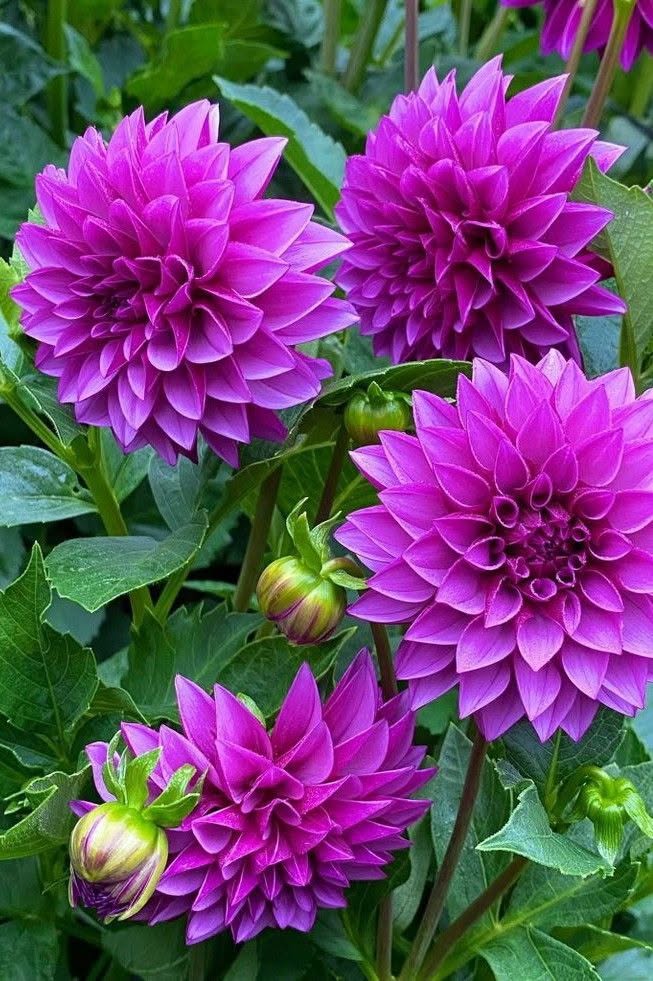
Dwarf dahlia varieties bring the dramatic, layered blooms of full-sized dahlias into a container-friendly package. Their compact growth habit suits patio pots far better than their taller garden-bed relatives.
They need full sun and consistently moist, well-drained soil to perform at their best. Regular deadheading encourages continuous blooming right through to the first frost.
Dahlia tubers can be lifted and stored over winter in colder climates. This allows gardeners to reuse the same plants year after year rather than starting fresh each season.
12. Dwarf Sunflowers
Dwarf sunflower varieties bring the cheerful presence of a full-sized sunflower down to a manageable container scale. Many compact cultivars top out at just 1 to 2 feet tall, perfect for a sunny patio corner.
They need full sun and a sturdy container with enough depth to anchor their root system. Wind can be a challenge for taller stems, so a heavier pot helps with stability.
Sunflowers grow quickly from seed, often blooming within eight to ten weeks. This fast turnaround makes them a satisfying choice for gardeners who want quick results.
13. Snapdragons
Snapdragons add vertical interest to a mixed container with their tall, densely flowered spikes. Their unusual hinged blooms, which snap open when gently squeezed, are a favorite with children exploring the garden.
They prefer cooler temperatures and tend to slow down during peak summer heat. Many gardeners get a strong spring bloom, a summer lull, and a second flush in early autumn.
Full sun and rich, well-drained soil suit them best. They also make excellent cut flowers if you want to bring container blooms indoors.
14. Nasturtiums
Nasturtiums are as practical as they are pretty, since both their leaves and flowers are edible with a distinct peppery flavor. Their trailing or climbing habit works well in hanging baskets or against a small trellis in a pot.
They actually bloom better in poor, less fertile soil, which makes them refreshingly low-maintenance compared to heavier-feeding annuals. Overfeeding tends to produce lush leaves at the expense of flowers.
Full sun brings out the richest bloom color. I like tucking a few nasturtiums into vegetable containers, both for their beauty and their usefulness in the kitchen.
15. Sweet Alyssum
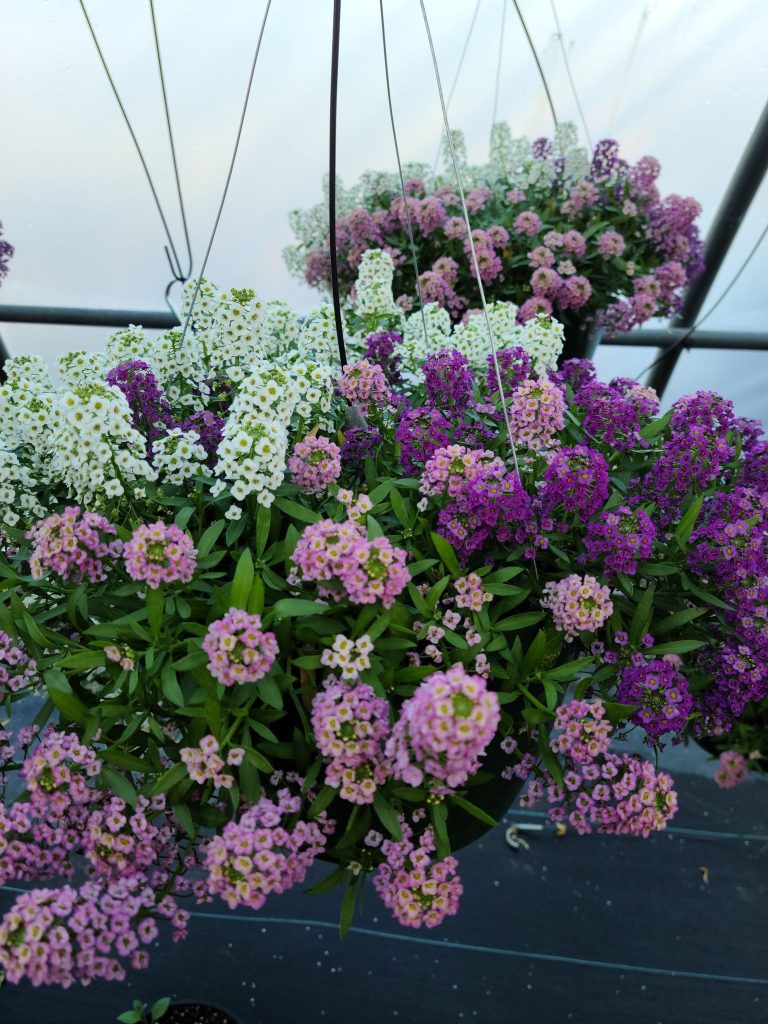
Sweet alyssum forms a low, dense carpet of tiny flowers with a genuinely sweet, honey-like fragrance. It works wonderfully as a filler plant, softening the edges of larger container arrangements.
It tolerates light frost, giving it a longer bloom window than many summer annuals. Cutting it back midseason often triggers a fresh flush of blooms when growth starts to look tired.
Full sun to light shade both work well for sweet alyssum. Its compact size makes it ideal for window boxes and the front edge of mixed pots.
16. Coleus
Coleus is grown primarily for its foliage rather than its flowers, but its place on this list is well earned. The leaves come in an extraordinary range of colors and patterns, from deep burgundy to lime green with pink veining.
It thrives in partial shade to filtered sun, making it a strong choice for spots where flowering plants often struggle. Pinching off the small flower spikes keeps the plant’s energy focused on leaf production.
Coleus pairs beautifully with flowering plants in mixed containers, adding color and texture even between bloom cycles. It is one of the most reliable ways to brighten a shaded porch.
17. Fuchsia
Fuchsia produces elegant, drooping, bell-shaped flowers in striking combinations of pink, purple, red, and white. Its pendant blooms give hanging baskets a graceful, cascading quality that few other flowers match.
It prefers partial shade and consistently moist soil, struggling in intense afternoon heat. A covered porch or east-facing balcony tends to suit it particularly well.
Regular watering is essential, since fuchsia’s shallow roots dry out quickly in a hanging container. The payoff is a long, elegant bloom season from late spring through early autumn.
18. Osteospermum (African Daisy)
Osteospermum offers daisy-like blooms in unusual shades, including purples, blues, and coppery oranges rarely seen in typical daisy flowers. Many varieties feature a distinctive dark center that adds visual depth.
It handles heat and mild drought reasonably well once established, though it appreciates regular watering during the warmest stretches of summer. Full sun brings out the best flower production.
Deadheading spent blooms keeps the plant flowering steadily. Its unusual coloring makes it a standout choice for gardeners looking for something beyond typical container flowers.
19. Cosmos
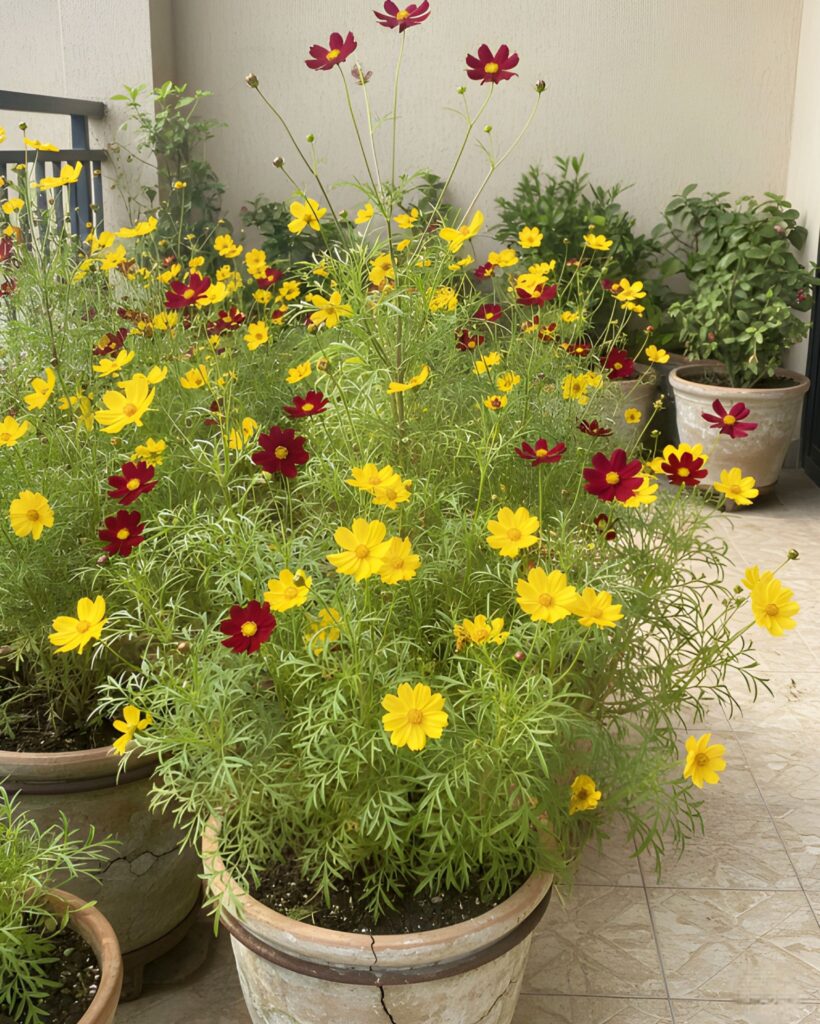
Cosmos brings airy, delicate blooms atop tall, feathery foliage, giving containers a light, cottage-garden feel. Its flowers come in soft pastels as well as bold pinks and deep maroons.
It tolerates poor soil and dry conditions well, actually flowering more generously when not over-fertilized. Full sun is essential for strong, upright growth.
Taller cosmos varieties may need staking in a container, while dwarf cultivars stay more compact naturally. Either way, cosmos adds movement and softness to a patio arrangement.
20. Salvia
Salvia offers tall spikes of tubular flowers in vivid blues, purples, and reds, adding strong vertical structure to a mixed container. Its long bloom season keeps color going from late spring well into autumn.
It tolerates heat and some drought once established, though regular watering supports more consistent flowering. Full sun brings out the richest color saturation.
Many salvia varieties also have aromatic foliage, adding another sensory layer to a patio garden. Its reliable, long-lasting blooms make it a favorite among low-maintenance container gardeners.
21. Gerbera Daisy
Gerbera daisies bring bold, oversized blooms in vibrant reds, oranges, yellows, and pinks. Their large flower heads make them a striking focal point in any container arrangement.
They need full sun and well-drained soil, since standing water around their crown can quickly lead to rot. Consistent but moderate watering works best for this flower.
Gerbera daisies also make excellent cut flowers, often lasting a week or more in a vase. A single well-grown plant can provide both container beauty and cut flowers for indoor display.
22. Miniature Roses
Miniature roses bring classic rose beauty down to a container-friendly scale, typically growing just 12 to 18 inches tall. They bloom repeatedly through the growing season with proper care.
They need at least six hours of direct sun daily and benefit from regular feeding to sustain their flowering. Good air circulation around the pot helps prevent common rose diseases like powdery mildew.
Regular deadheading encourages continuous blooming. For gardeners who love roses but lack garden bed space, miniature varieties offer a genuine solution.
23. Tulips
Tulips bring an unmistakable early spring elegance to container gardens, emerging in a huge range of colors and forms. Their bold, upright blooms make a strong visual statement even in a single pot.
Bulbs should be planted in autumn for a spring bloom, set at a depth roughly three times the bulb’s height. A well-draining potting mix is essential, since bulbs rot quickly in waterlogged soil.
In most climates, tulip bulbs in containers are best treated as one-season plants, since repeat blooming in pots tends to be less reliable than in the ground. Many gardeners simply replant fresh bulbs each autumn.
ALSO READ: 17 Herbs That Grow Well in Shade (With Growing Details)
24. Daffodils
Daffodils are a dependable, low-maintenance choice for early spring color. Their bright yellow, white, or bicolor trumpet-shaped blooms tend to naturalize well even within container conditions.
They should be planted in autumn, similarly to tulips, in well-draining soil at an appropriate depth for the bulb size. Unlike tulips, daffodils often return reliably for several seasons in the same container.
They are also resistant to most pests, since their bulbs contain compounds that deter animals from digging them up. This makes them an easy, trouble-free addition to a spring container display.
25. Hyacinths
Hyacinths offer dense spikes of intensely fragrant flowers, often described as one of the most perfumed blooms in the spring garden. Their compact size makes them well-suited to smaller containers and window boxes.
Like tulips and daffodils, hyacinth bulbs are planted in autumn for spring flowering. They prefer full sun to partial shade and well-drained soil to prevent bulb rot over winter.
A pot of hyacinths near a doorway or window brings both color and fragrance into daily reach. Their strong scent makes them a favorite for containers placed close to seating areas.
26. Chrysanthemums
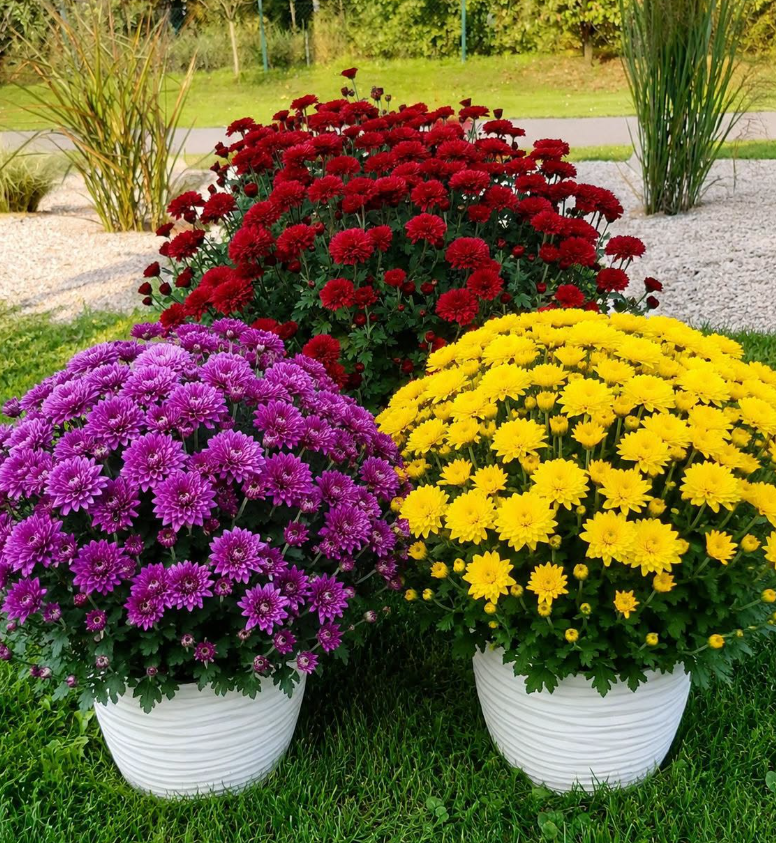
Chrysanthemums are the quintessential autumn container flower, offering dense, rounded blooms in deep reds, oranges, golds, and purples. Their timing makes them ideal for extending color into the cooler months.
They need full sun and regular watering, particularly as roots fill out the container over the growing season. Pinching back young growth in summer encourages fuller, bushier plants with more blooms later.
Many gardeners treat container mums as seasonal annuals, though with proper winter protection some varieties can survive to bloom again. Either way, they remain one of the most reliable ways to carry a container garden into fall.
27. Lavender
Lavender brings fragrant, silvery-green foliage and spikes of purple blooms that work beautifully in a container near a seating area. Its scent is often praised for its calming quality, making it popular near patios and porches.
It strongly prefers well-drained, slightly sandy soil and can struggle in pots that hold too much moisture. Terra cotta containers, which allow soil to dry between waterings, tend to suit lavender particularly well.
Full sun is essential for strong flowering and compact growth. Once established, lavender is remarkably drought-tolerant, needing far less water than most flowering container plants.
28. Bacopa
Bacopa produces a profusion of tiny white, pink, or lavender flowers over trailing, delicate foliage. It is a popular filler and spiller in mixed containers, softening the edges of larger arrangements.
It prefers consistent moisture and does not tolerate extended dry periods well, unlike some of the hardier trailing plants on this list. Partial shade to full sun both work, depending on regional climate intensity.
Its dainty, abundant blooms pair particularly well with bolder flowers like geraniums or petunias. Bacopa adds a soft, textured layer that rounds out a container design.
29. Ageratum
Ageratum offers clusters of fuzzy, rounded flowers, most commonly in soft blue and lavender shades that are relatively uncommon among annuals. This unusual color makes it a useful accent in mixed plantings.
It handles both sun and partial shade reasonably well, though flowering tends to be most abundant in brighter conditions. Regular watering supports steady bloom production through summer.
Its compact, mounding habit makes ageratum a natural choice for filling gaps between taller plants in a container. The soft blue tones pair particularly well against bright yellows and oranges.
ALSO READ: 30 Flowers That Don’t Attract Bees (Names, With Pictures)
30. Portulaca (Moss Rose)
Portulaca, commonly called moss rose, produces vividly colored, rose-like blooms atop succulent, low-growing foliage. Its flowers open in direct sunlight and close in shade or overcast weather, giving the plant a lively, changing character through the day.
It is exceptionally drought-tolerant, thriving in hot, dry conditions that would stress most other container flowers. Well-drained soil is essential, since its succulent nature makes it vulnerable to rot in soggy conditions.
Portulaca is an excellent choice for gardeners in hot climates or for containers that occasionally get missed on the watering schedule. Its resilience makes it one of the lowest-maintenance flowers on this entire list.
31. Annual Vinca
Annual vinca, sometimes called Madagascar periwinkle, produces simple, five-petaled blooms in white, pink, and rich reds. It holds up remarkably well through intense summer heat when many other annuals begin to fade.
It strongly prefers well-drained soil and can be prone to root rot if overwatered, particularly in cooler or humid conditions. Allowing the soil surface to dry slightly between waterings suits it best.
Full sun brings out its strongest performance. For gardeners in hot summer climates looking for consistent, low-fuss color, annual vinca is a dependable option.
32. Celosia
Celosia produces dense, textured blooms in flame-like or velvety cockscomb shapes, adding a bold, sculptural element to container displays. Its vivid reds, oranges, and yellows hold their color well through the heat of summer.
It thrives in full sun and tolerates dry spells better than many flowering annuals once established. Overly rich soil can actually reduce flowering, so a standard potting mix generally works better than heavily fertilized soil.
Celosia also dries beautifully, making it popular for gardeners who enjoy preserving flowers for indoor arrangements. Its unusual texture makes it a striking centerpiece plant in a mixed container.
33. Torenia
Torenia, often called the wishbone flower, produces small, trumpet-shaped blooms in purples, blues, and yellows with distinctive markings inside each flower. It performs especially well in partial shade, an area where many flowering annuals struggle.
It needs consistently moist soil and benefits from regular watering, particularly in warmer climates. Its compact, mounding habit suits smaller pots and mixed shade containers well.
Torenia pairs nicely with impatiens and begonias in a shaded arrangement. Its unusual flower markings add visual interest to spots that might otherwise rely on foliage alone.
34. Gazania
Gazania offers bold, daisy-like blooms in warm oranges, yellows, and bronze tones, often featuring striking contrasting stripes near the center. Its flowers close at night and on cloudy days, opening fully in direct sunlight.
It tolerates heat, drought, and poor soil remarkably well, making it a strong choice for gardeners in hot, sunny climates. Overwatering is a bigger risk to gazania than underwatering.
Full sun is essential for the best bloom display. Its resilience and bold coloring make it a reliable choice for a low-maintenance sunny container.
35. Hibiscus (Tropical)
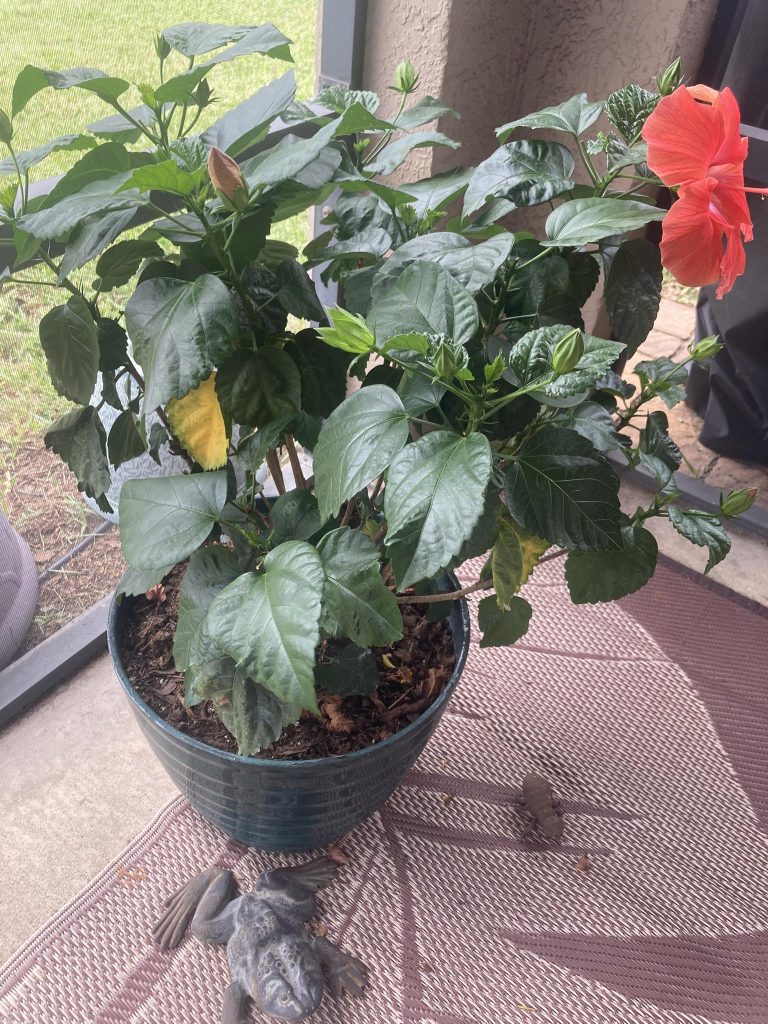
Tropical hibiscus produces enormous, dramatic blooms that can rival dinner plates in size, in colors ranging from soft pastels to intense reds and oranges. Each individual flower typically lasts just a day or two, but a healthy plant produces a steady succession of new blooms.
It needs full sun, consistent watering, and regular feeding to sustain such vigorous flowering. In cooler climates, tropical hibiscus is often brought indoors over winter, since it does not tolerate frost.
A large, sturdy container gives its root system room to support the plant’s substantial top growth. For gardeners wanting a true tropical statement piece, hibiscus delivers unmatched drama.
Getting the Basics Right
A few practical points apply across nearly every flower on this list. Getting these right matters more than the specific plant you choose.
Drainage holes are non-negotiable. University of California Cooperative Extension notes that container size, at least 10 inches in diameter and depth for most flowering plants, directly affects how often you need to water and how stable root temperatures stay.
Larger containers are more forgiving. They hold moisture longer and buffer against sudden temperature swings, which matters most during hot summer afternoons.
University of Missouri Extension horticulturists also point out that container gardens tend to face fewer disease and pest problems than traditional in-ground beds. This makes pots a genuinely lower-maintenance option for many gardeners, not just a space-saving compromise.
Final Thoughts
Choosing the right flowers for pots comes down to matching plant needs with what your space actually offers. Sun exposure, container size, and your own watering habits should guide the final decision more than personal color preference alone.
I have grown a good number of these flowers myself, some thriving and a few teaching me lessons the hard way. That trial and error is part of what makes container gardening rewarding rather than purely functional.
Start with two or three flowers suited to your space’s light conditions, and build from there. A well-planned container garden can bring as much beauty and satisfaction as any traditional flower bed, often with far less space and effort required.
References
- Penn State Extension – Growing Vegetables and Flowers in Containers: https://extension.psu.edu/growing-vegetables-and-flowers-in-containers
- University of California Cooperative Extension – Container Gardening Basics (PDF): https://ucanr.edu/sites/mgscc-web-team/files/306639.pdf
- Washington State University Extension – Ask the Master Gardener: Container Gardening (PDF): https://wpcdn.web.wsu.edu/extension/uploads/sites/57/2014/03/022507.pdf
- University of Illinois Extension – Container Gardens: Design Plans: https://extension.illinois.edu/container-gardens/plans
- University of Wisconsin-Madison Division of Extension (Oconto County) – Container Gardening (PDF): https://oconto.extension.wisc.edu/files/2011/02/CONTAINER-GARDENING-MT2.pdf
- University of Missouri Extension – Container Gardening: Thrillers, Fillers and Spillers: https://extension.missouri.edu/news/container-gardening-thrillers-fillers-and-spillers
- Penn State Extension – Growing Vegetables and Flowers in Containers (soil and drainage guidance): https://extension.psu.edu/growing-vegetables-and-flowers-in-containers

Tim M Dave is a gardening expert with a passion for houseplants, particularly cacti and succulents. With a degree in plant biology from the University of California, Berkeley, he has vast experience in gardening. Over the years, he has cultivated a vast collection of desert plants and learned a great deal about how to grow and care for these unique companions.