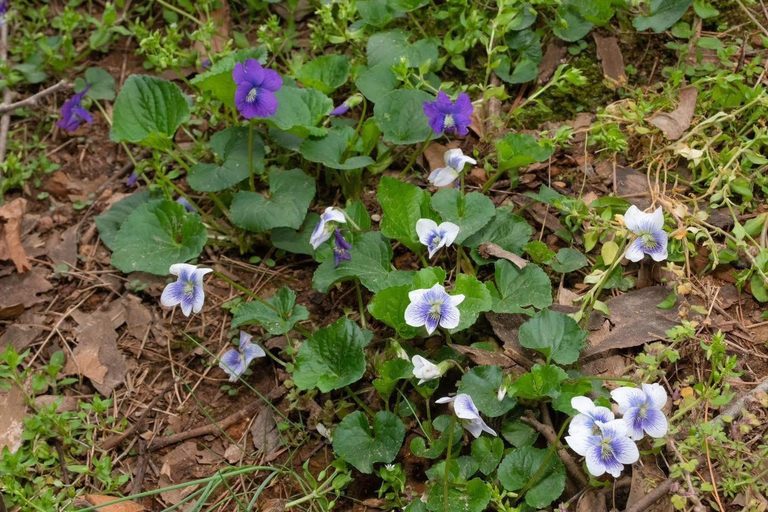
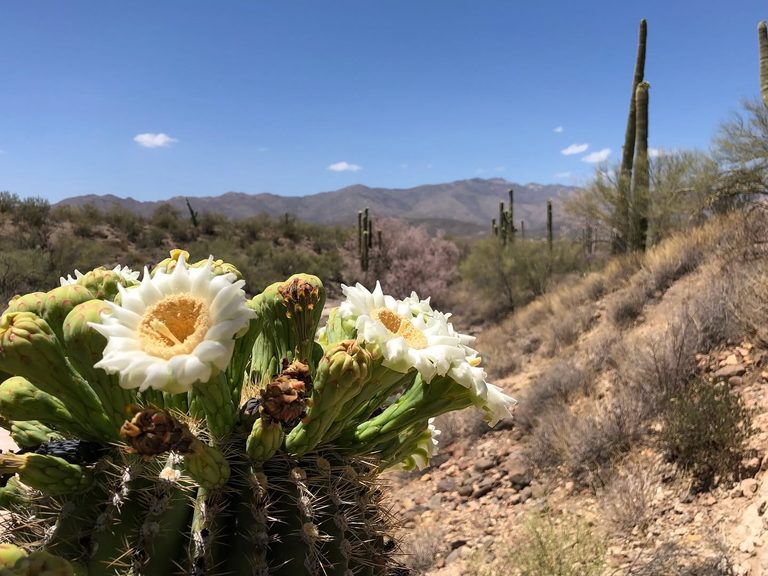
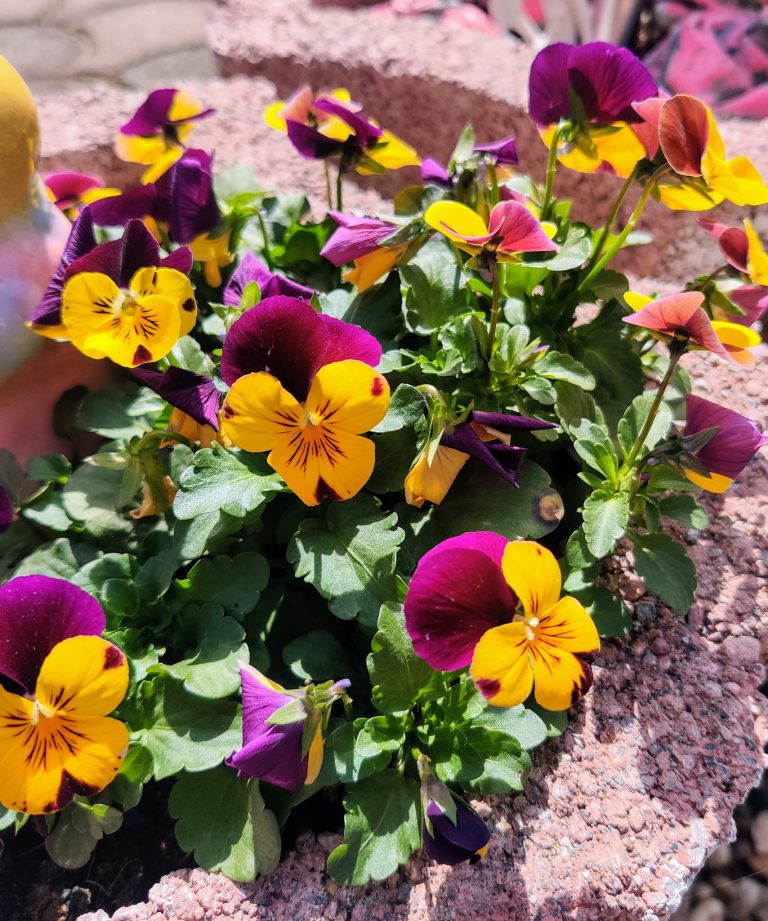
30 Kentucky Native Flowers (With Growing Details)
I still remember the first time I saw a hillside of purple coneflower swaying next to a stand of black-eyed Susans along a Kentucky backroad. It wasn’t planted by anyone. It just grew there, the way it has for thousands of years. That’s the quiet magic of native flowers.
Kentucky is one of the most botanically rich states in the country. Scientists estimate the Commonwealth hosts around 19,400 native species, with roughly 100 found nowhere else on Earth.
Of the more than 2,000 native plant species documented here, hundreds are flowering perennials, annuals, vines, and shrubs that have shaped this landscape long before anyone planted a garden bed.
This guide walks through 30 of Kentucky’s most beautiful and ecologically important native flowers, with bloom time, height, growing conditions, and why each plant matters.
Let’s get into the list.
30 Kentucky Native Flowers Worth Knowing
1. Goldenrod (Solidago gigantea)
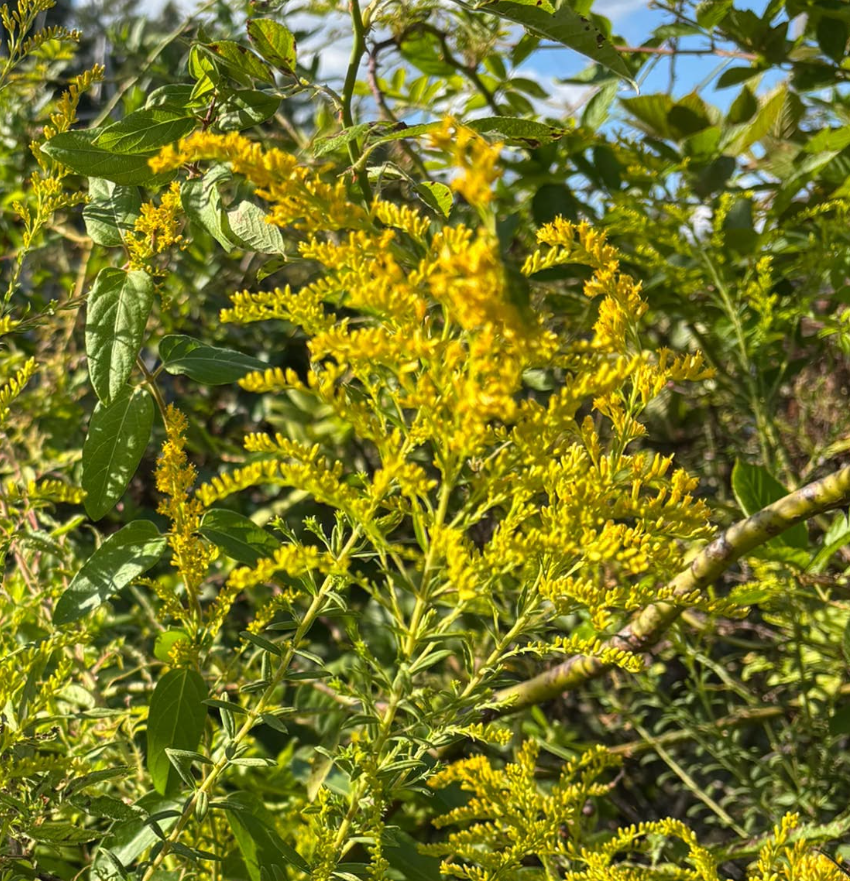
Goldenrod is Kentucky’s official state flower, adopted in 1926 after gardening clubs argued that Kentucky Bluegrass, a grass, couldn’t properly represent the state’s flora. About 30 species of goldenrod grow across Kentucky, and the golden plumes still frame the state seal on the Kentucky flag today.
It blooms from late summer into fall, often reaching three to eight feet tall depending on the species. Despite its reputation, goldenrod does not cause hay fever. That’s ragweed, which blooms at the same time and gets unfairly blamed.
Bees and butterflies flock to it right before frost, making it one of the last reliable nectar sources of the season.
2. Purple Coneflower (Echinacea purpurea)
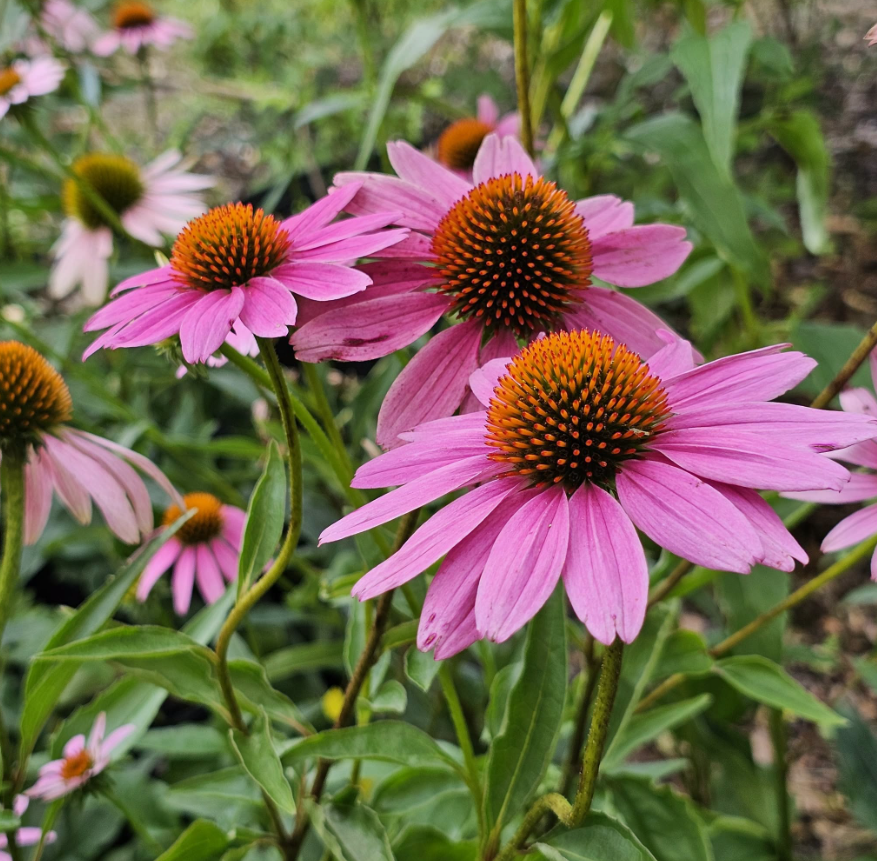
This is probably the most recognizable native flower in the state, and for good reason. Its daisy-like purple petals surround a spiky bronze-orange cone, blooming from June through August.
Purple coneflower tolerates drought, poor soil, and full sun without complaint. Goldfinches love the seed heads in fall, so I’d suggest leaving the spent blooms standing through winter instead of cutting them back.
It’s also long been used in herbal remedies, which partly explains its enduring popularity in home gardens.
3. Black-Eyed Susan (Rudbeckia hirta)
Black-eyed Susan is a cheerful, easy-going wildflower with bright yellow petals and a dark chocolate-brown center. It grows wild in meadows, along roadsides, and in disturbed soil throughout Kentucky.
This flower blooms from June to October, giving it one of the longest flowering windows on this list. It self-seeds readily, so a small patch today can turn into a full meadow within a couple of seasons.
Butterflies and bees are drawn to it constantly, and it pairs beautifully with purple coneflower for a classic prairie look.
4. Eastern Redbud (Cercis canadensis)
Technically a small tree, Eastern redbud earns its spot here because of its unmistakable spring flowers. Clusters of small, rosy-pink blooms cover bare branches in early April, often before the leaves even emerge.
It has become something of an unofficial symbol of Kentucky, especially common in Louisville and along the Bluegrass region’s tree-lined streets. It handles drought well and asks for very little maintenance once established.
I think it’s one of the most striking signs that winter is finally over in this state.
5. Flame Azalea (Rhododendron calendulaceum)
Flame azalea lights up Appalachian woodland edges with orange, yellow, and red blooms each spring. It’s most common in Kentucky’s eastern mountains, where cool, shaded ravines suit it well.
The flowers appear in May, just as surrounding trees leaf out, creating a striking contrast against fresh green foliage. It prefers acidic, well-drained soil and partial shade.
Hummingbirds are frequent visitors, drawn by the tubular shape of the blossoms.
6. Trillium (Trillium species)
Few spring wildflowers feel as special to find as trillium. Its three broad petals and three leaves grow in a perfectly symmetrical whorl, usually white, though some species show deep maroon or yellow.
Kentucky’s forests host several trillium species, blooming from late March through May. It’s a slow grower. A single plant can take seven to ten years to flower from seed, which is part of why undisturbed patches are so valuable.
Please resist the urge to pick it. Removing the leaves can kill the plant entirely, since it needs them to rebuild energy for next year.
7. Wild Columbine (Aquilegia canadensis)
Wild columbine produces nodding, red-and-yellow flowers shaped almost like little lanterns with backward-pointing spurs. It grows naturally on rocky slopes, cliffs, and open woodland in Kentucky.
Bloom time runs from April to June. Hummingbirds are especially fond of it, and the plant is one of the earliest nectar sources they encounter after migrating north.
It self-seeds easily and tolerates both sun and partial shade, making it forgiving for beginner gardeners.
ALSO READ: 20 Kentucky Native Shrubs (With Growing Details)
8. Virginia Bluebells (Mertensia virginica)
Virginia bluebells carpet Kentucky’s floodplain forests each spring with clusters of trumpet-shaped flowers that open pink and mature into a soft, true blue. The color shift happens as the flower’s pH changes while it ages.
They bloom in April, then go fully dormant by early summer, disappearing completely until the following spring. That makes them perfect companions for later-emerging perennials that can fill the same space.
Moist, rich soil near streams or in shaded gardens suits them best.
9. Wild Bergamot (Monarda fistulosa)
Wild bergamot, also called bee balm, produces shaggy lavender-pink flower heads that look almost like fireworks frozen mid-burst. It blooms from July through September in meadows and open fields across the state.
The foliage carries a minty, slightly spicy fragrance when crushed, and it has a long history of use in herbal tea. Bees, butterflies, and hummingbird moths all visit it heavily.
It spreads by rhizomes, so give it room, or expect to divide it every few years.
10. Blazing Star (Liatris spicata)
Blazing star sends up tall, narrow spikes covered in tufted purple flowers that open from the top down, which is unusual among flowering plants. It reaches two to four feet and blooms in July and August.
It’s a magnet for butterflies, bees, and even hummingbirds, and it holds up well in dried flower arrangements. Full sun and well-drained soil keep it happiest.
Planted in drifts behind shorter perennials, it adds strong vertical structure to a native garden bed.
11. Joe Pye Weed (Eutrochium fistulosum)
Don’t let the name fool you. Joe Pye weed is a striking, moisture-loving perennial that can reach five to seven feet tall, topped with dusty pink to mauve flower clusters from midsummer through early fall.
It thrives in rain gardens, low spots, and along stream banks where soil stays consistently damp. Butterflies, particularly swallowtails, treat it as a favorite late-season feeding stop.
Its height makes it ideal for the back row of a native border.
12. Cardinal Flower (Lobelia cardinalis)
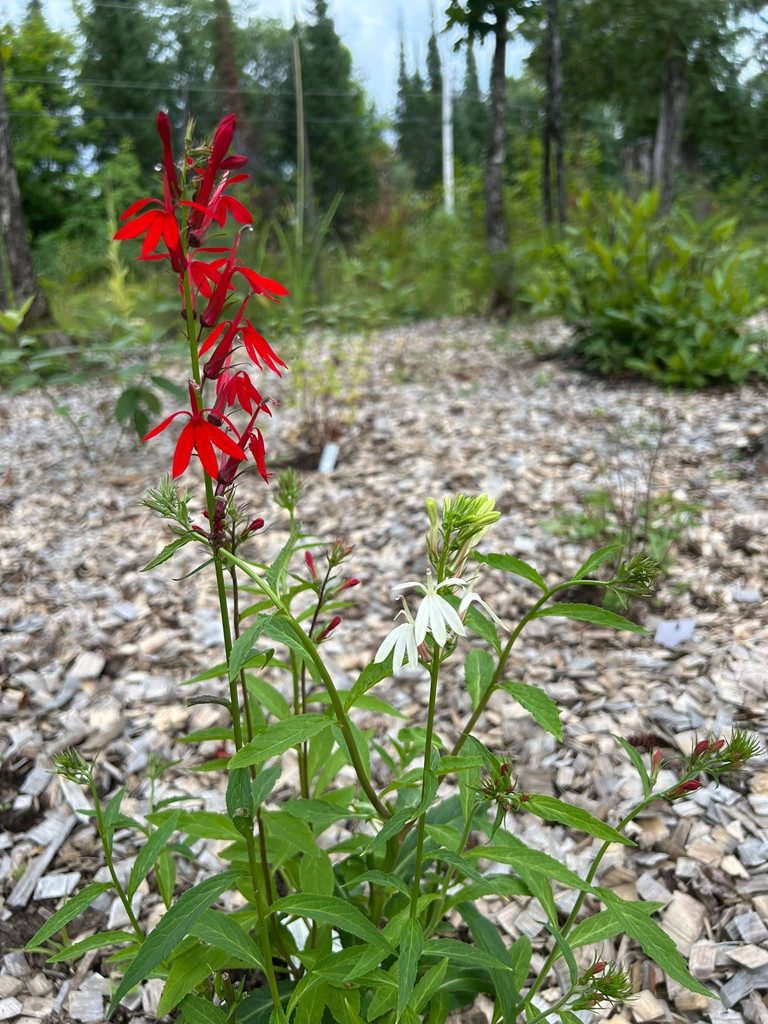
Cardinal flower produces some of the most vivid red blooms in the entire native plant world. Tall spikes of tubular flowers appear from July to September, usually near streams, ponds, or other consistently moist ground.
Hummingbirds are practically the exclusive pollinator here, since the tubular shape fits their long bills perfectly. It struggles in dry soil, so consistent moisture is non-negotiable.
I’ve found that a partially shaded spot near a downspout or garden pond works wonderfully.
13. Butterfly Weed (Asclepias tuberosa)
Butterfly weed is a milkweed species with bright orange, umbrella-shaped flower clusters that bloom from June through August. Unlike some of its milkweed relatives, it prefers dry, sandy soil and full sun.
As a milkweed, it serves as an essential host plant for monarch caterpillars, which cannot survive on any other plant family. Monarch populations have declined sharply in recent decades, making every patch of milkweed genuinely important.
It’s also remarkably drought-tolerant once its deep taproot is established.
14. Common Milkweed (Asclepias syriaca)
Common milkweed produces rounded clusters of dusty pink, fragrant flowers in June and July, followed by distinctive seed pods that split open in fall to release silky-tufted seeds.
Like butterfly weed, it’s a critical host plant for monarch butterflies. A single plant can support multiple generations of caterpillars across a single growing season.
It spreads by rhizomes and can be assertive in a garden bed, so give it space or plant it where a naturalized look is welcome.
15. New England Aster (Symphyotrichum novae-angliae)
New England aster closes out the growing season with a burst of light purple, daisy-like flowers with vivid yellow centers. It blooms from late August through October, right as most other flowers are fading.
It’s commonly found in Kentucky meadows and along roadsides, tolerating a wide range of soil conditions. For late-season pollinators building up reserves before winter, it’s an important final food source.
Reaching three to six feet, it works best toward the back of a garden bed.
ALSO READ: 27 Trees Native to Kentucky (With Growing Details)
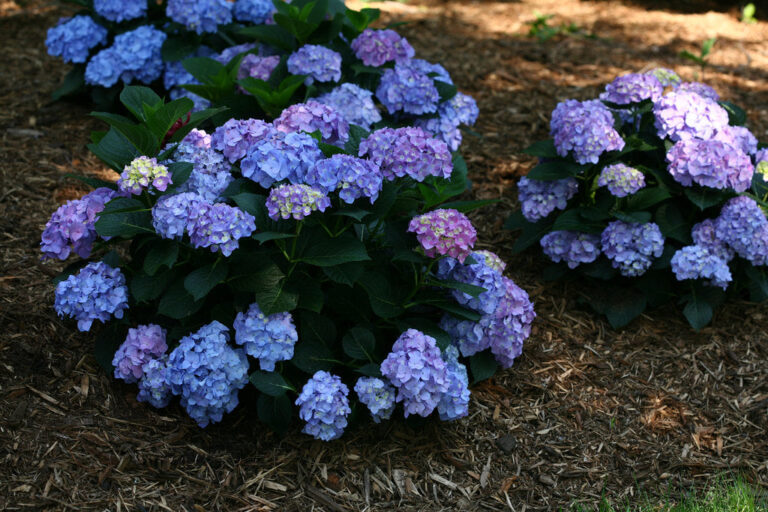
16. Wild Hydrangea (Hydrangea arborescens)
Wild hydrangea is a native shrub, not a herbaceous perennial, but its flat clusters of white blooms earn it a spot on any Kentucky flower list. It blooms in June and July in partially shaded, woodland-edge settings.
Most gardeners cut the stems back close to the ground in early spring, which encourages fuller new growth and more abundant blooms that season.
It tolerates both sun and shade, though flowering is generally strongest with a bit of morning sun.
17. Spotted Bee Balm (Monarda punctata)
Spotted bee balm looks unlike almost anything else in a native garden. Its yellow, purple-spotted flowers are tucked among tiers of pale, papery pink bracts, blooming from July to September.
It prefers dry, sandy soil and full sun, and it’s remarkably drought-tolerant once established. Native bees, wasps, and butterflies all visit it regularly.
Because it looks so architectural, it adds real visual interest even before the flowers fully open.
18. Giant Ironweed (Vernonia gigantea)
Giant ironweed produces clusters of deep purple, almost magenta flowers atop stems that can reach five to eight feet by late summer. It’s a bold, towering presence in any meadow or rain garden.
Blooming from August through September, it provides a strong nectar source just as many spring and summer flowers are winding down. If a shorter plant is preferred, cutting it back in early June encourages a more compact, bushier shape.
It handles wet soil well, making it a solid choice for low-lying garden areas.
19. Blue Mistflower (Conoclinium coelestinum)
Blue mistflower forms soft, fuzzy clusters of pale blue-purple flowers that resemble a low cloud drifting along the ground. It blooms from August through October and spreads readily by rhizomes.
It works particularly well along border edges or rain garden margins, where its spreading habit fills space quickly. Butterflies, especially skippers and swallowtails, are frequent visitors.
Give it room to roam, since it will fill a bed faster than many other native perennials.
20. American Ginseng (Panax quinquefolius)
American ginseng grows in the shaded, cool ravines of Kentucky’s Appalachian forests, alongside ferns and mosses. Its small, greenish-white flowers appear in late spring, followed later by clusters of bright red berries.
It’s slow-growing and has been heavily overharvested for its root, which is prized in traditional medicine. Kentucky regulates ginseng harvest closely, and wild populations remain a genuine conservation concern.
If you’re lucky enough to spot it in the woods, it’s best simply admired and left in place.
21. Wild Ginger (Asarum canadense)
Wild ginger isn’t grown for showy flowers. Its small, brownish-purple, bell-shaped blooms hide beneath heart-shaped leaves close to the ground, blooming in spring.
What makes it valuable is its dense, weed-smothering foliage, which forms an excellent groundcover in shaded gardens up to about eight inches tall. It spreads steadily, crowding out competing weeds naturally.
It’s a favorite among Kentucky gardeners looking for low-maintenance shade coverage.
22. Wild Blue Phlox (Phlox divaricata)
Wild blue phlox spreads a soft haze of lavender-blue, fragrant flowers across woodland floors each spring. It blooms in April and May, often alongside trillium and Virginia bluebells in the same shaded habitats.
It tolerates part shade well and spreads gradually to form a loose, informal groundcover. The fragrance is genuinely noticeable on a still spring evening, which is a detail many gardeners overlook.
Butterflies and moths, including the spring azure, rely on it as an early-season nectar source.
23. Spiderwort (Tradescantia virginiana)
Spiderwort produces three-petaled, deep blue-purple flowers that open in the morning and close by early afternoon, a quirky habit that surprises a lot of first-time growers. It blooms from May through July.
The strappy, grass-like foliage gives it an almost tropical look in a native bed. It tolerates a wide range of conditions, from full sun to partial shade, and adapts to both moist and average soil.
It’s an easy, reliable performer for gardeners just starting with native plants.
24. Foxglove Beardtongue (Penstemon digitalis)
Foxglove beardtongue sends up spikes of white, tubular flowers with a faint purple blush inside the throat. It blooms in late spring to early summer, typically May through June.
Bees, particularly bumblebees, push their way into the tubular blooms in search of nectar, making this a genuinely fun plant to watch in action. It handles clay soil better than many natives, which is useful given how common heavy clay is across Kentucky.
At two to three feet tall, it fits comfortably in the middle of a garden bed.
25. Prairie Dock (Silphium terebinthinaceum)
Prairie dock is a dramatic plant, with enormous basal leaves that can reach two feet across, topped by flower stalks stretching six to ten feet tall. Bright yellow, sunflower-like blooms appear from July to September.
It’s deeply taprooted, which makes it extremely drought-tolerant once mature, though it can take a couple of seasons to establish. Goldfinches and other seed-eating birds visit heavily once the flowers fade.
Given its size, it needs space at the back of a large planting.
26. Turk’s Cap Lily (Lilium superbum)
Turk’s cap lily produces striking, recurved orange-red petals speckled with maroon spots, resembling a turban, which is where the name comes from. It was even featured as Kentucky’s wildflower on a 1992 U.S. postage stamp series.
It blooms in July and August, favoring moist meadows and woodland edges. Each stalk can bear multiple flowers and reach four to seven feet in ideal conditions.
Swallowtail butterflies and hummingbirds are both regular visitors to its blooms.
27. White Snakeroot (Ageratina altissima)
White snakeroot produces clusters of small, fluffy white flowers in late summer and early fall, thriving in shaded woodland areas throughout Kentucky. Its dark green, oblong leaves stay attractive through the growing season.
It’s worth noting this plant is toxic to livestock if consumed in quantity, historically linked to “milk sickness” in the 1800s. In a garden setting away from grazing animals, though, it’s a valuable late-season pollinator plant.
It tolerates dry shade better than many native shade plants, which is a genuinely useful trait.
28. Solomon’s Seal (Polygonatum biflorum)
Solomon’s seal features arching stems lined with small, pale greenish-white bell-shaped flowers that dangle beneath the foliage. It blooms in May, tucked into shaded woodland settings across the state.
Its graceful, architectural form makes it a favorite for shade gardens, even when it’s not in flower. It spreads slowly by rhizome, forming attractive colonies over several years.
Deer tend to leave it alone, which is a real advantage in areas with heavy browsing pressure.
29. Wild Sweet William (Phlox maculata)
Wild sweet William produces dense clusters of pink to lavender flowers atop purple-spotted stems, blooming from June through August. It naturally favors moist meadows and stream banks across Kentucky.
Butterflies, particularly swallowtails, are drawn to its fragrant blooms consistently through the summer. It tends to be more mildew-resistant than some garden phlox varieties, which matters in Kentucky’s humid summers.
It works well in a cottage-style native border where a soft, informal look is the goal.
30. Trumpet Honeysuckle (Lonicera sempervirens)
Trumpet honeysuckle is a native vine, distinct from the invasive Japanese honeysuckle that often gets confused with it. Its tubular red-orange flowers bloom from spring through summer, sometimes reblooming into fall.
Unlike its invasive lookalike, it doesn’t smother surrounding vegetation and stays much better behaved in a garden setting. Hummingbirds treat it as a favorite, often visiting the same vine repeatedly through the season.
A trellis or fence gives it the vertical support it needs to really show off.
Why Choose Kentucky Native Flowers For Your Garden
Native flowers evolved alongside Kentucky’s soil, rainfall, and wildlife. That history matters. They need less water, resist local pests better, and rarely require fertilizer once they’re established.
They also feed the creatures that keep ecosystems running. Monarch butterflies, for example, depend entirely on milkweed as a host plant for their caterpillars. Without it, monarch populations simply cannot reproduce.
Roughly 75% of the world’s flowering plants and 35% of global food crops rely on animal pollinators, according to the USDA’s Natural Resources Conservation Service. Planting native flowers is one of the simplest ways to support that system right in your own yard.
Unfortunately, about 20% of Kentucky’s native plants are now rare, threatened, or endangered, and 11 species carry federal protection status. Growing native isn’t just a design choice. It’s a small act of conservation.
How To Start A Kentucky Native Flower Garden
Start small. Pick a five-by-five-foot bed rather than converting your entire yard at once. It’s easier to manage, and you’ll learn what thrives in your specific soil and light conditions.
Match the plant to the spot. A flower that loves dry, sunny slopes, like butterfly weed, will struggle in a shaded, damp corner meant for cardinal flower. Group plants by their moisture and light needs.
Skip the fertilizer. Native flowers are adapted to Kentucky’s naturally occurring soil fertility. Heavy feeding often produces weak, floppy growth instead of the sturdy plants you’re hoping for.
Leave the seed heads standing through winter when possible. Birds rely on them for food, and many native bees overwinter in hollow plant stems.
Frequently Asked Questions
What is Kentucky’s official state flower? Goldenrod (Solidago gigantea) has been Kentucky’s official state flower since 1926, chosen for growing abundantly across every region of the state.
When do most Kentucky wildflowers bloom? Peak bloom season runs from April through September, though early spring ephemerals like trillium and Virginia bluebells finish by early summer, while asters and goldenrod carry blooms into October.
Are native flowers really better for pollinators than non-native ones? Yes. Many native bees and butterflies, including monarchs, have evolved specific relationships with native plants and cannot complete their life cycles without them.
Where can I buy Kentucky native flower seeds or plants? The Kentucky Native Plant Society, local native plant nurseries, and botanical gardens such as Yew Dell are reliable, ethically sourced options. Avoid digging plants from the wild.
Final Thoughts
Kentucky’s wildflowers tell the story of this land better than almost anything else. Every bloom on this list has been shaping these hills, meadows, and forests for far longer than any of us have been here to admire them.
Planting even a few of these species turns a yard into something closer to what this state once was, and still is, underneath all the roads and rooftops. Start with one or two, watch what shows up to visit them, and let the garden grow from there.

Tim M Dave is a gardening expert with a passion for houseplants, particularly cacti and succulents. With a degree in plant biology from the University of California, Berkeley, he has vast experience in gardening. Over the years, he has cultivated a vast collection of desert plants and learned a great deal about how to grow and care for these unique companions.