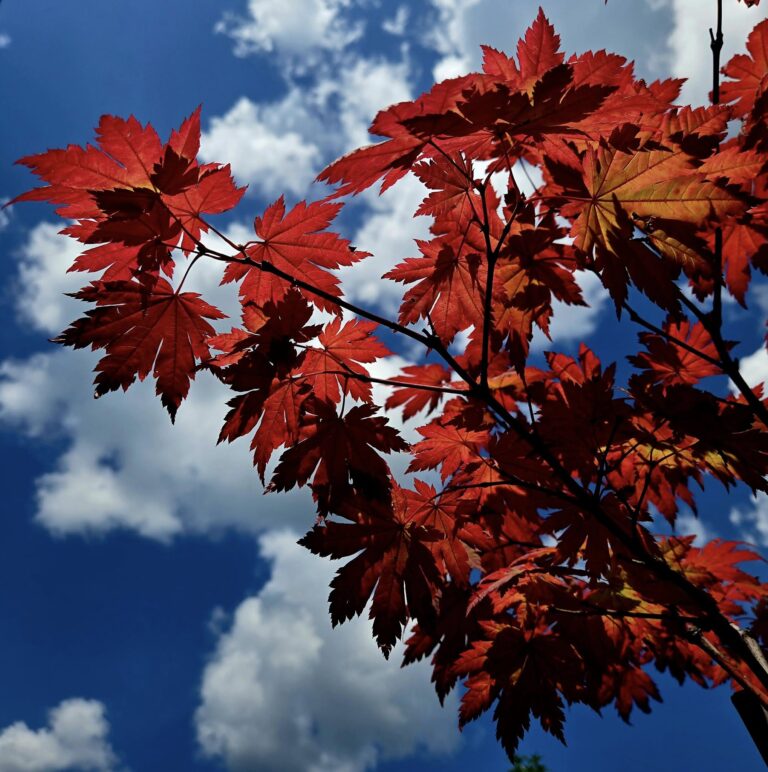
27 Trees Native to Kentucky (With Growing Details)
I grew up thinking every tall tree in the woods was just “an oak.” Then a forester friend pointed out a tulip poplar towering over everything nearby. It was nothing like an oak at all. That moment sent me down a long path of actually learning what grows around me, and Kentucky gives you plenty to learn.
Forests cover about 49 percent of Kentucky, totaling more than 12.1 million acres of timberland. That is nearly half the entire state, spread from the Appalachian ridges in the east to the Mississippi River lowlands in the west.
Native trees matter here for more than scenery. They support wildlife, stabilize soil, and hold up an industry that employs tens of thousands of Kentuckians every year. Choosing native species over imports also means less disease pressure and better long-term survival.
This guide walks through 27 trees native to Kentucky, grouped by family and habitat, so you can identify them on a hike or choose the right one for your yard.
Why Kentucky’s Native Trees Matter
Before the list, it helps to understand the scale of what we are talking about. Kentucky’s forests are not a minor backdrop; they are a working ecosystem and a working economy.
Forest industries directly and indirectly employ more than 59,000 Kentuckians, with operations located in 114 of the state’s 120 counties. That reach touches nearly every community in the commonwealth.
The oak-hickory forest type dominates the landscape, covering roughly 75 percent of Kentucky’s forest land. Yellow-poplar, white oak, and sugar maple rank among the most common species by both volume and tree count.
With that backdrop in mind, here are 27 native Kentucky trees worth knowing.
The State Tree and Its Closest Relatives
1. Tulip Poplar (Liriodendron tulipifera)

Tulip poplar, also called yellow-poplar, is Kentucky’s official state tree, a title it earned in 1994 after replacing the Kentucky coffeetree. It is the tallest hardwood in the eastern United States.
Its tulip-shaped leaves and greenish-yellow, tulip-like flowers make it easy to spot in late spring. Ruby-throated hummingbirds are drawn to the fragrant blooms.
This species accounts for roughly 14 percent of Kentucky’s total forest wood volume, more than any other tree in the state, according to recent U.S. Forest Service inventory data.
I always point this tree out first when teaching someone to identify Kentucky trees. Its height alone gives it away from a distance.
2. Kentucky Coffeetree (Gymnocladus dioicus)
Kentucky coffeetree carries the state’s name for good reason. It was Kentucky’s original state tree before yellow-poplar replaced it, and it now holds the title of state heritage tree instead.
Its bipinnately compound leaves are among the largest of any native tree in North America, sometimes stretching three feet long on a single leaf.
Pioneers reportedly roasted its large seed pods as a coffee substitute, though the raw seeds are toxic and require careful preparation before use.
This tree tolerates urban conditions well, which explains its growing popularity as a street tree in Kentucky cities today.
Oaks: The Backbone of Kentucky’s Forests
3. White Oak (Quercus alba)
White oak anchors much of Kentucky’s hardwood forest, ranking as the second most abundant species by volume statewide. Its wood has long been prized for barrels, flooring, and shipbuilding.
Rounded leaf lobes and pale, flaky bark make it easy to distinguish from red oaks at a glance. Mature trees can live for centuries under good conditions.
Acorns feed deer, turkey, and squirrels heavily through fall and winter, making white oak one of the most wildlife-valuable trees in the state.
Growth is slow but steady, and this is genuinely a tree worth planting for future generations rather than quick shade.
4. Northern Red Oak (Quercus rubra)
Northern red oak grows faster than white oak, making it a popular choice for landowners who want a mature canopy sooner. Pointed, bristle-tipped leaf lobes set it apart.
It thrives across Kentucky’s uplands and mountain forests, tolerating a wide range of soil conditions from rocky ridges to richer valley floors.
Fall color runs from russet to deep red, and the acorns, while more bitter than white oak’s, remain an important wildlife food source.
This species is also commercially valuable, ranking among the top species used in Kentucky’s hardwood lumber industry.
5. Chinkapin Oak (Quercus muehlenbergii)
Chinkapin oak stands out for its sweet, relatively palatable acorns, among the least bitter of any native oak. Wildlife favors them heavily when available.
Its leaves resemble chestnut foliage, with coarse, evenly spaced teeth along the edges rather than the lobes typical of most oaks.
This species prefers limestone-based soils, which explains its strong presence across Kentucky’s Bluegrass Region and central limestone belt.
Chinkapin oak tolerates drought and alkaline soil well, making it a strong choice for challenging planting sites.
6. Shingle Oak (Quercus imbricaria)
Shingle oak breaks the typical oak mold with smooth, unlobed leaves shaped more like a willow’s than a traditional oak’s. That trait throws off a lot of casual observers.
Early settlers reportedly split its wood into shingles, which is how the tree earned its common name.
It grows well in bottomland soils and tolerates wetter conditions better than many upland oak species found elsewhere in Kentucky.
Fall color runs a muted yellow-brown, less dramatic than red or scarlet oak, but the unusual leaf shape makes up for it.
7. Bur Oak (Quercus macrocarpa)
Bur oak produces the largest acorns of any native oak, capped with a distinctive fringed, mossy cup that makes identification simple even from a distance.
This species tolerates flooding, drought, and poor soil better than most oaks, which explains its historic presence in Kentucky’s river bottoms and prairie edges.
Thick, corky bark gives mature bur oaks strong resistance to fire, a trait that helped the species survive in historically fire-prone landscapes.
Growth is slow, but bur oak can live for several hundred years, making it a genuine legacy tree for anyone planting today.
Read More: 30 Popular Types of Oak Trees (Different Varieties, With Pictures)
Hickories and Walnuts: The Nut Producers
8. Shagbark Hickory (Carya ovata)
Shagbark hickory earns its name honestly. Mature bark peels away in long, curling strips, giving the trunk a distinctly shaggy, unmistakable look.
Its nuts are edible and sweet, historically important to both wildlife and Indigenous communities across the region. Squirrels cache them aggressively each fall.
This species grows slowly but can live well past 200 years, making it one of the more genuinely long-lived native trees in Kentucky.
Hickory wood remains a preferred material for tool handles and smoking meat, valued for its density and clean-burning smoke.
9. Shellbark Hickory (Carya laciniosa)
Shellbark hickory closely resembles shagbark hickory but produces larger leaves, larger nuts, and generally grows in wetter bottomland soil.
It is the largest of Kentucky’s native hickories, sometimes reaching over 100 feet in height under favorable growing conditions.
Its nuts are considered among the sweetest of any native hickory species, though the thick husk makes them harder to process than smaller nuts.
This species is less common than shagbark hickory statewide, making a confirmed sighting a genuine treat for tree enthusiasts.
10. Pignut Hickory (Carya glabra)
Pignut hickory has smoother, tighter bark than its shaggy relatives, which makes it easy to tell apart once you know what to look for.
Its nuts are smaller and more bitter than shagbark or shellbark hickory, though wildlife still relies on them during lean winter months.
This species tolerates dry, rocky upland soil better than most hickories, which explains its strong presence across Kentucky’s ridge forests.
The wood is dense and strong, historically used for wagon wheels and other applications that demanded serious durability.
11. Black Walnut (Juglans nigra)
Black walnut produces one of the most commercially valuable native hardwoods in North America, prized for furniture, gunstocks, and fine veneer work.
It releases a chemical called juglone into surrounding soil, which suppresses many other plants nearby. Gardeners should plan companion plantings carefully.
Individual mature black walnut trees can be worth thousands of dollars in timber value, making this species a genuine long-term investment for landowners.
It prefers deep, fertile soil and grows especially well in Kentucky’s Bluegrass Region and river valleys.
Maples and Buckeyes: Fast Growth and Fall Color
12. Sugar Maple (Acer saccharum)
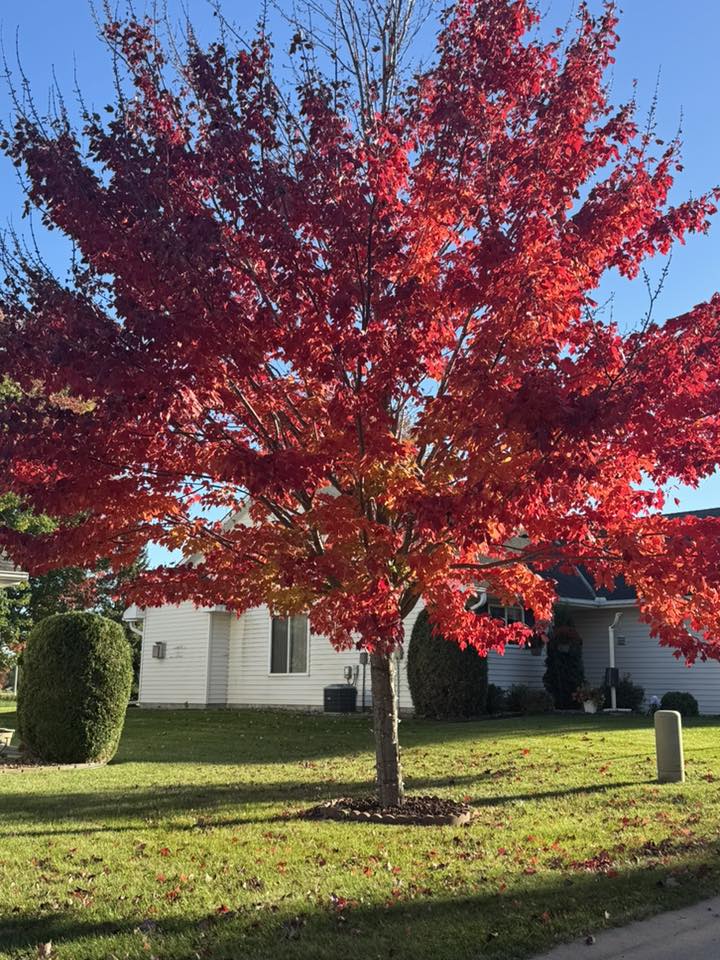
Sugar maple ranks among Kentucky’s most common trees by wood volume, and its fall color is often described as the gold standard among native maples.
Some hobbyists tap Kentucky’s sugar maples for syrup, though the state’s milder winters limit production compared to states farther north.
This species prefers cooler, well-drained soils, so it performs best in Kentucky’s eastern uplands rather than the hottest lowland sites.
Dense, straight-grained wood has long been valued for flooring, furniture, and bowling pins, among other traditional uses.
13. Red Maple (Acer rubrum)
Red maple might be the most adaptable native tree in Kentucky, growing in swamps, on dry ridges, and everywhere in between with equal ease.
It is the single most common tree in Kentucky by total tree count, according to recent U.S. Forest Service inventory data, ahead of both sugar maple and yellow-poplar.
Reddish flowers appear in late winter, often before any other tree shows signs of life, giving it an important early role for pollinators.
Fall color ranges from yellow to brilliant scarlet, depending on the individual tree and the specific growing conditions it faces.
14. Silver Maple (Acer saccharinum)

Silver maple grows fast, often the fastest of any native maple, and naturally colonizes riverbanks and floodplains across Kentucky’s lowland regions.
Its leaves show a silvery underside that flashes visibly in the wind, which is where the common name comes from.
Brittle branches make this species prone to storm damage, a trade-off for its rapid growth that landowners should weigh before planting near structures.
It tolerates wet, poorly drained soil exceptionally well, making it useful for stabilizing eroding stream banks.
15. Ohio Buckeye (Aesculus glabra)
Ohio buckeye produces distinctive palmate leaves and shiny, dark brown seeds with a pale patch, resembling the eye of a deer, which gives the tree its name.
Despite growing well beyond Ohio’s borders, this species is genuinely native across much of Kentucky, particularly in bottomland and mesic forest sites.
The seeds are toxic if eaten raw, though squirrels and some other wildlife can tolerate them in small amounts.
Spring flowers attract early pollinators, and the tree’s relatively small size makes it a manageable option for home landscapes.
16. Yellow Buckeye (Aesculus flava)
Yellow buckeye grows taller and straighter than Ohio buckeye, often reaching 60 to 75 feet in Kentucky’s eastern mountain forests.
Its pale yellow spring flowers are showier than Ohio buckeye’s, and the tree lacks the unpleasant odor sometimes associated with its bruised bark.
This species prefers rich, moist mountain coves, which explains its concentration in eastern Kentucky’s Appalachian counties.
Fall color turns a soft yellow-orange, adding understated seasonal interest to mixed mountain forests.
Riparian and Wetland-Adapted Natives
17. American Sycamore (Platanus occidentalis)
Sycamore bark peels away in mottled patches of white, gray, and green, making it one of the most visually distinct trees in Kentucky’s forests.
This species thrives along riverbanks and floodplains, and it holds the record for Kentucky’s largest recorded champion tree, a sycamore in Harrison County.
That champion sycamore measures 332 inches, or more than 27 feet, in circumference, according to Kentucky’s Division of Forestry champion tree records.
Hollow older trunks provide den space for owls, raccoons, and other wildlife, adding real ecological value beyond its dramatic bark.
18. River Birch (Betula nigra)
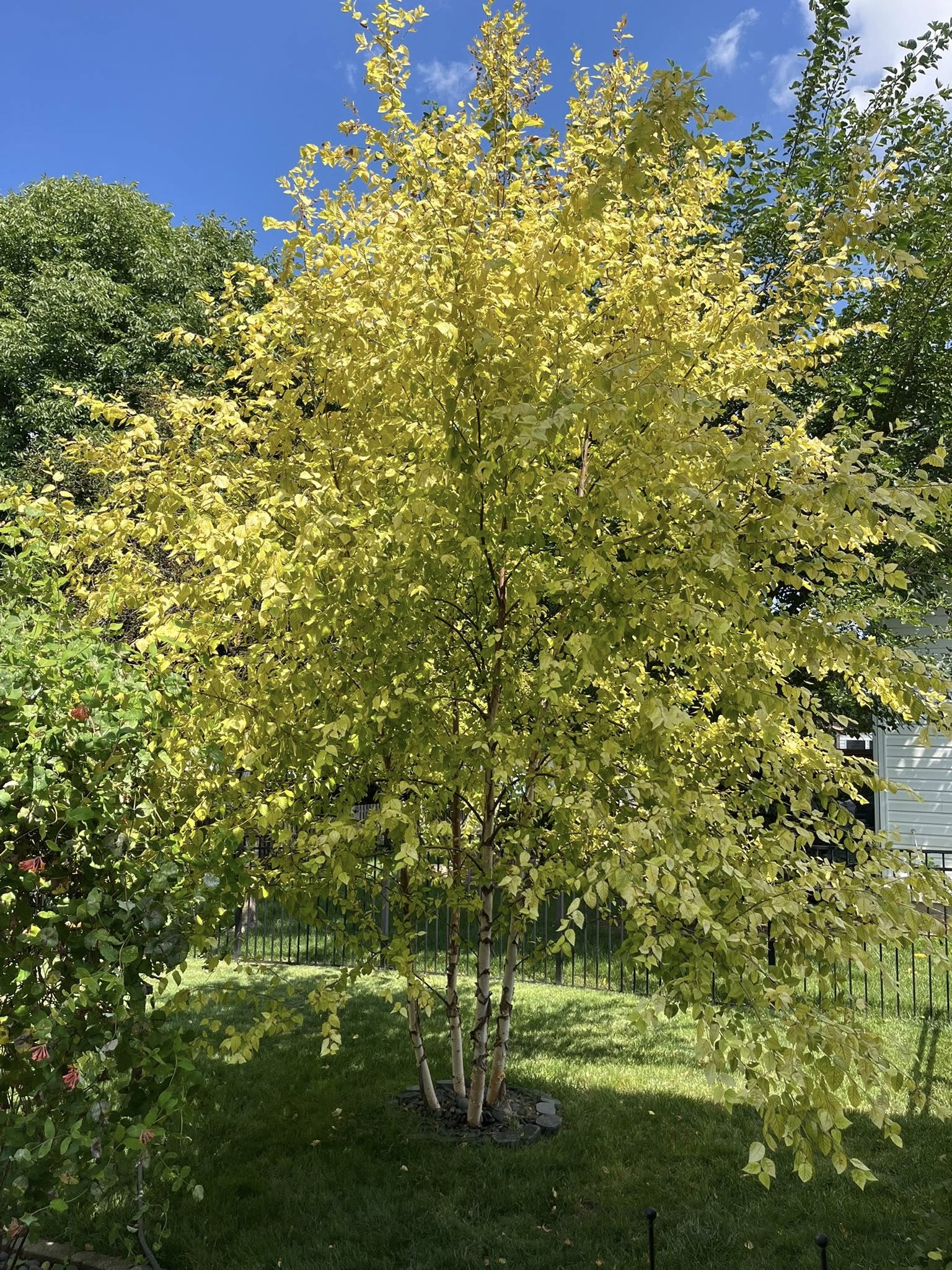
River birch handles Kentucky’s humid summers better than most other native birches, with peeling, salmon-pink bark that adds strong ornamental appeal.
It grows naturally along riverbanks and floodplains, tolerating occasional flooding without stress, which makes it a strong choice for wet yard areas.
Growth is fast, often adding several feet per year, and the species resists the bronze birch borer that damages other birch species.
Multi-trunk specimens are popular in landscaping for the layered bark texture visible from every angle.
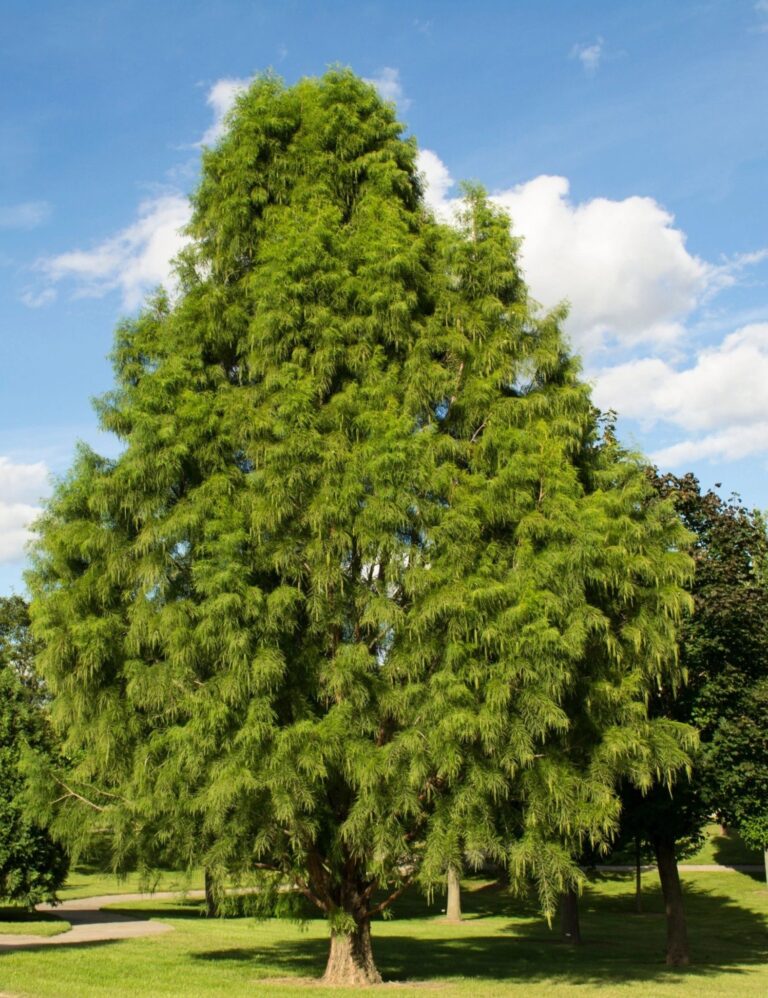
19. Bald Cypress (Taxodium distichum)
Bald cypress is a deciduous conifer, an unusual combination that drops its needle-like leaves every fall despite being a cone-bearing tree.
It thrives in swampy, waterlogged soil and develops distinctive knobby “knees” that rise from the roots in consistently wet ground.
Kentucky sits near the northern edge of this species’ natural range, with populations concentrated in the state’s western wetlands and river bottoms.
Reddish-brown fall foliage and a naturally pyramidal shape make it a striking specimen tree even outside its native wetland habitat.
20. Sweetgum (Liquidambar styraciflua)
Sweetgum is instantly recognizable by its star-shaped leaves and spiky seed balls, which some homeowners consider a nuisance underfoot each fall.
Fall foliage shifts through purple, red, orange, and yellow, often on the same tree simultaneously, giving it one of the longest color displays of any native species.
It grows readily in old fields and disturbed soil, often as an early colonizer, and tolerates both wet and moderately dry conditions.
The wood is used commercially for furniture and plywood, adding practical value alongside its ornamental appeal.
Understory and Ornamental Trees
21. Eastern Redbud (Cercis canadensis)
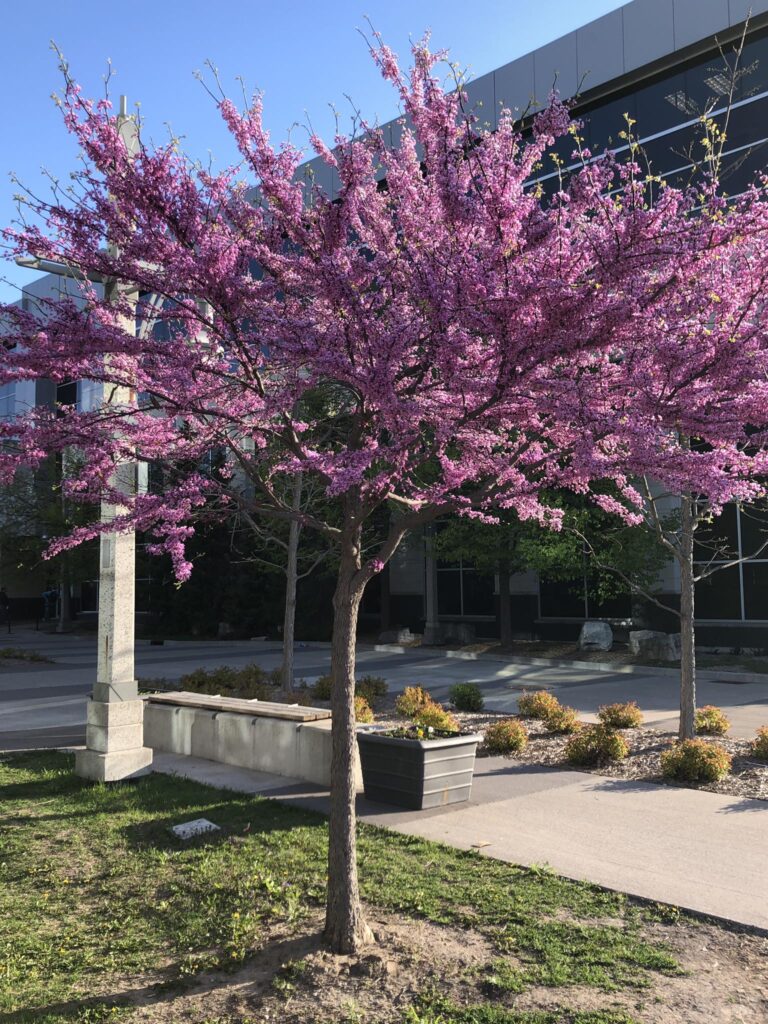
Redbud announces spring before almost anything else in Kentucky’s landscape. Clusters of pink-purple flowers appear directly on bare branches, weeks before leaves emerge.
It stays small, usually under 30 feet, which makes it a good fit for smaller yards or as an understory tree beneath taller canopy species.
Heart-shaped leaves follow the flowers and provide decent summer shade, while bees and other early pollinators depend heavily on the nectar.
I plant redbud specifically for that early bloom. Few native trees deliver that much color so early in the growing season.
22. Flowering Dogwood (Cornus florida)
Flowering dogwood produces showy white or pink bracts in April, one of the most photographed native blooms across Kentucky’s forests and parks.
Red berries follow in fall, providing critical fat reserves for migrating songbirds during a demanding season.
Dogwood anthracnose, a fungal disease, is currently causing significant mortality in native dogwoods across 63 Kentucky counties, according to state forest health monitoring data.
Choosing disease-resistant nursery stock helps protect new plantings from this ongoing threat.
23. Pawpaw (Asimina triloba)
Pawpaw produces the largest edible fruit native to North America, with a custard-like texture and tropical flavor that surprises most first-time tasters.
It grows naturally in shaded understory habitat, often forming dense colonies through root suckering along stream bottoms and rich woodland edges.
This species serves as the sole host plant for the zebra swallowtail butterfly, making it ecologically essential well beyond its fruit production.
Two genetically distinct trees are needed for reliable fruit set, so plan for more than one if harvesting matters to you.
24. Sourwood (Oxydendrum arboreum)
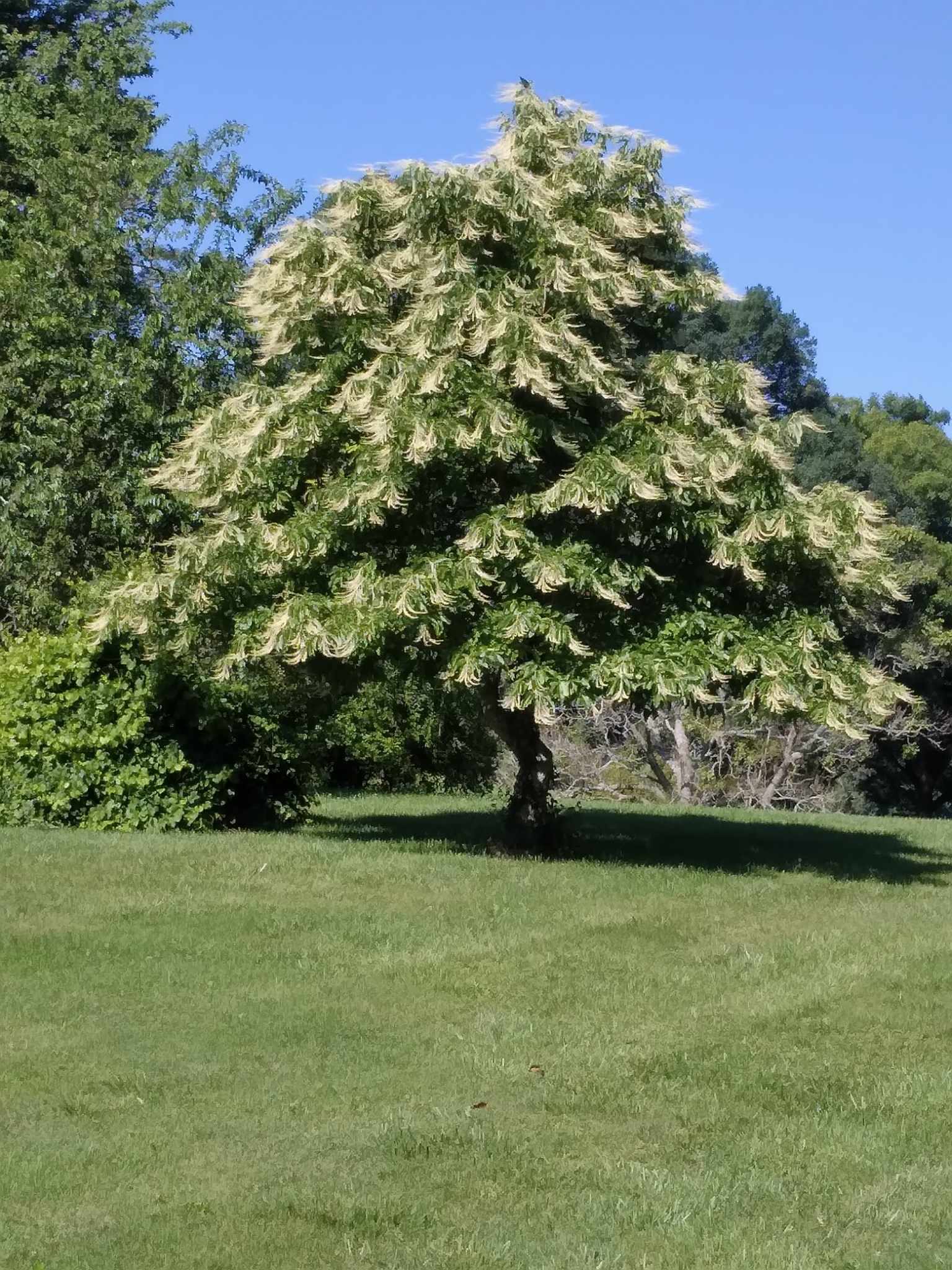
Sourwood produces drooping clusters of small white flowers in mid to late summer, a season when few other native trees are still blooming.
Beekeepers prize this species heavily, since sourwood honey commands a premium price and a distinct, sought-after flavor.
Fall color turns a brilliant scarlet, often ranking among the earliest and most dramatic color changes in Kentucky’s eastern forests.
This tree grows best in acidic, well-drained soil, and it is concentrated mostly in Kentucky’s eastern mountain counties.
25. Sassafras (Sassafras albidum)
Sassafras is common along fencerows, roadsides, and abandoned fields throughout Kentucky, with leaves that come in three distinct shapes on the same branch.
Blue fruits attract catbirds, robins, and bluebirds, while the foliage serves as a larval host plant for the spicebush swallowtail butterfly.
Fall color runs through orange, scarlet, and purple, often paired with blue fruit and green stems for a striking combination.
Historically, the root bark flavored root beer, though modern products use artificial flavoring due to safrole safety concerns.
Conifers and Evergreens
26. Eastern White Pine (Pinus strobus)
Eastern white pine is Kentucky’s tallest native conifer, capable of exceeding 100 feet with soft, blue-green needles bundled in groups of five.
It grows naturally across eastern Kentucky’s mountain forests, though it has also become a popular ornamental planting statewide for its fast growth.
The soft wood was historically prized for ship masts and construction lumber, valued for its light weight and workability.
Dense evergreen branches provide year-round shelter for birds and small mammals, especially valuable during harsh winter months.
27. Eastern Hemlock (Tsuga canadensis)
Eastern hemlock thrives in cool, shaded ravines and along stream banks in Kentucky’s eastern mountains, often forming dense, shadowy groves.
Short, flat needles and small, delicate cones distinguish it from Kentucky’s pines, along with its notably graceful, drooping branch tips.
The hemlock woolly adelgid, an invasive insect, has killed large numbers of hemlocks across Kentucky’s Appalachian region since its arrival, threatening this species statewide.
Where healthy stands remain, hemlock groves create some of the coolest, most distinctive microhabitats found anywhere in Kentucky’s forests.
Final Thoughts
Twenty-seven trees only begin to cover what grows across Kentucky’s 12 million forested acres, but this list represents the species you are most likely to encounter, plant, or need to identify.
Match the tree to your site conditions, not the other way around. Wet, dry, shaded, or sunny, there is very likely a native species here suited to your exact spot.
Kentucky’s Division of Forestry and University of Kentucky Extension both offer seedling programs and species guidance that make getting started easier and more affordable.
Every native tree planted adds a small piece back to a forest system that has shaped this state’s economy, wildlife, and landscape for longer than any of us will be around to see.
References
- Kentucky Energy and Environment Cabinet, Division of Forestry – Forest Facts: https://eec.ky.gov/Natural-Resources/Forestry/Pages/Forest-Facts.aspx
- Kentucky Energy and Environment Cabinet – Kentucky’s Champion Trees: https://eec.ky.gov/Natural-Resources/Forestry/ky-champion-trees/Pages/default.aspx
- University of Kentucky, Forestry and Natural Resources – Native Trees of Kentucky: https://forestry.ca.uky.edu/sites/forestry.ca.uky.edu/files/ksnpc_nativetreesbrochure.pdf
- University of Kentucky Cooperative Extension – Land Area, Forests, and Timberlands (FOR-53): https://publications.mgcafe.uky.edu/sites/publications.ca.uky.edu/files/for53_0.pdf
- USDA Forest Service – Forests of Kentucky, 2020 Resource Update: https://www.srs.fs.usda.gov/pubs/ru/ru_fs489.pdf
- USDA Forest Service – Kentucky Forest Health Highlights: https://www.fs.usda.gov/foresthealth/docs/fhh/KY_FHH_2002.pdf
- Kentucky Legislature – KRS 2.095, State Tree Statute: https://apps.legislature.ky.gov/law/statutes/statute.aspx?id=31

Tim M Dave is a gardening expert with a passion for houseplants, particularly cacti and succulents. With a degree in plant biology from the University of California, Berkeley, he has vast experience in gardening. Over the years, he has cultivated a vast collection of desert plants and learned a great deal about how to grow and care for these unique companions.