25 Flowers to Grow in March (With Planting Details)
March feels like a promise. The days grow longer, the soil begins to soften, and the garden stirs. Yet the weather can still turn cold overnight. I have lost seedlings to a late frost more than once, so I understand the worry.
The good news is that March is a strong planting month, if you choose the right flowers. Some thrive in cold soil. Others need a head start indoors. This guide covers 25 flowers to grow in March, with clear steps for each.
What to Know Before You Plant in March
March weather varies widely. In Florida, spring is already well under way. In Iowa, snow may still fall. That is why your local conditions matter more than the calendar date.
Start with your hardiness zone. The USDA’s 2023 Plant Hardiness Zone Map uses data from 13,412 weather stations, compared with 7,983 in 2012. It is free online, and it is the standard tool for choosing plants.
Next, learn your average last frost date. This simple number guides almost every planting choice you make this month.
Cool-season flowers are your safest March choice. Iowa State University Extension notes that many tolerate a light frost, often surviving down to 28°F and sometimes even 25°F. Tender plants are different, and they need to wait.
Here is how I sort March flowers into three groups:
- Hardy flowers you can sow or plant outdoors now.
- Tender flowers you start indoors for later planting.
- Summer bulbs and tubers you prepare now or plant after frost.
A quick note: this guide follows the Northern Hemisphere calendar. If you garden south of the equator, March is early autumn, so adjust the timing.
Quick Reference Table
| Group | Flowers | Where to Start |
| Hardy, plant outdoors | Pansy, viola, primrose, alyssum, snapdragon, sweet pea, calendula, larkspur, poppy, cornflower, nigella, dianthus | Outdoors in cool soil |
| Start indoors | Nasturtium, petunia, verbena, lobelia, foxglove, salvia, marigold, zinnia, cosmos, sunflower | Indoors, then transplant |
| Bulbs and tubers | Dahlia, gladiolus, lily | Indoors or after frost |
25 Flowers to Grow in March
1. Pansies
Pansies are the face of early spring. Their velvety blooms come in nearly every color. Best of all, they handle chilly weather with ease.
Buy young plants from a nursery for instant color. Plant them in sun or light shade, in rich, well-drained soil. Harden them off first by placing them outside for a few hours each day for a week.
If a hard freeze is forecast, cover the plants with a frost blanket or old sheet. Remove spent flowers often. This keeps the blooms coming for weeks.
ALSO READ: 35 Best Flowers to Grow in Your Vegetable Garden (With Pictures)
2. Violas
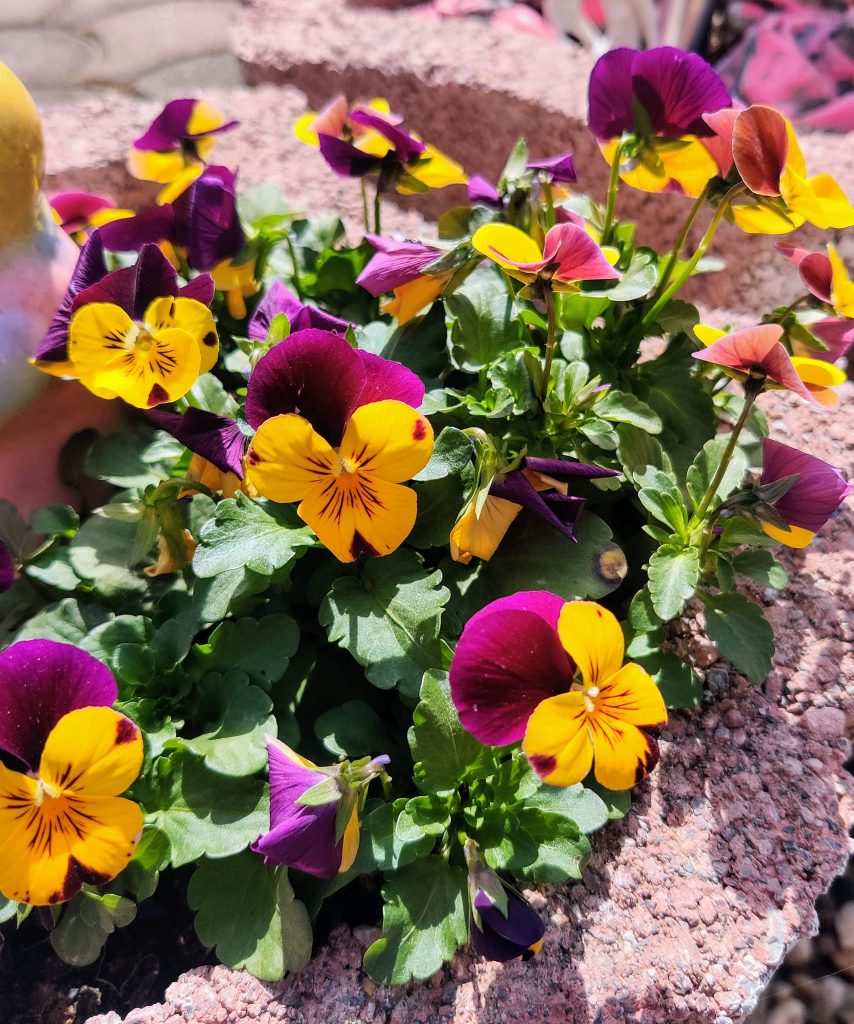
Violas look like smaller, daintier pansies. They produce many more blooms, and they often survive cold snaps better. Many varieties are edible, too.
Plant them in containers, borders or window boxes. They like cool roots, so mulch lightly. Morning sun with afternoon shade keeps them blooming longer as spring warms.
Water when the top inch of soil feels dry. Pinch off faded flowers. In many gardens, violas also self-seed and return with no effort.
3. Primroses
Primroses bring early, cheerful color to shady corners. Their blooms come in pink, yellow, red, purple and white. They are ideal for woodland beds and pots.
Plant them in moist, humus-rich soil with partial shade. Gardening guidance from Sunset suggests setting out English primroses and pansies as cold-hardy March color.
Avoid planting them in hot, dry spots. Keep the soil evenly moist. Divide clumps after flowering to get more plants for free.
4. Sweet Alyssum
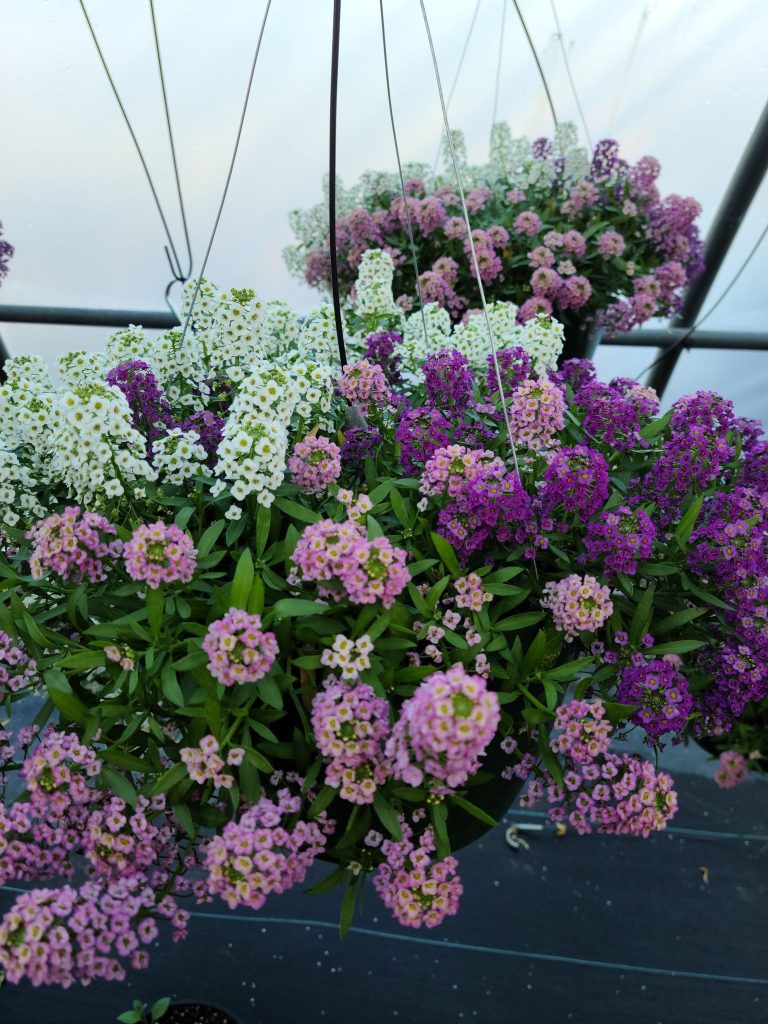
Sweet alyssum is a low, frothy plant with honey-scented flowers. It forms a carpet of white, pink or purple blooms. Bees love it.
It copes well with cold. University of Florida extension agents list alyssum as a cool-season annual you can plant in early March, since it survives a late freeze. Plant it in full sun.
Sprinkle the tiny seeds on the soil surface and press them in lightly. They need light to sprout. Alyssum often fades in summer heat, so shear it back to encourage fresh growth.
5. Snapdragons
Snapdragons add height and drama. Their tall spikes of ruffled flowers make fine cut flowers. They also tolerate light frost once established.
Seeds are tiny, so most gardeners start them indoors. UF extension also notes that snapdragons can go in during fall or early spring. Nursery plants save time.
Choose a sunny spot with rich, well-drained soil. Pinch young plants when they are about six inches tall. This makes them bushier and gives more flowers.
6. Sweet Peas
Sweet peas are loved for their scent. A few stems can perfume a whole room. The climbing vines also add height to borders and fences.
They prefer cool weather, so March is perfect in many areas. Soak seeds overnight to speed sprouting. Sow them about an inch deep beside a trellis or netting.
Cold nights will not bother them. Heat will. Plant early so they bloom before summer arrives. Pick flowers often to keep the plant producing.
7. Calendula
Calendula, also called pot marigold, is a cheerful, easy flower. Its orange and yellow blooms brighten any bed. The petals are edible, and they are often used in salves.
It thrives in cool weather. Sow seeds directly outdoors as soon as the soil can be worked. Cover them with about a quarter inch of soil.
Calendula blooms in spring, rests in summer heat, and returns in fall. Deadhead regularly for the longest display. It grows well in poor soil, too.
8. Larkspur
Larkspur sends up tall, elegant spikes in blue, pink and white. It brings a classic cottage-garden look. It also works well as a cut flower.
The seeds need cool soil to sprout. Sow them directly where they will grow, because the roots dislike being moved. Cover lightly, and keep the soil damp.
Plant larkspur in full sun. Tall varieties may need support. Remember that all parts of the plant are toxic, so keep it away from pets and children.
9. Poppies
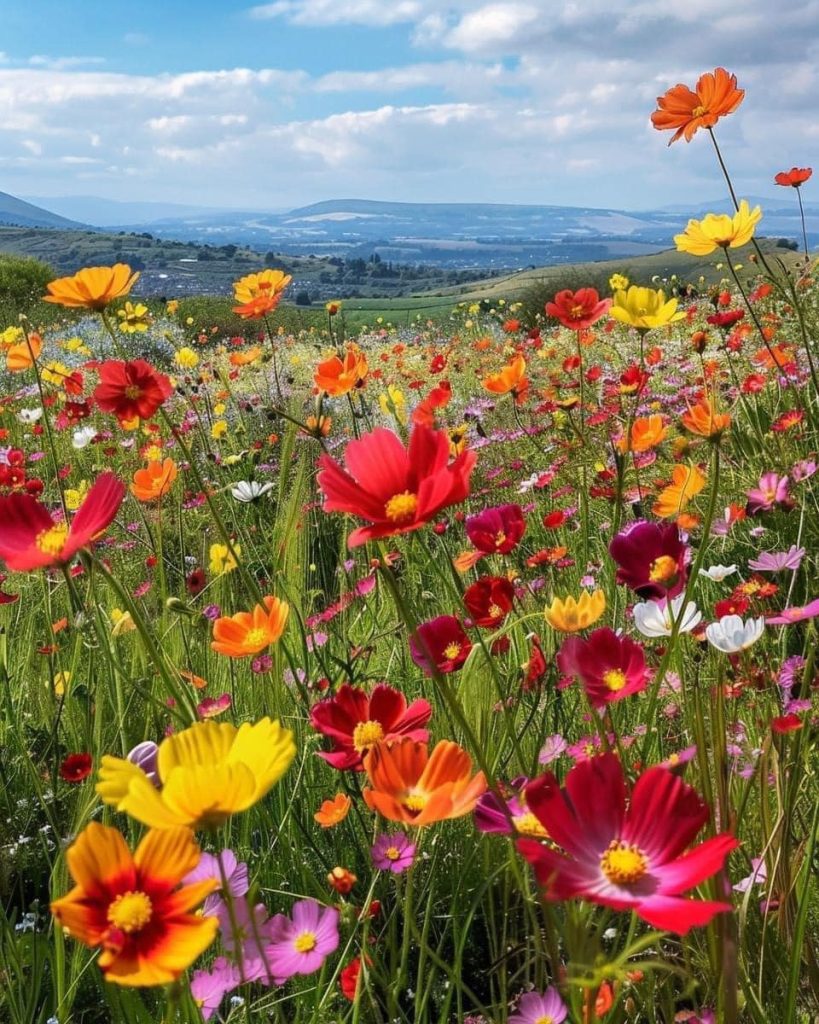
Poppies bring a delicate, silky beauty to the garden. Shirley, California and Iceland poppies are good March choices. Their seeds are tiny and need cool conditions to sprout.
Scatter the seeds on bare soil, then press them down. Do not bury them, since they need light. Water gently with a fine spray.
Poppies resent transplanting, so sow them where you want them. Choose a sunny, well-drained site. Thin seedlings to a few inches apart for stronger plants.
10. Cornflowers
Cornflowers, or bachelor’s buttons, are known for their vivid blue petals. They also come in pink, white and deep maroon. They are tough and easy to grow.
Sow seeds directly in cool soil in March. Cover them lightly. They sprout best in full sun and ordinary garden soil.
Cornflowers attract bees and butterflies. They also last well in a vase. Sow a new batch every few weeks for a longer bloom season.
READ MORE ON: 35 Flowers That Attract Butterflies (With Pictures)
11. Nigella (Love-in-a-Mist)
Nigella has soft, feathery foliage and star-shaped blue flowers. After blooming, it forms striking, balloon-like seed pods. Both are used in arrangements.
It likes cool soil, so March sowing suits it. Scatter seeds where you want them, and rake lightly. The plant dislikes root disturbance.
Give it a sunny spot and moderate watering. It self-seeds freely. Leave a few pods at the end of the season, and you will get new plants next year.
12. Dianthus
Dianthus, including pinks and sweet William, is a spicy-scented garden favorite. Its fringed flowers come in pink, red, white and bicolors. They are compact and neat.
Nursery plants are easy to set out in March. They accept light frost. Seeds can also be sown in cool soil.
Plant them in full sun with sharp drainage. Wet soil causes rot. Trim spent blooms to prolong flowering. Many varieties return for several years.
13. Nasturtiums
Nasturtiums bring bold color and edible leaves. The peppery flowers can brighten a salad. They trail or climb, depending on the variety.
They dislike root disturbance, so sow them directly. In cold areas, start seeds in biodegradable pots indoors. Plant outside once the soil warms.
Nasturtiums actually bloom better in poor soil. Too much fertilizer gives lots of leaves and few flowers. They also help attract beneficial insects.
14. Petunias
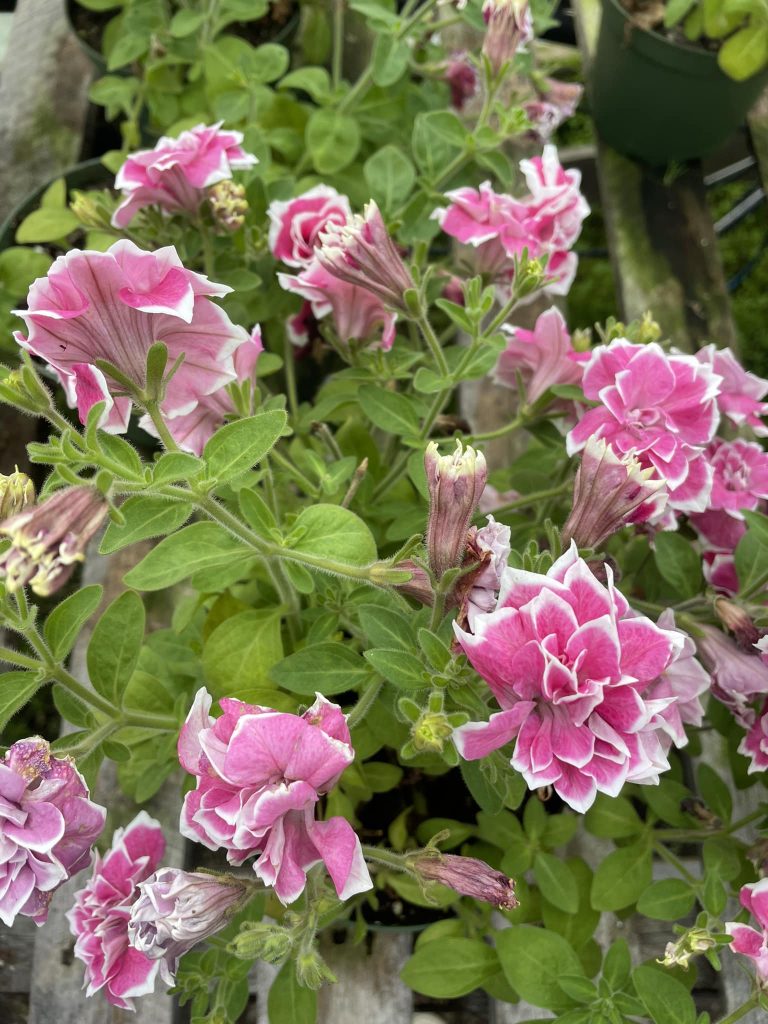
Petunias fill baskets and borders with color for months. They come in nearly every shade. Their trailing forms are ideal for containers.
Seeds are dust-fine and need a long head start. Press them onto moist seed mix without covering. Keep them warm and bright. Gardening Know How advises that petunias need to be started early to maximize their flowering window.
Plant them outdoors after the last frost. UF extension includes petunias among early-spring bedding plants. Give them full sun and regular feeding.
15. Verbena
Verbena is a hardworking, long-blooming flower. Clusters of small blooms attract butterflies all summer. Trailing types spill nicely from pots.
Seeds sprout slowly and unevenly. Start them indoors about eight weeks before your last frost. Extension agents in Leon County, Florida say verbena can go out in early March because it tolerates cool weather.
Provide full sun and good drainage. Water deeply but not often. Avoid wet foliage, since powdery mildew can appear in humid weather.
16. Lobelia
Lobelia produces masses of tiny blue, purple or white flowers. It is ideal for hanging baskets and the edges of pots. The color is rare and eye-catching.
The seeds are extremely small. Sow them on the surface of moist mix and do not cover. Start them indoors in March, since they grow slowly.
Plant out after frost danger passes. Lobelia prefers cool conditions and some afternoon shade. Trim it back if it declines in midsummer heat, and it often rebounds.
17. Foxgloves
Foxgloves are tall, graceful and loved by bees. Their bell-shaped flowers rise on dramatic spires. Most types are biennials, so they flower in their second year.
Start seeds indoors in March, or buy young plants. Press the seeds onto the soil surface, since light helps them sprout. Plant in part shade with rich, moist soil.
Be careful with this one. Every part is poisonous. Keep it away from curious children and pets. Allow some plants to set seed for a self-renewing display.
18. Salvia
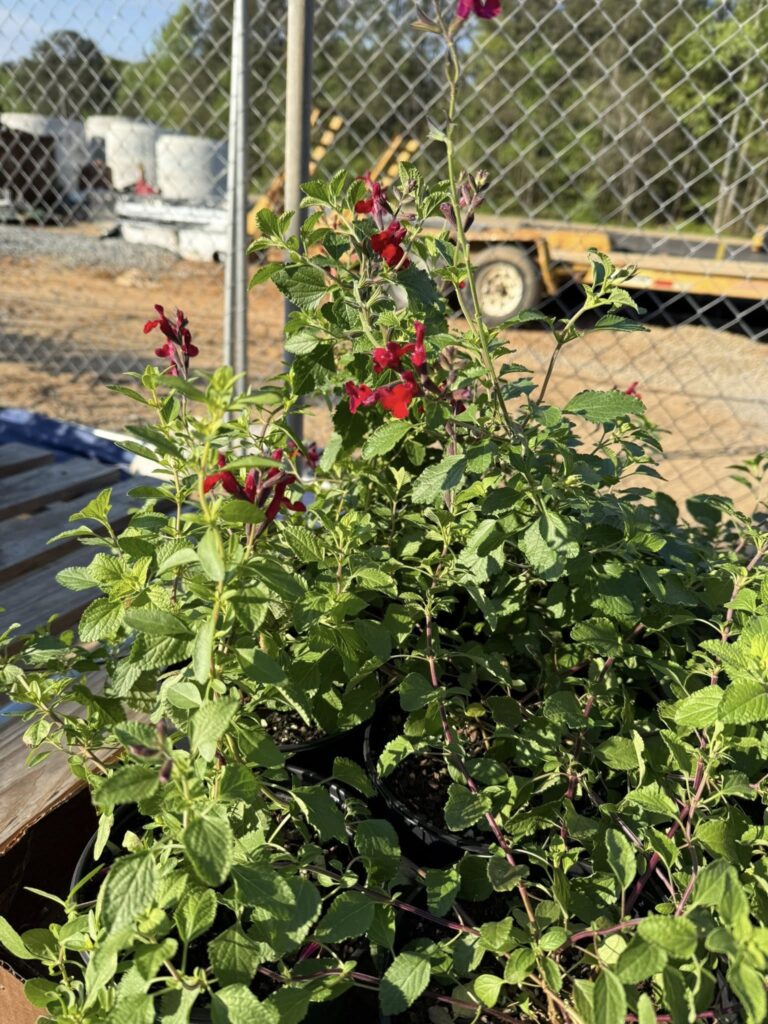
Salvia offers spikes of blue, purple, red or pink. Hummingbirds and butterflies love it. It tolerates heat and dry spells well once established.
Most salvias need a long start. Sow indoors about eight to ten weeks before your last frost, which often means March. Keep the seed tray warm.
Move seedlings outside after frost. Choose full sun and well-drained soil. Cut back spent spikes to encourage a second flush of flowers.
19. Marigolds
Marigolds are classic, cheerful and reliable. Their golden and orange blooms last through summer. They are one of the easiest flowers for beginners.
Start seeds indoors in March, about four to six weeks before the last frost. They sprout in just a few days. Plant outside once the soil warms.
Marigolds love full sun. Water at the base to keep the leaves dry. Deadhead often for continuous blooms. Many gardeners plant them near vegetables as a companion plant.
20. Zinnias
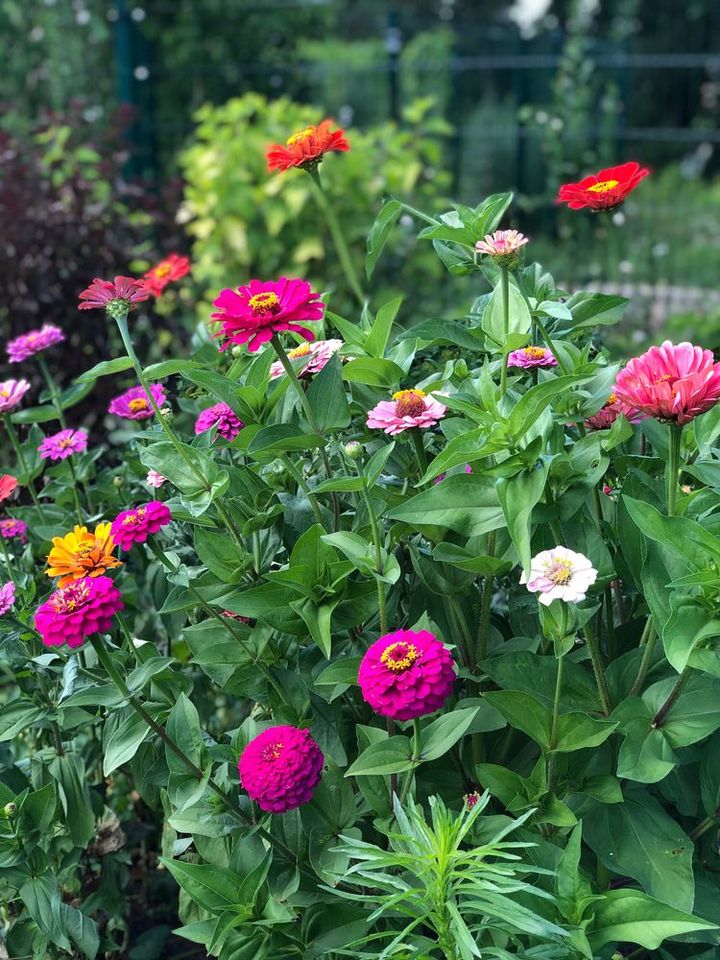
Zinnias are bright, bold and easy. They bloom nonstop from early summer to frost. Butterflies cannot resist them, and they make wonderful cut flowers.
Zinnias dislike cold. Start seeds indoors only three to four weeks before your last frost, so seedlings do not outgrow their pots. Transplant gently, since roots are sensitive.
Give them full sun and good airflow. This lowers the risk of mildew. Pinch the first stem to create bushier, flower-packed plants.
21. Cosmos
Cosmos has airy foliage and daisy-like flowers in pink, white and magenta. It looks relaxed and natural. It is also tough and tolerates poor soil.
Seeds sprout in about a week. Sow indoors in March, three to four weeks before the last frost. In warm areas, sow directly outside.
Do not overfeed this plant. Rich soil gives leafy growth and fewer blooms. Cut stems often, since regular picking encourages more flowers.
22. Sunflowers
Sunflowers are fast, fun and rewarding. They grow from seed to giant bloom in a single season. Children enjoy them, and birds love the seeds.
In warm regions, sow directly in late March. In colder areas, start seeds in deep pots indoors. Their taproots dislike disturbance, so transplant carefully. A general guide from New Mexico State University is to plant most seeds at a depth of about four times their diameter.
Choose a sunny, sheltered site. Support tall types against the wind. Water deeply during dry spells.
23. Dahlias
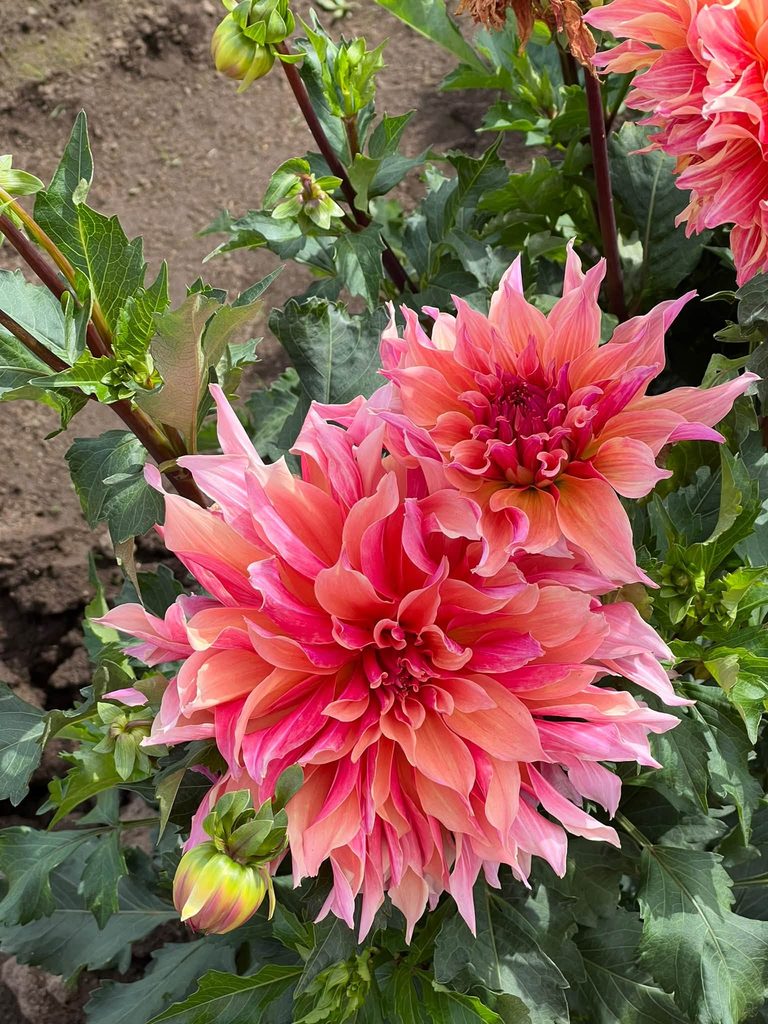
Dahlias are the stars of late summer. Their blooms range from small pompoms to dinner-plate giants. They flower from midsummer until frost.
Frost kills them, so do not rush. In March, you can start tubers in pots indoors. Clemson Extension advises planting summer-flowering bulbs in spring after the danger of frost has passed.
When you plant out, leave room. Large-flowering dahlias should be spaced three to four feet apart, and smaller ones about two feet. Stake tall types at planting time.
24. Gladiolus
Gladiolus produces tall, dramatic spikes. They are a cut-flower favorite. Each stem carries many ruffled florets in rich colors.
They grow from corms. University of Illinois Extension says corms can be planted outside about two weeks before the last frost, and then every two weeks until early July. That staggered planting gives a long supply of blooms.
For cut flowers, space them just 2 to 3 inches apart. Spacing is about 6 inches in a landscape setting. Staking keeps the spikes straight. Choose full sun and well-drained soil.
25. Lilies
Lilies are elegant and often richly fragrant. Their large, trumpet-shaped flowers appear in summer. They also last well as cut flowers.
March is a good time to plant lily bulbs in many climates. Illinois Extension notes that lilies can be planted in fall or early spring. Choose firm, plump bulbs with no mold.
Plant them in well-drained soil, since soggy ground causes rot. Lilies like sun on the flowers and cool roots. A low groundcover or mulch gives shade to the base. Be aware that lilies are very toxic to cats.
Simple March Planting Tips
Prepare your soil first. Add several inches of compost and loosen the top layer. Good soil gives seeds a strong start.
Always check your local frost dates. Cover young plants with a frost blanket if a freeze is forecast. Protection costs little, and it saves a lot of work.
Harden off every seedling. Place plants outdoors in a shady area for a few hours a day, and slowly increase their sun over a week. This prevents shock.
Time your indoor sowing well. Iowa State notes that many annuals need six to eight weeks from seed to transplant, so count back from your planting date.
A few more habits help:
- Label every tray and pot.
- Water seedlings from below.
- Give them bright light, so they stay sturdy.
- Do not plant tender flowers too early.
Frequently Asked Questions
What flowers can I plant outdoors in March?
Pansies, violas, sweet alyssum, sweet peas, calendula, larkspur and poppies are good choices. They tolerate cold soil and light frost.
Can I plant dahlias in March?
You can start the tubers indoors in pots. Move them outside only after the last frost has passed.
Is it too early to sow zinnias and marigolds?
Outdoors, yes. Start them indoors three to six weeks before your last frost instead.
How do I protect seedlings from frost?
Cover them with a frost blanket, sheet or cloche at night. Remove the cover in the morning so they get light and air.
Final Thoughts
March rewards gardeners who are patient and prepared. Plant the hardy flowers first, start the tender ones indoors, and hold the frost-sensitive bulbs for later.
If I had to pick three to begin with, I would choose pansies, sweet peas and calendula. They are forgiving, beautiful and quick to reward you. Start small, watch your weather, and enjoy the first blooms of the season.
References
- University of Florida IFAS Extension, Leon County. “Color in the Garden.” https://nwdistrict.ifas.ufl.edu/hort/2012/03/02/color-in-the-garden
- Iowa State University Extension and Outreach. “When should I plant cool-season annuals?” https://yardandgarden.extension.iastate.edu/faq/when-should-i-plant-cool-season-annuals
- Clemson University Home & Garden Information Center. “Summer and Fall Flowering Bulbs.” https://hgic.clemson.edu/factsheet/summer-and-fall-flowering-bulbs/
- University of Illinois Extension. “Tender bulbs make summer delights.” https://extension.illinois.edu/blogs/flowers-fruits-and-frass/2021-05-04-tender-bulbs-make-summer-delights
- Utah State University Extension. “Growing Dahlias.” https://extension.usu.edu/yardandgarden/files/Dahlias.pdf
- New Mexico State University Cooperative Extension. “March: Time to Plant Cool Season Seeds for Early Spring Gardens.” https://melonpatch.nmsu.edu/01/mar.html
- U.S. Department of Agriculture, Agricultural Research Service. “USDA Plant Hardiness Zone Map.” https://planthardiness.ars.usda.gov/

Tim M Dave is a gardening expert with a passion for houseplants, particularly cacti and succulents. With a degree in plant biology from the University of California, Berkeley, he has vast experience in gardening. Over the years, he has cultivated a vast collection of desert plants and learned a great deal about how to grow and care for these unique companions.