25 Best Zone 7 Perennial Flowers (With Growing Details)
Gardening in zone 7 has a special kind of reward. Winters dip low enough to give plants a proper rest, yet summers stay warm enough for a long, generous bloom season. If you plant the right perennials, you get flowers that come back stronger every single year, without replanting.
I have spent years watching gardens in this zone struggle simply because the wrong plants were chosen. A tropical hibiscus might survive one summer, but it has no chance against a zone 7 frost. The fix is simple: choose perennials bred for this exact climate.
Zone 7 covers average annual minimum temperatures between 0°F and 10°F (-17.7°C to -12.2°C), according to the USDA Plant Hardiness Zone Map. This includes large parts of the Mid-Atlantic, the Pacific Northwest, and pockets of the South.
This guide lists 25 of the most dependable, beautiful, and low-maintenance perennials for zone 7 gardens.
25 Best Zone 7 Perennial Flowers
1. Purple Coneflower (Echinacea purpurea)
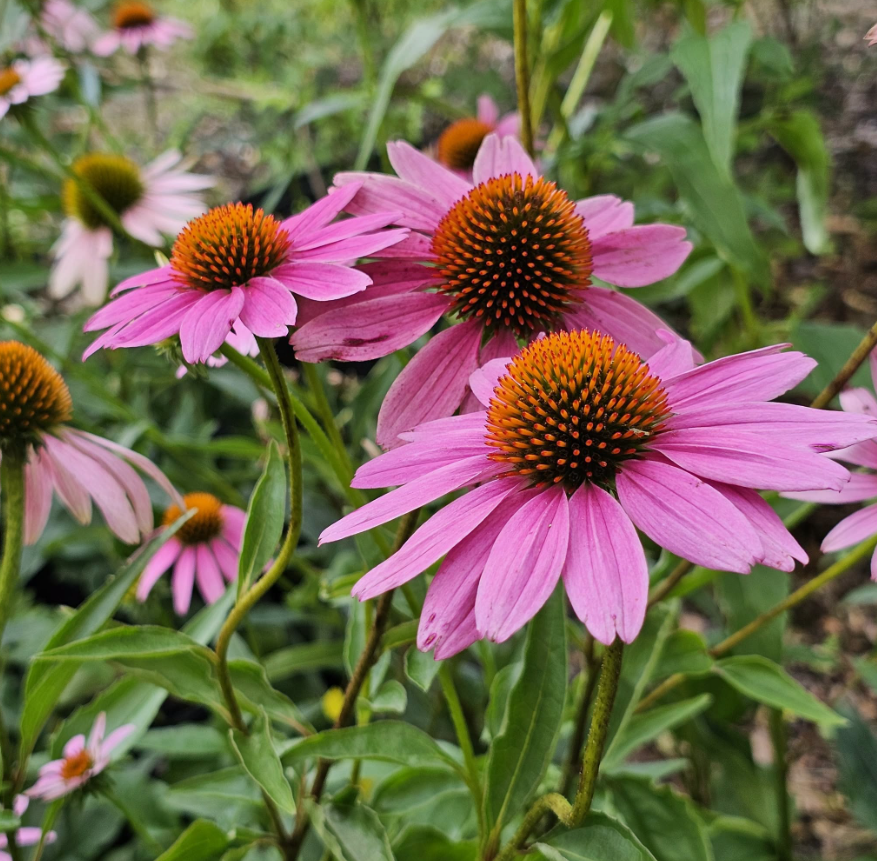
Coneflower is about as tough as perennials get. It shrugs off drought, poor soil, and summer heat without complaint. I’ve seen it bloom through weeks with barely any rain.
Its daisy-like purple-pink petals surround a spiky orange-brown center that pollinators love. Bees, butterflies, and goldfinches all visit this plant regularly through summer and into fall.
Coneflower is hardy from zones 3 to 9, making it a near-perfect fit for zone 7. It prefers full sun and well-drained soil, though it tolerates clay reasonably well once established.
Height typically reaches 2 to 4 feet. Deadhead spent blooms to extend flowering, or leave the seed heads standing for winter bird food.
2. Black-Eyed Susan (Rudbeckia hirta)

Black-Eyed Susan brings cheerful yellow color from midsummer straight through the first frost. Its dark brown center and golden petals make it instantly recognizable in any border.
This plant self-seeds generously, so a small patch can become a full drift within two or three seasons. Some gardeners find this aggressive; I find it generous.
It grows well in zones 3 through 9 and handles poor, dry soil better than most flowering perennials. Full sun brings out the strongest bloom color and sturdiest stems.
Pair it with purple coneflower for a classic prairie-style combination. Both share the same bloom window and similar care needs, so maintenance stays simple.
3. Daylily (Hemerocallis)
Daylilies earn their nickname honestly. Each bloom lasts just one day, but a mature plant produces so many buds that flowering continues for weeks.
There are over 80,000 registered daylily cultivars, according to the American Daylily Society, so color and size options are nearly endless. Orange, yellow, red, pink, and bicolor varieties all perform well in zone 7.
These plants tolerate almost any soil type and need very little fuss once established. Full sun to light shade both work, though full sun typically produces heavier bloom counts.
Daylilies also divide easily every three to four years. This means one plant can eventually fill an entire bed at no extra cost.
ALSO READ: 10 Flowering Vines for Zone 7: Pet Friendly Choices
4. Peony (Paeonia)
Few flowers carry the emotional weight that peonies do. Their large, ruffled blooms and rich fragrance feel almost old-fashioned, in the best way. Many gardeners inherit peony plants from parents or grandparents.
That’s not sentimental exaggeration. Peonies can live for over 50 years in the right conditions, with some documented plants surviving a century in undisturbed gardens.
Peonies thrive in zones 3 through 8, so zone 7 sits comfortably in their range. They need a cold winter chill period to bloom well, which this zone provides naturally.
Plant them in full sun with rich, well-drained soil. Avoid planting too deep, since burying the eyes more than two inches can prevent flowering entirely.
5. Russian Sage (Perovskia atriplicifolia)
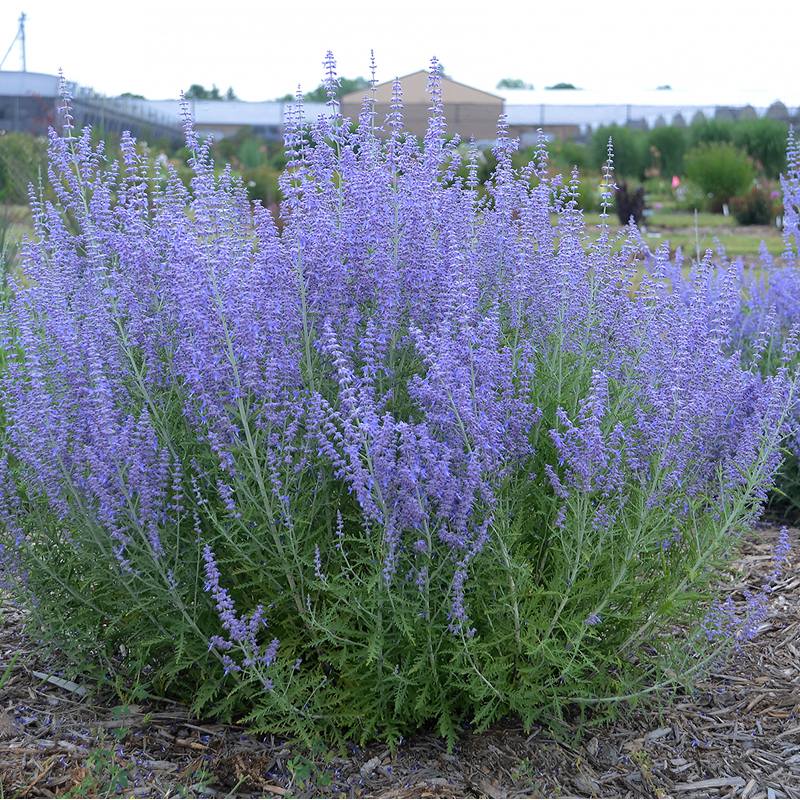
Russian Sage brings a soft, silvery-blue haze to the garden from midsummer into fall. Its airy purple flower spikes move beautifully in even a light breeze.
This plant is remarkably drought-tolerant once established, often needing no supplemental water after the first year. Deer and rabbits tend to avoid it because of its aromatic foliage.
It’s hardy in zones 4 through 9 and grows best in full sun with well-drained, even sandy, soil. Rich soil actually causes it to flop over, so lean conditions suit it better.
Mature plants reach 3 to 5 feet tall and wide. It pairs naturally with ornamental grasses for a relaxed, meadow-style planting.
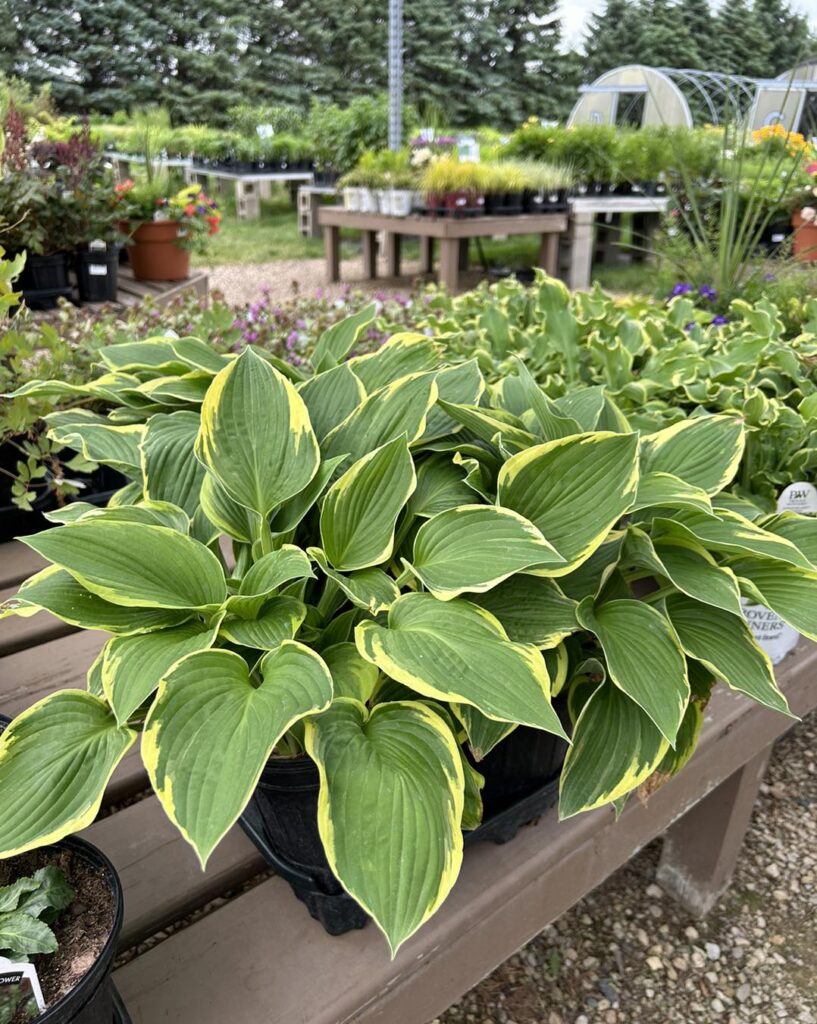
6. Hosta
Hosta is the backbone of shaded zone 7 gardens. While it’s grown mainly for its bold, textured foliage, most varieties also send up tall flower spikes with lavender or white blooms in summer.
There are thousands of named hosta cultivars, ranging from tiny 4-inch mounds to giants over 4 feet across. This range makes it easy to fit hostas into almost any garden design.
Hostas are hardy in zones 3 through 9 and prefer partial to full shade. Morning sun with afternoon shade works particularly well in zone 7’s warmer summers.
The one real challenge is slugs, which can shred the leaves overnight. A simple ring of diatomaceous earth around the base helps control the problem without chemicals.
7. Coral Bells (Heuchera)
Coral Bells offer some of the richest foliage colors in the perennial world. Leaves range from deep purple to lime green to copper orange, often on the same plant as it matures through the seasons.
Delicate bell-shaped flowers rise on thin stems above the foliage in late spring. Hummingbirds are drawn to them, especially the red and coral-toned varieties.
This plant is hardy in zones 4 through 9 and prefers partial shade, though many newer cultivars tolerate more sun. Well-drained soil is essential, since soggy roots lead to rot quickly.
Coral Bells stay compact, usually under 18 inches tall, which makes them ideal for border edges or container plantings.
8. Bee Balm (Monarda)
Bee Balm produces some of the most eye-catching blooms in the perennial category. Shaggy, tubular flowers in red, pink, or purple sit atop tall stems, drawing bees, butterflies, and hummingbirds in large numbers.
A single Monarda patch can attract dozens of hummingbird visits per day during peak bloom, based on pollinator garden studies from university extension programs.
It’s hardy in zones 3 through 9 and grows best in full sun with consistently moist soil. Good air circulation helps prevent powdery mildew, a common issue with this species.
Mint-family aromatic leaves also make Bee Balm useful for herbal teas. The plant spreads by rhizomes, so give it room or plan on dividing it every few years.
9. Shasta Daisy (Leucanthemum x superbum)
Shasta Daisy delivers the classic white-petal, yellow-center flower that most people picture when they hear the word “daisy.” It’s cheerful, simple, and reliable in a way few other perennials match.
This plant blooms heavily from early summer through late summer, especially with regular deadheading. Cut flowers also last well in a vase, often a full week or more.
Shasta Daisy is hardy in zones 4 through 9 and prefers full sun with well-drained soil. It doesn’t tolerate wet feet well, so avoid low-lying, soggy garden spots.
Clumps benefit from division every two to three years to stay vigorous. Without division, the center of the clump can die out over time.
10. Sedum ‘Autumn Joy’ (Hylotelephium)
Sedum ‘Autumn Joy‘ earns its name honestly, producing dusty pink flower clusters that deepen to rust red as autumn arrives. It’s one of the last perennials to bloom each year, extending the garden season noticeably.
Its thick, succulent-like leaves store water efficiently, making this one of the most drought-tolerant perennials on this list. I rarely water mine even during dry spells.
It’s hardy in zones 3 through 9 and needs full sun and sharp drainage to avoid rot. Poor, lean soil actually suits it better than rich, fertile beds.
Left standing through winter, the dried flower heads add structure and catch frost beautifully. Birds also feed on the seed heads during colder months.
11. Catmint (Nepeta)
Catmint produces soft mounds of gray-green foliage topped with lavender-blue flower spikes from late spring through fall. It’s one of the longest-blooming perennials available for zone 7.
Deer and rabbits generally avoid it, thanks to its strong aromatic oils. This makes it a smart border plant in areas with heavy wildlife pressure.
Catmint is hardy in zones 3 through 8 and prefers full sun with average, well-drained soil. Shearing it back by half after the first flush of bloom encourages a strong second round.
It pairs beautifully with roses, softening their formal structure with a looser, cottage-garden feel.
12. Salvia (Salvia nemorosa)
Salvia sends up dense spikes of purple, blue, or pink flowers that bloom repeatedly through the growing season. Bees and butterflies visit it constantly, making it a strong pollinator plant.
This perennial is compact, usually staying under 2 feet tall, so it fits neatly into smaller beds or front-of-border plantings.
It’s hardy in zones 4 through 8, placing zone 7 right in its comfort range. Full sun and well-drained soil bring out the best bloom performance.
Cutting spent flower spikes back to the basal foliage often triggers a second or even third bloom cycle within the same season.
13. Yarrow (Achillea millefolium)
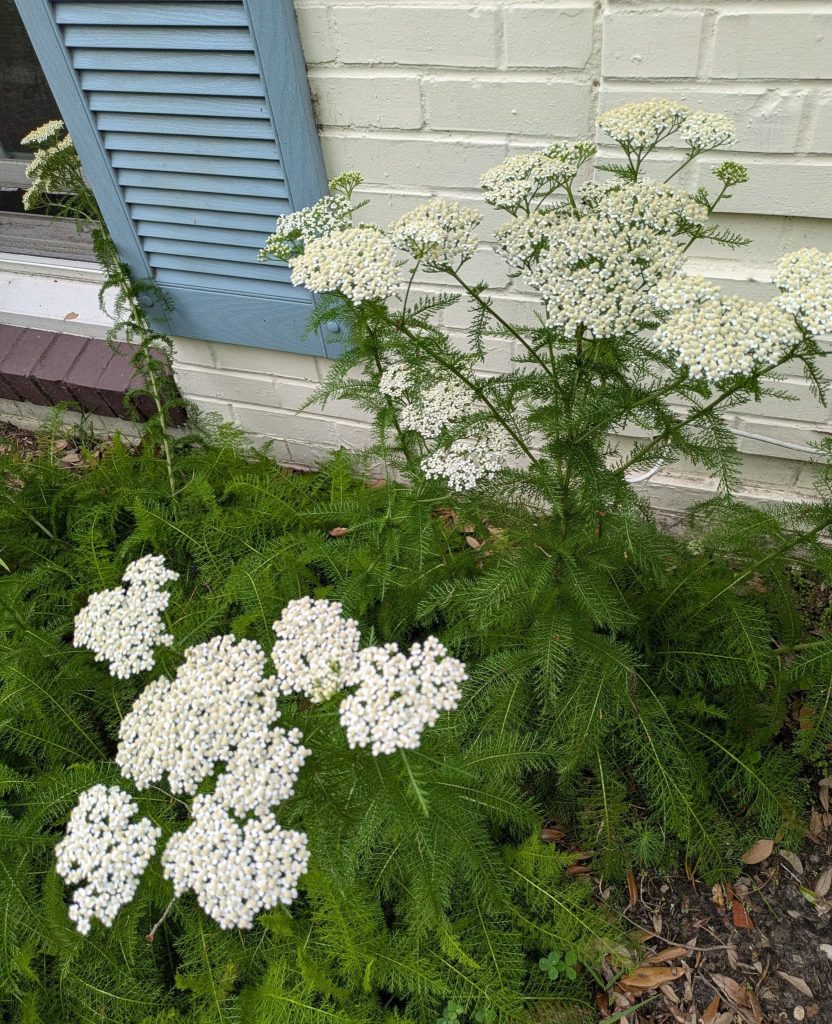
Yarrow forms flat clusters of tiny flowers in yellow, white, pink, or red, sitting above soft, fern-like foliage. It has a long history as both an ornamental and medicinal plant.
This is one of the toughest perennials available, tolerating poor soil, drought, and neglect better than almost anything else on this list.
Yarrow is hardy in zones 3 through 9 and needs full sun with well-drained soil to avoid becoming floppy or disease-prone. Rich soil tends to weaken its stems.
It spreads steadily by rhizomes, so it works well as a groundcover in dry, sunny areas where other plants struggle.
14. Lavender (Lavandula angustifolia)
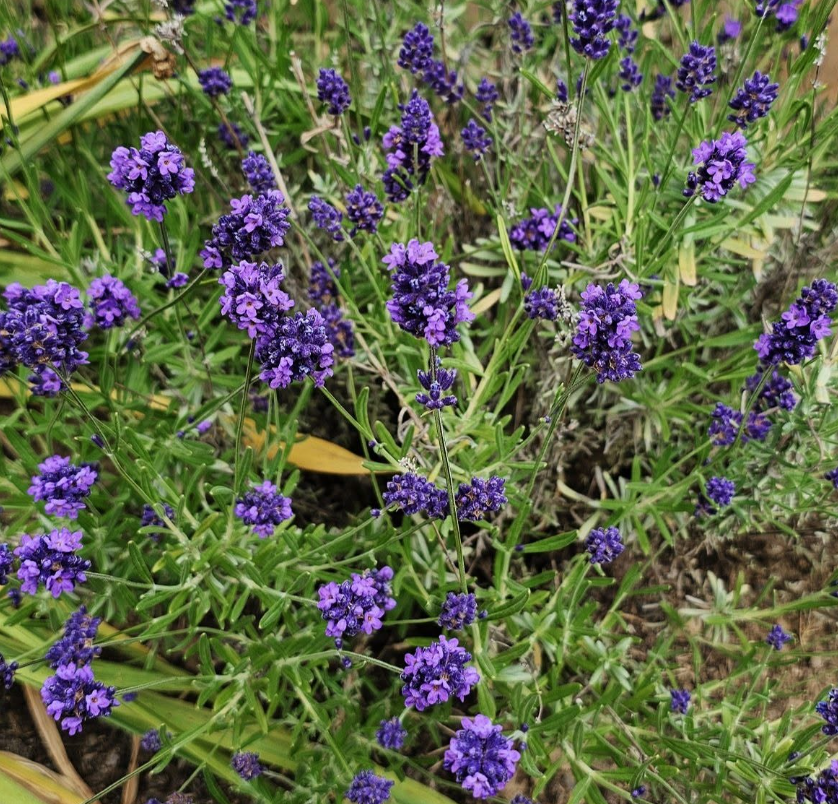
Lavender brings fragrance, color, and pollinator activity all in one compact plant. Its silvery foliage and purple flower spikes work in formal gardens and relaxed cottage plots alike.
English Lavender varieties are the most cold-hardy type, rated for zones 5 through 9. This makes it one of the more reliable lavender types for zone 7 winters.
Sharp drainage is non-negotiable here. Lavender roots rot quickly in heavy clay or wet soil, so raised beds or sandy amendments often help in gardens with dense clay.
Harvest stems just as the lower flowers open for the strongest fragrance, whether for drying, sachets, or fresh arrangements.
15. Garden Phlox (Phlox paniculata)
Garden Phlox produces large, rounded clusters of fragrant flowers in pink, purple, white, or red through mid to late summer. The scent alone makes it worth a spot near a patio or walkway.
It’s hardy in zones 4 through 8 and prefers full sun with rich, moist, well-drained soil. Good air circulation between plants helps prevent powdery mildew, its most common problem.
Mildew-resistant cultivars like ‘David’ have made this a much more forgiving plant than older varieties. Choosing resistant types saves considerable maintenance effort.
Butterflies, especially swallowtails, visit Garden Phlox heavily. It’s one of the better late-summer nectar sources in a zone 7 pollinator garden.
ALSO READ: 17 Best Fruit Trees for Zone 7 (With Care Tips)
16. Astilbe
Astilbe brings feathery, plume-like flower spikes in pink, red, white, or lavender to shaded garden corners where few other perennials thrive. Its fern-like foliage adds texture even before it blooms.
This plant genuinely needs consistent moisture. Dry soil causes browning and stunted growth quickly, so it works best near downspouts, low spots, or with regular watering.
Astilbe is hardy in zones 4 through 8 and prefers partial to full shade. Morning sun is fine, but hot afternoon exposure in zone 7 summers can scorch the leaves.
Once established, clumps expand steadily and rarely need division more than once every four or five years.
17. Bearded Iris
Bearded Iris produces some of the most striking flowers in the perennial world, with ruffled petals in nearly every color imaginable, often two-toned on a single bloom.
Historical records show iris cultivation stretching back over 4,000 years, with the flower appearing in ancient Egyptian art and later becoming a symbol across European heraldry.
It’s hardy in zones 3 through 9 and needs full sun with sharp drainage. Planting the rhizome too deep is the most common mistake; it should sit just at or slightly above soil level.
Divide clumps every three to four years, right after flowering, to keep the plant blooming at its best.
18. Hellebore (Lenten Rose)
Hellebore is one of the earliest perennials to bloom, often opening flowers while snow still lingers on the ground in late winter. Its nodding, cup-shaped flowers come in white, pink, purple, and near-black shades.
This early bloom timing makes it invaluable for pollinators emerging hungry from winter dormancy. It also gives gardeners color at a time when almost nothing else is blooming.
Hellebore is hardy in zones 4 through 9 and prefers partial to full shade with rich, well-drained soil. It’s remarkably deer and rabbit resistant, thanks to toxic compounds in its foliage.
The evergreen leaves stay attractive year-round, which adds real value in a shaded winter garden bed.
19. Coreopsis (Tickseed)
Coreopsis produces bright, cheerful yellow, orange, or bicolor flowers over a long bloom season, often from late spring through the first hard frost. It’s one of the most generous bloomers on this list.
This plant tolerates heat, drought, and poor soil with ease. It’s a favorite for gardeners who want strong color without demanding upkeep.
Coreopsis is hardy in zones 4 through 9 and grows best in full sun with well-drained soil. Overly rich soil can actually reduce flowering in favor of leafy growth.
Regular deadheading extends bloom time considerably. Left alone, it self-seeds moderately, filling gaps in a bed naturally over a few seasons.
20. New England Aster
New England Aster closes out the growing season with a final burst of purple, pink, or blue daisy-like flowers just as most other perennials fade. It’s a critical late-season food source for migrating monarch butterflies.
Monarch populations rely heavily on late-blooming nectar plants like asters during fall migration, according to monarch conservation research from organizations tracking the species’ decline.
It’s hardy in zones 3 through 8 and prefers full sun with moist, well-drained soil. Pinching stems back in early summer keeps the plant bushier and prevents legginess.
Height can reach 3 to 6 feet, so place it toward the back of a border unless it’s been pinched down earlier in the season.
21. Japanese Anemone
Japanese Anemone produces delicate, saucer-shaped flowers in white or pink on tall, wiry stems from late summer into fall. It has a graceful, almost floating quality in the garden.
This perennial spreads by underground rhizomes and can become quite vigorous once settled in. Give it room, or plant it where a bit of spreading is welcome.
It’s hardy in zones 4 through 8 and prefers partial shade with rich, evenly moist soil. Afternoon shade helps protect it from zone 7’s more intense summer heat.
It’s an excellent late-season companion for hostas and astilbe, sharing similar shade and moisture requirements.
22. Lupine
Lupine produces tall, dramatic flower spikes packed with pea-like blooms in blue, purple, pink, and white. Few perennials create as much vertical drama in a spring border.
This plant belongs to the legume family, meaning it actually fixes nitrogen in the soil, quietly improving conditions for neighboring plants.
Lupine is hardy in zones 4 through 8, though it can be short-lived in warmer, humid summers typical of parts of zone 7. Excellent drainage and cooler microclimates help it persist longer.
Deadheading the main flower spike often encourages smaller secondary spikes to form, extending the bloom season somewhat.
23. Columbine (Aquilegia)
Columbine produces uniquely shaped flowers with backward-pointing spurs, in colors ranging from red and yellow to blue, purple, and white. Hummingbirds are especially drawn to the tubular blooms.
This plant thrives in dappled woodland conditions, making it a natural fit for the edges of shaded zone 7 gardens or beneath deciduous trees.
Columbine is hardy in zones 3 through 9 and prefers partial shade with well-drained, humus-rich soil. It tolerates a range of soil types reasonably well once established.
It self-seeds readily and often hybridizes between varieties, so colors can shift and surprise you over the years in unexpected, pleasant ways.
24. Baptisia (False Indigo)
Baptisia produces tall spikes of blue, purple, white, or yellow pea-like flowers in late spring, followed by attractive seed pods that persist into fall. Its blue-green foliage stays handsome all season.
This is a genuinely long-lived perennial, often thriving for 20 years or more without division. Its deep taproot makes it drought-tolerant but also difficult to move once established.
Baptisia is hardy in zones 3 through 9 and prefers full sun with well-drained soil. Give it plenty of space upfront, since mature plants can reach 3 to 4 feet wide.
It’s also a nitrogen-fixing legume, quietly benefiting the soil while providing structure and color to the border.
25. Veronica (Speedwell)
Veronica produces upright spikes of blue, purple, pink, or white flowers from early summer through fall, adding welcome vertical interest to lower-growing beds.
This compact, reliable perennial rarely needs staking and holds its shape well through summer storms. It’s a practical choice for gardeners who want tidy structure without extra effort.
Veronica is hardy in zones 3 through 8 and grows best in full sun with well-drained soil. It tolerates light shade too, though flowering may be slightly reduced.
Shearing spent flower spikes back often triggers repeat blooming, stretching the display well into the cooler weeks of autumn.
Why Perennials Matter in Zone 7 Gardens
Perennials save money and time. The National Gardening Association reports that the average American household spends over $500 a year on lawn and garden care, and annuals are a big part of that cost since they need replacing every season.
Perennials break that cycle. Plant them once, care for them properly, and they return for three, five, sometimes twenty years. Many of the flowers below actually improve with age, forming fuller clumps and richer blooms each spring.
Zone 7 also supports a longer growing season than colder zones, often 180 to 220 frost-free days. That means more bloom time, more pollinator activity, and more color for your effort.
Quick Care Tips for Zone 7 Perennial Success
Getting these plants established well matters more than the species you pick. A few basics apply across nearly all 25 flowers above.
Plant in spring or early fall. Both windows give roots time to settle before extreme heat or hard frost arrives. Fall planting, in particular, often produces stronger first-year blooms.
Mulch generously. A 2 to 3 inch layer of mulch conserves moisture, suppresses weeds, and moderates soil temperature swings that stress young roots.
Divide clumps every 3 to 5 years. Most perennials on this list benefit from division, both for plant health and to create new plants for other garden spots at no extra cost.
Final Thoughts
Zone 7 offers genuinely favorable conditions for perennial gardening, sitting in that comfortable middle ground between harsh northern winters and demanding southern summers. Nearly all 25 flowers above are proven performers in this range.
I’d encourage starting small. Pick four or five varieties with staggered bloom times, from early hellebores to late-season asters, and build outward from there each season.
A well-planned perennial garden rewards patience. Give these plants a couple of seasons to settle in, and they’ll reward you with fuller, richer blooms for years to come.

Tim M Dave is a gardening expert with a passion for houseplants, particularly cacti and succulents. With a degree in plant biology from the University of California, Berkeley, he has vast experience in gardening. Over the years, he has cultivated a vast collection of desert plants and learned a great deal about how to grow and care for these unique companions.