35 Flowers That Attract Butterflies (With Pictures)
There’s a particular kind of joy in watching a butterfly drift lazily across your yard and actually stop there. Not just pass through, but linger, feed, and maybe even lay eggs.
I’ve planted gardens that butterflies ignored completely, and I’ve planted gardens that turned into a swirl of wings by midsummer. The difference always came down to one thing: the flowers.
This guide walks through 35 flowers proven to attract butterflies, drawing on research from university extension programs and federal wildlife agencies. Some are old cottage-garden classics. Others are herbs you might already be growing in your kitchen bed without realizing their second job.
Before diving in, one fact is worth sitting with. According to the U.S. Geological Survey, western monarch butterfly populations dropped to fewer than 30,000 individuals in 2018 and 2019, representing less than one percent of their numbers from the 1980s and 1990s. That decline isn’t abstract. It’s happening in real yards, on real streets, because of missing flowers.
Planting the right species is one of the simplest, most direct things an ordinary gardener can do to reverse that trend, even in a small way. Let’s get into the list.
35 Flowers That Attract Butterflies
1. Milkweed (Asclepias syriaca)
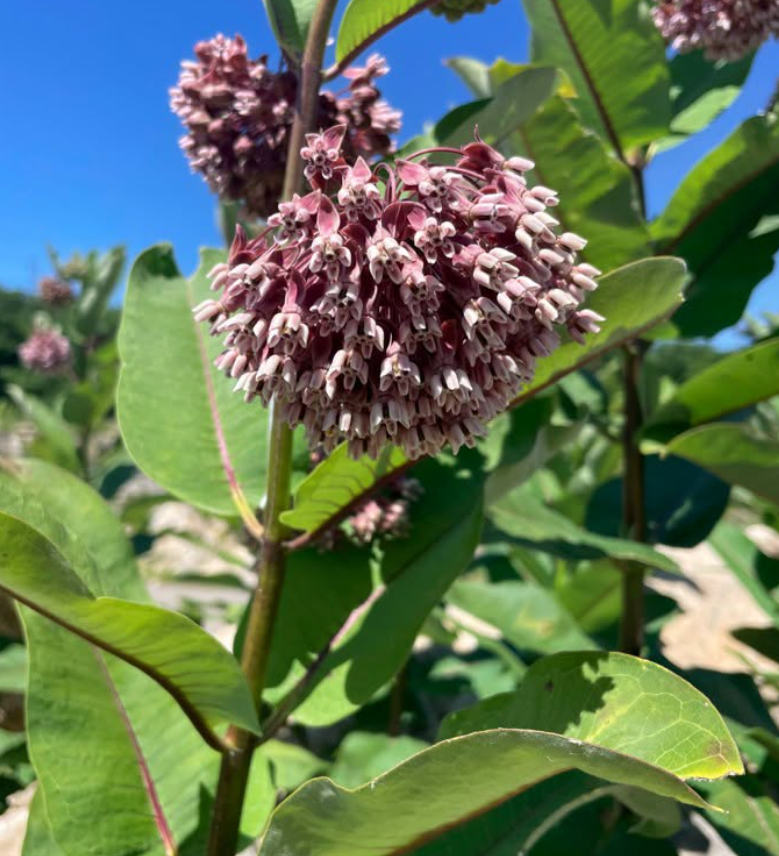
Milkweed isn’t just popular, it’s essential. It’s the only plant on which monarch butterflies lay their eggs, and it’s the sole food source for monarch caterpillars once they hatch.
Without milkweed, there are simply no monarchs. That single fact explains why so much conservation funding, including a $2 million commitment from the U.S. Fish and Wildlife Service, has gone toward restoring milkweed habitat across the country.
I always tell new gardeners to plant milkweed first and worry about everything else second. It’s not the prettiest bloom in this list, but it’s the one doing the heaviest lifting.
2. Butterfly Bush (Buddleja davidii)
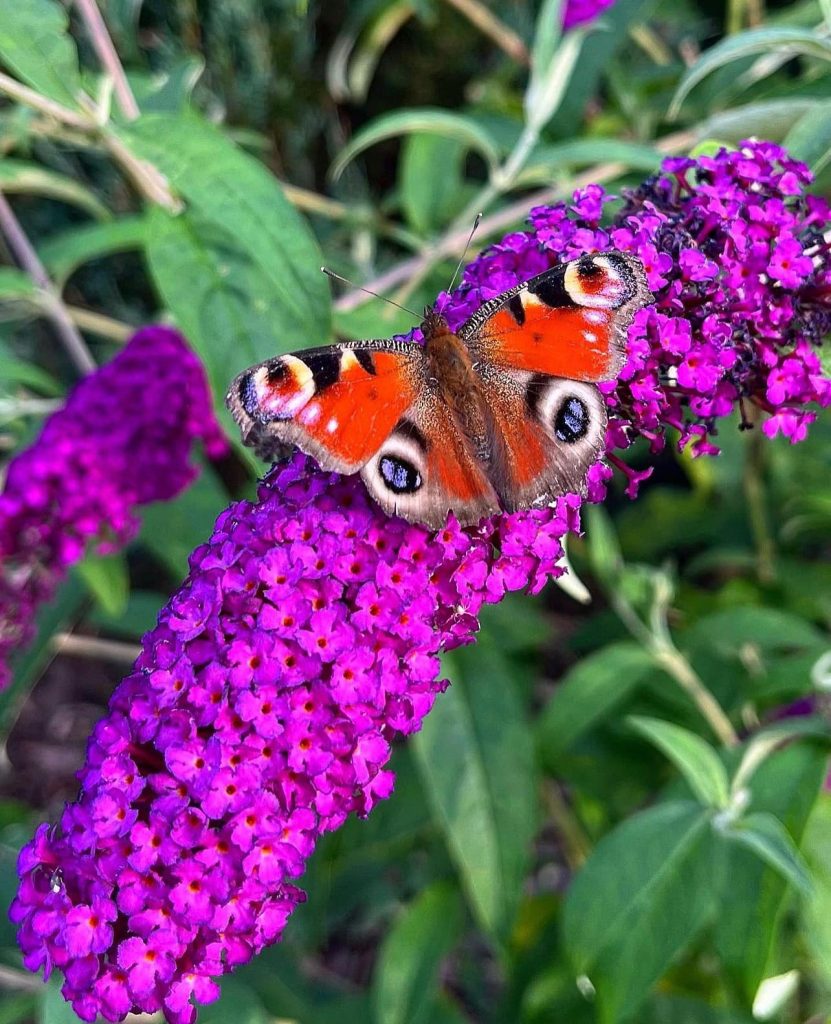
The name gives it away. Butterfly bush produces long, cone-shaped flower clusters absolutely loaded with nectar, and butterflies notice from a distance.
It blooms from summer through the first frost, which means it keeps feeding butterflies long after many other flowers have finished for the season. That extended bloom window makes it one of the most reliable late-season nectar sources available.
One caution: it’s considered invasive in parts of the Pacific Northwest and should be checked against local guidance before planting. Ask your extension office if you’re unsure.
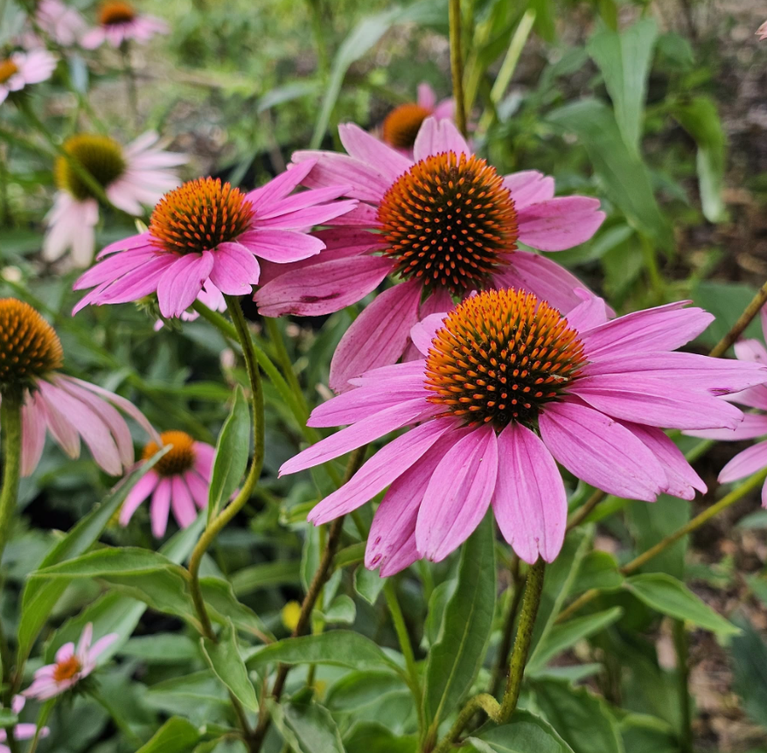
3. Purple Coneflower (Echinacea purpurea)
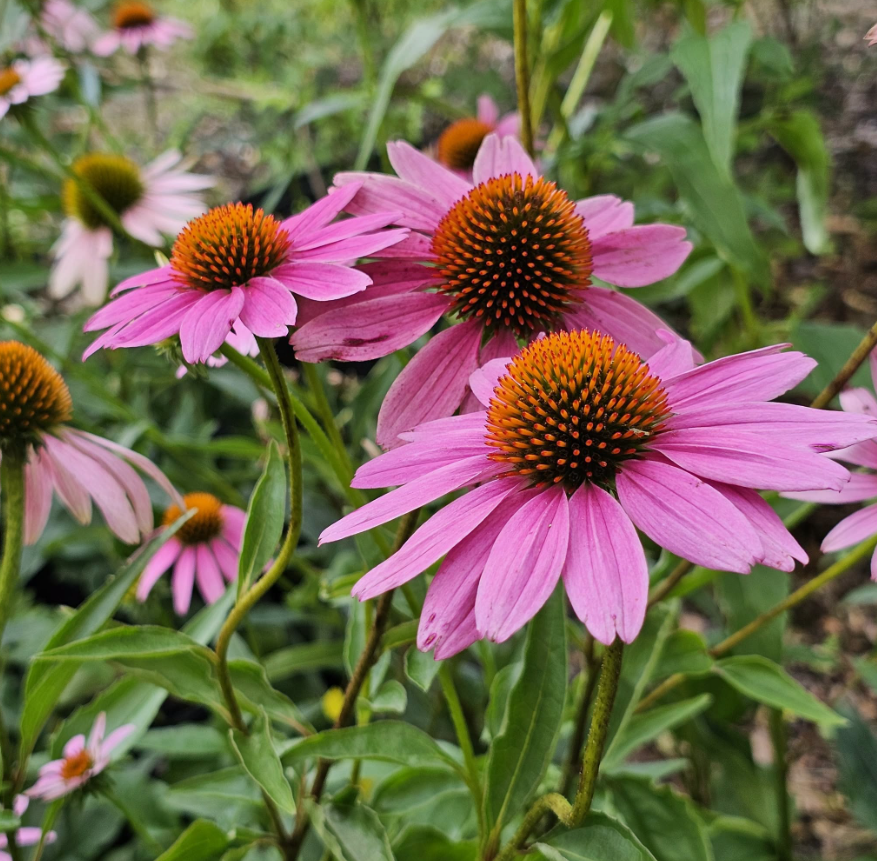
Coneflowers are a Midwest garden staple, and for good reason. Their large, flat, daisy-like blooms are exactly the shape butterflies prefer for easy landing and feeding.
They’re also drought-tolerant once established, which makes them forgiving for gardeners who forget to water. Few plants offer that much beauty with that little maintenance.
University of Minnesota Extension lists coneflowers among the perennials butterflies regularly visit, right alongside lilac and butterfly weed. It’s a dependable, low-fuss choice for almost any climate zone.
4. Zinnia
Zinnias are the flower I’d hand to a beginner gardener without hesitation. They germinate quickly, bloom fast, and produce flat, brightly colored heads that butterflies find almost irresistible.
Nebraska Extension specifically recommends zinnias as a top annual for butterfly gardens, and in my own experience, they outperform almost everything else for sheer visitor traffic. Swallowtails and painted ladies especially seem drawn to them.
Because they’re annuals, you get to change up colors and layouts every single year without any long-term commitment. That flexibility makes them a favorite for experimenting gardeners.
5. Lantana
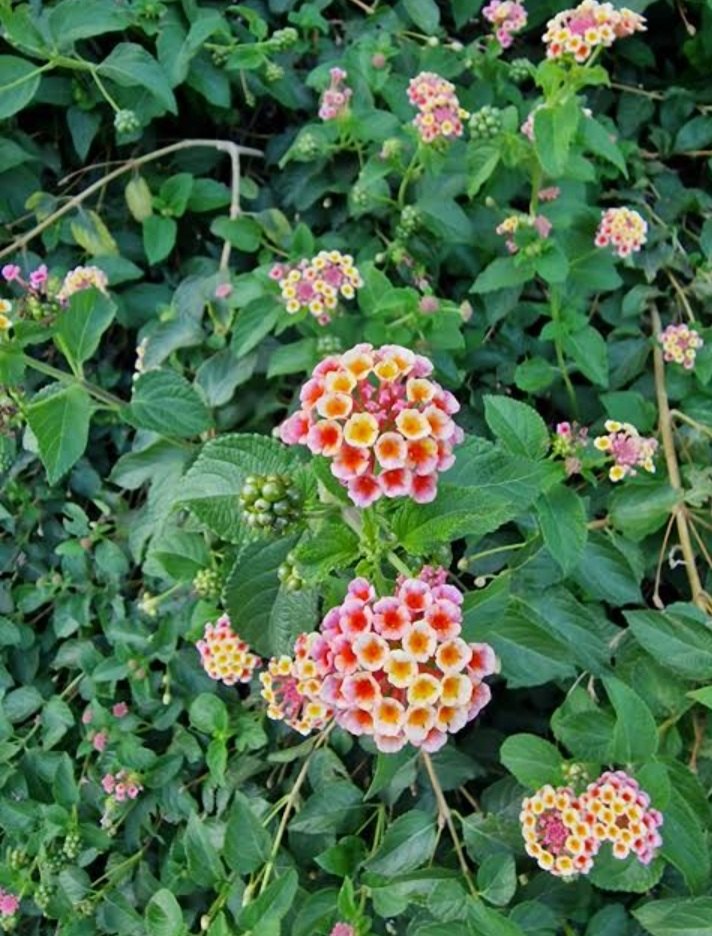
Lantana produces clusters of small, tightly packed flowers in warm shades of orange, yellow, and pink. Each cluster acts almost like a landing pad buffet for butterflies.
It thrives in heat and doesn’t mind poor soil, which makes it a workhorse in southern gardens where summer temperatures push other plants into dormancy. It just keeps flowering through the worst of it.
Both University of Kentucky and Nebraska Extension name lantana as a strong pollinator magnet. In warmer zones, it can even behave as a perennial shrub rather than a seasonal annual.
6. Marigold
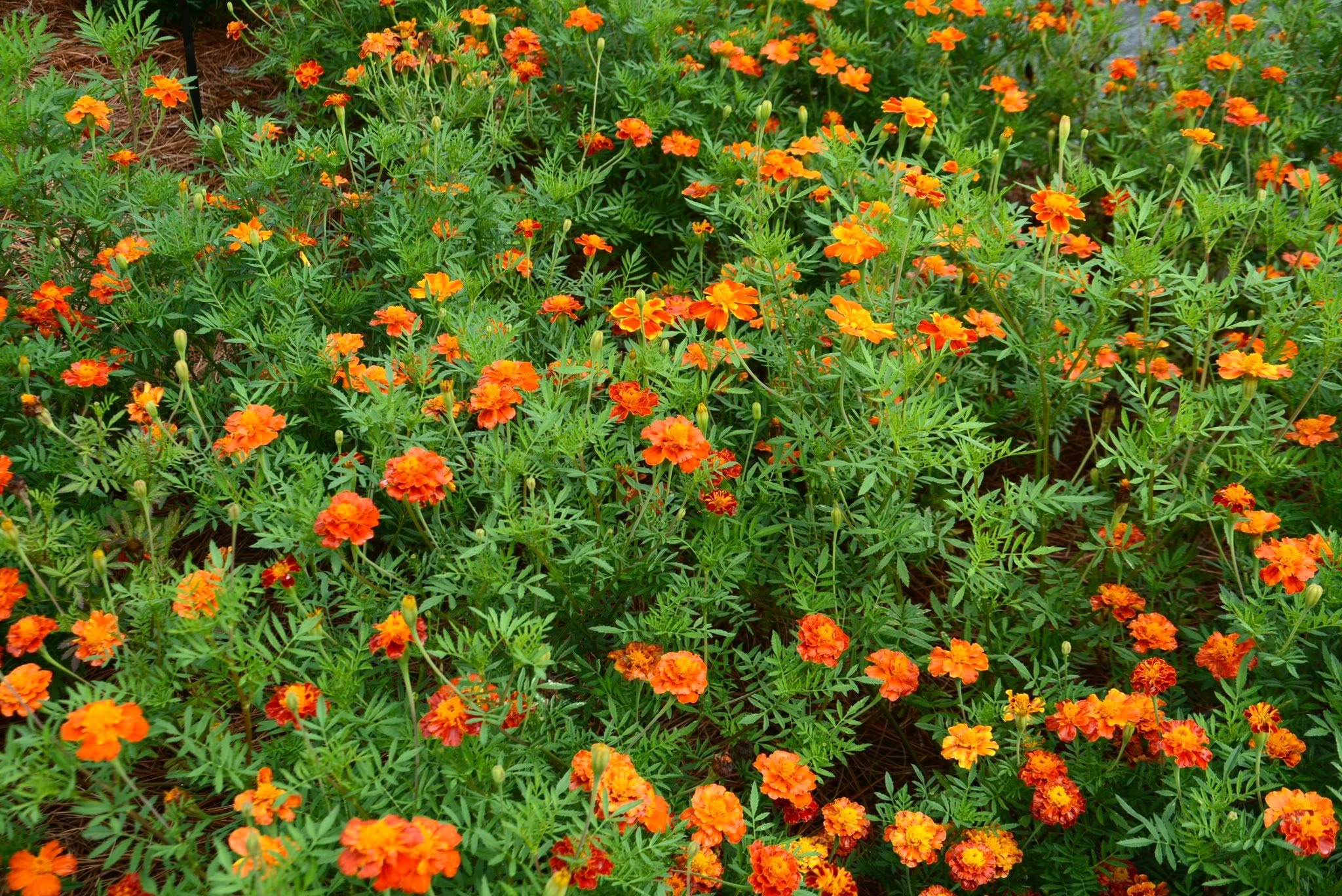
Marigolds have a reputation as a pest-repelling companion plant, but their bright orange and gold blooms also pull in butterflies looking for accessible nectar.
They’re incredibly easy to grow from seed, tolerate neglect, and bloom reliably all summer. For gardeners short on time or experience, marigolds offer a strong return for very little effort.
I like pairing marigolds with taller flowers since their lower height fills gaps and keeps color at every level of the bed, which matters because butterflies are drawn to gardens with layered, varied heights.
7. New England Aster
Asters are a late-season lifesaver. When most summer flowers have faded by September, asters are just hitting their stride with dense clusters of purple, pink, or white blooms.
That timing matters enormously. Butterflies preparing for migration or overwintering need late-season nectar, and asters fill a gap that few other plants can cover as reliably.
University of Minnesota Extension names asters among the perennials butterflies visit most consistently. Plant them toward the back of a bed since they can grow tall, sometimes reaching four feet or more.
8. Black-Eyed Susan (Rudbeckia hirta)

This cheerful yellow perennial with its dark brown center is practically synonymous with American cottage gardens. Its flat, open shape is textbook-perfect for butterfly landing.
It’s also remarkably tough. Black-eyed Susans tolerate poor soil, drought, and neglect, spreading readily once established without demanding much from the gardener.
University of Kentucky Extension lists it among top choices for maximizing butterfly and moth diversity in a home landscape. Few plants offer this much resilience alongside genuine visual charm.
9. Garden Phlox
Phlox produces rounded clusters of star-shaped blooms in shades of pink, purple, and white, releasing a sweet fragrance that draws butterflies from surprisingly far away.
It flowers through mid to late summer, right when the extension experts note butterfly activity peaks. That overlap in timing makes phlox a particularly efficient choice for maximum visitor traffic.
Nebraska Extension lists phlox among its top recommended perennials for butterfly gardens. Give it good air circulation, since crowded plants are prone to powdery mildew in humid climates.
10. Verbena
Verbena’s clustered, tubular-yet-flat flower heads strike a balance that seems to work for many butterfly species, offering both fragrance and easy access to nectar.
It’s a low-growing, spreading plant, which makes it excellent for borders, containers, or filling gaps between taller perennials. It also tolerates heat exceptionally well.
Both Nebraska and University of Kentucky Extension programs recommend verbena as a reliable annual for pollinator gardens. I’ve found it particularly good at attracting skippers, a butterfly family often overlooked.
11. Salvia
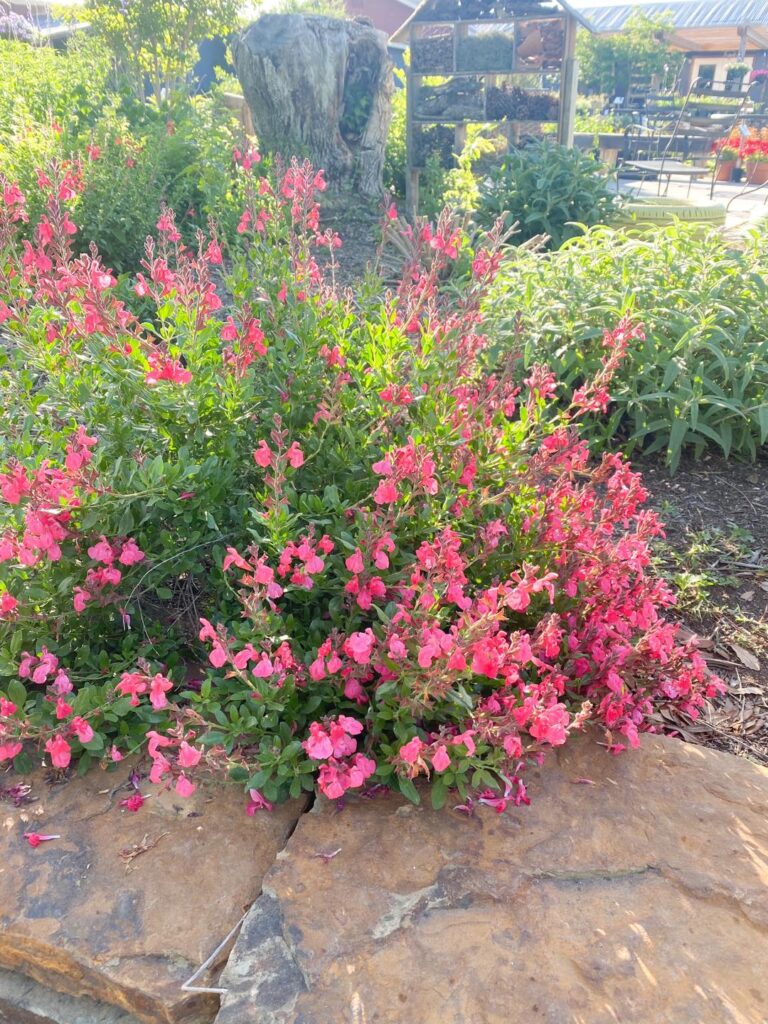
Salvia comes in dozens of varieties, and nearly all of them are described as pollinator magnets by horticultural experts. The tall spikes of tubular flowers work especially well for larger butterflies.
It blooms for an extended stretch of the growing season and comes back reliably if you choose a perennial variety suited to your zone. Deadheading spent blooms encourages even more flowering.
University of Kentucky Extension specifically calls out salvias, both annual and perennial, as strong pollinator draws. It’s one of those plants that rarely disappoints regardless of garden style.
12. Coreopsis (Tickseed)
Coreopsis offers bright yellow, daisy-shaped flowers on wiry, airy stems that seem to catch light beautifully in the late afternoon sun. Butterflies find the open centers easy to feed on.
It’s a native perennial across much of North America, which means local butterfly species have co-evolved with it over thousands of years. That history often translates into stronger, more consistent visits.
It blooms prolifically from late spring through fall with minimal care, making it one of the lowest-maintenance perennials you can add to a butterfly-focused bed.
13. Joe-Pye Weed
Don’t let the name fool you. Joe-Pye weed produces large, dusty-pink flower domes atop tall stems, and it’s genuinely one of the best butterfly plants for larger species.
University of Kentucky Extension specifically notes that tiger swallowtails are drawn to Joe-Pye weed and New England aster blossoms. That’s not a small detail. Swallowtails are among the most visually striking butterflies in North America.
It grows tall, sometimes over five feet, so it works best toward the back of a border where its height won’t overshadow smaller companion plants.
14. Liatris (Blazing Star)
Liatris sends up tall, feathery purple spikes that bloom from the top down, an unusual pattern that keeps the flower attractive to butterflies over an extended period.
It’s drought-tolerant, native to North American prairies, and genuinely low-maintenance once its roots are established. Few perennials ask for so little while giving so much visual drama.
Nebraska Extension recommends blazing star among its top perennial choices for butterfly gardens. It pairs beautifully with coneflower and black-eyed Susan for a classic prairie-style planting.
15. Yarrow
Yarrow’s flat-topped flower clusters, usually in white, yellow, or soft pink, provide the exact landing-pad structure that butterflies gravitate toward for efficient feeding.
It’s extremely drought-tolerant and spreads readily, sometimes to the point of needing management in smaller garden beds. That vigor, though, makes it dependable in tough growing conditions.
Both Nebraska Extension and University of Kentucky list yarrow among reliable perennial choices. It also works well as a cut flower if you want to bring some of that butterfly appeal indoors.
16. Bee Balm (Monarda)
Despite the name suggesting bees exclusively, bee balm’s shaggy, tubular red, pink, or purple blooms pull in a genuine variety of butterflies, along with hummingbirds.
It has a pleasant minty fragrance and spreads through underground rhizomes, so give it room or plan to divide it every couple of years to keep it in check.
It thrives in average to moist soil and full sun, and it pairs beautifully with taller companions like Joe-Pye weed for a layered, wildlife-friendly border.
17. Pentas
Pentas produce star-shaped flower clusters in red, pink, white, or lavender, and they bloom almost continuously in warm climates, which makes them a nectar workhorse.
They’re especially popular in southern gardens and containers where heat tolerance matters, since many other flowering annuals struggle once summer temperatures climb.
I’ve noticed swallowtails and skippers visiting pentas with striking consistency in warmer regions. If you garden in zone 8 or warmer, this is a plant worth prioritizing.
18. Cosmos
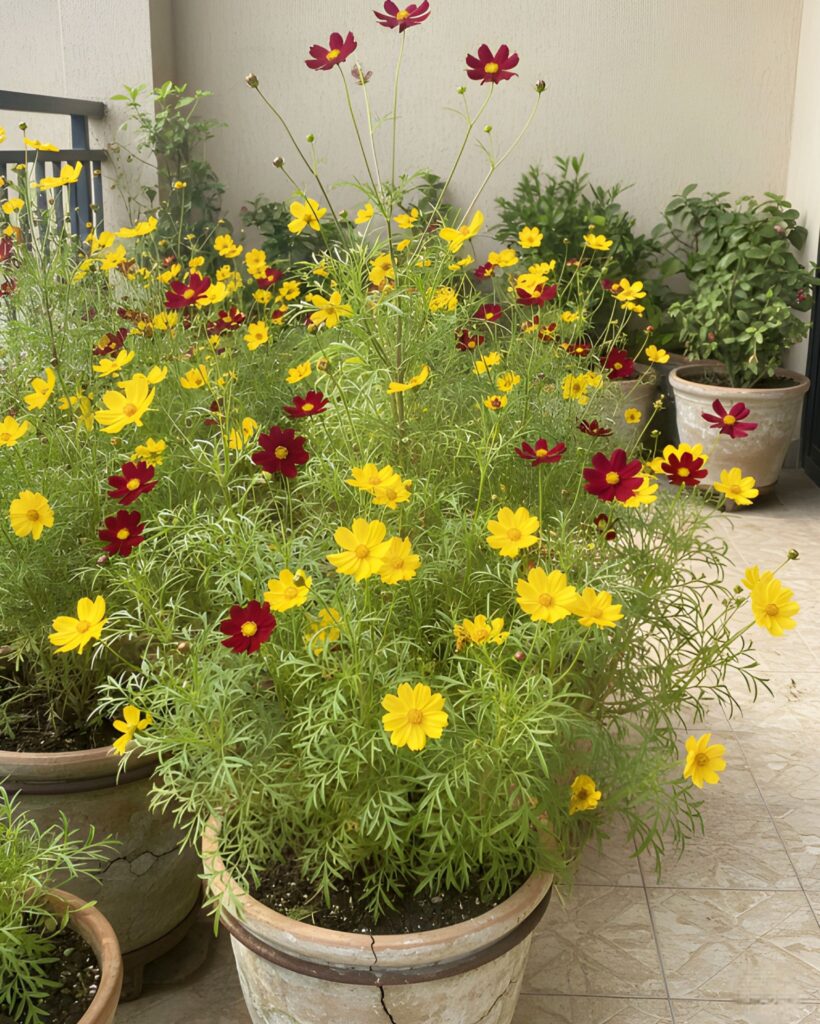
Cosmos flowers are delicate, daisy-like, and come in a soft palette of pinks, whites, and oranges atop tall, feathery foliage that sways easily in a breeze.
Nebraska Extension lists cosmos among recommended annuals for butterfly gardens, and its open bloom structure makes nectar easily accessible for a wide range of species.
It self-seeds readily, meaning a single planting can return year after year with minimal effort. That makes it a favorite for gardeners who want low-commitment, high-reward color.
19. Sunflower
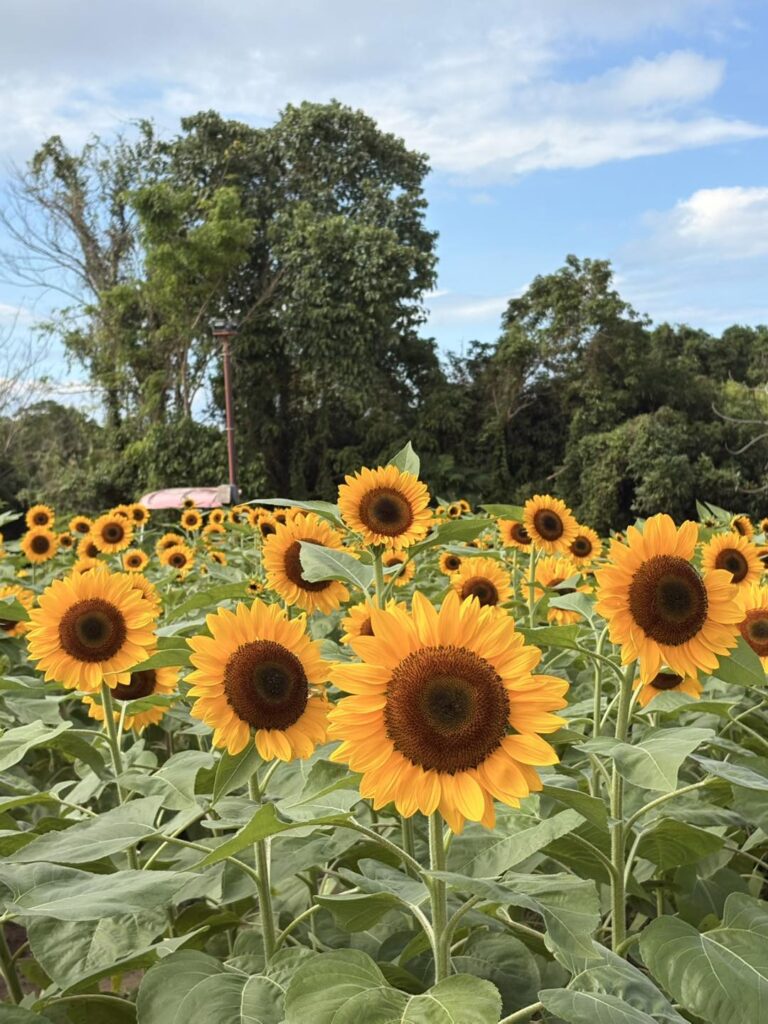
Sunflowers aren’t just for seed harvests. Their large, flat central disks give butterflies an enormous landing surface loaded with nectar and, eventually, pollen-rich seeds.
They’re also fast-growing, which appeals to gardeners and children alike who want to see quick, dramatic results from a single seed packet planted in spring.
Beyond butterflies, sunflowers support an entire food web, from bees to birds, making them one of the highest-value single plants you can add to any wildlife garden.
20. Dill
Dill might seem like an odd inclusion, but it’s a critical host plant for black swallowtail caterpillars, which feed almost exclusively on plants in the carrot family.
University of Maryland Extension specifically recommends planting extra dill, parsley, or carrots to share with these caterpillars rather than reserving every leaf for the kitchen.
Watching a black swallowtail caterpillar strip a dill plant used to frustrate me, until I realized that’s exactly the point. It’s not a pest. It’s the whole purpose of planting it.
21. Parsley
Parsley serves the same host-plant role as dill for black swallowtail caterpillars, and it’s often easier to find already growing in vegetable gardens across the country.
University of Missouri Extension specifically names parsley as a food source for black swallowtail caterpillars, right alongside milkweed’s role for monarchs.
Planting a dedicated parsley patch separate from your kitchen herbs solves the sharing dilemma entirely. You get your cooking supply, and the caterpillars get theirs.
22. Fennel
Fennel is another member of the carrot family that doubles as a swallowtail host plant, with feathery foliage that caterpillars readily strip and consume.
Nebraska Extension lists sweet fennel among herbs attractive to butterflies, both as adult food and caterpillar host, giving it a rare dual role in the garden.
Its tall, architectural form also adds textural contrast to a bed full of rounder flower shapes, so it earns its place visually as well as functionally.
23. Goldenrod
Goldenrod gets unfairly blamed for hay fever, which is actually caused by ragweed blooming at the same time. Goldenrod’s pollen is heavy and insect-pollinated, not windborne.
It produces dense, golden-yellow flower plumes in late summer and fall, exactly when butterflies need reliable nectar before migration or the onset of colder weather.
Nebraska Extension lists stiff goldenrod among its recommended perennials. Don’t let outdated allergy myths keep this genuinely valuable native plant out of your garden.
24. Sedum (Stonecrop)
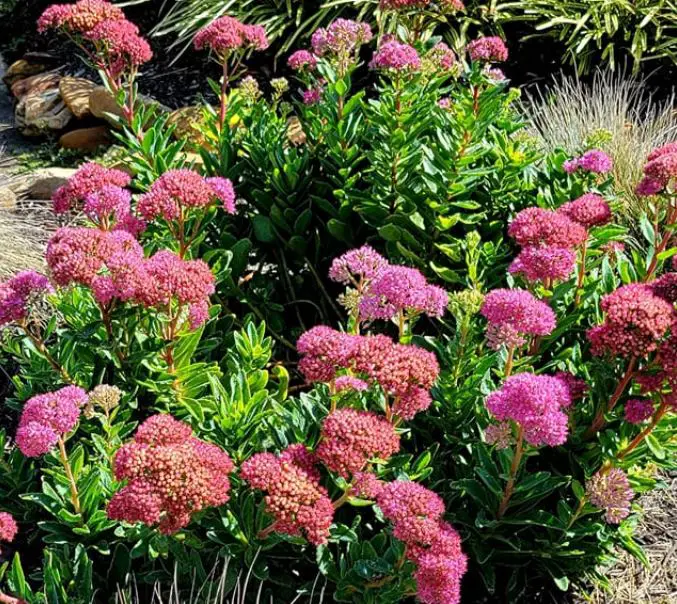
Sedum, particularly the ‘Autumn Joy’ variety, produces flat clusters of tiny star-shaped flowers that turn from pink to deep rust as they age through the season.
It’s exceptionally drought-tolerant, thriving in poor, rocky soil where many other flowering perennials would struggle to survive, let alone bloom well.
Nebraska Extension recommends sedum as a top perennial for butterfly gardens. Its late bloom time also makes it a valuable nectar source heading into autumn.
25. Catmint (Nepeta)
Catmint produces long spikes of soft lavender-blue flowers over silvery green foliage, blooming in flushes from late spring through fall if you shear it back periodically.
It’s remarkably deer-resistant and drought-tolerant, which makes it a practical border plant for gardeners dealing with wildlife pressure or inconsistent rainfall.
Its long bloom period means it’s rarely without flowers for long, giving butterflies a dependable nectar stop across most of the growing season.
26. Sweet Alyssum
Sweet alyssum forms low, spreading mounds covered in tiny white or purple flowers, and its honey-like fragrance draws in smaller butterfly species particularly well.
Nebraska Extension lists it among top recommended annuals for butterfly gardens. It works beautifully as a border edge or filler between larger perennials.
It also tolerates cooler temperatures better than many summer annuals, so it can extend the nectar season into early spring and again in fall.
27. Nasturtium
Nasturtium serves two roles at once. Its bright orange and yellow blooms attract adult butterflies, while its peppery leaves serve as a host plant for certain caterpillar species.
It’s also entirely edible, with a sharp, peppery flavor that works well in salads, which makes it a fun dual-purpose plant for gardeners who like to eat what they grow.
It trails and climbs easily, so it works well in hanging baskets or scrambling along a fence line where it can spill over dramatically.
28. Snapdragon
Snapdragons produce tall spikes of tubular blooms in a huge range of colors, and while the shape is trickier for some butterflies, many species still work them successfully.
Nebraska Extension includes snapdragons among recommended annuals for butterfly gardens. They also tolerate cooler weather better than most summer bloomers, extending your season on both ends.
Their vertical form adds valuable structure to a bed of flatter, rounder blooms, breaking up the visual monotony that can creep into a butterfly garden layout.
29. Lavender
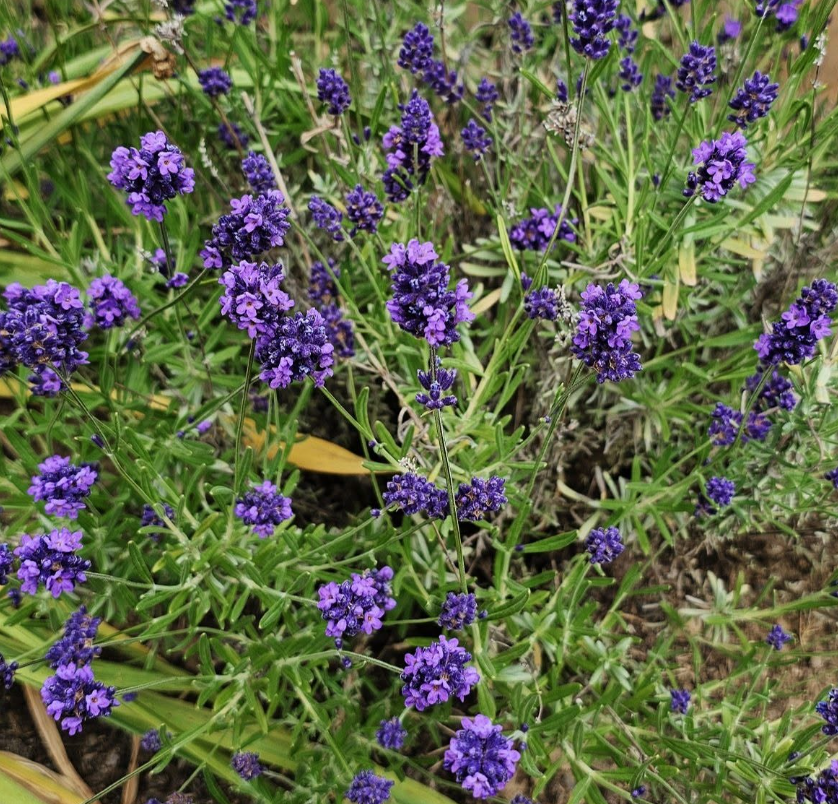
Lavender’s fragrant purple spikes are beloved by butterflies and bees alike, and the plant’s silvery foliage adds textural interest even when it isn’t in bloom.
Oregon State University Extension specifically recommends lavender as part of a mixed pollinator landscape, pairing beautifully with native shrubs like red-flowering currant.
It thrives in poor, well-drained soil and needs very little water once established, which makes it ideal for xeriscaped or low-water garden designs.
30. Petunia
Petunias bring nonstop color from spring through the first hard frost, and their trumpet-shaped blooms, while tricky for some pollinators, still draw a fair number of butterfly visits.
They’re a container gardener’s favorite, tolerating pots, hanging baskets, and window boxes with equal ease, which makes them accessible even without a dedicated garden bed.
Nebraska Extension includes petunias among its list of recommended annual flowers for butterfly gardens, particularly effective when planted in large, dense clusters.
31. Columbine
Columbine’s distinctive spurred, bell-shaped flowers come in striking bicolor combinations and bloom in mid to late spring, filling a nectar gap before summer flowers take over.
Nebraska Extension lists columbine among recommended perennials for butterfly gardens. Its early bloom time makes it valuable for butterflies emerging from overwintering.
It prefers partial shade to full sun and does especially well at woodland edges, where its delicate form contrasts nicely against denser foliage backdrops.
32. Dianthus (Pinks)
Dianthus produces fringed, spicy-scented flowers in shades of pink, red, and white, and its compact form makes it perfect for border edges or rock gardens.
University of Kentucky Extension notes that least skippers, a smaller butterfly species, particularly enjoy low-growing plants like dianthus alongside lavender and creeping asters.
It’s a reminder that not every butterfly-friendly plant needs to be tall or dramatic. Smaller species genuinely rely on these compact, ground-level nectar sources too.
33. Candytuft
Candytuft forms dense, low mounds covered in small white flowers, blooming heavily in spring and offering an early nectar source before many summer flowers even sprout.
Nebraska Extension lists candytuft among recommended perennials for butterfly gardens. It’s evergreen in milder climates, giving year-round structure even outside its bloom period.
It works particularly well cascading over rock walls or garden edges, where its low, spreading habit can soften harder landscape lines.
34. Queen Anne’s Lace
Queen Anne’s lace, sometimes dismissed as a weed, produces flat, lacy white flower umbels that serve double duty as both a nectar source and a swallowtail host plant.
Nebraska Extension specifically notes that even “weeds” like Queen Anne’s lace, dandelions, and milkweed will attract butterflies, challenging the idea that a tidy lawn is a wildlife-friendly one.
If it grows wild near your property already, consider leaving a patch rather than mowing it down. It’s doing more ecological work than most cultivated flowers.
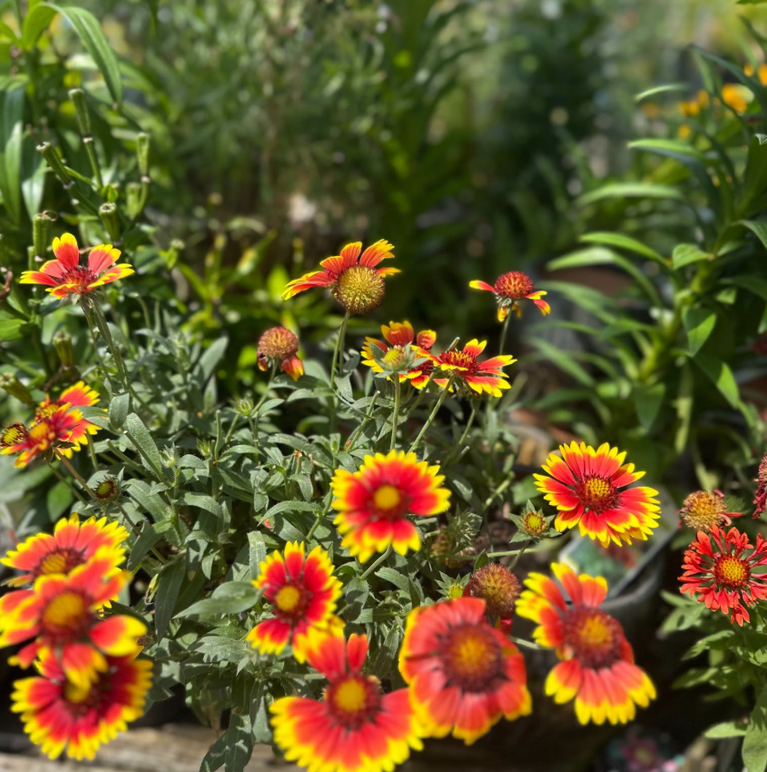
35. Blanket Flower (Gaillardia)
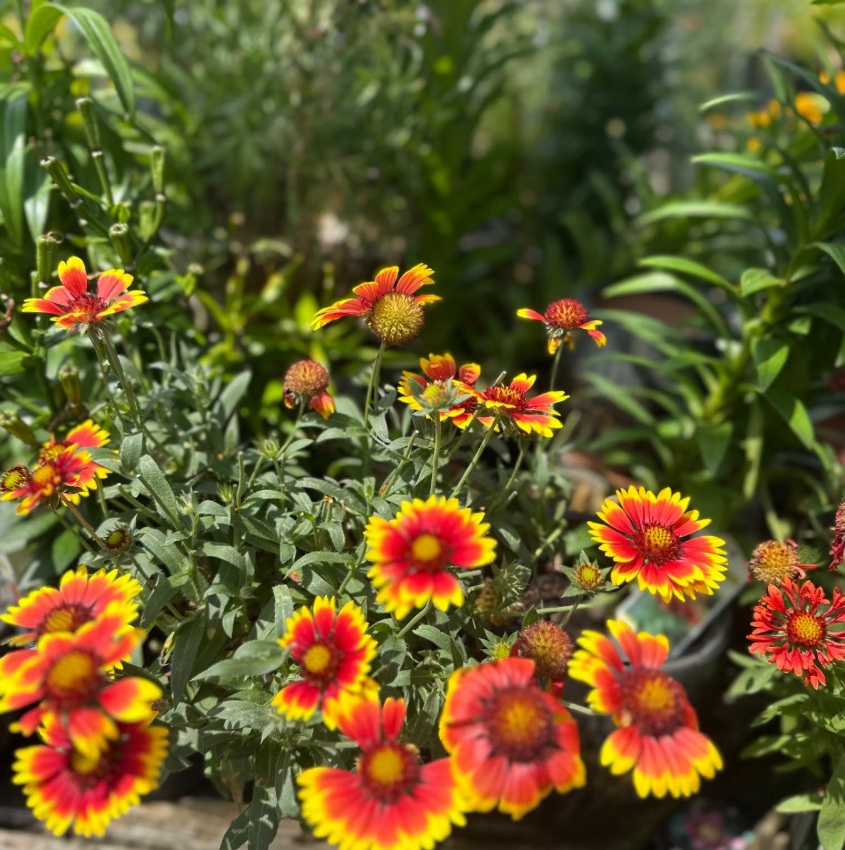
Blanket flower produces vivid red-and-yellow daisy-like blooms that seem to glow in direct sunlight, and its flat structure makes feeding effortless for visiting butterflies.
It’s native to much of North America, extremely drought-tolerant, and blooms continuously from early summer through the first frost with almost no maintenance required.
It’s a fitting flower to end this list on. Bold, resilient, and genuinely easy to grow, it captures exactly what a good butterfly garden should be.
ALSO READ: 35 Flowers That Bloom in Winter (With Pictures)
Why Flower Choice Actually Matters for Butterflies
Butterflies don’t see the world the way we do. Research from the University of Tennessee Extension found that butterflies see better on the blue end of the color spectrum, which is why they gravitate toward yellow, purple, white, and light pink blooms rather than red.
Flower shape matters just as much as color. Flat, open blossoms give butterflies a landing platform and easy access to nectar. Tubular or double-bloomed flowers, by contrast, often make feeding difficult or impossible for them, even though hummingbirds love those same shapes.
There’s also a distinction gardeners often miss: nectar plants feed adult butterflies, while host plants feed their caterpillars. A garden with only nectar sources will attract passing visitors, but a garden with both will actually raise the next generation.
Putting It All Together
A garden that truly attracts butterflies needs more than a single showy plant. Variety in bloom time, color, height, and shape matters more than any one “miracle” flower.
Missouri alone hosts 198 recorded butterfly species, and the Midwest broadly supports over 150 species, according to university extension data. Each one has slightly different preferences, so diversity in your planting is what maximizes visits.
Don’t forget host plants like milkweed, dill, and parsley. Nectar keeps adult butterflies fed, but host plants are what allow the next generation to exist at all.
Finally, skip the broad-spectrum pesticides. They kill caterpillars just as effectively as any other insect, undoing all the careful planting work in a single application.
Start small if you need to. Even a few pots of zinnias and a single milkweed plant can make a measurable difference, one wingbeat at a time.
References
- University of Maryland Extension — Pollinator Gardens
- University of Nebraska–Lincoln Extension — Plants for Pollinators
- Oregon State University Extension — Create a Home Landscape for Pollinators
- University of Minnesota Extension — Creating a Butterfly Garden
- University of Missouri Extension — Designing a Butterfly Garden
- Pennsylvania State University, Penn State Extension — Planting Pollinator Friendly Gardens (PDF)
- U.S. Geological Survey — Western Monarch Population Status (ScienceBase)

Tim M Dave is a gardening expert with a passion for houseplants, particularly cacti and succulents. With a degree in plant biology from the University of California, Berkeley, he has vast experience in gardening. Over the years, he has cultivated a vast collection of desert plants and learned a great deal about how to grow and care for these unique companions.