25 Flowers That Attract Dragonflies (Details, With Pictures)
Few garden sights reward me as much as a dragonfly hovering over a flower bed. It darts, pauses, and lands on a stem as if it owns the place. Then it is gone again in a blink.
Many gardeners want that show in their own space. The good news is that you can encourage it. The right flowers play a bigger part than most people think.
Here is the honest part first. Dragonflies do not drink nectar. They are hunters. So the best flowers for dragonflies work in other ways, and this guide explains how.
Below you will find 25 flowers that help attract dragonflies, grouped by where they grow best.
Water’s Edge Flowers: Plants for Ponds and Wet Soil
These eight plants grow in shallow water or in soil that stays moist. They support nymphs, adults and prey at the same time.
1. Pickerelweed (Pontederia cordata)
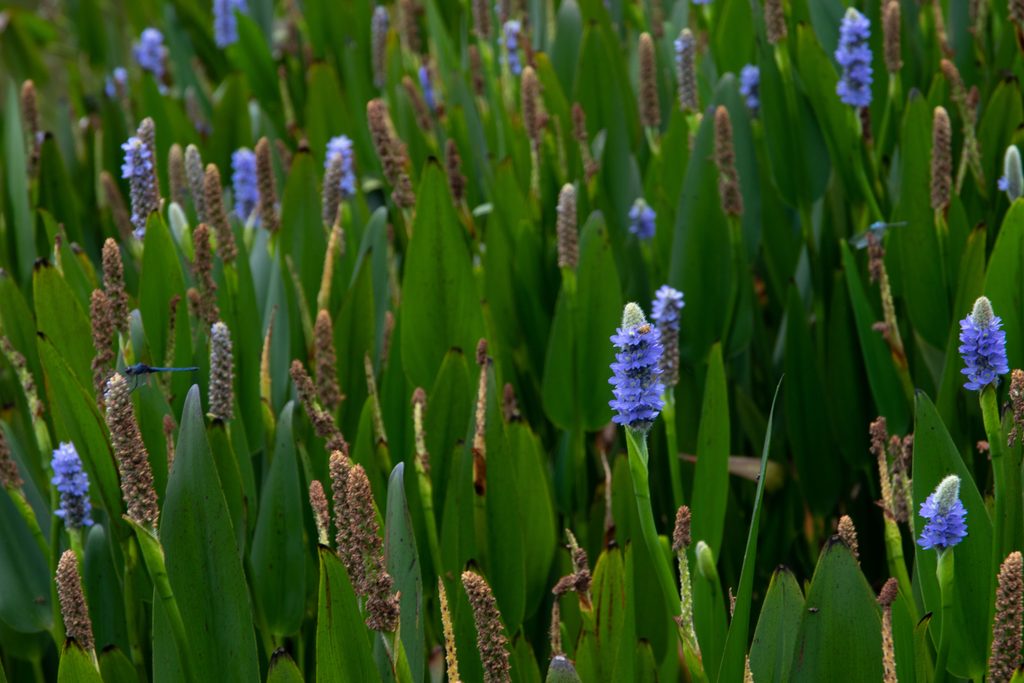
Pickerelweed is my first pick for any pond edge. Its violet-blue flower spikes rise above heart-shaped leaves from early summer into fall. It grows best in shallow water or soggy margins.
Dragonflies use the upright stems as lookout posts. They perch, watch for small insects, and dart out to catch them. UF/IFAS Extension lists pickerelweed among native aquatic plants that benefit wildlife.
The flowers also draw bees and other small insects, which adds to the food supply. Plant it in clumps. A few lonely stems will not give a pond the cover it needs.
2. Arrowhead (Sagittaria)
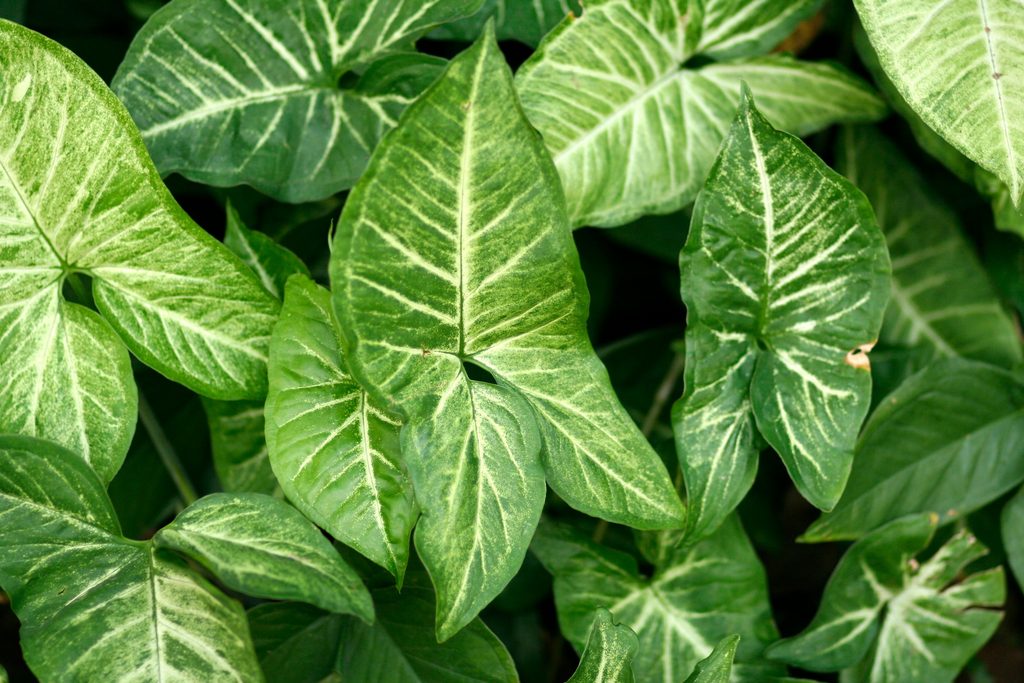
Arrowhead has bold, arrow-shaped leaves and small white flowers held above the water. It grows easily in shallow ponds, retention ponds and rain gardens.
Its thick stems matter most. UF/IFAS Extension notes that they make ideal emergence structures. Nymphs climb them, shed their skins, and become winged adults.
When I plan a pond, I want plants that serve the whole life cycle. Arrowhead does that well. It gives cover below the surface and a safe ladder to the air above.
3. Water Lily (Nymphaea)
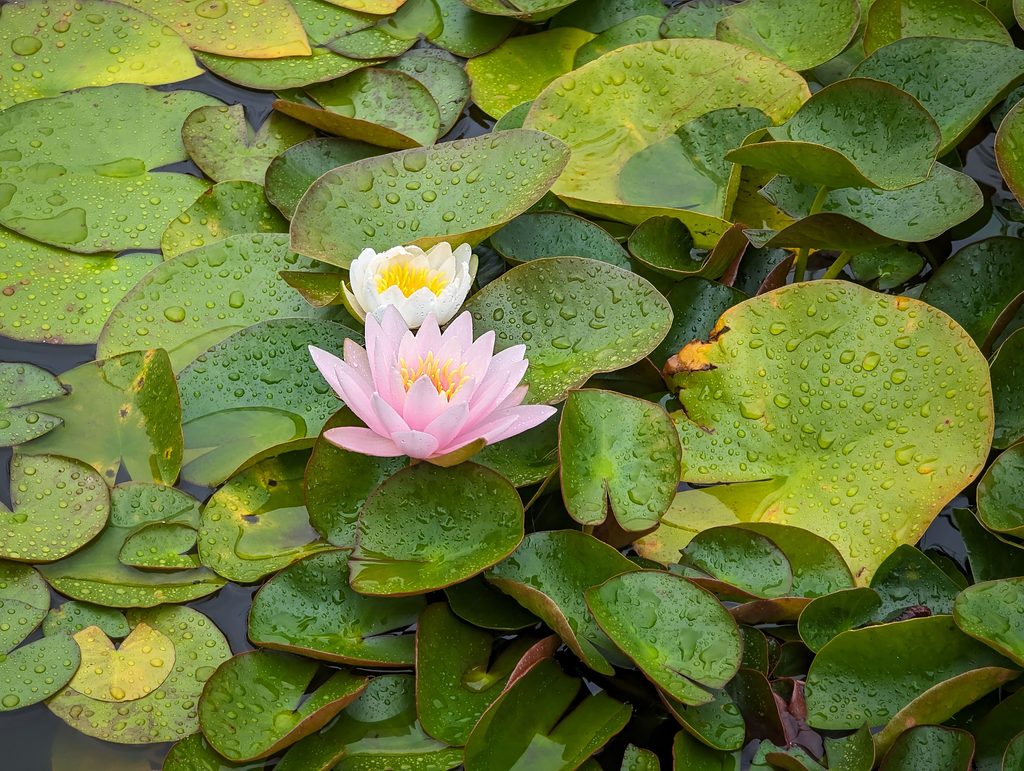
Water lilies are the classic pond flower. Their floating pads cover part of the surface, and their blooms open in showy cups of white, pink or yellow.
Penn State Extension advises planting a mix of submerged, emergent and floating native plants. Floating leaves add shade and shelter for nymphs. Adults may also rest on the pads between flights.
Do not cover the whole pond. Dragonflies need open water and sunshine. Choose a well-behaved, ideally native variety and leave plenty of clear surface.
4. Buttonbush (Cephalanthus occidentalis)
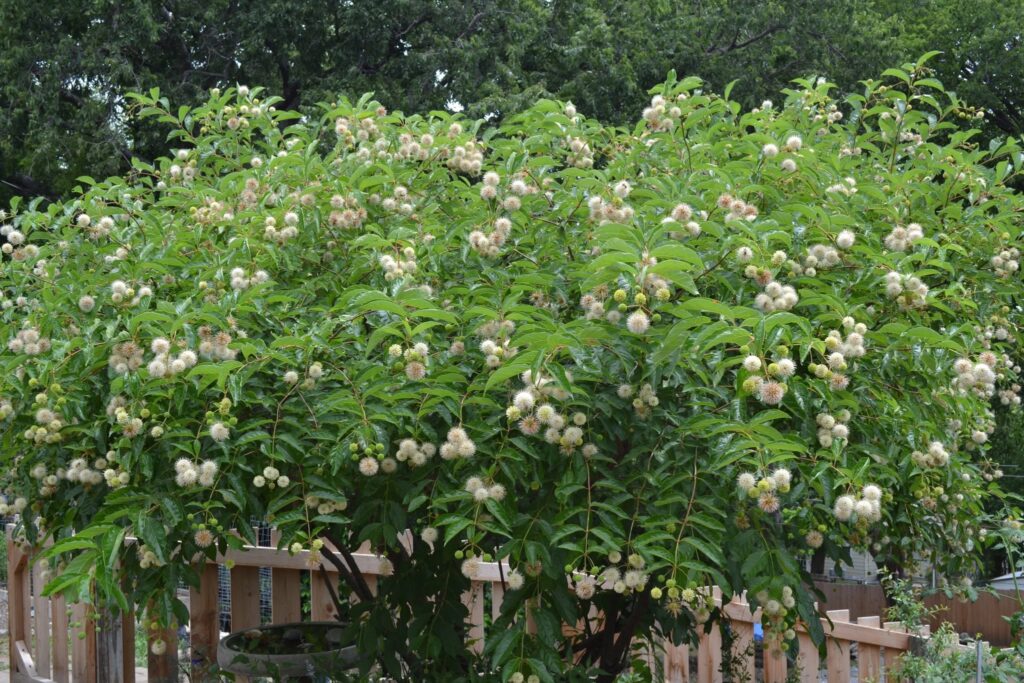
Buttonbush is a shrub, but its round white flower balls make it a garden star. It grows wild along wetlands and pond margins across much of North America.
UF/IFAS Extension includes buttonbush in its list of plants for a dragonfly-friendly landscape. Its woody branches offer strong perches, and its summer blooms attract many small insects.
It tolerates wet soil and short floods. I like it at the back of a pond border. It adds height and structure that softer perennials cannot match.
5. Swamp Milkweed (Asclepias incarnata)
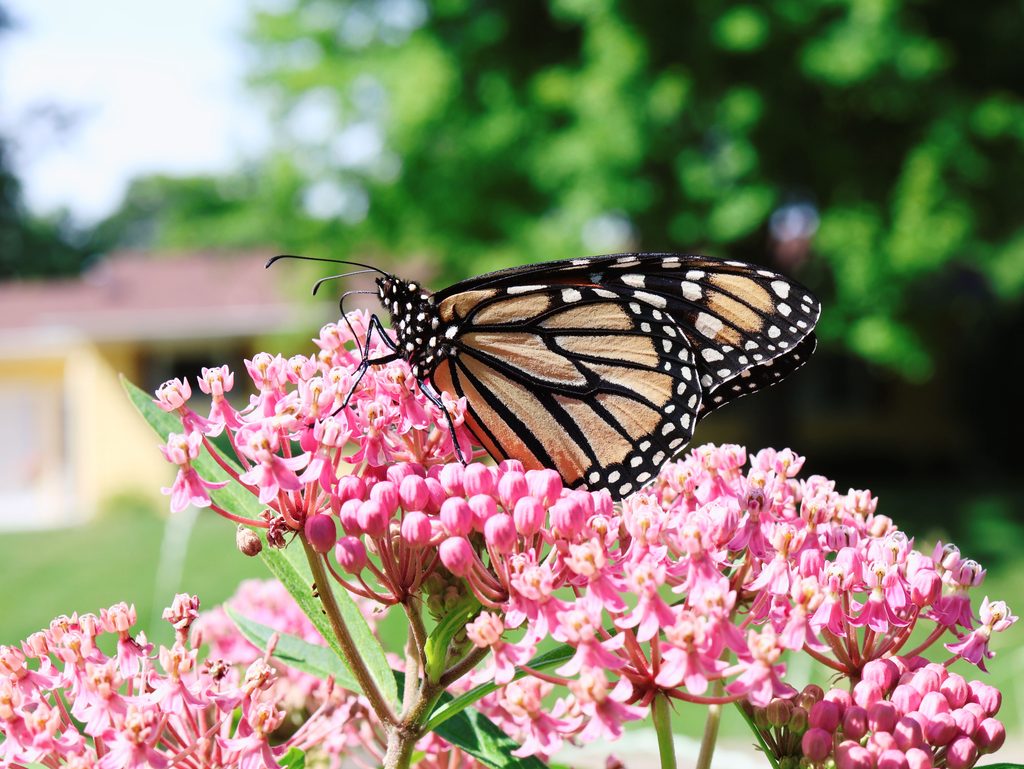
Swamp milkweed carries clusters of pink flowers in mid-summer. Despite its name, it also grows in average garden soil, though it enjoys moisture.
The blooms are busy with bees, flies and butterflies. That steady traffic gives dragonflies a reason to patrol the area. The upright stems also serve as perches.
It is a host plant for monarch caterpillars as well. One planting supports several insects at once. Confirm that it is native to your area before buying.
6. Cardinal Flower (Lobelia cardinalis)
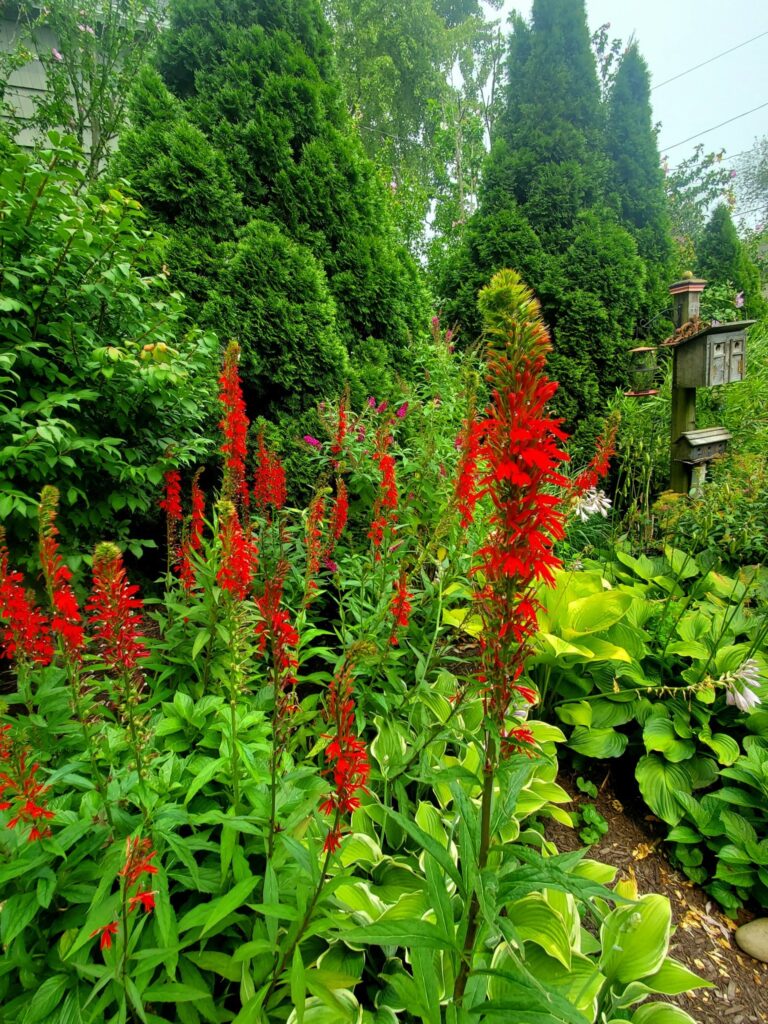
Cardinal flower is hard to miss. Its tall red spikes glow in late summer, and it thrives in damp soil beside streams and ponds.
Hummingbirds love it, and so do many small insects. Dragonflies take advantage of the activity. They use the tall spikes as lookout points near the water.
Keep the soil moist. This plant struggles in hot, dry spots. A layer of mulch helps, and a pond edge is ideal.
7. Blue Flag Iris (Iris versicolor)
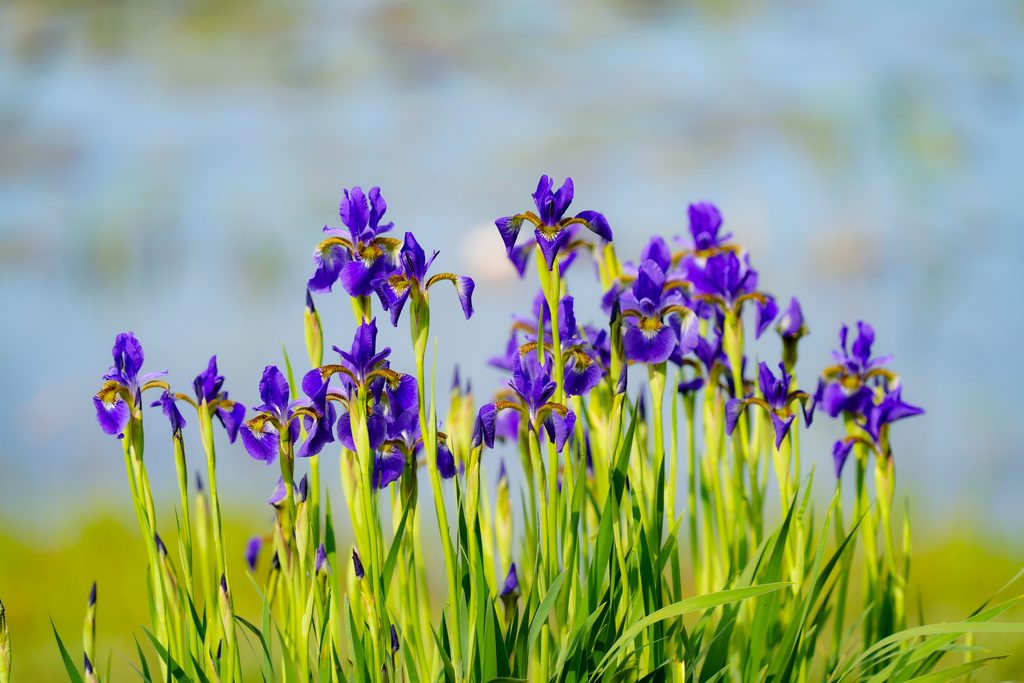
Blue flag iris produces blue-violet blooms in late spring and early summer. It is a native wetland plant and grows well in shallow water or wet soil.
Its sword-like leaves stand upright. That is exactly what emerging nymphs need for climbing. The leaves also give adults a firm place to rest in the sun.
Avoid yellow flag iris. It spreads aggressively and is invasive in many wetlands. Choose the blue native instead.
8. Marsh Marigold (Caltha palustris)

Marsh marigold brings glossy leaves and bright yellow flowers in early spring. It likes cool, wet ground and suits the edge of a pond or stream.
Early blooms draw some of the first insects of the year. That creates hunting ground at the start of the season. It also adds colour when most gardens are still bare.
This plant prefers cooler climates. In hot regions, choose another native, yellow-flowered marginal plant. Your local extension office can suggest one.
ALSO READ: 20 Flowers That Attract Ladybugs (With Pictures, and Growing Details)
Tall Perennials: Meadow Flowers With Strong Perches
Tall perennials create the ‘meadow effect’ that young dragonflies need after emerging. They also offer long-lasting blooms and reliable perches.
9. Joe-Pye Weed (Eutrochium)
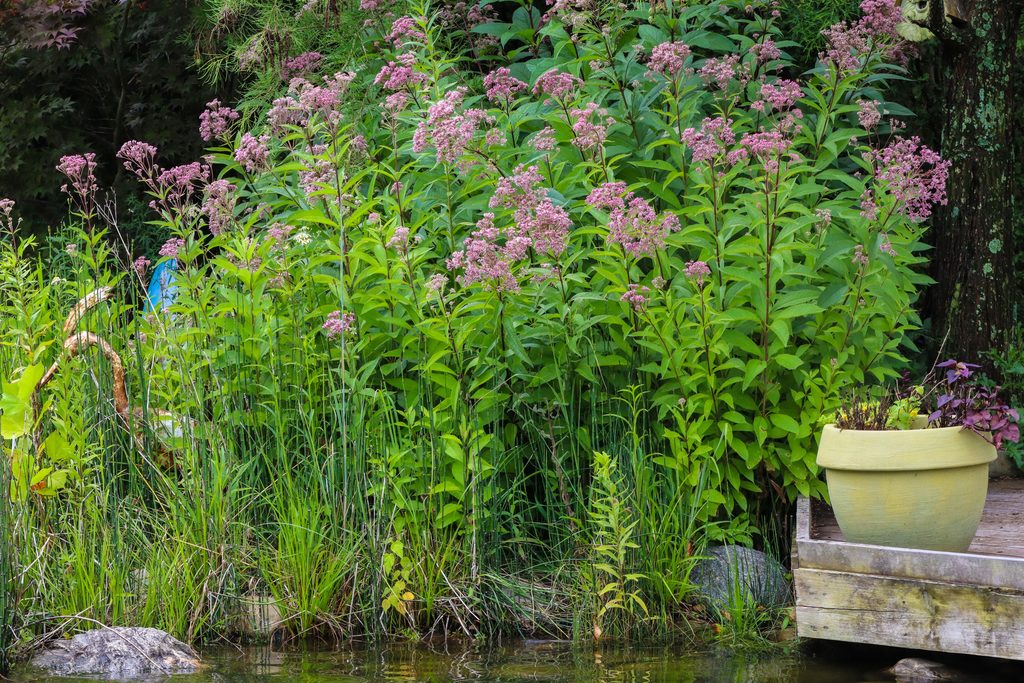
Joe-Pye weed is a giant among perennials. Its tall stems carry fluffy pink-purple flower heads in late summer. Plants often reach five to seven feet.
Butterflies and bees crowd the blooms. Dragonflies come for the crowd and for the tall perches. You will often see them hunting along a stand like this.
Give it moist soil and space. It looks best in groups at the back of a border, near water if you can.
10. Purple Coneflower (Echinacea purpurea)
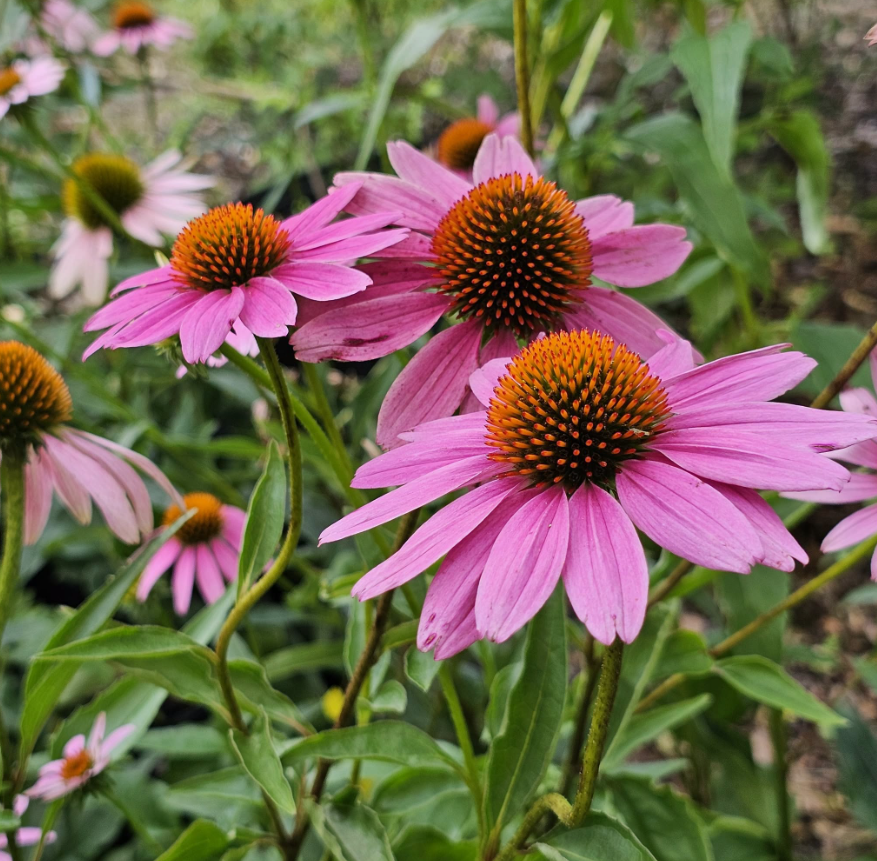
Purple coneflower is tough and easy. Its pink-purple petals surround a spiky, orange-brown cone, and it blooms for weeks in summer.
Bees, hoverflies and butterflies visit constantly. Dragonflies often rest on the sturdy stems and flower heads while they scan for prey.
It handles heat and average soil. Leave the seed heads in autumn. Birds will feed on them, and the garden keeps a natural look.
11. Black-Eyed Susan (Rudbeckia hirta)
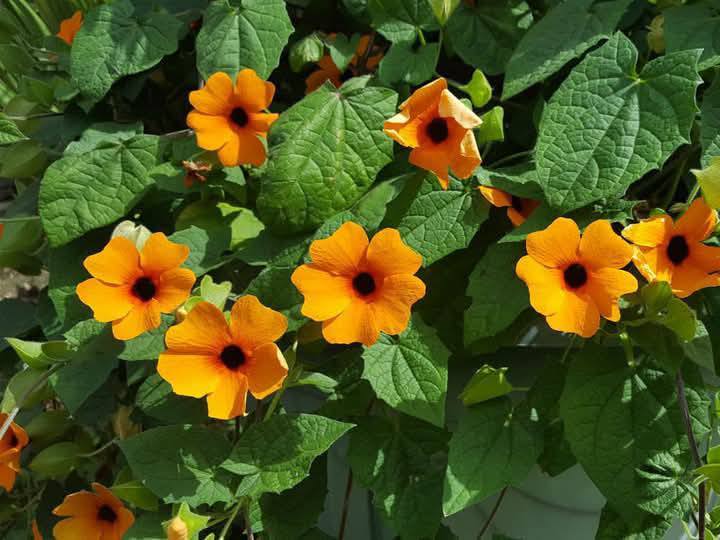
Black-eyed Susan lights up borders with golden petals and dark centres from early summer to fall. It is easy to grow from seed.
Its open, flat flowers attract many small insects. Dragonflies patrol these areas and perch on the upright stems between hunting flights.
It tolerates drought once established and often self-seeds. Plant it in a sunny, meadow-style bed. Avoid shading it with large trees.
12. Bee Balm (Monarda didyma)
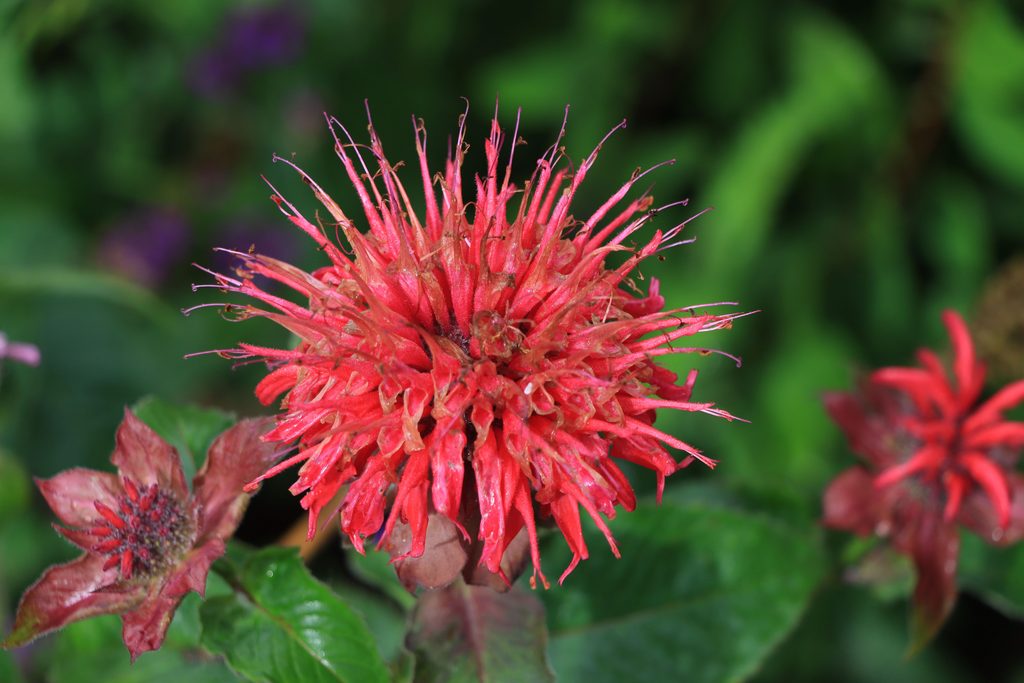
Bee balm has shaggy red, pink or purple flower heads on tall stems. It blooms in mid-summer and gives off a light, minty scent.
Bees, butterflies and hummingbirds visit it heavily. A busy flower bed means a busy hunting ground for dragonflies.
Powdery mildew can be a problem. Give plants room for air to flow, and water at the base. Wild bergamot (Monarda fistulosa) is a tougher alternative.
13. Lavender (Lavandula)
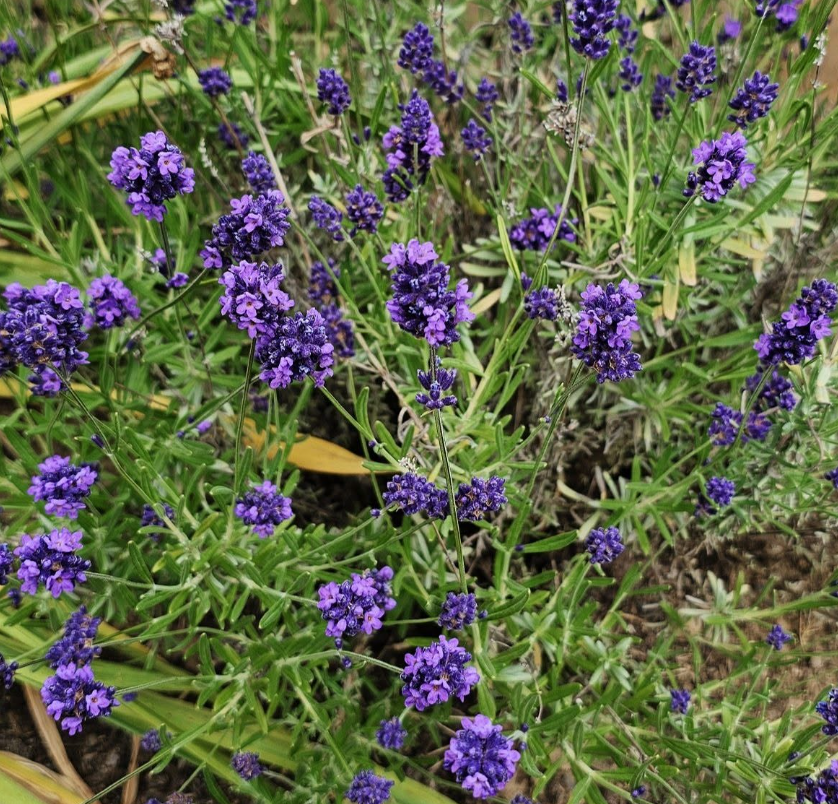
Lavender needs full sun and well-drained soil. Its silvery foliage and purple spikes bring a calm, fragrant look to the garden.
Bees visit lavender all summer. Dragonflies are not drawn to the scent. They follow the insects instead, and the slender flower spikes can serve as small perches.
Lavender will not grow at the pond itself because it dislikes wet roots. Plant it in a sunny, dry bed within sight of the water.
14. Goldenrod (Solidago)
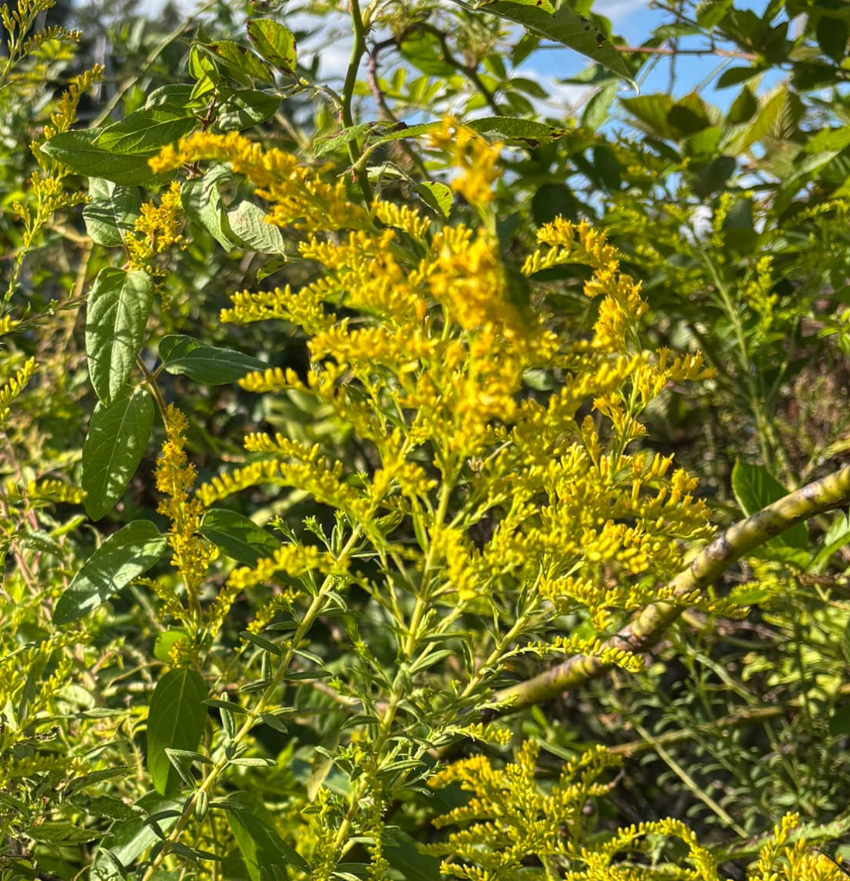
Goldenrod shines in late summer and fall with plumes of yellow flowers. It is a hardworking native in many regions and supports a large number of insect species.
Late-season insects are plentiful on goldenrod. That keeps hunters fed when other flowers fade. Some dragonflies are still on the wing in early autumn.
Goldenrod is often blamed for hay fever. Ragweed, which blooms at the same time, is the usual cause. Choose a clump-forming type to keep it tidy.
15. New England Aster (Symphyotrichum novae-angliae)

New England aster covers itself with purple daisies in early autumn. Plants grow tall and look wonderful beside goldenrod.
Fall flowers are valuable because most gardens run out of blooms by then. Asters keep small insects coming, and dragonflies keep hunting them as the days cool.
Pinch the stems back in early summer. This makes plants bushier and reduces flopping later in the season.
16. Blazing Star (Liatris)
Blazing star sends up tall purple spikes that open from the top down. It is a prairie native that handles sun and average soil.
Butterflies and bees visit eagerly. The vertical stems make useful lookout posts, and dragonflies use them in meadow plantings.
Plant in groups of five or more for impact. Good drainage is important. Wet winter soil can rot the corms.
17. Swamp Hibiscus (Hibiscus moscheutos)
Swamp hibiscus, also called rose mallow, produces very large flowers in white or pink. They bloom in mid to late summer and look dramatic beside water.
It thrives in wet soil and shallow margins. The strong stems provide perches, and the huge blooms draw bees and other pollinators.
This plant dies back in winter and returns late in spring. Mark the spot so you do not dig it up by mistake.
18. Ironweed (Vernonia)
Ironweed bears bright purple flower clusters in late summer on tall stems. It is a prairie and wet-meadow native and thrives in moist soil.
Late-summer blooms support bees and butterflies when many flowers are fading. The tall stems hold dragonflies well above the grass.
It pairs nicely with goldenrod and Joe-Pye weed. Together they make a strong late-season meadow.
ALSO READ: 35 Flowers That Attract Bees (With Pictures, And Growing Tips)
Sunny Annuals and Low Borders: Easy Plants for Quick Results
Annuals give fast results in the first year. They fill gaps while your perennials and pond plants establish.
19. Zinnia (Zinnia elegans)
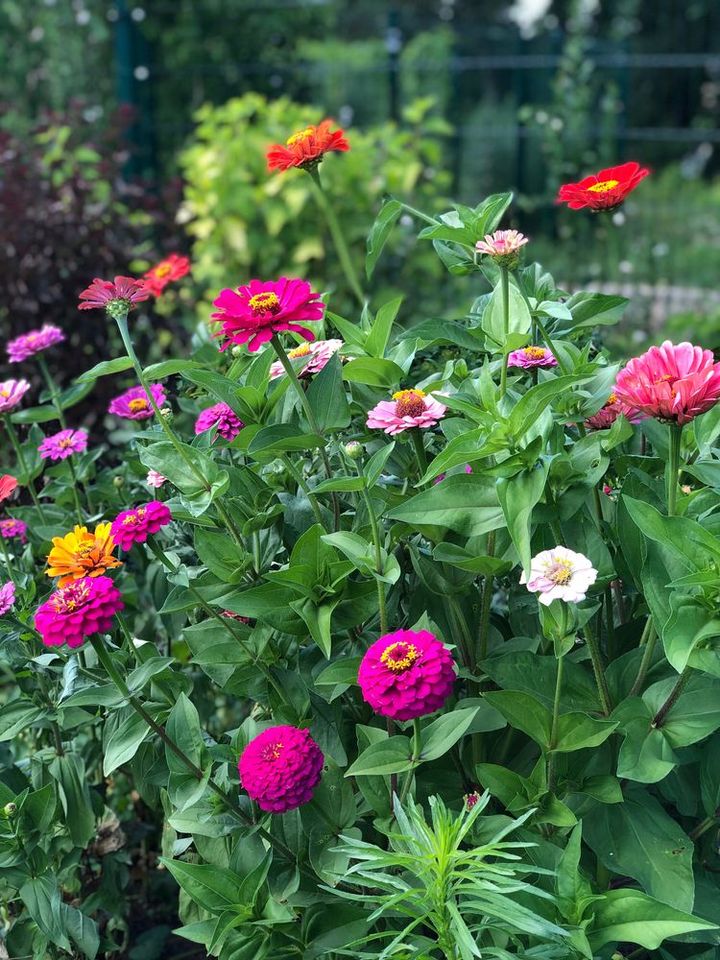
Zinnias are cheerful annuals in almost every colour. They grow quickly from seed, bloom until the first frost, and love sun.
Butterflies and bees adore them, and dragonflies use the stiff stems as perches. Choose single-flowered types. Insects reach the centre more easily.
They are ideal for beginners. Sow seed directly once the danger of frost has passed.
20. Cosmos (Cosmos bipinnatus)
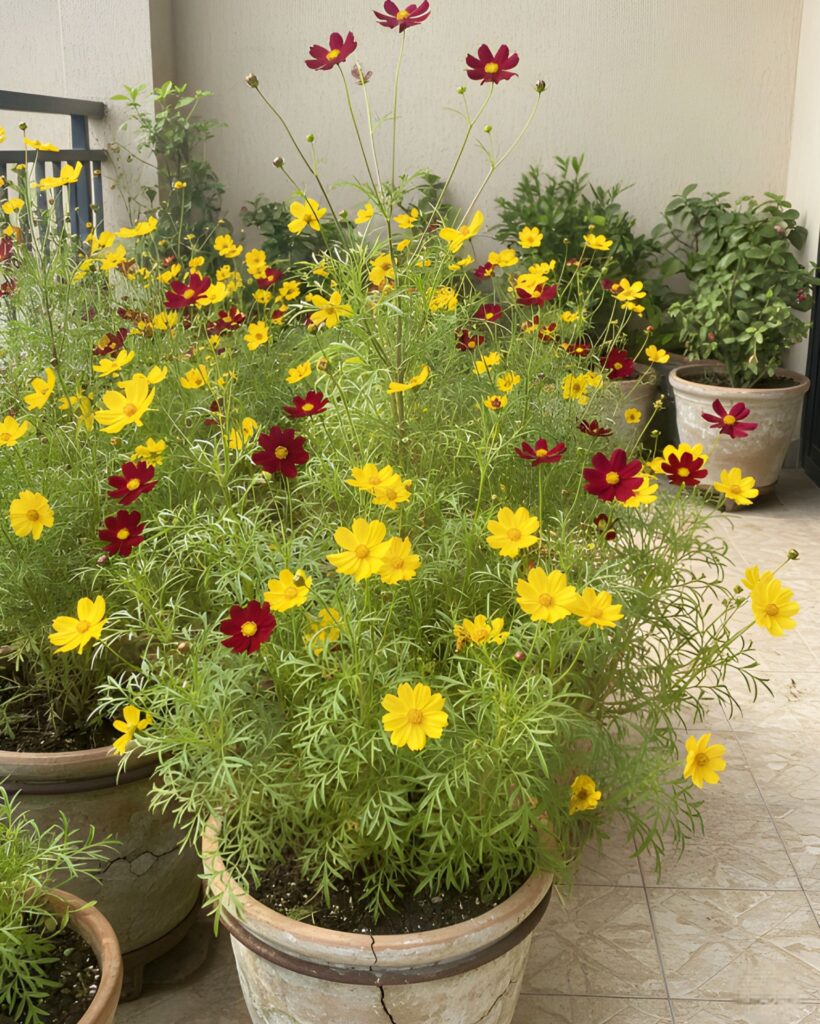
Cosmos gives a light, airy feel with feathery foliage and daisy-like flowers in pink, white or orange. It grows fast and needs little care.
The slender stems sway in the breeze, yet they still offer perches for lighter species. Many small insects visit the blooms.
Cosmos prefers poor to average soil. Too much fertiliser gives you leaves and fewer flowers. Stake tall plants in windy places.
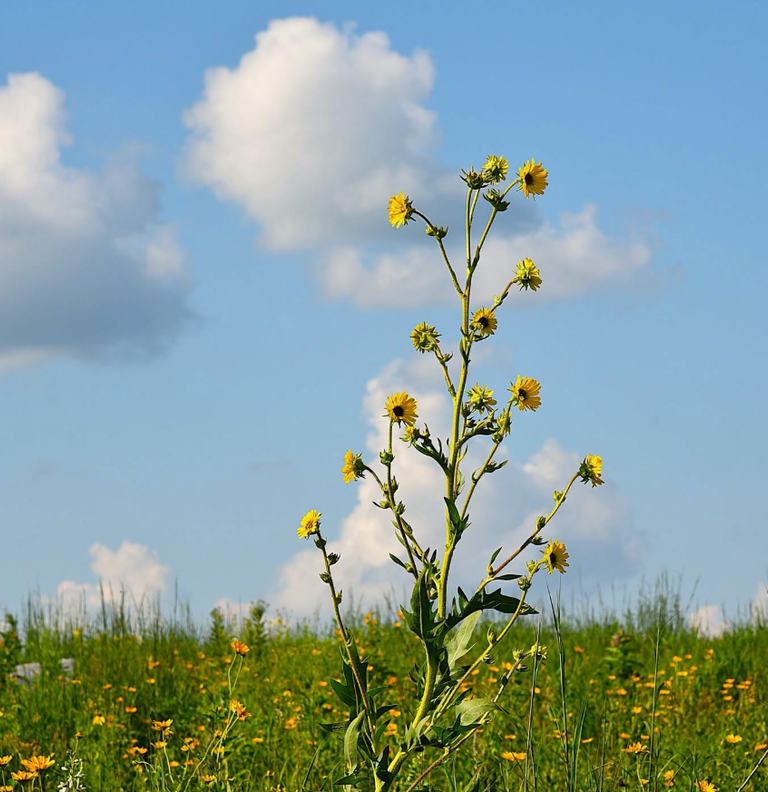
21. Sunflower (Helianthus annuus)
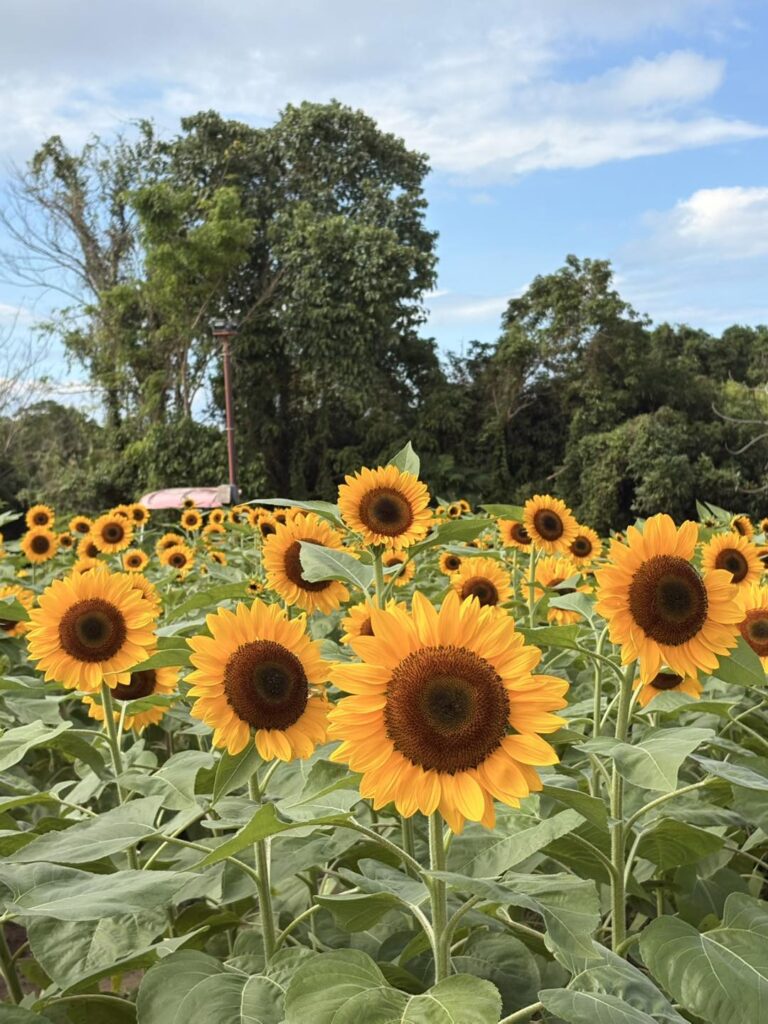
Sunflowers are tall, bold and generous. Their large heads follow the sun and bring in bees, hoverflies and many other small insects.
The thick stalks are some of the strongest perches in a garden. Dragonflies often rest at the top, which gives them a wide view of passing prey.
Plant them on the sunny side of the pond. Leave a few heads standing at season’s end so birds can enjoy the seeds.
22. Mexican Sunflower (Tithonia rotundifolia)
Mexican sunflower is a tall annual with fiery orange blooms. It loves heat and sun and grows fast from seed.
Butterflies and bees flock to it. The strong stems often stand four to six feet tall, above most other plants. That makes them popular lookout posts.
Place it at the back of the bed. Stake it if your garden is windy.
23. Yarrow (Achillea millefolium)
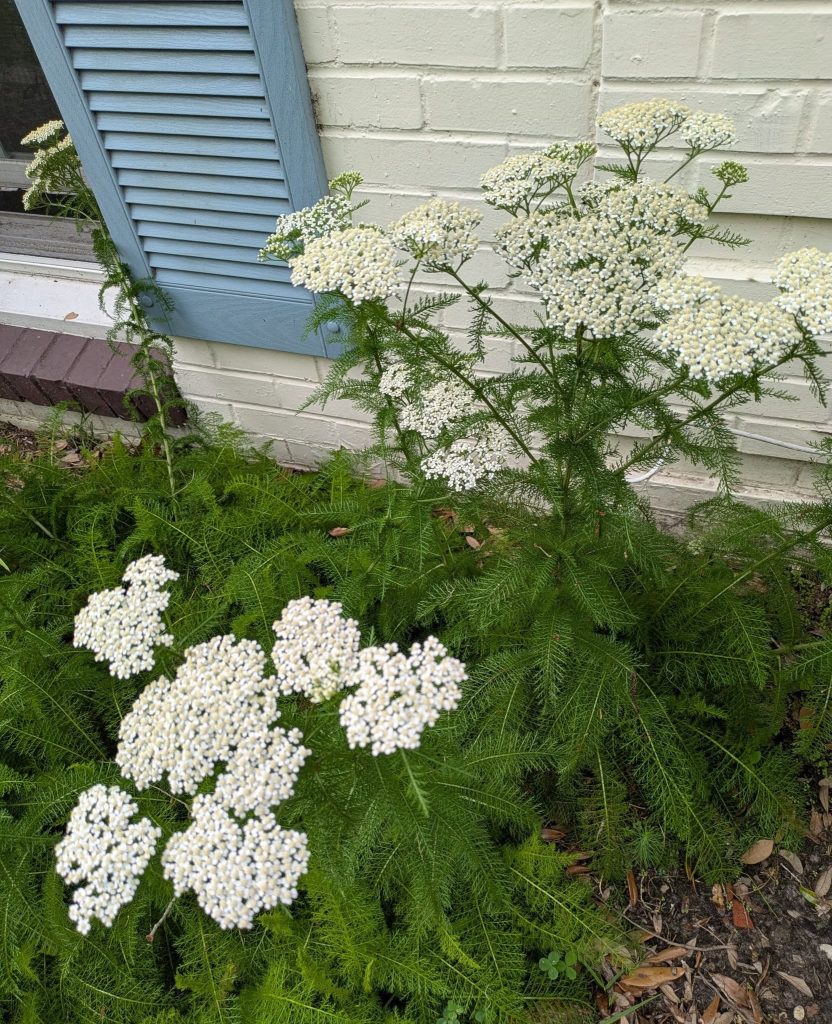
Yarrow has flat clusters of tiny white flowers above feathery leaves. It is a tough perennial that thrives in poor soil and dry spells.
The flat heads attract tiny flies, beetles and bees. These are exactly the small flying insects that dragonflies hunt. Yarrow is a gentle food-chain magnet.
It spreads steadily, so give it room. The wild white form is usually the best choice for insects.
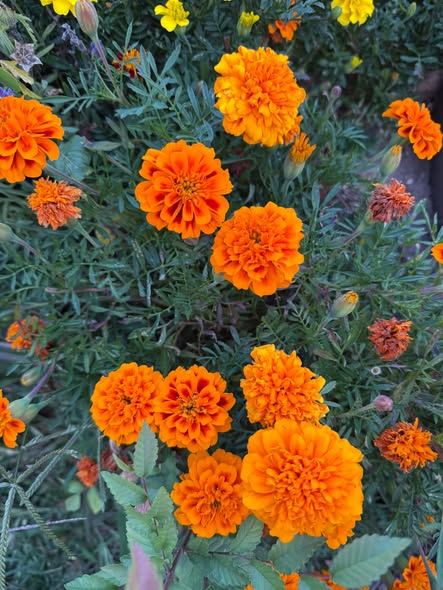
24. Marigold (Tagetes)
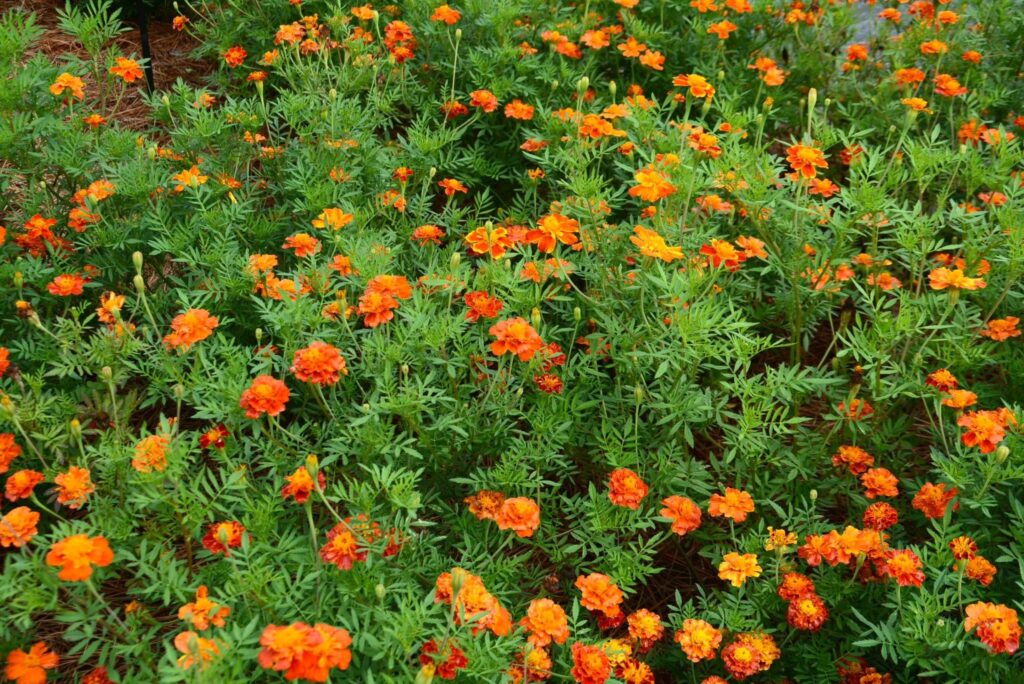
Marigolds are small, easy and bright. They bloom in yellow, orange and red, and they suit borders and containers.
Single-flowered types draw hoverflies and small bees. Dragonflies seldom perch on low plants. So use marigolds as a supporting layer rather than the main attraction.
They work best as filler beside taller plants. Remove faded flowers to keep them blooming.
25. Lizard’s Tail (Saururus cernuus)
Lizard’s tail has curved white flower spikes with a sweet scent. It grows in shallow water and boggy soil, often in light shade.
Its dense growth gives cover at the pond’s edge. That helps both prey insects and young dragonflies that need a safe place to rest.
It spreads by rhizomes, so watch its growth. It is native to eastern North America. In other regions, choose a local marginal plant instead.
ALSO READ: 35 Flowers That Attract Butterflies (With Pictures)
Why Flowers Matter to Dragonflies (Even Though They Do Not Eat Nectar)
Dragonflies are predators. According to Penn State Extension, they eat whatever flying insects are plentiful, including flies, midges, beetles and mosquitoes. They can consume hundreds of insects a day.
Flowers bring those insects in. A bed full of blooms attracts bees, hoverflies, gnats and small flies. Dragonflies follow the food. In that sense, your flowers act as a restaurant sign.
Flowers also supply perches. Dragonflies like a high, sunny stem with a clear view. From there they launch short hunting flights and return to the same spot. Tall, sturdy stems work best.
Plants matter at every stage of life. Penn State Extension notes that nymphs crawl out of the water and climb vertical plant stems to emerge as adults. For the next 24 to 48 hours, these new adults are tender and easy prey. Young dragonflies then spend one to two weeks in nearby meadows or woodlands before returning to water.
That last detail surprised me. It means a flowering meadow near your pond is not just decoration. It is a nursery for young adults.
Why Your Garden Can Make a Real Difference
Dragonflies need help. The International Union for Conservation of Nature (IUCN) assessed 6,016 dragonfly and damselfly species in 2021. It found that about 16 percent face extinction risk. Wetland loss is the main cause.
The Ramsar Convention reported that roughly 35 percent of the world’s wetlands disappeared between 1970 and 2015. Dragonflies breed in these habitats. As wetlands shrink, small garden ponds and flowering borders become more valuable.
There are about 6,500 species of dragonflies and damselflies worldwide, and more than 400 live in North America, says Penn State Extension. They live on every continent except Antarctica. Your garden may already be on their flight path.
Before You Plant: Five Rules That Matter More Than Any Flower
Flowers alone will not do the job. Water is the key. Dragonfly nymphs live underwater for a few months up to several years, depending on the species. Without water, they cannot breed.
If you want results, follow these five rules:
- Add water. Even a small pond or a rain garden helps. UF/IFAS Extension suggests a garden pond to attract dragonflies.
- Keep it sunny. Dragonflies need warm, open space. Penn State Extension also advises sheltering the area from strong wind.
- Skip the fish. Fairfax County’s field guide notes that nymphs are most abundant in ponds with no fish. Fish eat nymphs.
- Avoid pesticides. UF/IFAS asks gardeners to protect dragonflies by not using them. Pesticides also kill the prey dragonflies need.
- Add stones and sticks. The University of Arizona Cooperative Extension suggests leaving sticks and rocks at the water’s edge. Nymphs use them to climb out.
Plant native species wherever possible. Check with your local extension office before buying. Some of the plants below are native only to certain regions.
How to Combine These Flowers for the Best Results
Do not plant one of each. Build layers. Place pond-edge plants at the water, tall perennials behind them, and annuals in front or in gaps.
For continuous interest, aim for flowers across the seasons. Marsh marigold and iris open the year. Coneflower, bee balm and zinnia carry summer. Goldenrod and aster finish it.
Leave some stems and a little leaf litter in place at season’s end. Wildlife needs a little untidiness.
Frequently Asked Questions
Do dragonflies feed on flower nectar? No. Dragonflies are predators and eat other insects. Flowers help by attracting prey and providing perches.
Can I attract dragonflies without a pond? You may see visitors, but breeding needs water. Even a small pond or rain garden makes a big difference.
How long do dragonflies live? Most of their life is spent underwater as nymphs, which can last a few months to several years. UConn notes that adults live about six weeks.
Will dragonflies get rid of all my mosquitoes? They help, but they are not a complete solution. Treat them as one part of a healthy garden ecosystem.
Final Thoughts
A dragonfly garden is not built with one flower. It grows from many small choices. Add water, plant in layers, leave perches, and skip the chemicals.
Start with three or four plants from this list. Choose natives that suit your climate. Then watch what happens over a season.
I find the reward worth the wait. One sunny afternoon, a flash of wings will land on your pickerelweed or sunflower. At that moment, you will know the garden is working.
References
- Penn State Extension. Attracting Dragons and Damsels to Backyard Ponds. https://extension.psu.edu/attracting-dragons-and-damsels-to-backyard-ponds
- UF/IFAS Extension, Osceola County. The Halloween Pennant: A Festive Dragonfly and Five Plants to Attract More Like It. https://blogs.ifas.ufl.edu/osceolaco/2025/10/30/the-halloween-pennant-a-festive-dragonfly-and-five-plants-to-attract-more-like-it/
- Clemson University Home & Garden Information Center. Dragonflies. https://hgic.clemson.edu/dragonflies/
- University of Arizona Cooperative Extension, Yavapai County. Dragonflies and Damselflies. https://extension.arizona.edu/sites/extension.arizona.edu/files/attachment/DragonfliesAndDamselflies.pdf
- Fairfax County Government (Virginia). A Field Guide to Fairfax County’s Plants and Wildlife: Dragonfly. https://www.fairfaxcounty.gov/publicworks/sites/publicworks/files/assets/fieldguide/files/basic-html/page74.html
- University of Connecticut Integrated Pest Management. Beneficial Insects: Dragonflies. https://bugs.uconn.edu/wp-content/uploads/sites/1135/2021/07/Dragonflies.pdf
- UF/IFAS Florida-Friendly Landscaping Program. Dragonflies (Florida-Friendly Landscaping in a Minute). https://ffl.ifas.ufl.edu/resources/ffl-minute-radio/2022-archive/november-2022/dragonflies

Tim M Dave is a gardening expert with a passion for houseplants, particularly cacti and succulents. With a degree in plant biology from the University of California, Berkeley, he has vast experience in gardening. Over the years, he has cultivated a vast collection of desert plants and learned a great deal about how to grow and care for these unique companions.