35 Flowers That Attract Bees (With Pictures, And Growing Tips)
The U.S. Department of Agriculture has stated that honey bee pollination adds more than $15 billion in value to U.S. agricultural crops every year.
Roughly one in three bites of food we eat depends on pollinators like bees, and honey bees alone pollinate close to 95 kinds of fruits and vegetables.
Bees see the world differently than we do. They’re drawn strongly to blue, purple, yellow, and white flowers, and they can detect ultraviolet patterns called nectar guides that lead them straight to the reward, according to University of Illinois Extension.
Open, shallow, or tubular blooms tend to work best, since bees need somewhere to land and something to reach easily.
Below are 35 flowers that consistently bring bees into a garden.
1. Lavender
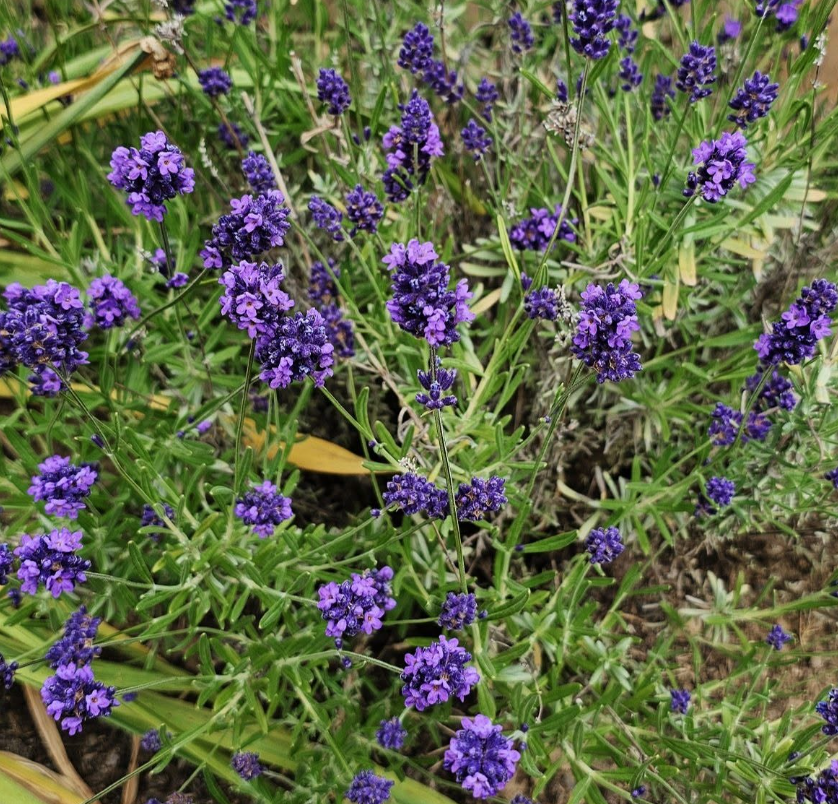
Lavender’s tall purple spikes are one of the most reliable bee magnets in any garden. The color alone checks every box on a bee’s preference list, and the dense flower spikes offer dozens of feeding points per stem.
I’ve always thought lavender earns its reputation honestly. It blooms for weeks at a time, tolerates neglect, and somehow still looks intentional even in a rough patch of soil. Few plants offer that much reward for so little effort.
It needs full sun and sharp drainage to thrive, since soggy roots are its main weakness. Trim it back after flowering to keep the plant compact and encourage a second flush of blooms later in the season.
2. Sunflower
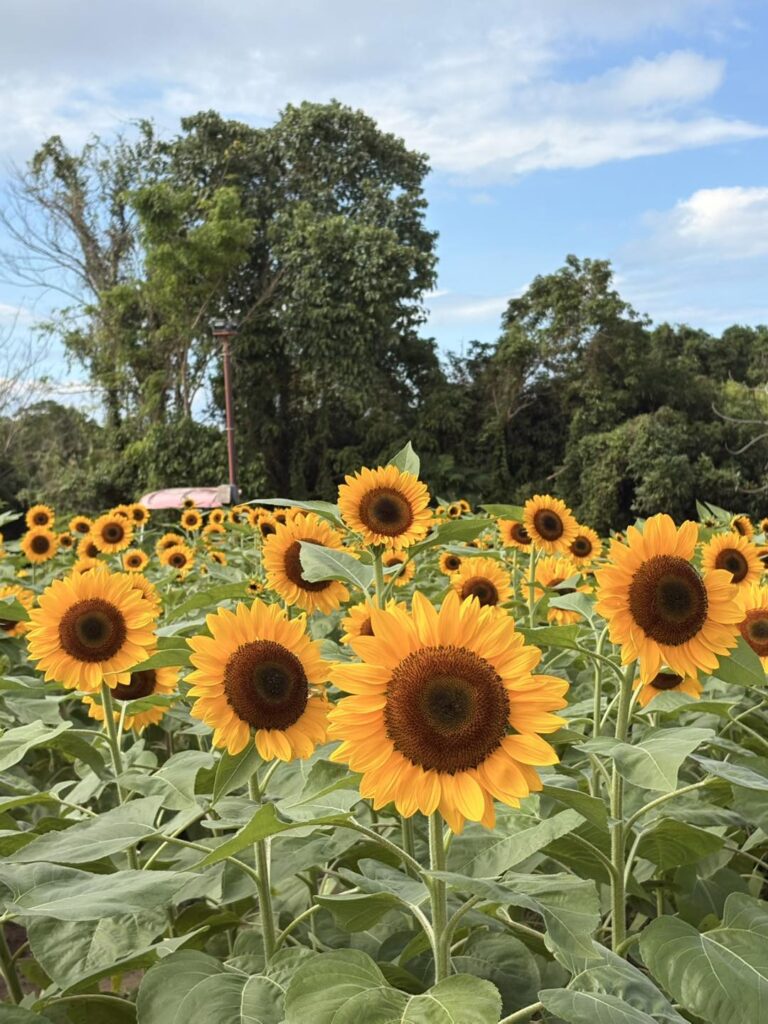
Sunflowers are practically the poster plant for pollinator gardens, and for good reason. Their wide, flat centers pack hundreds of tiny florets into one accessible landing pad, making them incredibly efficient for foraging bees.
The ‘Lemon Queen’ variety specifically became famous through the Great Sunflower Project, a citizen-science pollinator study that asked home gardeners across the country to plant it and record bee visits. That project alone speaks to how dependable sunflowers are for attracting bees.
Sunflowers need full sun and well-drained soil, and taller varieties may need staking in windy spots. Successive plantings every few weeks keep fresh blooms available through most of summer.
3. Borage
Borage produces small, star-shaped blue flowers that seem to refill with nectar almost as fast as bees can drain them. Gardeners who grow it often say it’s rarely without a visitor during daylight hours.
It’s also refreshingly low-maintenance. Borage self-seeds readily, grows in average soil, and rarely needs fertilizing to perform well. Once established, it tends to show up again on its own the following spring.
The leaves and flowers are edible, with a mild cucumber-like flavor, which makes borage a nice dual-purpose plant for kitchen gardens. Plant it near vegetables that need pollination, since it tends to draw bees into the wider bed.
ALSO READ: 35 Flowers That Attract Butterflies (With Pictures)
4. Bee Balm (Monarda)
Bee balm’s shaggy, tubular flowers attract a genuinely wide mix of pollinators, bees included, despite its more famous reputation as a hummingbird plant. Purple and pink varieties in particular draw heavy bee traffic.
USDA pollinator garden guidance lists bee balm among its favorite recommended plants for supporting struggling pollinator populations. That’s a meaningful endorsement, given how many species this single plant supports at once.
Bee balm prefers full sun and moist, well-drained soil. Good air circulation helps prevent powdery mildew, a common issue in humid climates, so avoid overcrowding plants too tightly.
5. Purple Coneflower (Echinacea)
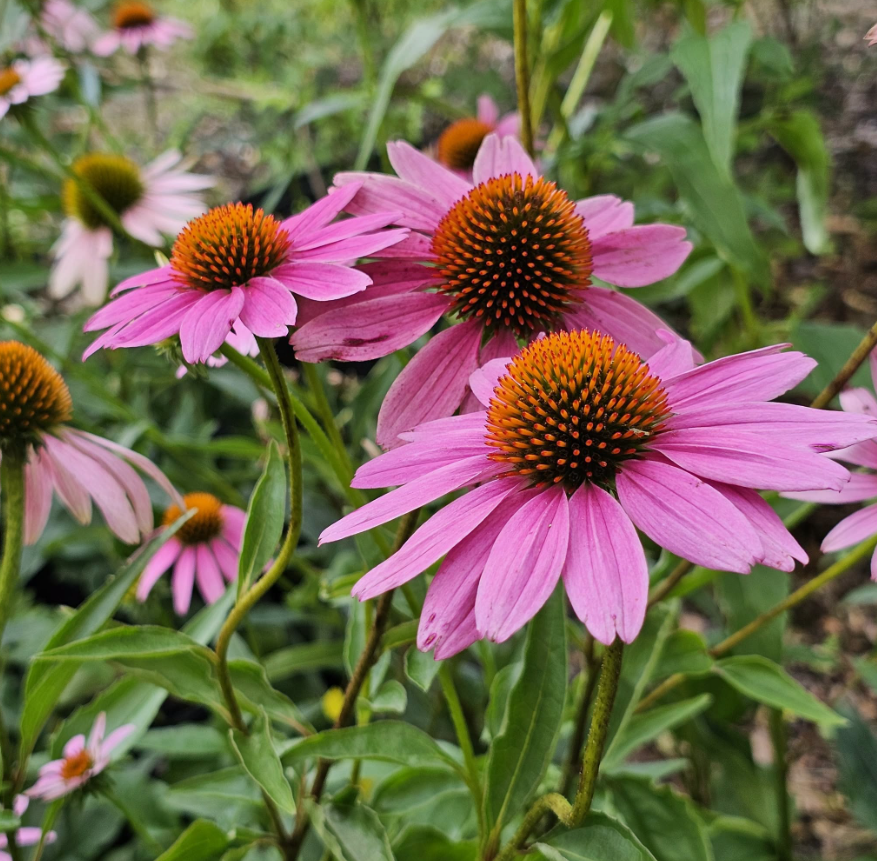
Purple coneflower’s raised, spiny center is essentially built for bee visits, offering a stable perch and a dense cluster of nectar-rich florets. It’s a native perennial across much of the central and eastern United States.
USDA and Xerces Society native plant lists repeatedly feature coneflower as a high-value pollinator plant. That consistency across independent regional lists says a lot about how reliably it performs for bees nationwide.
It’s drought-tolerant once established and thrives in full sun with average, well-drained soil. Leaving seed heads standing through winter also provides food for birds, extending the plant’s usefulness beyond the growing season.
6. Black-Eyed Susan (Rudbeckia)
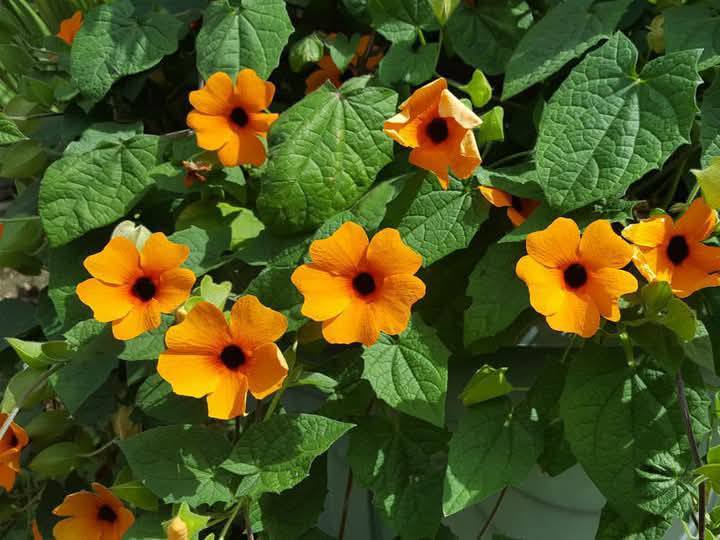
Black-eyed Susan’s bright yellow petals and dark central cone make it an easy target for bees scanning a garden from a distance. Yellow happens to be one of the colors bees see most clearly.
It’s a tough, adaptable native perennial that tolerates poor soil, heat, and drought without much complaint. That resilience makes it a strong anchor plant for gardeners who want reliable blooms without heavy upkeep.
Black-eyed Susan blooms from midsummer into fall, filling a valuable gap after spring flowers fade. Deadheading spent blooms can extend flowering slightly, though the plant performs well even left alone.
7. Yarrow (Achillea)
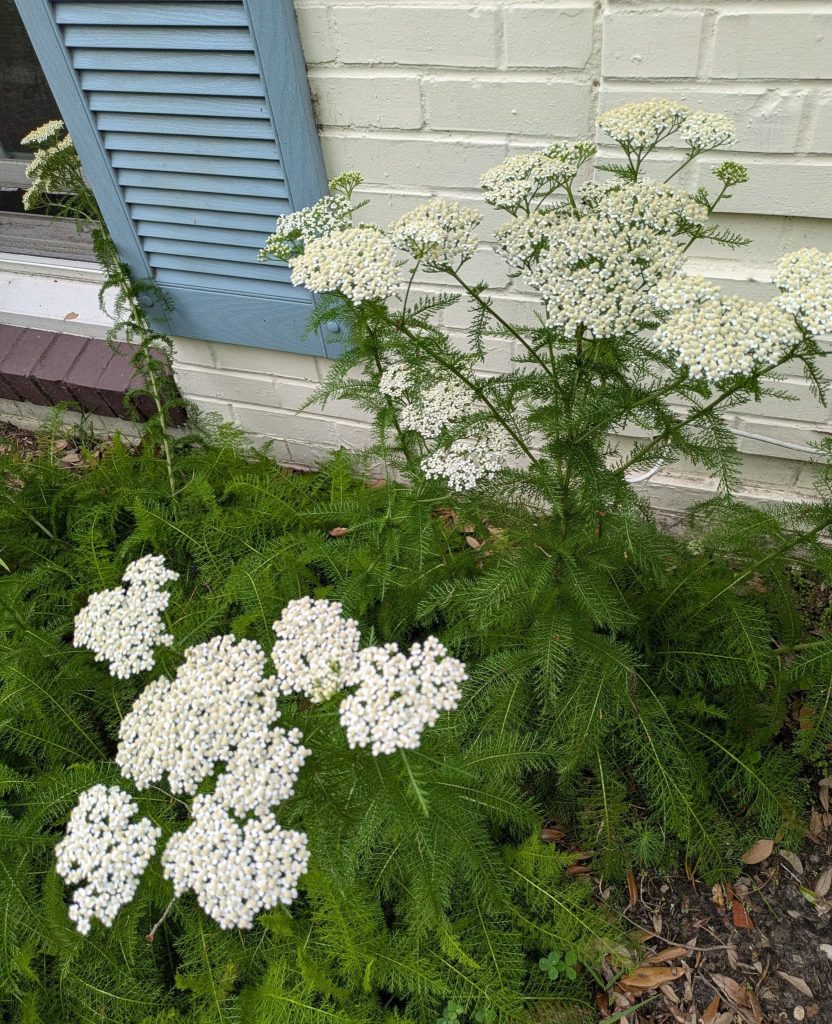
Yarrow’s flat-topped flower clusters function almost like a landing platform, packed with tiny individual blooms that bees can access with minimal effort. It’s listed among Oregon State University’s recommended bee-friendly perennials.
This plant handles neglect impressively well. It spreads by rhizomes, tolerates poor and dry soil, and rarely needs watering once established, which makes it a smart choice for low-maintenance pollinator beds.
Yarrow blooms over a long stretch, from early summer into fall. Cutting back the first flush of flowers after they fade often encourages a second round of blooms later in the season.
8. Anise Hyssop (Agastache foeniculum)
Anise hyssop’s tall purple-blue spikes are named directly as a favorite in University of Illinois Extension’s pollinator garden guidance. Bees seem drawn to both the color and the sheer density of small flowers along each spike.
Crushing the foliage releases a mild licorice scent, which is pleasant for gardeners even if bees respond more to the flower’s shape and color than its fragrance.
It thrives in full sun and well-drained soil, tolerating drought better than many flowering perennials. Established clumps often self-seed modestly, filling in nearby bare patches over a few seasons.
9. Coreopsis
Coreopsis produces cheerful, daisy-like yellow flowers that bloom prolifically from early summer through fall. It’s specifically named in University of Illinois Extension’s list of pollinator garden staples.
Its drought tolerance is genuinely impressive, making it a strong choice for gardeners in hotter, drier regions who still want consistent color and pollinator activity through the summer months.
Deadheading spent blooms keeps coreopsis flowering longer into the season. It performs best in full sun and well-drained soil, and established plants rarely need supplemental fertilizing.
ALSO READ: 35 Flowers That Attract Hummingbirds (And Keep Them Coming Back)
10. Wild Indigo (Baptisia)
Wild indigo’s spring flower spikes, usually in blue or purple, appear early in the season when bees are actively searching for reliable food sources after winter. It’s listed as a spring-blooming native perennial in extension pollinator guidance.
This plant develops a substantial, deep root system over time, which is part of why mature wild indigo tolerates drought so well once it’s had a couple of seasons to establish.
It prefers full sun and well-drained soil, and it resents being transplanted once mature. Plant it where it can stay put, since its root structure makes relocation difficult later on.
11. Foxglove Beardtongue (Penstemon digitalis)
This native penstemon produces white, tubular flowers that draw steady bee activity, and it’s specifically named in University of Illinois Extension’s pollinator plant recommendations. Its native range covers much of the eastern and central United States.
USDA regional pollinator plant guides also list various penstemon species across different U.S. regions, showing just how broadly adaptable this genus is for attracting bees nationwide.
Foxglove beardtongue tolerates a wide range of soil types and handles both sun and partial shade reasonably well. It blooms in late spring to early summer, bridging the gap between early and midsummer flowers.
12. Cosmos
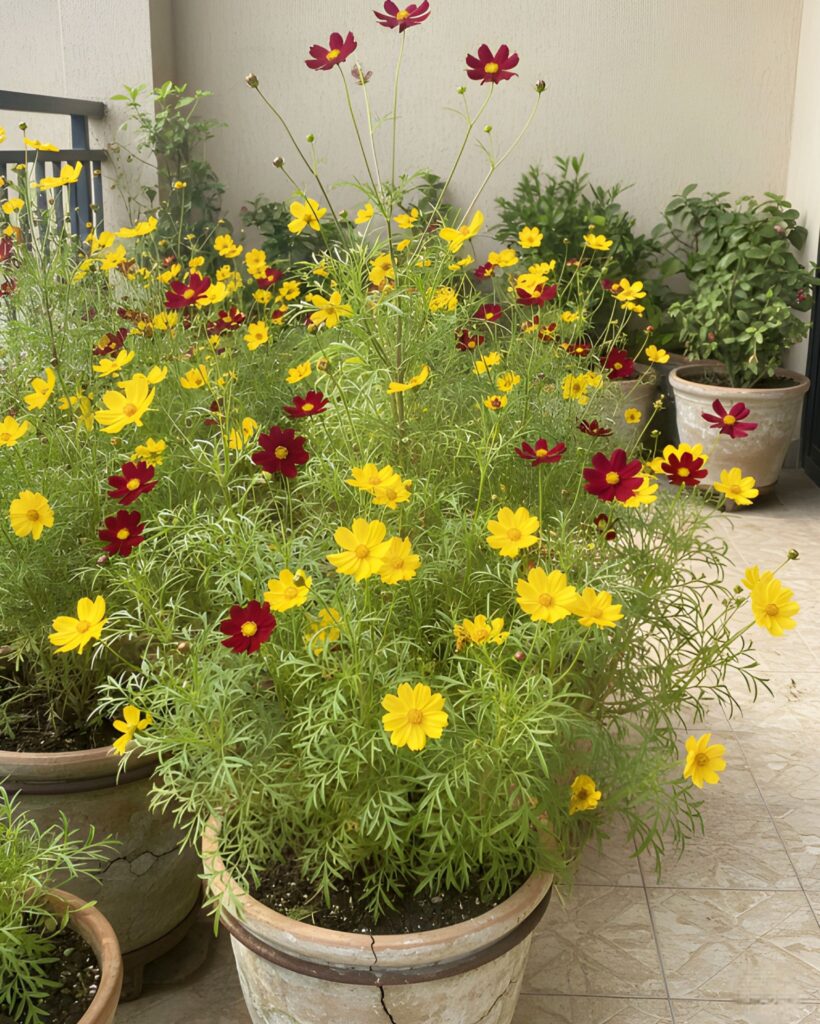
Cosmos flowers are simple, open, and daisy-like, offering bees easy access to pollen and nectar without any complicated structure to navigate. Pink, white, and magenta varieties all draw consistent attention.
It’s one of the easiest annuals to grow from seed, often flowering within two months of sowing. That speed makes it a favorite for gardeners who want quick pollinator activity in a new bed.
Cosmos thrives in poor, well-drained soil and actually blooms less generously if the soil is too rich. Deadheading regularly keeps flowers coming steadily until the first fall frost.
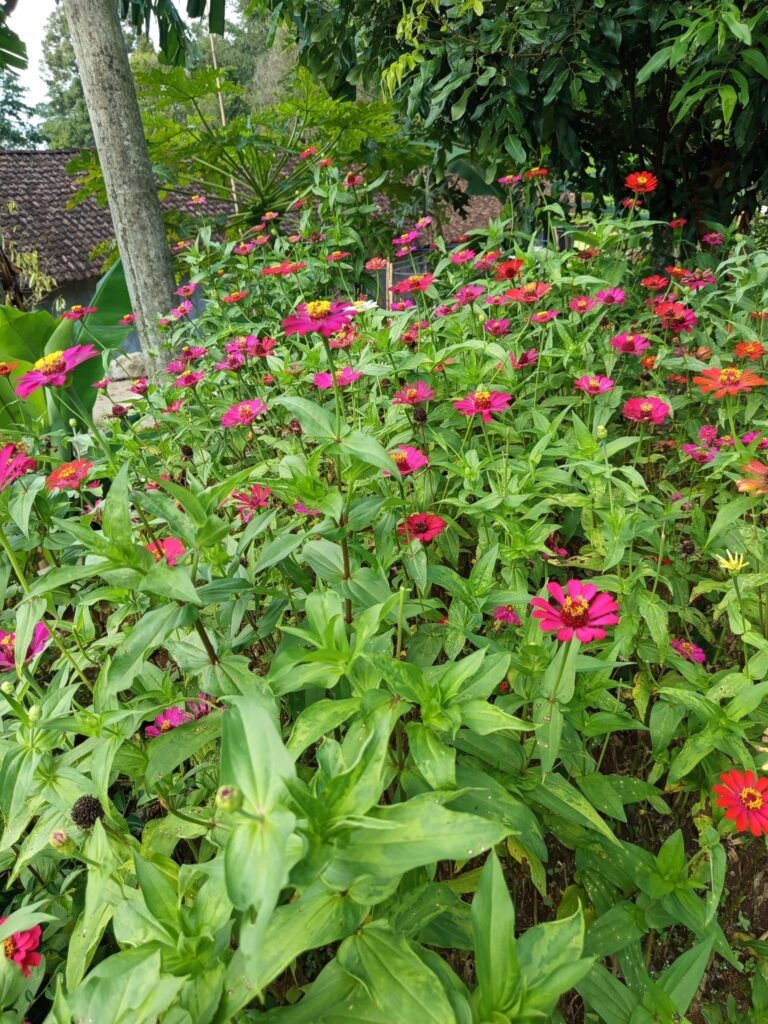
13. Zinnia
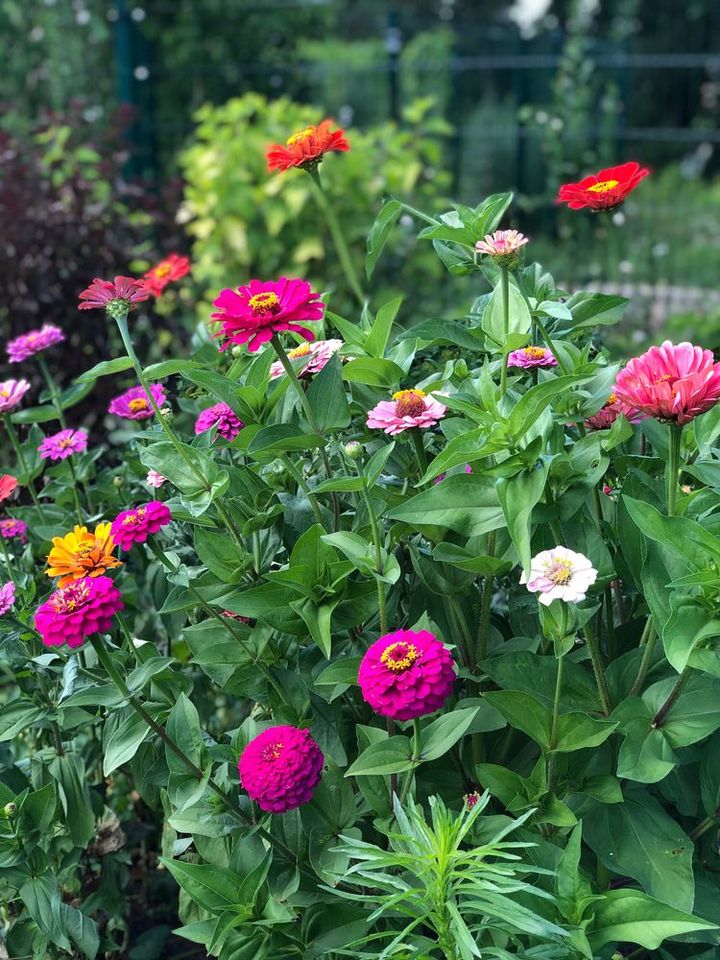
Zinnias offer bees a flat, accessible flower face packed with pollen-rich centers, and their bright colors, especially orange, yellow, and red, catch attention from a distance. They’re a frequent recommendation across extension pollinator lists.
Old-fashioned, single-petaled varieties tend to attract more bees than heavily doubled cultivars, since the extra petal layers in fancier types can make pollen harder to reach.
Zinnias grow quickly from seed and bloom reliably through summer heat. Spacing plants well apart helps prevent powdery mildew, a common issue in humid climates.
14. Aster (Symphyotrichum)
Asters bloom in late summer and fall, right when many other flowers are fading and bees are working to store up final reserves before winter. Multiple state extension pollinator guides highlight aster specifically for this late-season timing.
The purple, blue, and pink daisy-like flowers cluster densely, giving foraging bees an efficient stop where they can visit many blooms without traveling far between them.
Asters prefer full sun and tolerate a range of soil conditions. Leaving them uncut through fall extends their usefulness for pollinators right up until the first hard frost.
15. Goldenrod (Solidago)
Goldenrod is one of the most important late-season food sources for bees, producing dense, feathery yellow flower clusters just as autumn approaches. It’s frequently listed alongside aster in USDA and university pollinator recommendations.
Despite its reputation for causing allergies, goldenrod’s pollen is actually too heavy to travel far through the air. Ragweed, which blooms at the same time, is the real allergy culprit most people blame on goldenrod.
It grows easily in average soil and tolerates drought well once established. Give it room to spread, since many goldenrod species form fairly wide clumps over a few seasons.
16. Salvia
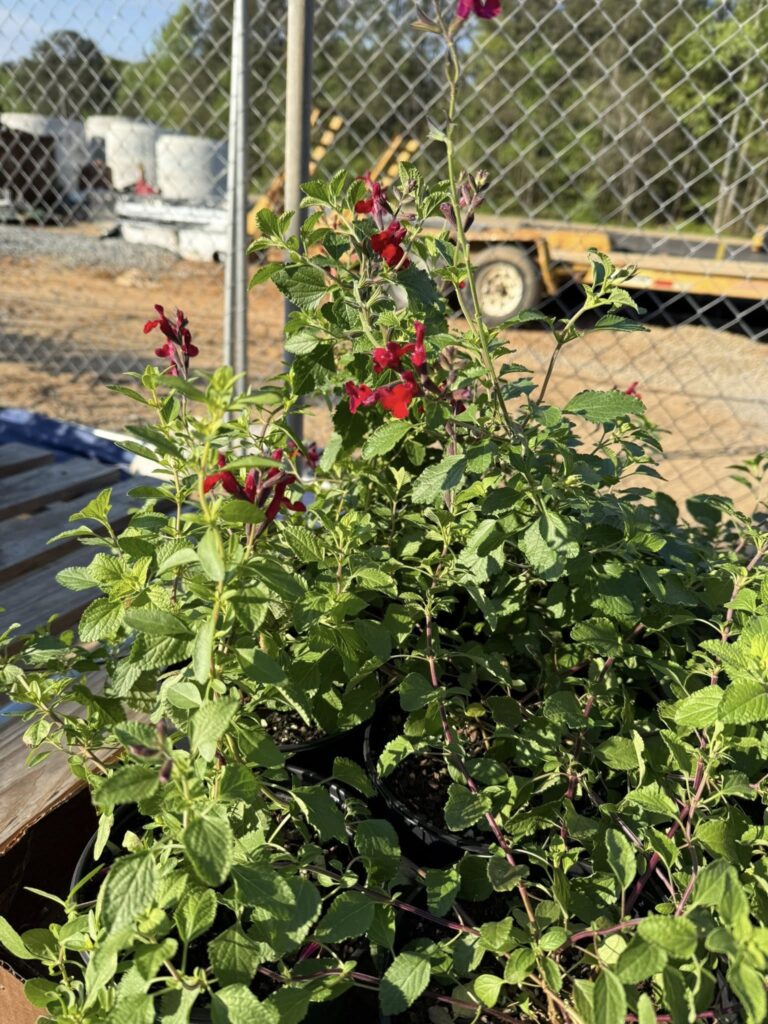
Salvia’s long flower spikes, especially in blue and purple shades, are consistently named across pollinator plant lists for their strong appeal to bees. The tubular blooms suit both bees and hummingbirds, making salvia a dual-purpose choice.
It blooms almost continuously from early summer through frost if deadheaded regularly, which gives bees a dependable, long-running food source in a single plant.
Salvia handles heat and drought impressively well once established. Full sun and well-drained soil bring out the strongest flowering, particularly in hotter climates.
17. Catmint (Nepeta)
Catmint produces soft mounds of small purple-blue flowers that bloom in dense enough clusters to keep bees busy for extended visits. It’s a low, spreading perennial that works well as a border plant.
It’s remarkably tough, tolerating heat, drought, and poor soil without much fuss. Few pollinator plants offer this much bloom for this little maintenance effort.
Shearing catmint back by about a third after its first flush encourages a second round of blooms later in summer. Full sun brings out the most vigorous flowering.
18. Crocus
Crocus flowers push through late-winter soil before almost anything else blooms, making them a critical early food source for bees just emerging from winter dormancy. Purple, yellow, and white varieties all draw visits.
That early timing matters more than it might seem. Bees coming out of winter with depleted energy reserves rely on these first blooms to rebuild strength before spring’s fuller bloom season begins.
Crocus bulbs are planted in fall and need well-drained soil to avoid rotting over winter. They naturalize well in lawns and garden beds, often multiplying gradually over several years.
19. Lilac (Syringa)
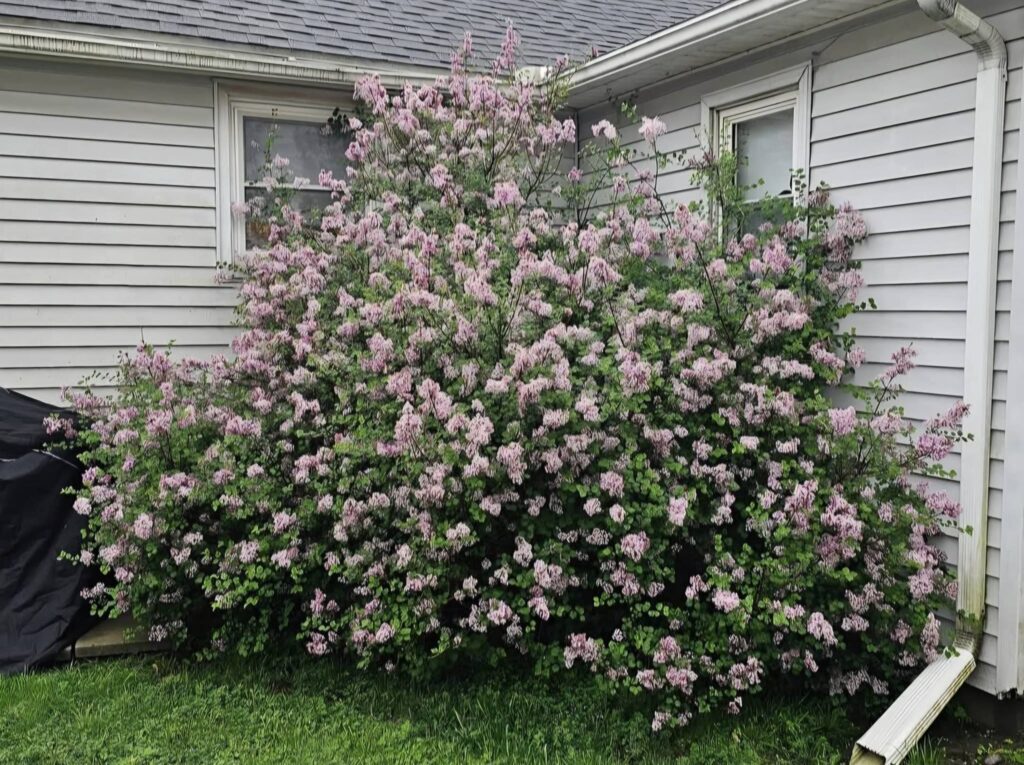
Lilac’s dense flower clusters bloom heavily in spring, offering a substantial nectar source right as bee populations are building up for the season. The purple, white, and lavender varieties all draw strong bee activity.
As a shrub, lilac also gives bees a substantial single stop with dozens of flower clusters available at once, which is more efficient foraging than moving between many small individual plants.
Lilac needs full sun and well-drained soil to bloom well. Pruning right after flowering, rather than in fall or winter, protects next year’s flower buds from being accidentally removed.
20. Clover (Trifolium)
Clover is one of the most heavily visited bee plants in agricultural and residential landscapes alike, and it’s directly referenced in USDA testimony on pollinator-dependent crops. White and red clover both draw strong bee traffic.
It’s also a nitrogen-fixing plant, meaning it improves soil fertility naturally as it grows. That makes clover a genuinely useful addition to lawns and pastures, not just a pollinator plant.
Clover tolerates mowing and foot traffic better than most flowering plants, which is part of why it thrives in lawns. Letting a patch grow a bit longer between mowings gives bees time to use the blooms.
21. Sedum (Stonecrop)
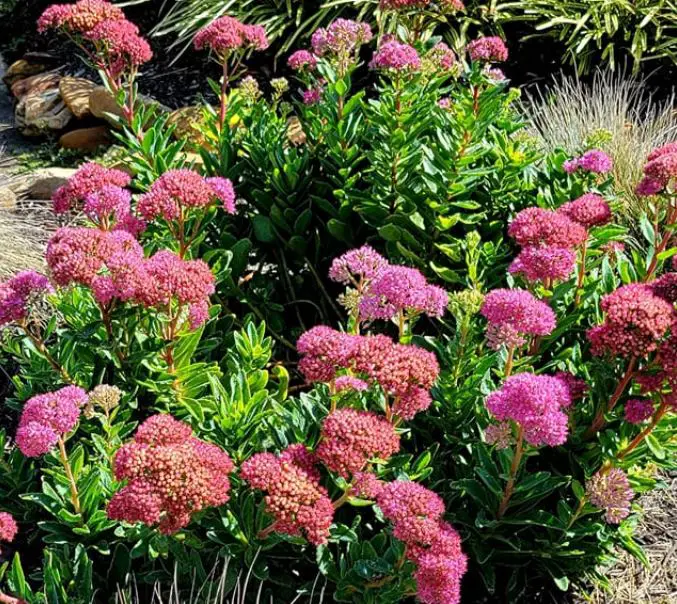
Sedum’s flat clusters of tiny star-shaped flowers bloom in late summer and fall, offering a dense, easy-to-access nectar source right when many bees are preparing for colder months. Pink and mauve varieties are especially popular.
It’s an exceptionally drought-tolerant succulent, storing water in its thick leaves. That resilience makes it a smart choice for gardeners dealing with hot, dry summers or inconsistent rainfall.
Sedum needs full sun and sharp drainage, since wet roots can cause rot. Leaving the dried flower heads standing through winter adds structural interest to the garden after blooms fade.
22. Oregano
Oregano’s small purple-white flower clusters are easy to overlook, but bees find them readily once the herb bolts and blooms in midsummer. University of Illinois Extension specifically names flowering herbs like oregano among strong pollinator plants.
Letting a portion of an oregano patch flower, rather than harvesting all of it for the kitchen, gives bees consistent access through the peak of summer while still leaving plenty for cooking.
It thrives in full sun and well-drained, even poor soil. Oregano tolerates drought well and often spreads readily once established in a sunny bed.
23. Thyme
Thyme’s tiny flowers, often pale pink or lavender, bloom in such dense mats that a mature patch can look like it’s humming when bees are active. It’s another flowering herb highlighted in extension pollinator garden guidance.
Its low, creeping growth habit makes thyme a practical groundcover between stepping stones or along garden borders, doubling as both a pollinator plant and a functional landscape feature.
Thyme needs full sun and excellent drainage to thrive, and it actually performs better in leaner soil. Trimming after flowering keeps the plant compact and encourages fresh growth.
24. Chives
Chives produce round, purple pom-pom flowers that bees visit readily once the plant blooms in late spring. As a culinary herb, it offers a practical dual purpose for kitchen gardeners who also want to support pollinators.
Allowing a few chive plants to flower, rather than cutting them back purely for kitchen use, provides a steady nectar source during a period when not everything else in the garden is blooming yet.
Chives grow easily in full sun to partial shade and tolerate a wide range of soil types. They also self-seed readily, often forming small colonies over a few seasons.
ALSO READ: 35 Flowers That Bloom in Winter (With Pictures)
25. Fennel
Fennel’s flat clusters of small yellow flowers bloom in mid to late summer, drawing bees along with a range of other beneficial insects. University of Maryland Extension lists fennel among plants that support pollinators and natural pest predators together.
That dual benefit is worth noting. Fennel doesn’t just feed bees, it also attracts predatory insects that help keep garden pests in check, making it a genuinely useful addition beyond its pollinator value.
It grows tall, often three to five feet, and prefers full sun with well-drained soil. Give it space, since mature fennel can shade out smaller neighboring plants.
26. California Lilac (Ceanothus)
California lilac is a flowering shrub covered in dense clusters of small blue or white flowers each spring, and it’s specifically listed in Oregon State University’s pollinator plant guidance for bees. Its bloom period coincides with peak spring bee activity.
The sheer volume of small flowers on a mature shrub makes it an efficient stop for foraging bees, offering hundreds of blooms within a compact area rather than scattered individual flowers.
It prefers full sun and well-drained soil, and it’s notably drought-tolerant once established. This makes it a strong choice for gardeners in drier western climates in particular.
27. Blanket Flower (Gaillardia)
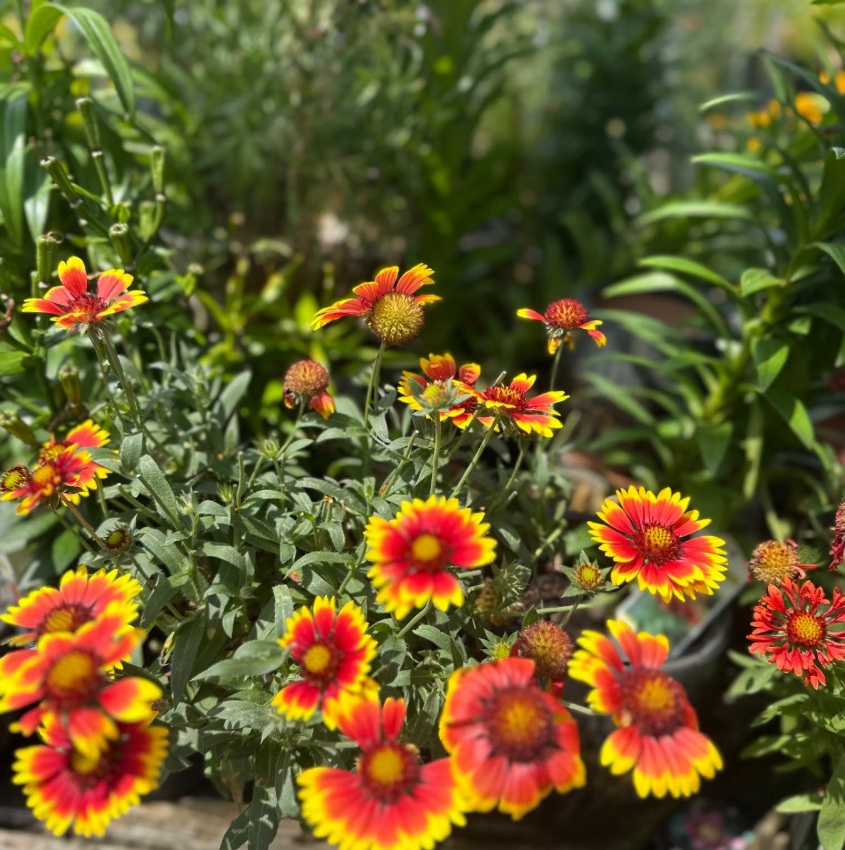
Blanket flower’s warm red-and-yellow daisy-like blooms are named specifically in regional USDA native pollinator plant guides as a strong bee attractor. Its open, flat structure makes pollen easy to reach.
It’s remarkably drought-tolerant and thrives in poor, sandy soil where many other flowering perennials would struggle. That toughness makes it a dependable choice for xeriscaped or low-water gardens.
Blanket flower blooms from early summer through fall, especially with regular deadheading. Full sun brings out the strongest color and the longest bloom period.
28. Bachelor’s Button (Centaurea cyanus)
Bachelor’s button, also called cornflower, produces vivid blue flowers that align closely with bees’ strongest color preference. It’s an easy annual that self-seeds readily once established in a garden bed.
The fringed, textured petals give bees plenty of surface area to work across, and a single flower head can hold a bee’s attention longer than flatter, simpler blooms.
It grows quickly from seed in full sun and tolerates poor soil without much difficulty. Successive sowings every few weeks help maintain continuous blooms through the growing season.
29. Poppy (Papaver)
Poppies offer bees an unusually generous pollen reward, since their large central structure produces pollen in significant volume compared to many other garden flowers. Red, orange, and pink varieties all draw attention.
Bees are often seen rolling directly in poppy centers, gathering pollen on their legs and bodies in a way that’s genuinely fun to watch if you take a moment to look closely.
Poppies prefer full sun and well-drained soil, and many varieties dislike being transplanted. Direct sowing seed where you want them to grow usually gives the best results.
ALSO READ: 35 Beautiful Poisonous Flowers (Stunning Yet Deadly Blooms)
30. Snapdragon (Antirrhinum)
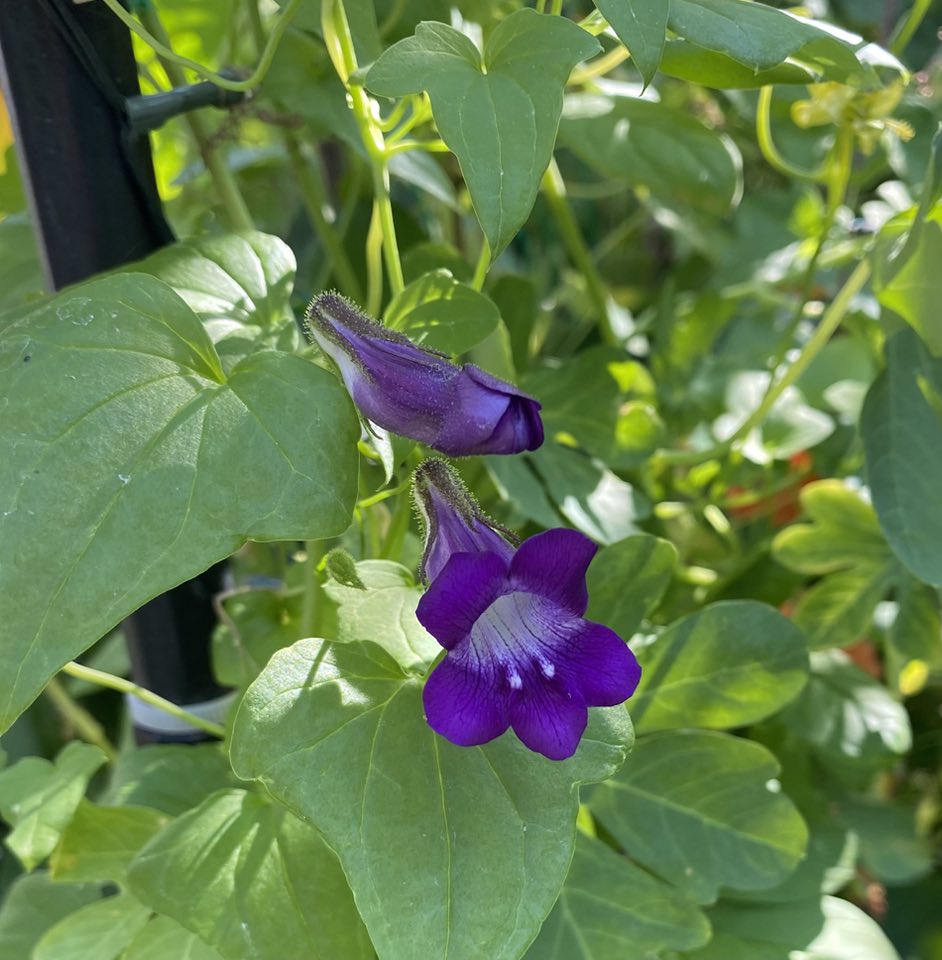
Snapdragon’s unique flower structure requires a bee to push the lower petal open to access nectar inside, which is part of why heavier bumble bees are especially drawn to this plant. Lighter insects often can’t manage the mechanism at all.
That specialized relationship makes snapdragons an interesting addition to a pollinator garden, since they favor certain bee species over others in a way that adds diversity to garden visitors.
Snapdragons prefer full sun to partial shade and cooler temperatures, often blooming best in spring and fall. Deadheading extends their flowering period noticeably.
31. Hyacinth
Hyacinth’s dense flower spikes bloom early in spring, offering a strong fragrance and heavy nectar load right as bees emerge from winter. Purple and blue varieties tend to draw the heaviest bee activity.
The tightly packed florets along each spike let a single bee visit dozens of small blooms without moving far, which makes hyacinth an efficient early-season food source.
Bulbs are planted in fall and need a cold period to bloom properly the following spring. Well-drained soil is essential, since hyacinth bulbs rot easily in soggy conditions.
32. Crimson Clover (Trifolium incarnatum)
Crimson clover produces tall, cone-shaped red flower heads that bees visit enthusiastically, distinguishing it visually from the more common white and red clover found in lawns. It’s often used as a cover crop in agricultural settings.
Its dual role as both a pollinator plant and a soil-improving nitrogen fixer makes it popular among gardeners transitioning a section of yard into a more sustainable, low-input planting.
It grows quickly from seed in full sun and tolerates average soil well. In many regions, it’s planted in fall to bloom the following spring before being mowed or tilled under.
33. Joe-Pye Weed (Eutrochium)
Joe-Pye weed’s large, dusty pink flower clusters bloom in late summer, standing tall enough to be visible from across a garden. USDA pollinator garden guidance specifically names it among top recommended plants.
Its height, often five to seven feet, makes it a striking backdrop plant, while the wide flower clusters give bees an efficient, concentrated feeding area within a single plant.
It prefers moist soil and tolerates partial shade better than many pollinator plants on this list. Rain gardens or low, damp spots in a yard suit it particularly well.
34. Milkweed (Asclepias)
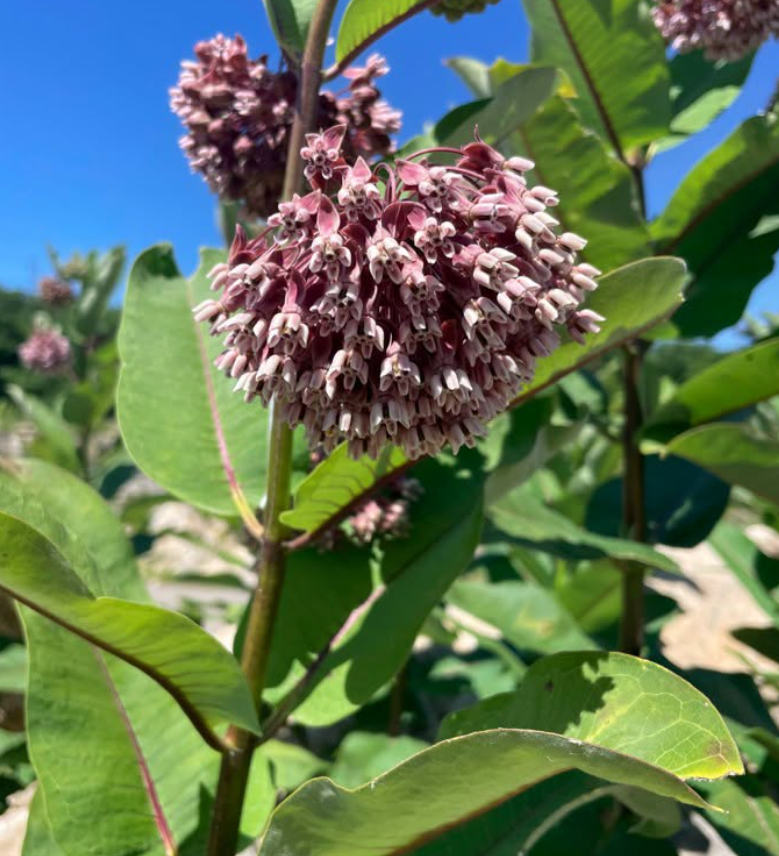
Milkweed is best known as the host plant for monarch butterflies, but its clustered flowers also draw significant bee activity. USDA pollinator garden resources list milkweed among their favorite recommended plants for supporting struggling pollinators broadly.
Different milkweed species suit different growing conditions, from the moisture-loving swamp milkweed to the drought-tolerant butterfly weed, giving gardeners options across a range of site conditions.
Full sun brings out the strongest bloom performance in most milkweed species. Established plants develop deep taproots, so they’re best left undisturbed once planted.
35. Camas (Camassia)
Camas produces tall spikes of star-shaped blue-purple flowers in spring, and it’s specifically listed among Oregon State University Extension’s recommended bee-attracting perennial plants. It’s a native bulb across parts of the western United States.
Its early spring bloom timing provides food for bees at a point in the season when many other perennials haven’t started flowering yet, making it a valuable addition for extending the bloom calendar.
Camas prefers moist soil in spring, followed by drier conditions in summer, mimicking its native meadow habitat. Once established, it naturalizes well and returns reliably year after year.
Tips for Building a Bee-Friendly Garden
- Choose flowers in the colors bees prefer. Blue, purple, yellow, and white blooms are the easiest for bees to spot and navigate toward.
- Plant for continuous bloom. Mixing early spring bulbs, summer perennials, and fall bloomers like aster and goldenrod keeps food available across the whole season, not just a few weeks.
- Avoid pesticides on flowering plants. Even small amounts of residue can harm bees directly or contaminate the pollen and nectar they carry back to their colony.
- Plant in clusters, not single stems. A grouped patch of one species is easier for bees to find and more efficient for them to forage than scattered individual plants.
A pollinator-friendly garden doesn’t have to be large or complicated. Even a modest bed of lavender, coneflower, and sunflowers can noticeably increase bee activity within a single season, and the payoff extends well beyond your own backyard.
References
- Oregon State University, Horticulture Department – 25 Plants Guaranteed to Attract Local Bees: https://horticulture.oregonstate.edu/article/25-plants-guaranteed-attract-local-bees-your-garden
- University of Maryland Extension – Plants That Attract Pollinators and Natural Enemies (PDF): https://extension.umd.edu/sites/extension.umd.edu/files/2021-03/Plants%20that%20attract%20pollinators.pdf
- University of Illinois Extension – Beenificials: Attracting Pollinators to Your Garden: https://extension.illinois.edu/blogs/flowers-fruits-and-frass/2014-05-25-beenificials-rhonda-feree
- Oregon State University Extension – Plants for Pollinators (PDF): https://extension.oregonstate.edu/sites/default/files/documents/12281/pollinatorplants.pdf
- USDA Natural Resources Conservation Service – High Value Pollinator Plants, Dry Sites (PDF): https://www.nrcs.usda.gov/sites/default/files/2022-09/PollinatorListsDry_0.pdf
- USDA – Plant a Window Box for Pollinators, People’s Garden Initiative: https://www.usda.gov/node/12194
- U.S. House Committee on Agriculture – USDA Testimony on Pollinator Health (PDF): https://agriculture.house.gov/UploadedFiles/Johansson.pdf

Tim M Dave is a gardening expert with a passion for houseplants, particularly cacti and succulents. With a degree in plant biology from the University of California, Berkeley, he has vast experience in gardening. Over the years, he has cultivated a vast collection of desert plants and learned a great deal about how to grow and care for these unique companions.