35 Flowers That Deer Won’t Eat (Names, With Pictures)
I have watched a flower bed disappear overnight. One evening the tulips were perfect. By morning, only ragged green stubs remained. If you live near fields, woods, or even a quiet suburb, you may know that feeling well.
The good news is that you can fight back with smart plant choices. Deer are picky eaters, and many beautiful flowers rank low on their menu. This guide covers 35 flowers that deer usually avoid, along with simple tips to help them thrive.
Why Deer Avoid Certain Flowers
Deer are browsers. They sample many plants, but they follow their noses. Plants with strong scents, fuzzy leaves, bitter sap, or toxic compounds usually get skipped.
The numbers show why gardeners struggle. According to the University of Massachusetts, deer feed on over 700 species of plants, yet they still show clear preferences. The Rhode Island Department of Environmental Management says deer may eat more than 500 different species of plants.
The damage adds up. The USDA estimates that total deer damage from auto collisions and crop and timber losses reaches at least $1 billion a year. Home gardens are only a small part of that, but the frustration is real.
An Honest Note: No Plant Is Deer-Proof
I want to be direct with you. No flower is completely deer-proof. A hungry deer will try almost anything, especially in drought or deep winter.
Rutgers Cooperative Extension makes the same point. It rates plants from “Rarely Damaged” to “Frequently Severely Damaged” and notes that success of any of these plants in the landscape will depend on local deer populations and weather conditions.
So treat this list as a strong starting point. Combine it with good habits, which I cover near the end.
Fragrant Flowers Deer Dislike
Deer rely heavily on smell. Strong aromas confuse them and make plants unappealing. These flowers are some of the best first choices.
1. Lavender
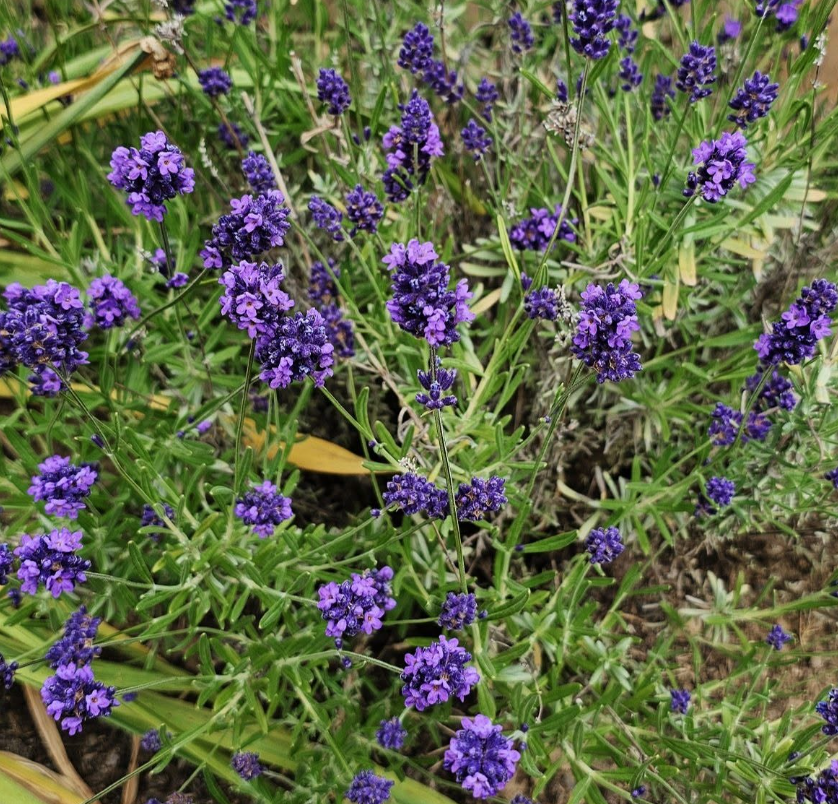
Lavender is a classic for good reason. Its oily, aromatic leaves repel deer, while bees and butterflies love the purple blooms. Penn State Extension’s deer-resistant list places lavender among the “very resistant” plants.
Plant it in full sun with well-drained soil. It hates wet roots, so avoid heavy clay.
Prune lightly after flowering each year. This keeps the plant compact and stops it from turning woody.
2. Russian Sage
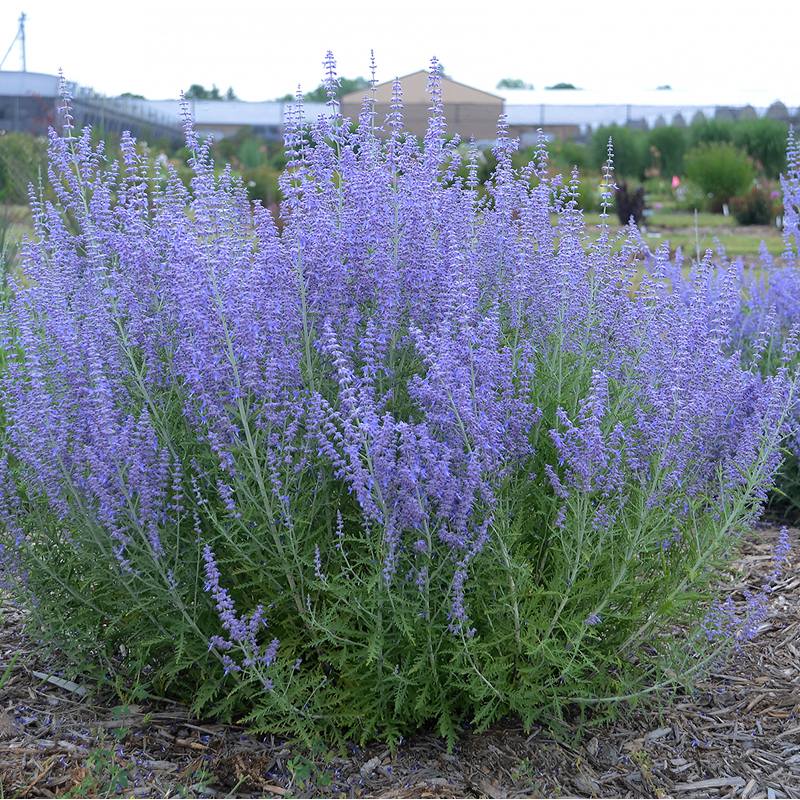
Russian sage forms a cloud of silvery-blue flowers from midsummer until frost. The foliage smells sharp and herbal when crushed. Deer rarely bother it.
Rutgers rates Russian sage in its top category of rarely damaged plants. That makes it one of the safest picks here.
It tolerates heat, drought, and poor soil. I would call it nearly effortless once established.
3. Bee Balm
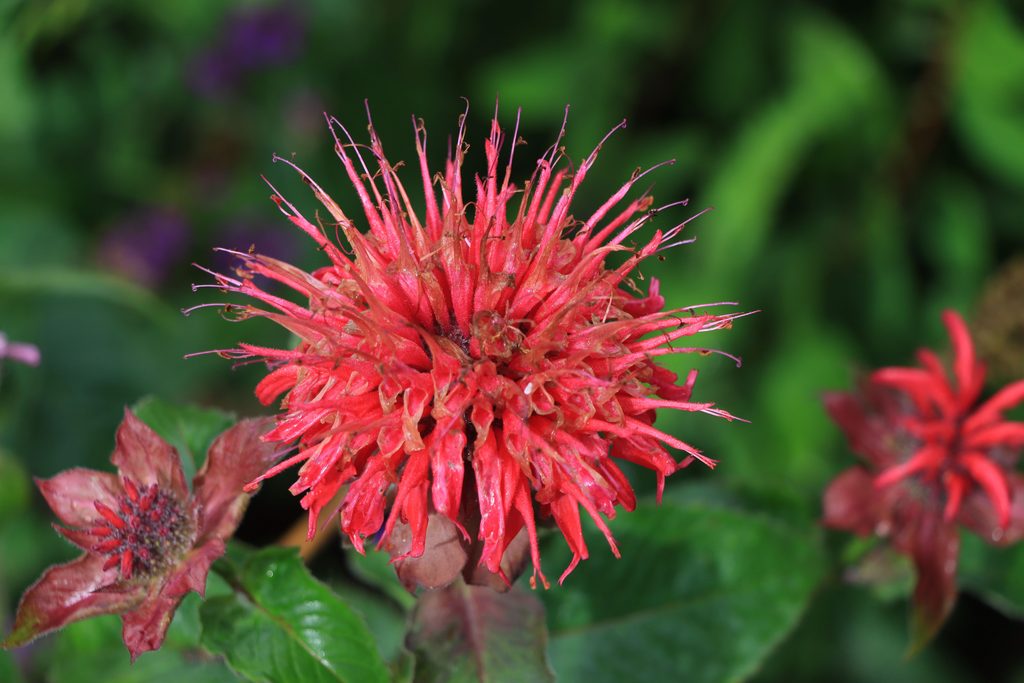
Bee balm (Monarda) has shaggy red, pink, or purple flowers and minty leaves. Hummingbirds visit constantly. Deer usually walk past.
Penn State’s list rates it as moderately resistant. That means it works well, but heavy deer pressure can still cause nibbling.
Give it good air flow to prevent powdery mildew. Divide clumps every few years to keep them vigorous.
4. Catmint
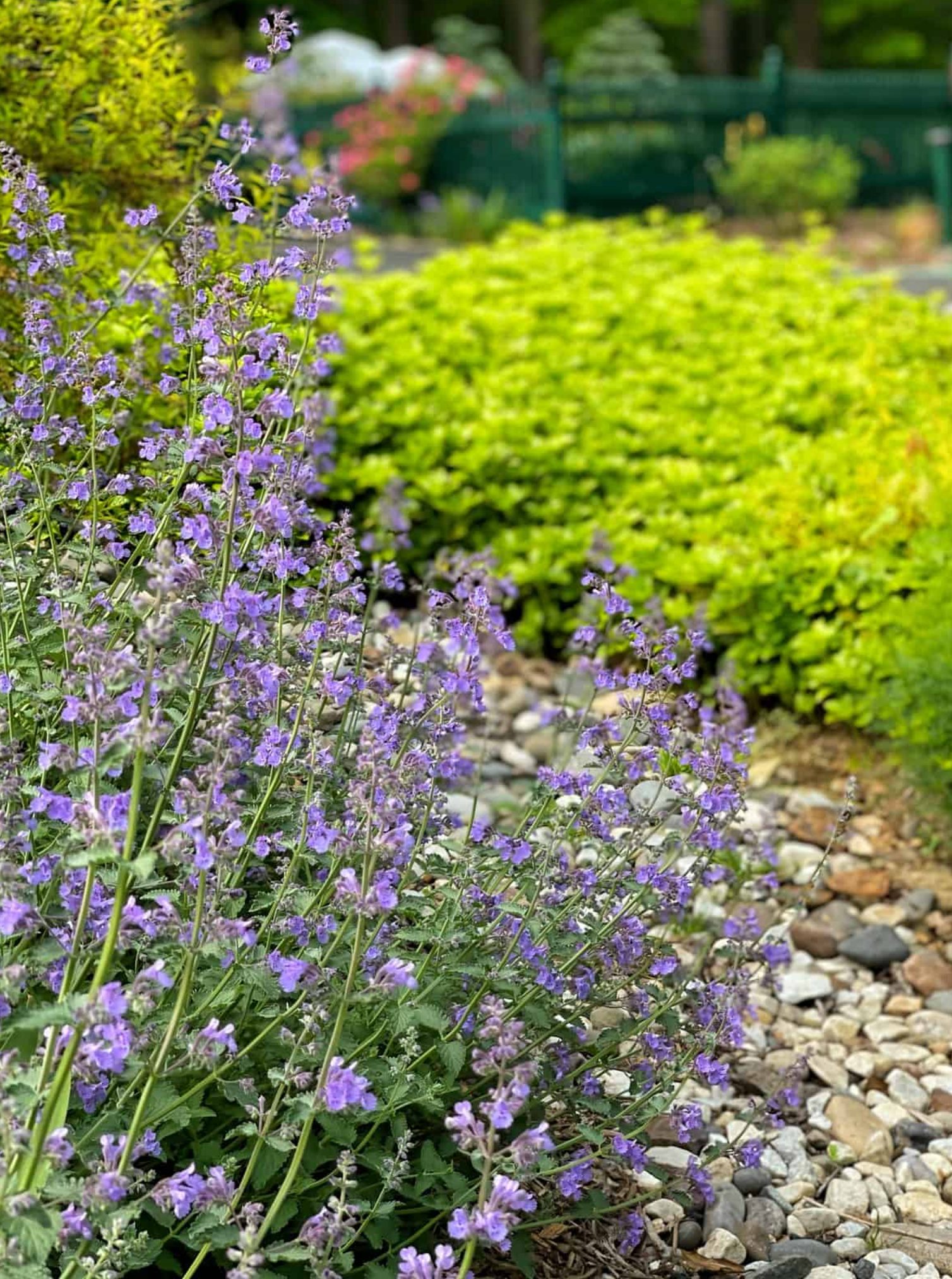
Catmint (Nepeta) offers soft lavender-blue spikes and gray-green, scented leaves. It blooms in waves if you cut it back after the first flush.
Deer dislike the strong minty smell. Rabbits often skip it too, which is a welcome bonus.
It spreads gently and fills gaps in borders. It also makes a lovely edging along paths.
5. Salvia
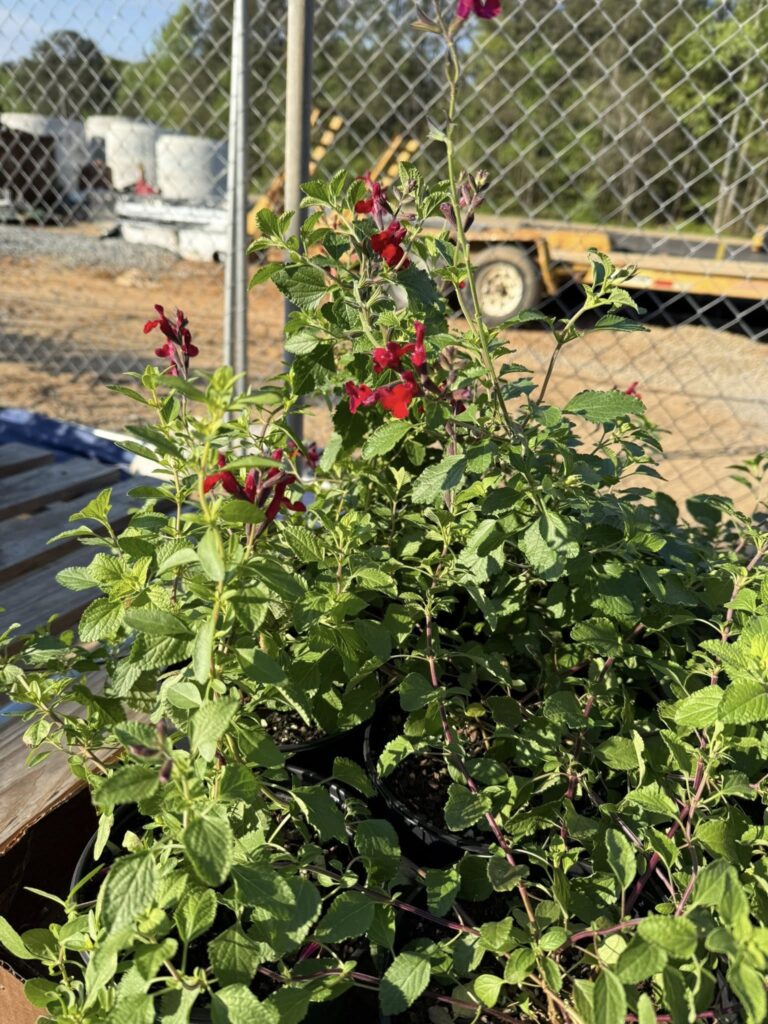
Salvia includes many garden favorites, from tall perennial types to colorful annuals. Their leaves are aromatic and slightly rough. Deer tend to leave them alone.
Rutgers lists meadow sage (Salvia nemorosa) as seldom severely damaged. That is a solid rating for a plant this showy.
Plant it in full sun. Deadhead spent spikes to encourage a second round of bloom.
6. Anise Hyssop
Anise hyssop (Agastache) produces purple flower spikes and leaves that smell like licorice. Pollinators adore it, and deer do not.
Rutgers places it in the rarely damaged group. It is also edible, so you can use the leaves in tea.
It self-seeds freely. Pull extra seedlings in spring if you want to control spread.
7. Yarrow
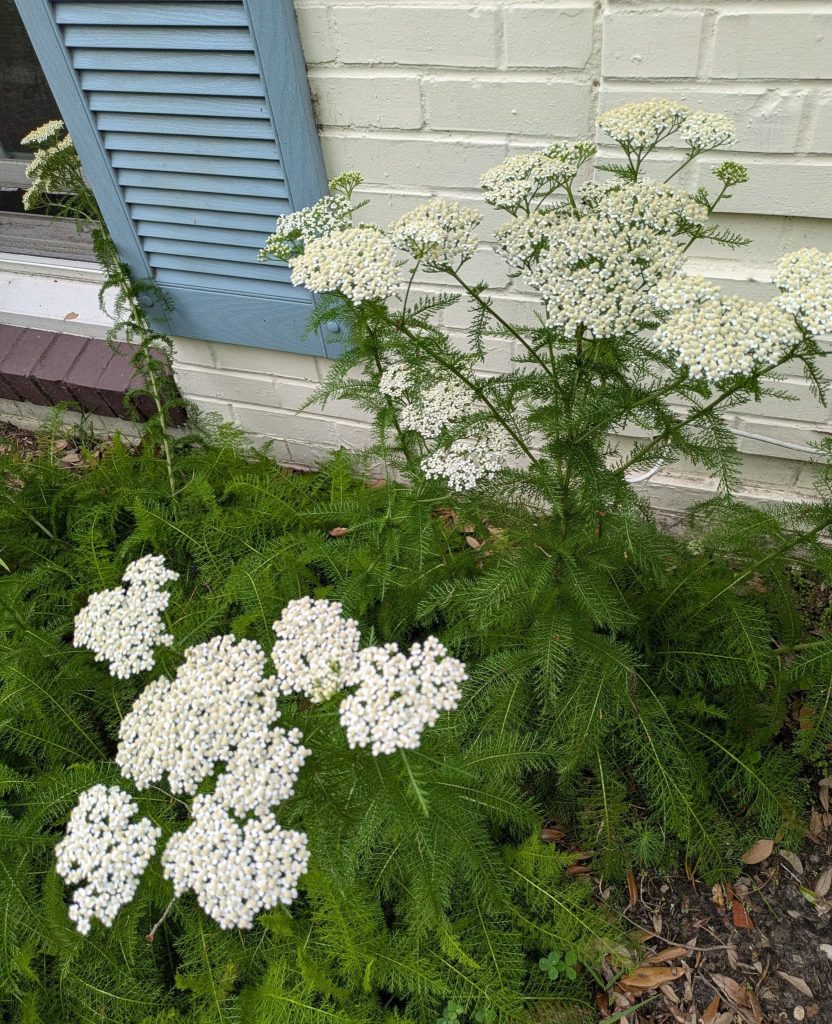
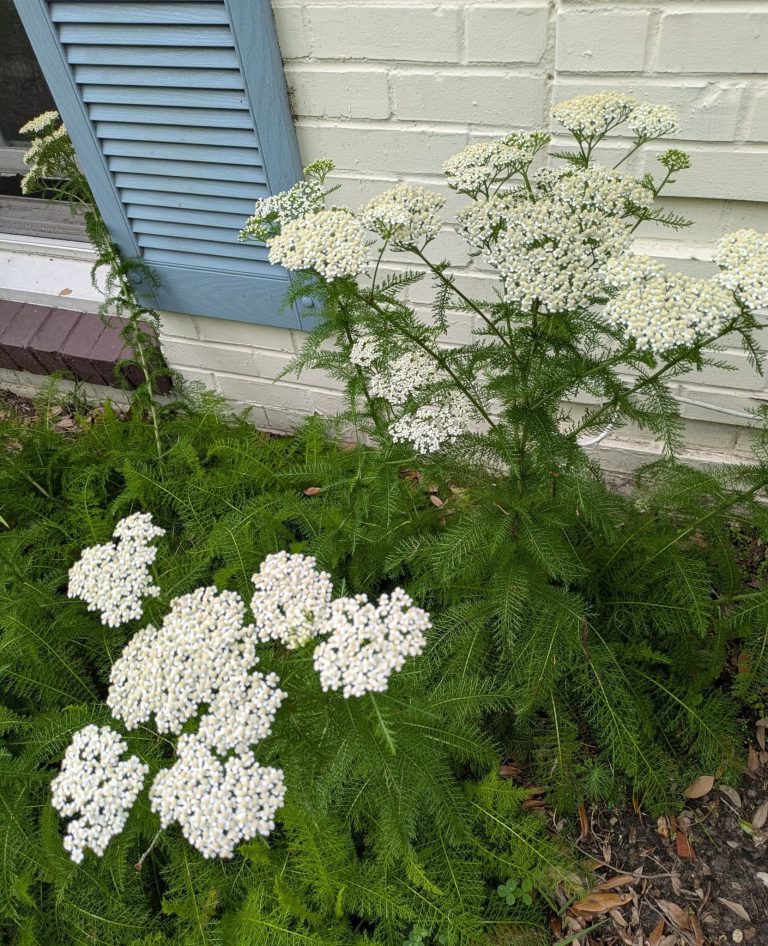
Yarrow (Achillea) has flat clusters of flowers and fern-like leaves with a pungent scent. It blooms in yellow, white, pink, and red.
Penn State rates it as moderately resistant. In my view, it is among the toughest plants for dry, sunny spots.
Avoid rich soil and heavy fertilizer. Yarrow stays sturdier when it is a little neglected.
Spring Bulbs Deer Leave Alone
Tulips are a deer favorite, and Rutgers rates them Frequently Severely Damaged – D. Thankfully, several other bulbs offer color without the heartbreak.
8. Daffodil
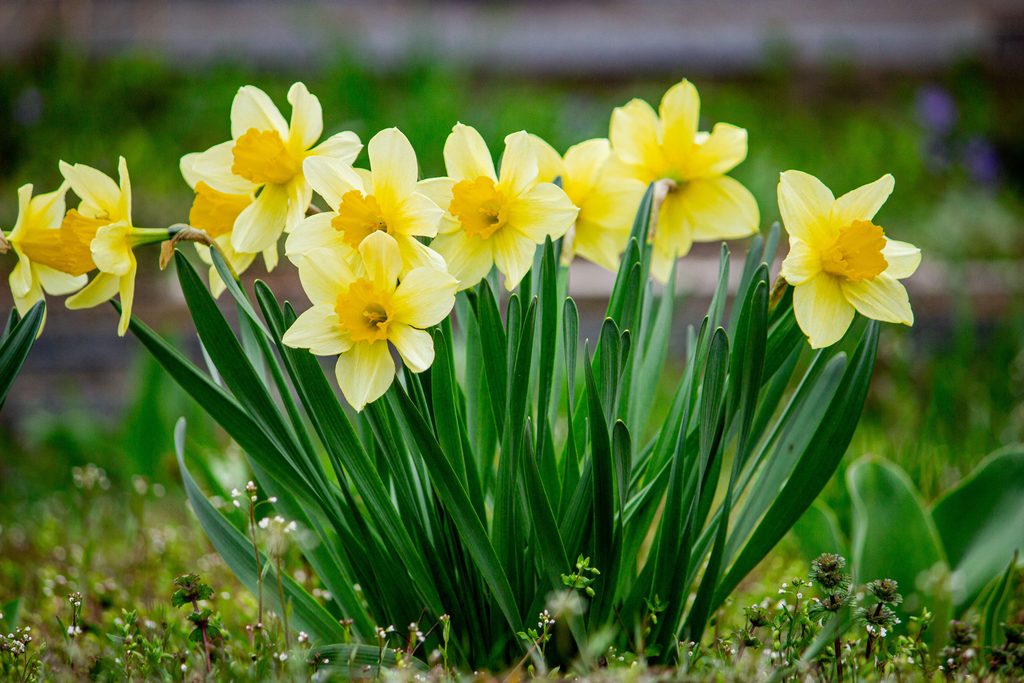
Daffodils are the gold standard for deer-resistant bulbs. They contain lycorine, a bitter compound that animals avoid. Colorado State University notes that members of the Narcissus genus (daffodils) are a popular choice because deer tend to avoid them.
Plant bulbs in autumn, about three times as deep as the bulb is tall. They return and multiply each spring.
Keep in mind that all parts are toxic if eaten. Plant them away from areas where pets dig.
9. Ornamental Allium
Alliums produce round purple globes on tall stems in late spring. They belong to the onion family, and deer dislike the oniony smell.
Even small varieties like chives work well. Plant a few clumps among tender perennials as a natural shield.
They thrive in full sun and well-drained soil. Let the leaves yellow naturally after bloom so the bulb can recharge.
10. Grape Hyacinth
Grape hyacinths (Muscari) form tiny clusters of blue, bell-shaped flowers. They bloom early and naturalize into charming drifts.
Deer typically ignore them. Squirrels and voles also tend to leave them alone.
Plant them under trees or along walkways. A hundred bulbs cost very little and make a big impact.
ALSO READ: 25 Flowers That Repel Mosquitoes (With Growing Details)
11. Siberian Squill
Siberian squill (Scilla siberica) offers intense blue, nodding flowers in early spring. It is one of the first colors to appear after winter.
Rutgers lists it as Rarely Damaged – A. That is the top rating on its scale.
It spreads by seed and makes a beautiful carpet. Plant it in lawns or woodland edges.
12. Snowdrop
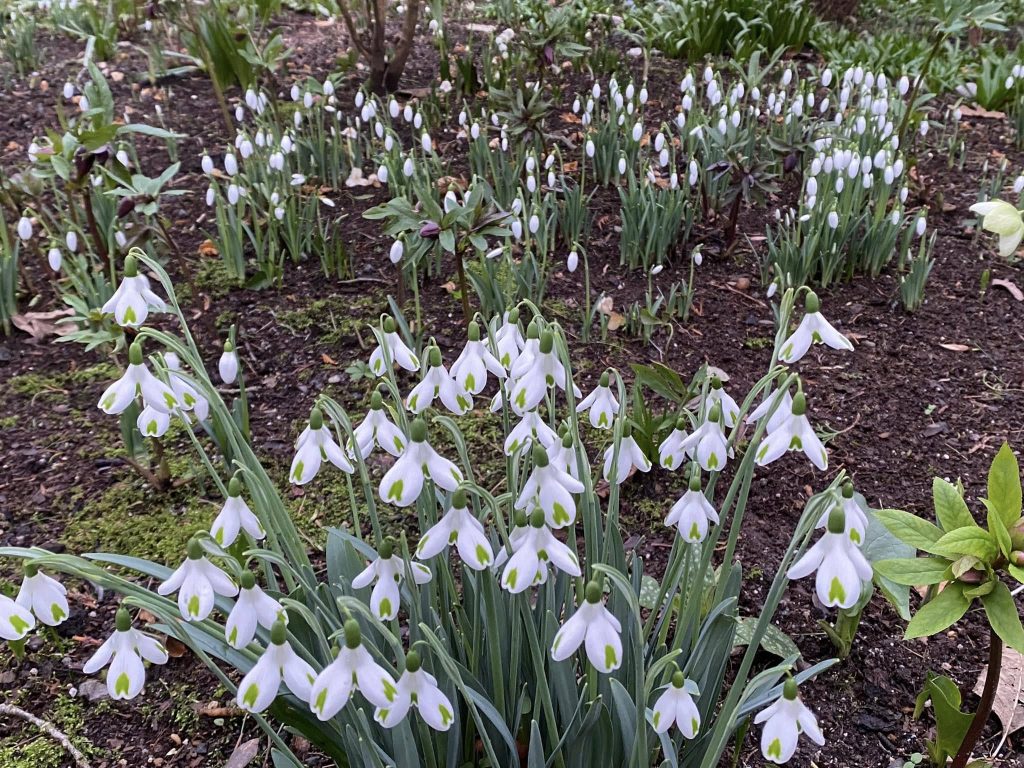
Snowdrops (Galanthus) push through snow with small white, drooping blooms. They are among the earliest flowers of the year.
Deer avoid them because the bulbs contain bitter alkaloids. They are also safe from most rodents.
Plant them in partial shade and leave them undisturbed. They slowly form larger, healthier clumps over time.
13. Bluebell
Bluebells bring woodland charm with soft blue bells in spring. Rutgers lists bluebell (Endymion) in its Rarely Damaged – A category.
They like shade and moist, humus-rich soil. They look wonderful beneath deciduous trees.
Choose your species with care in regions where certain bluebells are invasive. Your local extension office can advise you.
Perennials with Fuzzy, Bitter, or Toxic Foliage
Deer dislike the texture of hairy leaves. They also steer clear of plants that taste bad. These perennials return year after year.
14. Lamb’s Ears
Lamb’s ears (Stachys byzantina) have soft, silvery leaves that feel like felt. Deer find the fuzzy texture unpleasant.
Children love touching them, which makes this a great family garden plant. The pale foliage also brightens dark corners.
Give it good drainage and space. Remove wet, rotting leaves in humid weather.
15. Foxglove
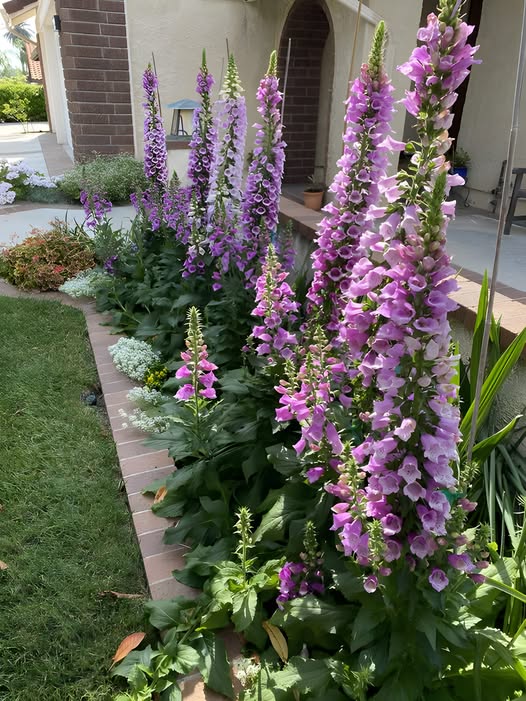
Foxglove (Digitalis) towers over borders with tall spikes of tubular flowers. All parts contain toxic compounds, so deer avoid it.
That same toxicity matters for people. Wear gloves when handling it and keep it away from curious children and pets.
It is biennial, but it self-seeds readily. You will usually enjoy new plants each year.
16. Bleeding Heart
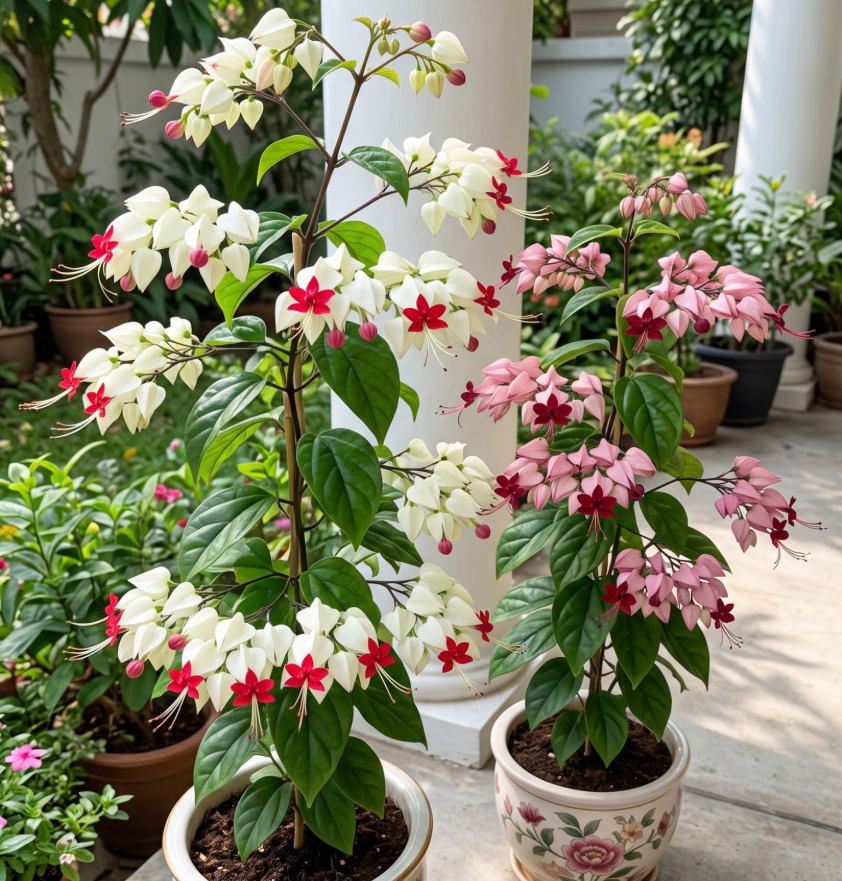
Bleeding heart (Dicentra spectabilis) dangles pink, heart-shaped blossoms along arching stems. It thrives in shade, where few flowers do.
Rutgers rates it in its top category for deer resistance. I find it one of the most romantic spring perennials.
The foliage fades by midsummer. Tuck hostas or ferns nearby to fill the gap.
17. Hellebore
Hellebores bloom in late winter, often while snow still lingers. Their nodding flowers come in cream, pink, plum, and green.
Every part of the plant is bitter and mildly toxic. Deer and rabbits both leave them alone.
They prefer shade and rich soil. Once planted, they can live for decades without fuss.
18. Peony
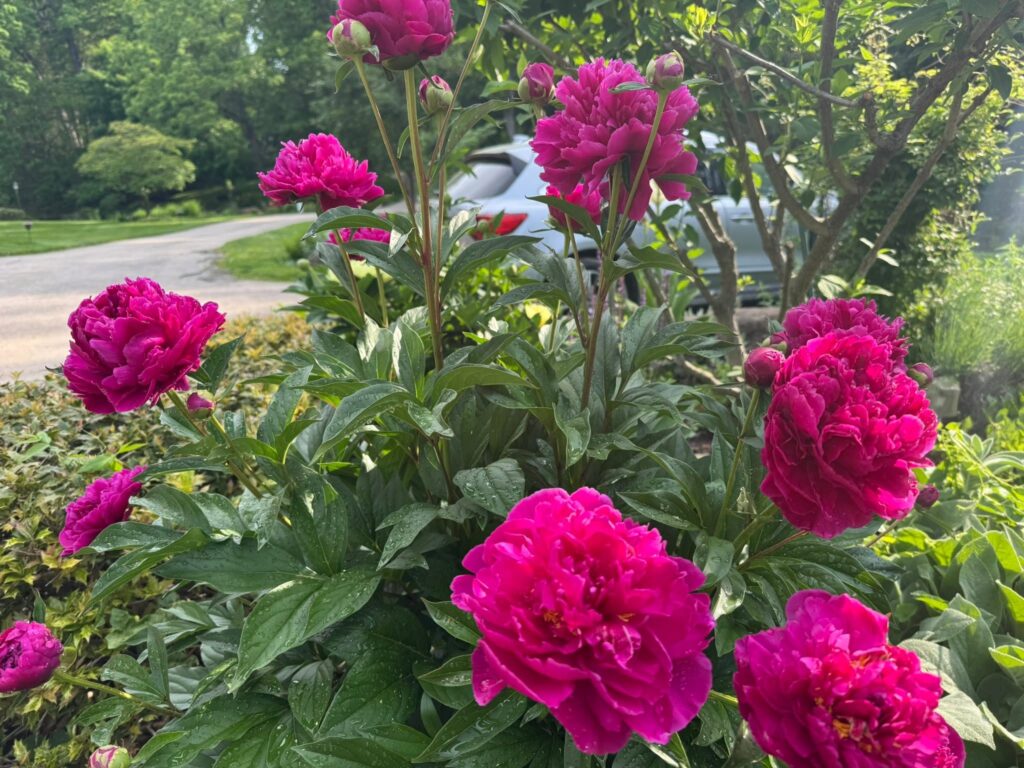
Peonies produce huge, fragrant blooms in late spring. Their leaves and buds are not appealing to deer.
Some gardeners report occasional nibbling on young shoots. Mature plants are usually safe.
Plant the roots shallowly, no more than two inches below the surface. Deep planting is the top reason peonies fail to bloom.
19. Columbine

Columbine (Aquilegia) has delicate, spurred flowers that hummingbirds love. The foliage is slightly bitter.
It grows well in partial shade and self-seeds gently. Over time, you may see surprise color combinations.
Leaf miners can leave pale trails on the leaves. Simply trim and discard affected foliage.
20. Iris
Iris offers dramatic blooms in nearly every color. The rhizomes and leaves contain compounds that deter deer.
Bearded iris likes full sun and dry feet. Siberian iris tolerates wetter spots.
Handle with gloves, as the sap can irritate skin. Divide crowded clumps every three to four years.
21. Delphinium
Delphinium sends up tall spires of blue, purple, or white flowers. The plant is toxic, which is why deer avoid it.
It makes a stunning backdrop in cottage-style borders. Stake the tall stems before windy weather arrives.
Keep it away from livestock and pets. Like foxglove, it demands respect.
22. Lupine
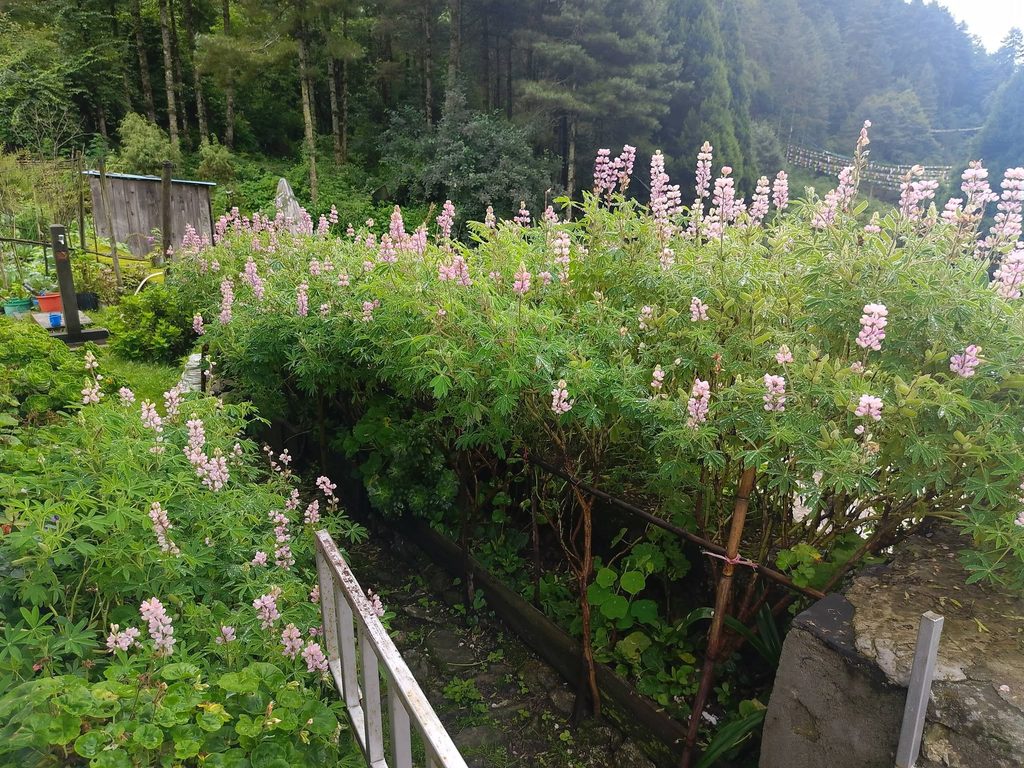
Lupines have colorful flower spikes and distinctive, star-shaped leaves. Rutgers rates lupine (Lupinus) as Seldom Severely Damaged – B.
They love cool summers and slightly acidic soil. In hot climates, they may struggle.
Do not move them once established. Their deep taproots dislike disturbance.
23. Baptisia
Baptisia, also called false indigo, is a tough native with blue flower spikes. It grows into a sturdy, shrub-like clump.
Deer avoid its bitter foliage. It also resists drought and needs almost no care.
Be patient, because it can take two or three years to bloom well. Once it does, it lasts for decades.
Sun-Loving Wildflowers and Prairie Favorites
These tough flowers handle heat and poor soil. They also give pollinators a long season of nectar.
24. Purple Coneflower
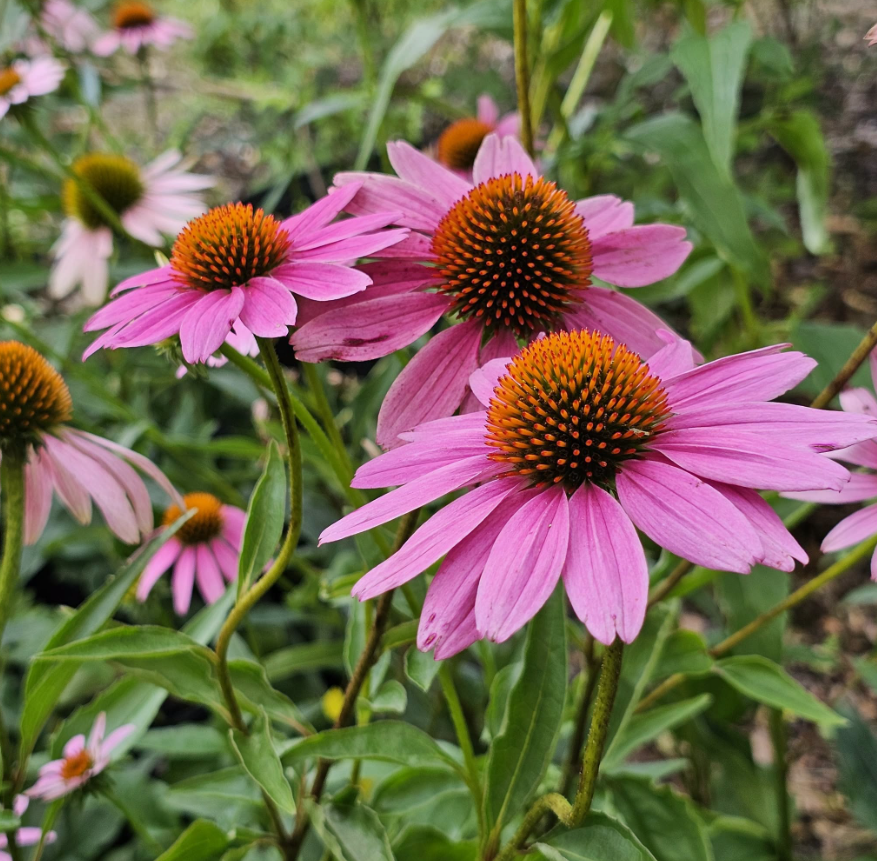
Purple coneflower (Echinacea) is a prairie icon with daisy-like petals and a spiky center. Penn State lists Echinacea angustifolia among its very resistant plants.
The prickly, rough texture puts deer off. Goldfinches love the seed heads in autumn.
Leave the dried heads standing through winter. They feed birds and add structure to the garden.
25. Coreopsis
Coreopsis, or tickseed, bursts with golden-yellow blooms from early summer to frost. Threadleaf types have fine, airy foliage.
Penn State rates it as moderately resistant. In my experience, it holds up well unless deer are starving.
Shear plants back by one-third after the first flush. That triggers a fresh round of flowers.
26. Blanket Flower
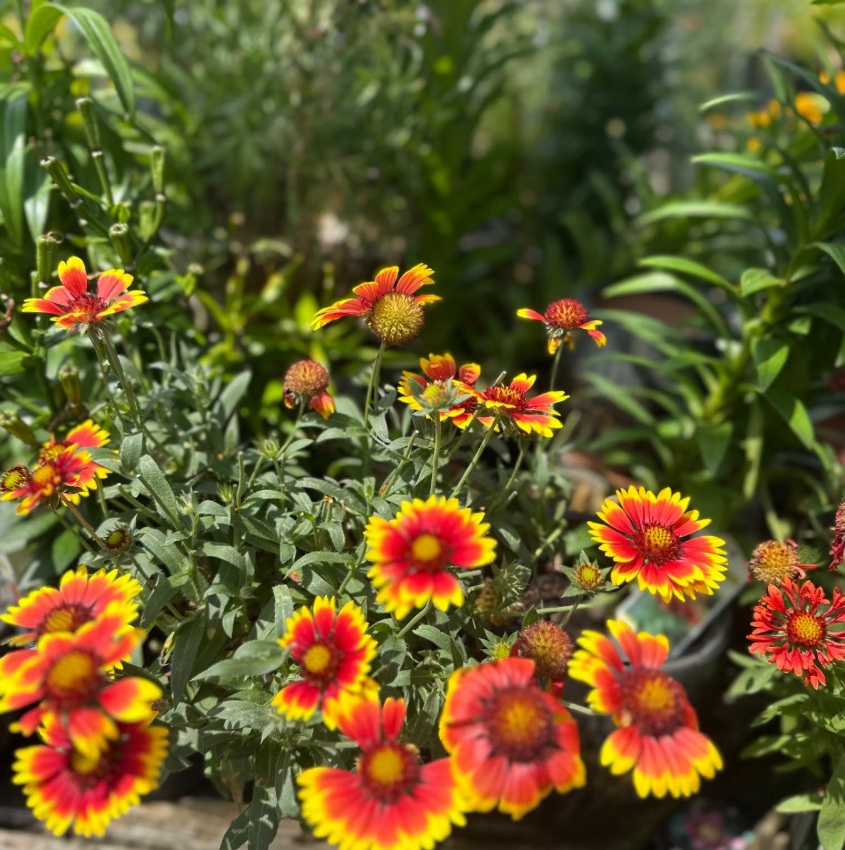
Blanket flower (Gaillardia) has fiery red-and-yellow daisies that bloom for months. The leaves are slightly hairy and rough.
It thrives in heat and poor soil. Overwatering will shorten its life.
Deadhead regularly for continuous color. It is a favorite of butterflies and bees.
27. Butterfly Weed
Butterfly weed (Asclepias tuberosa) glows in bright orange. It is a vital host plant for monarch caterpillars.
The milky sap contains compounds that animals find unpleasant. Deer generally avoid it.
Be patient, since it emerges late in spring. Mark its spot so you do not dig it up by mistake.
28. Poppy
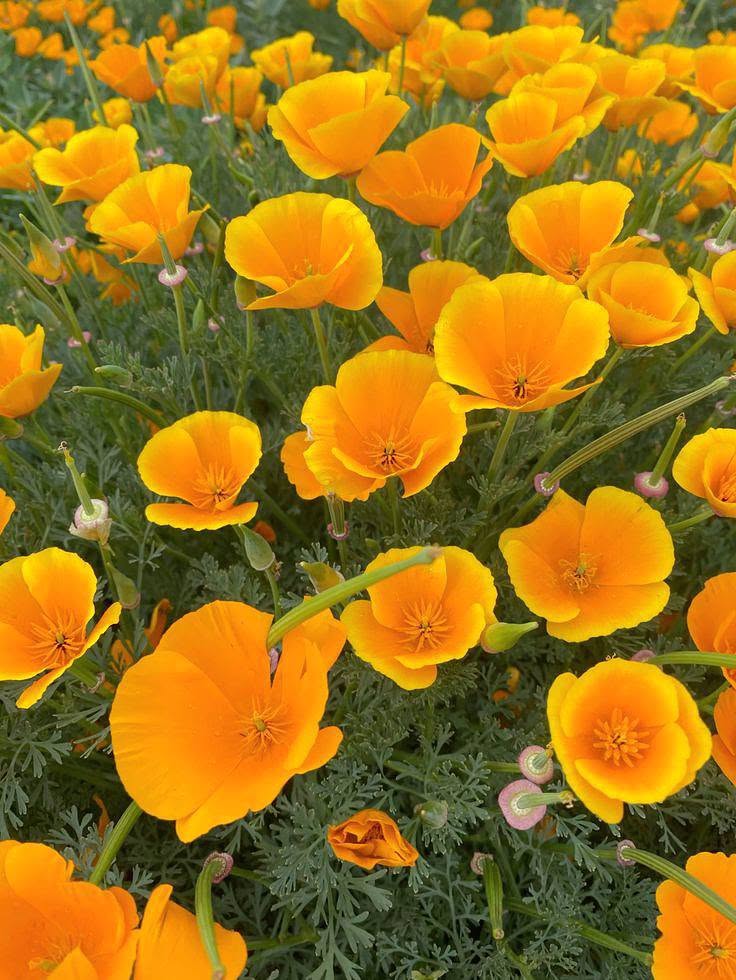
Poppies bring silky, papery blooms in red, orange, pink, and white. Their sap is bitter and mildly toxic.
Deer rarely touch them. They also reseed easily, creating natural drifts.
Sow seeds directly in the ground, as poppies hate transplanting. Scatter them in early spring or late fall.
Colorful Annuals Deer Typically Skip
Annuals give instant color for pots and borders. These options are reliable and easy to find.
29. French Marigold
Marigolds (Tagetes) have a pungent smell that many mammals avoid. Penn State lists them as moderately resistant.
They bloom from spring until frost in bright yellow, orange, and red. Plant them as a border around vegetables or favorite flowers.
Deadhead for more blooms. They thrive in full sun and average soil.
30. Snapdragon
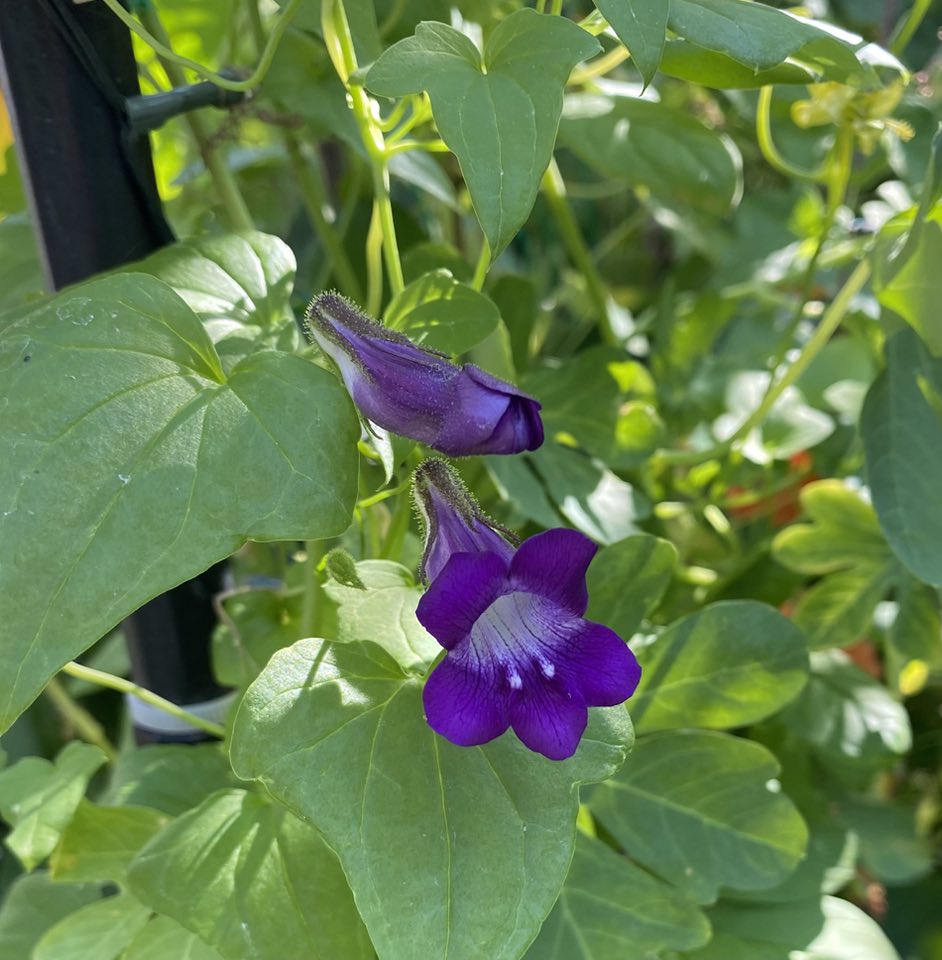
Snapdragons (Antirrhinum) have tall spikes of colorful, dragon-mouth blooms. Rutgers rates snapdragon as Rarely Damaged – A.
Kids enjoy gently squeezing the flowers to make them “talk.” They work well in cut-flower gardens.
Plant them in cool weather, since heat reduces blooming. Pinch young plants for a bushier shape.
31. Ageratum
Ageratum forms fluffy mounds of blue, lavender, or white flowers. Rutgers rates it as rarely damaged, and Penn State lists it among very resistant plants.
It is a dependable edging plant. It also keeps flowering with little attention.
Water during dry spells. Avoid overhead watering to prevent mildew.
32. Annual Vinca
Annual vinca (Catharanthus roseus) tolerates heat and humidity better than most flowers. Rutgers rates it as rarely damaged.
Glossy leaves and bright blooms make it a favorite for hot patios. It needs very little water.
Plant it after the soil warms. Cold, wet soil can cause root problems.
33. Sweet Alyssum
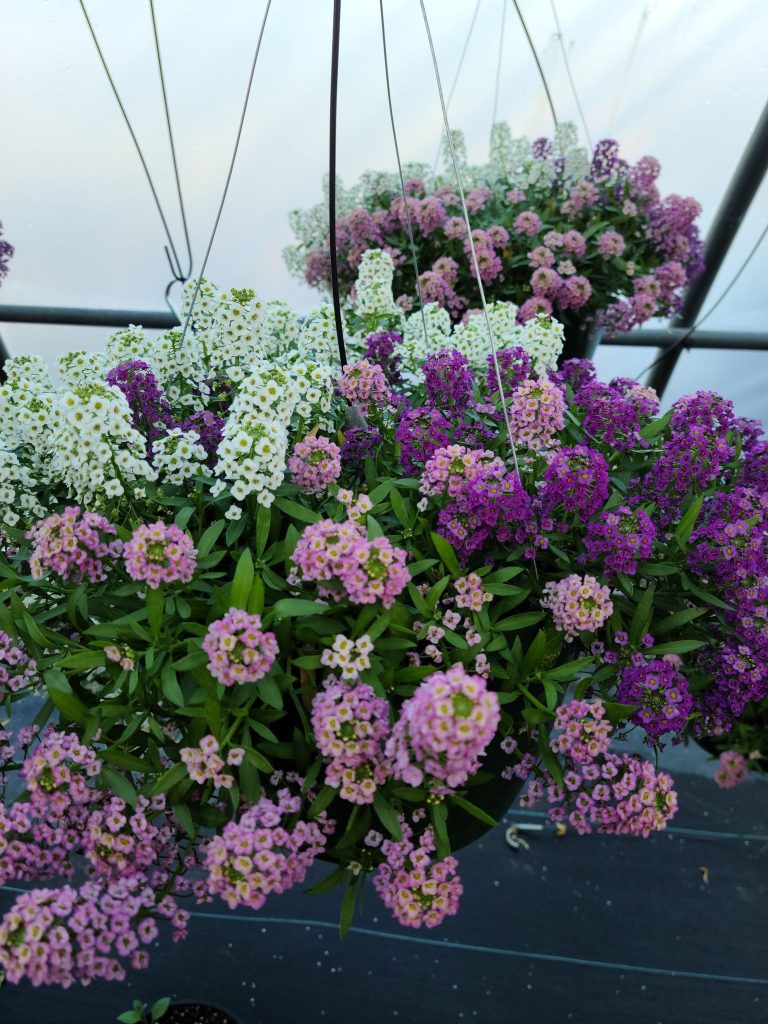
Sweet alyssum forms low mats of tiny, honey-scented flowers. It is perfect at the edge of beds and containers.
University of Minnesota Extension guidance, shared through Ask Extension, lists it among deer-resistant annuals. It attracts hoverflies that help control aphids.
Trim it back in midsummer to refresh growth. It often rebounds with a second flush in fall.
Shade and Groundcover Choices
Shady gardens can be a deer buffet. These plants bring beauty without the grazing.
34. Lily of the Valley
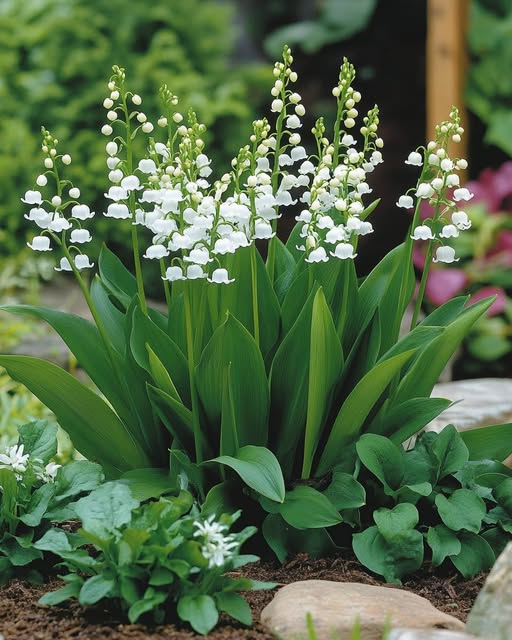
Lily of the valley (Convallaria majalis) offers tiny, fragrant white bells in spring. It spreads to form a dense groundcover.
All parts are poisonous, so deer avoid it. That same quality means you must keep it away from children and pets.
It can spread aggressively. Plant it where it has room to roam, or use edging.
35. Cranesbill Geranium
Cranesbill geraniums are hardy perennials, not the pot geraniums sold as annuals. They produce saucer-shaped blooms in blue, pink, and purple.
The leaves have a distinct scent that deer dislike. Extension specialists often recommend them for deer-prone areas.
They tolerate sun or part shade. Cut them back after the main bloom for fresh foliage.
ALSO READ: 25 Flowers That Survive Winter Outside (With Pictures, and Details)
How to Make Your Deer-Resistant Garden Even Stronger
Plant choice is only part of the answer. A few smart habits make a big difference.
Use fragrant plants as a border. Surround more tempting plants with lavender, catmint, or marigolds. Deer often avoid the whole area when the edge smells strong.
Go easy on fertilizer. Heavy feeding creates lush, tender growth. The Rhode Island DEM notes that fertilizer can make plants more palatable to deer.
Protect young plants. New plantings are the most vulnerable. Cover them with netting or cages until they mature.
Consider fencing. The Illinois and Cornell-based advice repeated across extension services is consistent: exclusion works best. A tall fence, ideally eight feet, is the most dependable barrier.
Try repellents, with realistic hopes. North Carolina State Extension says research on repellents has been inconclusive. They can help if applied early and after rain, but they are not a guarantee.
Plant in groups. Mass plantings make a stronger scent barrier than single plants. They also look better.
Mistakes to Avoid
Many gardeners lose plants because of small errors. Watch for these.
First, do not trust the label “deer-proof.” Nurseries use it loosely, and local deer may behave differently.
Second, avoid planting favorites like tulips, hostas, and roses without protection. Deer love them.
Third, remember that drought changes everything. When natural food runs short, deer sample plants they normally avoid.
Final Thoughts
A deer-resistant garden does not have to be dull. As this list shows, you can enjoy fragrant lavender, glowing daffodils, towering foxglove, and bright marigolds without constant worry.
My advice is simple. Start with a few reliable plants, observe what your local deer do, and expand from there. Every neighborhood is different, and a little trial and error goes a long way.
If you are unsure, call your local cooperative extension office. They know the deer, soil, and climate in your area. With patience and the right plants, your garden can flourish alongside the wildlife.
References
- Rutgers New Jersey Agricultural Experiment Station. Landscape Plants Rated by Deer Resistance. https://njaes.rutgers.edu/deer-resistant-plants/
- University of Massachusetts Amherst, Center for Agriculture, Food and the Environment. White-Tailed Deer and the Landscape. https://www.umass.edu/agriculture-food-environment/landscape/fact-sheets/white-tailed-deer-landscape
- North Carolina State University Extension, Lee County. Reducing Deer Damage in the Landscape. https://lee.ces.ncsu.edu/2026/02/reducing-deer-damage-in-the-landscape-2
- Rhode Island Department of Environmental Management. Reducing Deer Damage in Your Garden. https://dem.ri.gov/sites/g/files/xkgbur861/files/2024-03/deerdamg.pdf
- Pennsylvania Game Commission (Penn State Cooperative Extension). Deer-Resistant Plants. https://www.pgc.pa.gov/Wildlife/WildlifeSpecies/White-tailedDeer/Documents/Deer%20Resistant%20Plants.pdf
- University of Connecticut. Deer Control Options (ATTRA publication). https://foodsafety.media.uconn.edu/wp-content/uploads/sites/3280/2022/01/Deer-Control.pdf
- Purdue University Extension Master Gardener Program. Resistance of Ornamentals to Deer Damage. https://www.purdue.edu/hla/sites/master-gardener/?p=534

Tim M Dave is a gardening expert with a passion for houseplants, particularly cacti and succulents. With a degree in plant biology from the University of California, Berkeley, he has vast experience in gardening. Over the years, he has cultivated a vast collection of desert plants and learned a great deal about how to grow and care for these unique companions.