17 Herbs That Grow Well in Shade (With Growing Details)
I used to believe a herb garden needed blazing sun all day, every day. Then I moved into a home with a north-facing yard shaded by two mature oaks, and I had to rethink everything I thought I knew.
Here is the good news: you don’t need full sun to grow herbs. Many leafy, aromatic varieties actually prefer a break from harsh afternoon rays. Some even taste better and bolt less when grown in the shade.
According to University of Missouri Extension, herb oils (the compounds responsible for flavor) are produced in the highest quantity when plants get six to eight hours of full sun. But that same source notes several herbs, including angelica, sweet woodruff, and sweet cicely, actually grow better in partial shade.
This article walks you through 17 of the best shade-friendly herbs, how much light each one truly needs, and how to help them flourish.
Understanding Shade Before You Plant
Not all shade is equal, and knowing the difference saves you from disappointment later.
Partial shade means a spot gets roughly three to six hours of direct sun daily, usually in the morning. Dappled shade happens under tree canopies, where light filters through leaves in shifting patches. Full shade describes areas with no direct sun at all, often behind buildings or under dense conifers.
Most culinary herbs tolerate partial or dappled shade reasonably well. Very few, however, will produce a strong harvest in full shade. Matching the herb to the right shade type is the single biggest factor in your success.
17 Herbs That Grow Well in Shade
I’ve grouped these by how forgiving they are of low light, starting with the toughest performers.
1. Mint
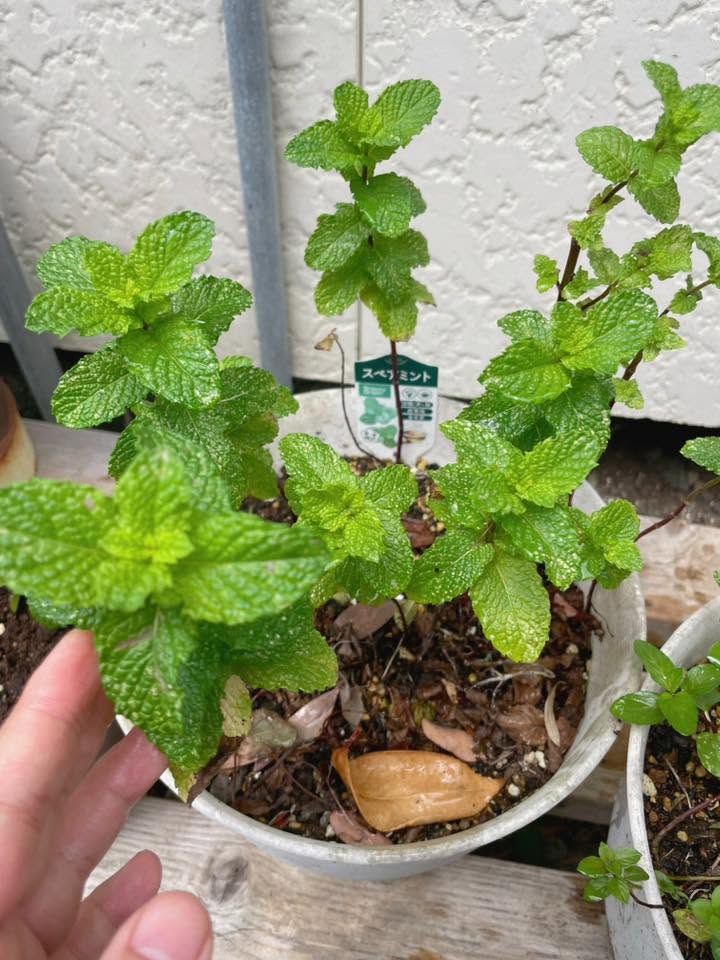
Mint is arguably the easiest herb to grow in shade, and I say that as someone who has tried (and failed) to keep it contained. Utah State University Extension notes that mint grows best in full sun to partial shade and tolerates temperatures as low as -20°F.
It thrives in cool, moist spots, which makes dappled shade under a tree almost ideal. Just be warned: mint spreads aggressively through underground runners.
Grow it in a container or a bottomless pot sunk into the ground to keep it from taking over your whole bed. Regular harvesting keeps the plant bushy and productive.
Peppermint and spearmint are the most forgiving varieties for beginners working with limited light.
READ MORE ON: 35 Types of Mint Plants (Varieties Worth Growing, With Pictures)
2. Lemon Balm
Lemon balm belongs to the mint family, and it shares that family’s love of cooler, shadier corners. Its lemon-scented leaves make a calming tea, and I find crushing a leaf between my fingers instantly lifts my mood.
This herb genuinely prefers shady, cooler spots over blazing sun. Give it moist, well-drained soil and it will reward you generously.
Like mint, lemon balm can become invasive if left unchecked. Contain it in a pot or use a physical root barrier in the ground.
Pinch back the stems regularly to encourage denser, fuller growth throughout the growing season.
3. Chives
Chives are a no-fuss perennial from the onion family, and they tolerate a wide range of light conditions, including partial shade. USDA hardiness data places them comfortably in zones 3 through 9.
While they flower best in full sun, the leaves stay tender and flavorful even with reduced light. That makes chives one of the most forgiving shade herbs for edging a raised bed.
Snip the grass-like leaves regularly to encourage fresh growth. The purple-pink blossoms are edible too, and they make a lovely garnish.
Divide the clumps every couple of years to keep the plant vigorous and healthy.
4. Parsley
Parsley genuinely thrives in partial shade, and cooler roots often make the leaves taste sweeter and milder. It grows well in USDA zones 4 through 9, particularly across the Midwest and Northeast.
I’ve grown both curly and flat-leaf (Italian) parsley in a shaded corner of my patio, and neither variety complained. It simply grew a touch slower than in full sun.
Keep the soil consistently moist and mulch around the base to keep roots cool. This step matters more in shade than in sun, since shaded soil can dry unevenly near tree roots.
Harvest the outer leaves first, working from the outside in, to keep the plant producing new growth.
5. Cilantro (Coriander)
Cilantro is notoriously fussy in heat, and that fussiness is exactly why shade helps it. Partial to light shade slows down bolting, the process where the plant flowers early and turns bitter.
Growagoodlife notes that shade offers real protection against bolting for herbs like cilantro, extending your usable harvest window considerably. In hot climates, this single fact can double how long you get fresh leaves.
Plant cilantro in moist, well-draining soil and avoid letting it dry out completely. Succession planting every two to three weeks keeps a steady supply coming.
If your garden runs hot in summer, shade might be the only way to grow cilantro successfully at all.
6. Chervil
Chervil is a delicate, cool-season annual with soft, fern-like leaves and a subtle anise flavor. It genuinely prefers shade over strong sun, especially as temperatures climb.
This herb is best used fresh, since drying strips away most of its flavor. I like tossing a handful into salads or folding it into a simple herb butter.
Sow seeds directly into shaded soil in early spring, or again in late summer for a fall crop. Chervil dislikes being transplanted, so direct sowing works best.
Combine it with chives, tarragon, and parsley for a classic French herb blend called fines herbes.
7. Sweet Woodruff
Sweet woodruff is a low-growing perennial that genuinely prefers shady, woodland conditions. Its whorled leaves and tiny white flowers make it as ornamental as it is useful.
Penn State’s PlantVillage project lists sweet woodruff among the small group of herbs better suited to shade than sun. It spreads gently to form an attractive groundcover beneath trees and shrubs.
Harvest the leaves just as flowering begins, when the sweet, hay-like scent is strongest. Dried sweet woodruff is traditionally used to flavor May wine in parts of Europe.
It needs consistently moist, humus-rich soil, much like the forest floor it naturally grows in.
ALSO READ: 30 Types of Herbs (With Growing Details)
8. Angelica
Angelica is a dramatic, statuesque herb that can reach six feet tall, and it genuinely prefers partial shade over full sun exposure. University of Missouri Extension names it as one of the few herbs that actually performs better out of direct light.
Its hollow stems have historically been candied and used in baking, while the leaves flavor teas and liqueurs. I find it adds real height and structure to a shaded herb bed.
Angelica needs rich, consistently moist soil to support its size. It’s a biennial, meaning it flowers and sets seed in its second year, then dies back.
Give it plenty of space, since a mature plant can spread nearly as wide as it is tall.
9. Sweet Cicely
Sweet cicely is one of the true shade specialists on this list, requiring very little direct sunlight to grow well. Rural Sprout notes it can be planted in deeply shaded areas, even beneath conifer trees or along a north-facing wall.
Its feathery leaves carry a mild anise flavor, and the plant produces white, lacy flowers in spring. I appreciate how it fills awkward, gloomy corners that most herbs simply refuse to grow in.
This herb prefers cool, moist, woodland-type soil rich in organic matter. Once established, it self-seeds readily, so you may find volunteers popping up nearby.
Use the leaves fresh in salads, or add the aniseed-flavored seeds to baked goods.
10. Bee Balm (Wild Bergamot)
Bee balm, also called wild bergamot, is a North American native that grows happily in part shade with poor or dry soil. Its spiky, colorful blooms appear from July through September and draw in bees, butterflies, and hummingbirds.
Native Americans historically used the leaves to make soothing teas. I love how the citrusy, slightly minty scent lingers on your hands after brushing past it.
Keep the soil evenly moist, especially during the first growing season while roots establish. Once mature, bee balm tolerates a surprising amount of neglect.
It spreads via rhizomes, so divide clumps every few years to keep the planting healthy and under control.
11. Catnip
Catnip is a resilient, easy-to-grow herb that adapts well to partial shade, according to seed-industry shade guides referencing university extension data. Beyond entertaining your cat, the leaves make a mild, calming tea for humans.
This herb tolerates poor soil and inconsistent watering better than most on this list. That forgiving nature makes it a smart pick for beginner gardeners working with a tricky shaded bed.
Cut it back after flowering to prevent excessive self-seeding, since catnip spreads readily if left unchecked. It also attracts pollinators when in bloom.
Plant it away from prized ornamentals if neighborhood cats tend to roll around and crush nearby plants.
12. Chamomile
Chamomile adapts reasonably well to partial shade, though it flowers most abundantly with a few hours of morning sun. The small, daisy-like blooms are dried for one of the most popular herbal teas worldwide.
German chamomile grows as an annual, while Roman chamomile behaves as a low, spreading perennial. I prefer German chamomile for tea, since its flavor is slightly sweeter and more floral.
Keep soil light and well-drained, since chamomile dislikes sitting in waterlogged ground. Light, sandy loam suits it best.
Harvest flowers just after they open fully, then dry them somewhere warm and shaded for the best flavor retention.
13. Marjoram
Marjoram, a close cousin of oregano, tolerates sun or partial shade without much complaint. It has a milder, sweeter flavor than oregano, making it a favorite in Mediterranean and French cooking.
This herb prefers well-drained soil and doesn’t need especially rich ground to thrive. In fact, overly fertile soil can dull its flavor and make growth leggy.
Pinch back the tips regularly to keep the plant compact and bushy. Regular harvesting actually improves both yield and flavor concentration.
Pair fresh marjoram with tomatoes, eggs, or roasted vegetables for a subtle herbal lift.
14. Winter Savory
Winter savory is a lesser-known herb that grows easily in either sun or partial shade. Its peppery, slightly resinous flavor works well in bean dishes, stuffing, and roasted meats.
This is a hardy, low-growing perennial that keeps its leaves through much of winter in milder climates. I like how it adds year-round structure to a shaded herb bed when other plants have died back.
Well-drained soil is essential, since winter savory dislikes wet feet, especially during colder months. Raised beds or containers help with drainage in heavier, shaded soils.
Trim it back in early spring to encourage fresh, tender new growth for the season ahead.
15. Bay Laurel
Bay laurel is a slow-growing evergreen shrub that adapts surprisingly well to partially shaded locations, particularly when grown in containers. Left unpruned, it can eventually reach up to 30 feet, though container growing keeps it far more manageable.
Its glossy, dark green leaves are a kitchen staple in soups, stews, and sauces. I always remove the leaf before serving, since it stays tough even after long simmering.
Bay laurel tolerates a range of soils as long as drainage is good. In colder climates, move potted plants indoors over winter, since it isn’t reliably frost-hardy below zone 8.
Harvest leaves any time of year, though flavor is typically strongest in mature, established plants.
16. Sorrel
Sorrel is a leafy, tangy perennial that handles partial shade with ease, making it one of the most reliable low-light herbs for a kitchen garden. Its bright, lemony flavor works beautifully in soups, sauces, and salads.
This herb actually benefits from some afternoon shade in warmer climates, since intense heat can make the leaves turn bitter and encourage early bolting. I find shaded sorrel stays tender and mild for much longer.
Keep soil consistently moist and rich in organic matter for the best leaf production. Sorrel is a heavy feeder, so a yearly compost top-up helps considerably.
Harvest young, tender leaves regularly, since older leaves develop a stronger, sharper tang.
17. Lovage
Lovage is a tall, celery-flavored perennial that tolerates partial shade admirably, especially once established. Its hollow stems, leaves, and seeds are all edible, and a little goes a long way in soups and stocks.
This herb can grow up to six feet tall, so give it plenty of room at the back of a shaded bed. I use the leaves as a stronger, more assertive substitute for celery in stocks and stews.
Lovage prefers deep, rich, consistently moist soil to support its vigorous growth. It dies back completely in winter and returns reliably each spring.
Cut the plant back hard in midsummer if it becomes leggy, and it will regrow fresh, tender leaves within weeks.
Why Bother Growing Herbs in Shade?
Shade gardening isn’t just a workaround for a tricky yard. It comes with genuine advantages that sunny beds simply can’t offer.
Less bolting. Cool-loving herbs like cilantro and parsley flower prematurely in strong heat, which ruins their flavor. Shade slows this process down considerably, stretching your harvest window.
Lower water demand. Shaded soil holds moisture longer than exposed beds baking in direct sun. That means fewer watering sessions during the hottest weeks of summer.
More usable growing space. Most yards have at least one shady corner that would otherwise sit empty. Filling it with herbs turns wasted ground into a productive, fragrant part of the garden.
I’ve also noticed shaded herbs tend to have softer, more tender leaves, which I personally prefer for salads and garnishes over the tougher, sun-toughened growth you often get from full-sun plants.
Tips for a Thriving Shade Herb Garden
A little planning goes a long way when working with limited light.
- Improve your soil. Shaded ground, especially under trees, often competes with roots for moisture and nutrients. Work in compost regularly to keep it rich and workable.
- Water more mindfully. Shaded soil can stay damp longer, but tree roots can also pull moisture away fast. Check soil moisture with your finger rather than guessing.
- Space plants generously. Reduced light means slower growth, but also less airflow. Overcrowding in shade raises the risk of fungal problems considerably.
- Choose containers where needed. Pots let you chase the best available light throughout the day, which is especially useful on shaded patios and balconies.
Frequently Asked Questions
Can herbs really grow without any direct sun at all? A small handful, including sweet cicely and sweet woodruff, tolerate deep shade. Most culinary herbs still need at least a few hours of light daily to produce a worthwhile harvest.
Do shade-grown herbs taste different? Often, yes. Herbs like parsley and cilantro can taste milder and less bitter when grown in partial shade, since they bolt more slowly.
What is the minimum sunlight herbs need in shade? Most shade-tolerant herbs perform well with three to six hours of sunlight daily, ideally in the cooler morning hours rather than intense afternoon sun.
Which herb is the easiest to grow in full shade? Mint and sweet cicely are among the most forgiving choices for genuinely low-light, shaded garden spots.
Should I fertilize shade-grown herbs more than sun-grown ones? Not necessarily more, but consistency matters. Shaded soil, especially under trees, often loses nutrients to competing roots, so a light, regular feed of compost or balanced fertilizer helps keep growth steady.
Can I mix shade-tolerant herbs with sun-loving vegetables in the same bed? Yes, as long as you place the shade-tolerant herbs on the side that receives less light and taller sun-loving plants don’t block the little sun your herbs do get.
A Few Common Mistakes to Avoid
Even shade-tolerant herbs have limits, and a handful of mistakes trip up new gardeners repeatedly.
Planting in full shade and expecting a full-sun harvest. Growth will simply be slower and leaves smaller, no matter how patient you are. Adjust your expectations, or move containers to a brighter spot for a few hours daily.
Overwatering. Shaded soil already retains moisture longer, so sticking to a sun-garden watering schedule often leads to root rot. Always check the soil before adding more water.
Ignoring root competition. Herbs planted directly beneath large trees compete hard for water and nutrients. Raised beds or large containers sidestep this problem entirely.
Final Thoughts
Shade doesn’t have to mean an empty, herb-free corner of your yard. I’ve come to genuinely prefer my shaded herb bed. The leaves stay tender, bolting happens later, and I spend far less time watering during hot spells.
Start with the toughest performers, mint, chives, and parsley, then experiment with the more specialized shade-lovers like sweet cicely and angelica. Your garden, and your kitchen, will be better for it.
References
- University of Missouri Extension – Growing Herbs at Home https://extension.missouri.edu/publications/g6470
- Penn State PlantVillage – What Edibles Can I Grow in the Shade? https://plantvillage.psu.edu/posts/5038-general-what-edibles-can-i-grow-in-the-shade
- University of Maryland Extension – Growing Mint in a Home Garden https://extension.umd.edu/resource/growing-mint-home-garden
- Utah State University Extension – How to Grow Mint in Your Garden https://extension.usu.edu/yardandgarden/research/mint-in-the-garden
- University of Georgia Extension – Mint https://site.extension.uga.edu/kbb/mint/
- University of Florida IFAS Extension, Pasco County – Shade Gardening 101 https://blogs.ifas.ufl.edu/pascoco/?p=473
- USDA Agricultural Research Service – USDA Plant Hardiness Zone Map https://planthardiness.ars.usda.gov/

Tim M Dave is a gardening expert with a passion for houseplants, particularly cacti and succulents. With a degree in plant biology from the University of California, Berkeley, he has vast experience in gardening. Over the years, he has cultivated a vast collection of desert plants and learned a great deal about how to grow and care for these unique companions.