30 Flowers That Don’t Attract Bees (Names, With Pictures)
If you love gardening but dread the buzz, you are not alone. Some people are simply nervous around bees. Others have a real medical reason to keep them at a distance.
According to the World Allergy Organization, between 1% and 7% of people are hypersensitive to insect venom and face a genuine risk of anaphylaxis. For these gardeners, a colorful yard should not come with a hospital visit attached.
I have spent time digging through horticultural research and extension data to build this list. What follows are 30 flowers that rarely draw a crowd of bees, why that happens, and how to grow each one well.
Why Some Flowers Don’t Attract Bees
Before jumping into the list, it helps to understand what makes a flower “bee-proof” in the first place. Three factors matter most: colour, shape, and reward.
Colour is the biggest one. Bees are trichromatic, but their receptors are tuned to green, blue, and ultraviolet light rather than red. This means true red flowers often appear dark or almost black to a bee’s eyes, making them far less noticeable.
Shape matters just as much. Deep, tubular blooms or flowers with tightly packed double petals hide the nectar and pollen. Even a curious bee often cannot squeeze in far enough to reach the reward.
Reward is the final piece. Many ornamental hybrids have been bred purely for looks. This selective breeding process frequently reduces or removes pollen and nectar altogether.
Oregon State University Extension notes that doubled petals can physically block a pollinator’s access to nectaries, and this reduced nectar output has been documented across several plant studies. That single fact explains a surprising number of entries on this list.
With that in mind, here are the 30 flowers I recommend for a beautiful garden that bees tend to pass by.
1. Red Geraniums
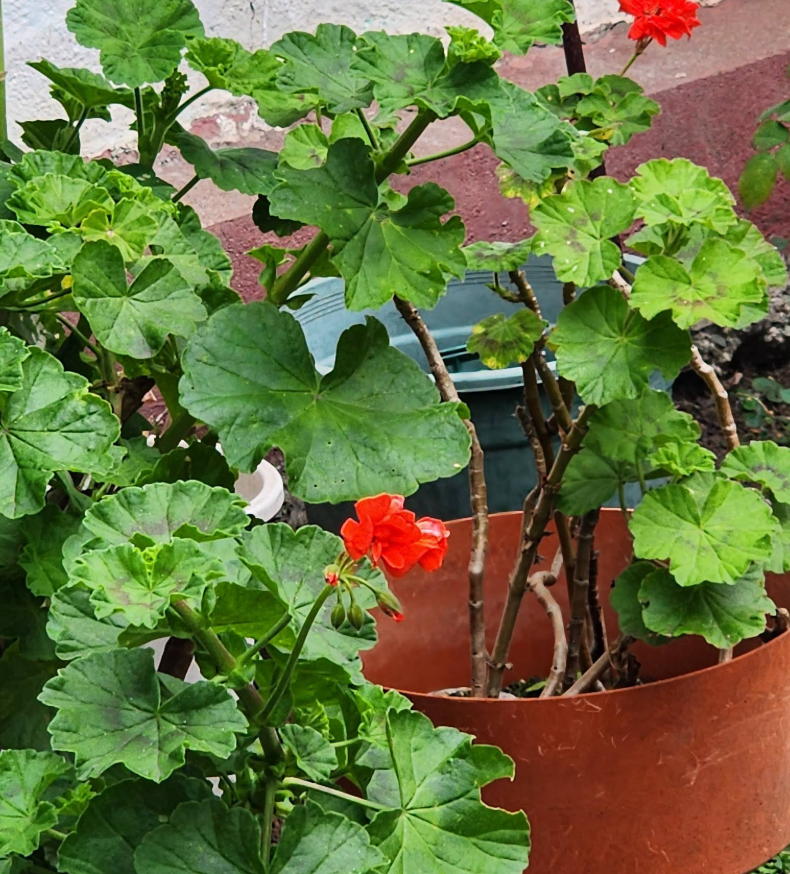
Red geraniums sit near the top of almost every low-bee-draw list, and research backs this up. Their strong red colour reads as dark or grey to bees, so the flower barely registers on their visual radar.
They also happen to produce very little pollen compared to many garden plants. Combine a colour bees struggle to see with a poor food reward, and you get a flower that gets skipped over again and again.
I have grown zonal geraniums in pots on a sunny balcony for years. Even in full bloom next to genuinely bee-friendly plants, they rarely get more than a passing glance from foraging insects. They thrive in full sun, tolerate dry spells, and bloom for months, which makes them one of the easiest choices on this entire list.
2. Red Hot Poker (Kniphofia)
Red hot poker plants produce tall, torch-shaped spikes in fiery red and orange shades. The tubular flower shape alone would make access difficult for a bee, but the red colouring adds a second layer of disinterest.
Interestingly, this plant is a hummingbird magnet rather than a bee magnet. Hummingbirds have excellent red-colour vision and long bills built for narrow tubes, which is exactly the opposite skillset a bee brings to the table.
This is a hardy, drought-tolerant perennial once established. Plant it in full sun with well-drained soil, and it will return year after year, giving your border height and drama without inviting a swarm.
ALSO READ: 35 Flowers That Attract Bees (With Pictures, And Growing Tips)
3. Red Lilies
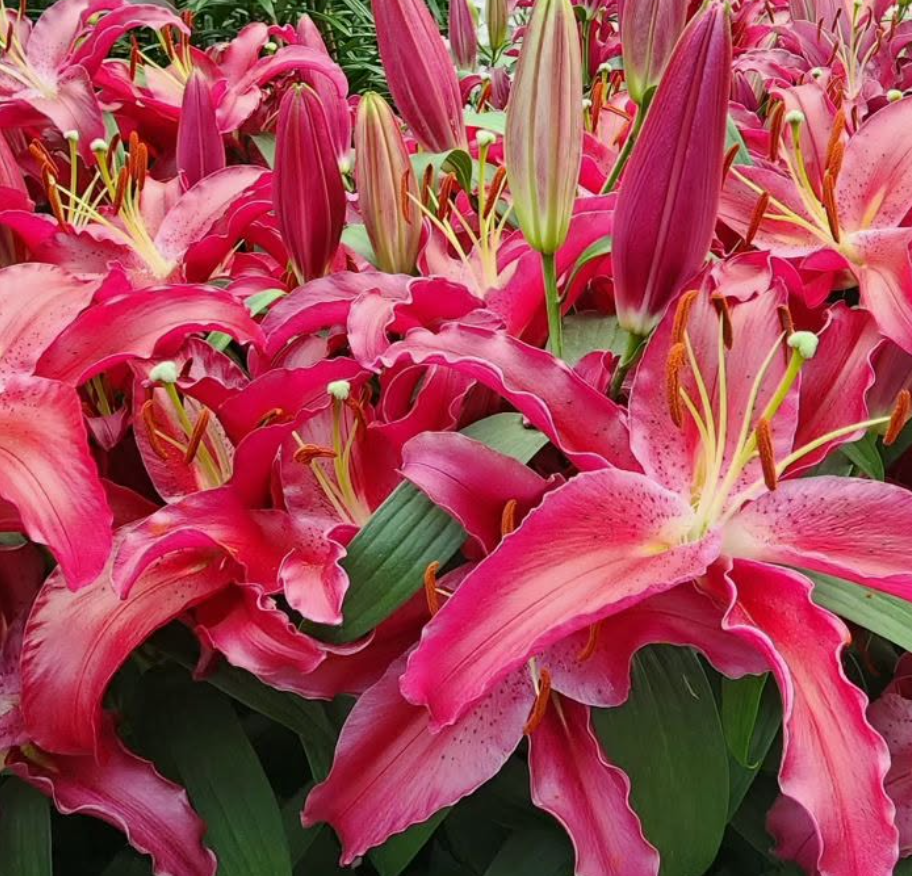
Several oriental lily cultivars, including red spider lilies and red highland lilies, fall into the low-bee-attraction category. Their deep red petals are visually flat to bee eyes, and that alone cuts down visits substantially.
Lilies also have a fairly open, trumpet-shaped bloom, which sounds accessible, but the colour barrier does most of the work here. Butterflies and moths, which see red far better, are more likely visitors than honeybees.
Grow red lilies in full or partial sun with light, well-draining soil. They make dramatic focal points in a border and multiply nicely over a few seasons if left undisturbed.
4. Begonias
Modern begonias, especially the tuberous and wax varieties sold at most garden centres, have been bred heavily for flower size and colour rather than nectar output. The result is a flower with very little to offer a hungry bee.
Their tightly layered petals, particularly in double-flowered cultivars, also make it physically hard for insects to reach whatever pollen remains. This combination of low reward and difficult access keeps bee traffic minimal.
Begonias do well in shaded or partially shaded spots where many other flowering plants struggle. They are an excellent choice for porches, window boxes, and shady garden corners.
5. Petunias
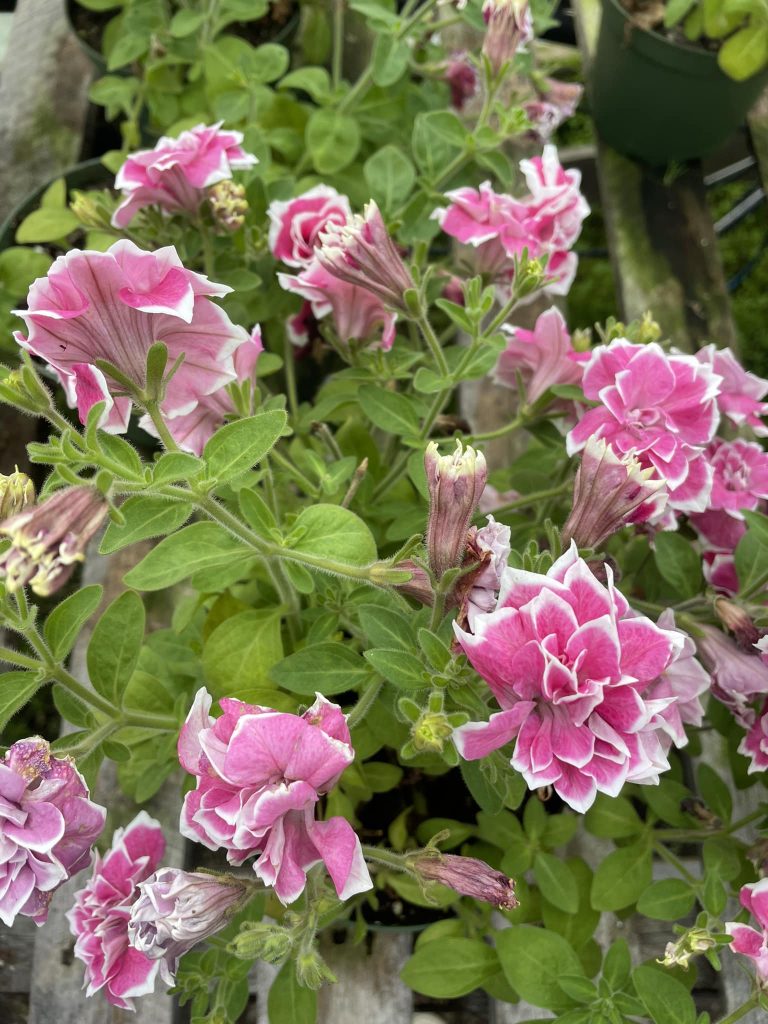
Petunias are everywhere in summer container gardens, and part of their popularity comes from how reliably they bloom without pulling in pollinators. Many hybrid petunia varieties have been selected for colour and shape over floral reward.
Their trumpet-shaped bloom does have an open face, but modern hybrids often produce so little nectar that bees quickly learn to bypass them. This is especially true of the frillier, more ruffled cultivars.
I like petunias for hanging baskets because they cascade beautifully and keep flowering right through late summer. If you want colour without company, they are a dependable pick.
6. Marigolds
Marigolds bring cheerful orange and gold tones to a garden, and they are often praised for repelling certain pests. Their strong, somewhat pungent scent is the main reason bees tend to leave them alone.
Bees are drawn to sweet floral fragrances, and marigolds simply do not offer that. Their dense, ruffled petals also make the centre of the flower harder to access, compounding the low interest.
These are wonderfully low-maintenance annuals. Plant them along vegetable beds for a splash of colour, and enjoy their reputation as a natural companion plant for tomatoes and peppers.
7. French Marigolds
French marigolds deserve their own mention because their scent is noticeably sharper than the African marigold varieties. That stronger fragrance seems to push bees away even more effectively.
Their compact, mounded growth habit makes them ideal for edging pathways or filling small garden gaps. The tightly packed petals of the more ruffled cultivars also limit pollen access.
They are sun-loving, fast to establish, and bloom continuously from late spring through the first frost. For a border that stays colourful without a constant hum of insects, French marigolds are hard to beat.
ALSO READ: 35 Flowers That Attract Hummingbirds (And Keep Them Coming Back)
8. Zinnias (Double-Flowered Varieties)
Standard single zinnias are actually favourites among bees and butterflies, so it is worth being specific here. Double-flowered zinnia cultivars, with their dense rows of extra petals, are the ones that qualify for this list.
Those extra petal layers form naturally through a mutation that converts pollen-producing stamens into petals. Once that happens, the flower has little or nothing left to offer a forager, regardless of how vivid its colour appears.
If you want zinnias without the bee traffic, look specifically for “double” or “pompon” varieties on the seed packet. They still bring bold, long-lasting colour to cutting gardens and borders.
9. Cardinal Flower (Lobelia cardinalis)
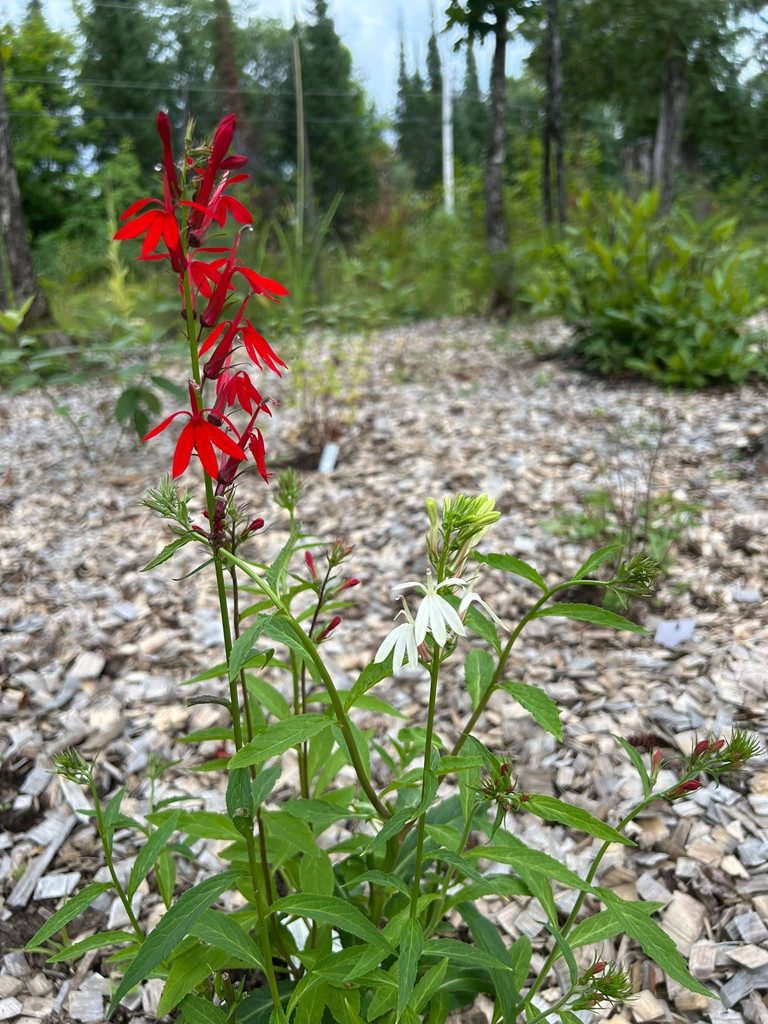
Cardinal flower produces striking spikes of deep scarlet blooms that thrive in moist soil or near water features. That intense red colouring places it firmly in the low-bee-visibility category.
This native perennial is actually adapted for hummingbird pollination rather than bee pollination. Its long, narrow floral tube fits a hummingbird’s bill far better than a bee’s short mouthparts.
Plant it near a pond edge or in a rain garden where the soil stays consistently damp. It rewards very little maintenance with a dramatic vertical display each summer.
10. Yarrow ‘Paprika’
While many yarrow cultivars attract a steady stream of pollinators, the Paprika variety holds a strong, saturated red colour throughout its bloom period. That consistency is what keeps bee visits lower than typical yarrow.
Its flat-topped flower clusters look accessible at first glance, but the red pigmentation still creates the same visual barrier seen throughout this list. Bees pass over it far more often than they pass over yellow or white yarrow types.
Yarrow is remarkably drought-tolerant once established and does well in poor, well-drained soil. It is a low-fuss perennial that adds texture and rich colour to a mixed border.
11. Hummingbird Mint (Agastache, Red Varieties)
Certain red-flowering Agastache cultivars are bred and selected specifically for hummingbird gardens. Their tubular shape and red hue combine to make them a poor match for typical bee foraging behaviour.
The narrow floral tubes require a long, thin feeding structure to reach any nectar inside. Hummingbirds are built for this; most bees are not, which is exactly why this plant leans so heavily toward one type of pollinator.
Give it full sun and well-drained soil, and it will reward you with a long bloom season and a pleasant, minty fragrance from the foliage. It is a great companion plant near a hummingbird feeder.
12. Foxglove (Digitalis)
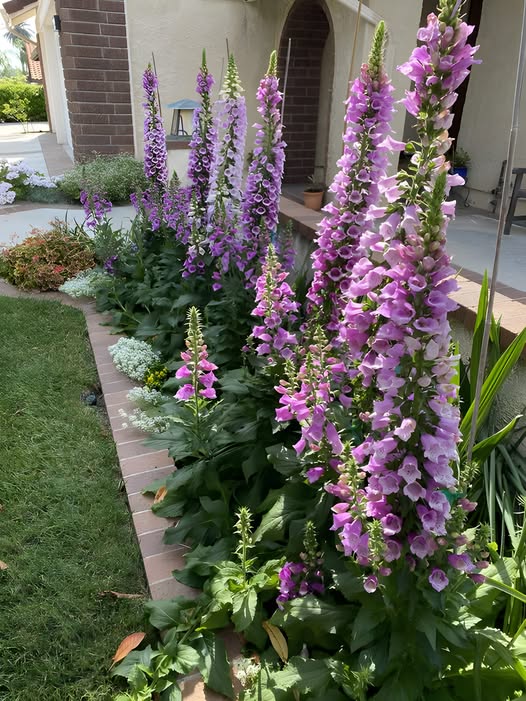
Foxglove produces tall spires of tubular, bell-shaped flowers, and while some bumblebees do manage to enter them, the deep, narrow shape limits access for many smaller bee species. The flower’s structure naturally filters out a large share of potential visitors.
Worth noting: every part of foxglove is toxic if ingested, so it is not a plant for gardens with curious pets or small children. Handle it with care and consider placement carefully before adding it to a family yard.
Foxglove grows best in partial shade with rich, moist soil. Its dramatic height makes it a striking addition to the back of a cottage-style border.
13. Impatiens
Impatiens are shade-garden staples known for their compact, colourful blooms, and many modern hybrids simply do not produce much nectar. Breeders have focused heavily on flower density and colour saturation rather than pollinator reward.
Their relatively flat, open flower face might suggest easy access, but the low nectar output means bees have little incentive to linger even when they do land. This is a case where reward, not shape, is doing most of the work.
Impatiens thrive in shady spots where sun-loving plants struggle. They are one of the most reliable choices for adding steady colour to a north-facing bed.
ALSO READ: 35 Flowers That Attract Butterflies (With Pictures)
14. New Guinea Impatiens
New Guinea impatiens differ slightly from standard impatiens in leaf colour and flower size, but they share the same low nectar characteristics. Their hybridised breeding lineage has similarly reduced their appeal to foraging bees.
These plants tolerate a bit more sun than traditional impatiens, making them versatile for partially shaded patios and mixed containers. Their thicker, glossier foliage also adds visual interest even between blooms.
Water them consistently, since they dry out faster in containers than in garden beds. They are an excellent low-bee-traffic option for patio pots near seating areas.
15. Begonia Semperflorens (Wax Begonias)
Wax begonias are the small, rounded bedding plants seen lining walkways in parks and front yards everywhere. Like their tuberous cousins, they have been bred mainly for continuous bloom and compact form rather than floral reward.
Their small, simple flowers might look approachable, but the actual nectar and pollen output is minimal. This makes them a practical choice for high-traffic areas where you want colour without insect activity near walkways.
They handle both sun and partial shade well, which is part of why they are so widely planted. A border of wax begonias along a path stays tidy and colourful with very little upkeep.
16. Sweet Alyssum (in Some White Cultivars)
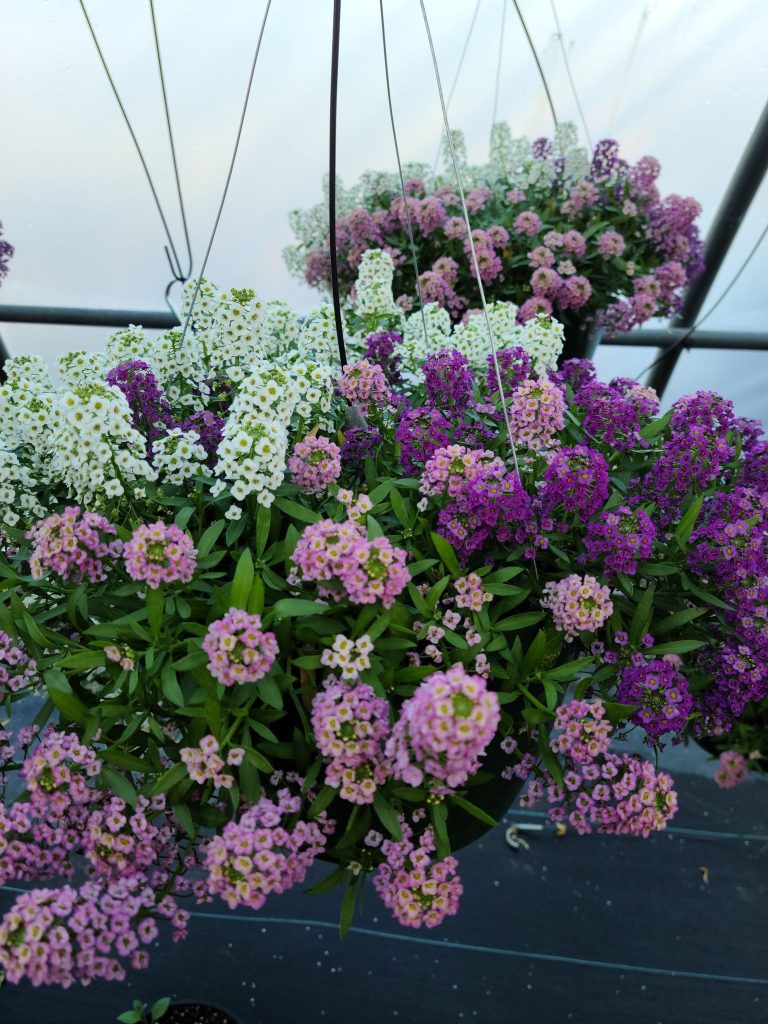
Sweet alyssum is often listed as a pollinator favourite because of its honey-like scent, but certain compact white cultivars bred for dense, low-growing habit produce noticeably less nectar than heirloom types. This makes the newer cultivars a gentler option.
Its tiny individual flowers are also quite small, which naturally limits the pollen and nectar volume available per bloom, even in more traditional strains. Bees often prefer flowers offering a bigger reward for the energy spent visiting.
Sweet alyssum works beautifully as a border edge or filler between stepping stones. It tolerates light frost and reseeds itself readily season after season.
17. Snapdragons
Snapdragons have an unusual flower structure with a hinged, closed mouth that requires real strength to pry open. Only heavier bumblebees can typically manage it, while many smaller and lighter bee species are shut out entirely.
This built-in mechanical barrier is one of the more fascinating examples of flower shape limiting pollinator access on this list. It is not about colour here; it is pure structural engineering by the plant itself.
Snapdragons prefer cooler temperatures and full sun. They make wonderful cut flowers and tend to bloom heavily in spring and again in early autumn.
18. Carnations (Double-Flowered Varieties)
Double carnations, the ruffled, densely petaled type sold in most florist shops, have had much of their reproductive structure converted into extra petals through selective breeding. That structural change leaves very little pollen or nectar behind.
Single-flowered carnations do attract some pollinator interest, so it is worth checking the variety before planting if a low-bee garden is the goal. The doubled forms are consistently the better choice for this purpose.
Carnations enjoy full sun and well-drained, slightly alkaline soil. Their clove-like fragrance is a lovely bonus for gardeners, even without the buzz of visiting insects.
19. Modern Hybrid Tea Roses
Many modern hybrid tea roses, particularly the densely petaled, tightly rolled varieties, offer very little accessible pollen. Breeding for symmetry and petal count has, in many cultivars, reduced or eliminated the open centre bees need to land and feed.
Older, single-petaled rose varieties are actually quite popular with bees, so this distinction matters. If a low-bee garden is your goal, stick with modern double or tightly cupped hybrid tea cultivars rather than heirloom or wild rose types.
Roses need full sun, regular feeding, and good air circulation to prevent disease. A well-chosen hybrid tea rose still delivers classic garden elegance without much pollinator company.
ALSO READ: 35 Beautiful Poisonous Flowers (Stunning Yet Deadly Blooms)
20. Ranunculus
Ranunculus flowers are famous for their impossibly layered, rose-like petals, sometimes numbering in the hundreds per bloom. This density makes reaching any pollen at the centre extremely difficult for most bees.
The sheer visual density that makes ranunculus so popular for bouquets is the same trait that keeps pollinators away. It is a clear example of ornamental breeding working directly against floral function.
Plant the corms in autumn in mild climates or early spring elsewhere. They bring an almost artificial-looking beauty to beds and make spectacular cut flowers for the home.
21. Cockscomb (Celosia)
Cockscomb flowers grow in dense, velvety, brain-like or plume-like clusters that look almost more like textured sculpture than a traditional bloom. This unusual, tightly packed structure gives bees very little clear landing space.
Its striking texture and vivid colour range, from deep red to bright orange and yellow, make it a favourite for dried flower arrangements. That same density that appeals to crafters limits pollinator access naturally.
Celosia loves heat and thrives in full sun with minimal watering once established. It is a striking choice for gardeners in hot, dry climates looking for drama without the buzz.
22. Bleeding Heart (Lamprocapnos spectabilis)
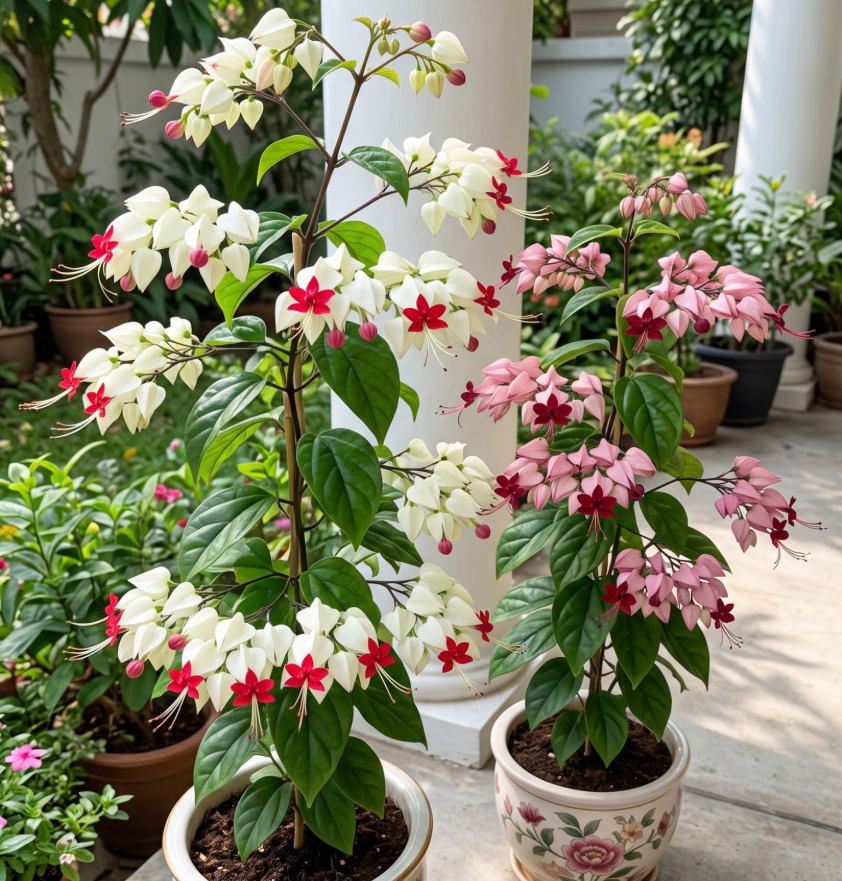
Bleeding heart produces heart-shaped, pendant blooms with a narrow, enclosed opening at the base. This unusual shape restricts most bee species from easily reaching the nectar tucked inside.
Some larger bumblebees have been observed piercing the base of the flower to “rob” nectar without pollinating it properly, but typical honeybee visits remain rare. The flower’s shape essentially works against conventional pollination access.
Bleeding heart prefers partial shade and rich, moist soil, making it ideal for woodland-style gardens. Its arching stems and pastel pink or white blooms bring a soft, romantic quality each spring.
23. Nasturtium (Some Double Cultivars)
Standard single nasturtiums are actually appreciated by bees, but certain double-flowered nasturtium cultivars have significantly reduced pollen access due to their extra petal layers. This makes the doubled types a better fit for this list.
Nasturtiums are edible, and their peppery leaves and flowers are popular in salads. Choosing a double cultivar lets you enjoy the ornamental and culinary appeal while cutting down on bee visits.
They grow easily from seed in poor soil, actually blooming better without rich fertiliser. Their trailing habit makes them lovely for spilling over the edges of raised beds or containers.
ALSO READ: 35 Flowers Poisonous to Cats (Info, With Pictures)
24. Amaryllis
Amaryllis produces enormous, trumpet-shaped blooms, often indoors during winter months when bees are not active in most climates anyway. This seasonal timing alone reduces most real-world bee interaction with the plant.
Even in warmer climates where amaryllis can bloom outdoors, the flower’s large, deep throat and heavy pollen-bearing anthers positioned awkwardly for typical bee access limit efficient foraging. It is not a flower bees are naturally drawn to for a quick meal.
Grow amaryllis bulbs indoors in bright, indirect light for a dramatic winter bloom. Outdoors, plant in warm, sheltered spots with well-drained soil in frost-free regions.
25. Gladiolus
Gladiolus produces tall spikes lined with tubular, often brightly coloured flowers. While their colour range varies, the deep, narrow throat of each individual bloom restricts easy pollen access for many bee species.
Red and orange cultivars in particular combine the tubular access problem with reduced colour visibility, making them a doubly poor draw for bees. White and pastel gladiolus varieties see somewhat more insect interest by comparison.
Plant corms in spring after the last frost for summer blooms. Gladiolus makes a fantastic cut flower and adds vertical structure to any mixed border.
26. Hosta (Some Cultivars)
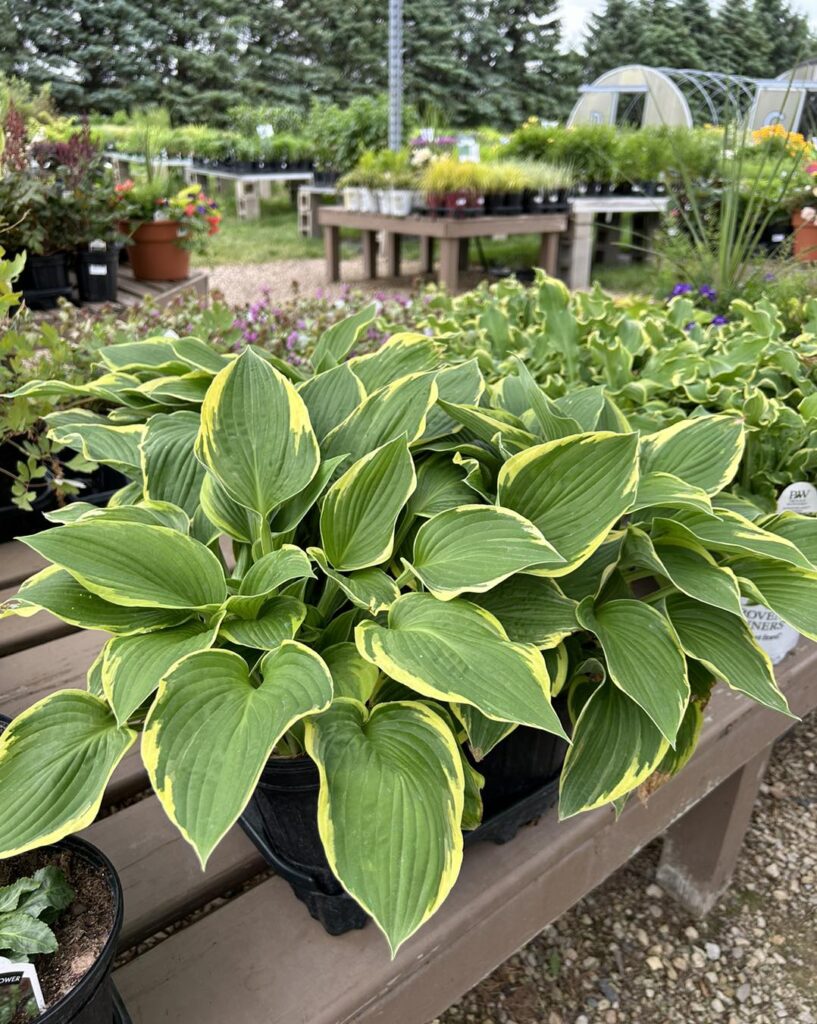
Hostas are grown primarily for their striking foliage, but their summer flower spikes vary quite a bit between cultivars in terms of nectar output. Certain modern hybrids selected mainly for leaf pattern produce comparatively modest floral rewards.
Their tubular, somewhat pendant flowers also require a bit of effort to access properly, which some bee species simply skip in favour of easier options nearby. Moths, particularly at dusk, are often more frequent visitors than daytime bees.
Hostas thrive in shaded, moist garden beds where little else grows well. They are a foundational plant for shade gardens, adding texture and calm green structure throughout the season.
27. Coleus
Coleus is grown almost exclusively for its vividly patterned foliage rather than its flowers. In fact, most gardeners pinch off the small flower spikes entirely to keep energy focused on leaf colour.
When left to bloom, the tiny flowers do produce a small amount of nectar, but the quantity is so minor that bees rarely bother investing time there. Removing the blooms, as many gardeners already do, further reduces any pollinator interest.
Coleus grows well in partial shade to filtered sun and comes in an enormous range of leaf colours and patterns. It is one of the easiest ways to add bold colour to shaded beds without any flowers at all.
28. Fuchsia (Pendant Hybrid Varieties)
Fuchsia produces elegant, drooping, bell-shaped flowers that dangle rather than face upward or outward. This orientation alone makes landing awkward for many typical bee species used to more open, upright blooms.
Hummingbirds, with their ability to hover in place, are far better suited to feeding from this pendant shape. That is precisely why fuchsia is such a popular choice in gardens designed to attract hummingbirds specifically.
Fuchsia prefers partial shade and consistently moist soil, making it ideal for hanging baskets in a covered porch area. Its cascading form and jewel-toned colours make it a standout in any shaded display.
ALSO READ: 35 Flowers Safe for Cats (Pet Friendly Blooms, With Pictures)
29. Dahlias (Fully Double, Dinner-Plate Varieties)
Fully double dahlia varieties, especially the large “dinner-plate” types, are bred for maximum petal density and show-stopping size. That density leaves very little visible or accessible pollen at the flower’s centre.
Single and semi-double dahlia varieties do attract pollinators reasonably well, so the distinction matters here too. If a bee-light garden is the goal, choosing the fully double cultivars specifically makes a real difference.
Dahlias need full sun, rich soil, and regular watering to produce their best blooms. They flower from midsummer right through the first frost, giving a long season of dramatic colour.
30. Daffodils
Daffodils bloom early in spring, often before many bee species are fully active for the season, which naturally limits real-world interaction. Their trumpet-shaped centre also sits at an angle that is not especially convenient for typical bee foraging behaviour.
They contain compounds that are mildly toxic if ingested and are generally left alone by garden pests as well as most pollinating insects. This makes them a low-maintenance, low-bee-traffic choice for early-season colour.
Plant daffodil bulbs in autumn for a reliable spring display. They naturalise well in lawns and borders, returning year after year with almost no ongoing care.
A Quick Note on Balance
I want to be honest about something before wrapping up. Bees are essential to food production. The USDA reports that bees pollinate roughly 75% of the fruits, nuts, and vegetables grown in the United States, and about one in every four bites of food eaten in the country relies on bee pollination.
Native bees alone are estimated to pollinate 80% of the world’s flowering plants. There are close to 20,000 known bee species globally, with roughly 4,000 native to the United States.
Given those numbers, I would encourage most gardeners to keep at least a section of their yard bee-friendly, even while filling other areas with the flowers listed above. A garden that avoids bees near a patio or entryway, while still supporting pollinators elsewhere, tends to strike the best balance.
Final Thoughts
Building a garden that bees tend to overlook is entirely possible without giving up colour or variety. Red and orange tones, tubular flower shapes, double petals, and heavily hybridised varieties are your best tools.
I have tried to keep this list practical rather than theoretical, focusing on flowers that are genuinely easy to find and grow. Whether the goal is allergy safety, easing a fear of bees, or simply wanting a quieter patio space, these 30 options offer a real starting point.
Choose a handful that fit your climate and sunlight conditions, and build outward from there. A beautiful, low-buzz garden really is achievable with the right plant choices.
References
- USGS – It’s Pollinator Week: https://www.usgs.gov/news/featured-story/its-pollinator-week
- USDA Forest Service – Bee Basics: An Introduction to Native Bees (PDF): https://www.fs.usda.gov/wildflowers/pollinators/documents/BeeBasics.pdf
- Oregon State University Extension – Less Showy Flower Petals Mean More Pollinators: https://extension.oregonstate.edu/catalog/less-showy-flower-petals-mean-more-pollinators
- University of Tennessee Extension – Pollination: The Grand Interaction Among Flowers, Bees, Growers and Beekeepers (PDF): https://vegetables.tennessee.edu/wp-content/uploads/sites/167/2022/07/PollinationOrgCrop2010.pdf
- Ask Extension (a national Cooperative Extension service) – Pollinator Plants FAQ: https://ask.extension.org/kb/faq.php?id=809518
- USGS – Test Your Bee and Other Pollinator Knowledge: https://www.usgs.gov/news/test-your-bee-and-other-pollinator-knowledge
- University of Tennessee, Department of Ecology & Evolutionary Biology – Double Flowers and Pollinator Rewards: https://eeb.utk.edu/2025/08

Tim M Dave is a gardening expert with a passion for houseplants, particularly cacti and succulents. With a degree in plant biology from the University of California, Berkeley, he has vast experience in gardening. Over the years, he has cultivated a vast collection of desert plants and learned a great deal about how to grow and care for these unique companions.