25 Flowers That Mean Peace (Their Meanings, With Pictures)
Peace is a quiet word, and flowers say it well. A white petal, a soft scent or a green branch can calm a room without a single word. People have used flowers this way for thousands of years.
So, which flowers mean peace? White lilies, olive blossoms, lavender, chamomile, lotus, white roses, peace lilies, cherry blossoms, white poppies and jasmine top the list. This guide covers 25 of them, with their meaning, and how to use them.
Why Flowers Became Symbols of Peace
Flowers carry meaning because people give them meaning. Over time, shared stories turned plants into signs. A white petal came to mean purity. A branch of olive came to mean an end to conflict.
History gives us clear examples. In 1912, Japan sent cherry trees to the United States as a gesture of goodwill. According to GovInfo, a government source, the gift arrived in March 1912. The second shipment held 3,020 trees, after an earlier shipment of 2,000 trees had to be destroyed because of disease.
Some peace flowers also work on the body. A 2019 review of 12 trials found that chamomile was linked with better sleep quality and lower symptoms of generalized anxiety. The authors called the evidence limited, so we should stay modest about it. Still, it shows that calm is more than a symbol.
One reminder before we begin. Meanings change with color, culture and time. Use this list as a guide, and add your own note to make the message personal.
25 Flowers That Mean Peace
1. Olive Blossom
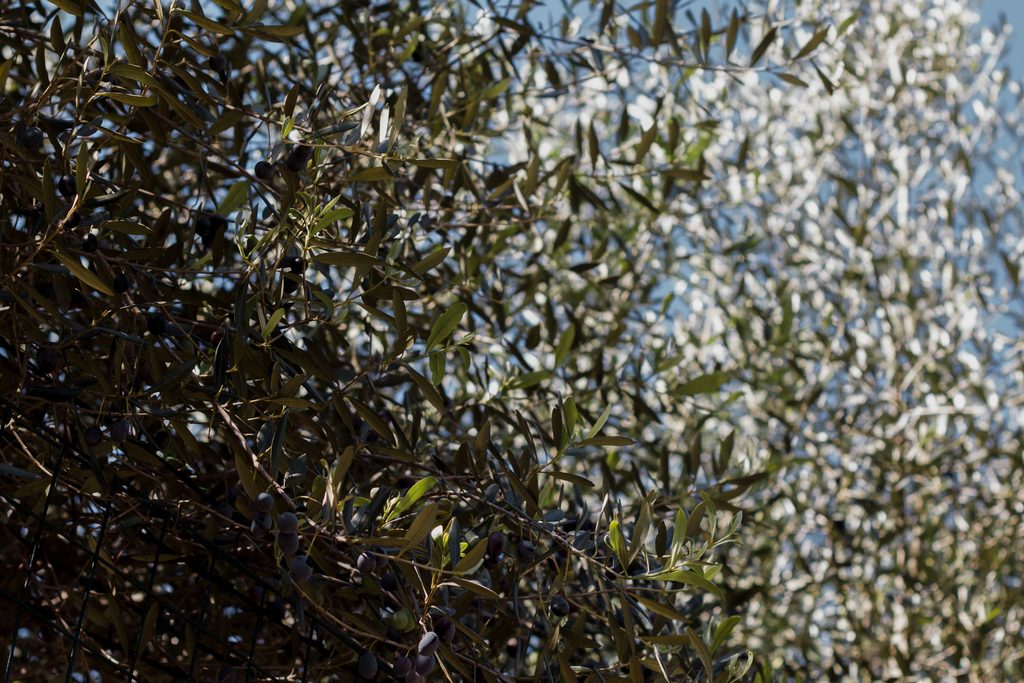
The olive branch is the most famous sign of peace in the world. In the Bible, a dove returns to Noah with an olive leaf, showing that the flood has ended. The Greeks also used olive branches as a sign of goodwill. The emblem of the United Nations is surrounded by olive branches.
The olive tree flowers are small, pale and easy to miss. Yet they are the start of the olive fruit. This makes them a fitting symbol of hope that grows slowly and quietly.
Today, we still say “extend an olive branch” when we offer peace after an argument. A few olive stems in a vase make a thoughtful gift for someone you want to reconnect with. Their grey-green leaves look calm in any room.
2. White Lily
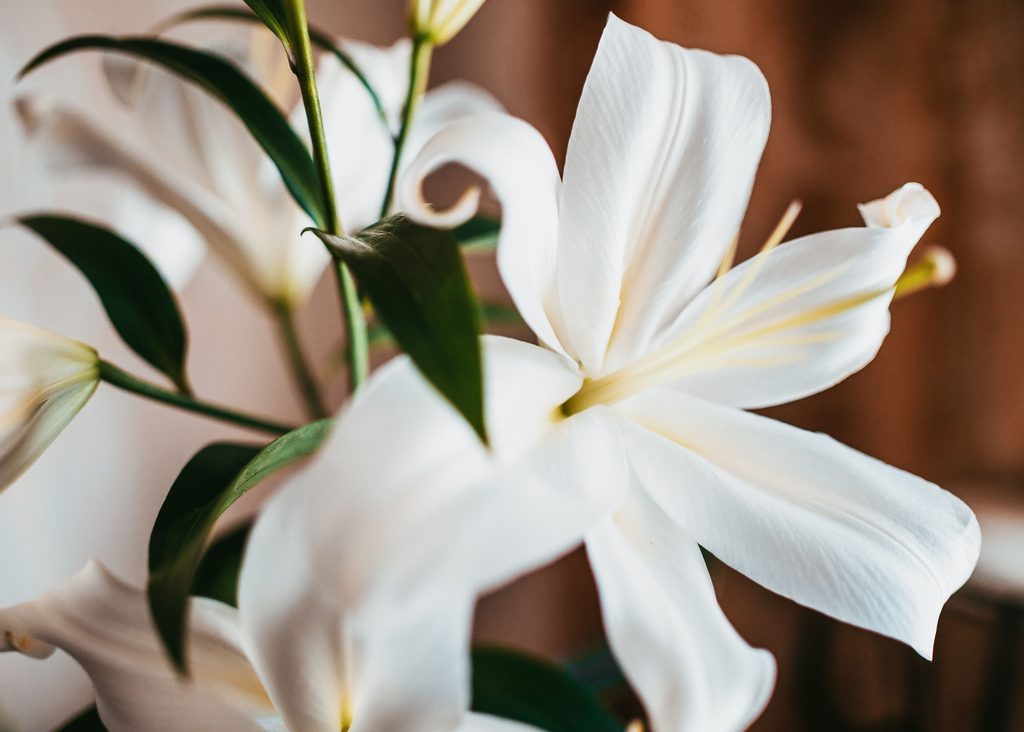
White lilies stand for purity, peace and the soul at rest. This is why you often see them at funerals and memorial services. Their large, clean petals and sweet scent bring a sense of stillness.
In many Christian traditions, the white lily is linked with the Virgin Mary and with new life at Easter. In other places, it simply stands for innocence and renewal. The message is gentle and hopeful.
Choose white lilies for sympathy arrangements, church services, or a quiet gift of comfort. Please note that lilies are dangerous to cats, even in small amounts. If you have a cat at home, choose another flower from this list.
3. Peace Lily

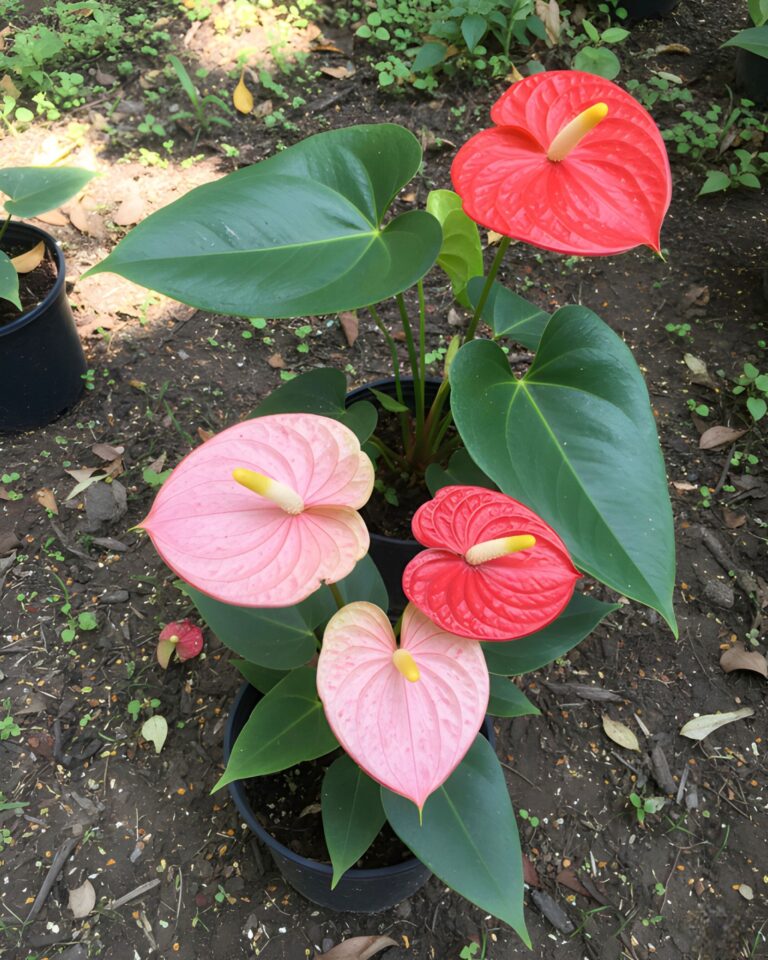
The peace lily is perhaps the most direct choice on this list, since the word is in its name. It has glossy green leaves and a white, hood-shaped bloom. It is a popular houseplant in homes, offices and waiting rooms.
Here is an interesting fact. The Clemson Cooperative Extension explains that peace lilies are not true lilies. They belong to the arum family, along with calla lilies. The genus has more than 40 species, mostly from tropical Central and South America.
The plant is easy to grow. It tolerates low light but prefers bright, indirect light and moist, not soggy, soil. NC State Extension warns that the leaves are poisonous if eaten, so keep it away from pets and small children.
4. Lavender
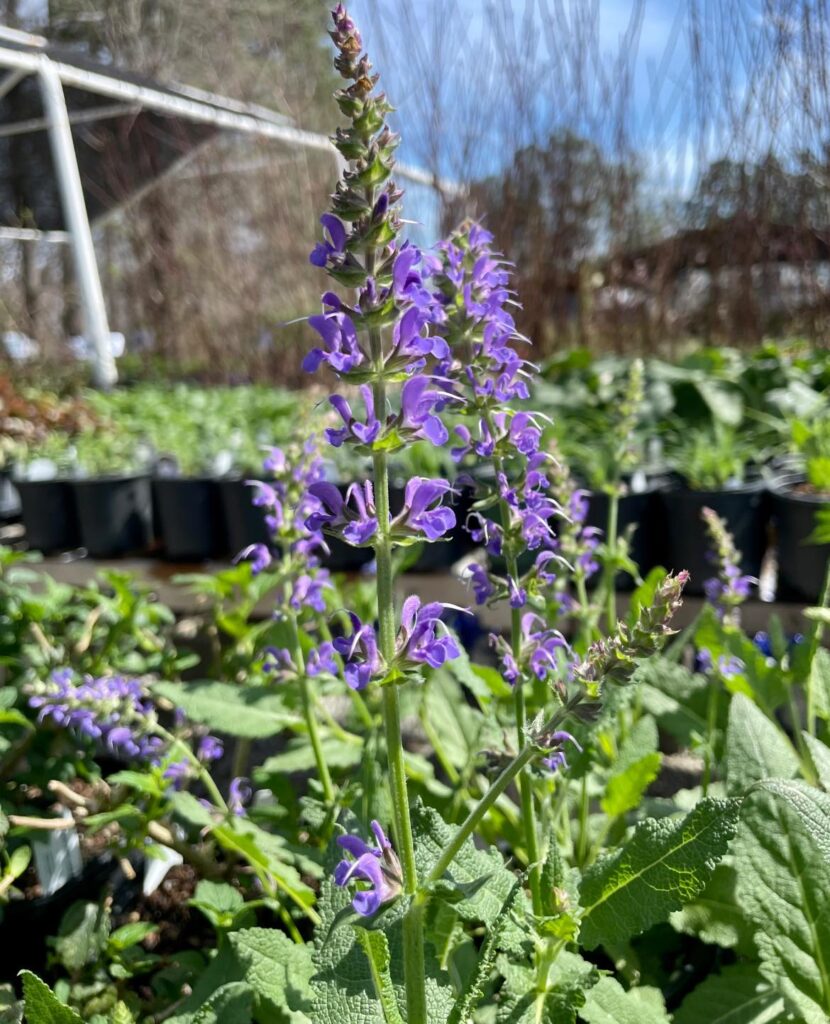
Lavender is the flower most people link with calm. Its purple spikes and soft scent are used in teas, pillow sprays and bath products. Many people say a lavender sachet by the bed helps them relax.
Science offers some support. A 2024 review in PubMed Central looked at silexan, an oil made from lavender flowers. At 80 mg a day for 10 weeks, it reduced anxiety symptoms more than placebo. The pooled response rate was 51.8% with silexan and 38.8% with placebo.
Two of the review’s authors have ties to the company that sells silexan, so read the results with care. Lavender is not a cure for anxiety. But as a gentle part of a calm routine, it is hard to beat.
ALSO READ: 25 Flowers That Mean Love (With Pictures, and Their Meanings)
5. Chamomile
Chamomile looks like a small daisy with a yellow center. Its tea is a bedtime habit in many homes across the world. The scent is soft, sweet and a little like apple.
The research is promising but modest. The 2019 meta-analysis of 12 trials found better sleep quality and improved anxiety symptoms at 2 and 4 weeks. It found no clear effect on short-term anxiety or on insomnia severity. Only mild side effects were reported.
I find that the ritual matters as much as the plant. Boiling water, waiting, and sipping slowly all signal that the day is over. A bunch of fresh chamomile on the table carries the same message of rest.
6. Lotus
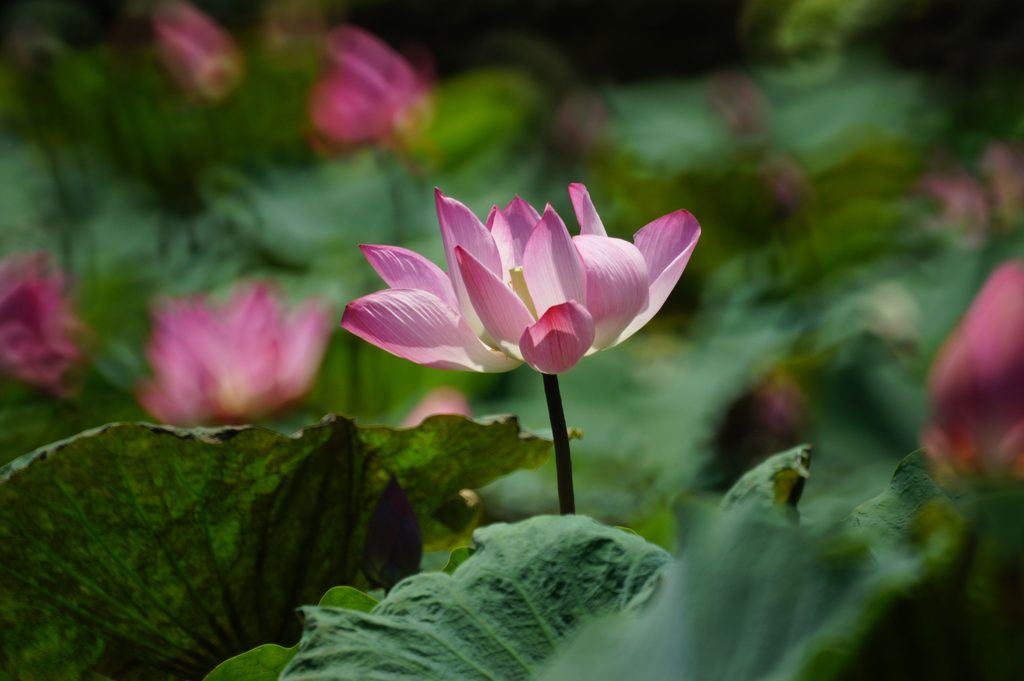
The lotus grows from muddy water and rises clean and bright above it. For this reason, it is a symbol of peace, purity and spiritual awakening in Buddhism and Hinduism. Many statues of the Buddha show him seated on a lotus.
The flower also follows a daily rhythm. It opens in the morning and closes at night, which adds to its feeling of order and calm. Seeing a lotus pond at sunrise is something I would recommend to anyone.
You can give a lotus to someone who is going through a hard period. It says that beauty can grow from difficulty. Artificial or painted lotus flowers are also common in meditation rooms and temples.
7. White Rose
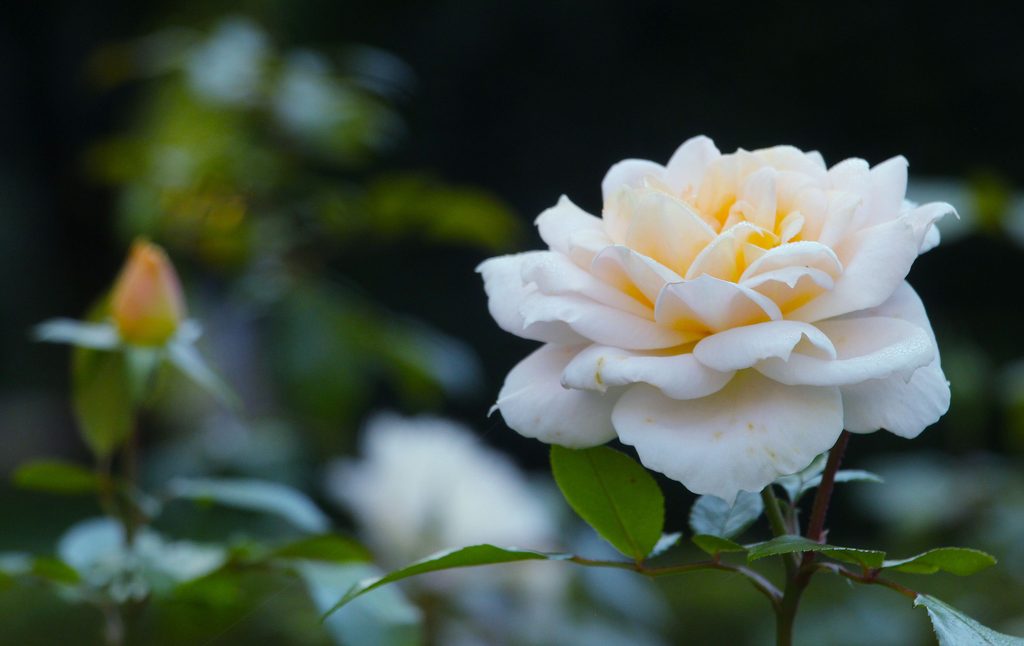
The white rose stands for peace, purity and new beginnings. It is gentler than the red rose, which speaks of romance. A bunch of white roses feels clean and quiet.
There is also a famous rose named “Peace.” It was bred in France in the 1930s and named in 1945, as the Second World War came to an end. Reports say each delegate at the founding conference of the United Nations in San Francisco received one that year.
White roses are a safe choice for weddings, sympathy cards and apologies. They tell the other person that you want a fresh start. Pair them with a short, honest note for the best effect.
ALSO READ: 25 Flowers That Mean Friendship (With Pictures, And Meanings)
8. Jasmine
Jasmine is known for its sweet, rich scent, especially in the evening. Many people link it with calm, grace and gentle joy. In parts of South and Southeast Asia, jasmine garlands are offered at temples and given to guests.
The Stanford campus tree guide describes one species, pink jasmine, as having “extremely fragrant” clusters of flowers in spring. The plant is an evergreen vine that originates in China. The scent alone can fill a courtyard.
Use jasmine to create a peaceful mood at home. A potted plant near a window, or a few cut stems in a small vase, works well. Many people also enjoy jasmine tea as part of an evening routine.
9. Cherry Blossom
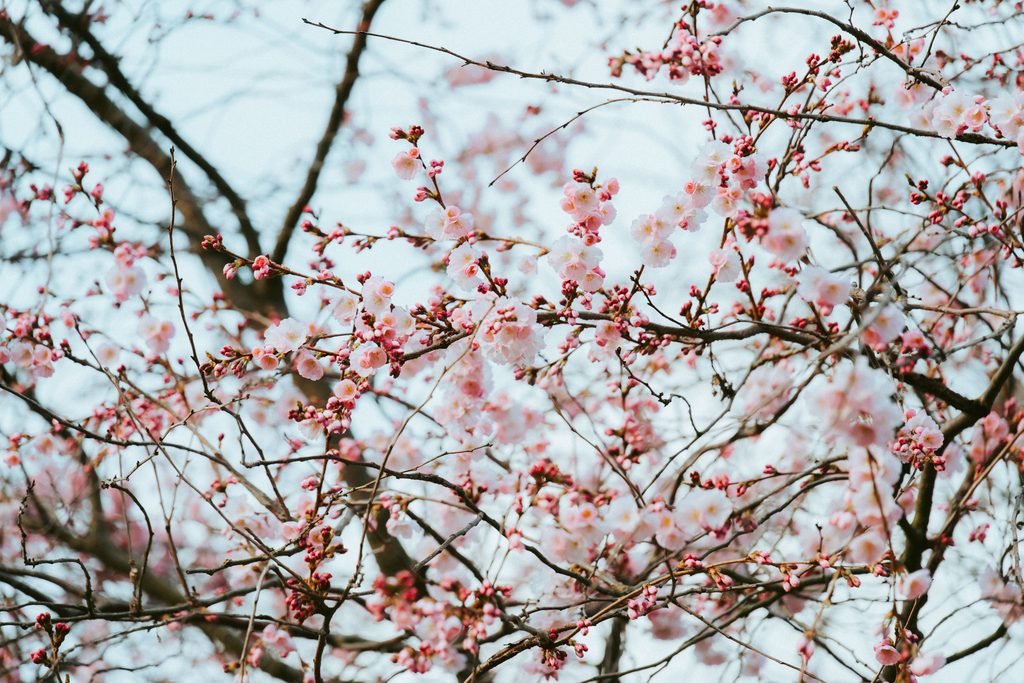
Cherry blossoms are a symbol of beauty, the passing of time and friendship between nations. In Japan, people gather each spring for hanami, a custom of sitting under the trees and enjoying the flowers. The blooms last only a short time, which makes them feel precious.
The story of Washington, D.C. is a clear example of peace through flowers. GovInfo reports that twelve varieties arrived on March 26, 1912. First Lady Helen Taft and the wife of the Japanese ambassador planted two of them the next day. Those two trees still stand.
The annual Cherry Blossom Festival has been official since 1935. It continues a tradition of cultural exchange and friendship. A single branch of blossom in your home can carry that same message of goodwill.
10. Magnolia
Magnolias are among the oldest flowering plants on Earth. Their large, waxy petals look strong and calm at the same time. Many cultures link them with dignity, nobility and a steady spirit.
In the southern United States, magnolias are a sign of home and hospitality. In parts of East Asia, the white magnolia stands for purity and gentleness. The meaning is not the same everywhere, but the feeling of quiet strength is shared.
A single magnolia bloom floating in a bowl of water makes a striking centerpiece. It needs nothing else. Choose it when you want a calm, elegant look without much fuss.
11. Poppy
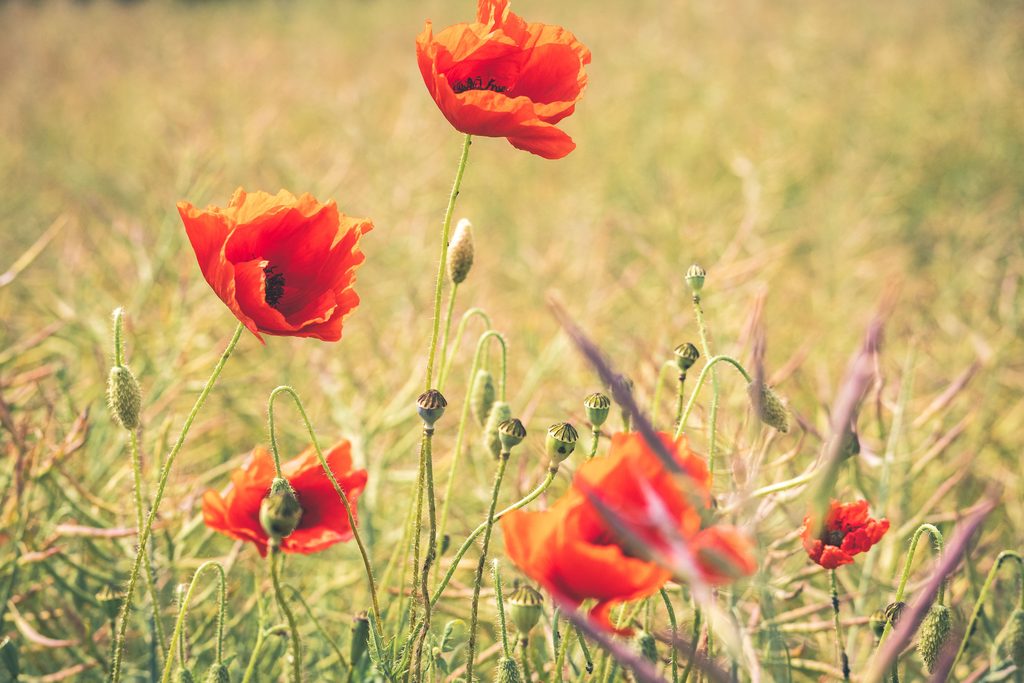
The poppy has two peace-related meanings, and both are worth knowing. The red poppy stands for remembrance of soldiers who died in war. The white poppy stands for peace and the wish to end conflict.
The Library of Congress explains the red poppy’s story. On November 9, 1918, Moina Michael of Georgia decided to wear a red poppy in memory of the fallen. She bought 25 poppies, wore one and sold the rest. The American Legion adopted the red poppy as its memorial flower in September 1920.
The white poppy appeared later in Britain, in the 1930s, as a sign of peace. Some people wear both. If you plan to give poppies, check the local custom first, since the colors carry different messages in different countries.
12. Daisy
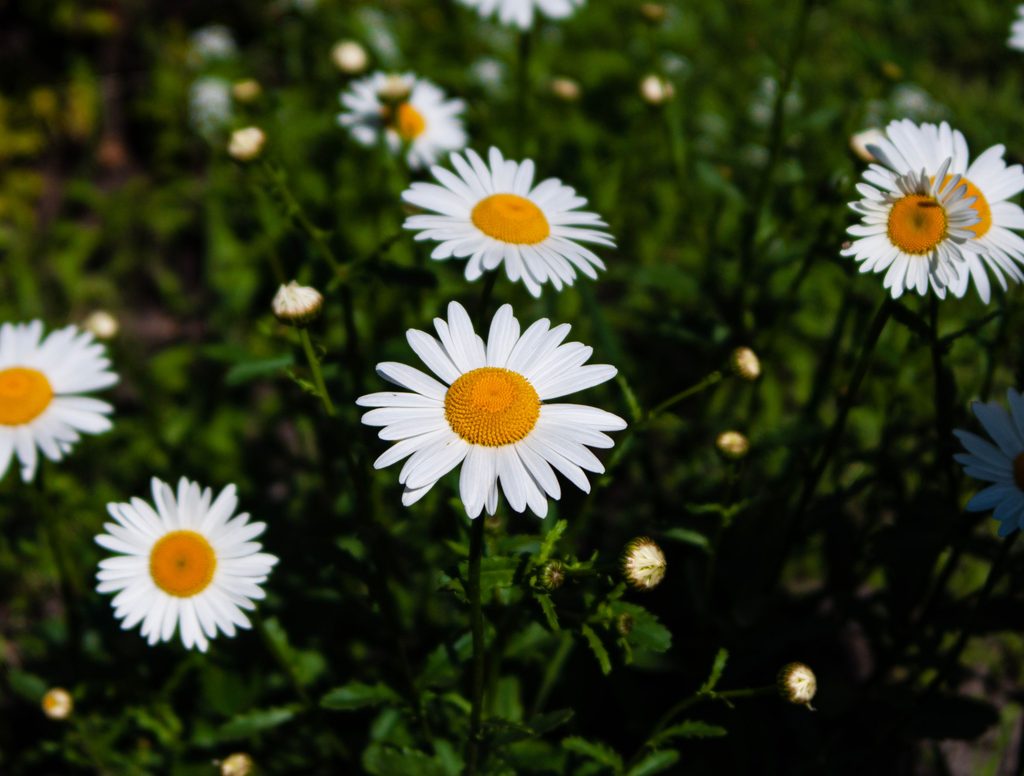
The daisy is a small, honest flower. It stands for innocence, simplicity and new beginnings. Its name comes from “day’s eye,” because the petals open with the sun and close at dusk.
Children have made daisy chains for generations, and the flower is tied to carefree afternoons. That memory is part of why it feels so peaceful. It brings us back to a simpler time.
Give daisies to someone who needs cheering up, or to mend a small quarrel. A handful in a jar on the kitchen table will brighten the whole room. They are also cheap and last well.
13. Lily of the Valley
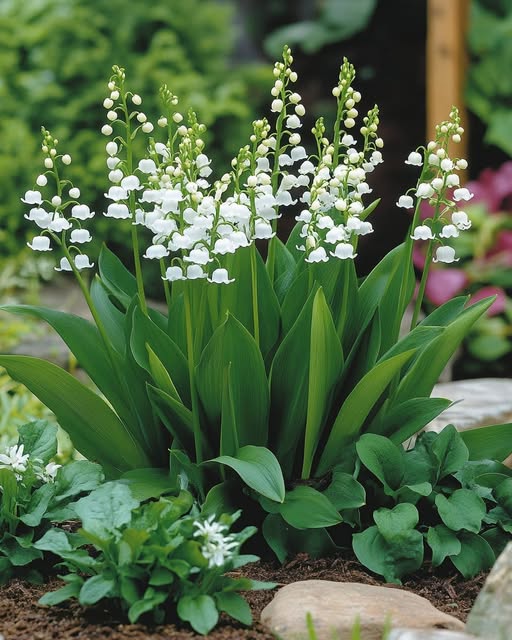
Lily of the valley has tiny white bells on a slender stem. In the language of flowers, it stands for the return of happiness and for gentle, humble peace. The scent is light and sweet.
In France, people give small bunches on the first of May as a good-luck gift. The flower has also appeared in royal wedding bouquets. It carries a feeling of calm after a long winter.
Please remember that every part of this plant is poisonous if eaten. Keep it away from pets and children. Used safely, it is a lovely gift for a new baby, a new home or a new start.
14. White Tulip
White tulips are often linked with forgiveness and peace. The color white is also tied to the white flag, a sign of surrender and a request for calm. A bunch of white tulips can say “I am sorry” without a single word.
Their shape is simple and clean. The petals fold like cupped hands. They look best in plain glass vases with no extra decoration.
Choose white tulips after a disagreement, or to welcome a neighbor who is going through something difficult. They bloom in spring, so they also carry the hope of a fresh season.
15. Sunflower
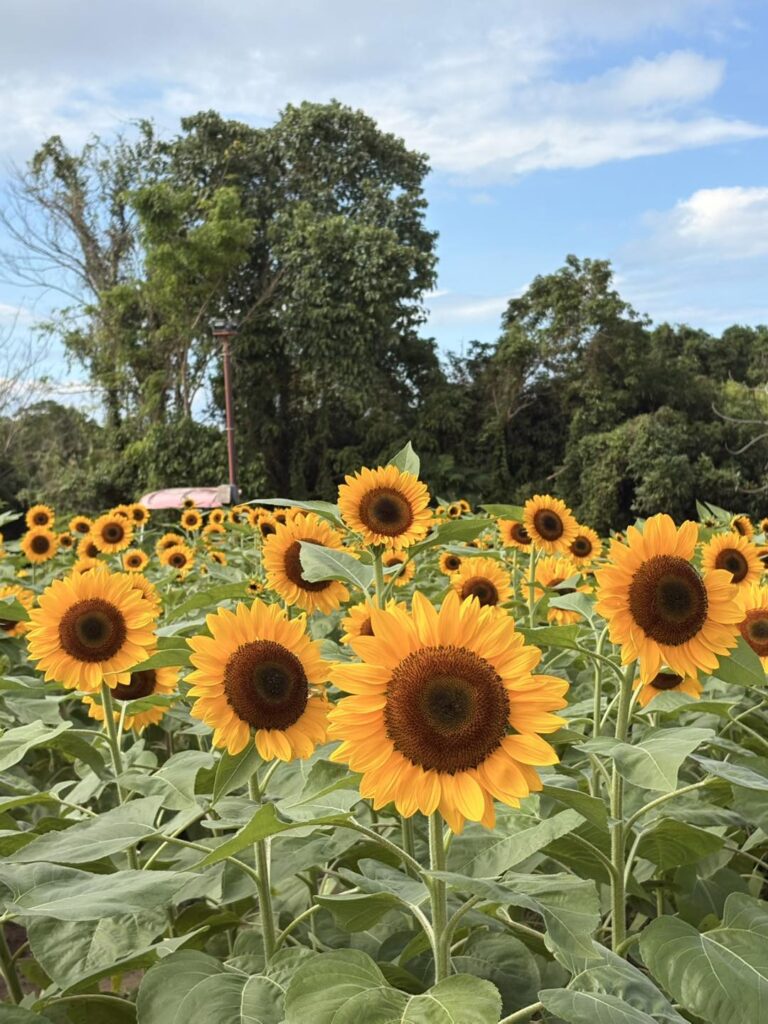
Sunflowers are best known as signs of warmth and loyalty. In recent decades, they have also become a symbol of peace. This began in 1996, when officials from Ukraine, Russia and the United States planted sunflowers at a former missile base in Ukraine. The ceremony marked the country’s decision to give up Soviet-era nuclear weapons.
The sunflower returned to the world’s attention in the years after, as people used it to show hope for peace in Ukraine. The flower’s bright yellow face suits that role. It looks strong, open and unafraid.
Sunflowers make a cheerful gift for anyone who needs courage. They last well in a vase. If you plant them in a garden, they will also feed the birds in autumn.
16. Lilac
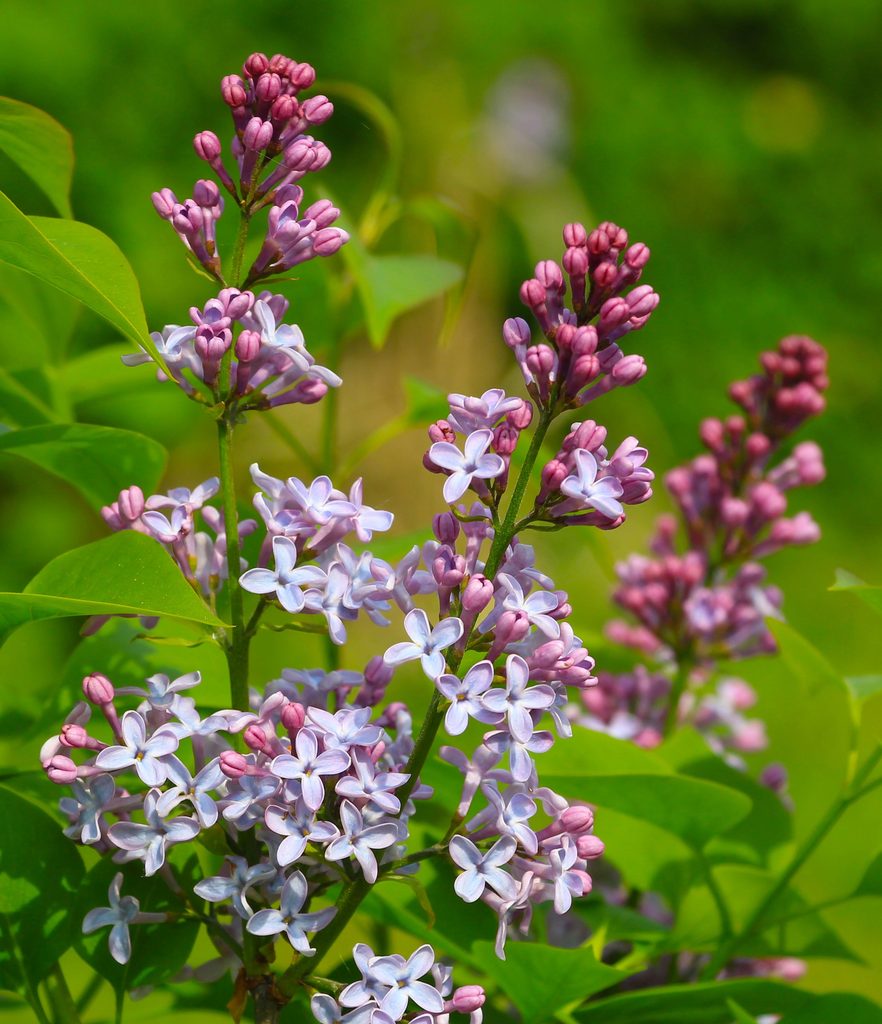
Lilacs are a sign of spring and of memory. Their scent is sweet and powerful, and many people link it with childhood gardens. In the language of flowers, purple lilacs often stand for first love and tender feelings.
Oregon State University’s landscape plant guide describes lilacs as fragrant shrubs in white, red or purple clusters. The genus has about 20 species. They are native to eastern Asia and southeastern Europe.
White lilacs are especially calming. A jar of them on a table can lift the mood of a whole home. Lilacs bloom for only a short time, so enjoy them fully while they last.
ALSO READ: 25 Flowers That Symbolize Strength (With Pictures, and Meanings)
17. Iris
The iris is named after Iris, the Greek messenger goddess who traveled on the rainbow. Because of this, the flower is tied to hope, faith and messages between people. It carries a sense of calm after a storm.
Its tall, graceful form looks almost like a flag. The petals curl and fold in a way that feels both bold and soft. Blue and purple irises are the most common.
Give an iris to someone who has been through a hard time. It says “better days are coming.” It also works as a quiet thank-you for someone who has been a steady friend.
18. Gardenia
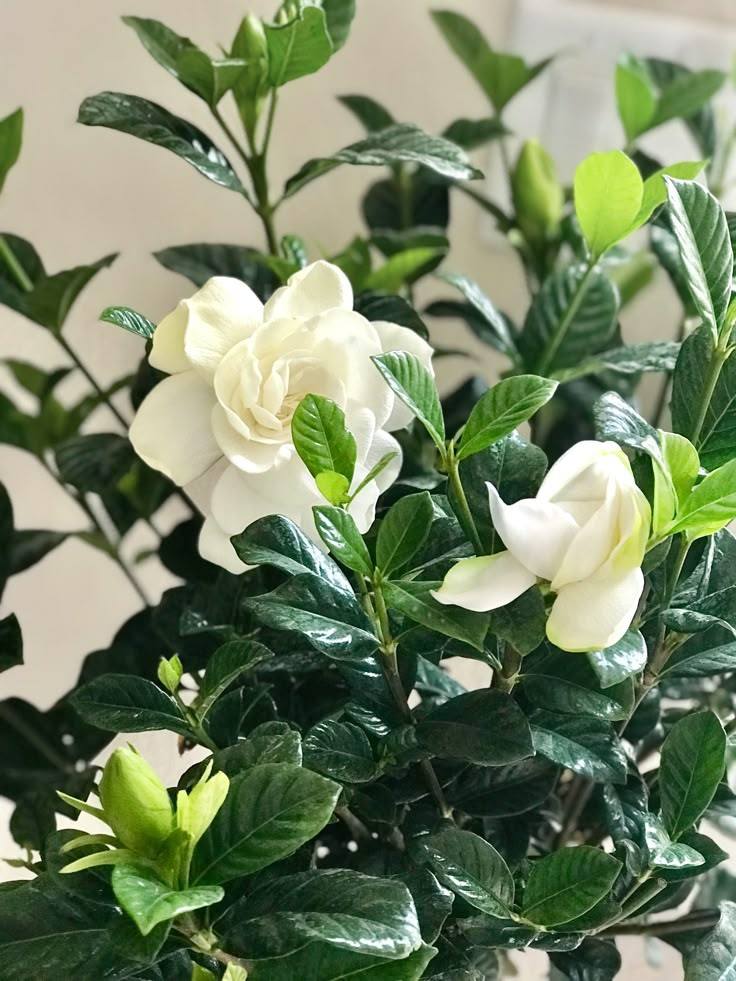
The gardenia has creamy white petals and one of the richest scents of any flower. A single bloom can perfume a whole room. Many people say the fragrance feels soothing and luxurious.
In flower language, the gardenia stands for purity, refinement and quiet joy. It is also a classic wedding flower. Its meaning is gentle rather than loud.
Gardenias bruise easily, so handle them with care. Float one in a shallow bowl, and the petals will stay fresh longer. It is a graceful touch for a calm evening at home.
19. Calla Lily
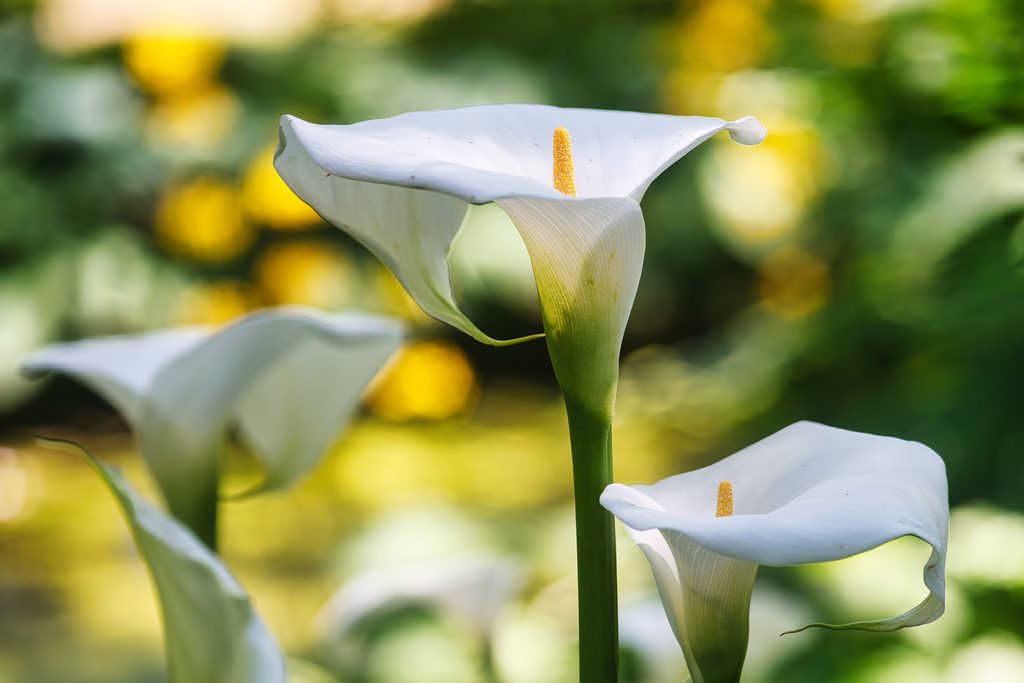
The calla lily has a smooth, trumpet-shaped bloom that looks almost sculpted. It stands for purity, rebirth and calm beauty. It is a popular choice in modern weddings and memorial services.
Like the peace lily, it is not a true lily. Clemson Extension lists calla in the same arum family. The shared shape of the flower explains why the two plants look related.
Use calla lilies in a tall, simple arrangement. Their clean lines suit a quiet, modern space. Like the peace lily, they can irritate the mouth if eaten, so keep them away from pets.
20. Baby’s Breath
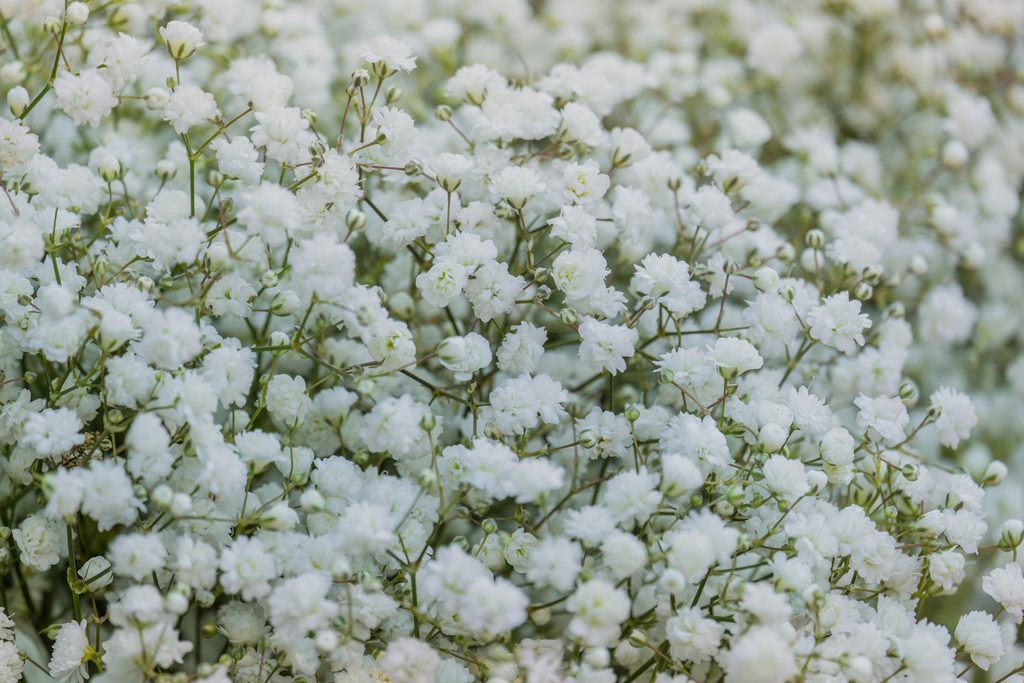
Baby’s breath is a cloud of tiny white flowers. It usually plays a supporting role in bouquets. Yet on its own, it looks airy, soft and peaceful.
The flower stands for innocence, everlasting love and a pure heart. It also dries well, which means it can last for months. This long life adds to its calm feeling.
I like to place a loose bunch of baby’s breath in a simple jar. It needs nothing else. It is a budget-friendly way to bring peace and light into any corner.
21. White Hyacinth
White hyacinths have dense, fragrant spikes of small stars. In Victorian flower language, they were linked with prayer and with a wish for someone’s peace and well-being. The scent is strong and sweet.
They bloom early in the spring, often when the weather is still cold. This makes them a sign of hope. They remind us that calm days will return.
You can force hyacinth bulbs in water indoors during winter. Watching the roots and flowers grow is a quiet pleasure. Give a potted hyacinth to someone who is recovering from illness or loss.
22. Plumeria
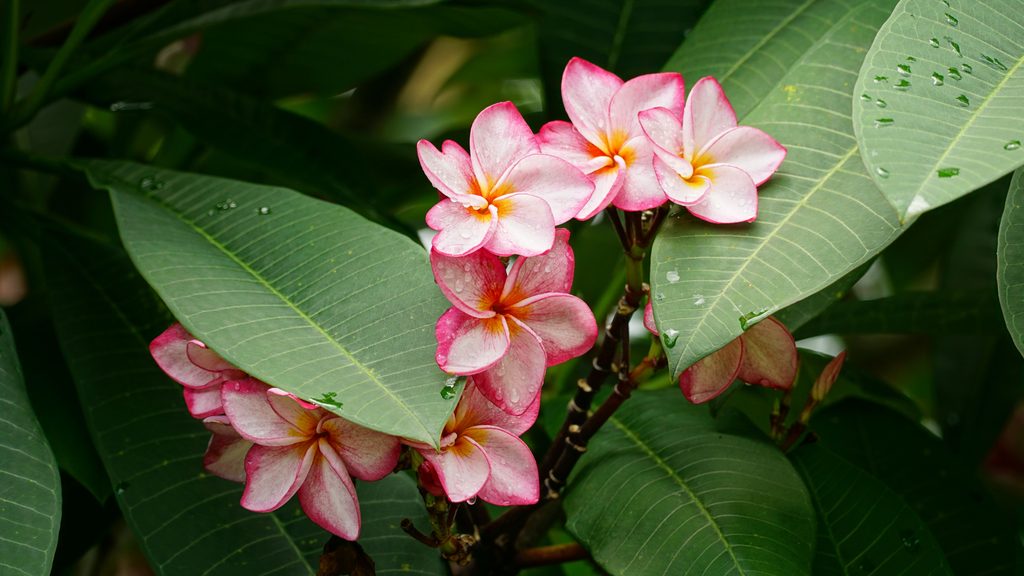
Plumeria, also called frangipani, is a tropical flower with waxy, fragrant petals. In Hawaii, it is used in leis to welcome guests and to show affection. The message of hospitality and goodwill is clear.
In parts of Southeast Asia, plumeria trees grow near temples and are linked with calm and respect. The scent is sweet and warm. It feels like a holiday in a flower.
If you live in a cooler climate, plumeria can be grown in a pot and brought inside for winter. A single bloom floating in a bowl brings the tropics into your home. It is an easy way to create a gentle, welcoming mood.
23. White Orchid
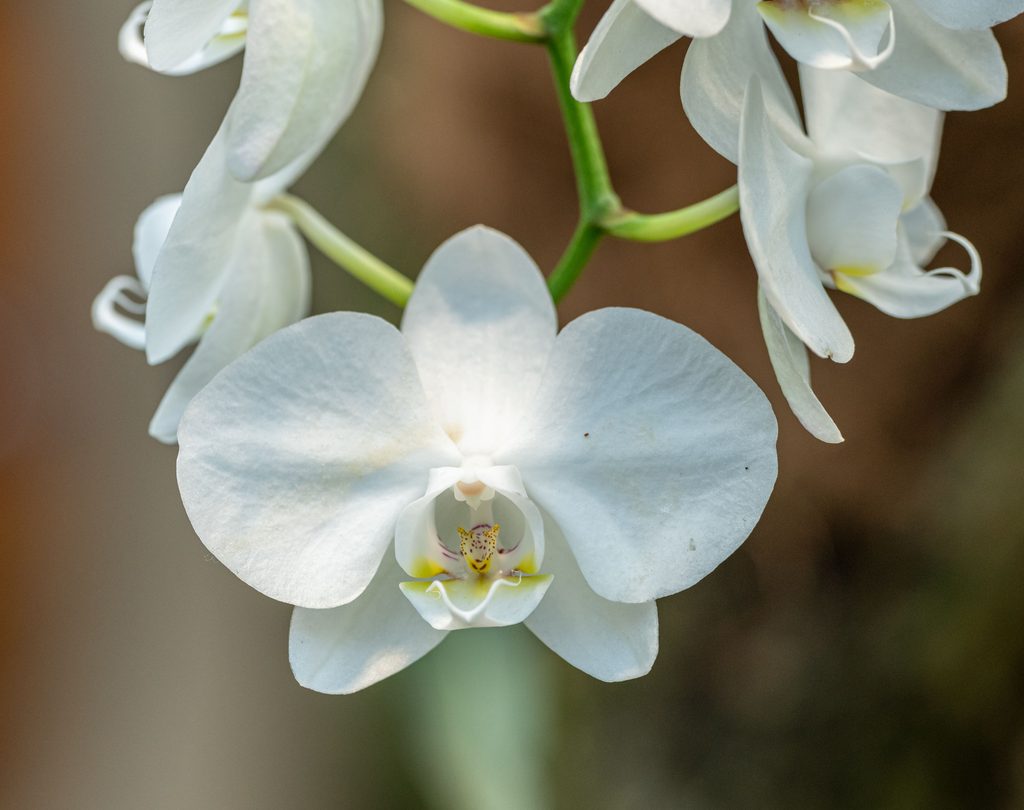
White orchids stand for purity, grace and quiet elegance. The moth orchid is the most common type in homes. Its blooms can last for weeks, and the plant often flowers again with good care.
The long life of the flower adds to its sense of peace. It does not wilt in a day. It simply stays, calm and steady, on a windowsill.
A white orchid is a thoughtful gift for a new home or a sympathy visit. Place it in bright, indirect light and water it sparingly. It rewards patience.
24. Dogwood
Dogwood is the flower of a lesser-known peace story. After Japan’s gift of cherry trees in 1912, the United States sent flowering dogwood trees to Japan in 1915 as a return gesture. The two gifts together became a sign of friendship across the Pacific.
The dogwood blooms in spring with broad white or pink bracts that look like petals. The tree is a favorite in American woodlands and gardens. It is simple, balanced and calm.
Plant a dogwood if you want a living symbol of friendship. It grows slowly but returns every year. That steady return is part of its quiet charm.
25. Forget-Me-Not
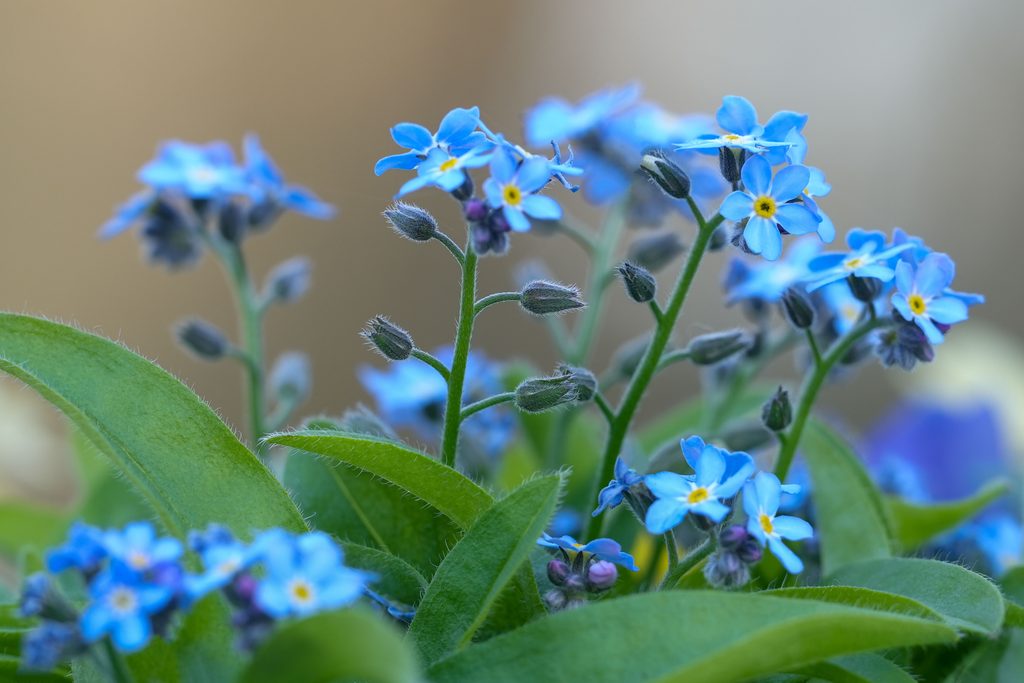
The forget-me-not is a tiny blue flower with a yellow center. It stands for faithful memory and gentle comfort. Many people give it after a loss, as a sign that the person will not be forgotten.
This meaning brings its own kind of peace. Remembering with love can help a person heal. The flower does not ask for grief to end. It simply offers company.
Forget-me-nots grow easily in shady, damp spots and often self-seed. A small patch in the garden can become a quiet memorial. A tiny posy on a table also makes a tender gesture of care.
How to Choose the Right Peace Flower
Start with the situation. For sympathy, choose white lilies, white roses or forget-me-nots. For apologies and fresh starts, consider white tulips, olive stems or daisies. For relaxation at home, lavender, jasmine and chamomile are the best choices.
Next, think about color. White is the most common color of peace across cultures. Soft purples, blues and greens also feel calm. Bright reds can feel too intense, so use them with care.
Finally, think about safety. Lilies, peace lilies, calla lilies and lily of the valley can harm pets and children if eaten. Ask your florist or check a reliable plant guide before you buy.
Frequently Asked Questions
What is the number one flower for peace? The white lily and the olive branch are the most widely known symbols of peace. The peace lily is also a popular choice, since it carries the word in its name.
Which flower is a symbol of world peace? The olive branch is the main symbol of world peace. It appears on the emblem of the United Nations. The white poppy and the sunflower are also used as peace symbols.
Is the peace lily a real lily? No. Clemson Extension notes that peace lilies are not true lilies. They belong to the arum family, along with calla lilies.
Which flowers help you relax? Lavender, chamomile and jasmine are the most common choices. Research on lavender and chamomile is promising but still limited, so use them as a gentle aid, not a treatment.
What color flower means peace? White is the best-known color of peace. Pale blue, lavender and soft green also give a calm feeling.
Final Thoughts
Peace does not always arrive with noise. Sometimes it comes as a white tulip on a doorstep or a branch of olive on a table. These small acts can open a door that words cannot.
I find the quietest flowers are often the most powerful. A jar of daisies can end a small quarrel. A potted peace lily can calm a busy office. A sprig of lavender can help a tired mind rest.
Choose a flower that fits your story, and add a short, honest note. Let the plant do the rest. Peace has always grown best when we give it a little care.
References
- U.S. Government Publishing Office (GovInfo). Anniversary of the Cherry Trees. https://www.govinfo.gov/features/anniversary-cherry-trees
- Library of Congress, Inside Adams blog. We Shall Keep the Faith (on Moina Michael and the red poppy). https://blogs.loc.gov/inside_adams/2010/05/we-shall-keep-the-faith/
- Clemson University Cooperative Extension, Home & Garden Information Center. Peace Lily (HGIC 1512). https://hgic.clemson.edu/factsheet/peace-lily/
- NC State Extension. Spathiphyllum (Plant Toolbox). https://plants.ces.ncsu.edu/plants/spathiphyllum
- National Institutes of Health, PubMed. Therapeutic efficacy and safety of chamomile for state anxiety, generalized anxiety disorder, insomnia, and sleep quality: a systematic review and meta-analysis (Phytotherapy Research, 2019). https://pubmed.ncbi.nlm.nih.gov/31006899/
- National Institutes of Health, PubMed Central. Silexan in anxiety, depression, and related disorders: pharmacological background and clinical data. https://pmc.ncbi.nlm.nih.gov/articles/PMC12500767
- Oregon State University, Landscape Plants. Syringa (lilac). https://landscapeplants.oregonstate.edu/syringa

Tim M Dave is a gardening expert with a passion for houseplants, particularly cacti and succulents. With a degree in plant biology from the University of California, Berkeley, he has vast experience in gardening. Over the years, he has cultivated a vast collection of desert plants and learned a great deal about how to grow and care for these unique companions.