25 Flowers That Look Like Bells (Details, With Pictures)
I remember standing in a woodland clearing one spring morning, watching a whole slope of Virginia bluebells sway in the breeze. Every single flower looked like a tiny blue bell tied to a string, and the sight stayed with me for weeks afterward.
Bell-shaped flowers hold a special kind of charm. The shape itself, a rounded or tubular form that narrows at the mouth, exists in dozens of unrelated plant families, from woodland wildflowers to towering garden shrubs.
Nature seems to have landed on this design again and again, likely because it protects pollen from rain while still inviting bees inside.
This guide covers 25 flowers that genuinely resemble bells, whether nodding, upright, clustered, or hanging solo.
Let’s walk through the list.
1. Foxglove (Digitalis purpurea)
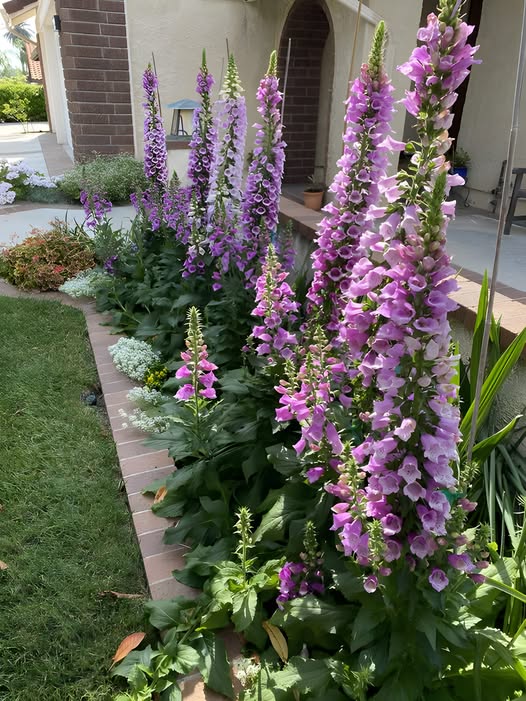
Foxglove might be the most recognizable bell-shaped flower in the world. Its tall spike carries dozens of pendulous, tubular blooms in shades of purple, pink, and white, each one speckled inside like a tiny painted throat.
I have always found foxglove a bit theatrical in the garden. It grows quietly for a year, then suddenly shoots up a flower spike taller than most people’s knees, sometimes reaching six feet in height.
NC State Extension describes foxglove as a biennial native to western Europe and Morocco, needing moist, organic-rich soil and afternoon shade to avoid drought stress.
University of Wisconsin Extension notes that foxglove was the original source of the heart medications digoxin and digitoxin, first used to treat heart failure since 1785. Every part of the plant is poisonous, so it needs careful placement away from curious pets and children.
2. English Bluebell (Hyacinthoides non-scripta)
English bluebells carpet ancient woodlands every spring with a haze of violet-blue, each stem lined with dozens of small, drooping bells. The scent is subtle but sweet, and a full bluebell wood is considered one of the great seasonal sights in the United Kingdom.
I think what makes bluebells so beloved is the timing. They bloom in that brief window between winter bareness and full summer canopy, when the forest floor gets just enough light to explode into color.
The flowers themselves curl back slightly at the tips, distinguishing true English bluebells from the Spanish variety, which stands more upright. They typically grow six to twelve inches tall and spread by bulb offsets, forming dense colonies over decades in undisturbed woodland soil.
ALSO READ: 25 Flowers That Look Like Birds (With Details Explained)
3. Canterbury Bells (Campanula medium)
Canterbury bells produce large, cup-shaped blooms that flare out from a narrow base, giving them one of the most dramatic silhouettes on this list. Colors range from deep purple to soft pink and white, often on the same stem.
I grew these once in a cottage garden bed, and visitors always asked what the “big purple bells” were called. The name itself comes from bells once carried by pilgrims traveling to Canterbury Cathedral in England.
This biennial typically reaches two to three feet tall, blooming in its second year before setting seed and dying back. It prefers full sun to partial shade and well-drained soil, and it works beautifully in cutting gardens since the blooms hold up well in a vase for several days.
4. Lily of the Valley (Convallaria majalis)
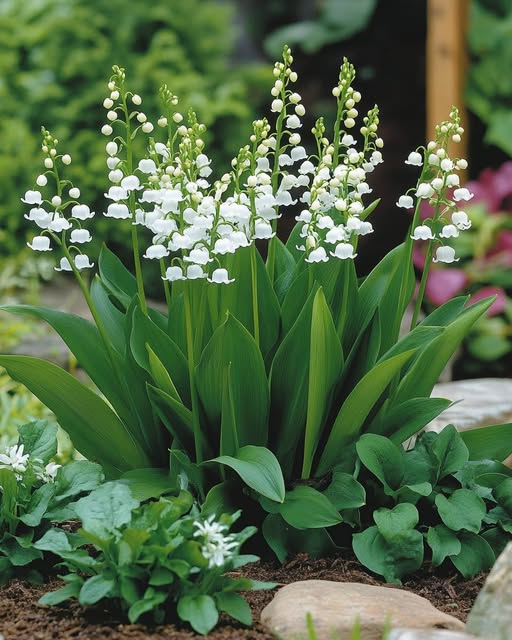
Lily of the valley produces small, white, nodding bells along a single arching stem, each one no bigger than a fingertip. The fragrance is famously sweet, which explains why it has been used in perfumes for centuries.
I love how understated this plant looks from a distance, yet how detailed each little bell becomes up close. The flowers hang in a neat row, almost like a string of tiny lanterns.
This perennial spreads through underground rhizomes and thrives in shaded woodland settings, often naturalizing under trees where little else will grow. Every part of the plant, including the tempting red berries that follow the flowers, is toxic if ingested, so it needs thoughtful placement in family gardens.
5. Snowdrop (Galanthus nivalis)
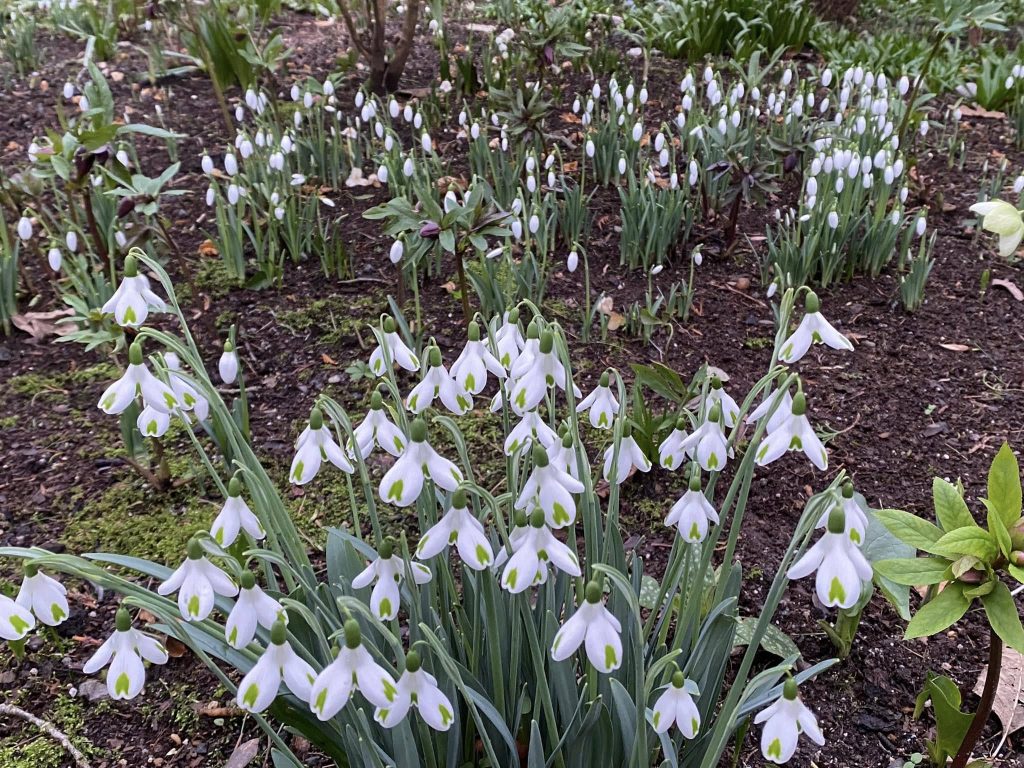
Snowdrops are often the very first flowers to appear after winter, sometimes pushing through a thin layer of snow itself. Each stem carries a single, drooping, bell-shaped bloom with three outer white petals and a smaller green-marked inner cup.
I always feel a small rush of hope seeing the first snowdrops of the year. They are proof that the garden is waking up again, even while the air is still cold enough to see your breath.
This bulb typically grows four to six inches tall and prefers partial shade with moist, well-drained soil. Snowdrops naturalize readily once established, often forming dense drifts under deciduous trees where they can soak up early spring sunlight before the leaf canopy fills in.
6. Fuchsia (Fuchsia hybrida)

Fuchsia flowers hang like elegant bell-shaped earrings, often in two contrasting colors, with a flared skirt of petals beneath a slender tube. Hummingbirds are especially drawn to the color combinations and the shape, which fits their long beaks perfectly.
I have always thought fuchsia looks almost artificial, like something a jeweler designed rather than a plant. The way the colors separate into distinct layers gives each bloom real visual depth.
This shrub or trailing plant typically grows one to three feet, depending on the variety, and prefers partial shade with consistently moist soil. It struggles in intense heat, which is why it thrives especially well in cooler coastal climates or as a container plant brought indoors during hot summer months.
7. Coral Bells (Heuchera species)
Coral bells send up thin, wiry stems dotted with dozens of tiny, bell-shaped flowers in shades of pink, red, or white. The foliage below, often deep burgundy or lime green, tends to steal the spotlight, but the flowers add a delicate, airy texture above it.
I appreciate coral bells because they do double duty in a shade garden. The colorful leaves provide interest most of the year, while the flower spikes bring in hummingbirds during their bloom window.
This perennial typically grows twelve to eighteen inches tall when in bloom, though the foliage mound stays much lower. It prefers partial shade and well-drained soil, and it tolerates a wide range of climates, making it one of the most versatile bell-shaped flowers for mixed borders.
8. Crown Imperial (Fritillaria imperialis)
Crown imperial produces a striking crown of orange, yellow, or red bell-shaped flowers arranged in a ring beneath a tuft of leafy bracts at the top of a tall stem. It is one of the more architectural entries on this list, standing nearly three feet tall in full bloom.
I find this flower slightly unusual in the best way. It has a musky, almost skunk-like scent that some gardeners dislike, though many say this actually helps repel deer and rodents from the garden bed.
This bulb prefers full sun to light shade and rich, well-drained soil. It blooms in mid to late spring and benefits from being left undisturbed for several years, since crown imperial bulbs can take time to reestablish after being moved or divided.
9. Snake’s Head Fritillary (Fritillaria meleagris)
Snake’s head fritillary produces a single nodding, bell-shaped flower per stem, checkered in a striking pattern of purple and white squares. The effect looks almost hand-painted, which is why this flower has such a devoted following among collectors.
I find something quietly hypnotic about the checker pattern. No two flowers look quite identical, and the pattern shifts subtly depending on the light hitting the petals.
This bulb grows about twelve inches tall and prefers moist, slightly acidic soil in partial shade. It naturalizes well in damp meadows and along stream banks, and it is considered a native wildflower across parts of Europe, where conservation groups actively protect remaining wild populations.
ALSO READ: 15 Flowers That Smell Like Vanilla (With Pictures, And Growing Details)
10. Harebell (Campanula rotundifolia)
Harebell produces delicate, thin-stemmed, sky-blue bells that seem to float above rocky slopes and dry meadows. Despite its fragile appearance, this flower is remarkably tough, thriving in poor soil where many other plants would struggle.
I have always admired how harebell manages to look weightless even in strong wind. The thin wiry stems bend and bounce without breaking, letting the flowers nod gently rather than snap off.
This perennial typically grows six to twelve inches tall and spreads slowly by seed and short rhizomes. It tolerates drought once established and prefers full sun, making it a reliable choice for rock gardens, gravel beds, and other lean-soil landscapes.
11. Peach-Leaved Bellflower (Campanula persicifolia)
Peach-leaved bellflower produces open, cup-shaped bells in shades of blue, purple, or white along slender, upright stems. The name comes from its narrow leaves, which resemble those of a peach tree rather than any connection to the fruit itself.
I like this bellflower for its clean, cottage-garden charm. It pairs beautifully with roses and other traditional border perennials, adding vertical structure without overwhelming its neighbors.
This perennial typically reaches two to three feet tall and prefers full sun to partial shade with well-drained soil. It blooms for several weeks in early summer, and deadheading spent flowers often encourages a modest second flush later in the season.
12. Virginia Bluebells (Mertensia virginica)

Virginia bluebells produce clusters of nodding, sky-blue, bell-shaped flowers that open from pink buds, a color transition that gives each plant two distinct looks within a single bloom cycle. They are considered one of the finest native spring wildflowers in eastern North America.
I described this flower at the very start of this article for a reason. Few native wildflowers create such a complete visual transformation of a forest floor in such a short window of time.
According to the National Park Service, the buds unfasten into trumpet-shaped, light blue flowers that resemble little blue bells, blooming from March through June and releasing nectar that attracts bees and hummingbirds.
This plant is a spring ephemeral, meaning it flowers, sets seed, and dies back to the ground before summer heat arrives, typically reaching twelve to twenty-four inches tall.
13. Large-Flowered Bellwort (Uvularia grandiflora)
Bellwort produces slender, twisted, yellow bells that dangle beneath arching stems, giving the whole plant a gently drooping, almost shy posture. It thrives in the dappled light of deciduous forests, often blooming alongside trilliums and trout lilies.
I find bellwort easy to overlook at first glance, since the flowers face downward and blend with the surrounding leaf litter. Kneeling down to look up into the bloom reveals a surprisingly elegant, twisted petal structure.
This perennial typically grows twelve to eighteen inches tall and spreads slowly through rhizomes in rich, moist woodland soil. It prefers partial to full shade and is considered an excellent indicator species for healthy, undisturbed forest ecosystems in eastern North America.
14. Grape Hyacinth (Muscari armeniacum)
Grape hyacinth produces tightly packed clusters of tiny, round, bell-shaped flowers stacked along a single stem, resembling an upside-down bunch of grapes. The deep blue-purple color makes it a favorite for mass plantings along garden edges and under trees.
I like using grape hyacinth as a low border plant, since the color reads almost like a ribbon of blue when planted in drifts. It blooms early enough to bridge the gap between the last snowdrops and the first daffodils.
This bulb typically grows six to eight inches tall and prefers full sun to partial shade with well-drained soil. It multiplies readily through both bulb offsets and self-seeding, so a modest planting often expands into a substantial colony within just a few years.
15. Japanese Snowbell (Styrax japonicus)
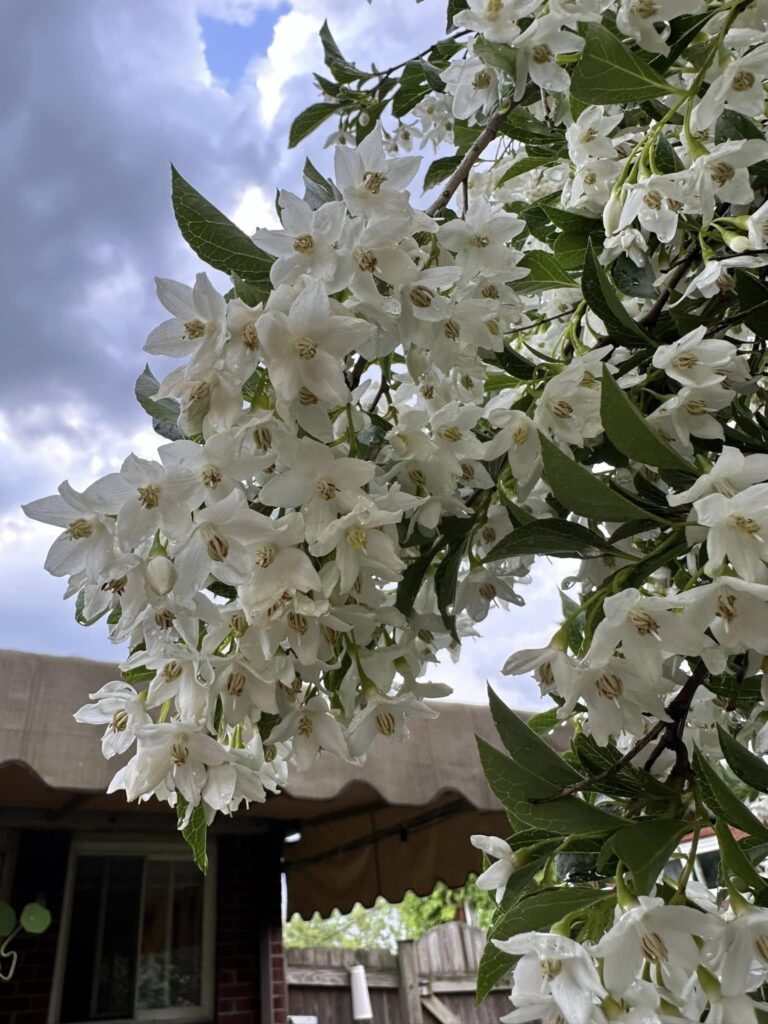
Japanese snowbell is a small flowering tree that produces hundreds of small, white, bell-shaped flowers dangling beneath its branches in late spring. The overall effect from below looks like a canopy hung with tiny paper lanterns.
I think this tree deserves more attention in home landscapes. It stays modest in size compared to many flowering trees, yet the bloom display rivals much larger specimens.
This deciduous tree typically grows twenty to thirty feet tall with a graceful, horizontal branching habit. It prefers full sun to partial shade and moist, well-drained, slightly acidic soil, and the flowers are followed by small gray-green fruits that persist into autumn.
16. Carolina Silverbell (Halesia carolina)
Carolina silverbell produces clusters of white, bell-shaped flowers that emerge before the leaves fully unfurl in spring, creating a striking, almost ghostly display along bare branches. It is native to the southeastern United States, often found along stream banks and in mixed hardwood forests.
I have seen mature silverbell trees in bloom during a spring hike, and the effect of hundreds of white bells against gray bark is hard to forget. It photographs beautifully but looks even better in person.
This tree typically reaches thirty to forty feet tall at maturity, though it can be kept smaller through pruning in cultivated landscapes. It prefers partial shade and rich, acidic, well-drained soil, closely mirroring the conditions found in its native understory habitat.
17. Enkianthus (Enkianthus campanulatus)
Enkianthus produces clusters of small, cream to pink bell-shaped flowers with delicate reddish veining, hanging just below the branches in mid to late spring. The species name itself, campanulatus, literally means bell-shaped in Latin.
I appreciate how this shrub offers more than one season of interest. The spring flowers are subtle but lovely up close, and the foliage turns brilliant shades of red and orange in autumn, rivaling many dedicated fall-color shrubs.
This deciduous shrub typically grows six to eight feet tall, though older specimens can reach much taller with age. It prefers partial shade and acidic, well-drained soil, making it a natural companion for azaleas, rhododendrons, and other acid-loving woodland plants.
18. Pieris (Pieris japonica)
Pieris, sometimes called lily-of-the-valley shrub, produces cascading clusters of small, white or pink, urn-shaped bells in early spring. The flower clusters droop gracefully from the branch tips, resembling strings of tiny bells hung along the entire shrub.
I find pieris especially valuable because it blooms so early, often while snow still lingers in shaded corners of the garden. The evergreen foliage also provides year-round structure long after the flowers fade.
This shrub typically grows eight to twelve feet tall, though many compact cultivars stay much smaller for foundation plantings. It prefers partial shade and moist, acidic, well-drained soil, and new growth often emerges in shades of bronze or red before maturing to green.
19. Blueberry Blossom (Vaccinium corymbosum)
Blueberry flowers are easy to overlook until you notice how perfectly bell-shaped each individual bloom really is. Clusters of small, white to pale pink, urn-shaped flowers appear in spring, later giving way to the familiar berries.
I always point these flowers out to people who grow blueberries just for the fruit. Few realize the plant produces such a tidy, classic bell shape before any berries ever form.
This deciduous shrub typically grows four to six feet tall and prefers full sun with moist, acidic, well-drained soil. The flowers rely heavily on bee pollination, and a strong bee population directly affects how many berries the plant produces later in the season.
20. Heather (Erica species)
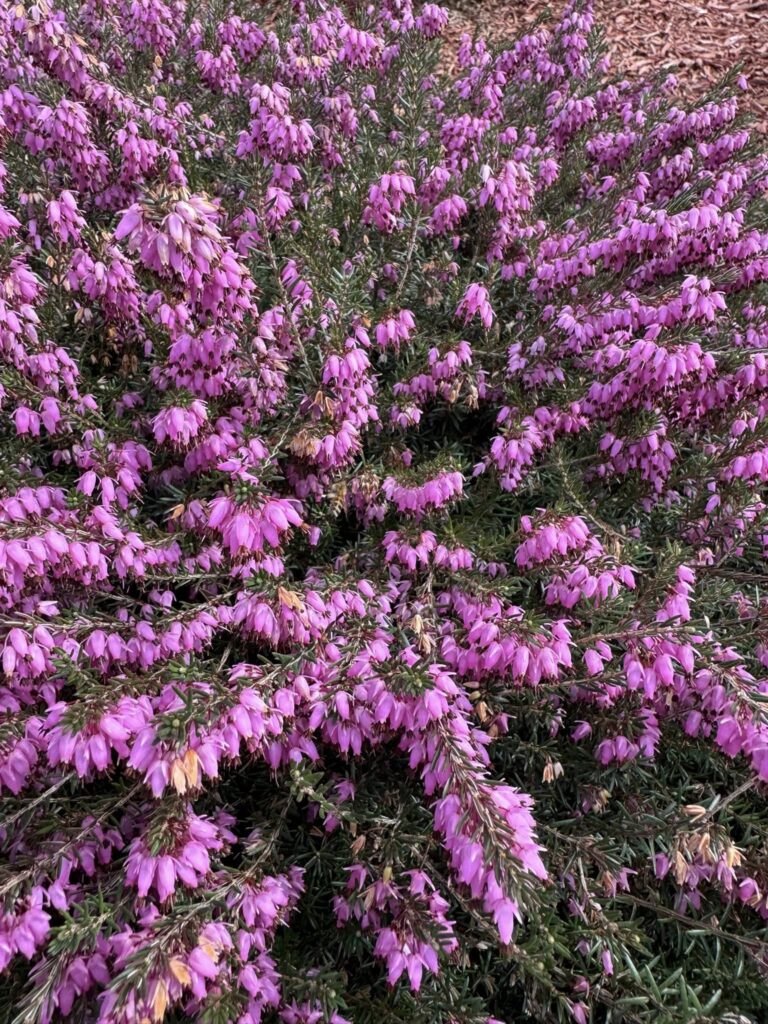
Heather produces dense spikes covered in dozens of tiny, urn-shaped or bell-shaped flowers, often in shades of pink, purple, or white. A single mature plant can carry thousands of these miniature blooms at once, creating a solid wash of color across hillsides.
I think heather works best viewed from a distance, where the individual bell shapes blur into a single textured carpet of color. Up close, each tiny flower still holds its own distinct, rounded form.
This low-growing evergreen shrub typically reaches six to eighteen inches tall, depending on the species and cultivar. It prefers full sun and acidic, well-drained soil, and it tolerates poor, sandy conditions far better than most other flowering shrubs, which explains its dominance across heathland and moorland habitats.
21. Nodding Onion (Allium cernuum)
Nodding onion produces loose clusters of small, bell-shaped, pink to lavender flowers that droop from a gracefully curved stem tip. Unlike many ornamental alliums that stand stiffly upright, this species bends its flower head downward in a distinctive nodding posture.
I like nodding onion for its informal, wildflower charm. It looks equally at home in a native plant garden or tucked among perennials in a more traditional border.
This perennial typically grows twelve to eighteen inches tall and prefers full sun to partial shade with well-drained soil. It is native to much of North America and attracts a wide range of pollinators, including native bees and butterflies drawn to its mild onion-scented nectar.
ALSO READ: 25 Best Flowers to Grow in Autumn (With Care Details)
22. Solomon’s Seal (Polygonatum biflorum)
Solomon’s seal produces pairs of small, greenish-white, tubular bells that hang neatly beneath an arching stem lined with broad, oval leaves. The overall effect looks remarkably tidy, almost as if someone deliberately arranged each bloom by hand.
I enjoy watching this plant move through the seasons. The spring flowers give way to dark blue berries by late summer, and the arching form adds structure to shaded beds even after the blooms are long gone.
This perennial typically grows one to three feet tall and spreads slowly through underground rhizomes in rich, moist woodland soil. It prefers partial to full shade, making it a dependable choice for the kind of deep shade where few flowering perennials manage to thrive.
23. Trout Lily (Erythronium americanum)
Trout lily produces a single, nodding, bell-shaped yellow flower above mottled, brown-spotted leaves that resemble the skin of a trout, which is exactly where the common name comes from. It is one of the earliest spring wildflowers to bloom in deciduous forests.
I always feel like I have found something rare when I spot trout lily blooming, even though established colonies can carry thousands of individual plants. Only a fraction of plants in any colony actually flower each year, since younger plants need several seasons to mature enough to bloom.
This perennial typically grows four to six inches tall and prefers partial to full shade with moist, rich woodland soil. It spreads slowly through both seed and underground bulbs, and mature colonies can take many years to establish fully, which makes wild populations especially valuable to protect.
24. Bonnet Bellflower (Codonopsis species)
Bonnet bellflower produces pendulous, bell-shaped flowers that hang from twining vines, often marked inside with intricate patterns of purple, brown, or green veining. The genus name itself derives from the Greek words for bell and seed, a direct nod to the flower shape.
I find this plant fascinating because the true beauty hides inside the bell rather than on its surface. You have to tilt the flower upward or crouch beneath it to fully appreciate the detailed interior markings.
This twining perennial vine typically grows several feet long each season, climbing trellises or scrambling through nearby shrubs for support. It prefers partial shade and well-drained soil, and it is closely related botanically to the true bellflowers in the Campanula family.
25. Flowering Maple (Abutilon species)
Flowering maple, sometimes called Chinese lantern for its dangling, bell-shaped blooms, produces flowers in shades of orange, red, yellow, and pink that hang beneath maple-like leaves. The blooms have a slightly papery, lantern-like texture that sets them apart from most other bell-shaped flowers on this list.
I enjoy growing flowering maple as a container plant, since it blooms nearly continuously through the warm season with minimal care. Moving it indoors before frost extends the display well into the cooler months.
This shrubby perennial typically grows three to six feet tall in favorable climates, though container specimens usually stay more compact. It prefers bright, indirect light and consistently moist, well-drained soil, and it attracts hummingbirds readily thanks to its tubular, nectar-rich blooms.
Tips For Growing A Bell-Shaped Flower Garden
If you want to build a garden themed around this shape, timing and layering matter. Start with early bloomers like snowdrops, trout lily, and grape hyacinth, then let foxglove and bellflowers carry the display into summer.
Group taller specimens like foxglove and Canterbury bells toward the back of a bed, then let lower growers like harebell and coral bells fill the front edge. Woodland species such as bellwort, Solomon’s seal, and Virginia bluebells thrive together in shaded beds beneath trees.
Soil and light needs vary widely across this list, so check each plant’s preferences before grouping them too closely. Heather wants lean, acidic soil, while lily of the valley tolerates far richer conditions in deep shade.
Final Thoughts
Bell-shaped flowers bring a quiet, almost musical rhythm to a garden. Whether nodding gently in a woodland setting or standing upright along a cottage border, each one shares that same familiar silhouette that has charmed gardeners for centuries.
I would start with two or three from this list based on your climate and light conditions, then expand once you see what thrives. Watching these flowers sway and nod through a spring breeze is one of the simplest pleasures a garden can offer.
References
- NC State Extension Plant Toolbox — Digitalis purpurea (Foxglove): https://plants.ces.ncsu.edu/plants/digitalis-purpurea/
- University of Wisconsin-Madison Extension Master Gardener Program — Digitalis purpurea Fact Sheet: https://mastergardener.extension.wisc.edu/files/2017/07/Digitalis_purpurea.pdf
- National Park Service — Bluebells, Manassas National Battlefield Park: https://www.nps.gov/mana/learn/nature/bluebells.htm
- NC State Extension Plant Toolbox — Convallaria majalis (Lily of the Valley): https://plants.ces.ncsu.edu/plants/convallaria-majalis/
- University of Arizona Cooperative Extension, Yavapai County — Allium cernuum (Nodding Onion): https://yavapaiplants.extension.arizona.edu/allium-cernuum
- NC State Extension Plant Toolbox — Heuchera (Coral Bells): https://plants.ces.ncsu.edu/plants/heuchera/common-name/heuchera/
- Clemson Cooperative Extension HGIC — Heuchera, Coral Bells: https://hgic.clemson.edu/heuchera-coral-bells/

Tim M Dave is a gardening expert with a passion for houseplants, particularly cacti and succulents. With a degree in plant biology from the University of California, Berkeley, he has vast experience in gardening. Over the years, he has cultivated a vast collection of desert plants and learned a great deal about how to grow and care for these unique companions.