70 Stunning Flowers That Start With C (With Pictures, and Care Tips)
Botanists estimate that thousands of plant genera begin with C, and flowers make up a large share of that group.
Part of the reason is Latin. Many scientific plant names carry Latin or Greek roots, and C is a common starting letter in both languages. Think of Campanula, Clematis, and Chrysanthemum.
Fun fact: the genus Cosmos comes from the Greek word for “order” or “harmony,” a nod to the neat arrangement of its petals. Small details like this make botany genuinely fun to explore.
This guide covers 70 flowers that start with C, organized into simple groups so you can find exactly what you need. Whether you’re planning a garden, naming a baby, or just curious, this list has you covered.
1. Classic Garden Flowers Starting With C
These are the flowers most people picture first. They are reliable, widely available, and beginner friendly.
1. Carnation (Dianthus caryophyllus)
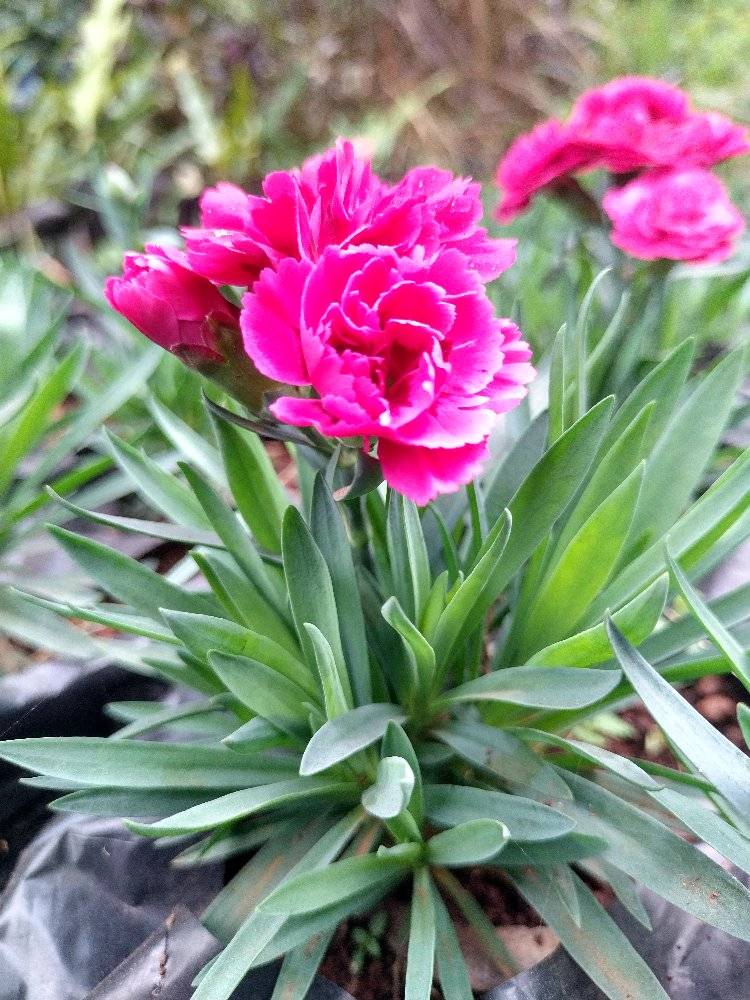
The carnation is one of the world’s top five cut flowers, and it’s easy to see why. Its ruffled, layered petals hold their shape for days, sometimes weeks, in a vase.
Florists love it because it comes in almost every color, including dyed and bi-color varieties. In the garden, carnations prefer cool summers and well-drained, slightly alkaline soil.
They struggle in extreme heat, so gardeners in the deep South often grow them as annuals rather than perennials. Deadheading spent blooms keeps the plant flowering for months.
2. Chrysanthemum
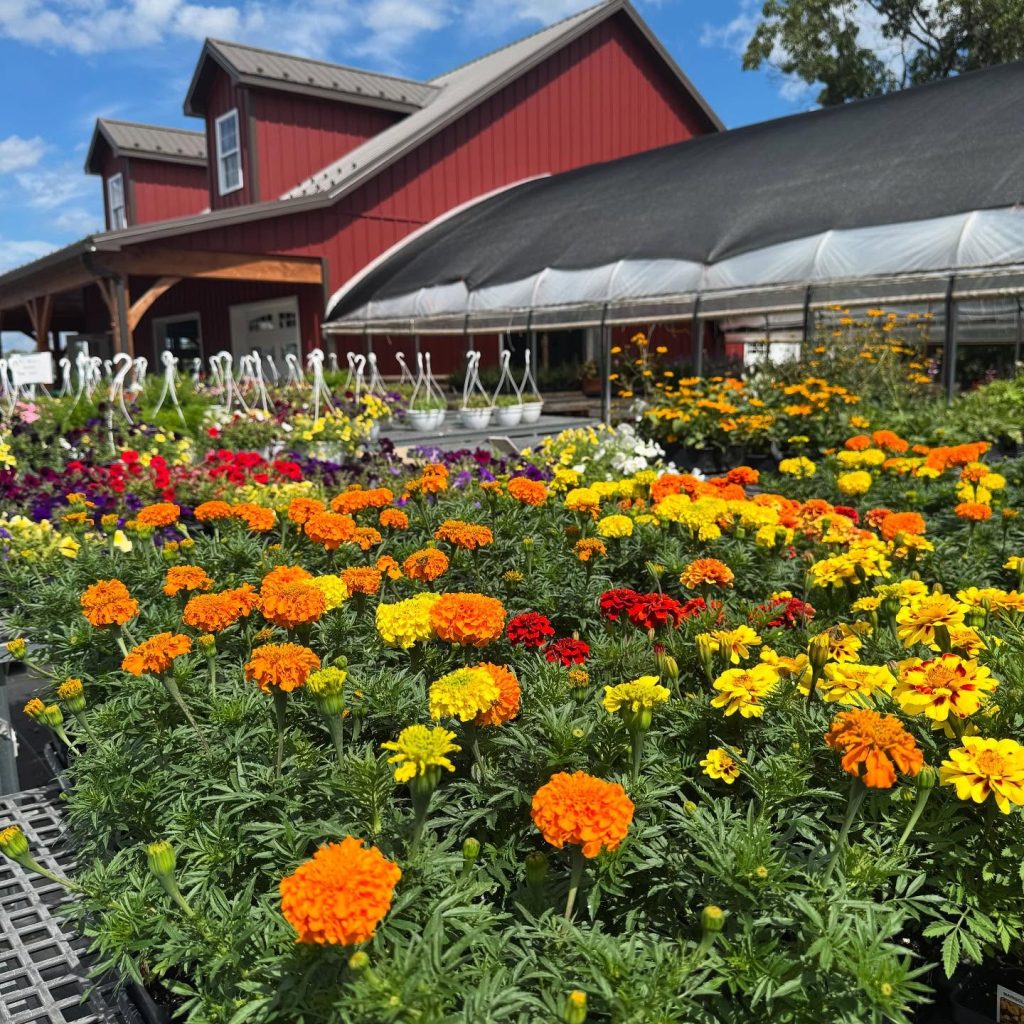
Known simply as “mums,” chrysanthemums are the flower of autumn. They bloom just as most summer annuals are fading, filling the gap with gold, bronze, and deep red tones.
In China, where the flower originated, chrysanthemums have been cultivated for over 2,500 years. In Japan, the flower represents the imperial family and appears on the national seal.
Mums prefer full sun and slightly acidic soil. Pinching back the stems in early summer encourages bushier growth and more flowers by fall.
3. Cosmos
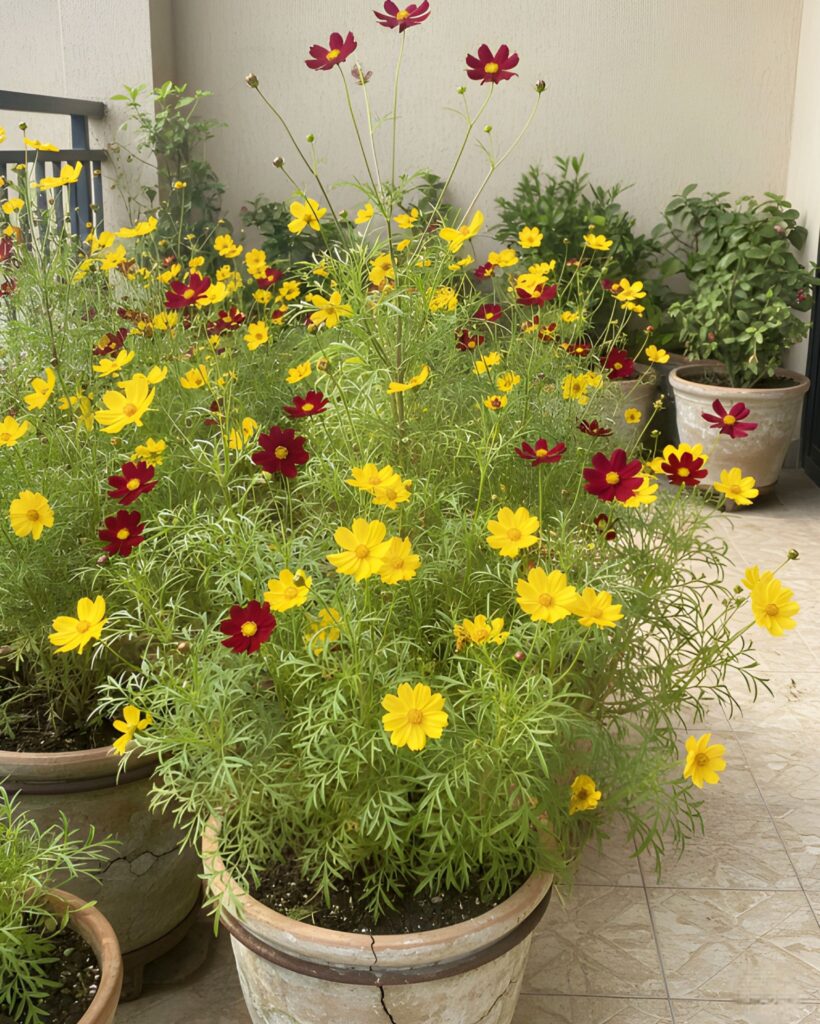
Cosmos is a daisy-like annual native to Mexico, and it might be the easiest flower on this entire list to grow. It tolerates poor, dry soil better than almost any other garden annual.
The name comes from the Greek word for order, a reference to the neat, symmetrical arrangement of its petals. Once established, cosmos self-seeds readily, which is why it shows up in so many wildflower mixes.
Cut a few stems regularly and the plant responds by producing even more blooms through summer and into fall.
4. Clematis
Often called the “queen of climbers,” clematis produces large, star-shaped flowers on woody, twining vines. A well-placed clematis can cover a trellis, fence, or archway within just a couple of seasons.
There are hundreds of cultivars, blooming in shades of purple, pink, white, and deep red. Some varieties flower once in spring, while others rebloom through summer.
Clematis has a quirky preference gardeners repeat often: “cool roots, warm top.” Shade the base of the plant while letting the vine climb into full sun.
5. Camellia
Camellia is a glossy-leaved evergreen shrub with rose-like flowers that bloom in winter and early spring, when almost nothing else in the garden is flowering.
It’s a long-lived plant. Some camellia specimens in China and Japan are documented to be several hundred years old, still flowering reliably each season.
Camellias need acidic, well-drained soil and some afternoon shade in hotter climates. Direct, harsh sun can scorch their leaves and shorten bloom time.
6. Cyclamen
Cyclamen flowers have a distinctive look. Their petals sweep backward, almost like a butterfly caught mid-flight, sitting above heart-shaped, patterned leaves.
It’s one of the most popular winter houseplants in Europe, often sold in supermarkets around the holidays. Outdoors, hardy cyclamen species naturalize well under trees.
The trick to keeping cyclamen alive indoors is cooler temperatures. Warm, dry rooms cause the plant to wilt and drop its blooms far too early.
7. Columbine
Columbine is a woodland perennial known for its spurred, bell-shaped flowers that seem almost too delicate to be real. Each bloom has five long, backward-pointing spurs that store nectar.
Hummingbirds are drawn to these spurs, making columbine a smart choice for anyone building a pollinator garden. It self-seeds gently, without becoming aggressive.
Columbine tolerates partial shade better than most flowering perennials, which makes it a good filler for the edges of a wooded garden bed.
8. Coneflower (Echinacea)
Coneflower is a native North American prairie plant with a raised, spiky center surrounded by drooping petals. It’s tough, drought-tolerant, and thrives on neglect once established.
Beyond its garden value, Echinacea has a long history in herbal medicine, where it’s used to support the immune system, particularly during cold season.
Leave the seed heads standing through winter. Goldfinches and other seed-eating birds rely on them once the garden has otherwise gone quiet.
9. Candytuft
Candytuft is a low, mounding perennial that gets completely covered in tiny white flowers each spring, almost hiding its foliage underneath the blooms.
It works especially well as a border edge, a rock garden filler, or spilling over the top of a retaining wall. The flowers have a light, sweet fragrance.
After the spring bloom fades, a light trim keeps the plant compact and encourages a tidier shape heading into summer.
10. Cornflower (Bachelor’s Button)
Cornflower is one of the few truly blue flowers in the garden, a color that’s surprisingly rare in nature. It once grew wild among European grain fields, which is exactly how it earned its nickname.
The flower has a fringed, almost shredded-looking petal structure that sets it apart from smoother blooms like daisies or asters. Bees find it just as appealing as gardeners do.
Cornflower grows quickly from seed and tolerates poor soil, making it a favorite in casual, cottage-style flower beds.
11. China Aster
China aster is an old-fashioned annual with daisy-like blooms in purple, pink, and white, often layered so densely they resemble small pompoms.
It has been cultivated in Chinese gardens for centuries before making its way into European and American flower borders during the 18th century.
China aster prefers full sun and consistent moisture. Rotating its planting location each year helps avoid a soil-borne disease called aster wilt.
12. Calla Lily
Calla lily produces elegant, trumpet-shaped blooms that have become a staple at weddings and formal events. Despite the name, it isn’t a true lily botanically, but a member of the arum family.
The flower itself is technically a modified leaf, called a spathe, that wraps around a central spike. Colors range from classic white to deep burgundy and soft yellow.
Calla lilies grow from rhizomes and prefer consistently moist soil, which is why they’re often found near ponds or in low, damp garden corners.
2. Flowers Starting With C That Grow From Bulbs
Bulb flowers store energy underground, which lets them bloom fast and often survive harsh winters.
13. Crocus
Crocus is usually the first flower of spring, sometimes pushing straight through late snow before the rest of the garden has even woken up.
One species, Crocus sativus, produces saffron, the world’s most expensive spice by weight, harvested by hand from the flower’s thread-like stigmas.
Plant crocus corms in fall, about three inches deep, in a spot with good drainage. They’ll return and often multiply for years without any extra attention.
14. Canna Lily
Canna lily brings bold, tropical color to the garden with broad, paddle-shaped leaves and bright, ruffled flower spikes in red, orange, and yellow.
It thrives in hot, humid summer conditions, which makes it a favorite in Southern gardens and anywhere summers run long and warm.
In colder climates, gardeners dig up the rhizomes each fall and store them indoors, replanting once the danger of frost has fully passed.
15. Crinum Lily
Crinum lily is a large, sturdy Southern bulb plant known for its fragrant, trumpet-shaped blooms that appear on tall stalks above strap-like leaves.
It’s remarkably long-lived. A single crinum bulb can live and bloom for decades once it settles into a permanent spot in the garden.
Because the bulbs resent being disturbed, it’s best to plant crinum where it can stay put. Moving it often means waiting a year or two for it to bloom again.
16. Crown Imperial (Fritillaria imperialis)
Crown imperial is one of the most dramatic bulb flowers you can grow, with a tall stem topped by a crown-like cluster of nodding orange or yellow bells.
Historically, it has appeared in European royal gardens for centuries, valued for its striking, almost architectural form.
One quirk worth knowing: the bulbs and foliage carry a distinct, musky scent, said by some gardeners to help deter rodents and deer from the surrounding bed.
17. Checkered Lily (Fritillaria meleagris)
Checkered lily is a small, nodding bulb flower with a pattern unlike almost anything else in the garden. Its petals show a distinct checkerboard design in shades of purple and white.
It’s native to damp European meadows, and it prefers similar conditions at home: moist, slightly acidic soil in a partly shaded spot.
Because the bulbs are small and easily missed, mark their planting location. It’s an easy flower to accidentally dig up while working the bed in early spring.
18. Camas (Camassia)
Camas is a native North American wildflower with tall, blue-purple flower spikes that rise above narrow, grass-like leaves in late spring.
Indigenous communities across the Pacific Northwest historically used camas bulbs as an important food source, roasting them slowly to bring out their natural sweetness.
In the garden, camas naturalizes well in meadows and moist, sunny borders, returning reliably year after year with minimal care.
19. Cyclamen coum
Cyclamen coum is a hardy, smaller cousin of the florist cyclamen sold around the holidays. Unlike its houseplant relative, this one blooms outdoors in the depths of late winter.
Its rounded leaves, often marbled with silver, provide interest even when the plant isn’t flowering. Pink or white blooms appear just above the foliage.
It does best tucked under deciduous trees, where it gets bright light in winter and natural shade once the tree canopy fills back in for summer.
20. Chincherinchee (Star of Bethlehem)
Chincherinchee is a South African bulb flower prized in the cut-flower trade for one specific reason: it lasts an exceptionally long time in a vase, sometimes weeks.
Its clusters of star-shaped white flowers open gradually from the bottom of the stem upward, extending the display even further.
Given full sun and well-drained soil, chincherinchee multiplies steadily, making it a good candidate for naturalizing in warmer garden zones.
21. Chives Flower
Chives are usually grown for the kitchen, but the plant produces a flower too, and it’s more ornamental than most people expect. Round, purple pom-pom blooms sit atop slender green stalks.
The flowers are entirely edible, with a mild onion flavor that works well scattered over salads or used as a simple garnish.
Bees are especially fond of chive flowers, so letting a few clumps bloom fully is an easy way to support pollinators in a kitchen garden.
22. Colchicum (Autumn Crocus)
Colchicum looks almost like a crocus, but despite the common nickname, it isn’t one. It belongs to an entirely different plant family and blooms in fall rather than spring.
Oddly, its flowers often emerge before its own leaves do, appearing to rise straight out of bare soil, which surprises gardeners who forget they planted it.
Every part of the plant is toxic if eaten, so it’s worth keeping colchicum away from areas where pets or young children spend time.
3. Wildflowers and Meadow Blooms Starting With C
These flowers thrive with little help, making them ideal for natural or low-maintenance gardens.
23. Corn Poppy
Corn poppy is a bright red wildflower best known as the symbol of Remembrance Day across the UK and Commonwealth countries, worn each November in memory of fallen soldiers.
It grows wild across grain fields in Europe, its papery petals fluttering easily in even a light breeze. Each flower lasts only a day or two, but the plant produces blooms continuously.
Corn poppy grows easily from scattered seed and needs almost no care, which makes it a natural fit for meadow-style plantings.
24. Corn Cockle
Corn cockle was once a common sight in European grain fields, its soft pink petals standing out against rows of wheat and barley.
Modern seed-cleaning methods have made it far rarer than it used to be, since it was historically considered a farm weed and largely removed from cultivated fields.
Today, it’s mostly grown intentionally in wildflower gardens for its old-fashioned charm, though gardeners should note that its seeds are toxic if ingested.
25. Cowslip
Cowslip is a yellow, nodding wildflower found in meadows and open woodlands across Europe, typically flowering in mid to late spring.
Its clusters of small, fragrant, tubular blooms sit atop a single upright stem, often appearing in large drifts where conditions suit it.
Cowslip prefers slightly damp, undisturbed soil, which is why it thrives in old meadows and struggles in heavily cultivated garden beds.
26. Chamomile
Chamomile produces small, daisy-like flowers best known for their role in calming herbal tea, a use that stretches back thousands of years across multiple cultures.
The plant itself is low-growing and fragrant, releasing a faint apple-like scent when the leaves or flowers are brushed against.
It prefers full sun and average, well-drained soil. Harvesting flowers regularly, just after they fully open, encourages the plant to keep producing more.
27. Chicory
Chicory is a common roadside wildflower with sky-blue petals that close by midday, a habit that gives it a slightly mysterious, here-and-gone quality.
Its root has a long history as a coffee substitute, particularly during periods of coffee shortages, and it’s still used today for its slightly bitter, earthy flavor.
Chicory tolerates poor, compacted soil better than almost any other flower on this list, which explains why it thrives along roadsides and neglected lots.
28. Red Clover
Red clover produces rounded, pinkish-purple flower heads that bees and butterflies rely on heavily throughout the growing season.
Beyond its garden appeal, red clover improves soil health by fixing nitrogen from the air, enriching the ground for whatever grows there next.
Farmers have long used it as a cover crop for exactly this reason, and home gardeners can plant it in fallow beds for the same benefit.
29. Cinquefoil
Cinquefoil is a member of the rose family, though its small, five-petaled yellow flowers look nothing like a typical rose at first glance.
The name itself comes from French, meaning “five leaves,” a reference to the plant’s distinctive leaf structure as much as its flowers.
It spreads readily along the ground, making it a useful, low-maintenance groundcover for sunny slopes or areas with poor soil.
30. Corydalis
Corydalis is a shade-loving woodland flower with delicate, tube-shaped blooms in blue, yellow, or soft pink, held above finely divided, fern-like foliage.
It’s a favorite among gardeners working with difficult, shaded corners where few other flowering plants perform well.
Consistent moisture and rich, humus-heavy soil keep corydalis blooming for an extended stretch through spring and into early summer.
31. Cardinal Flower
Cardinal flower is a vivid red native perennial that acts almost like a hummingbird magnet, especially when planted near ponds, streams, or other wetland areas.
Its tall, upright spikes of tubular flowers bloom in mid to late summer, right when many other perennials have already finished for the season.
Because it prefers consistently moist soil, cardinal flower struggles in dry beds. Rain gardens and low, damp spots suit it best.
32. Comfrey
Comfrey is a traditional herbal plant with nodding, bell-shaped flowers in purple or white, growing from a base of large, coarse, hairy leaves.
Gardeners have long used it as a natural fertilizer, since its deep roots pull nutrients from far below the surface that shallower plants can’t reach.
It spreads vigorously once established, so it’s often best contained to a dedicated bed rather than mixed loosely among other perennials.
33. Corn Marigold
Corn marigold is a cheerful, golden-yellow wildflower once considered little more than a farm weed, though attitudes toward it have shifted considerably.
It’s now planted intentionally in many pollinator gardens, valued for its long bloom time and its ability to thrive in poor, sandy soils.
Direct sowing works best. The plant establishes quickly and often reseeds itself for a repeat performance the following year.
34. Common Daisy (Bellis perennis)
Common daisy is the classic lawn flower most of us picked as children, its simple white petals and yellow center instantly recognizable.
Despite its unassuming size, it’s remarkably resilient, surviving mowing, foot traffic, and poor soil better than most cultivated flowers ever could.
Left alone, it naturalizes easily across lawns and meadows, forming the kind of low, scattered carpet that feels distinctly nostalgic.
4. Exotic and Tropical Flowers Starting With C
Warm-climate blooms bring bold color and unusual shapes to any collection.
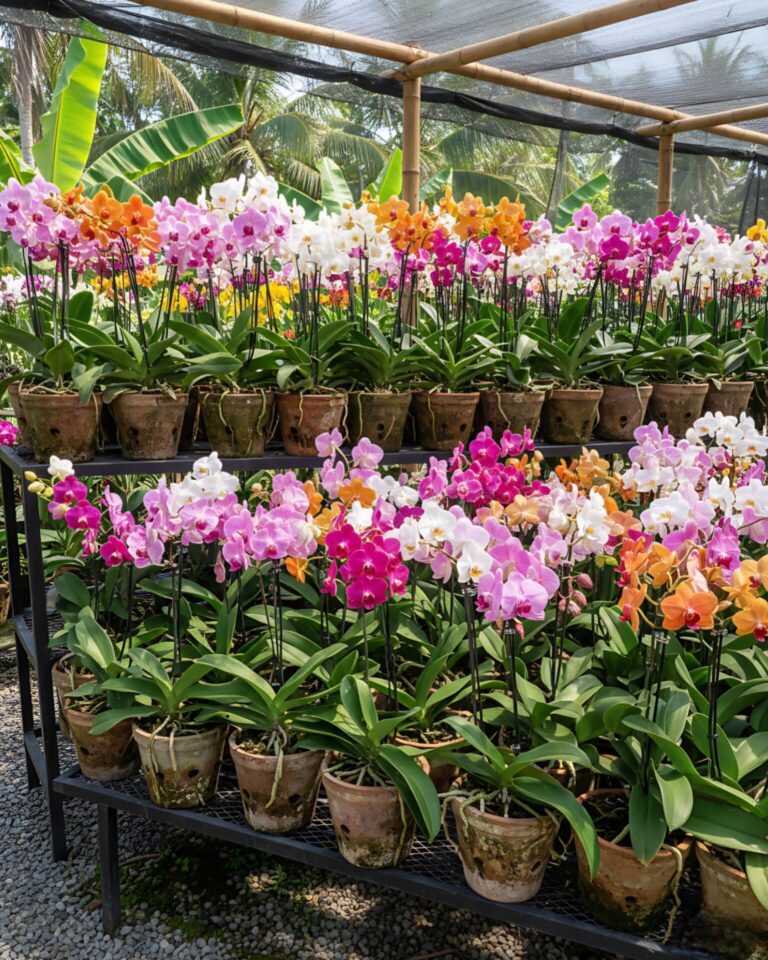
35. Cattleya Orchid
Cattleya orchid, often called the “corsage orchid,” produces some of the largest and most photographed blooms in the entire orchid family.
Its ruffled lip and rich fragrance made it the standard choice for formal corsages throughout much of the 20th century.
Cattleyas need bright, indirect light and a period of slightly drier conditions between waterings to encourage strong, repeat blooming.
36. Confederate Rose
Confederate rose is, despite the name, a type of hibiscus rather than a true rose, and its flowers do something few others can.
A single bloom can shift color from white in the morning to deep pink by evening, changing shade visibly over the course of one day.
It grows quickly into a large shrub or small tree in warm climates, often reaching considerable height within just a couple of growing seasons.
37. Chinese Hibiscus
Chinese hibiscus is a tropical shrub known for its large, trumpet-shaped flowers, which often last only a single day before dropping.
The trick is volume. A healthy plant produces new blooms continuously through the warm season, so the overall display rarely looks sparse.
It’s frost-sensitive, so gardeners in cooler regions typically grow it in containers, moving it indoors before the first cold snap arrives.
38. Cape Jasmine (Gardenia)
Cape jasmine, more commonly known as gardenia, is famous for one thing above all else: its intense, sweet fragrance that can fill an entire room or garden corner.
Its creamy white, waxy petals contrast beautifully against dark, glossy evergreen foliage, making it a popular choice near patios and entryways.
Gardenias are particular about soil, preferring it acidic and consistently moist. Yellowing leaves are usually a sign the soil pH needs adjusting.
39. Crossandra
Crossandra is a tropical plant with bright orange, fan-shaped flowers that bloom almost continuously in warm, humid climates.
It’s a popular choice for borders in frost-free regions and works equally well as a houseplant in cooler climates with bright light.
Regular watering and warm temperatures keep crossandra flowering steadily, while cold drafts can cause it to drop buds before they open.
40. Cigar Flower
Cigar flower earns its name honestly. Its tubular red bloom, tipped in black and white, genuinely resembles a lit cigar from a short distance.
It’s a compact, easy-care plant that fits neatly into containers, hanging baskets, or the front edge of a sunny border.
Hummingbirds are consistently drawn to its tubular shape, making it a smart, low-maintenance addition to any pollinator-focused garden.
41. Chocolate Cosmos
Chocolate cosmos is a rare cosmos variety with deep, velvety maroon flowers and, remarkably, a genuine chocolate scent that intensifies on warm afternoons.
Unlike its common cosmos relatives, this variety doesn’t set seed reliably, so it’s typically propagated from tubers rather than grown from seed.
It prefers full sun and rich, well-drained soil, and in colder regions, the tubers are often lifted and stored over winter like dahlias.
42. Cape Primrose (Streptocarpus)
Cape primrose is a long-blooming houseplant with trumpet-shaped flowers in shades of purple, pink, and blue, held above rosettes of textured, strap-like leaves.
It’s a relative of the African violet and shares a similar preference for bright, indirect light rather than direct sun.
With consistent care, cape primrose can bloom almost year-round indoors, making it one of the more rewarding flowering houseplants to keep.
43. Cape Daisy (Osteospermum)
Cape daisy, a South African daisy relative, is known for its striking petals, which sometimes curl into an unusual spoon-like shape depending on the variety.
Its colors run from soft pastels to vivid purples and oranges, often with a contrasting dark center that makes the bloom pop.
It thrives in cooler weather and can struggle in intense summer heat, making it a strong choice for spring and fall garden displays.
44. Cobra Lily
Cobra lily is a carnivorous pitcher plant native to boggy areas of North America, named for its hooded, cobra-like flower and leaf structure.
Insects are lured inside the hood, where false exit windows confuse them long enough for the plant to trap and digest them.
It requires consistently wet, nutrient-poor soil, closely mimicking the boggy wetlands where it naturally grows in the wild.
45. Century Plant
Century plant is a large agave species that spends years, sometimes decades, storing energy before it finally sends up a single, towering flower stalk.
Once it blooms, the plant typically dies shortly after, having used its entire reserve of energy on that one dramatic flowering event.
It’s an excellent choice for hot, dry gardens, since it tolerates drought and neglect far better than almost any flowering plant on this list.
46. Christmas Cactus
Christmas cactus is a winter-blooming houseplant with pink or red flowers that dangle from flat, segmented stems, a holiday tradition in many homes.
Unlike desert cacti, it actually prefers humidity and indirect light, more closely resembling its native tropical rainforest habitat than a dry desert.
Getting it to rebloom each year usually requires a period of cooler temperatures and shorter days, mimicking natural seasonal changes.
5. Shrubs, Vines, and Trees With C Flowers
Not all C-flowers are small garden plants. Some grow on woody shrubs, vines, or trees.
47. Crape Myrtle
Crape myrtle is a summer-blooming Southern favorite, producing crinkled, papery flower clusters in pink, red, purple, and white for weeks on end.
Beyond its flowers, it offers attractive peeling bark and strong fall color, giving it visual interest well beyond the blooming season.
It thrives in full sun and heat, and once established, tolerates drought conditions that would stress out most other flowering shrubs.
48. Carolina Jasmine
Carolina jasmine is a fragrant, yellow-flowering vine and the official state flower of South Carolina, prized for its early spring bloom.
Its trumpet-shaped flowers release a light, sweet scent that carries surprisingly far on a warm breeze, especially in the evening.
All parts of the plant are toxic if ingested, so it’s worth keeping that in mind around pets, livestock, and curious children.
49. Clove Pink
Clove pink is a fragrant relative of the carnation, historically prized for its warm, spice-like scent that closely resembles actual cloves.
Medieval and Renaissance households used it to flavor wine and ale long before it became primarily an ornamental garden flower.
It prefers cooler summers and well-drained soil, much like its carnation relatives, and struggles in humid, overly wet conditions.
50. Cherokee Rose
Cherokee rose is a white, single-petaled climbing rose and the official state flower of Georgia, USA, known for its simple, wild-looking blooms.
Despite the name, it’s believed to have originated in Asia, later naturalizing widely across the American South.
It grows vigorously along fences and structures, producing sharp thorns and glossy evergreen leaves that provide year-round structure.
51. Cherry Blossom
Cherry blossom is one of the most celebrated flowering trees on Earth, central to Japan’s spring hanami tradition of gathering to view the blooms.
Its flowering window is famously short, often lasting just one to two weeks, which only seems to add to its emotional appeal.
Cherry trees prefer full sun and well-drained soil, and many varieties are chosen specifically for their timing, color, and eventual mature size.
52. Cotoneaster
Cotoneaster is a hardy shrub with small white or pink flowers in spring, followed by bright red berries that persist well into winter.
Birds flock to the berries once colder weather sets in, making cotoneaster a practical choice for anyone hoping to support local wildlife.
It tolerates poor soil and exposed conditions better than most flowering shrubs, which makes it useful for difficult garden spots.
53. Cypress Vine
Cypress vine is a fast-growing climbing plant with star-shaped red flowers and delicate, feathery foliage that gives it an almost lacy appearance.
Hummingbirds visit it frequently throughout summer, drawn to the narrow, tubular shape of each individual bloom.
It climbs quickly from seed each year, making it a good annual option for covering a trellis or fence within a single season.
54. Cup and Saucer Vine
Cup and saucer vine is a fast climber that produces large, bell-shaped flowers in purple or green, each one sitting inside a flat, saucer-like base.
The flowers start out pale green before deepening into a rich purple as they mature, giving the plant a shifting, layered look.
Given a trellis or fence to climb, it can cover a significant area within a single growing season, especially in warm climates.
55. Cistus (Rock Rose)
Cistus, also known as rock rose, is a Mediterranean shrub with papery, rose-like flowers that individually last only a single day.
What it lacks in staying power per bloom, it makes up for in volume, producing a steady, near-constant succession of new flowers.
It thrives in poor, rocky soil and full sun, making it an ideal choice for dry, low-maintenance garden areas.
56. Camellia Sinensis Flower
Camellia sinensis is, quite simply, the tea plant, and its small white blossoms appear on the same shrub used to produce green, black, and oolong tea.
The flowers themselves are modest compared to ornamental camellias, but they carry the same subtle fragrance and delicate structure.
Commercially, the leaves are harvested before the plant flowers heavily, so home gardeners growing it for tea rarely see a full bloom display.
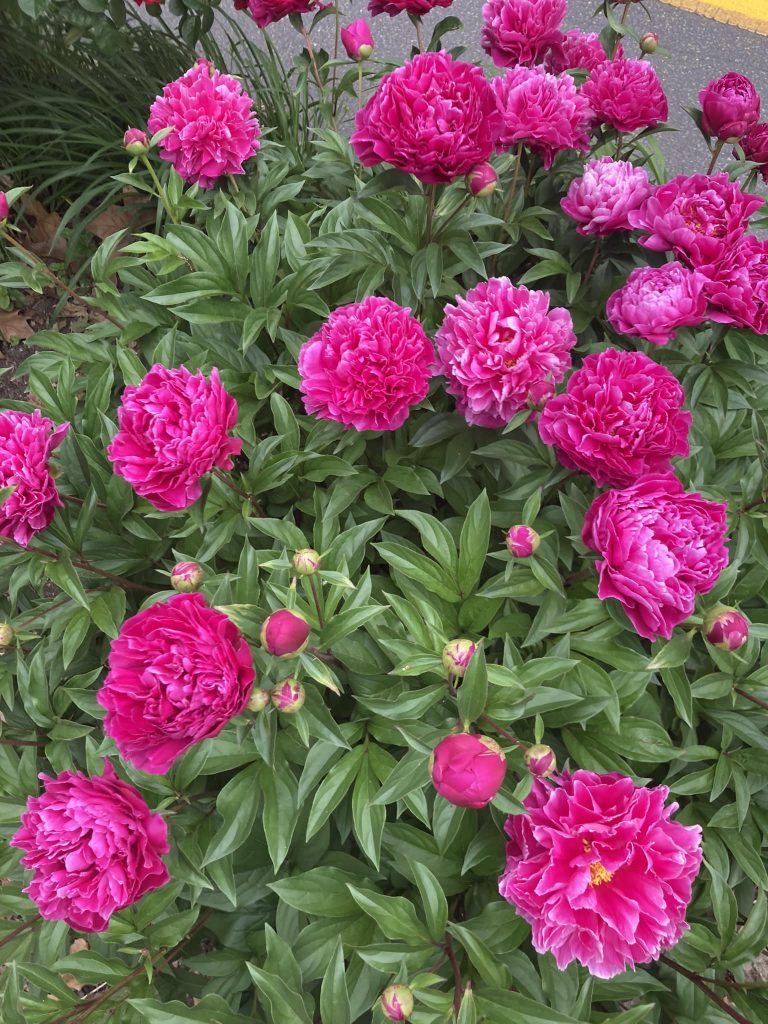
57. Chinese Peony (Tree Peony)
Chinese peony, also called tree peony, is a woody shrub relative of the more familiar herbaceous peony, producing enormous, silky flowers each spring.
It has been prized in Chinese gardens for over a thousand years, often described in classical literature as the “king of flowers.”
Unlike herbaceous peonies, tree peonies keep a woody structure through winter, slowly building height and width over many years.
58. Christmas Rose (Hellebore)
Christmas rose is a cold-hardy perennial that blooms in the dead of winter, often pushing straight through frost and even light snow cover.
Its nodding, cup-shaped flowers appear in white, pink, or deep plum tones, offering rare color when the rest of the garden is dormant.
It prefers partial shade and rich, well-drained soil, and once established, it needs very little ongoing care to keep blooming reliably.
6. Rare and Unusual Flowers Starting With C
These lesser-known blooms deserve more attention from gardeners.
59. Clarkia
Clarkia is a dainty annual with cup-shaped, crepe-textured petals in shades of pink and lavender, native to the western United States.
It blooms quickly from seed, often flowering within just a couple of months, which makes it a satisfying choice for impatient gardeners.
It prefers cooler weather and can struggle once summer heat sets in, so many gardeners treat it as a spring-only display.
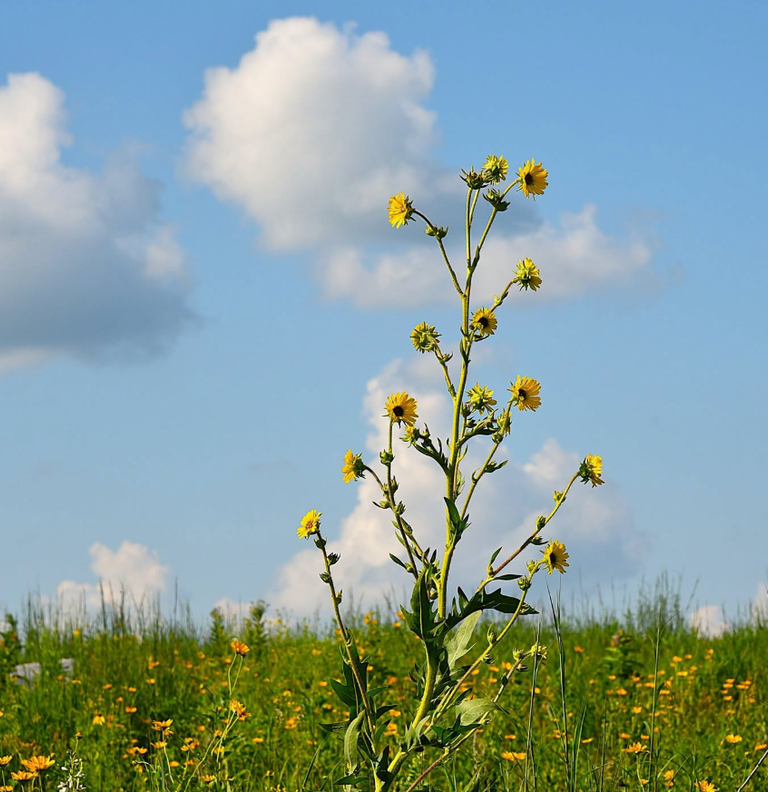
60. Coreopsis
Coreopsis, sometimes called tickseed, is a cheerful, drought-tolerant perennial daisy that blooms steadily from early summer well into fall.
Its bright yellow petals attract a wide range of pollinators, and the plant handles poor, sandy soil with almost no complaint.
Deadheading spent blooms regularly keeps coreopsis flowering longer, though even neglected plants tend to perform reasonably well.
61. Cuphea
Cuphea, nicknamed the “firecracker plant,” produces compact, tubular flowers in bright, popping colors that seem to explode against its green foliage.
It’s a favorite for containers and hanging baskets, where its cascading habit and continuous bloom make it especially rewarding.
Hummingbirds are drawn to its tubular shape, much like cigar flower, another close relative within the same plant family.
62. Cupid’s Dart
Cupid’s dart is a blue, cornflower-like perennial known for holding its color exceptionally well when dried for arrangements or wreaths.
Its wiry stems and silvery foliage give it a soft, textured look that pairs nicely with bolder, more colorful garden neighbors.
It prefers full sun and well-drained soil, and once established, tolerates dry conditions with relatively little supplemental watering.
63. Cushion Spurge
Cushion spurge is a mounding perennial with bright, chartreuse-yellow flower bracts that appear in early spring, often before many other perennials wake up.
Its compact, rounded shape makes it a useful structural plant at the front of a border, even outside of its bloom period.
It’s remarkably drought-tolerant once established, though gardeners should note the milky sap can irritate skin, so gloves are worth wearing during pruning.
64. Celosia (Cockscomb)
Celosia, commonly called cockscomb, produces velvety, brain-like flower heads in fiery reds, oranges, and pinks that look almost artificial up close.
It’s a long-lasting cut flower, holding its shape and color well beyond what most garden annuals manage in a vase.
Celosia thrives in heat and full sun, making it a strong performer during the hottest stretch of summer when other annuals start to fade.
65. Cineraria
Cineraria is a vivid, daisy-like flower often sold as a potted plant in rich blues, purples, and pinks, typically during late winter and early spring.
Its dense clusters of blooms sit above soft, slightly fuzzy leaves, creating a full, cushion-like display in a relatively compact plant.
It prefers cool temperatures and indirect light, and tends to wilt quickly if exposed to warm, dry indoor air for too long.
66. Coral Bells (Heuchera)
Coral bells are grown mainly for their striking foliage, which ranges from deep purple to bright lime green, but the plant flowers too.
Tiny, bell-shaped blooms rise on tall, wiry stems well above the leaves, attracting hummingbirds even though the flowers themselves are fairly small.
It performs well in partial shade, making it a useful choice for garden areas that don’t get full, direct sun all day.
67. Crested Iris
Crested iris is a small, shade-tolerant iris with a distinctive ridged, crest-like pattern running down the center of each petal.
Unlike taller bearded irises, it stays low and spreads gently, forming a soft groundcover in woodland or partly shaded garden beds.
It prefers rich, well-drained soil and dappled light, closely mimicking the forest floor conditions where it naturally occurs in the wild.
68. Curry Plant
Curry plant has silvery, needle-like foliage that genuinely smells like curry spice when brushed or crushed, a detail that surprises most first-time visitors.
Small, mustard-yellow flower clusters appear atop the plant in summer, though many gardeners grow it primarily for its fragrant foliage rather than its blooms.
It thrives in full sun and dry, well-drained soil, making it a natural fit for herb gardens and Mediterranean-style plantings.
69. Chinese Lantern
Chinese lantern produces a small, unremarkable white flower, but it’s grown almost entirely for what follows: bright orange, papery seed pods shaped like tiny lanterns.
These pods are popular in dried floral arrangements, holding their color and shape for months after being cut and hung to dry.
It spreads aggressively through underground roots, so many gardeners contain it in pots rather than letting it roam freely through a bed.
70. Campanula (Bellflower)
Campanula, commonly known as bellflower, is a cottage-garden classic with nodding, bell-shaped blooms in soft blue, purple, and white tones.
There are dozens of species, ranging from low, creeping groundcovers to taller, upright varieties suited to the back of a border.
It prefers well-drained soil and at least partial sun, and many varieties rebloom readily if trimmed back after their first flush fades.
What These Flowers Symbolize Around the World
Flower names carry stories, and C-flowers have some of the richest ones.
Carnations symbolize love and fascination in Western tradition. In South Korea, they’re given to parents and teachers as a mark of respect and gratitude.
Chrysanthemums hold nearly opposite meanings depending on the country. In Japan, they represent the imperial family and long life. In parts of Europe, they’re associated mainly with funerals and remembrance.
Cherry blossoms represent the fleeting nature of life in Japanese culture. Their bloom lasts barely two weeks, which is exactly the point.
Cornflowers were once worn by young men in France as a symbol of new love. If the flower faded too quickly, tradition said the love wouldn’t last either.
Camellias signify admiration and perfection, and they were historically popular in Victorian “language of flowers” traditions, where bouquets carried coded messages.
I find this part of botany just as interesting as the growing tips. A flower is never just a flower once you know its backstory.
Even naming trends borrow from this list. Names like Camellia, Clover, and Cosmo have all grown in popularity in recent years, largely thanks to their floral roots.
Tips for Growing C-Flowers Successfully
Start with your climate. Cosmos and chrysanthemums tolerate heat well, while camellias and Christmas roses prefer cooler, shadier spots.
Match sun exposure to the plant. Most annuals like cosmos and China aster need at least six hours of direct sun daily.
Don’t skip deadheading. Removing spent blooms on carnations, coreopsis, and cosmos encourages more flowers throughout the season.
Watch your watering. Bulbs like crocus and crown imperial actually prefer drier soil once they finish blooming.
I’ve learned this the hard way. My first crocus patch rotted because I kept watering it through summer dormancy. Lesson learned.
Frequently Asked Questions
What is the most popular flower that starts with C? The carnation and chrysanthemum are likely the most commercially popular, both ranking among the top-selling cut flowers worldwide.
Are there any flowers starting with C that are poisonous? Yes. Colchicum (autumn crocus) and Christmas rose (hellebore) are both toxic if ingested, so keep them away from pets and small children.
Which C-flower is easiest for beginners? Cosmos. It tolerates poor soil, needs little care, and blooms generously all summer.
Do any C-flowers bloom in winter? Yes. Camellias, Christmas roses, and Christmas cactus all bloom during the colder months, brightening gardens and homes when little else flowers.
Which C-flowers work best for a cutting garden? Cosmos, carnations, China aster, and chocolate cosmos all hold up well in a vase. They’re sturdy stems that keep flowering the more you cut them.
Are there C-flowers suited to small spaces or containers? Yes. Cuphea, coral bells, cineraria, and candytuft all grow well in pots, making them good choices for balconies, patios, or small courtyard gardens.
Final Thoughts
Seventy flowers is a lot to take in, I know. But that’s the beauty of the letter C. It covers everything from humble roadside weeds to prized florist blooms.
My advice? Pick three or four from this list that fit your climate and start there. A garden built one flower at a time tends to last far longer than one planted all at once.
Whatever you choose, from the classic carnation to the rare chocolate cosmos, you’re joining a long history of gardeners who found beauty in the letter C.
References
- USDA PLANTS Database, U.S. Department of Agriculture — https://plants.usda.gov/
- Cosmos Bipinnatus, NC State Extension Plant Toolbox, North Carolina State University — https://plants.ces.ncsu.edu/plants/cosmos-bipinnatus/
- Dianthus Caryophyllus (Carnation), NC State Extension Plant Toolbox, North Carolina State University — https://plants.ces.ncsu.edu/plants/dianthus-caryophyllus/
- Home & Garden Information Center, Flowers Section, Clemson University Cooperative Extension — https://hgic.clemson.edu/category/flowers/
- Living on a Few Acres: Permaculture and Cut Flowers, Penn State Extension, The Pennsylvania State University — https://extension.psu.edu/living-on-a-few-acres-permaculture-and-cut-flower-production
- Cosmos, EDIS Publication FP149, University of Florida IFAS Extension — https://edis.ifas.ufl.edu/publication/FP149/pdf
- Garden Guidance, Cornell Garden-Based Learning, Cornell University — https://gardening.cals.cornell.edu/

Tim M Dave is a gardening expert with a passion for houseplants, particularly cacti and succulents. With a degree in plant biology from the University of California, Berkeley, he has vast experience in gardening. Over the years, he has cultivated a vast collection of desert plants and learned a great deal about how to grow and care for these unique companions.