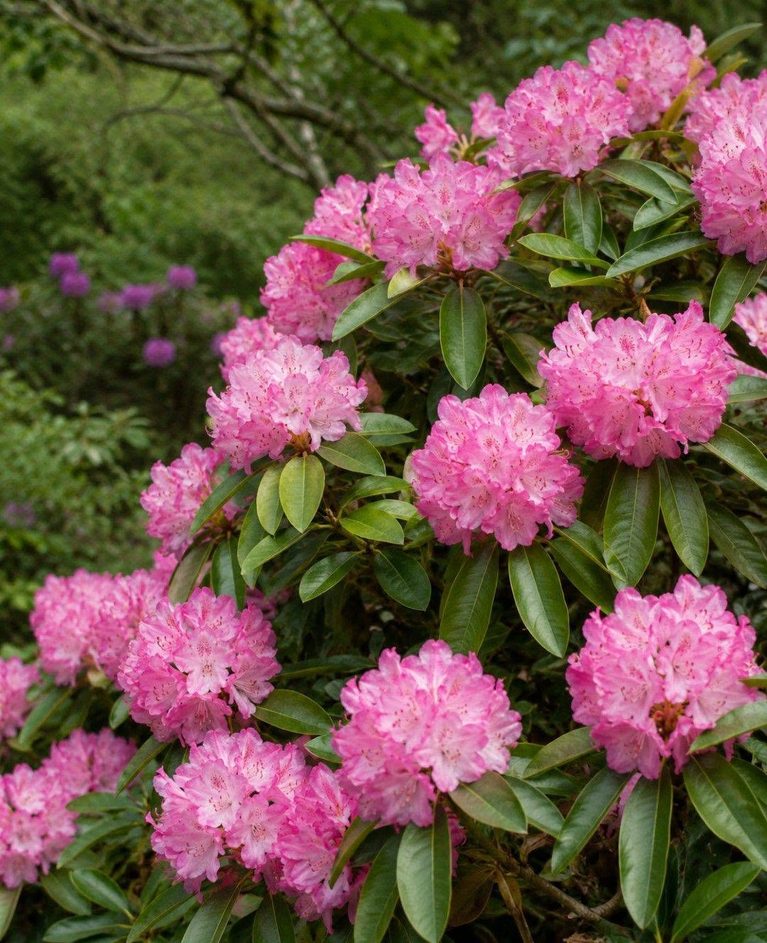
25 Best Plants for an East-Facing Window (And Why They Thrive There)
If you have ever stood in a room just after sunrise and felt that soft, golden light on your face, you already know why an east-facing window is a gift to any plant lover.
I have grown dozens of houseplants over the years, and I can say with confidence: east light is the most forgiving light in the home. It is bright enough to keep foliage lush, yet gentle enough to spare leaves from scorching.
This guide walks you through 25 plants that genuinely thrive in east-facing windows.
So, if you are furnishing a sunny breakfast nook, a home office, or a bedroom that catches the first light of day, there is a plant on this list suited to your space. Some are low maintenance and easy to grow, while others reward a bit more attention with striking foliage or seasonal blooms.
If You Are Just Starting Out
New to plant care? Start with golden pothos, snake plant, ZZ plant, or Chinese evergreen. These four are widely regarded by extension horticulturists as some of the most forgiving houseplants available, tolerating irregular watering and a range of light levels without much complaint.
If You Want a Showpiece
For a plant that draws attention the moment guests walk in, consider Monstera deliciosa, croton, calathea orbifolia, or anthurium. These varieties ask for slightly more consistent humidity and watering, but the visual payoff is well worth the extra care.
If You Want Flowers
Not every houseplant needs to be about foliage alone. Moth orchids, African violets, peace lilies, calla lilies, and Christmas cacti all bring color and bloom cycles into a room that might otherwise be entirely green.
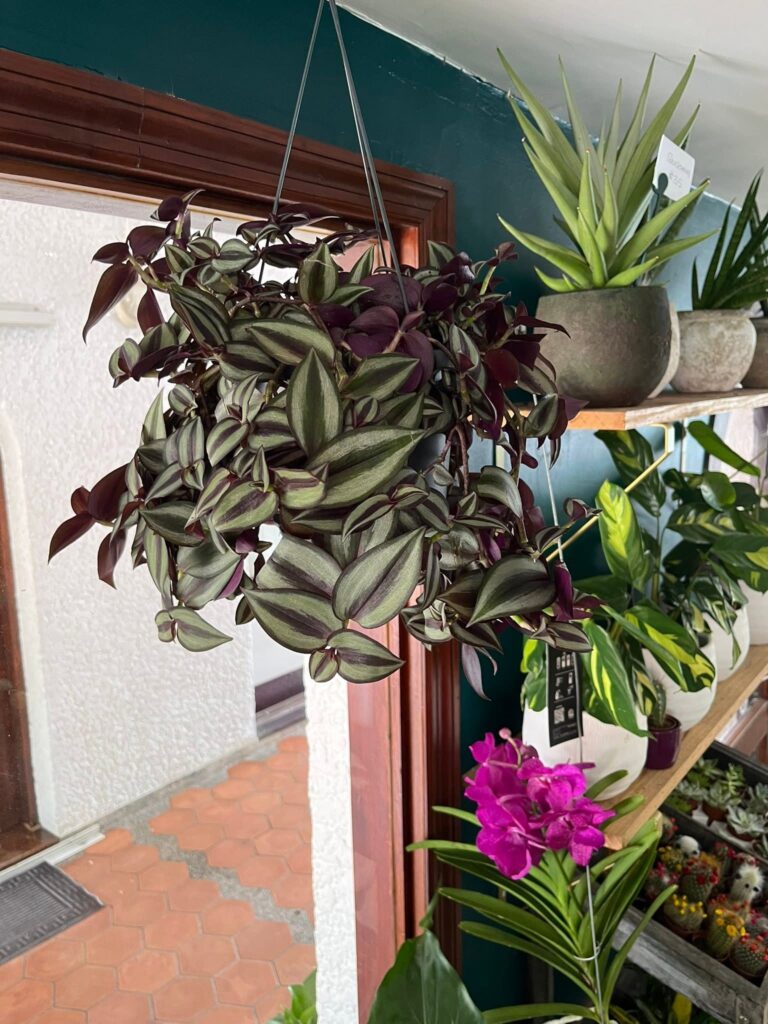
Why East-Facing Windows Are a Houseplant Sweet Spot
An east-facing window catches the sun as it rises. The light is strong but not harsh, and it fades by late morning.
According to Oregon State University Extension Service, west and east exposures rank in the middle of the light spectrum, with south being the brightest and north the dimmest. This makes east light ideal for plants that want brightness without the risk of leaf burn.
The New York Botanical Garden’s houseplant research guide confirms that east-facing windows provide some direct light up to three feet from the glass and indirect light up to five feet away, with morning sun rather than harsh afternoon rays. That is a generous working radius for most rooms.
Colorado State University Extension adds an interesting technical detail: high light intensity occurs within two feet of east or west-facing windows throughout the entire year, unlike south-facing windows, which only reach that intensity during certain months.
In plain terms: your east window is reliably bright, every single season.
One small but important habit: clean your windows regularly. The New York Botanical Garden notes that dirty windows can block up to 50 percent of available light, which is a bigger loss than most people realize.
The 25 Best Plants for an East-Facing Window
1. Golden Pothos (Epipremnum aureum)
This is the plant I recommend to every beginner, no exceptions. The Missouri Botanical Garden describes it as a good houseplant for part-sun areas, tolerant of a wide range of light. It trails beautifully from a shelf or hanging basket. Water only when the top inch of soil feels dry.
2. Monstera Deliciosa (Swiss Cheese Plant)
The dramatic, hole-punched leaves of Monstera make it an instant centerpiece. It naturally grows as a climbing vine and appreciates the steady morning brightness of an east window. Give it a moss pole as it matures, and rotate it occasionally so it doesn’t lean too far toward the glass.
3. Peace Lily (Spathiphyllum spp.)
Peace lilies reward you with elegant white blooms and glossy leaves when kept in medium, indirect light. I find them wonderfully expressive — they droop dramatically when thirsty, then bounce back within hours of watering. This makes them nearly impossible to accidentally kill from neglect.
4. Snake Plant (Dracaena trifasciata)
Snake plants are remarkably forgiving. They tolerate low light but genuinely thrive with the brighter, indirect glow of an east window. Their upright, sculptural leaves suit modern and minimalist interiors alike. Water sparingly, since overwatering is the main threat to this plant’s health.
5. ZZ Plant (Zamioculcas zamiifolia)
Glossy, waxy leaves and near-indestructible resilience make the ZZ plant a favorite for busy households. It handles medium light beautifully and stores water in its rhizomes, so missing a watering or two causes no real harm. Honestly, it thrives on a bit of benign neglect.
6. Boston Fern (Nephrolepis exaltata ‘Bostoniensis’)
According to the University of Wisconsin-Madison, Boston ferns are chosen again and again for their broad, feathery fronds that can stretch up to four feet long. They love humidity, so a bathroom or kitchen east window is often ideal. Mist the fronds occasionally to keep them lush.
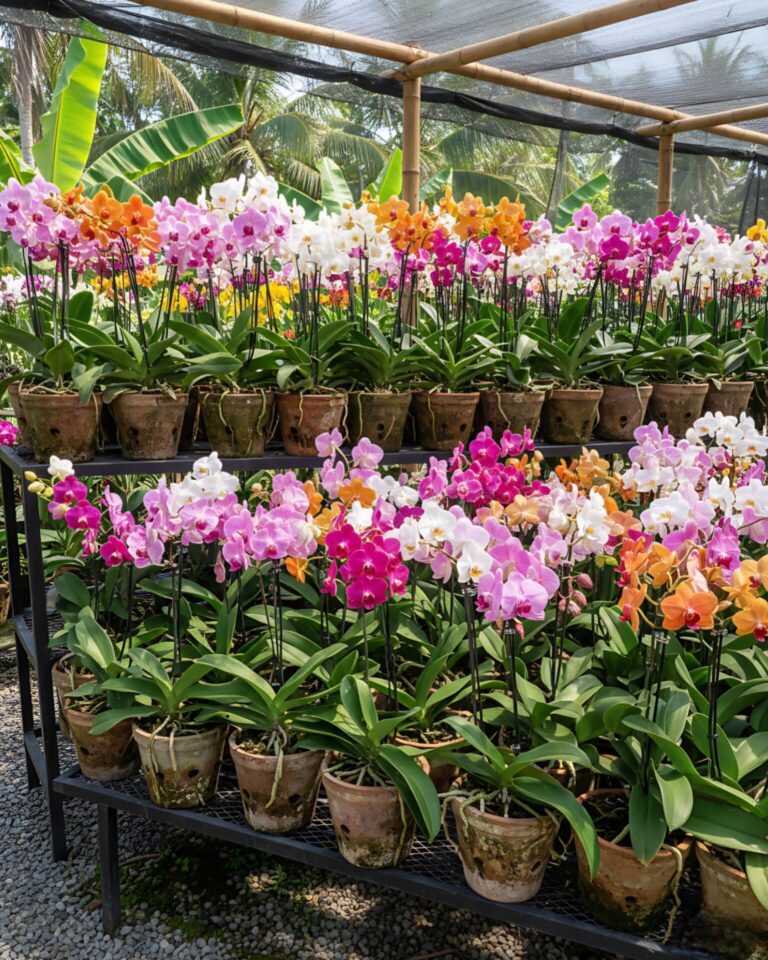
7. Moth Orchid (Phalaenopsis spp.)
The University of Maryland Extension notes that moth orchids enjoy bright indirect light from an east-facing window, along with chipped bark instead of soil and plenty of humidity.
Watching one rebloom for the first time is genuinely thrilling — it feels like a small personal victory. Water weekly by soaking, then let it drain completely.
8. Dumb Cane (Dieffenbachia spp.)
This tall, tropical-looking plant brings dramatic variegated foliage to any room. It is a striking floor plant when it matures, filling empty corners with texture. Keep it away from curious pets and children, since its sap can irritate skin and mouths.
9. Calla Lily (Zantedeschia spp.)
Grown from bulbs much like tulips, calla lilies flower through spring in shades of white, yellow, rose, and maroon. They appreciate the gentle morning sun of an east window during their blooming period. After flowering, allow the foliage to die back naturally before storing the bulb.
10. Umbrella Tree (Schefflera arboricola)
Native to Taiwan, this evergreen shrub adapts well indoors with moderate care. North Carolina State Extension notes it does not need frequent watering, making it forgiving for less attentive gardeners. Prune it occasionally to maintain a full, bushy shape rather than a leggy one.
11. Croton (Codiaeum variegatum)
Croton leaves burst with red, orange, and yellow marbling that rivals any flowering plant. The Missouri Botanical Garden recommends bright indirect light and consistent humidity for the best color development. An east window delivers exactly that balance without the risk of faded, washed-out leaves.
12. Areca Palm (Dypsis lutescens)
Feathery, fan-like fronds give the areca palm a breezy, tropical feel. North Carolina State Extension highlights its need for high humidity to stay green and waxy. Placed near an east window, it becomes a graceful natural room divider or corner accent.
13. African Violet (Saintpaulia spp.)
These compact bloomers are classified as long-day plants, meaning they flower when daylight hours are generous. An east window offers just enough brightness to encourage repeat blooming without scorching their fuzzy leaves. Water from below to avoid spotting the foliage.
14. Chinese Money Plant (Pilea peperomioides)
With its round, coin-shaped leaves on delicate stems, this plant has become a social-media darling for good reason — it is genuinely charming in person too. It prefers bright indirect light and produces plenty of baby plantlets you can share with friends. Rotate weekly for even, symmetrical growth.
15. Calathea Orbifolia
Bold, silver-striped leaves make this Calathea a showstopper, though it does ask for a little extra attention. It prefers steady humidity and dislikes direct sun, which makes filtered east light close to perfect. I always keep mine slightly away from the glass to avoid any midday flare.
16. Spider Plant (Chlorophytum comosum)
Arching, striped leaves and dangling baby “spiderettes” make this plant a joy to propagate. It tolerates a wide light range but grows fullest and fastest in bright indirect conditions. This is another plant well suited to hanging baskets near an east window.
17. Heartleaf Philodendron (Philodendron hederaceum)
Soft, heart-shaped leaves and fast, trailing growth make this philodendron a satisfying plant to watch develop. It adapts easily to medium light and rarely complains about inconsistent watering schedules. Train it along a shelf or let it cascade freely from a hanging pot.
18. Jade Plant (Crassula ovata)
A classic succulent with thick, glossy leaves, jade plants store water efficiently and need infrequent watering. They generally prefer strong light, and a bright east window with a few hours of gentle morning sun works well. Some growers even consider jade a symbol of good fortune, which adds a nice sentimental touch.
19. Aloe Vera
Aloe is both decorative and functional, since its gel has long been used for topical skin care. It thrives with several hours of bright light daily, and an unobstructed east window usually provides enough. Let the soil dry out completely between waterings to prevent root rot.
20. English Ivy (Hedera helix)
Trailing, lobed leaves give English ivy a classic, cottage-garden charm indoors. It handles moderate light comfortably and benefits from occasional misting, since dry indoor air can stress it. Keep it trimmed to prevent legginess and encourage denser, fuller growth.
21. Rex Begonia (Begonia rex)
Rex begonias are grown almost entirely for their extraordinary leaf patterns, swirled in silver, purple, and burgundy. Bright, filtered light from an east window brings out the richest coloration. Avoid overhead watering, since these leaves are prone to spotting when wet.
22. Chinese Evergreen (Aglaonema spp.)
This plant is practically built for beginners, tolerating a wide range of indoor conditions without complaint. Its patterned leaves come in shades of green, silver, and pink depending on the cultivar. Medium indirect light from an east exposure keeps the coloring vivid rather than dull.
23. Prayer Plant (Maranta leuconeura)
Named for the way its leaves fold upward at night, almost like hands in prayer, this plant adds gentle movement to a room. It prefers bright indirect light and consistent moisture, without ever sitting in soggy soil. I find checking on it each evening has become a small, quiet ritual.
24. Christmas Cactus (Schlumbergera bridgesii)
Unlike desert cacti, this tropical succulent enjoys humidity and indirect brightness rather than harsh, direct sun. It is classified among short-day plants, flowering when nights grow longer in autumn and winter. An east window offers the balanced light it needs to set buds reliably.
25. Anthurium (Anthurium andraeanum)
Glossy, heart-shaped blooms in red, pink, or white make anthurium a long-lasting flowering favorite. It prefers bright, filtered light and high humidity, both of which an east window can provide comfortably. With the right care, a single bloom can last for several weeks at a time.
East vs. North, South, and West: A Quick Comparison
It helps to see how east light stacks up against the other three exposures before you start shopping for plants.
North-facing windows offer the softest, most consistent light of the four directions, but they never receive direct sun. This suits shade-tolerant plants like pothos or ivy, though flowering varieties often struggle here.
South-facing windows deliver the strongest and longest light exposure of the day. This intensity suits cacti, succulents, and citrus, but it can scorch delicate, thin-leaved plants if they sit too close to the glass.
West-facing windows catch the afternoon sun, which tends to be hotter than morning light because the surrounding air has warmed throughout the day. Plants here need a bit more tolerance for heat than those in an east window.
East-facing windows, by comparison, sit right in the middle. You get real morning sun without the harsh heat buildup of the afternoon, which is precisely why so many popular houseplants list east exposure as their preferred spot.
How to Confirm Your Window Really Faces East
Before you commit to a plant list, take thirty seconds to check your orientation. A compass app on your phone is the easiest way. Stand at the window and note which direction it opens toward — sunrise-facing glass is your east exposure.
If your light feels stronger than expected, you may have a southeast angle, which behaves more like bright indirect light with a touch of direct sun. If it feels weaker, you might be dealing with a shaded or obstructed exposure. Either way, the plants below are flexible enough to handle minor variations.
Simple Care Habits That Make a Real Difference
- Rotate your plants a quarter turn every couple of weeks. Most plants lean toward their light source, and rotation keeps growth even on all sides.
- Watch the seasons. Winter sunlight is weaker, so plants may need to sit closer to the glass between October and March, then move back as summer light intensifies.
- Mind the distance. Leaves touching cold glass in winter, or hot glass in summer, can suffer damage. A gap of a few inches is usually enough protection.
- Check the soil, not the calendar. Overwatering remains the single most common cause of houseplant decline, so always feel the soil before reaching for the watering can.
A Quick Note on Air Quality
Many gardeners ask whether houseplants genuinely clean indoor air. NASA’s original research, conducted with the Associated Landscape Contractors of America, evaluated the leaves, roots, soil, and associated microorganisms of certain plants as a way to reduce specific indoor air pollutants such as benzene, formaldehyde, and trichloroethylene in sealed test chambers.
It is worth noting that later reviews suggest the effect is far smaller in an average home than in a sealed laboratory chamber, since real rooms exchange air with the outdoors constantly. Still, the psychological and aesthetic benefits of a leafy window are, in my experience, reason enough to fill that space.
Common Mistakes to Avoid Near an East-Facing Window
Pushing plants directly against the glass. Cold drafts in winter and heat spikes in summer can both stress leaves that touch the pane. A gap of a few inches allows for a buffer of stable air.
Forgetting seasonal drift. The sun’s angle shifts throughout the year, so a spot that felt shaded in July may receive stronger light by October. I check my own plants every few months and adjust their positions slightly.
Using heavy curtains during the day. Thick drapes can turn a bright east window into a low-light zone without you realizing it. Sheer curtains, if you want privacy, still allow most of the useful light through.
Ignoring humidity needs. Many of the plants on this list, including ferns, calathea, and prayer plants, come from tropical regions and struggle in dry indoor air, especially near heating vents. A small humidifier or a pebble tray can make a noticeable difference in leaf health.
Overcrowding the windowsill. Packing too many pots together blocks light from reaching the plants at the back. Give each plant enough breathing room so its leaves are not constantly shaded by a neighbor.
ALSO READ: 25 Best Plants for a South-Facing Window (And How to Keep Them Thriving)
Frequently Asked Questions
Do east-facing windows get direct sun? Yes, but only for a limited window of time. Morning sun streams in from sunrise until roughly mid-morning, after which the light shifts to bright indirect conditions for the rest of the day.
Is east or west light better for plants? Both rank as medium-to-high light exposures, but east light is generally gentler since morning sun is cooler than the intense afternoon sun typical of west-facing rooms.
Can succulents grow in an east-facing window? Some can, particularly jade plants and aloe vera, though most cacti and thick-leaved succulents ultimately prefer the stronger light of a south-facing window.
How far from the window should I place my plants? Most medium-light plants do well within three to five feet of an east-facing window, based on guidance from the New York Botanical Garden’s houseplant research collection.
Why are my plant’s leaves turning pale or leggy? This usually signals insufficient light. Move the plant a little closer to the window, or supplement with a grow light during the darker winter months.
Final Thoughts
An east-facing window is, in my opinion, one of the most underrated growing spots in any home. It offers gentle morning warmth, dependable brightness, and a forgiving margin of error for anyone still learning the rhythms of plant care.
Choose two or three plants from this list to start, watch how they respond, and build your collection from there. Few things in a home feel as alive as a windowsill full of thriving green leaves catching the first light of day.
References
- University of Minnesota Extension. Lighting for Indoor Plants and Starting Seeds. https://extension.umn.edu/planting-and-growing-guides/light-requirements-houseplants
- Oregon State University Extension Service. Light Exposure Key for Growing Successful Houseplants. https://news.oregonstate.edu/news/light-exposure-key-growing-successful-houseplants
- Colorado State University Extension / PlantTalk Colorado. Interior Plants and Light. https://planttalk.colostate.edu/topics/houseplants/1352-interior-plants-light/
- New York Botanical Garden. Houseplant Basics Research Guide. https://libguides.nybg.org/houseplantbasics
- NASA Spinoff. Toxin-Eating Plants. https://spinoff.nasa.gov/Toxin_Eating_Plants
- NASA Technical Reports Server. A Study of Interior Landscape Plants for Indoor Air Pollution Abatement. https://ntrs.nasa.gov/citations/19930072988
- Missouri Botanical Garden. Plant Finder: Epipremnum aureum. https://www.missouribotanicalgarden.org/PlantFinder/PlantFinderDetails.aspx?taxonid=276360

Tim M Dave is a gardening expert with a passion for houseplants, particularly cacti and succulents. With a degree in plant biology from the University of California, Berkeley, he has vast experience in gardening. Over the years, he has cultivated a vast collection of desert plants and learned a great deal about how to grow and care for these unique companions.