70 Beautiful Flowers That Start With D (With Photos, and Care Tips)
The letter D covers an unusually wide range of plant life. It spans spring bulbs, tropical vines, desert wildflowers, and orchids from cloud forests.
Daffodils alone represent between 50 and 200 recognized species, according to Penn State Extension horticulture records. That single genus could fill half this list on its own.
Many D flowers also carry strong cultural weight. Daffodils symbolize new beginnings, dahlias are Mexico’s national flower, and daisies have stood for innocence across centuries of folklore.
I will admit something: a few names on this list surprised even me. Dracula orchids and dragon arums are not what most people picture when they think of “pretty flowers.”
This guide lists 70 flowers that start with D, organized into simple categories so you can actually use the list. Whether you are planning a garden, naming a pet, or just curious, you will find something here.
Classic Garden Favorites Starting With D
These are the D flowers most people recognize on sight. They anchor countless home gardens across the world, and most of them tolerate a wide range of soils without much fuss.
1. Daffodil (Narcissus)
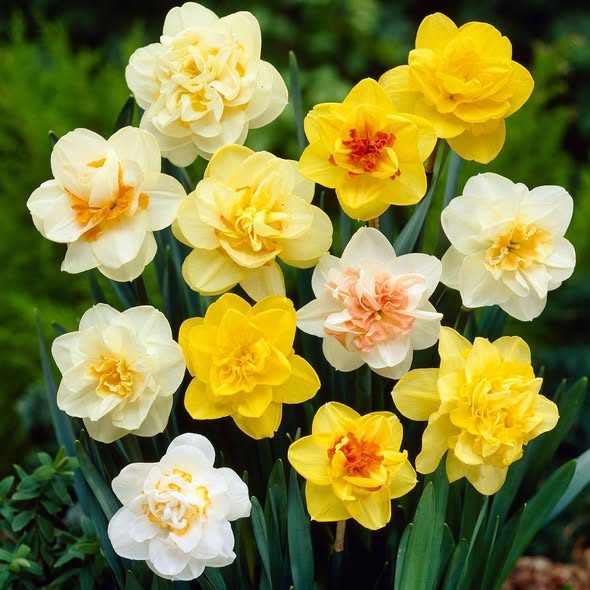
The daffodil is a spring bulb built around a trumpet-shaped center, called a corona, surrounded by six petal-like segments. It pushes through cold soil earlier than almost anything else in the garden.
Daffodils prefer full sun to partial shade and well-drained soil, and they are largely ignored by deer and rodents. Plant the bulbs in fall, roughly six inches deep, and they will return reliably for decades with almost no maintenance.
2. Dahlia
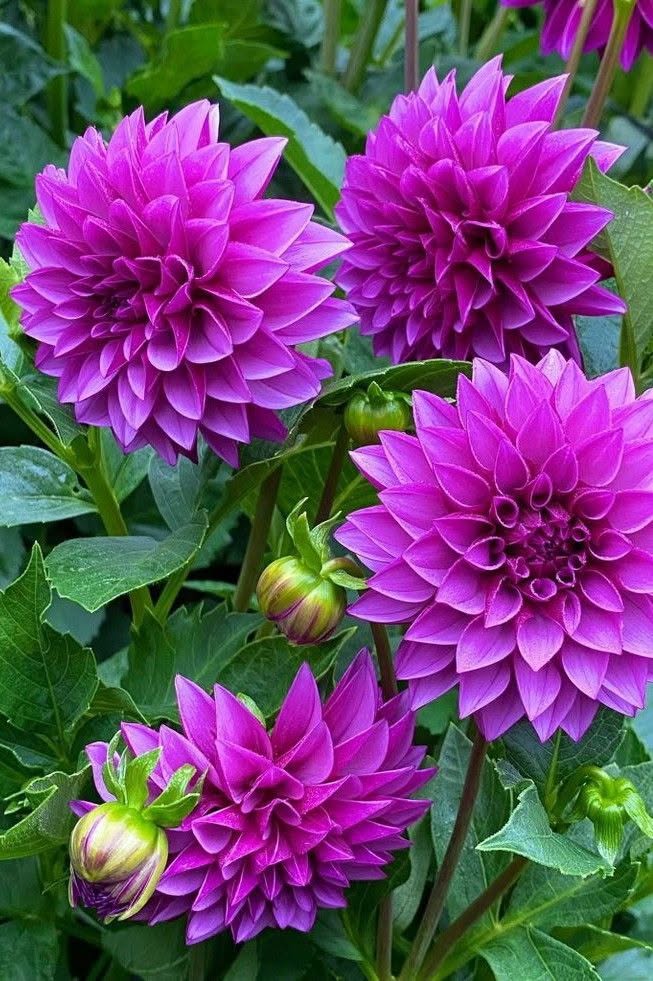
Native to the mountains of Mexico, the dahlia now exists in more than 20,000 registered cultivars, ranging from small pompon shapes to dinner-plate-sized blooms. It belongs to the same family as daisies and sunflowers.
Dahlias need fertile, well-drained soil and full sun, along with regular watering through summer. In cold climates, gardeners dig up the tuberous roots each fall and store them indoors, since temperatures below 25°F can kill them.
3. Daisy (Bellis perennis)
The common daisy is a low, ground-hugging perennial with white petals wrapped around a bright yellow center. It has grown wild across European meadows for centuries before becoming a garden staple.
This flower tolerates light foot traffic and poor soil better than most bedding plants. It blooms heaviest in spring and again in cooler fall weather, making it a dependable filler for borders and rock gardens.
4. Dandelion (Taraxacum officinale)
Most people know the dandelion as a lawn nuisance, but it is a true flowering plant with a long history as food and medicine. Its bright yellow blooms open in the morning and close again at dusk.
Dandelions matter more than their reputation suggests, since they feed early-season bees when few other flowers are available. They also spread aggressively by wind-blown seed, which is exactly why lawn owners try to control them.
5. Daylily (Hemerocallis)
Despite the name, the daylily is not a true lily. Each individual bloom opens for only one day before wilting, but a mature clump produces so many buds that the display can last for weeks.
Daylilies handle heat, drought, and poor soil better than almost any other perennial on this list. They spread by rhizomes, dividing easily every few years, which makes them a favorite for gardeners who want quick, low-cost coverage.
6. Delphinium
Delphinium produces tall, dense flower spikes in shades of blue, purple, pink, and white, sometimes reaching six feet in ideal conditions. Gardeners in some regions call the shorter annual forms larkspur.
This flower prefers cool summers, rich soil, and consistent moisture, which is why it performs best in northern climates. Every part of the plant is toxic if eaten, so it should be kept away from grazing animals and curious pets.
7. Dianthus (Carnation and Pink)
Dianthus covers a large family of fringed, spicy-scented flowers, including the florist’s carnation and the smaller garden pinks. The name comes from Greek words meaning “flower of the gods.”
Most dianthus varieties prefer full sun, alkaline soil, and excellent drainage. They are compact, long-blooming, and often used as edging plants because of their neat, mounded growth habit.
8. Digitalis (Foxglove)
Foxglove produces tall spikes lined with tubular, speckled bells in purple, pink, yellow, or white. It is a biennial in most climates, meaning it flowers in its second year before dying back.
Digitalis thrives in partial shade and moist, well-drained soil, often self-seeding freely once established. Every part of the plant contains compounds used in heart medication, and it is toxic if ingested, so caution matters here.
9. Dicentra (Bleeding Heart)
Dicentra earns its common name from heart-shaped flowers that dangle in rows along arching stems, usually in pink or white. It is a shade-loving perennial popular in woodland and cottage gardens alike.
This plant prefers cool, moist, humus-rich soil and often goes dormant by mid-summer once temperatures rise. Gardeners typically pair it with later-blooming shade plants that can fill the gap it leaves behind.
10. Dutch Iris (Iris × hollandica)
The Dutch iris is a bulb hybrid known for slender stems and elegant, upright flowers in blue, purple, yellow, and white. It blooms slightly later in spring than most daffodils.
Florists prize it as a cut flower because the blooms last well over a week in a vase. In the garden, it prefers full sun and soil that drains quickly, since the bulbs can rot in standing water.
Spring and Summer Bulbs That Start With D
Bulb flowers are the backbone of many seasonal gardens. This group brings color right as the weather turns warm, and most of them require almost no attention once planted.
11. Dutch Crocus (Crocus vernus)
Dutch crocus is one of the earliest bloomers in the garden, often pushing through the last patches of late-winter snow. Its cup-shaped flowers open wide on sunny days and close on cloudy ones.
These bulbs naturalize easily in lawns and rock gardens, spreading gradually over the years. They prefer full sun and well-drained soil, and squirrels occasionally dig them up, so a layer of mulch or gravel can help protect them.
12. Dutch Hyacinth (Hyacinthus orientalis)
Dutch hyacinth produces densely packed, waxy flower spikes with an intense, sweet fragrance that can fill an entire garden bed. Colors range from deep blue and purple to soft pink and white.
This bulb prefers full sun, cool winters, and well-drained soil to perform its best. Many gardeners also force hyacinth bulbs indoors in water-filled vases to enjoy the fragrance during late winter.
13. Dwarf Iris (Iris reticulata)
Dwarf iris is a compact, early-spring bulb that rarely grows taller than six inches, with rich purple-blue petals marked by a splash of yellow or white. It often blooms alongside snowdrops.
Because of its small size, it works well tucked into rock gardens or along path edges where taller bulbs would look out of scale. It needs sharp drainage and full sun to avoid rotting over winter.
14. Darwin Tulip (Darwin Hybrid Group)
Darwin hybrid tulips are known for their large, sturdy blooms and strong stems that resist wind and rain better than many other tulip classes. They were developed by crossing older Darwin tulips with wild species.
This group tends to be more perennial than other tulips, often returning for several years instead of fading after one season. They prefer full sun and cold winters to trigger reliable flowering.
15. Drumstick Allium (Allium sphaerocephalon)
Drumstick allium produces round, egg-shaped flower heads in deep wine-red, perched atop tall, wiry stems that sway gently in the wind. It belongs to the same family as onions and garlic.
This bulb is largely ignored by deer and rabbits, and it blooms in early summer when many spring bulbs have already finished. It tolerates poor, dry soil better than most other flowering bulbs.
16. Dogtooth Violet (Erythronium)
Dogtooth violet is a woodland bulb named for its mottled, tooth-shaped leaves rather than its flowers, which nod downward in pink, yellow, or white. It thrives in the dappled light of deciduous forests.
This plant prefers rich, moist soil and partial shade, mimicking the forest floor conditions it evolved in. It spreads slowly, so patience is needed before a planting fills in completely.
17. Desert Lily (Hesperocallis undulata)
Desert lily is a rare bulb native to the sandy washes of the American Southwest, producing fragrant, white, trumpet-shaped flowers with a faint lilac stripe. It only appears after sufficient winter rain.
Because it depends heavily on rainfall timing, some years pass without any bloom at all in the wild. Gardeners in arid climates grow it in fast-draining sandy soil with minimal supplemental watering.
18. Delosperma (Ice Plant)
Delosperma is a low, mat-forming succulent that produces glossy, daisy-shaped flowers in vivid pink, orange, purple, and yellow. Its fleshy leaves store water, allowing it to survive extended dry spells.
This plant works well as a ground cover on slopes or in rock gardens, since it spreads quickly and needs very little care once established. It prefers full sun and soil that drains fast after rain.
Wildflowers and Roadside Blooms Starting With D
These flowers thrive without much help. Many pop up naturally along roadsides, meadows, and disturbed soil, and several support pollinators that struggle to find food elsewhere.
19. Dame’s Rocket (Hesperis matronalis)
Dame’s rocket produces loose clusters of fragrant, four-petaled flowers in pink, white, and lavender, blooming heavily in late spring. It is often mistaken for garden phlox at a distance.
This biennial spreads readily along roadsides and woodland edges, sometimes becoming aggressive enough to be considered invasive in parts of North America. Its evening fragrance makes it a favorite near patios and walkways.
20. Devil-in-a-Bush (Nigella damascena)
Also called love-in-a-mist, this annual surrounds its sky-blue or white flowers with a haze of feathery, thread-like foliage. The effect looks almost as if the bloom is floating in fog.
After flowering, it produces an inflated, papery seed pod that dries beautifully for arrangements. It grows easily from direct-sown seed and prefers full sun with average, well-drained soil.
21. Doll’s Eyes (Actaea pachypoda)
Doll’s eyes is a native woodland perennial better known for its eerie, white berries with a single black dot than for its actual flowers, which appear as small, fluffy white clusters in spring.
Every part of this plant is toxic if eaten, including the strange berries that give it its common name. It grows best in shaded, moist woodland soil alongside ferns and other native shade plants.
22. Downy Gentian (Gentiana puberulenta)
Downy gentian is a late-season prairie wildflower with deep, almost electric blue, tubular flowers that stay closed on cool or cloudy days. It blooms in early autumn, later than most native wildflowers.
This plant depends on undisturbed prairie habitat and has become less common as native grasslands shrink. It prefers full sun and well-drained soil once it is established from seed.
23. Dogbane (Apocynum)
Dogbane produces small, bell-shaped clusters of pink or white flowers on a plant that exudes a milky, toxic sap when broken. Despite the toxicity, its nectar attracts butterflies, bees, and beetles.
Native peoples historically used dogbane fiber for cordage and textiles, giving it practical as well as ecological value. It spreads by underground rhizomes and tolerates a wide range of soil types.
24. Desert Bluebell (Phacelia campanularia)
Desert bluebell is a vivid, deep-blue desert annual that can carpet entire hillsides across the Southwest after a wet winter. Its bell-shaped flowers rank among the most saturated blues found in nature.
This wildflower germinates only under specific rainfall and temperature conditions, which is why blooms vary dramatically from year to year. Gardeners in dry climates sow the seed in fall for a spring display.
25. Desert Sand Verbena (Abronia villosa)
Desert sand verbena forms low, sprawling mats topped with fragrant clusters of magenta-pink flowers that release their scent most strongly in the evening. It thrives in loose, sandy desert soil.
This plant plays an important role in stabilizing dunes, since its roots help hold shifting sand in place. It blooms after rain and can carpet desert floors in color following a good winter season.
26. Desert Marigold (Baileya multiradiata)
Desert marigold produces bright, papery, daisy-like yellow flowers atop silvery, felted foliage that helps the plant conserve moisture. It blooms almost continuously from spring through fall in the right climate.
This drought-tough wildflower tolerates poor, rocky soil and extreme heat better than most cultivated garden plants. It self-seeds readily, making it a reliable, low-maintenance choice for xeriscaped landscapes.
Desert and Drought-Tolerant D Flowers
For dry climates or low-water gardens, this group proves that D flowers can handle serious heat without losing their visual appeal.
27. Desert Rose (Adenium obesum)
Desert rose is a succulent shrub with a swollen, water-storing trunk topped by brilliant pink, red, or white trumpet-shaped flowers. It is native to arid regions of Africa and the Arabian Peninsula.
This plant is a popular houseplant in cooler climates, since it cannot tolerate frost. It needs bright light, minimal watering, and fast-draining soil to avoid root rot.
28. Desert Zinnia (Zinnia acerosa)
Desert zinnia is a tiny, tough perennial that rarely grows more than eight inches tall, producing small white flowers with a yellow center. It is common across the rocky, dry slopes of the American Southwest.
This plant survives on minimal rainfall and thrives in poor, gravelly soil where many other flowering plants would fail. It attracts native bees and butterflies despite its small size.
29. Dyckia
Dyckia is a spiky, rosette-forming bromeliad native to South America, sending up tall flower spikes with clusters of orange or yellow blooms. Its stiff, toothed leaves make it a striking accent plant.
This drought-hardy succulent tolerates intense sun and neglect better than most ornamental plants. It works well in gravel gardens or containers where dramatic texture matters as much as the flowers themselves.
30. Dichondra
Dichondra is grown mostly for its silvery, coin-shaped foliage, though it does produce small, inconspicuous greenish flowers that most people never notice. It is often used as a lawn substitute or trailing ground cover.
This plant handles heat and drought far better than traditional turf grass. It spreads by creeping stems, filling in bare patches quickly once it takes hold in well-drained soil.
31. Dorotheanthus (Livingstone Daisy)
Dorotheanthus is a South African succulent annual with glossy, almost metallic petals in shades of pink, orange, purple, and white, all clustered around a dark center. The flowers only open fully in direct sun.
This low, mat-forming plant tolerates poor, sandy soil and salt spray, making it a good fit for coastal gardens. It works especially well in hanging baskets and rock garden crevices.
32. Diosma (Breath of Heaven)
Diosma is a fine-textured, aromatic shrub covered in tiny star-shaped flowers, usually pink or white, that bloom heavily in late winter and early spring. Crushing the foliage releases a strong, citrus-like fragrance.
This South African native tolerates drought and poor soil once established, though it appreciates good drainage. Florists often use its fragrant, feathery branches as filler in cut arrangements.
Shrubs, Trees, and Vines Starting With D
Not every D flower is a small bedding plant. Several belong to woody shrubs, ornamental trees, and climbing vines that anchor a landscape for years.
33. Dogwood (Cornus florida)
Dogwood is a small flowering tree admired for its showy white or pink bracts, which surround the true, tiny yellow-green flowers at the center. It blooms in mid-spring before its leaves fully emerge.
This tree prefers partial shade and moist, well-drained, slightly acidic soil, mimicking the woodland edges where it grows naturally. In fall, it produces bright red berries that birds rely on heavily.
34. Deutzia
Deutzia is an arching shrub that becomes covered in small, star-shaped white or pink flowers along its branches in late spring. Older varieties can grow quite large, while newer cultivars stay compact.
This shrub tolerates a wide range of soils and requires little pruning beyond removing old wood after flowering. It works well as an informal hedge or a specimen plant near a border.
35. Daphne
Daphne is a compact, slow-growing shrub known for its intensely fragrant, small clustered flowers in pink or white, often blooming in late winter or early spring. Its scent can be detected from a surprising distance.
Despite its beauty, nearly every part of the daphne plant is toxic if eaten, including its berries. It prefers well-drained soil and dislikes being moved once planted, so gardeners choose its spot carefully.
36. Duranta (Golden Dewdrop)
Duranta is a tropical shrub producing small, tubular purple-blue flowers followed by clusters of bright golden-yellow berries later in the season. Both the flowers and berries appear at the same time on mature plants.
This shrub grows quickly in warm climates and tolerates heat and humidity better than most flowering plants. In colder regions, it is often grown as a container plant and brought indoors for winter.
37. Dombeya
Dombeya is a tropical tree producing large, hanging clusters of pink or white flowers that resemble hydrangea blooms, giving it the nickname “pink ball tree” in some regions. It flowers heavily in cooler months.
This tree needs a frost-free climate and consistent moisture to perform well. Its dramatic, drooping flower clusters make it a popular specimen tree in tropical and subtropical gardens.
38. Dutchman’s Pipe (Aristolochia)
Dutchman’s pipe is a vigorous, fast-growing vine with unusual, curved, pipe-shaped flowers in mottled brown and purple tones. Its large, heart-shaped leaves create dense shade on trellises and pergolas.
This vine serves as the exclusive host plant for pipevine swallowtail butterfly caterpillars, making it valuable for pollinator gardens. It tolerates partial shade and needs sturdy support to climb.
39. Dog Rose (Rosa canina)
Dog rose is a wild European rose species with simple, five-petaled, pale pink flowers and a light, sweet fragrance. It has grown along hedgerows and woodland edges for centuries.
After flowering, it produces bright red rose hips that are rich in vitamin C and commonly used in teas and syrups. This rugged shrub tolerates poor soil and needs little care once established.
40. Diervilla (Bush Honeysuckle)
Diervilla is a hardy native shrub producing small, tubular yellow flowers that attract bees and hummingbirds throughout summer. It is not related to invasive Asian honeysuckle species despite the shared common name.
This shrub tolerates dry shade better than most flowering plants, making it useful under trees where little else will bloom. Its foliage often turns bronze-red in fall, adding a second season of interest.
Orchids and Exotic Blooms Starting With D
Orchid growers know that the letter D unlocks some of the strangest and most beautiful genera in the plant family.
41. Dendrobium
Dendrobium is one of the largest orchid genera in the world, prized for long-lasting sprays of flowers in white, purple, yellow, and pink. Species range from cool mountain natives to tropical lowland growers.
Most Dendrobium orchids need bright, indirect light and a distinct dry rest period to trigger reliable blooming. This makes them a popular but slightly demanding choice for indoor orchid collectors.
42. Dracula Orchid
Dracula orchid is named for its fanged, bat-like appearance, with long, tapering sepals that give the flower a slightly eerie look. It is native to the cool, misty cloud forests of Central and South America.
These orchids need constant humidity, cool temperatures, and shaded conditions to thrive, closely mimicking their native habitat. Because of these specific needs, they are considered a specialty orchid rather than a beginner plant.
43. Disa (Red Disa)
Disa, sometimes called the Pride of Table Mountain, produces vivid orange-red flowers and grows naturally along the streams of South Africa’s Cape region. It is considered one of the most striking terrestrial orchids in the world.
This orchid needs consistently moist, cool roots and struggles in hot, dry conditions. Specialist growers often keep the pots standing in shallow trays of water to mimic its streamside habitat.
44. Dove Orchid (Peristeria elata)
Dove orchid, also called the Holy Ghost Orchid, produces waxy white flowers with an inner structure that resembles a small dove in flight. It is the national flower of Panama.
This orchid needs warm temperatures, high humidity, and bright but filtered light to bloom well. Its symbolic shape has made it a popular flower for religious and ceremonial use in its native region.
45. Dipladenia (Mandevilla)
Dipladenia is a twining tropical vine with glossy, dark green leaves and funnel-shaped flowers in pink, red, and white that bloom continuously through warm months. It is closely related to mandevilla.
This vine prefers full sun, warm temperatures, and regular watering during the growing season. In cooler climates, it is often grown in containers and moved indoors before the first frost.
46. Dragon Arum (Dracunculus vulgaris)
Dragon arum produces a dramatic, deep maroon, funnel-shaped spathe surrounding a long, dark spadix, and it releases a strong odor of rotting meat for a short period after opening. Flies pollinate it, drawn in by the smell.
This bulb tolerates full sun to partial shade and prefers well-drained soil. Despite the unpleasant scent, gardeners grow it deliberately as a striking conversation piece near the back of a border.
Cottage Garden and Cutting Flowers Starting With D
These D flowers are favorites among floral designers and cottage-style gardeners for their long vase life and reliable color.
47. Dianthus barbatus (Sweet William)
Sweet William is a biennial producing dense, flat-topped clusters of fragrant flowers in red, pink, white, and bicolor patterns. It typically blooms in its second year after a season of leafy growth.
This plant self-seeds readily, often establishing itself as a semi-permanent fixture once introduced to a garden bed. It prefers full sun and well-drained, slightly alkaline soil.
48. Dill Flower (Anethum graveolens)
Dill produces flat, umbrella-shaped clusters of tiny yellow flowers atop feathery, aromatic foliage. It is grown as much for its culinary herb value as for its airy, filler-like appearance in bouquets.
This annual grows quickly from seed and tolerates poor soil, though it prefers full sun. Its flowers also attract beneficial predatory insects, making it a useful companion plant in vegetable gardens.
49. Diamond Flower (Ionopsidium acaule)
Diamond flower is a tiny, low-growing annual producing delicate lilac or white blooms just above a carpet of small, rounded leaves. It rarely grows taller than a few inches.
This plant prefers cool, moist, partially shaded conditions and often self-seeds into cracks between pavers. It works well as a small-scale ground cover in shaded rock gardens.
50. Dimorphotheca (Cape Marigold)
Dimorphotheca is a South African daisy relative with glossy, two-toned petals, often orange or purple on top with a contrasting shade underneath. The flowers close on cloudy days and at night.
This drought-tolerant annual prefers full sun and light, well-drained soil. It blooms heavily through warm months and works well in mixed containers alongside other sun-loving annuals.
51. Dahlberg Daisy (Thymophylla tenuiloba)
Dahlberg daisy is a low, mounding annual with tiny golden-yellow flowers and finely divided, lacy foliage that gives off a light citrus scent when brushed. It spreads quickly to form a neat mat.
This plant tolerates heat and poor soil far better than most bedding annuals. It works especially well spilling over the edges of containers, walls, or raised beds.
52. Denver Daisy (Rudbeckia hirta ‘Denver Daisy’)
Denver Daisy is a bicolor black-eyed Susan cultivar bred at Colorado State University, featuring golden-orange petals with a deep mahogany ring near the center. It was released as a heat- and drought-tolerant improvement on standard black-eyed Susans.
This annual thrives in full sun and average soil, blooming heavily from summer through the first hard frost. It also attracts butterflies and makes a long-lasting cut flower.
53. Double Impatiens
Double impatiens is a rose-like, fully double-petaled form of the classic shade-loving annual, prized for its lush, full appearance in beds and hanging baskets. It comes in shades of red, pink, orange, and white.
This plant prefers partial to full shade and consistently moist, well-drained soil. It blooms continuously through summer, making it a dependable choice for spots where sun-loving annuals would struggle.
54. Dwarf Morning Glory (Convolvulus tricolor)
Dwarf morning glory is a compact, bushy relative of the climbing morning glory vine, producing vivid blue, purple, or pink funnel-shaped flowers with a white and yellow throat. Unlike its vining cousin, it stays low and mounded.
This annual prefers full sun and tolerates poor, dry soil once established. Each flower lasts only a day, but the plant produces new blooms continuously through the growing season.
Unique, Rare, and Lesser-Known D Flowers
This last group rewards the curious. These names rarely appear on standard flower lists, which is exactly why they belong here.
55. Dianella (Flax Lily)
Dianella is an Australian perennial producing small, star-shaped blue flowers followed by bright blue, berry-like fruit that often draws more attention than the blooms themselves. Its strappy, grass-like leaves add texture year-round.
This plant tolerates dry shade and poor soil, making it a useful filler under trees. It works particularly well in naturalistic or native-style plantings.
56. Diascia (Twinspur)
Diascia, commonly called twinspur, is a compact South African annual with small, coral-pink flowers marked by two distinctive spurs on the back of each bloom. It forms a low, spreading mound.
This plant prefers cool temperatures and struggles in intense summer heat, often fading during the hottest stretch of the season. It works well in containers and hanging baskets in temperate climates.
57. Dietes (African Iris)
Dietes, also called fortnight lily, produces iris-like white flowers marked with yellow and purple accents, appearing in flushes roughly every two weeks during the growing season, which explains its common name.
This tough, clumping perennial tolerates drought, poor soil, and heavy pruning without much complaint. It works well as a structural border plant in warm, dry climates.
58. Dittany (Dictamnus albus)
Dittany is a fragrant perennial with pale pink or white, star-shaped flowers and lemon-scented foliage that releases a flammable oil on hot days. This unusual trait has earned it the nickname “burning bush.”
This slow-growing plant resents being transplanted once established, so gardeners typically choose its location carefully from the start. It prefers full sun and well-drained soil.
59. Doronicum (Leopard’s Bane)
Doronicum is an early-blooming yellow daisy relative that flowers in mid-spring, often alongside the last of the daffodils. It thrives in partial shade where many other daisy-type flowers struggle.
This perennial spreads gradually by rhizomes, forming a low clump of heart-shaped leaves beneath the flower stems. It prefers moist, well-drained soil and cooler summer temperatures.
60. Dragonhead (Dracocephalum)
Dragonhead is a cottage garden perennial producing tall spikes of tubular, blue to purple flowers that attract bees throughout summer. Its common name comes from the flower’s slightly dragon-like shape.
This plant prefers full sun and well-drained soil, tolerating both heat and moderate drought once established. It works well in perennial borders alongside other spike-forming flowers like delphinium.
61. Drumstick Primula (Primula denticulata)
Drumstick primula is a spring perennial producing round, ball-shaped clusters of tiny purple, pink, or white florets atop a single sturdy stem. The rounded flower shape gives it its common name.
This plant prefers cool, moist, partially shaded conditions, similar to its native Himalayan habitat. It blooms early, often appearing alongside primroses and other cool-season perennials.
62. Devil’s Claw (Proboscidea)
Devil’s claw is a desert annual producing showy, trumpet-shaped pink or yellow flowers followed by long, hooked, claw-shaped seed pods that give the plant its unsettling common name. The pods were historically used in basket weaving.
This plant tolerates heat and poor, sandy soil, thriving in conditions where many ornamental annuals fail. It is often grown more for its unusual seed pods than for the flowers themselves.
63. Douglas Iris (Iris douglasiana)
Douglas iris is a California native wildflower with lavender-blue blooms, well suited to coastal gardens with mild, foggy summers. It tolerates both sun and partial shade depending on the local climate.
This iris spreads slowly by rhizomes and tolerates periods of summer drought once established, reflecting its adaptation to California’s dry season. It works well in native plant gardens and erosion-control plantings.
64. Dyer’s Chamomile (Anthemis tinctoria)
Dyer’s chamomile is a golden-yellow daisy relative once cultivated across Europe for its use in natural fabric dye production. Its cheerful, button-like flowers bloom in long-lasting flushes through summer.
This perennial tolerates poor, dry soil and full sun, often naturalizing in meadows and along roadsides. It also makes a durable, long-lasting cut flower for casual arrangements.
65. Dinner Plate Dahlia
Dinner plate dahlia is not a single species but a cultivar group within the dahlia family, prized for producing enormous blooms that can exceed ten inches across. The flowers require sturdy staking to support their weight.
This variety needs the same rich soil, full sun, and consistent watering as standard dahlias, though its heavier blooms demand extra structural support. It is a favorite among competitive flower show exhibitors.
66. Dracaena Flower
Dracaena flower refers to the rare, fragrant bloom occasionally produced by mature dracaena houseplants, usually after many years of indoor growth. The flowers appear on a tall, branching stalk and release a strong scent at night.
Because indoor dracaenas rarely reach flowering maturity, many owners never see this stage at all. When it does happen, the sticky nectar and heavy fragrance can be surprisingly intense for a plant known mainly for its foliage.
67. Damask Rose (Rosa damascena)
Damask rose is one of the oldest cultivated rose types, grown for centuries in the Middle East and later across Europe for its intensely sweet, classic rose fragrance. Its loosely double petals come in shades of pink and red.
This rose remains the primary source for commercial rose oil and rosewater production today. It prefers full sun, fertile soil, and good air circulation to resist common rose diseases.
68. Desert Sand Lily
Desert sand lily is a regional common name applied to several desert bulb species that produce pale, star-shaped white flowers after seasonal rain. These plants remain dormant underground for much of the year.
Like many desert bulbs, their bloom timing depends heavily on rainfall rather than the calendar, so flowering can vary widely from year to year. They favor loose, sandy soil with sharp drainage.
69. Dombeya Wallichii (Pink Ball Tree)
Dombeya wallichii is a specific tropical Dombeya species producing large, hanging, ball-shaped clusters of pink flowers that can weigh down entire branches when in full bloom. It flowers most heavily during the cooler months of the year.
This tree needs warm, frost-free conditions and consistent moisture to thrive. Its dramatic, drooping flower clusters make it a striking specimen tree in tropical gardens and botanical collections.
70. Dyer’s Woad Flower (Isatis tinctoria)
Dyer’s woad is a yellow-flowered biennial historically grown across Europe as a major source of blue dye long before indigo became widely available. Its small, four-petaled flowers form loose, branching clusters.
This plant tolerates poor, disturbed soil and spreads readily by seed, which has made it invasive in parts of North America. It remains of interest mainly for its historical and dye-related significance rather than ornamental use today.
Quick Facts Worth Remembering
A few numbers stand out after researching this list, and I think they help put the letter D in perspective.
- Dahlias have more than 20,000 registered cultivars, making them one of the most hybridized flowers on Earth.
- Daffodils span an estimated 50 to 200 wild species, based on Penn State Extension data.
- Daylily blooms last only 24 hours each, though a healthy plant can flower continuously for a month or more.
- Dahlias are damaged by temperatures below 25°F, which is why most gardeners in colder zones treat them as annuals or store the tubers indoors.
These details matter if you plan to actually grow any of these flowers, not just admire the names.
What D Flowers Symbolize Around the World
Flower meaning is not just folklore. It shapes what people plant for weddings, funerals, and gifts, and D flowers carry some of the richest symbolism in the alphabet.
Daffodils are widely tied to new beginnings and hope. In several cultures, giving a single daffodil is considered bad luck, while a bunch signals good fortune.
Dahlias represent inner strength and standing firm through change, which fits their reputation as a flower that thrives even under difficult growing conditions.
Daisies have long stood for innocence, loyalty, and simplicity, a meaning that dates back through centuries of European folklore and love-related traditions.
Delphiniums are often connected to open-heartedness and positivity, and they appear frequently in July birth-month flower arrangements.
Damask roses carry a heavier, more romantic meaning tied to timeless beauty, partly because of their centuries-long use in perfume and rosewater production.
Knowing these meanings can help you choose flowers with intention, whether you are planning a garden bed or picking blooms for a bouquet.
Best D Flowers by Growing Season
Timing matters more than most beginner gardeners expect. Planting the right D flower at the right time saves both money and effort.
Early spring belongs to daffodils, Dutch crocus, dogtooth violet, and dwarf iris. These bulbs push through cold soil before most other plants wake up.
Late spring into summer favors delphinium, dianthus, deutzia, and dogwood, all of which peak once temperatures stabilize and days lengthen.
Mid to late summer is prime time for dahlias, daylilies, double impatiens, and desert-adapted bloomers like desert zinnia and dyckia.
Fall brings a quieter group, including downy gentian and a second flush from repeat-blooming daylily cultivars in milder climates.
Matching bloom time to season is one of the simplest ways to keep a garden interesting from March through October.
A layered planting plan, one that mixes bulbs, perennials, and annuals from this list, can keep something blooming almost continuously across three full seasons without any single plant carrying the whole burden.
How to Choose D Flowers for Your Own Garden
With 70 options, narrowing things down can feel overwhelming. I always suggest starting with your climate first.
If you garden in a cold region, daffodils, dutch iris, and dianthus perform reliably through winter. They are forgiving of frost and need minimal upkeep.
If you live somewhere hot and dry, desert rose, desert marigold, and dyckia will outlast almost anything else you plant.
If you want cut flowers for the home, dahlias, sweet william, and delphinium hold up beautifully in a vase.
If you are drawn to the unusual, dragon arum and Dracula orchids make excellent conversation starters, even if they are not for beginners.
Whatever direction you choose, this letter rarely disappoints.
It also helps to think about maintenance honestly before you plant. Dahlias, for instance, reward you with months of color but demand staking, deadheading, and winter storage in cold climates.
By contrast, daffodils and dianthus ask for almost nothing once established. If your time is limited, lean toward the low-maintenance side of this list first.
Mixing both types works well too. A backbone of easy bulbs and perennials, paired with a few high-effort showstoppers like dahlias, tends to give the best balance of color and sanity.
Frequently Asked Questions
What is the most popular flower that starts with D? Daffodil and dahlia are consistently the two most searched and most planted D flowers worldwide.
Are there flowers that start with D and grow indoors? Yes. Desert rose, dracaena, and dendrobium orchids all adapt well to indoor conditions with bright, indirect light.
Is dandelion technically a flower? Yes. Despite its reputation as a weed, dandelion is a true flowering plant and an important early food source for pollinators.
Which D flower is toxic and should be handled carefully? Digitalis (foxglove), daphne, and dragon arum all contain compounds that are harmful if ingested, so keep them away from pets and children.
What is a good D flower for beginners? Daffodil and daylily are both forgiving choices. They tolerate a wide range of soils, need little fertilizing, and return reliably year after year.
Do any D flowers smell bad on purpose? Yes. Dragon arum produces a strong, rotting-meat odor for a short period to attract flies, which act as its main pollinators.
Can D flowers be grown in containers? Many can. Dianthus, dwarf morning glory, dorotheanthus, and dipladenia all perform well in pots on a patio or balcony.
A Final Thought
Going through this list reminded me why alphabet-based plant hunting is such a satisfying habit. You start with a simple letter and end up with a small education in botany, geography, and history.
The letter D gave me spring bulbs, desert survivors, cloud-forest orchids, and one very smelly arum flower. Not many letters can offer that kind of range.
If you are building a garden, a bouquet, or just a list of favorite names, I hope these 70 flowers that start with D give you plenty to work with.
Save this list, bookmark it, or print it out before your next trip to the nursery. With 70 names in hand, you will never run short of options starting with this letter again.
From a single yellow daffodil pushing through late snow to a foul-smelling dragon arum deep in a shaded border, the letter D proves that flowers do not need to look or behave the same way to earn a place in a garden. That range, more than any single bloom, is the real reason this list keeps growing every time I look closer.
References
- Penn State Extension. Narcissus: The Daffodil. https://extension.psu.edu/narcissus-the-daffodil
- Iowa State University Extension and Outreach. All About Daffodils. https://yardandgarden.extension.iastate.edu/how-to/all-about-daffodils
- University of Maryland Extension. Spring Daffodils. https://extension.umd.edu/resource/spring-daffodils
- University of Missouri Extension. Spring Flowering Bulbs: Daffodils. https://extension.missouri.edu/publications/g6610
- NC State Extension Gardener Plant Toolbox. Narcissus (Daffodils, Jonquils). https://plants.ces.ncsu.edu/plants/narcissus/
- NC State Extension Gardener Plant Toolbox. Dahlia. https://plants.ces.ncsu.edu/plants/dahlia/
- USDA PLANTS Database. Dianthus caryophyllus L. Plant Profile. https://plants.sc.egov.usda.gov/plant-profile/dica26

Tim M Dave is a gardening expert with a passion for houseplants, particularly cacti and succulents. With a degree in plant biology from the University of California, Berkeley, he has vast experience in gardening. Over the years, he has cultivated a vast collection of desert plants and learned a great deal about how to grow and care for these unique companions.