16 Best Thanksgiving Flowers (With Pictures)
There’s something about a Thanksgiving table that feels incomplete without flowers on it. The turkey gets all the attention, but the centerpiece sets the whole mood.
If you’re planning this year’s table or picking a thoughtful gift for whoever’s hosting, here are 16 flowers that capture the warmth of the season perfectly, starting with one that shares the holiday’s own name.
1. Thanksgiving Cactus
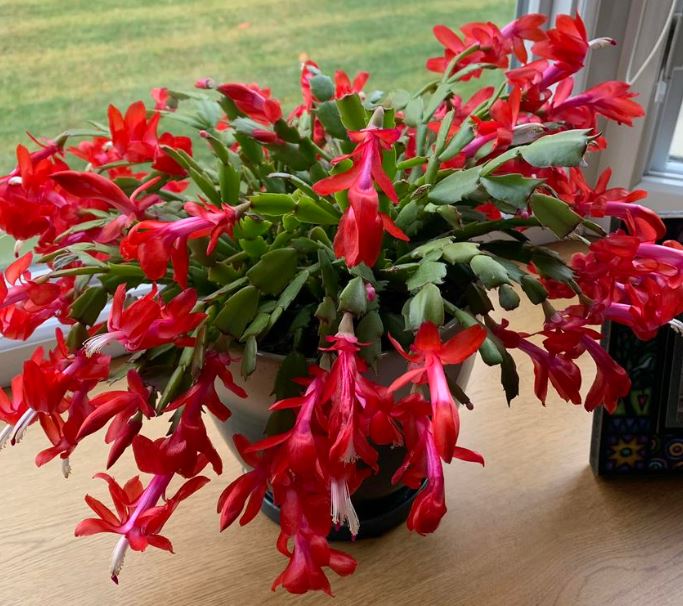
The Thanksgiving cactus is the one flower on this list actually named for the holiday. It naturally blooms in late November, right around the time families gather for dinner.
It’s often confused with the Christmas cactus, but the two are botanically different. Thanksgiving cactus has pointed, claw-like leaf edges, while Christmas cactus has smoother, more rounded ones.
Unlike cut flowers, this is a potted, long-living plant, which makes it a meaningful gift for a host. It can bloom again every autumn for years with basic care.
Its flowers come in shades of pink, red, orange, and white, tubular blooms that hang gracefully from segmented, flat leaves. That shape alone makes it stand out on a table full of traditional bouquets.
I especially like recommending this one as a hostess gift instead of cut flowers. It gives them something to keep and look forward to seeing bloom again next year.
Caring for it is simple too. It prefers bright, indirect light and slightly cooler nighttime temperatures in fall, conditions most homes already have without any extra effort.
READ MORE ON: How to Care for Your Thanksgiving Cactus Indoors: A Simple Guide for Beginners
2. Chrysanthemums (Mums)
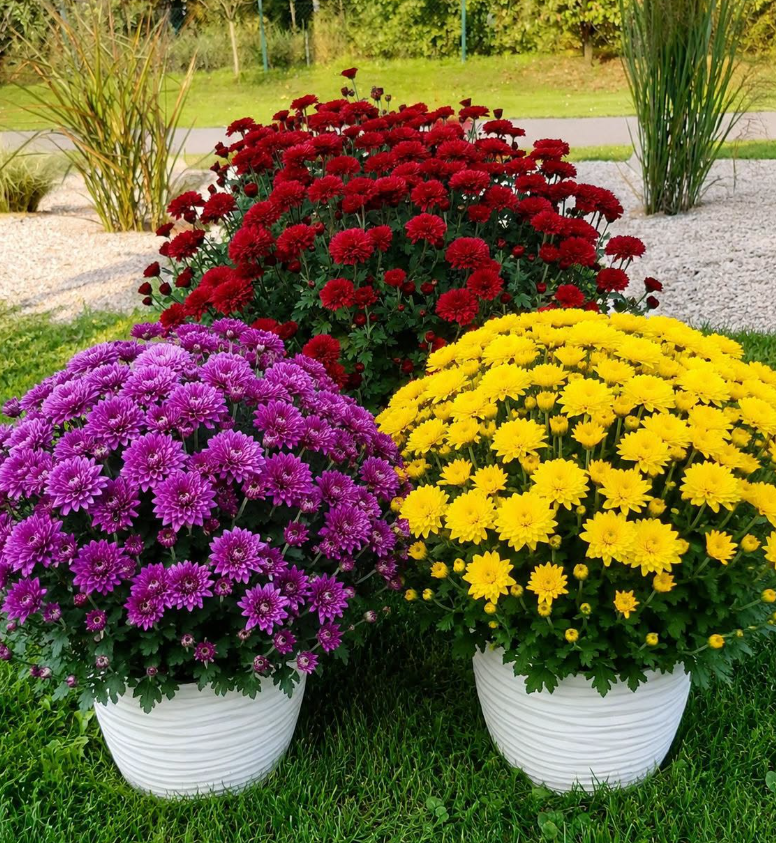
Chrysanthemums are the undisputed queen of fall flowers. Their dense, layered blooms come in deep burgundy, burnt orange, gold, and rust, exactly the palette Thanksgiving calls for.
They’re also incredibly practical. Mums have a long vase life, often two to three weeks, which means a centerpiece bought early in the week will still look fresh by Thursday.
I always tell people that if they can only afford one type of flower this season, make it mums. They deliver the most autumn character for the least amount of money.
READ MORE ON: 25 Types of Mums (Different Chrysanthemum Varieties, With Pictures)
3. Sunflowers
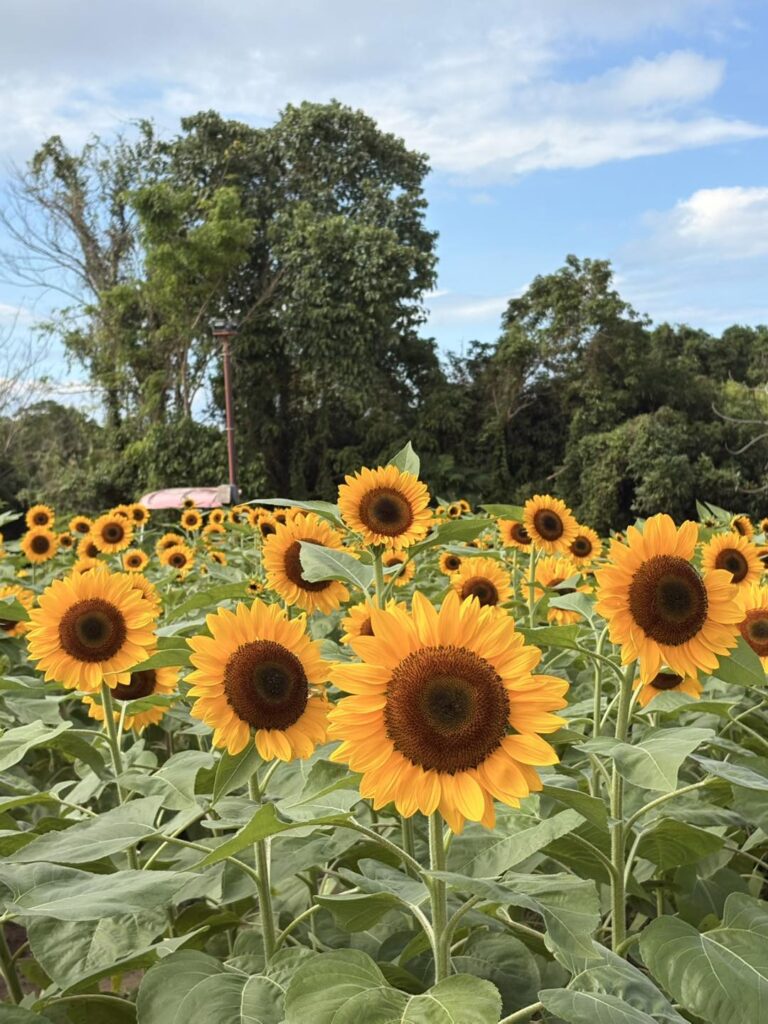
Sunflowers bring a rustic, harvest-time feel that instantly signals fall. Their large, sunny faces pair beautifully with wheat stalks, pinecones, or a simple burlap runner.
Beyond their look, sunflowers symbolize gratitude and warmth, themes that fit Thanksgiving almost too perfectly. It’s no coincidence they show up in so many holiday arrangements.
A single stem in a mason jar looks charming on its own, but a cluster of five or six creates a bold, farmhouse-style centerpiece without much effort.
4. Marigolds
Marigolds carry deep symbolic weight around harvest season, particularly in Mexican and South Asian traditions where they represent the sun and the celebration of abundance.
Their bright orange and yellow tones blend naturally with Thanksgiving’s traditional color scheme, and their compact size makes them easy to tuck into smaller arrangements.
They also happen to be non-toxic to pets, which makes marigolds a smart choice if you’re hosting a gathering with dogs or cats wandering around the table.
5. Dahlias
Dahlias peak in bloom right around late September through November, which lines up almost perfectly with Thanksgiving in most regions.
Their intricate, layered petals give arrangements a sense of texture and depth that simpler flowers can’t quite match. A few dahlia stems can elevate an entire bouquet.
They come in shades ranging from deep maroon to soft peach, giving you plenty of room to match whatever color scheme your table already has.
6. Roses in Autumn Hues
Roses don’t have to be reserved for Valentine’s Day. Varieties in burnt orange, deep red, and champagne shades feel completely at home on a Thanksgiving table.
Their classic, elegant shape also works well if you’re hosting a more formal dinner rather than a casual, rustic-style gathering.
I like mixing a few autumn-toned roses into a bouquet of mums or sunflowers. It softens the arrangement and adds a touch of sophistication.
7. Celosia (Cockscomb)
Celosia, often called cockscomb, has a wavy, velvety texture that looks almost like coral or brain matter, unusual, but genuinely striking in a fall arrangement.
Its deep red and burgundy tones make it a natural match for Thanksgiving’s traditional color palette, and it holds its shape remarkably well once cut.
This flower tends to be a conversation starter at the table. Guests often ask what it is, which makes it a fun addition if you enjoy a bit of dinner-table small talk.
8. Zinnias
Zinnias bloom well into early fall in many climates, and their bold, saturated colors, orange, red, deep pink, translate beautifully into autumn arrangements.
They’re sturdy, long-lasting, and relatively inexpensive compared to more delicate flowers, which makes them practical if you’re decorating on a budget.
Because zinnias come in so many sizes, from small pom-pom varieties to large dinner-plate blooms, they work well as either a centerpiece or a filler flower.
9. Asters
Asters bloom right on schedule for Thanksgiving, typically peaking from September through November depending on your region’s climate.
Their star-shaped petals in purple, pink, and white provide a nice contrast against the oranges and golds that dominate most fall arrangements.
I appreciate asters specifically because they add a cooler tone to an otherwise warm-colored bouquet, which keeps the whole arrangement from feeling one-dimensional.
10. Carnations
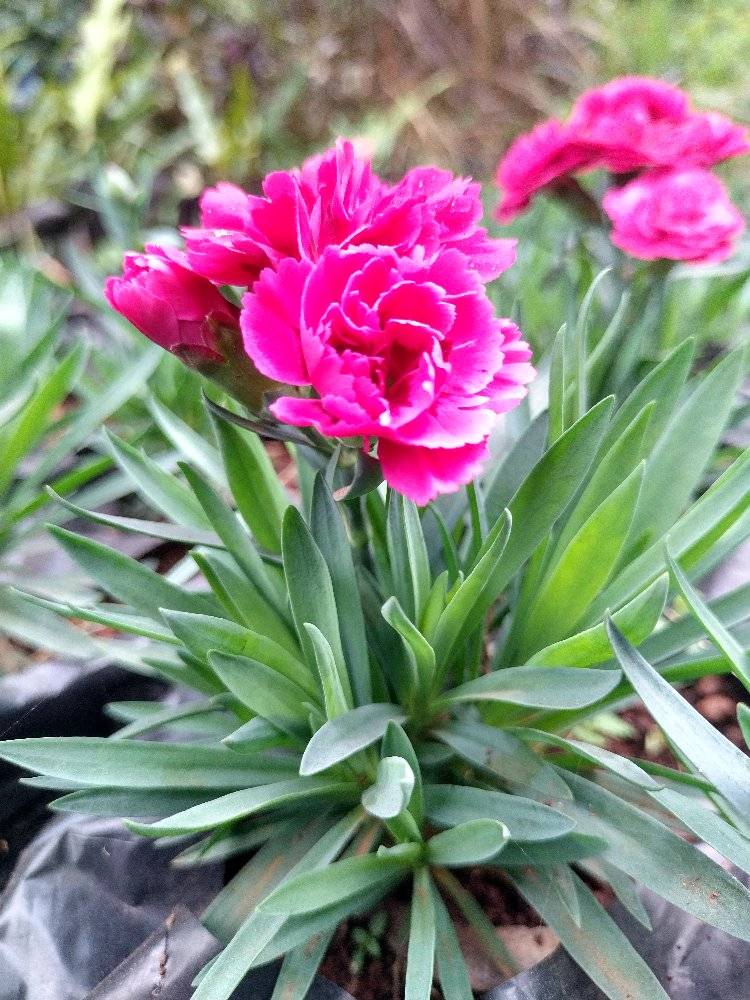
Carnations remain one of the most underrated flowers for Thanksgiving. They’re affordable, long-lasting, and available in nearly every shade you could want.
Rust-colored and deep burgundy carnations in particular fit the fall aesthetic well, and their ruffled petals add texture without overwhelming an arrangement.
Because they hold up so well after cutting, carnations are a smart choice if you’re setting up your centerpiece a few days before guests actually arrive.
ALSO READ: Explained: Are Carnations Toxic to Cats?
11. Amaranth
Amaranth’s long, cascading, rope-like blooms bring drama and movement to any Thanksgiving arrangement. Its deep red color also happens to match the season perfectly.
This flower works especially well trailing over the edge of a vase or urn, adding visual interest at a different height than the rest of your centerpiece.
It’s a favorite among florists specifically for its unusual texture. If you want your table to stand out from the typical mum-and-sunflower combination, amaranth delivers that.
12. Rudbeckia (Black-Eyed Susan)
Rudbeckia, commonly known as black-eyed Susan, has a cheerful, golden-petaled look with a dark brown center that reads as classic late-summer-into-fall.
It blooms reliably through October in many climates, making it one of the last true wildflowers available before the first frost arrives.
Its simple, daisy-like shape pairs nicely with more structured flowers like dahlias or roses, giving an arrangement a relaxed, garden-picked feel.
13. Scabiosa
Scabiosa, sometimes called pincushion flower, has a delicate, textured center that looks almost architectural up close. It’s a favorite among floral designers for that reason.
Its muted tones, dusty pink, lavender, deep burgundy, work as a subtle accent flower rather than the main event in a Thanksgiving arrangement.
I’d recommend scabiosa if you already have bold flowers like sunflowers or mums and want something quieter to balance the overall look.
14. Craspedia (Billy Balls)
Craspedia, often nicknamed billy balls, features perfectly round, golden-yellow blooms on tall, slender stems. Their unusual shape makes them instantly recognizable.
They dry beautifully too, which means a Thanksgiving arrangement featuring craspedia can be repurposed as a dried decoration well into the winter months.
Because of their round, whimsical shape, they add a playful contrast next to more traditional flowers like roses or carnations.
15. Hypericum Berries
Hypericum berries aren’t technically a flower, but they’re a staple in fall floral design and deserve a spot on this list regardless.
Their small, colorful berries, usually in deep red, burgundy, or soft peach, fill out an arrangement and add textural variety between larger blooms.
I find hypericum especially useful for covering gaps in a bouquet without adding bulk, which keeps the overall arrangement looking full but not overcrowded.
16. Autumn Hydrangeas
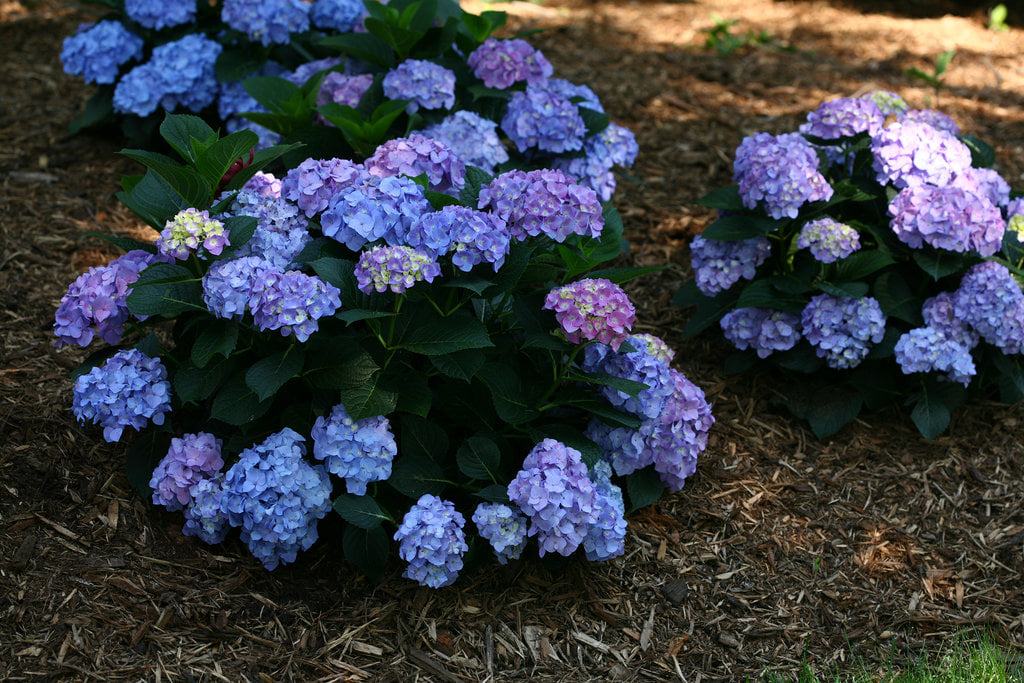
Hydrangea varieties like Limelight and Vintage bloom in soft green, blush pink, and antique burgundy tones as the weather cools, making them ideal for fall.
Their large, cloud-like blooms create instant volume in a centerpiece, which is helpful if you’re working with a big table and need the arrangement to feel substantial.
Unlike their bright blue summer counterparts, these autumn varieties naturally shift color as they age, giving your Thanksgiving table a slightly different look each day.
Tips for Building Your Thanksgiving Centerpiece
- Mix textures, not just colors. Combine a rounded flower like a mum with something spiky like celosia or amaranth for visual interest.
- Keep it low if guests will be talking across the table. Nothing kills dinner conversation faster than a towering centerpiece blocking everyone’s face.
- Buy a few days early. Most of these flowers, especially mums and carnations, hold up well for several days when kept in fresh water.
- Repurpose what you have. Pumpkins, gourds, and cinnamon sticks pair naturally with any of these flowers if you want a more rustic, harvest-style presentation.
Final Thoughts
Thanksgiving is ultimately about gathering people you care about around one table, and flowers have a quiet way of making that table feel a little more special.
Whether you go bold with sunflowers and dahlias or keep things soft with asters and hydrangeas, the right blooms add warmth without much extra effort. And with the Thanksgiving cactus now on the list, you even have an option that shares the holiday’s name.
I hope this list gives you a solid starting point, so your table this year looks just as thoughtful as the meal sitting on it.

Tim M Dave is a gardening expert with a passion for houseplants, particularly cacti and succulents. With a degree in plant biology from the University of California, Berkeley, he has vast experience in gardening. Over the years, he has cultivated a vast collection of desert plants and learned a great deal about how to grow and care for these unique companions.