20 Best Fruit Trees to Plant in Texas (With Growing Details)
Texas is a hard place to grow fruit. One year, a late freeze wipes out the peach blossoms. The next year, a long drought tests every tree in the yard. I have seen both, and I know the feeling of walking out to an empty branch.
Still, many fruit trees do very well here. The key is to match the tree to your region. A variety that thrives near Houston may fail near Amarillo. A tree that loves the Rio Grande Valley may freeze in Dallas.
This guide covers 20 of the best fruit trees to plant in Texas, with details on climate, size, care and common problems. Let’s start with the basics.
What Makes a Fruit Tree “Best” in Texas?
A good Texas fruit tree must handle three things: heat, cold and soil. Texas can swing from 100°F summers to hard freezes in winter. Soils range from sandy loam in the east to alkaline clay and caliche in the west and south.
The most important idea for new growers is chill hours. These are the hours a tree spends at or below 45°F during winter. Fruit trees need this cold rest to bloom and fruit well. Too little chill causes weak, uneven growth. Too much can cause early blooms that freeze.
AgriLife Extension advises choosing varieties whose chill needs fall close to your area’s average. Texas A&M’s apple guide says even the highest-chill part of Texas averages only about 800 to 1,000 chill hours a year. Many commercial varieties from other states need far more.
ALSO READ: 30 Native Texas Trees (With Pictures, And Growing Details)
Quick Tips Before You Buy
- Check your chill hours. Ask your county AgriLife office for your area’s average.
- Plan for pollination. Many trees need a second variety nearby.
- Choose the right rootstock. Soil type matters. AgriLife suggests Nemaguard on acid, sandy soils for peaches and plums, and Lovell on high-pH soils.
- Plant dormant trees in winter. Peaches are best planted from December through early March.
- Protect against late frost. Peach growers can expect to lose about one crop in six or seven to a late spring freeze.
The 20 Best Fruit Trees to Plant in Texas
1. Peach
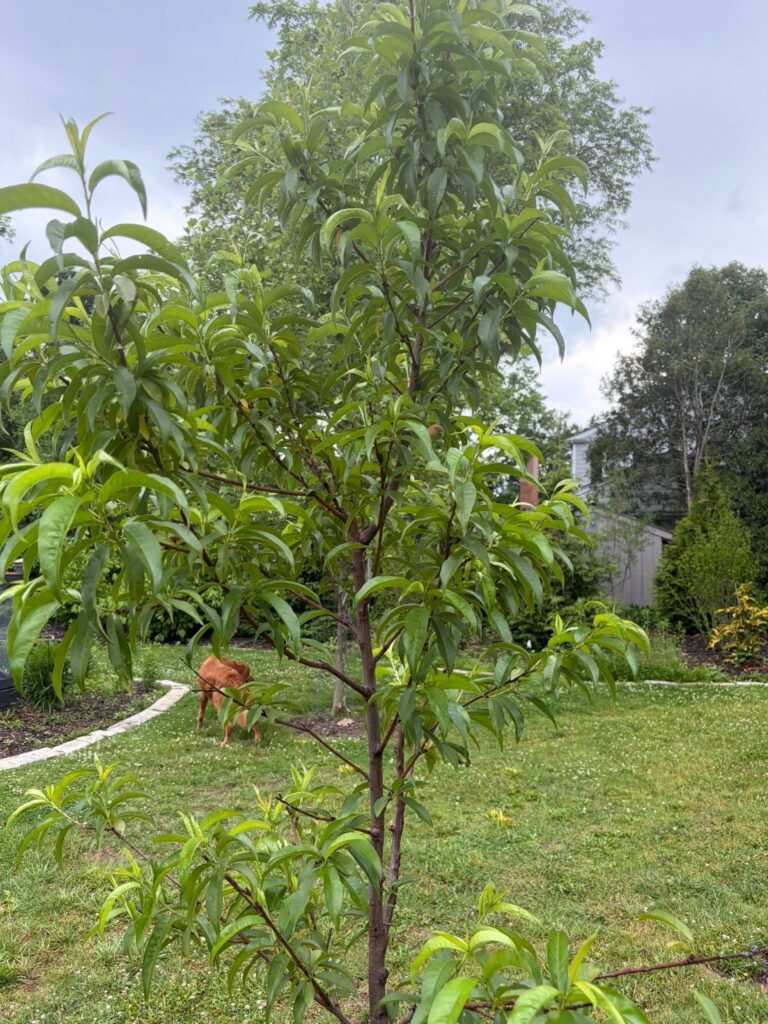
Peaches are the classic Texas fruit tree. AgriLife Extension groups them by chill needs: low (about 150 to 400 hours), medium (450 to 650) and high (700 to 1,000). Choose one that matches your area. A tree with too little chill may bloom early and freeze.
Good examples include ‘TexRoyal’ (600 hours), ‘Redglobe’ (850) and ‘Flavorich’ (700). In warm South Texas, low-chill types like ‘FlordaPrince’ (150) are safer. Always check the tag for chill hours before you pay.
Plant dormant trees from December through early March. Prune each winter to an open-center shape. Thin the fruit about four to six weeks after bloom, leaving it 6 to 8 inches apart. This gives bigger, sweeter peaches and protects the branches from breaking.
2. Plum
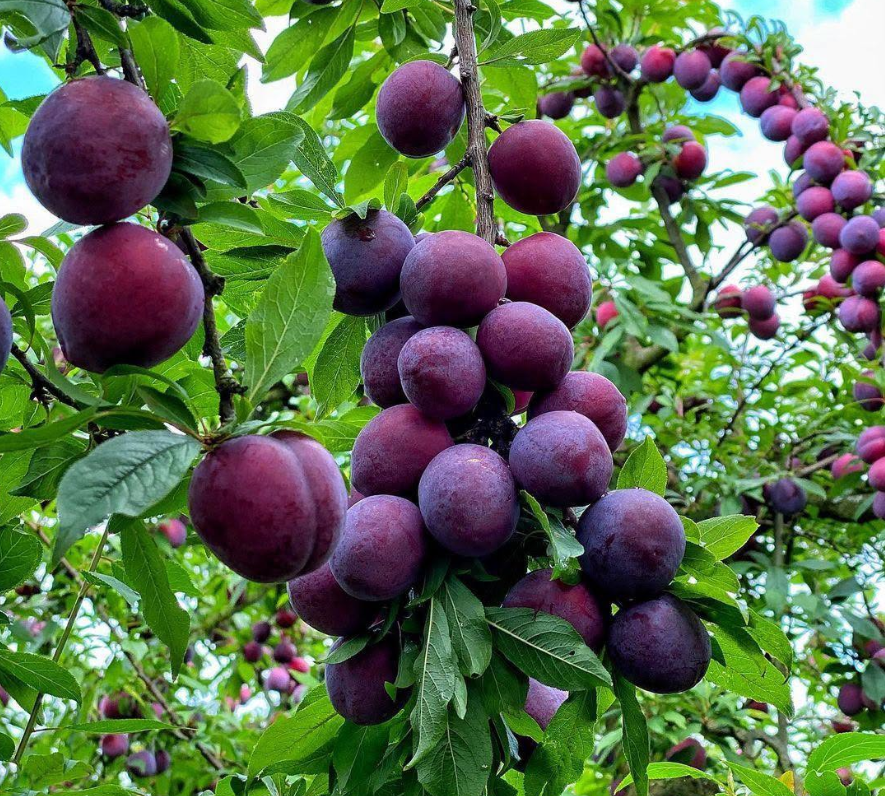
Plums are tougher than peaches and often easier for beginners. AgriLife Extension recommends ‘Methley,’ which it describes as adapted across Texas and self-fruitful. It ripens from late May to early June. ‘Santa Rosa’ ripens in late June and is popular in home gardens.
Most plum varieties need a partner tree. ‘Bruce’ and ‘Morris’ both need a pollinator, and ‘Methley’ is a common choice. Note that ‘Morris’ needs 800 or more chill hours, so it suits colder parts of the state only.
Watch for brown rot, bacterial leaf spot and plum curculio. Good airflow helps. Prune to keep the center open, and clean up fallen fruit. A healthy plum tree can bear for many years with modest care.
3. Nectarine
Nectarines are close cousins of peaches. They have smooth skin and a rich flavor. AgriLife lists ‘Karla Rose’ (600 chill hours) and ‘Redgold’ (850 hours) among its suggested varieties. It marks them as trial only, so treat them as a bonus tree.
The reason is simple. AgriLife says nectarine culture is more intensive because of higher disease and insect pressure. Brown rot, fruit splitting and wind scarring are all common. They need more attention than a peach tree.
Plant them in full sun with excellent drainage. Spray on schedule if your area has heavy disease pressure. If you love nectarines, try one or two. Keep a peach tree nearby as your safe backup.
4. Apricot
Apricots are less common in Texas orchards, but they can succeed with care. AgriLife’s Bexar County list names ‘Blenheim’ and ‘Royal’ as recommended varieties. It also lists Nemaguard rootstock or own-root trees.
The main risk is early bloom. Apricots flower early in spring, so a late freeze can destroy the crop. Plant on a slope or near a south-facing wall. Cold air drains downhill, so avoid low pockets.
Choose a sunny, well-drained site. Prune in winter to an open shape. Thin extra fruit so branches do not overload. In a good year, fresh apricots from your own tree taste far better than any store fruit I have found.
5. Asian Pear
Asian pears are among the best Texas pears. They are crisp, juicy and more resistant to disease. AgriLife’s pear guide lists ‘Shinko’ and ‘Shin Li’ for East Texas, and other types such as ‘Hosui’ and ‘Chojuro’ for the Hill Country and West Texas.
Fire blight is the biggest threat to pears in Texas. AgriLife calls it the most prevalent and damaging pear disease in the state. Asian pears tolerate it better than European types, though wet years can still cause heavy limb loss.
Asian pears may bear as early as the fourth growing season. Plant at least two varieties with similar chill needs, since pears need cross-pollination. Most Asian and hybrid pears need 200 to 800 chill hours.
ALSO READ: 25 Native Texas Shrubs (With Growing Details)
6. Kieffer and Other Hybrid Pears
Old hybrid pears like ‘Kieffer,’ ‘Orient,’ ‘Moonglow’ and ‘Magness’ are Texas favorites. AgriLife lists them for East Texas. They handle humidity and fire blight better than true European pears like Bartlett, Bosc and Anjou.
Those European types need more than 1,000 chill hours, according to AgriLife. They are limited by fire blight in most of Texas. Hybrids are a much safer choice for home growers.
Be patient with these trees. European hybrids may take 8 to 10 years to produce a first crop. They are long-lived, though. Space trees about 16 feet apart, and cut the trunk back by about one-third after planting.
7. Low-Chill Apple
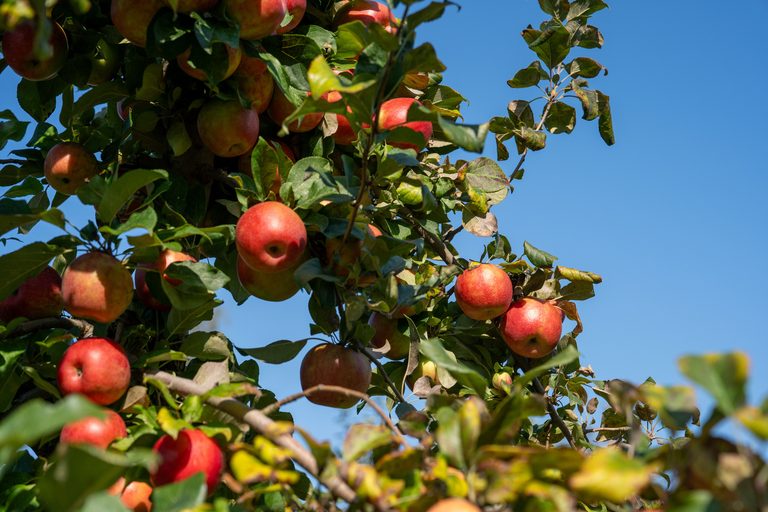
Apples are possible in Texas if you pick the right variety. AgriLife says ‘Anna’ (400 hours) and ‘Dorsett Golden’ (350 hours) suit areas with 400 or fewer chill hours. In colder areas, ‘Gala,’ ‘Fuji’ and ‘Mollie’s Delicious’ are options.
Plant at least two varieties that bloom at the same time. AgriLife notes that ‘Mollie’s Delicious’ is an excellent pollinator. It also warns that ‘Gala,’ ‘Imperial Gala’ and ‘Royal Gala’ cannot pollinate each other.
Soil matters a lot. AgriLife recommends deep, well-drained soil with a pH of 6.5 to 7.0. Avoid warm, alkaline soils above pH 7.0, since cotton root rot has no resistant rootstocks. Texas apples ripen from July to October.
8. Fig
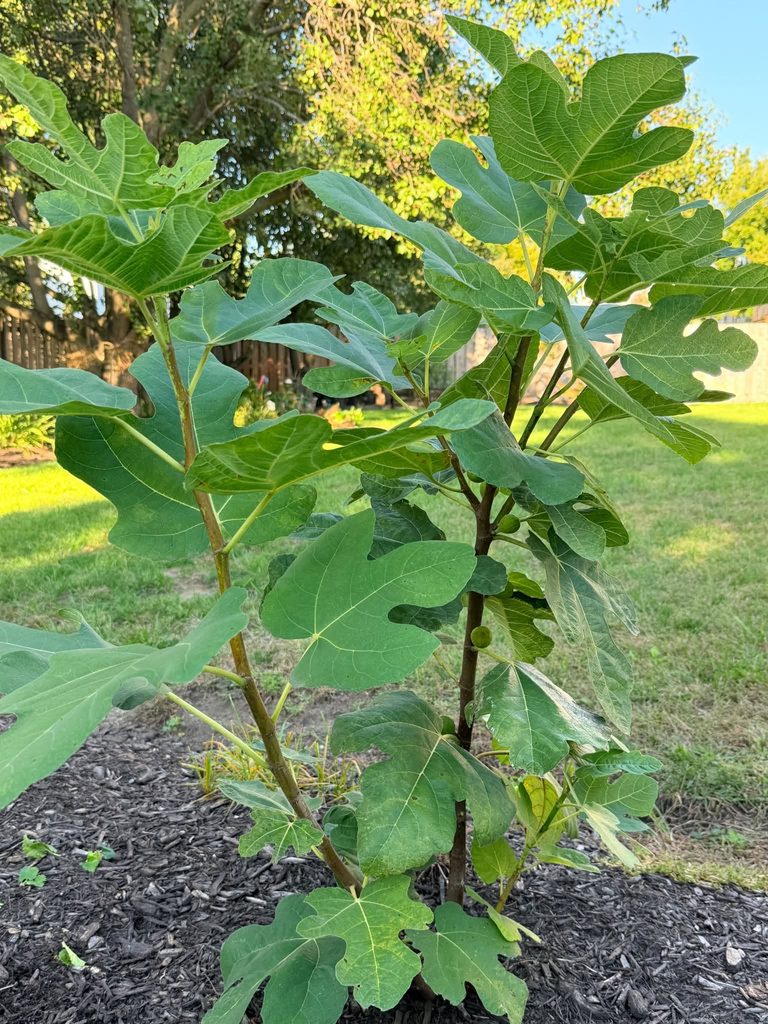
Figs are some of the easiest fruit trees for Texas yards. AgriLife recommends ‘Alma,’ ‘Celeste’ and ‘Texas Everbearing’ for home use. ‘Celeste’ appears to be the most cold hardy and ripens in mid to late June.
Figs handle many soils, from coarse sand to heavy clay. They are limited to areas where temperatures stay above about 5°F, and AgriLife says they usually tolerate sustained cold down to 17°F. Water well a few days before a hard freeze to reduce injury.
Plant in late winter or early spring, about 2 to 3 inches deeper than in the nursery. Space trees at least 16 feet apart. In sandy soil, watch for root-knot nematodes. Mature trees can reach about 20 feet.
9. Oriental Persimmon
Oriental persimmons give beautiful orange fruit in fall. AgriLife calls ‘Eureka’ the best commercial variety in Texas. ‘Fuyu’ is non-astringent, so you can eat it while still firm. ‘Hachiya’ and ‘Tane-nashi’ are astringent and must be fully soft before eating.
Cold matters here. AgriLife says ‘Fuyu’ is prone to freeze damage and suits milder southern areas. ‘Izu’ is more cold hardy than ‘Fuyu.’ Trees are grafted onto American persimmon rootstock because Oriental roots are highly susceptible to root rot.
The trees need little spraying, according to AgriLife. Space them 15 to 18 feet apart. Mature trees can reach 40 feet, though some stay shrub-sized. Protect ripening fruit from birds, raccoons and opossums.
10. Texas Persimmon
Texas persimmon (Diospyros texana) is a native tree. AgriLife says it is found in Central and West Texas, especially on the Edwards Plateau. It is a tough, drought-tolerant choice for dry, rocky yards.
AgriLife notes that Texas persimmon is resistant to root rot. It is not graft compatible with American or Oriental persimmons, so you cannot grow named fruit varieties on it. Think of it as a low-care native tree, not a high-production orchard plant.
Use it where other fruit trees struggle. It suits wildlife gardens, hot slopes and low-water landscapes. Plant a nursery-grown tree rather than digging a wild one. Water well during the first two summers.
11. Jujube
Jujube is one of the best-kept secrets for hot, dry Texas. AgriLife says it was introduced into Texas around 1875. In College Station trials, jujubes handled drought and excess moisture better than any other fruit plant tested.
The best varieties are ‘Li’ and ‘Lang.’ ‘Li’ has the largest, best-flavored fruit, while ‘Lang’ is the most widely grown named variety. Both must be grafted, since they do not come true from seed. Fruit ripens in July and August, and the texture is closer to an apple than a date.
Pests are rarely a problem. Cotton root rot can be a limiting factor where it exists. Root sprouts can form thickets, so cut them at ground level. Trees can grow 30 to 50 feet tall in the right conditions.
12. Pomegranate
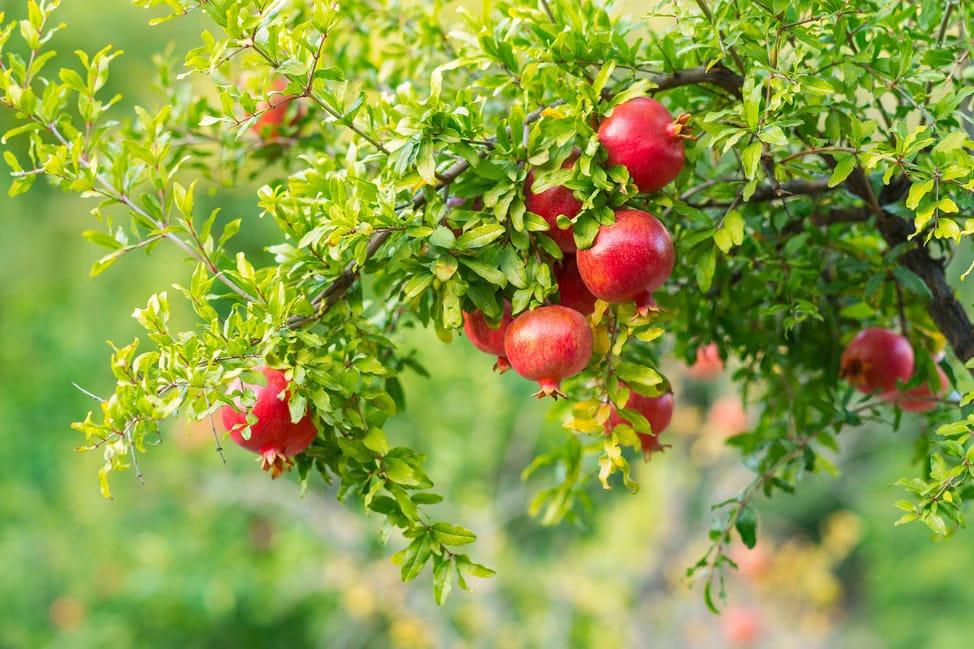
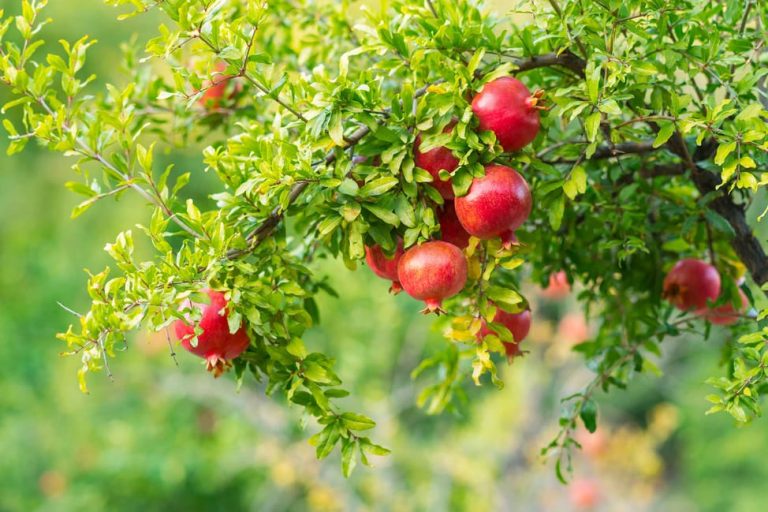
Pomegranates love Texas heat. AgriLife says they can be grown as far north as USDA zone 7b, and most fruiting types survive winters in central, southern and southeastern Texas. Some varieties tolerate 10°F, while others are damaged at 18°F.
Good choices include ‘Al-sirin-nar,’ ‘Russian 18,’ ‘Salavatski’ and ‘Spanish Sweet.’ Studies in north central Texas found that ‘Al-sirin-nar,’ ‘Salavatski’ and ‘Russian 18’ survived winters and fruited. ‘Wonderful’ is popular, but splitting and poor cold hardiness have been problems.
Plant in full sun, 12 to 15 feet apart. Fruit appears 3 to 4 years after planting and ripens about six months after bloom. By year 10, a tree may give 100 to 150 fruits. Fruit splitting from fungus is the most serious problem.
13. Pecan
Pecan is the Texas state tree, and it is a natural choice for a large yard. AgriLife says pecans are grown commercially on about 70,000 acres in Texas. Expect a slow start: the establishment phase is 5 to 7 years with very few nuts.
Pollination needs planning. AgriLife explains that trees are either Type I (pollen first) or Type II (female flowers first), and you need both. ‘Pawnee’ and ‘Lipan’ are Type I examples, and ‘Kanza’ is Type II. In small yards, a neighbor’s native pecan may help.
Give the tree space and sun. AgriLife advises deep, well-drained soil and spacing of 50 to 60 feet to delay crowding. Pecan scab is the main disease in Central and East Texas. Zinc and nitrogen are needed every year.
14. Black Walnut
Black walnut is a strong native-style shade tree that also gives nuts. AgriLife’s fruit and nut list names ‘Thomas,’ ‘Ohio,’ ‘Myers’ and ‘Ogden.’ ‘Myers’ is noted for having the thinnest shell, which makes cracking easier.
These are large trees, so plant them in open space. They need deep, well-drained soil. Walnut roots release a natural chemical that can harm some nearby plants, so keep gardens and other trees away from the root zone.
Harvest nuts in fall once the husks soften. Dry them well before storing. Expect a long wait for the first harvest, as with most nut trees. A mature walnut is a lasting gift to your family.
15. Mayhaw
Mayhaw is a native tree of wet woodlands in the southeastern United States. In Texas, it is best known in East Texas. It produces small, tart red fruit in late spring. People love it for jelly, a regional specialty.
AgriLife’s list names several improved varieties. These include ‘Super Spur,’ ‘Big Red’ (noted as rust resistant), ‘Highway Super Berry’ and ‘Big Mama.’ Choose a rust-resistant type if you live in a humid area.
Mayhaw tolerates wet soil better than most fruit trees. That makes it a good choice for low spots where peaches would fail. Plant in full sun, and water during dry spells. Few other fruit trees give you a jelly this good.
16. Satsuma Mandarin
Satsumas are the citrus most worth trying in much of Texas. AgriLife says satsumas and tangerines are of most interest. They are the hardiest of the common mandarins, and the fruit is sweet and easy to peel. Mandarins usually mature from September through November.
Good varieties include ‘Owari,’ ‘Miho,’ ‘Okitsu,’ ‘Seto,’ ‘Orange Frost’ and ‘Arctic Frost.’ In colder areas like Smith County, AgriLife lists citrus for containers only and advises protection during winter.
Plant from fall to late winter. Choose a sunny site on the south or southeast side of the house for some cold protection. AgriLife suggests banking soil high on the trunk from around Thanksgiving to March 1. Even if the top freezes, the tree can resprout from the protected area.
17. Kumquat
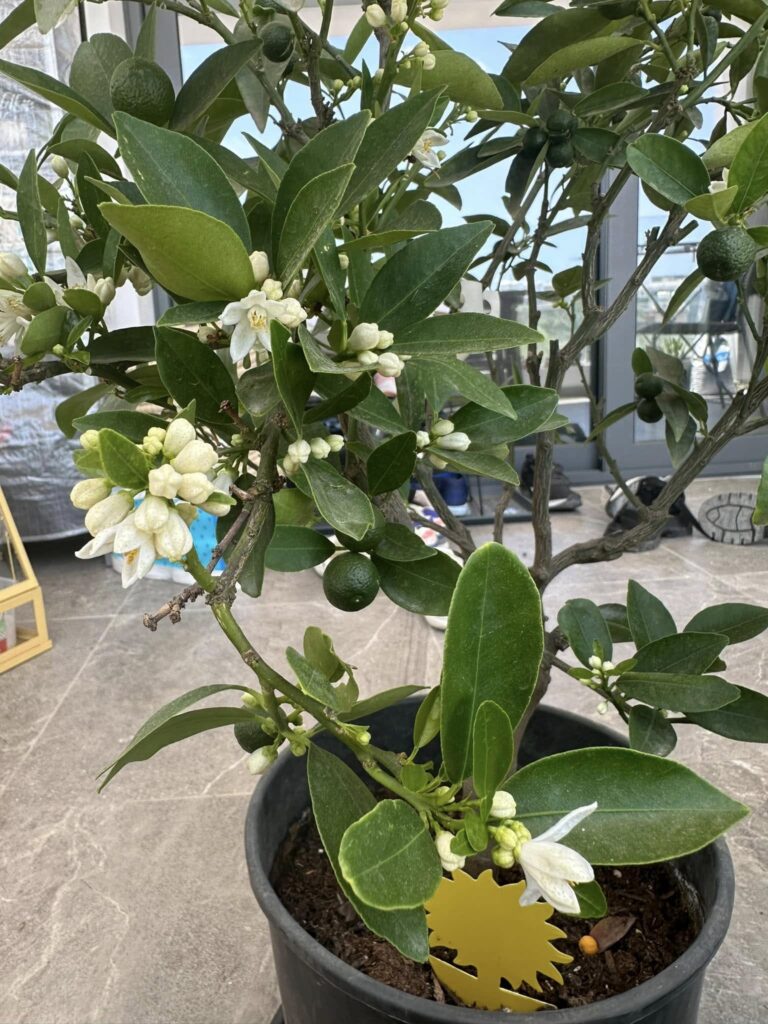
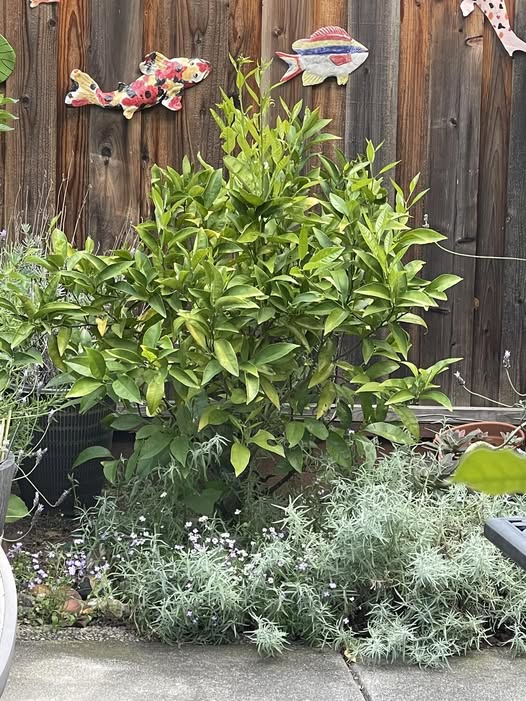
Kumquats are small, tangy citrus that you eat whole, skin and all. AgriLife’s fruit list includes kumquat among the citrus for Texas containers. Kumquats are usually among the hardier citrus, which makes them a good first try.
A pot lets you move the tree for protection. Roll it into a garage or shed before a hard freeze. Use a well-drained potting mix, and water when the top inch of soil dries. Place it in full sun in spring and summer.
Kumquats stay compact. A single tree can fit on a patio. The fruit is good fresh, in marmalade or in cocktails. I like them because they are fun, forgiving and a little unusual.
18. Meyer Lemon
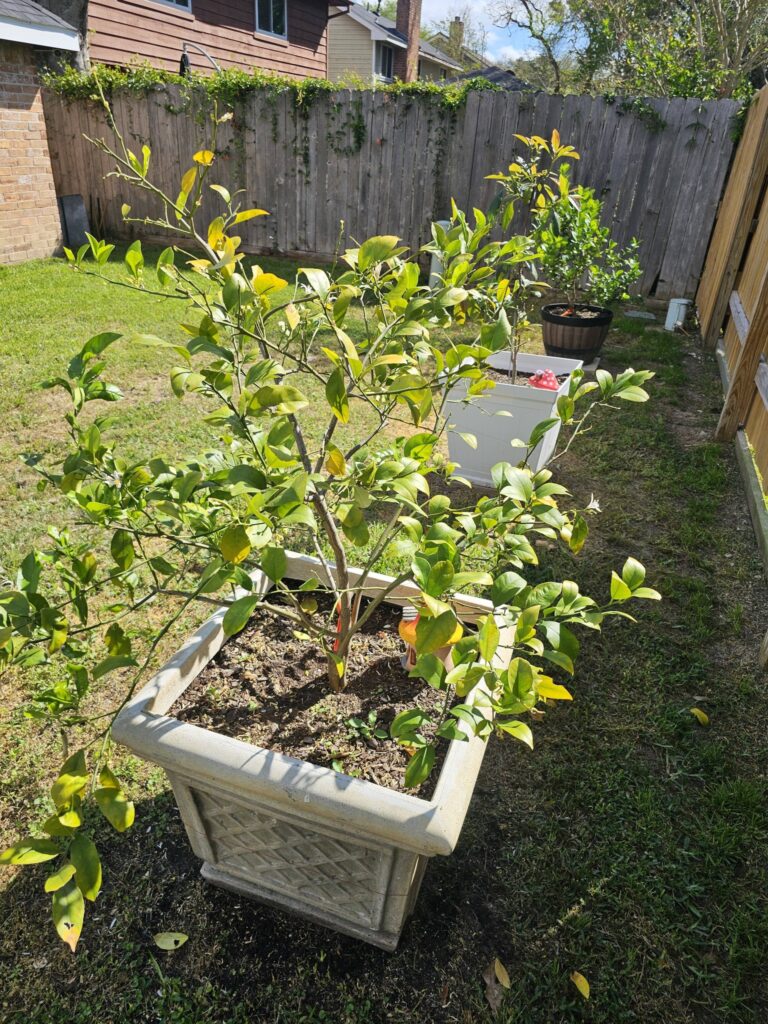
Meyer lemon is a popular citrus for Texas patios. AgriLife’s list names it for container growing. It is sweeter and less sour than a regular lemon, and it fits small spaces well.
Cold is the main concern. AgriLife says lemons are the most cold-sensitive citrus. So a Meyer lemon needs shelter in most of the state. Keep it in a large pot, and bring it indoors or into a garage when a freeze threatens.
Give it sun and good drainage. AgriLife suggests avoiding high-caliche or very salty soils for citrus. If you live in far South Texas, you may grow it in the ground. Elsewhere, treat it as a potted treasure.
ALSO READ: 25 Types of Lemon Trees (Different Varieties, With Pictures)
19. Grapefruit
Grapefruit is a Texas icon, especially in the Rio Grande Valley. AgriLife says commercial citrus production is mostly limited to the Lower Rio Grande Valley. Grapefruit matures from mid to late October and can be harvested from October through May.
It is a good choice for warm South Texas yards. Trees bear in the third season. AgriLife reports a first yield that may exceed 25 pounds per tree, rising to over 250 pounds by the tenth season. That is a lot of fruit from one tree.
Give it room. AgriLife advises keeping grapefruit trees 12 feet or more from structures. Plant in full sun and deep, well-drained soil. Sour orange rootstock is recommended for the lower coast and South Texas. Freezes remain the main risk.
20. Orange
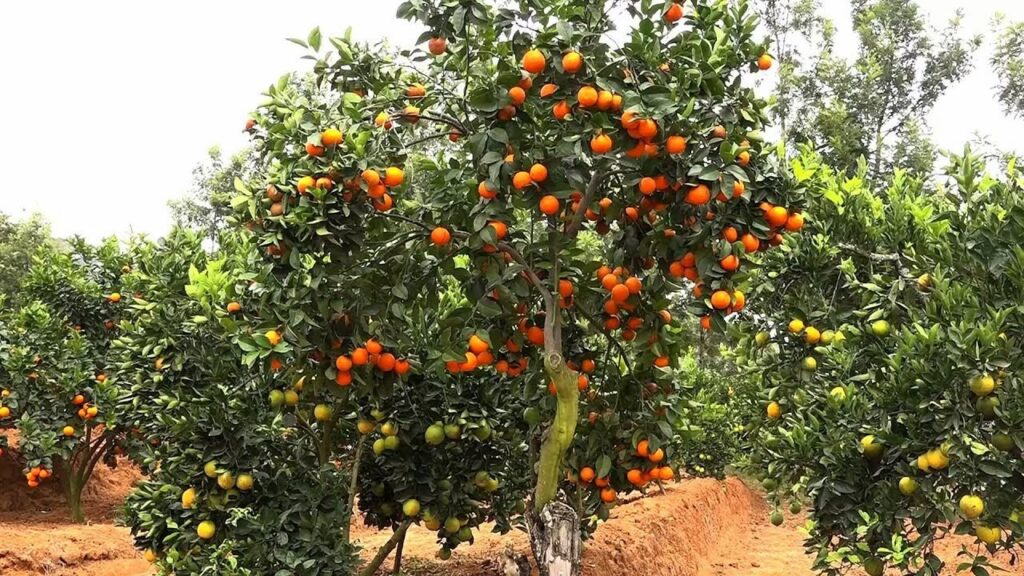
Oranges are the sweet reward of the warmest parts of Texas. AgriLife lists early, midseason and late maturing types, so you can stretch the harvest. Like grapefruit, oranges do best in the Lower Rio Grande Valley and other frost-free spots.
Trees bear in the third season. The first yield is about 10 to 15 pounds per tree. It can rise to 150 to 250 pounds per tree by the tenth season, according to AgriLife. That is a strong return for a backyard tree.
Freezes can still hit hard. AgriLife notes that small plantings along the Gulf Coast mostly disappeared because of recurring freezes. If you live outside South Texas, consider a potted tree you can protect, or choose satsumas instead.
Best Fruit Trees by Texas Region
Texas is huge, so one list cannot fit everyone. Here is a simple guide.
- North and Central Texas: Peach, plum, Asian pear, hybrid pear, fig, persimmon, pomegranate, jujube and pecan are strong choices. Choose varieties with higher chill hours here.
- East Texas: Pear, fig, persimmon, mayhaw, pecan and plum do well. Humidity raises disease risk, so choose resistant varieties.
- Hill Country and West Texas: Jujube, pomegranate, fig, Texas persimmon and some pears suit dry conditions. Watch for alkaline soil and cotton root rot.
- South Texas and the Gulf Coast: Low-chill peaches, fig, pomegranate and citrus are best. Grapefruit and orange grow in the Valley, while satsuma needs frost protection in colder spots.
How to Plant and Care for Texas Fruit Trees
Plant bare-root trees in winter while they are dormant. Dig a wide hole, and set the tree at the same depth it grew in the nursery. Water deeply, then mulch. Keep mulch off the trunk.
Water young trees every week in summer. AgriLife notes that weed competition is a major cause of failed establishment. Keep a clear circle around the trunk. Stop nitrogen fertilizer by early August so new growth can harden before frost.
Prune in winter, except for citrus, which needs light shaping. Remove dead, crossing and diseased branches. Thin fruit on peaches and plums to improve size. Test your soil before planting, so you know the pH.
Frequently Asked Questions
What is the easiest fruit tree to grow in Texas? Fig is a top choice. AgriLife says figs tolerate many soils, from sand to heavy clay. Jujube and pomegranate are also tough and need little care.
What is a chill hour? It is an hour at or below 45°F during winter. Fruit trees need a set number to bloom and fruit. Check your area’s average before you buy.
How long until fruit trees produce? It varies. Peaches begin in about 3 to 4 years, pomegranates in 3 to 4 and Asian pears as early as the fourth year. Pecans need 5 to 7 years.
Can I grow citrus in North Texas? Only in pots, and only with winter protection. AgriLife lists citrus for containers only in colder areas like Smith County.
Final Thoughts
Texas fruit growing rewards smart choices. Start with your region, your chill hours and your soil. Then pick trees that match, not trees that look nice on a plant tag.
If you want an easy start, try a fig, a pomegranate or a jujube. For a classic orchard, add peaches, plums and pears. In South Texas, let citrus shine. Each tree you plant today may feed your family for decades.
I still remember my first homegrown peach. It was small, a little sour and absolutely perfect. Plant something this winter, and you will have your own story soon.
References
- Texas A&M AgriLife Extension / Aggie Horticulture. Peaches (Texas Fruit and Nut Production). https://aggie-horticulture.tamu.edu/fruit-nut/wp-content/uploads/sites/6/2015/04/peaches_2015.pdf
- Texas A&M AgriLife Extension / Aggie Horticulture. Plums and Stone Fruit. https://aggie-horticulture.tamu.edu/fruit-nut/wp-content/uploads/sites/6/2015/04/plums_and_stone_fruit_2015.pdf
- Texas A&M AgriLife Extension. Apples (Texas Fruit and Nut Production). https://agrilifeextension.tamu.edu/wp-content/uploads/2025/05/Apples.pdf
- Texas A&M AgriLife Extension / Aggie Horticulture. Pears (Texas Fruit and Nut Production). https://aggie-horticulture.tamu.edu/fruit-nut/wp-content/uploads/sites/6/2015/04/pears_2015.pdf
- Texas A&M AgriLife Extension / Aggie Horticulture. Figs (Texas Fruit and Nut Production). https://aggie-horticulture.tamu.edu/fruit-nut/wp-content/uploads/sites/6/2015/04/figs_2015.pdf
- Texas A&M AgriLife Extension. Persimmons (Texas Fruit and Nut Production). https://agrilifeextension.tamu.edu/wp-content/uploads/2025/05/Persimmons.pdf
- Texas A&M AgriLife Extension, Leon County. Citrus. https://leon.agrilife.org/files/2020/03/Citrus.pdf

Tim M Dave is a gardening expert with a passion for houseplants, particularly cacti and succulents. With a degree in plant biology from the University of California, Berkeley, he has vast experience in gardening. Over the years, he has cultivated a vast collection of desert plants and learned a great deal about how to grow and care for these unique companions.