17 Best Fruit Trees for Zone 8 (With Care Tips)
Gardening in USDA Hardiness Zone 8 puts you in an enviable position, and I do not say that lightly. Few zones let you plant apples, figs, citrus, and olives in the same yard without feeling like you are cheating the climate somehow.
Zone 8 stretches from the Pacific Northwest coast through central Texas, across much of the Deep South, and into the mid-Atlantic. Winter lows here sit between 10°F and 20°F, split into the cooler 8a and the milder 8b, mild enough that Mediterranean and subtropical fruits genuinely thrive outdoors.
That mildness comes with a trade-off, though. Some classic cold-climate fruits, like tart cherries and certain apple varieties, need more winter chill than Zone 8 reliably delivers. Choosing the right cultivar matters just as much here as it does in a colder zone, just for the opposite reason.
This guide walks through 17 fruit trees proven to succeed in Zone 8, including the citrus and olive varieties that make this zone genuinely unique, along with the cold-hardiness facts and planting details.
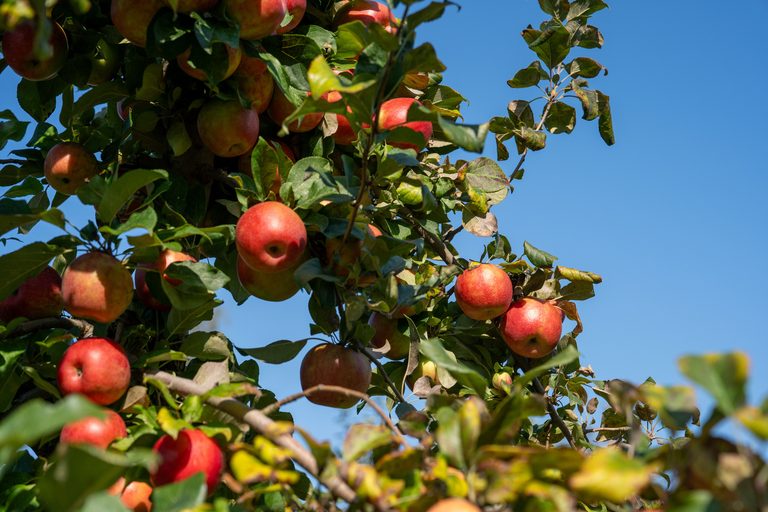
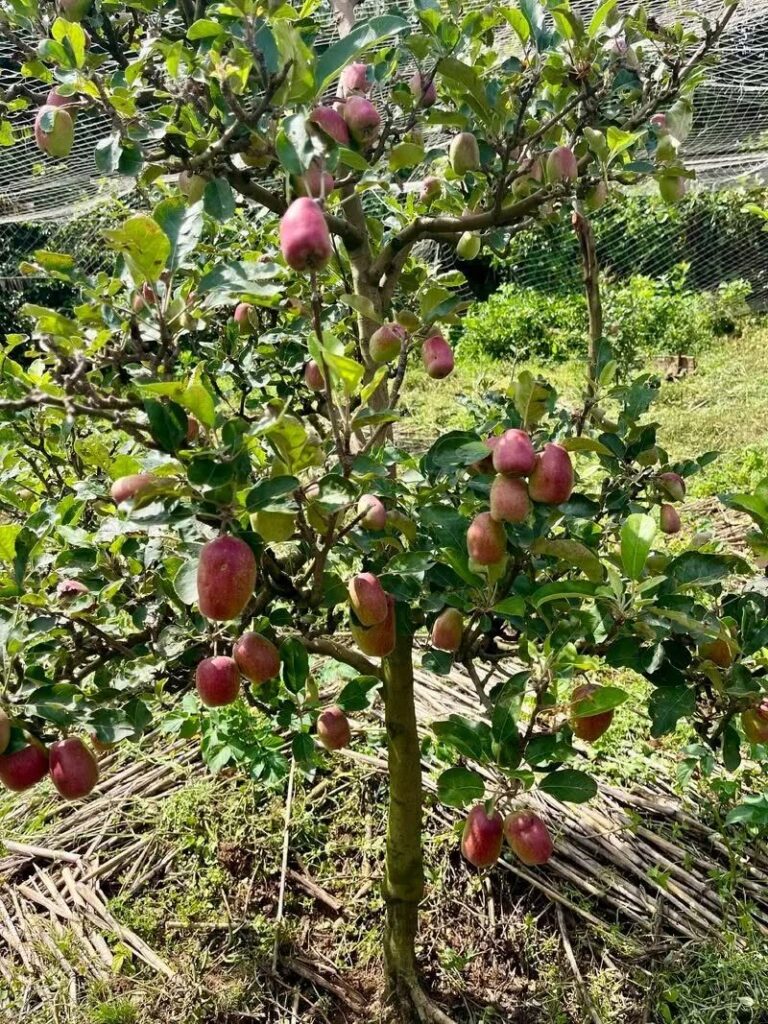
1. Apple Trees
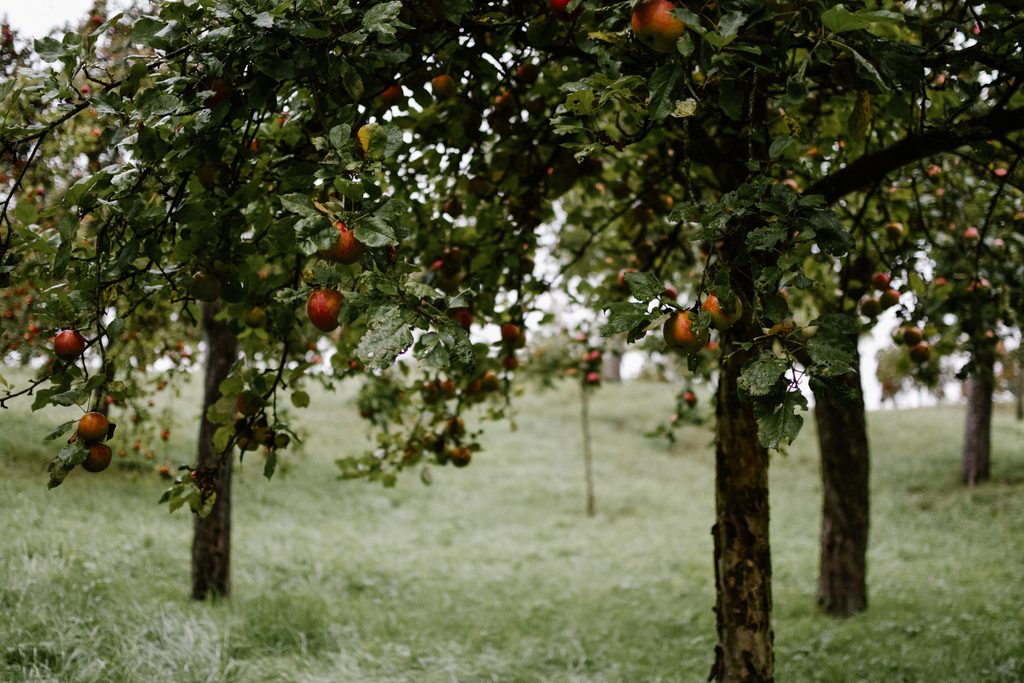
Apples remain viable in Zone 8, though this zone sits near the warm-end cutoff for the fruit.
Gala varieties tend to perform particularly well here, since they need less winter chill than many other apple cultivars. Choose low-chill cultivars specifically bred for warmer climates, since a standard northern apple variety may not receive enough cold to flower properly.
2. Pear Trees
Pears handle Zone 8’s heat and humidity better than most other pome fruit, especially disease-resistant Southern-adapted cultivars.
Bartlett remains a dependable choice, though fire blight resistance is worth prioritizing given Zone 8’s warm, humid summers. Plant two compatible varieties for consistent cross-pollination.
3. Peach Trees
Peaches are practically made for Zone 8. The long growing season and adequate winter chill combine to produce some of the best backyard peach harvests in the country.
Full sun, good drainage, and airflow between trees help prevent the fungal disease pressure that Zone 8’s humidity can bring. Choose low to moderate chill varieties for the warmer 8b areas.
4. Plum Trees
Both Japanese and hybrid plum varieties grow well across Zone 8, with Japanese types generally preferring the milder conditions this zone offers.
Most plums benefit from a pollination partner nearby, though some self-fertile cultivars are available for smaller yards.
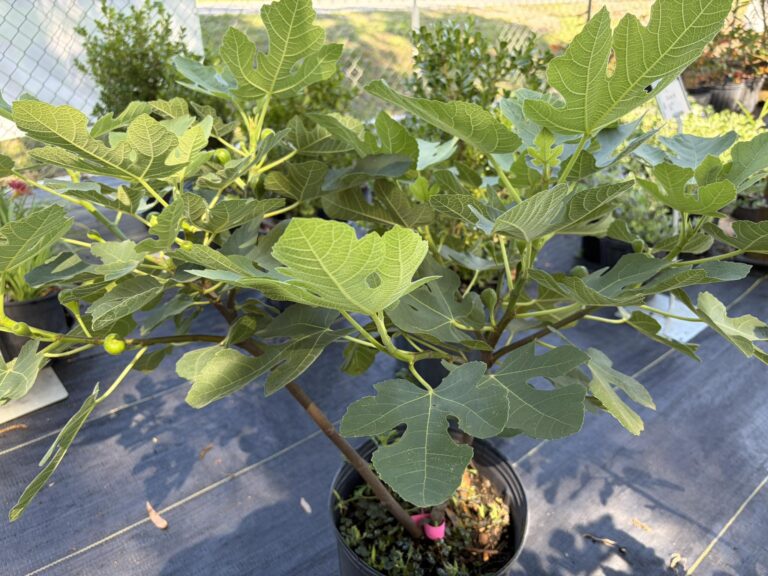
5. Fig Trees
Figs are practically the signature fruit of the American South, and Zone 8 sits right in the heart of their comfort range.
Per HubPages’ regional fruit tree overview, over 200 named fig varieties are considered hardy across USDA Zones 8 through 10, giving Zone 8 gardeners an enormous range of flavor and texture options to choose from.
Figs tolerate poor soil, need minimal spraying, and typically begin fruiting within two to six years of planting. Choose a full-sun spot with good drainage, and expect very little winter dieback compared to what a Zone 6 or 7 fig might experience.
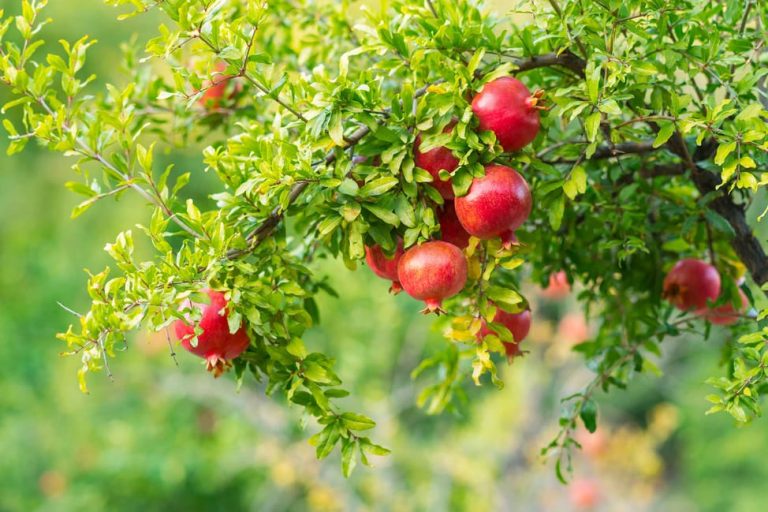
6. Pomegranate Trees
Pomegranates move from a marginal, protection-dependent crop in Zone 7 to a genuinely comfortable one in Zone 8.
The plant is drought-tolerant, salt-tolerant, and produces ornamental flowers from late spring through fall. Choose cold-hardy cultivars in the cooler 8a areas, since Zone 8’s northern edge can still see occasional hard freezes.
7. Satsuma Mandarin Trees
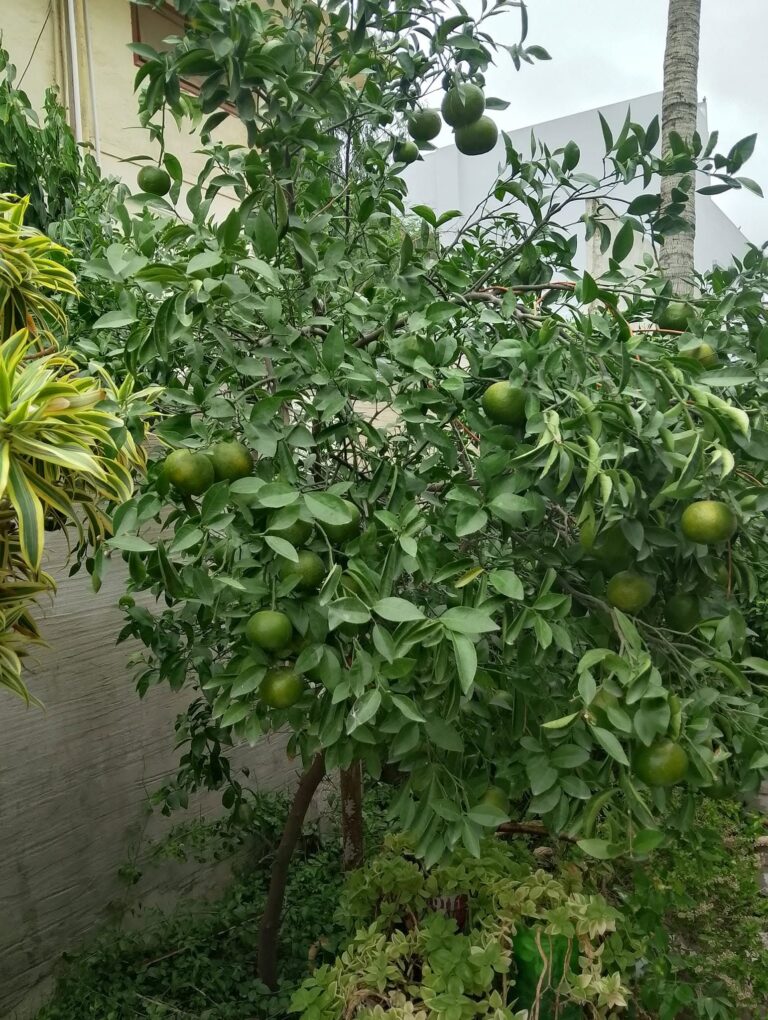
Satsuma is arguably the single most successful citrus for Zone 8 gardeners, and the extension research behind it is genuinely reassuring.
Per University of Georgia Cooperative Extension, satsuma trees are resistant to frost down to about 15°F, and the crop has grown popular enough in south Georgia that roughly 25 acres, or 3,000 individual trees, were planted in a single recent year according to Growing Georgia data cited by UGA.
Satsumas are self-fertile, so a single tree will produce fruit without a pollination partner. They also need some winter chill to develop their signature sweetness, which is exactly what Zone 8 provides.
8. Kumquat Trees
Kumquat is one of the most cold-tolerant citrus varieties available, and it performs impressively well throughout Zone 8.
The fruit is unusual in a good way. The rind is sweet while the flesh inside is tart, so the whole fruit is eaten together, skin included. Kumquat trees also grow beautifully in containers if a gardener prefers extra flexibility.
9. Meyer Lemon Trees (Protected or In-Ground in 8b)
Meyer lemon sits closer to the edge of what Zone 8 can support in the ground, but it remains one of the most rewarding citrus choices here.
Per LSU AgCenter, Improved Meyer lemon is commonly recommended for container growing in Louisiana’s Zone 8 regions, allowing gardeners to move the tree to shelter whenever a hard freeze threatens. In the milder pockets of 8b, established trees can sometimes handle brief cold snaps in the ground.
10. Persimmon Trees
Zone 8 supports both American and Asian persimmon varieties comfortably, which is a genuine luxury compared to colder zones.
Asian persimmon in particular thrives here, producing large, sweet fruit that ripens in fall. American persimmon remains the tougher, lower-maintenance option if you want something closer to hands-off.
11. Olive Trees
Olive cultivation in Zone 8 has moved from experimental curiosity to a genuine, if still developing, regional crop.
According to University of Georgia Cooperative Extension research, olive trees planted in a commercial Pierce County, Georgia grove experienced stand losses of 15 to 20 percent from cold injury and wet field conditions during establishment, underlining that drainage and cold protection matter enormously for this crop.
Choose cold-hardy cultivars like Arbequina, which tolerates Zone 8 conditions better than most traditional Mediterranean varieties. Excellent drainage is non-negotiable, since olives tolerate drought far better than wet soil.
12. Jujube Trees
Jujube, or Chinese date, handles Zone 8’s heat, humidity, and occasional drought with remarkable ease.
It needs minimal spraying, tolerates poor soil, and produces small fruit that dries naturally into a date-like texture on the tree. This is a genuinely low-effort choice for a Zone 8 backyard.
13. Asian Pear Trees
Asian pears thrive across Zone 8, offering the crisp, juicy texture that sets them apart from traditional European pears.
They need a compatible pollination partner and reward the extra planning with a genuinely striking spring bloom alongside a reliable autumn harvest.
14. Pawpaw Trees
Pawpaw grows successfully in the cooler portions of Zone 8, particularly at the northern edge of the zone where its native range naturally extends.
The custard-like fruit, often compared to a cross between banana and mango, needs cross-pollination from a second, genetically distinct tree. It flowers later in spring than most stone fruit, which helps it dodge frost damage even here.
15. Mulberry Trees
Mulberries tolerate Zone 8’s heat and drought without complaint, and the Illinois Everbearing cultivar remains a strong, low-maintenance choice.
The tree produces an extended harvest through much of the growing season and asks very little in return, aside from a spot where dropped fruit will not stain a patio or walkway.
16. Loquat Trees
Loquat is a genuinely underused option for Zone 8, and one I think deserves far more attention than it gets.
This evergreen tree flowers in late fall or winter and ripens fruit in early spring, ahead of nearly everything else in the orchard. It tolerates Zone 8’s mild winters comfortably, though a hard freeze during bloom can occasionally reduce the crop in a given year.
17. Pineapple Guava (Feijoa) Trees
Pineapple guava, also called feijoa, rounds out this list as one of the more unusual but genuinely rewarding choices for Zone 8.
The plant is evergreen, drought-tolerant once established, and produces fragrant, edible flower petals in spring alongside its guava-flavored fruit in fall. Most cultivars benefit from a second variety nearby for the best fruit set.
Quick Comparison: Cold Hardiness and Site Notes
| Fruit Tree | Cold Tolerance | Zone 8 Notes |
| Satsuma mandarin | To about 15°F | Self-fertile, in-ground |
| Kumquat | Highly cold-tolerant citrus | In-ground or container |
| Fig | Minimal dieback in Zone 8 | 200+ hardy varieties available |
| Olive (Arbequina) | Damage below 17°F | Needs excellent drainage |
| Meyer Lemon | Less cold-hardy citrus | Container recommended in 8a |
| Peach | Needs moderate chill | Choose low-chill cultivars |
| Pawpaw | Zone 5–8 native range | Best in cooler Zone 8 pockets |
Cold-hardiness figures vary by specific cultivar and microclimate. Confirm with your local extension office before planting.
What Makes Zone 8 So Versatile
A little background explains why Zone 8 offers such an unusual range of fruit tree choices.
The USDA Plant Hardiness Zone Map, places Zone 8 winter lows at 10°F to 20°F. That is warm enough to avoid killing frost damage on most citrus roots and olive wood, yet still cold enough to satisfy the chill requirements of many apple and peach cultivars.
Citrus is the clearest illustration of this balance. Per LSU AgCenter, cold-hardy citrus varieties including satsuma, sweet oranges, grapefruit, and kumquats can grow well outdoors even in central and northern Louisiana, which sits squarely in Zones 8a and 8b.
Olives tell a similar story. According to the University of Georgia Cooperative Extension, a 14-acre commercial olive grove was established in Pierce County, Georgia, in the spring of 2008, an early test of whether olives could succeed in the southeastern United States outside their traditional California and Texas range.
That kind of pioneering research is exactly why Zone 8 gardeners have so many genuinely exciting options today.
ALSO READ: 17 Best Fruit Trees for Zone 7 (With Care Tips)
Planting Tips for Zone 8 Growers
A handful of habits make the real difference in a Zone 8 orchard.
- Match chill hours as carefully as cold hardiness. Some apples and peaches need more winter chill than Zone 8’s mild winters reliably deliver, especially in 8b.
- Prioritize drainage for olives and figs. Both tolerate drought far better than consistently wet soil, and poor drainage is a more common killer than cold in this zone.
- Grow tender citrus in containers where needed. Meyer lemon and other less cold-hardy varieties benefit from portability during rare hard freezes.
- Watch for humidity-driven disease. Zone 8’s warm, humid summers make airflow and spacing between trees just as important as sun exposure.
- Choose satsuma or kumquat for the most reliable in-ground citrus. Both tolerate cold noticeably better than lemons or limes and need no winter protection once established in most of Zone 8.
Frequently Asked Questions
What is the easiest fruit tree to grow in Zone 8? Figs are widely considered the most forgiving choice, tolerating poor soil, requiring little spraying, and fruiting within two to six years of planting.
Can citrus really survive Zone 8 winters outdoors? Cold-hardy varieties like satsuma and kumquat can, tolerating temperatures down to around 15°F. Lemons and limes generally need container protection.
Are olive trees realistic for a Zone 8 backyard? Yes, particularly cold-hardy cultivars like Arbequina, though excellent drainage and some winter protection during hard freezes improve long-term success.
How many years until a Zone 8 fruit tree produces fruit? It varies widely. Satsuma trees can begin fruiting in three to four years, figs in two to six years, and olives typically take several years to reach full production.
Final Thoughts
Zone 8 is, in my honest opinion, one of the most exciting zones for a home orchard in the entire country. Few gardeners elsewhere get to seriously consider apples, satsumas, figs, and olives all growing in the same backyard.
Start with a fig and a satsuma mandarin. Both are proven, well-documented performers with real extension research behind their success in this zone. From there, branch into pomegranate, kumquat, or even a cautious olive planting once you understand your yard’s specific microclimate.
A well-planned Zone 8 orchard can keep your table stocked with fresh fruit from spring loquats through winter citrus, a genuinely remarkable stretch of the calendar for any home gardener.
References
- USDA Agricultural Research Service. USDA Plant Hardiness Zone Map. https://planthardiness.ars.usda.gov/
- LSU AgCenter. Growing Citrus in Containers. https://www.lsuagcenter.com/articles/page1663268482888
- LSU AgCenter. Want to Grow Citrus Trees? Make Sure to Plant When the Time Is Right for Your Location. https://www.lsuagcenter.com/articles/page1733331392796
- University of Georgia Cooperative Extension. Olives in Georgia. https://extension.uga.edu/about/our-impact/impact-stories/impact-brief/2146/olives-in-georgia.html
- University of Georgia Cooperative Extension. An Early Look at Olives in Georgia. https://extension.uga.edu/about/our-impact/impact-stories/impact-statement/2393/an-early-look-at-olives-in-georgia.html
- UGA Extension Climate Blog. Olives in Georgia / Satsuma Update. https://site.extension.uga.edu/climate/?p=451
- Clemson University Home & Garden Information Center. Pomegranate: How to Grow, Care for, and Enjoy in South Carolina. https://hgic.clemson.edu/factsheet/pomegranate/

Tim M Dave is a gardening expert with a passion for houseplants, particularly cacti and succulents. With a degree in plant biology from the University of California, Berkeley, he has vast experience in gardening. Over the years, he has cultivated a vast collection of desert plants and learned a great deal about how to grow and care for these unique companions.