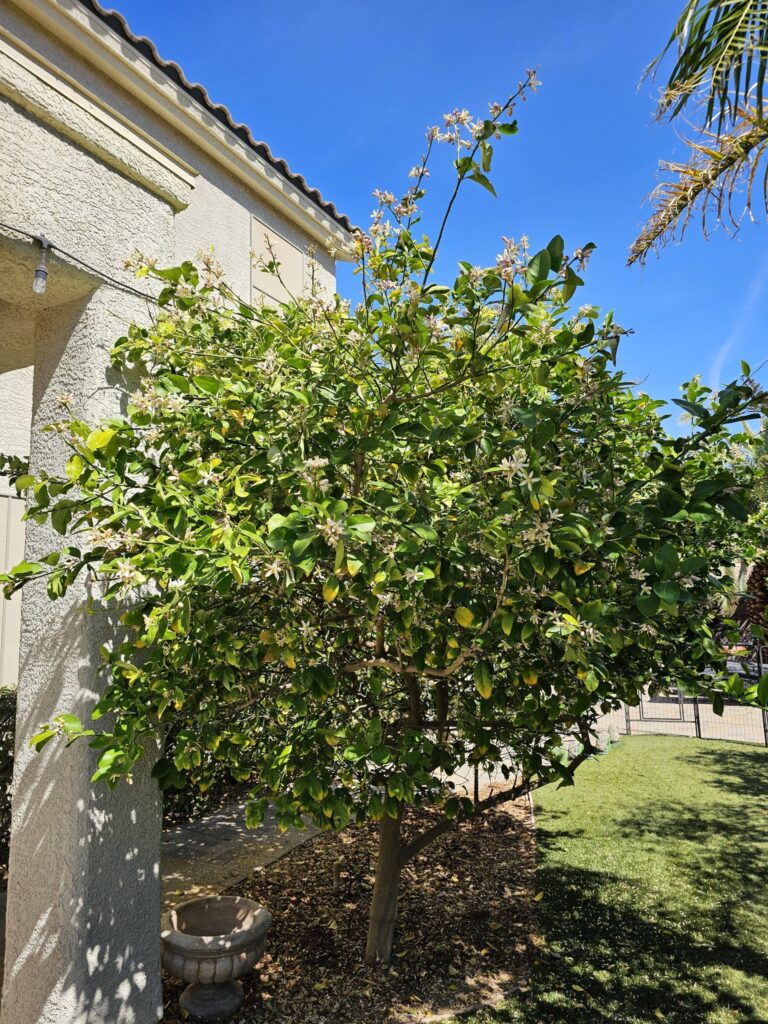
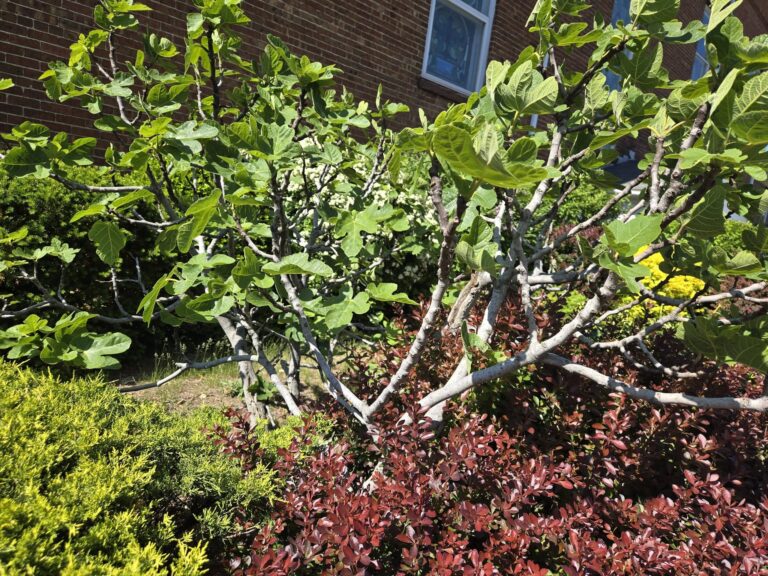
18 Best Fruit Trees to Grow in North Carolina (With Planting Tips)
North Carolina is one of the friendliest states for home fruit growers. It has four true seasons, plenty of rain, and a long growing period. From the Blue Ridge to the Outer Banks, there is a fruit tree that fits.
I still remember the first fig I picked straight from a backyard tree in July. It was warm, soft, and far better than any store fruit. Moments like that make this hobby worth the effort.
But this state can also be tricky. Late frosts and humid summers cause real trouble. This guide covers 18 fruit trees that grow well in North Carolina, with tips on what to expect.
Why North Carolina Is a Great Place to Grow Fruit Trees
The state has three main regions. The mountains (western NC) are cool and good for apples. The Piedmont (central NC) has hot summers and moderate winters. The Coastal Plain (eastern NC) is warm and humid.
The USDA Plant Hardiness Zone Map is the standard tool for matching plants to a location. It is based on the average annual extreme minimum winter temperature. North Carolina ranges from cold mountain zones to mild coastal zones.
Apples show how strong the state is in fruit growing. About 10,000 acres of apples are produced in North Carolina, and the state ranks 7th nationally. Most of the crop comes from the mountain counties.
Still, the climate has a catch. Winters can be mild one week and freezing the next. Fruit trees may wake up early and then lose their blossoms to a late frost. Smart variety choice is the best defense.
How to Choose the Right Fruit Tree for Your North Carolina Yard
Start with sunlight and soil. NC State Extension says fruit trees perform best in full sun and moist but well-drained soil. The ideal soil pH is between 6.0 and 6.5.
Next, think about chill hours. Unlike hotter states, North Carolina needs trees with a high chilling requirement. NC State recommends peaches, nectarines, and plums with at least 750 chill hours. Low-chill trees bloom too early and lose their crop.
Then check pollination and space. Trees that need a partner require at least twice as much space, since you must plant two or more varieties. If your yard is small, choose self-fruitful trees like figs and peaches.
Finally, match the tree to your region. The Extension Gardener Handbook recommends apples, chestnuts, figs, pears, pecans, persimmons, and plums for central North Carolina. In the west, the list is shorter: apples, chestnuts, pears, and plums.
The 18 Best Fruit Trees to Grow in North Carolina
1. Apple
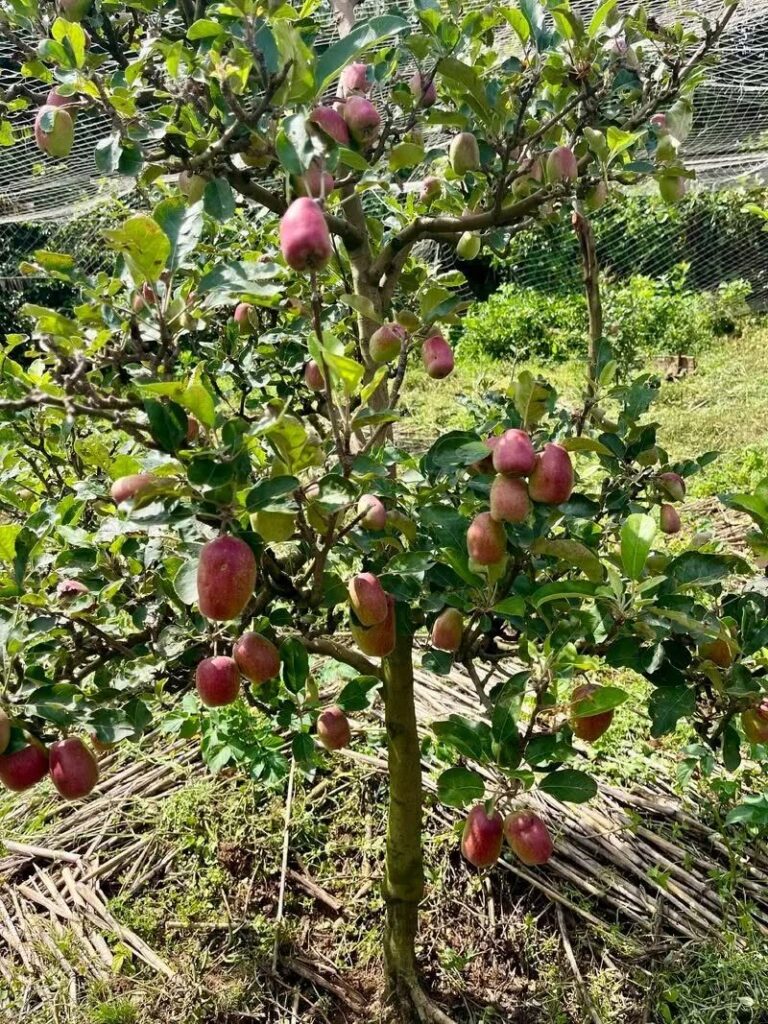
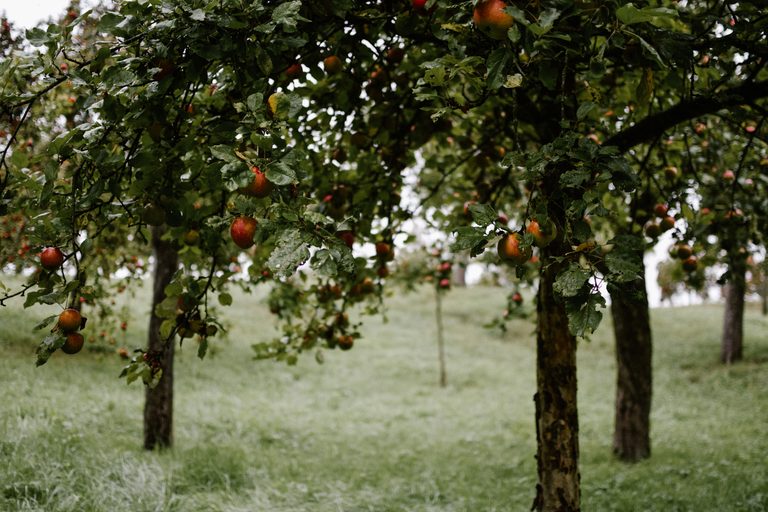
Apples are the signature fruit tree of North Carolina. They thrive in the cool mountains, but they can also grow in the Piedmont. For many families, an apple tree is a long-term gift.
The state’s main commercial varieties are Delicious, Golden Delicious, and Rome. Newer types such as Pink Lady, Jonagold, Goldrush, Fuji, and Honeycrisp are replacing some older ones. For a home yard, ask your local Extension office which types suit your area.
Be ready for pests and diseases. At least 14 diseases can affect apple fruit or leaves in the warm, wet Southeast. A regular spray plan and good pruning are important.
You will need two different varieties for cross-pollination. Plant them close together and choose types that bloom at the same time. Plant in late fall to late winter, from November to March.
2. Peach
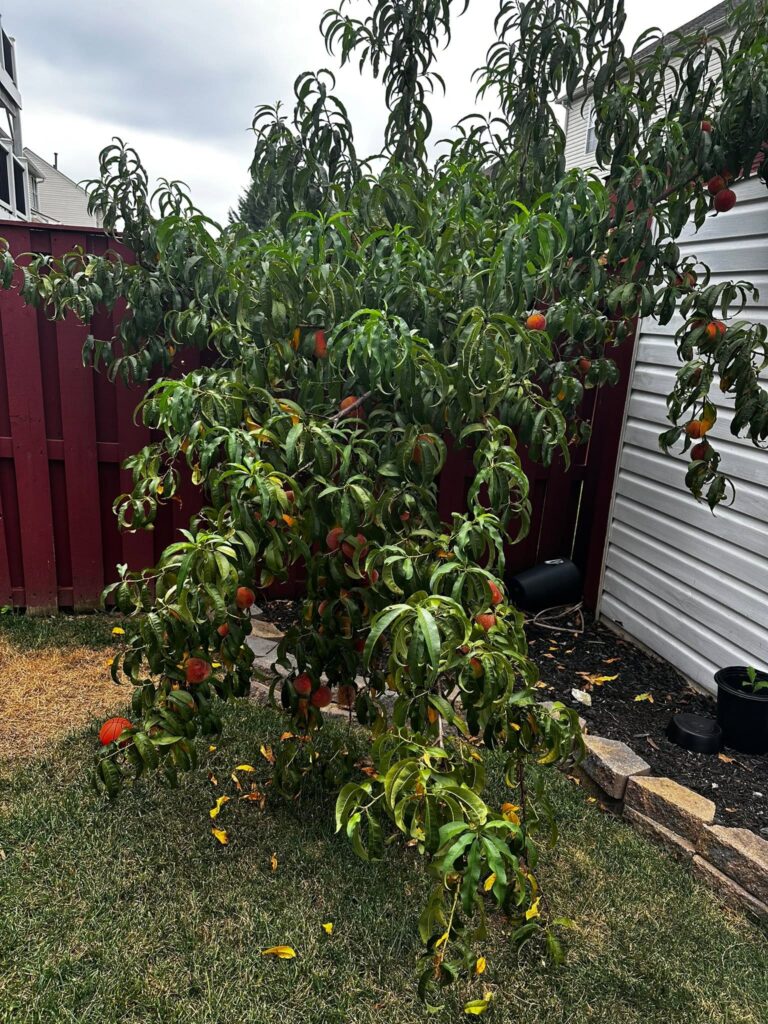
Peaches are a favorite summer fruit across the state. They taste best when picked ripe from your own tree. Early varieties may ripen in late May, while late ones are ready in September.
The key rule is chill hours. NC State advises choosing varieties with over 750 chill hours at a minimum. Around 1,000 hours is most desirable. Low-chill peaches bloom too early and often lose the crop to frost.
Peaches are self-fruitful, so one tree will produce fruit. That is a big plus for small yards. NC State also notes that Lovell and Halford rootstocks suit the Piedmont, while Guardian suits the Sandhills.
Prune to an open shape so sunlight reaches the center. Thin the fruit each spring. Peaches are not the easiest tree here, so expect to spray and watch for disease.
3. Nectarine
A nectarine is simply a peach without fuzz. It grows in the same regions and needs the same chilling rules. Many people love its smooth skin and rich flavor.
The trade-off is care. Nectarines face more insect and disease pressure than many other trees. NC State Extension lists nectarines among the more challenging fruits for home growers in the southeast.
Choose high-chill varieties to avoid early blooms. Plant the tree in a spot where cold air can drain away. Avoid low areas where frost settles.
Thin the crop to improve size and flavor. Keep the tree open and well pruned. If you want a lower-maintenance fruit, start with figs or persimmons first.
4. Plum
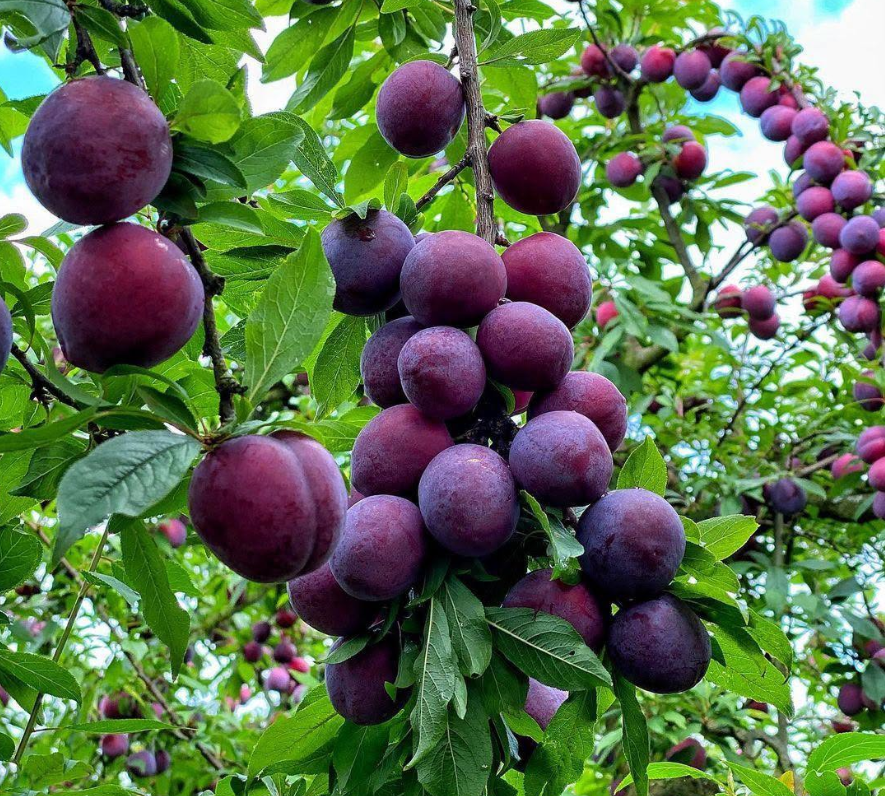
Plums can do well in North Carolina when you pick the right type. European plums such as Morris, Ozark Premier, and Bruce have higher chill needs. That makes them safer in our unpredictable springs.
Japanese plums are popular too, but they bloom very early. A late frost can destroy the flowers. If you try them, plant in a protected site and be ready for some years without fruit.
NC State advises planting at least two varieties of pear, plum, and some other fruits for pollination. Make sure the two types bloom at the same time. Ask your nursery to confirm.
Plums are great for fresh eating, jam, and drying. They stay moderate in size. A little thinning helps prevent broken limbs.
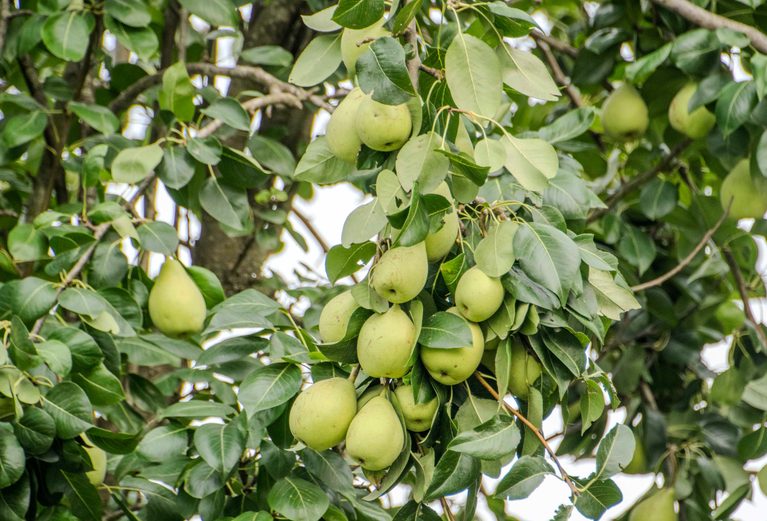
5. European Pear
Pears are among the more reliable tree fruits in North Carolina. They grow in the mountains, the Piedmont, and parts of the east. NC State lists both Asian and European pears as recommended for central and western NC.
Pears bloom a bit later than peaches. That gives them a better chance of avoiding frost. They also live for decades with good care.
Fire blight is the main disease problem. Choose resistant varieties and avoid too much nitrogen fertilizer. Prune out damaged branches quickly.
You will usually need two different varieties for good fruit. Plant them within a short distance of each other. Bees will carry the pollen between them.
6. Asian Pear
Asian pears are crisp, round, and juicy. The texture is more like an apple than a soft pear. They are wonderful when chilled on a hot summer day.
They suit much of North Carolina and have fewer problems than many other fruit trees. NC State includes Asian pears in its recommended list for both central and western regions. They store well after picking.
Like other pears, Asian types need a partner for pollination. Plant two different Asian varieties, or use a compatible pear. Choose a sunny site with good drainage.
Thin the fruit for larger size. Hold back on nitrogen to reduce fire blight risk. With simple care, these trees can be very productive.
7. Fig
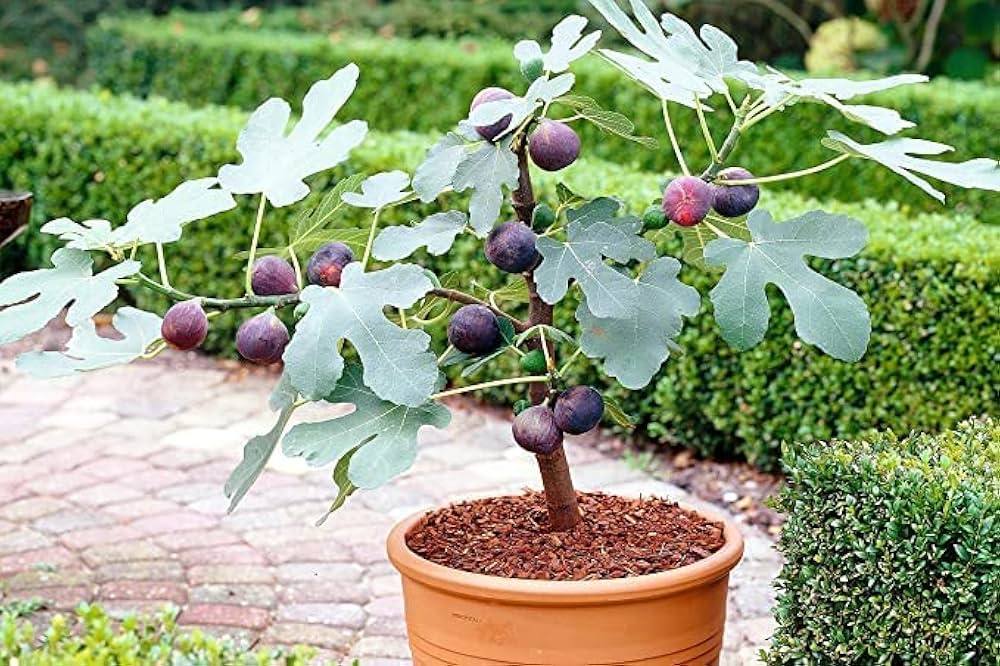
Figs are one of the easiest fruit trees for North Carolina. NC State says they are grown over much of eastern NC and westward into the Piedmont. If your soil is well drained and reasonably fertile, you will probably succeed.
Figs need little pruning and are mostly self-fruitful. The common types grown here do not need a special wasp for pollination. As trees, they should be spaced 15 to 20 feet apart.
There are a few cautions. Figs are not completely cold hardy in North Carolina, so protect young trees in winter. Too much nitrogen can cause soft growth that is hurt by cold. They also have shallow roots, so do not dig around them.
The fruit is very perishable. Humid weather also makes sun-drying difficult. Eat figs fresh, or make jam. Use netting against birds and Japanese beetles.
8. Asian (Oriental) Persimmon
If you want a low-fuss tree, this is a strong choice. Asian persimmons are beautiful, productive, and mostly free of serious disease problems. In fall, the orange fruit hangs on bare branches like lanterns.
NC State Extension ranks Asian persimmon among the easier fruits for southeastern NC. A single tree can produce fruit. The tree grows 20 to 35 feet tall, so give it room.
Fuyu is the popular variety. You can eat it while it is still firm. Late frosts can sometimes hurt young blossoms, so choose a sheltered spot.
Plant in full sun in well-drained soil. Prune lightly. The tree needs little spraying, which suits organic gardeners.
9. American Persimmon
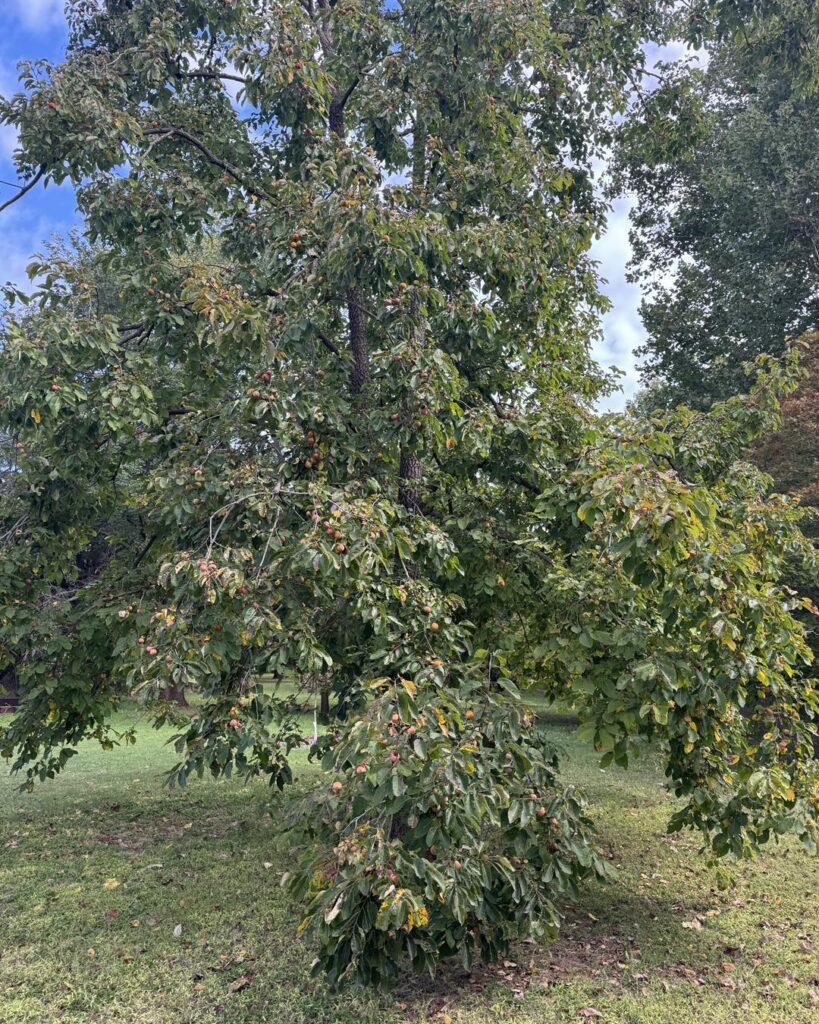
The American persimmon is a native tree that grows wild across the state. It is tough and adapts well to many soils. It also provides food for wildlife.
The fruit is smaller than the Asian type. It is very astringent until fully ripe. When it is soft and dark, the flavor is rich and sweet.
Wild trees are often male or female, so you may need both to get fruit. Some named varieties are self-fruitful. Ask your nursery which type you are buying.
These trees develop a deep taproot. Plant them where they will stay. They resent being moved later.
10. Pawpaw
The pawpaw is North America’s largest native fruit. The flavor is creamy and tropical, like a mix of banana and mango. It is a truly local fruit that deserves more attention.
Pawpaws grow 15 to 20 feet tall. They prefer rich, moist soil and some shade when young. They also have few pest problems, which is a big benefit.
Pollination is tricky. You need two genetically different trees, and flies and beetles do much of the work. Some growers hand-pollinate to improve fruit set.
Do not overwater. A coastal North Carolina farm study reported losing half of its pawpaws because of too much water from a drip system. Moist soil is fine, but it must drain well.
11. Pecan
Pecans are a classic Southern tree. Strictly speaking, they bear nuts, but they belong in any NC orchard plan. NC State lists them as suitable for central North Carolina.
Space is the big issue. Extension guidance says pecans need roughly a 40-by-40-foot area. That is much larger than figs or persimmons. They suit big lots and farms.
Choose disease-resistant varieties. Home growers often cannot spray large trees. A second variety helps pollination.
Patience is needed. Pecan trees take several years to bear a crop. But a healthy tree gives shade and nuts for generations.
12. Mulberry
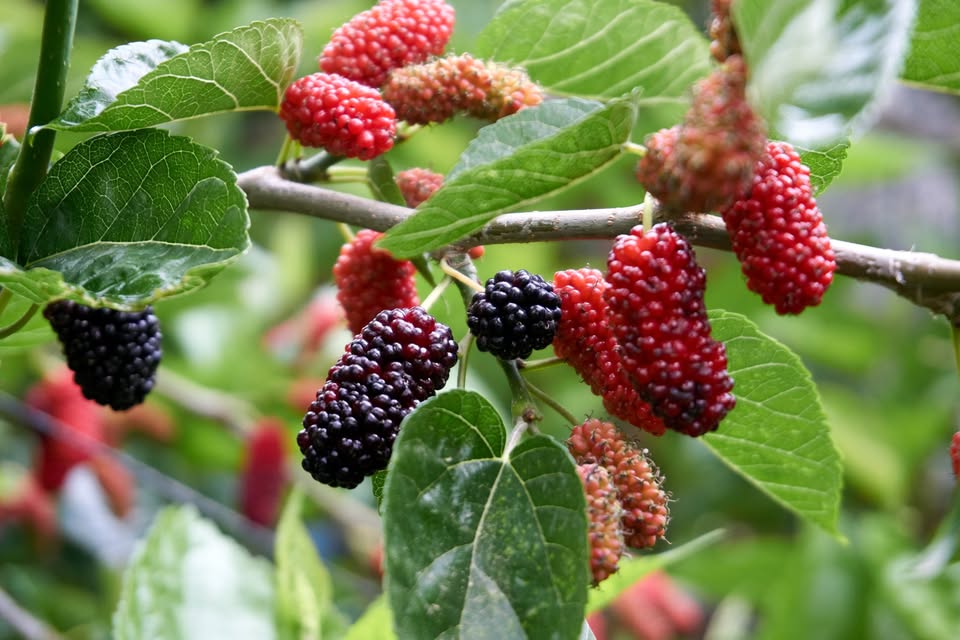
Mulberries are fast-growing and very productive. Fruit can appear in just a few years. For quick results, they are hard to beat.
NC State Extension lists mulberries among easy edible plants for beginning gardeners. They need roughly a 20-by-20-foot space. The berries are sweet and soft, so they do not ship well.
They are also messy. The fruit stains decks, cars, and sidewalks. Plant the tree away from patios and driveways.
Birds love the fruit, which is a plus for wildlife lovers. Choose a named variety for larger berries. Prune to keep the size manageable.
13. Jujube
Jujube is a tough tree with sweet, date-like fruit. Fresh, it tastes like a crisp apple. Dried, it becomes chewy and sweet.
Growers describe it as very adaptable to different soils. It also has almost no known pests or diseases in the United States. That makes it ideal for low-spray gardens.
The tree leafs out late in spring, which helps it avoid frost. Some varieties set fruit alone, but two different types often give higher yields. The branches can be thorny, so wear gloves.
Plant in full sun. Water young trees regularly. Once established, jujubes handle heat and dry spells well.
14. Pomegranate
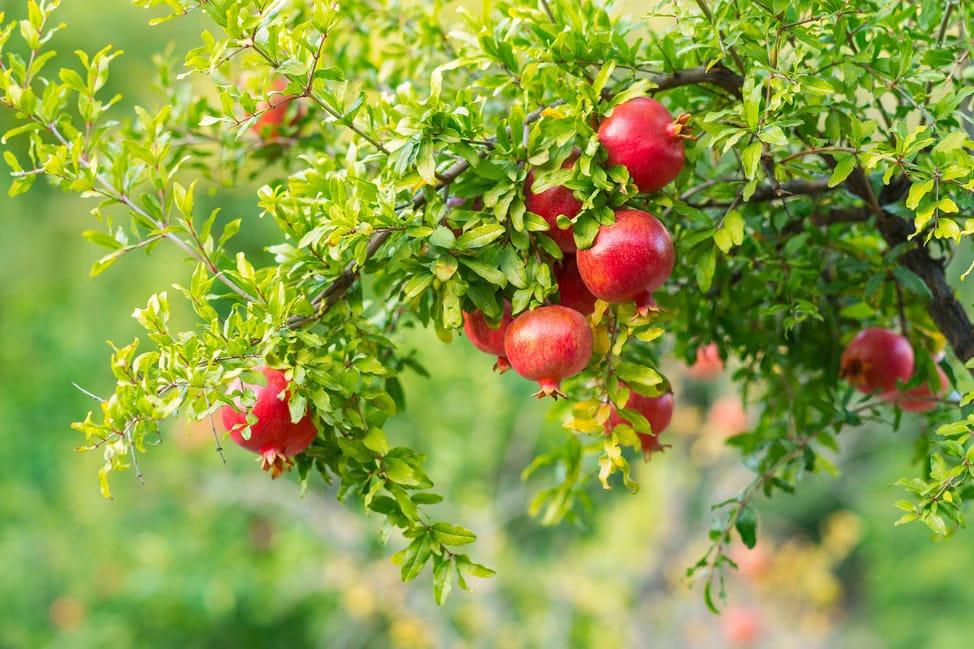
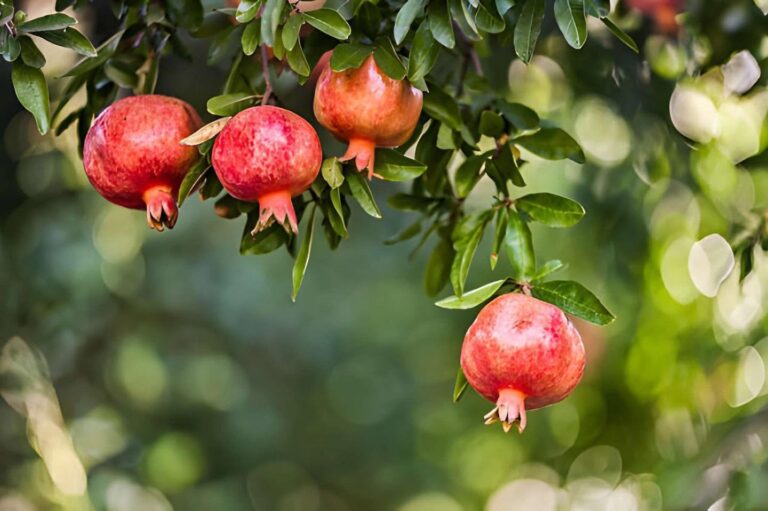
Pomegranates can grow in the warmer parts of North Carolina. They do best in the coastal and southern areas. They are usually large shrubs or small trees.
The tree needs a warm, protected spot. Harsh winters can kill the top growth in colder areas. Plant near a south-facing wall and mulch well in fall.
Pomegranates are self-fruitful, so one plant is enough. Full sun and good drainage are important. Humid summers can cause some fruit problems, but many gardeners still succeed.
Water deeply during fruit development. Uneven moisture can make the fruit split. Use the fruit fresh, or juice it.
15. Chinese Chestnut
Chestnuts are not fruit in the strict sense, but they are a valuable orchard tree. NC State lists chestnuts for both central and western North Carolina. They are a great nut crop for larger yards.
Chinese chestnuts resist the blight that wiped out the American chestnut. They grow into large shade trees. Expect a mature size that needs plenty of room.
You need two different trees for pollination. Plant them near each other. The nuts ripen in fall and drop to the ground.
Chestnuts are tasty roasted or boiled. Harvest often so squirrels do not take them all. Choose well-drained soil, and avoid wet low spots.
16. Satsuma Mandarin
Citrus in North Carolina? Yes, in the right place. Satsuma mandarins are the hardiest common citrus. They work best on the warm coast, or in large containers elsewhere.
Citrus trees love the heat of NC summers. They will grow outdoors in warm months. Container growing lets you move them into a garage or sunroom for winter.
Choose a bright, sheltered spot near a south wall. Protect the tree from hard freezes. Cover it or bring the pot indoors when temperatures fall.
Use a well-drained potting mix and a large container. Feed with a citrus fertilizer in the growing season. The sweet, seedless fruit is worth the work.
17. Serviceberry

Serviceberry, also called Juneberry, is a small native tree. It gives white flowers in spring and sweet purple berries in early summer. It also has lovely fall color.
The fruit tastes like a mix of blueberry and almond. Eat it fresh, bake it, or freeze it. Birds love it too, so use netting if you want a good share.
A caution from NC growers: cedar-apple rust can be heavy on serviceberries in some areas. Avoid planting near red cedars. Choose resistant selections where possible.
The tree stays small, often 15 to 25 feet. It suits small yards and mixed borders. Plant in sun or light shade.
18. Sour (Tart) Cherry
Sweet cherries are very hard to grow in North Carolina. NC State Extension says home production of sweet cherries is usually difficult. Sour cherries are a better bet, especially in the cooler west.
Montmorency is the best-known sour cherry. It is self-fruitful, so one tree is enough. The fruit is tart and perfect for pies, jams, and juice.
Sour cherries still face frost risk, humidity, and disease. They do best in the mountains, where winters are colder. In warm areas, the chilling hours may not be enough.
Plant in full sun with good air flow. Prune to keep the center open. Netting helps keep birds from stealing the crop.
ALSO READ: 15 Drought Resistant Fruit Trees: Identification and Growth Details
When and How to Plant Fruit Trees in North Carolina
NC State Extension says planting should occur from late fall to late winter, from November to March. The exact timing depends on your region. Dormant trees settle in before spring growth.
Buy from a reputable nursery. Choose trees recommended for North Carolina. Check the label for the chilling requirement and the rootstock.
Dig a wide hole, but not deeper than the root ball. Keep the graft union above the soil. Water well after planting. Mulch around the tree, but keep mulch away from the trunk.
Train and prune each year so sunlight reaches the inside of the tree. Do not leave fruit on the tree after ripening. Fallen fruit can spread disease.
Common Mistakes to Avoid
The first mistake is choosing low-chill varieties. This works in warm states, but not here. Trees that bloom too early often lose their crop to frost.
The second is ignoring pollination. People buy a single apple or pear and wait years for fruit. Always check whether your tree needs a partner.
The third is skipping pest control. San Jose scale, for example, can kill trees within a few years if not controlled. Learn the key pests for each tree.
The last is planting in the wrong place. Avoid frost pockets and wet soil. A gentle slope with full sun is ideal.
ALSO READ: 7 Best Homemade Pesticides for Fruit Trees: Organic Recipes That Actually Work
Frequently Asked Questions
What is the easiest fruit tree to grow in North Carolina?
Figs and Asian persimmons are among the easiest. They need little spraying and fruit with a single plant.
What fruit trees grow best in the mountains?
Apples, pears, plums, and chestnuts do well in western North Carolina.
Can I grow cherries in NC?
Sweet cherries are very difficult. Sour cherries are a better choice, especially in the west.
Where can I get local advice?
Contact your county NC Cooperative Extension center. They can recommend varieties for your area.
Final Thoughts
North Carolina gives fruit growers a rare mix of climates and choices. You can grow crisp mountain apples, sweet coastal figs, and unusual natives like pawpaws. The key is to choose carefully.
My advice is simple. Start with two or three easy trees, such as a fig, a persimmon, and a pear. Learn how they behave in your yard. Then add peaches or apples when you feel ready.
With the right plan, your yard can produce fruit for decades. Check your zone, pick high-chill varieties, and plant with confidence.
References
- NC State Extension. Extension Gardener Handbook: Tree Fruit and Nuts. https://content.ces.ncsu.edu/extension-gardener-handbook/15-tree-fruit-and-nuts/
- NC State Extension. Fig Culture in North Carolina. https://content.ces.ncsu.edu/fig-culture-in-north-carolina
- NC State Extension, Union County. Fruit Tree Chilling Requirement. https://union.ces.ncsu.edu/2021/01/fruit-tree-chilling-requirement/
- NC State Extension. Peaches for Home Gardeners. https://peaches.ces.ncsu.edu/peaches-home-gardeners/
- NC State Extension, Plant Pathology. Apples in North Carolina. https://plantpathology.ces.ncsu.edu/pp-fruits/apples/
- NC State Extension. Disease and Insect Management in the Home Orchard. https://content.ces.ncsu.edu/disease-and-insect-management-in-the-home-orchard
- U.S. Department of Agriculture, Agricultural Research Service. 2023 USDA Plant Hardiness Zone Map. https://planthardiness.ars.usda.gov/

Tim M Dave is a gardening expert with a passion for houseplants, particularly cacti and succulents. With a degree in plant biology from the University of California, Berkeley, he has vast experience in gardening. Over the years, he has cultivated a vast collection of desert plants and learned a great deal about how to grow and care for these unique companions.