15 Fruit Trees That Can Grow in Pots (With Details)
I used to think you needed a backyard orchard to enjoy home-grown fruit. Then I watched a friend pick lemons off a tree standing on her third-floor balcony, and that assumption fell apart.
A pot doesn’t stop a tree from fruiting. It just changes how you care for it. Roots that would normally spread wide in open soil are now confined, so watering, feeding, and pot size matter far more than they do for an in-ground tree.
The upside is real too. Portability is one of the biggest advantages of container growing — you can chase the sun, dodge frost, and bring tender trees indoors before winter bites. Extension researchers at the University of Houston note this clearly: containers let growers control light, moisture, and even root health in ways ground planting never allows.
Below are 15 fruit trees that genuinely perform in containers, not just survive in them.
15 Fruit Trees That Can Grow in Pot
Before jumping into the list, it helps to know the baseline. Most dwarf fruit trees need a container at least 18 to 24 inches deep, with equal or greater width, and generous drainage holes.
Terracotta and wood breathe well but dry out fast. Plastic and glazed ceramic hold moisture longer, which matters in hot climates.
Whatever you choose, repotting every two to three years keeps roots from circling and choking the plant.
Now, let’s get into the trees.
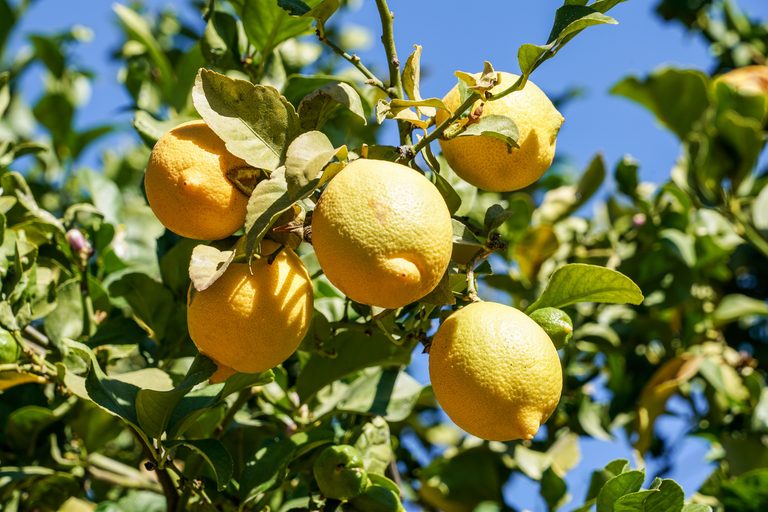
1. Dwarf Meyer Lemon
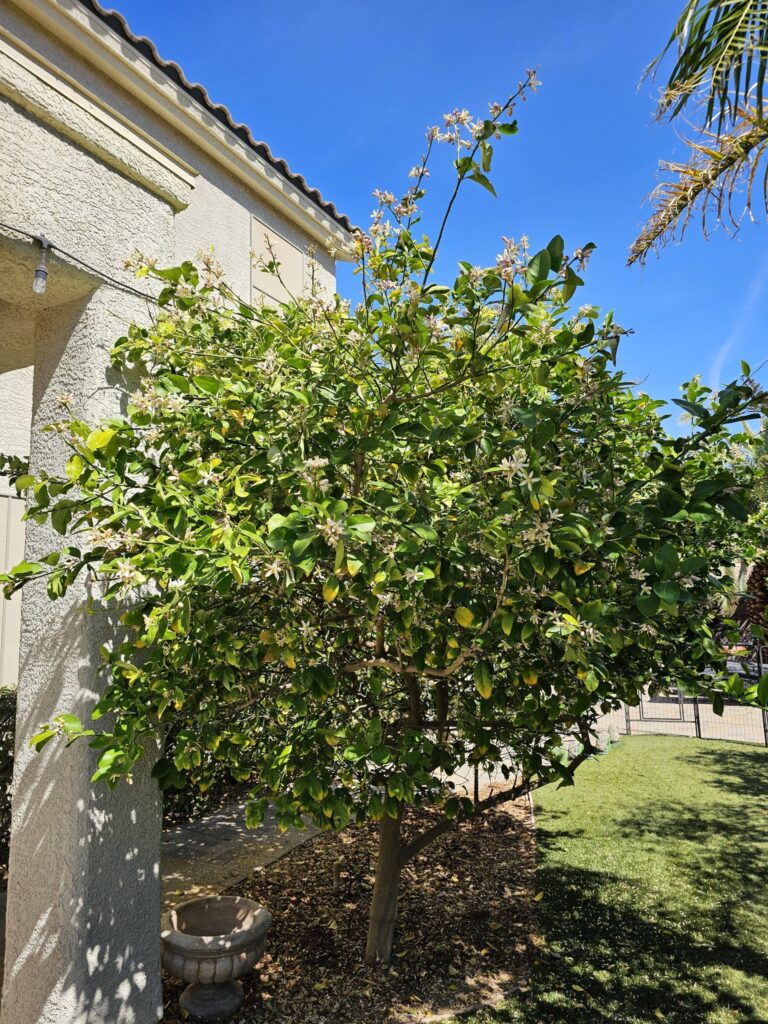
The Meyer lemon is often the first tree people try, and for good reason. It is self-fertile, so a single potted tree can set fruit without a second plant nearby.
Meyer lemons thrive in USDA Hardiness Zones 8 through 11 outdoors, but potted specimens can live almost anywhere if brought indoors before frost. The tree tolerates temperatures down to roughly 25°F for short periods, though prolonged cold will damage it.
Give it full sun, at least six hours daily, and a fast-draining citrus mix. Water when the top two inches of soil feel dry, and feed monthly during the growing season with a citrus-specific fertilizer.
I like this tree because it rewards patience with fragrance long before fruit. The blossoms alone are worth the wait.
ALSO READ: 10 Problems with Lemon Trees in Pots: Every Issue Explained and Solved
2. Kumquat
Kumquats are the toughest citrus for container life. Some varieties, like the Fukushu kumquat, tolerate cold down to around 18°F, according to University of Florida horticulture research.
Unlike most citrus, kumquats are eaten peel and all, which makes them a fun, low-effort snack tree for a small deck. The fruit is tart-sweet and small enough that even a compact potted tree produces a satisfying harvest.
They need the same care as lemons: full sun, well-drained citrus soil, and consistent watering. Avoid letting the pot sit in standing water, since citrus roots rot quickly when waterlogged.
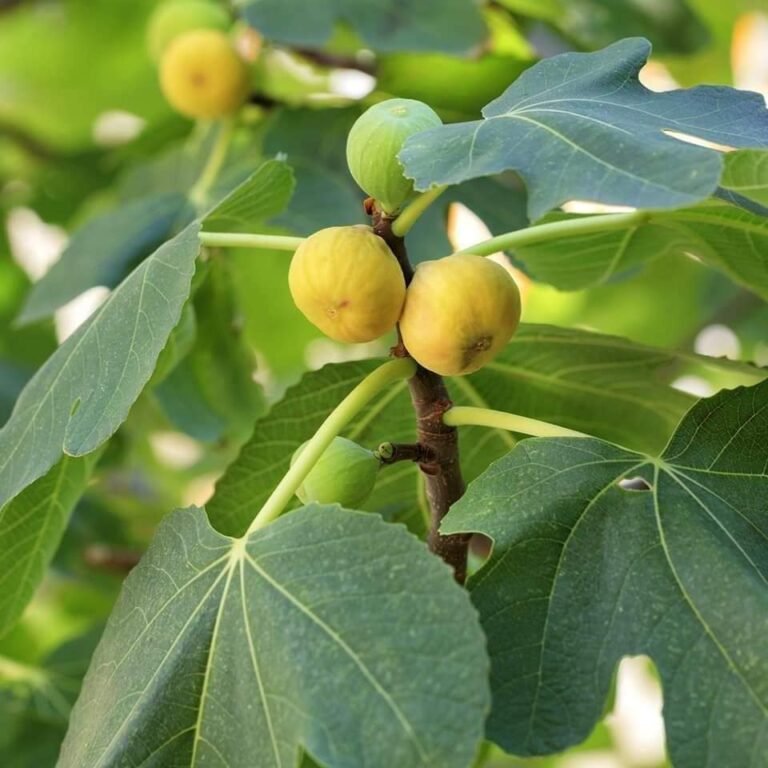
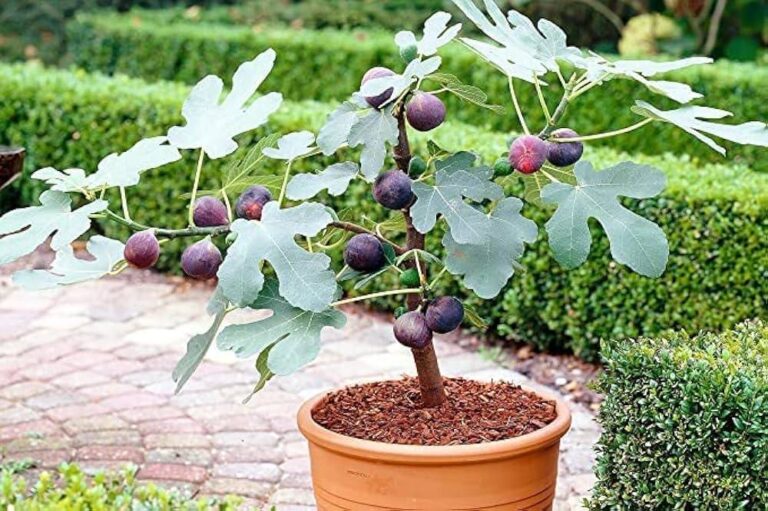
3. Fig
Figs might be the single easiest fruit tree to grow in a pot. They tolerate irregular watering, poor soil, and root restriction better than almost any other fruit tree.
According to horticultural guidance summarized by garden researchers, fig trees can bear fruit within one to two years of planting, which is fast compared to most tree fruit. Dwarf varieties like ‘Petite Negra’ stay compact enough for a standard container.
Figs prefer full sun and a pot with excellent drainage. Water deeply when the topsoil feels dry, roughly one to two inches down, and fertilize twice a year with an organic blend.
In colder regions, figs are often grown in pots specifically so they can be wheeled into a garage before the first hard freeze.
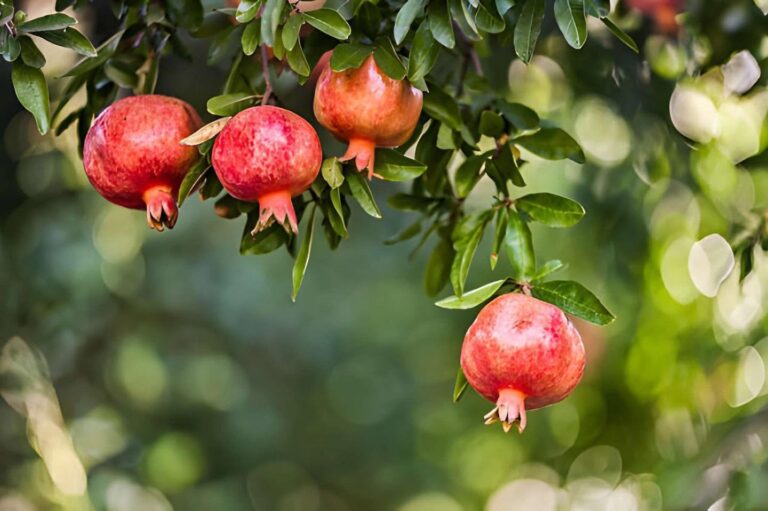
4. Pomegranate
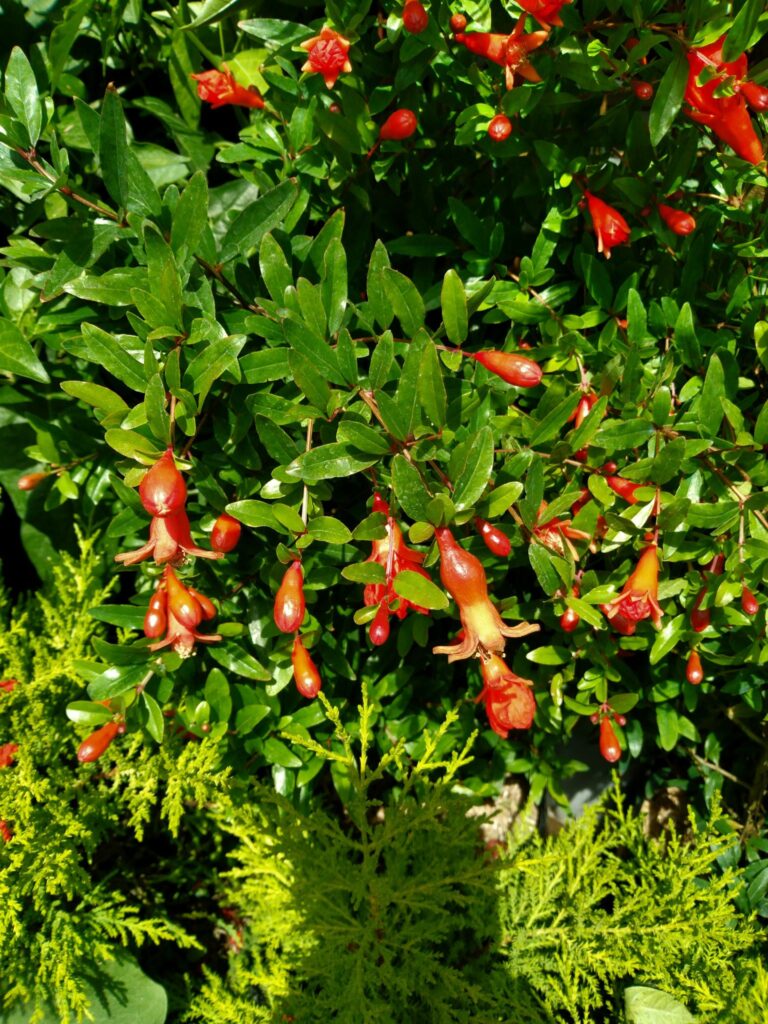
Pomegranates are self-fertile, drought-tolerant, and surprisingly ornamental, with bright orange-red flowers before the fruit even forms. That combination makes them a favorite among container growers who want beauty and food from one plant.
Dwarf pomegranate cultivars stay under six feet, which suits most patio pots comfortably. They prefer full sun and slightly sandy, well-drained soil.
Water regularly while fruit is developing, but ease off once the tree is established, since pomegranates handle dry spells better than wet feet. Expect fruit within two to three years of planting a young tree.
ALSO READ: 20 Different Types of Pomegranate (Popular Tree Varieties, With Pictures)
5. Columnar Apple
If patio space is tight, columnar apples solve the problem outright. These trees grow with little to no lateral branching, reaching up rather than out, according to fact sheets from the University of Massachusetts Amherst Extension.
They typically stay under 10 feet tall while remaining narrow enough to fit against a wall or railing. The trade-off, per the same UMass research, is that fruit quality on ornamental columnar types is often below commercial standards.
For better-tasting fruit, choose a genetic dwarf apple instead of a purely ornamental columnar variety. Either way, most apples need a second compatible variety nearby for pollination, so check the tag before buying just one tree.
Protect the roots in winter once temperatures drop toward 0°F, since the top of the tree tolerates cold better than the confined root ball does.
6. Dwarf Peach
Genetic dwarf peaches were bred specifically for container life, not grafted onto dwarfing rootstock like older varieties. That means they stay small naturally, without special pruning tricks.
They are self-fertile, so one tree is enough to produce fruit. Expect a mature height of around 4 to 6 feet in a large pot.
Peaches need full sun and consistent moisture, especially while the fruit is swelling in early summer. A soluble fertilizer applied monthly during the growing season, as recommended by UMass Extension fact sheets, keeps growth steady.
Watch for peach leaf curl in humid climates. A dormant-season copper spray, applied before buds break, prevents most cases.
ALSO READ: 25 Types of Peach Trees (Varieties, With Pictures)
7. Dwarf Cherry
Sweet cherries are notoriously fussy in pots, but tart or sour cherry varieties, like ‘North Star,’ handle container life far better. They stay compact, tolerate cold, and are usually self-fertile.
A dwarf cherry in a large container can still produce a meaningful harvest, though yields are smaller than an in-ground tree. Full sun is essential; cherries sulk in shade.
Keep soil evenly moist but never soggy, since cherry roots are sensitive to waterlogging. Birds love cherries as much as people do, so netting the tree during ripening season saves the harvest.
8. Dwarf Pear
Pears adapt to container life reasonably well when grafted onto dwarfing rootstock. Most varieties are not self-fertile, so you generally need two compatible pear trees, or a multi-graft tree with several varieties on one trunk.
A large pot, at least 20 inches deep, gives pear roots enough room to support fruiting wood. Full sun and well-drained loam-based potting mix work best.
Pears are patient trees. It can take three to five years before a young potted pear produces a full crop, so this is a tree for gardeners willing to wait.
9. Blueberry
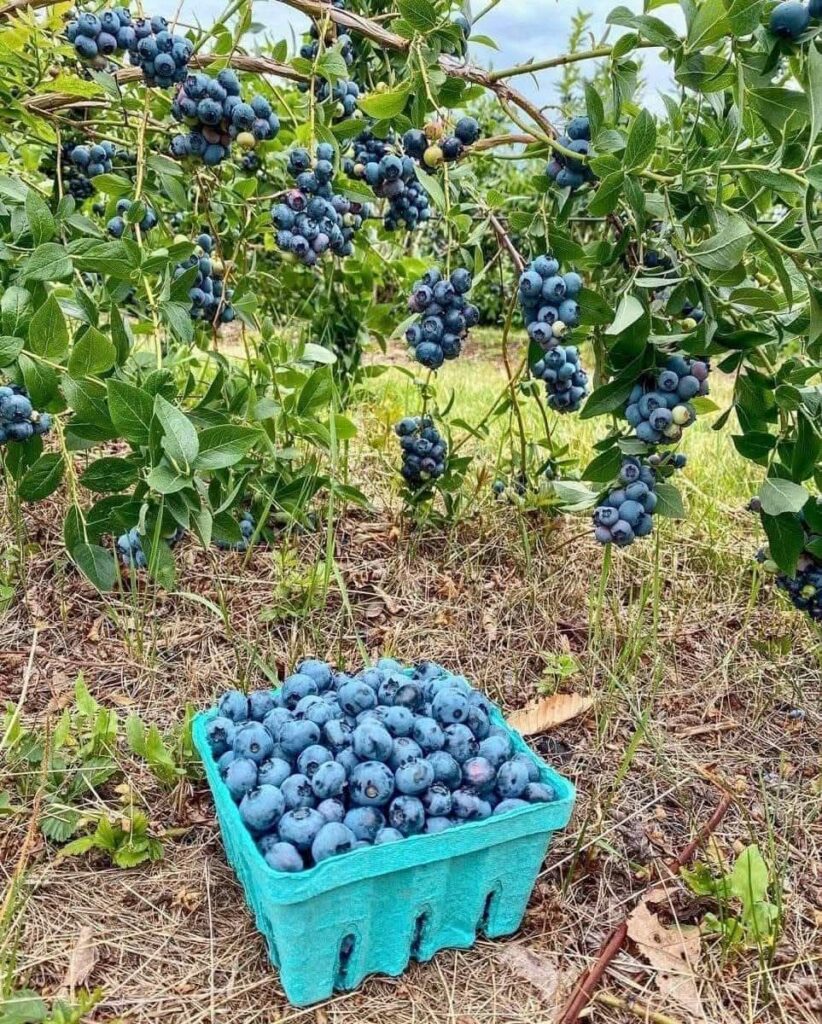
Blueberries are one of the most underrated container fruits. University of Maryland and University of Wisconsin-Madison Extension programs both highlight them as excellent patio candidates because they naturally have a shallow, compact root system.
They need acidic soil, with a pH between 4.5 and 5.5, which is far easier to control in a pot than in open ground. Use an ericaceous or azalea-specific potting mix rather than standard compost.
Most blueberries benefit from two different varieties planted together for better pollination and larger berries, even in self-fertile types. Keep the soil consistently moist; blueberry roots dry out quickly in containers.
A single mature potted blueberry bush can produce several pounds of fruit per season once established, making it one of the higher-yield options on this list relative to its size.
10. Olive (Arbequina)
The Arbequina olive is prized for container growing because it is self-fertile, drought-tolerant, and slow-growing, which means less frequent repotting than faster fruit trees.
It thrives in full sun and lean, well-drained soil, and actually performs better with slight underwatering than overwatering. This makes it forgiving for gardeners who travel or forget a watering day here and there.
Olives are evergreen, so they offer year-round structure on a patio, not just a seasonal show. In cooler climates, bring the tree indoors near a bright window once temperatures approach freezing.
Fruit typically appears within three years, and while raw olives aren’t edible off the tree, curing them at home is a rewarding extra step.
ALSO READ: Indoor Olive Tree: Care and Growing Details
11. Dwarf Avocado
Avocados might seem like an odd fit for a pot, but young trees actually perform better in containers for their first three to five years, according to University of Houston sustainability research, until the trunk develops mature bark.
Dwarf varieties like ‘Little Cado’ or ‘Day’ stay manageable in size while still producing fruit. They need full sun, excellent drainage, and protection from frost, since avocado roots are notably cold-sensitive.
Water deeply but infrequently, letting the top few inches of soil dry between waterings. Avocados are also somewhat self-fertile, though a second tree nearby usually boosts yield.
Patience is essential here. A container avocado can take five to thirteen years to fruit depending on variety and growing conditions.
12. Dwarf Banana
Technically a giant herb rather than a true tree, the banana still earns its spot on this list because dwarf cultivars like ‘Super Dwarf Cavendish’ are widely grown in large pots, especially by gardeners in cooler climates chasing a tropical look.
They need full sun, rich soil, and heavy watering, since banana plants are thirsty by nature. A container at least 15 gallons in size supports a mature dwarf plant.
Bananas fruit once per stem and then that stem dies back, with new “pups” continuing the plant. Indoors over winter, growth slows but the plant survives if kept warm and bright.
13. Dwarf Mulberry
Dwarf mulberry varieties, sometimes called “everbearing” types, produce fruit on new growth throughout the season rather than in one short burst, which extends the harvest window considerably.
They tolerate a wide range of soils and are notably drought-tolerant once established, making them forgiving for beginners. Full sun brings the best fruit production, though light shade is tolerated.
Because mulberries stain patios and driveways when fruit drops, growers often keep them in movable pots positioned away from foot traffic during peak fruiting.
14. Loquat
Loquats are evergreen, ornamental, and cold-hardier than most people expect, tolerating brief dips into the low 20s°F once established. They bring a subtropical look to a patio year-round, not just during fruiting season.
The tree flowers in late fall or winter, with fruit ripening in spring, which is an unusual cycle compared to most fruit trees on this list. That timing means loquats need frost protection right when blossoms are most vulnerable.
Full sun, well-drained soil, and moderate watering suit loquats well. A single tree can self-pollinate, though yields improve with a companion plant nearby.
15. Dwarf Plum
Dwarf plums, particularly Japanese types grafted onto dwarfing rootstock, adapt well to container culture and often fruit sooner than apples or pears planted the same year.
Most plum varieties are partially self-fertile, meaning a single tree will fruit, but a second variety nearby typically increases the harvest noticeably. Full sun and a large, deep pot support healthy root development.
Plums are prone to sending up suckers at the base; trimming these keeps the tree’s energy focused on fruiting wood rather than wasted growth. Water consistently, especially as fruit ripens in mid to late summer.
ALSO READ: 15 Common Plum Tree Problems (With Symptoms and Fixes)
Soil, Feeding, and Watering: The Non-Negotiables
Container fruit trees rely entirely on you for nutrition, since there is no surrounding earth to draw from. A living, compost-based potting mix, amended with minerals and organic matter, supports both root development and fruit quality.
Feed most fruit trees monthly during active growth with a balanced, slow-release fertilizer, easing off in late summer so new growth has time to harden before cold weather.
Watering frequency depends heavily on pot material and climate, but as a general rule, check moisture two inches below the surface before watering rather than following a fixed schedule.
Winter Protection for Potted Fruit Trees
Roots in a container are far more exposed to cold than roots in open ground, since soil normally insulates against temperature swings that a thin-walled pot cannot block.
Tender trees like citrus, avocado, and fig benefit from being moved to an unheated garage, porch, or bright room once nighttime temperatures approach freezing. Hardier types, like blueberry and dwarf apple, can often stay outside with the pot wrapped in burlap or moved against a sheltered wall.
Checking your exact USDA Plant Hardiness Zone before choosing a tree saves a lot of guesswork later. The official USDA map, linked in the references below, is free and takes seconds to use with a zip code.
Common Mistakes That Kill Potted Fruit Trees
The most frequent mistake I see is choosing a pot that is too small for the tree’s mature root mass. A cramped root ball dries out fast and stunts fruiting, even when every other care step is done right.
The second mistake is skipping drainage holes, or blocking them with rocks. Fruit tree roots need oxygen as much as water, and standing moisture at the bottom of a pot suffocates roots within days.
Overfeeding is another common trap. More fertilizer does not mean more fruit; it often pushes leafy growth instead, at the expense of blossoms. Stick to the label rate and ease off once fruit begins to set.
Finally, many gardeners forget that container soil compacts over time, losing the air pockets roots need. Refreshing the top few inches of mix each spring, even without a full repot, keeps soil structure loose and healthy.
Matching Trees to Small Spaces: A Practical Note
Not every balcony gets the same amount of sun, and that single detail decides more than most people expect. South-facing spaces with six or more hours of direct light suit citrus, fig, pomegranate, and olive comfortably.
Balconies with partial shade do better with blueberry, mulberry, or loquat, all of which tolerate a few hours less sun than the fruits above without a major yield penalty.
Wind exposure matters too, especially for tall, narrow trees like columnar apples. A gusty rooftop terrace may need the pot anchored or placed against a windbreak to prevent tipping or branch damage.
If you are working with a genuinely tiny space, a single large pot with one well-chosen tree usually outperforms several small pots crowded together, since each root system gets enough room to actually support fruit.
Quick Answers to Common Questions
Do potted fruit trees really produce as much fruit as ground-planted ones? Usually less, since roots are restricted, but a well-cared-for container tree still produces a meaningful harvest, and portability often makes up for the smaller yield.
How long before a potted fruit tree fruits? It varies widely: figs and dwarf peaches can fruit within one to two years, while pears and avocados may take three to thirteen years depending on variety.
Can I keep a citrus tree indoors year-round? Yes, but it needs a very bright south-facing window or supplemental grow lights, since indoor light is rarely as strong as full outdoor sun.
Pest Watch: What to Expect in Containers
Container trees are not immune to pests, though the confined setting actually makes monitoring easier than scanning a large in-ground orchard. Aphids and scale insects are the most common visitors on citrus, fig, and avocado, usually clustering on new growth and the undersides of leaves.
A simple insecticidal soap spray, applied every few days until the infestation clears, handles most early cases without harsh chemicals. Catching pests early matters more in pots, since a stressed, root-restricted tree has fewer reserves to fight back on its own.
Spider mites tend to show up during hot, dry stretches, especially on trees kept too close to reflective walls or pavement. Rinsing foliage with a strong hose spray weekly during heat waves keeps populations from building up.
Final Thoughts
Growing fruit in pots is not a compromise version of gardening. It is its own discipline, with real advantages like mobility, pest control, and the ability to grow tender fruit in climates that would never support it in open ground.
Start with one tree that matches your climate and patience level. A fig or a Meyer lemon is a forgiving place to begin, and once you taste fruit you grew on your own balcony, it is hard not to want a second pot.
References
- University of Massachusetts Amherst, Center for Agriculture, Food, and the Environment — Container Gardening with Fruit: https://www.umass.edu/agriculture-food-environment/home-lawn-garden/fact-sheets/container-gardening-with-fruit
- University of Massachusetts Amherst Extension — Container Gardening with Fruit (Fact Sheet PDF): https://www.umass.edu/agriculture-food-environment/sites/ag.umass.edu/files/fact-sheets/pdf/container_growing_fruit.pdf
- University of Houston, Office of Sustainability — Container Gardening With Fruit Trees: https://www.uh.edu/sustainability/news/articles/2017/november/11292017gardeningfruittrees.php
- Michigan State University Extension — Growing Fruit in Containers: https://www.canr.msu.edu/news/growing_fruit_in_containers
- University of Florida, IFAS — Florida-Friendly Landscaping: Deciduous Fruit Trees: https://ffl.ifas.ufl.edu/resources/ffl-minute-radio/2020-archive/november-2020/deciduous-fruit-trees
- University of Florida, IFAS Extension Blogs (St. Lucie County) — Growing Fruit Trees in Container: https://blogs.ifas.ufl.edu/stlucieco/2020/08/07/growing-fruit-trees-in-container/
- United States Department of Agriculture, Agricultural Research Service — USDA Plant Hardiness Zone Map: https://planthardiness.ars.usda.gov/

Tim M Dave is a gardening expert with a passion for houseplants, particularly cacti and succulents. With a degree in plant biology from the University of California, Berkeley, he has vast experience in gardening. Over the years, he has cultivated a vast collection of desert plants and learned a great deal about how to grow and care for these unique companions.