17 Fruit Trees That Grow in Tennessee (With Planting Tips)
Tennessee is a good state for backyard fruit. The seasons are clear, summers are warm, and winters are cold enough for many trees to rest properly. I have always found that this mix gives gardeners plenty of choices.
Still, not every fruit tree is an easy win here. Late spring frosts, humid summers, and heavy disease pressure can test even careful growers. University of Tennessee experts note that peaches, plums, and tart cherries are among the most challenging fruit crops in the state.
This guide covers 17 fruit trees that grow in Tennessee. For each one, you will find what to expect, which varieties to try, and what to watch for.
Understanding Tennessee’s Growing Conditions
Tennessee spans several climate bands. Under the 2023 USDA Plant Hardiness Zone Map, most of the state falls between zones 6a and 8a. Warm spots, like Memphis, now sit in zone 8a, while higher elevations in the east are cooler.
Chilling hours matter just as much as zones. These are the winter hours when temperatures stay low enough for trees to bloom properly. UT Extension recommends a minimum of 850 chilling hours for peaches in Tennessee, and most apples need roughly 600 to 1,000.
Sunlight and drainage also count. Extension guidance for Tennessee stresses full sun and deep, well-drained soil for apples and pears. Poor drainage is one of the fastest ways to lose a young tree.
Quick Tips Before You Plant
- Check your zone. Use the USDA map and enter your zip code.
- Pick disease-resistant varieties. This saves time, money, and spray.
- Plant for pollination. Many fruit trees need a second variety nearby.
- Choose a smaller rootstock. Dwarfing rootstocks can cut tree size by up to 60 to 70 percent.
- Test your soil. Your county Extension office can guide you.
Tree Fruits That Grow Well in Tennessee
1. Apple (Malus domestica)
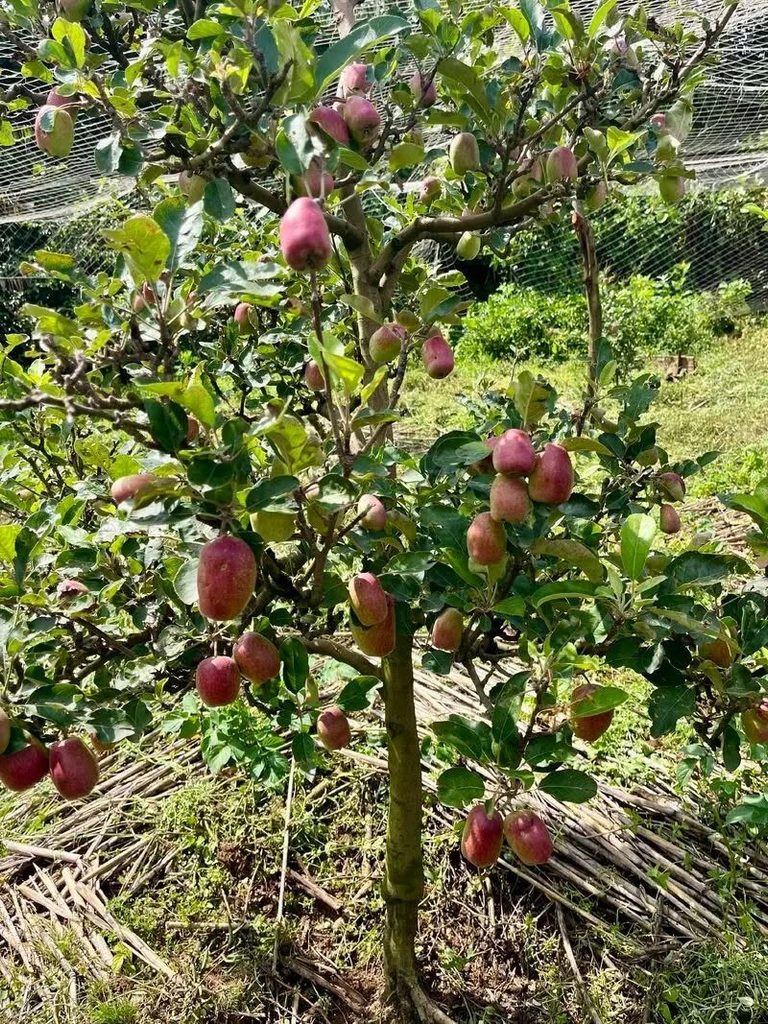
Apples are the most dependable tree fruit for Tennessee home gardeners. UT Extension notes that apples, and to a lesser extent pears, are likely to be more productive over time than peaches or sweet cherries. That is good news for beginners.
Disease resistance should guide your choice. UT specialists recommend varieties such as Liberty, GoldRush, Enterprise, Crimson Crisp, and WineCrisp. Arkansas Black is an older variety that is not very disease-prone and stores well.
Plant at least two varieties for good pollination. Prune each winter and thin the fruit in late spring. Even with resistant types, expect to manage pests and disease.
2. European Pear (Pyrus communis)
European pears are a classic backyard tree. They are tall, long-lived, and pretty in spring. In Tennessee, though, they come with one big warning: fire blight.
Fire blight is a bacterial disease that can kill branches or the whole tree. UT specialists urge growers to pick resistant varieties. Keiffer is often suggested, though it is better for preserves than for eating fresh.
Plant two varieties, as pears fruit better with cross-pollination. Avoid heavy nitrogen fertilizer, because lush new growth invites infection. I would never plant a pear here without checking its blight rating first.
ALSO READ: 25 Fast Growing Fruit Trees (With Planting Details)
3. Asian Pear (Pyrus pyrifolia)
Asian pears look like round, golden apples. The flesh is crisp and juicy, and the fruit ripens on the tree. UT Extension notes that they are typically smaller trees than European pears.
Good choices include 20th Century and Hosui, both mentioned by UT Extension agents. They are popular because they bear reliably and taste sweet. Fruit is ready to pick when it separates easily from the branch.
Cross-pollination matters here too. Note that European and Asian pears often bloom at different times, so they may not pollinate each other. Plant two Asian varieties together.
4. Peach (Prunus persica)
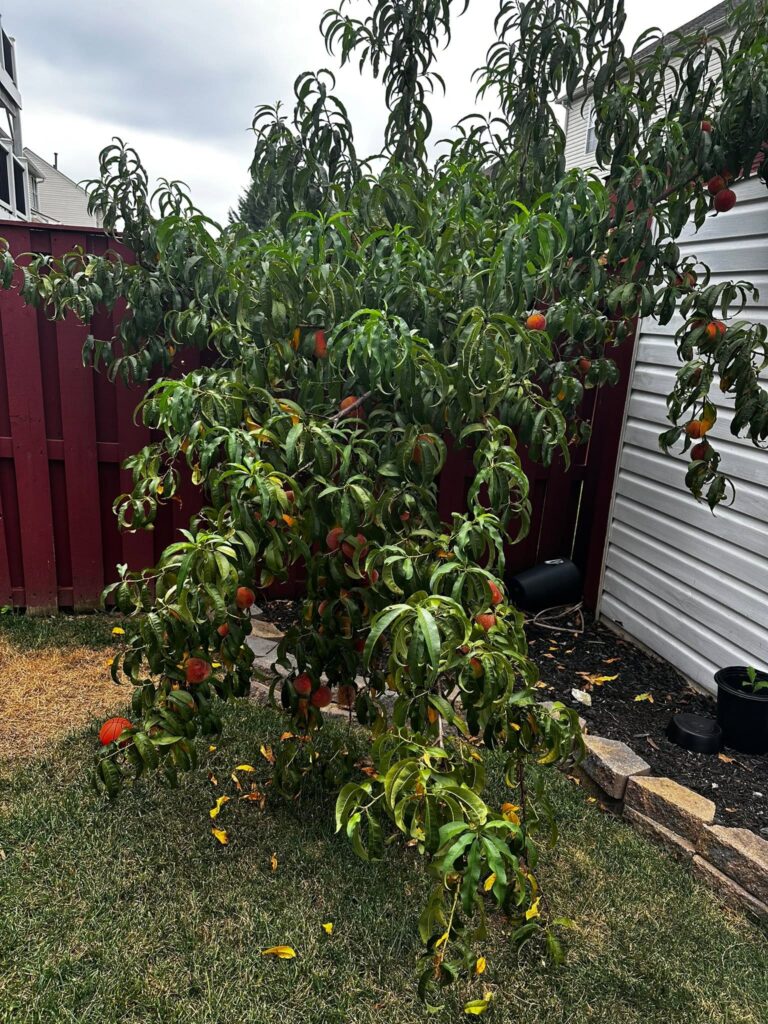
Everyone loves a Tennessee peach, but it is a demanding tree. Peaches bloom early, so a single late frost can wipe out the crop. UT Extension also lists disease and pests among the challenges.
Choose varieties with at least 850 chilling hours for most of the state. Plant on a slope or higher ground, where cold air drains away. Avoid low pockets where frost settles.
Most peaches are self-fertile, so one tree can fruit alone. Prune hard each year to keep the center open. In my view, peaches reward effort better than almost any other fruit, but they do ask a lot.
5. Nectarine (Prunus persica var. nucipersica)
A nectarine is essentially a smooth-skinned peach. It shares the same climate needs and the same weak points. That means early blossoms and a real risk of frost damage.
Many nectarines are self-fertile, so you need only one tree. They are also more prone to brown rot and insect damage than peaches. Thinning the fruit helps improve size and flavor.
Give nectarines full sun and well-drained soil. Spray programs are often needed for a clean harvest. If you want low-maintenance fruit, start elsewhere.
6. Plum (Prunus domestica and P. salicina)
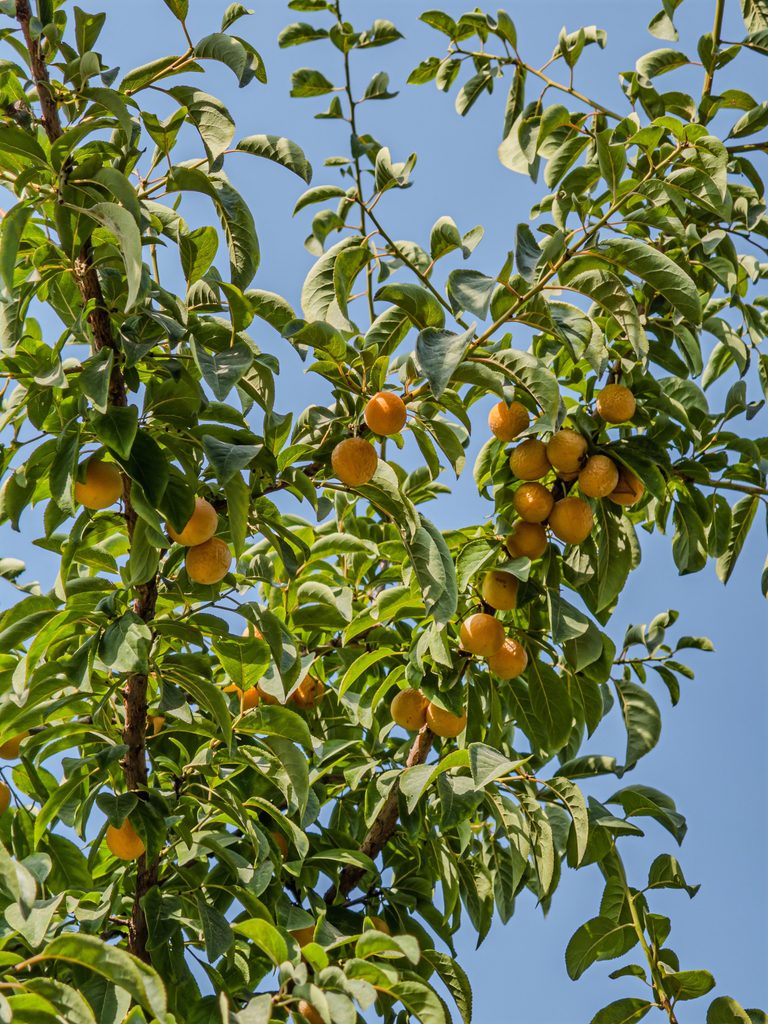
Plums are a decent choice for patient growers. UT Extension agents suggest varieties like Methley, Morris, Ozark Premier, and Green Gage. These have shown they can handle Tennessee conditions.
Most plum varieties need cross-pollination, so plant two compatible types. Japanese and European plums bloom at different times, so check labels carefully. Frost during bloom is a frequent problem.
There are no true dwarf plum trees for fruit production, so give them room. Plums are often easier to grow than peaches. Still, they need annual pruning and thinning.
7. Tart Cherry (Prunus cerasus)
Tart cherries, also called sour cherries, are the more practical cherry for Tennessee. They are self-fertile and more forgiving than sweet cherries. The fruit is excellent in pies, jams, and juice.
UT Extension lists tart cherries among the harder fruit crops. Cracking, brown rot, and birds are the usual troubles. Still, a healthy tree can give a satisfying harvest.
Choose a spot with full sun and strong airflow. Net the tree as the fruit reddens, or birds will take the lot. Prune lightly to keep the canopy open.
8. Sweet Cherry (Prunus avium)
Sweet cherries are beautiful, but I have to be honest. They are among the toughest fruit trees for Tennessee. The warm, humid summers cause fruit to split, and diseases spread quickly.
UT Extension places sweet cherries in the more challenging group. Most need a second variety for pollination. A few self-fertile types exist, but results still vary.
If you want to try one, pick a disease-resistant variety and a sunny, airy site. Use a smaller rootstock so you can spray and net the tree. Treat it as an experiment, not a sure thing.
9. Apricot (Prunus armeniaca)
Apricots are tempting, with their early spring blossoms and golden fruit. The problem is that they flower very early. A cold snap after bloom often kills the crop.
Plant apricots on high ground with good air drainage, away from frost pockets. A north-facing spot can delay blooming and reduce frost risk. Some gardeners also cover trees on cold nights.
Many apricots are self-fertile. Choose cold-hardy, late-blooming varieties from a trusted nursery. In years without frost, the harvest is truly special.
10. Fig (Ficus carica)
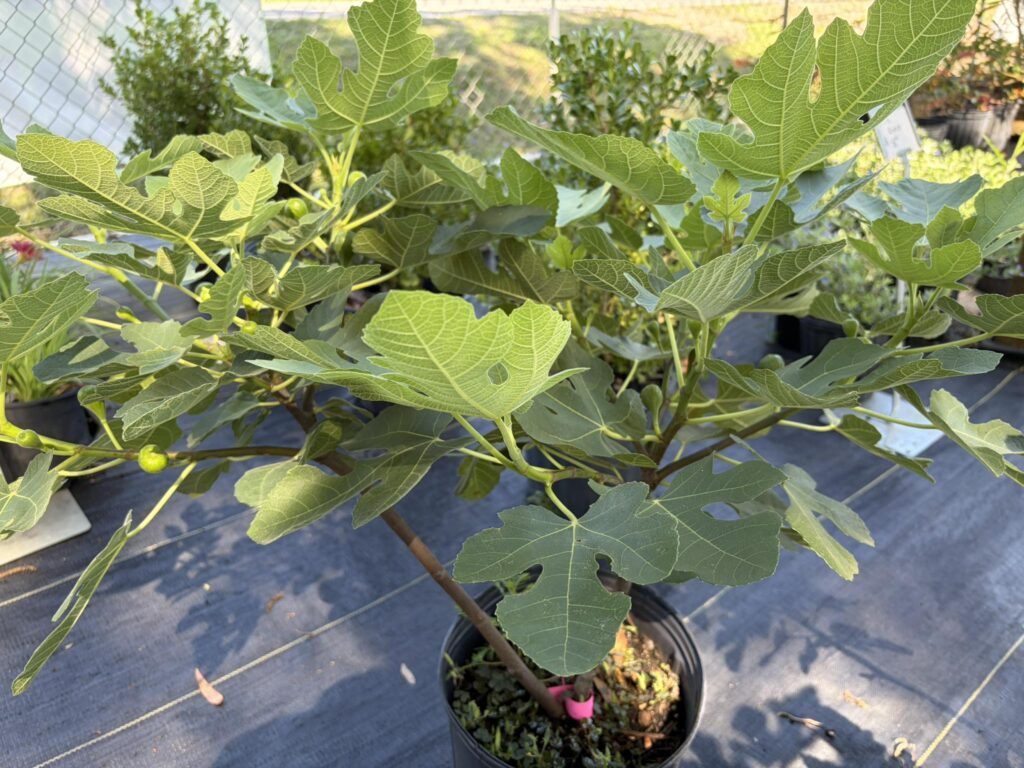
Figs are a favorite across the South, and Tennessee gardeners grow them successfully. UT Extension says that in Tennessee, figs are most commonly a small tree or large shrub. They also suit containers.
Winter cold is the main risk. UT notes that figs can be killed back to the ground in some winters in eastern and northern parts of the state. Even so, many regrow from the roots and still fruit.
Mulch heavily in fall and plant near a sunny wall for warmth. Choose cold-hardy varieties like ‘Chicago Hardy’ or ‘Brown Turkey’. Figs rarely need pollination, which makes them easy.
11. Pawpaw (Asimina triloba)
Pawpaw is Tennessee’s own tropical-tasting fruit. It is native to the eastern United States, and the flavor is a creamy mix of banana and mango. UT Extension lists it among the novel fruits suited to home gardens.
The tree grows well in zones 5 to 9, so all of Tennessee is suitable. Young trees like partial shade, while mature trees prefer more sun. The University of Florida describes it as shade tolerant.
You need two genetically different trees for good fruit set. Expect a harvest four to eight years after planting. Pawpaws rarely need much spraying, which is a big bonus.
12. American Persimmon (Diospyros virginiana)
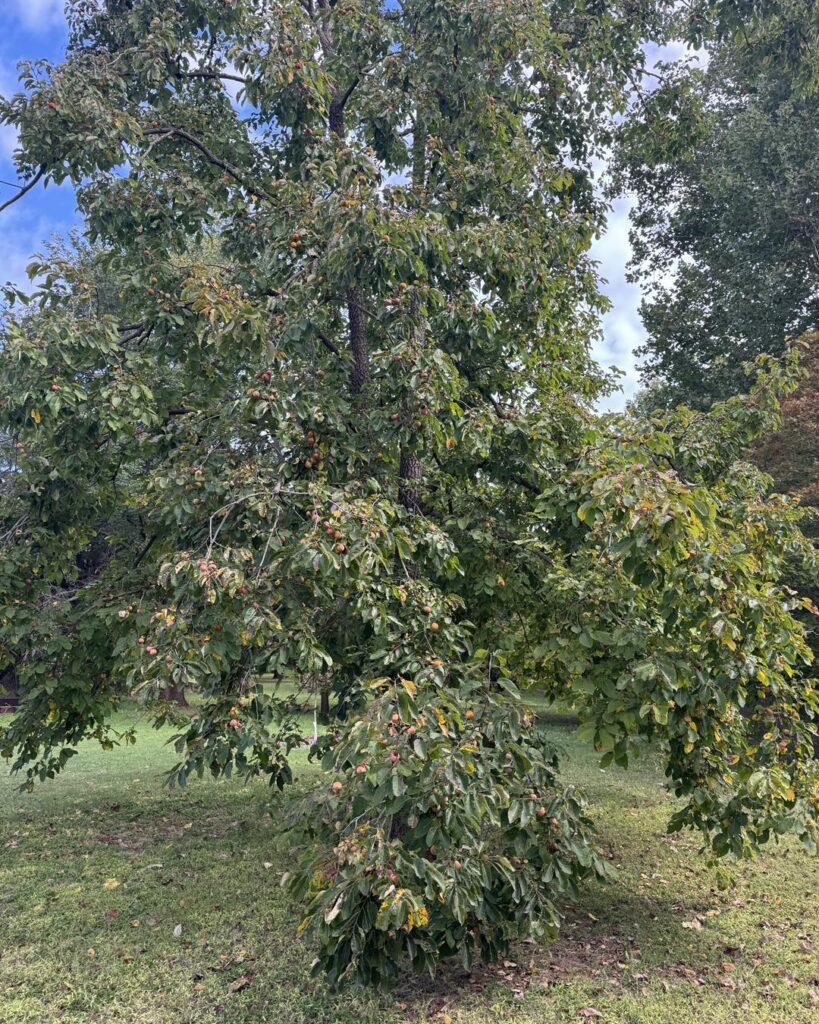
American persimmon is a native tree, found along fence rows and old fields across the state. UT Extension includes it among the native fruit crops that also work as landscape trees. It is hardy and long-lived.
The fruit is small but very sweet when fully ripe. Eaten too early, it is bitterly astringent. Wait until it turns soft and wrinkled.
Some trees are male or female, so plant more than one or buy a self-fruiting variety. Grafted cultivars bear sooner and give larger fruit. This is a tough tree with few pest problems.
13. Asian Persimmon (Diospyros kaki)
Asian persimmons produce larger fruit on smaller trees. UT notes that gardeners in the warmest areas of the state can grow them. That means mostly western and southern Tennessee.
Cold is the limit. Choose hardy varieties, and plant in a protected spot with full sun. Young trees may need winter protection in colder zones.
The orange fruit is sweet and attractive, especially in autumn. Some types can be eaten while still firm. The tree is also lovely in the landscape.
ALSO READ: 25 Fruit Trees That Grow in Shade (With Details Explained)
14. Mulberry (Morus)
Mulberries are easy, fast-growing, and fruitful. The berries are sweet, juicy, and ripen over several weeks in early summer. UT Extension also mentions them in its guide to landscaping with fruit crops.
There is one catch. Fallen fruit can stain sidewalks and driveways, so plant the tree away from paved areas. Birds love the berries, which can reduce your share.
Choose a named variety rather than a wild seedling. Named types often give better fruit with less mess. Mulberries tolerate many soils and need little care.
15. Quince (Cydonia oblonga)
Quince is an old-fashioned tree that deserves a comeback. It has pale pink spring blossoms and fragrant yellow fruit. UT Extension notes that quince is often used as a dwarfing rootstock for pears.
The fruit is hard and sour when raw, so it is cooked. It makes outstanding jelly, paste, and baked dishes. The cooking changes it from bitter to rosy and sweet.
Quince is self-fertile and compact. It is also prone to fire blight, so watch for dark, scorched shoots. Prune out any affected branches quickly.
16. Serviceberry (Amelanchier)
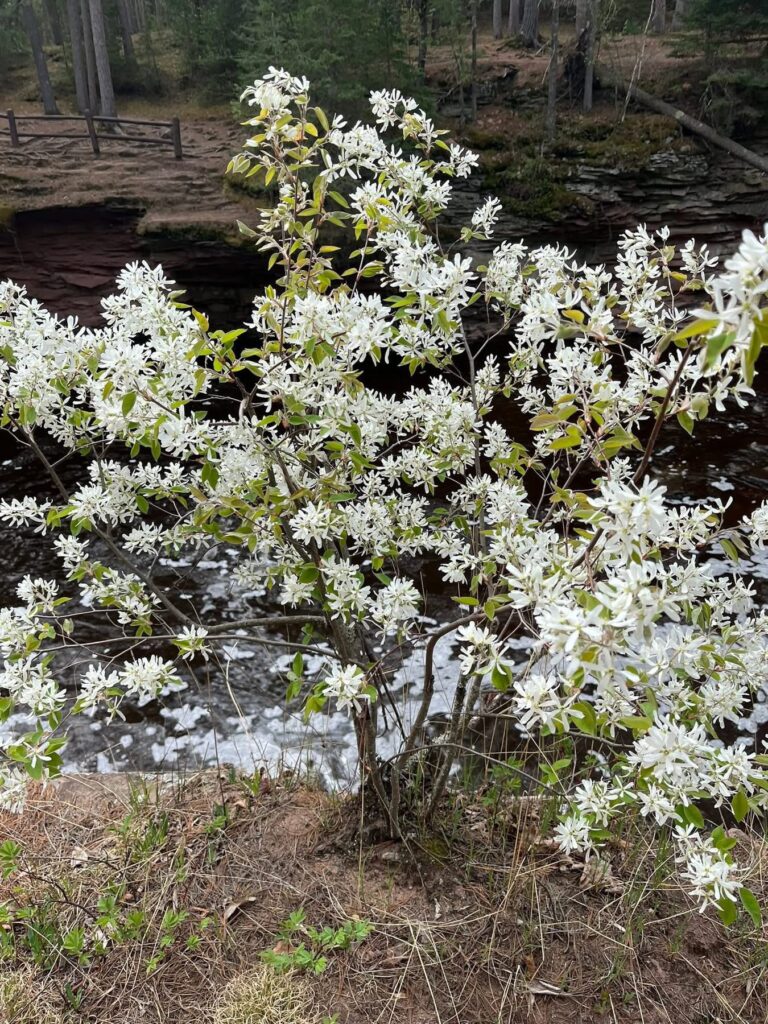
Serviceberry is a native small tree that gives beauty in every season. It has white spring flowers, summer berries, and bright autumn color. The berries taste like mild blueberries with an almond note.
It grows well in full sun or light shade. That makes it handy for gardens that are not perfectly sunny. It is also quite cold-hardy.
Birds adore the berries, so plant extra or use netting. Serviceberry is low-maintenance and supports wildlife. I recommend it for gardeners who want fruit without much fuss.
17. Crabapple (Malus)
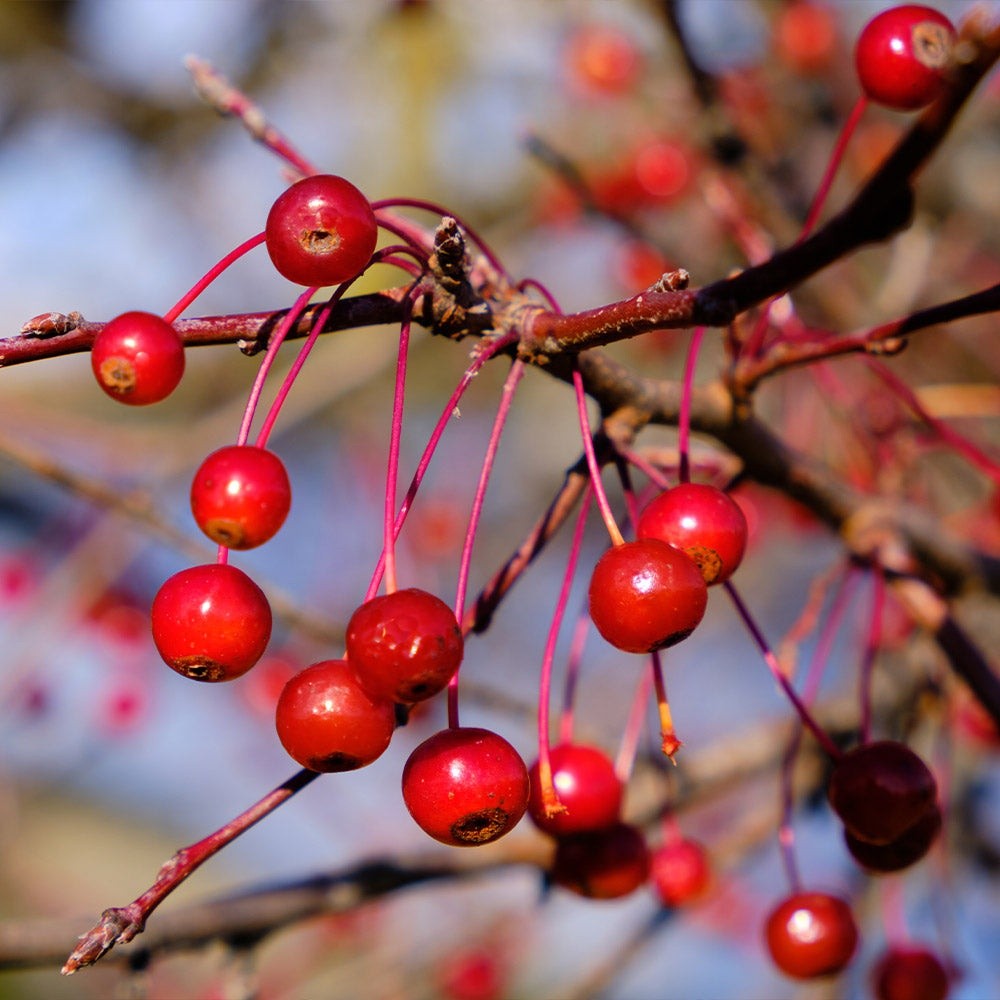
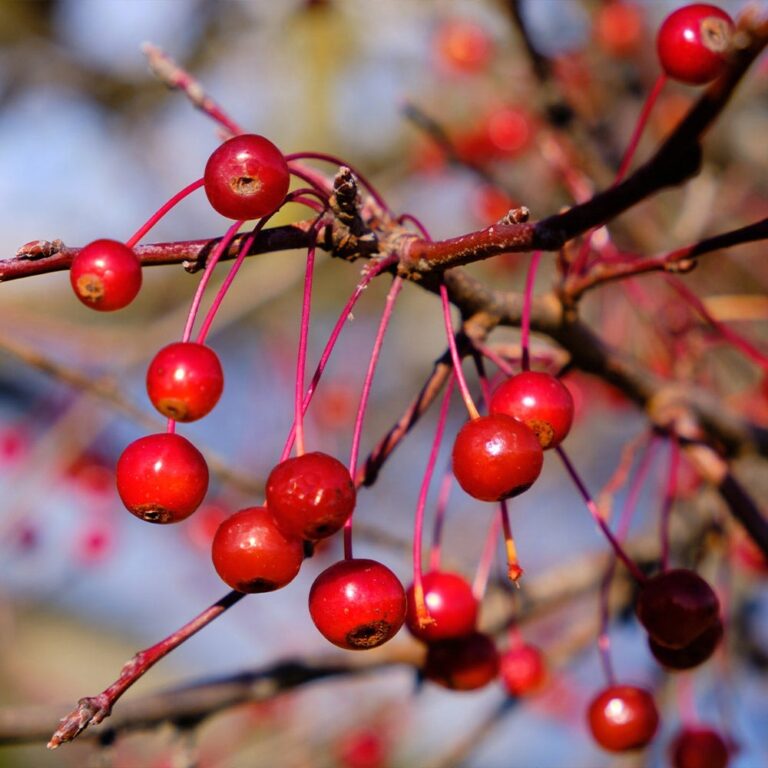
Crabapples are tough, ornamental, and useful. The small, tart fruit makes fine jelly and sauce. Many varieties also pollinate regular apples when they bloom together.
Choose disease-resistant varieties, since scab and rust can be common. Look for labels listing resistance to these problems. Good resistance keeps the tree attractive and productive.
Give them full sun and decent drainage. Pruning is mostly light shaping. A crabapple is a smart, low-effort choice for small yards.
How to Choose the Right Fruit Tree for Your Tennessee Yard
Start with your goals. If you want easy fruit, choose apples, figs, pawpaws, persimmons, or mulberries. If you want a challenge, try peaches, plums, or cherries.
Next, consider your region. West Tennessee is warmer, with a longer growing season. East Tennessee has cooler mountain areas, so choose hardy types there.
Finally, think about time. Fruit trees need regular pruning, thinning, and pest care. UT Extension makes clear that ongoing pruning and pest control are part of success with apples and pears.
Common Mistakes to Avoid
- Planting in a frost pocket. Cold air settles in low spots.
- Ignoring disease resistance. This is a costly error with apples and pears.
- Skipping pollination. One tree may not set fruit alone.
- Overcrowding trees. Poor airflow leads to disease.
- Overfeeding with nitrogen. This can encourage fire blight.
Frequently Asked Questions
What is the easiest fruit tree to grow in Tennessee?
Figs, pawpaws, mulberries, and American persimmons are usually the easiest. They need fewer sprays and handle local weather well.
Can you grow peaches in Tennessee?
Yes, but they are demanding. Choose varieties with enough chilling hours, plant on high ground, and be ready for pests and frost risk.
When is the best time to plant fruit trees in Tennessee?
Late fall through early spring is best, while trees are dormant. Container trees can also go in during the growing season with good watering.
Do I need two trees for fruit?
Often, yes. Apples, pears, plums, and pawpaws generally need a second compatible tree. Peaches, tart cherries, figs, and quince are self-fertile.
Final Thoughts
Tennessee gives home growers many fruitful options. The key is to match each tree to your zone, your site, and the time you can give. Start small, learn as you go, and add more trees over the years.
If I had to pick a starter set, I would choose a disease-resistant apple, a fig, and a pawpaw pair. Together they cover easy harvests, local character, and real flavor. Your county Extension office can help you fine-tune the final list.
References
- University of Tennessee Institute of Agriculture. “Choose from a Variety of Fruit Trees for Future Harvests.” https://utianews.tennessee.edu/?p=11055
- University of Tennessee Extension. “W 895-D: Selecting Apples and Pears for Residential Production in Tennessee.” https://uthort.tennessee.edu/wp-content/uploads/sites/228/2023/11/W895D.pdf
- University of Tennessee Agricultural Extension Service. “SP307-J: Landscaping with Fruit & Nut Crops.” https://uthort.tennessee.edu/wp-content/uploads/sites/228/2023/11/SP307-J.pdf
- University of Tennessee Agricultural Extension Service. “SP307-H: Home Fruit Tree Plan.” https://trace.tennessee.edu/utk_agexgard/18
- UT/TSU Extension, Bedford County. “Ag Notes: Fruit Trees” (December 7, 2021). https://bedford.tennessee.edu/wp-content/uploads/sites/162/2021/12/AG-NOTEsDecember-7-2021.pdf
- U.S. Department of Agriculture, Agricultural Research Service. “USDA Plant Hardiness Zone Map.” https://planthardiness.ars.usda.gov
- USDA Forest Service, Fire Effects Information System. “Asimina triloba, pawpaw.” https://research.fs.usda.gov/feis/species-reviews/ASITRI

Tim M Dave is a gardening expert with a passion for houseplants, particularly cacti and succulents. With a degree in plant biology from the University of California, Berkeley, he has vast experience in gardening. Over the years, he has cultivated a vast collection of desert plants and learned a great deal about how to grow and care for these unique companions.