25 Fruit Trees That Grow in Ohio (Best Varieties, With Details)
Ohio is a good place to grow fruit. The state has real winters, warm summers and a long tradition of orchards. I have seen backyard apple trees in Ohio that are older than the houses beside them.
But Ohio also has tricky weather. Late spring frosts can kill blossoms, and hard winters can damage tender trees. The key is to pick the right tree for the right spot.
This guide covers 25 fruit trees. For each one, you will find what it needs, how it behaves in Ohio, and what to watch for.
Quick answer: The best fruit trees for Ohio include apple, pear, peach, sour cherry, plum, pawpaw, American persimmon, mulberry and serviceberry. Hardy figs, apricots and jujube can work too, but they need extra care.
Understanding Ohio’s Growing Conditions
Ohio sits mostly in USDA hardiness zones 5 and 6, with some warmer pockets near Lake Erie and in the south. The USDA map is based on average annual extreme minimum winter temperatures. You can look up your zone on the official USDA Plant Hardiness Zone Map.
The map was updated in late 2023. According to the State Climate Office of Ohio, the update moved parts of the state from Zone 5 to Zone 6 or Zone 7. Projections cited there suggest southern and eastern Ohio could reach Zone 8 by mid-century.
That is good news for fruit growers, but do not get carried away. Zones describe winter lows only. They do not protect your trees from a late frost in April.
Tip: Plant on a gentle slope or high ground if you can. Cold air drains downhill, so low spots collect frost and damage early blossoms.
The 25 Best Fruit Trees for Ohio
1. Apple (Malus domestica)
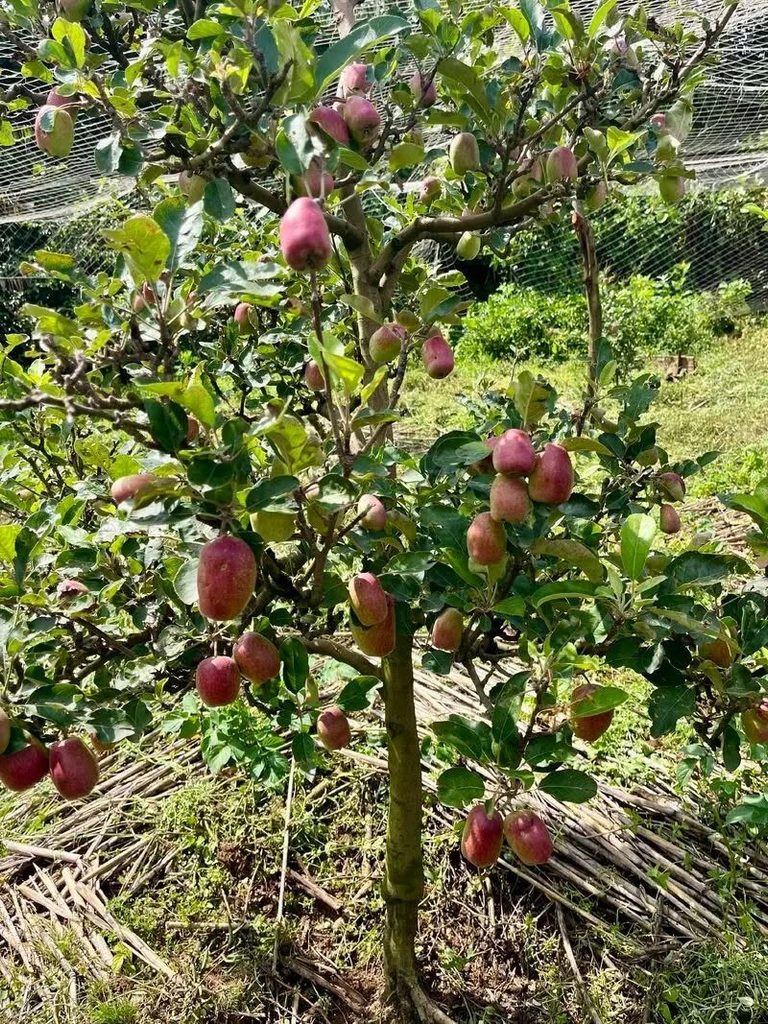
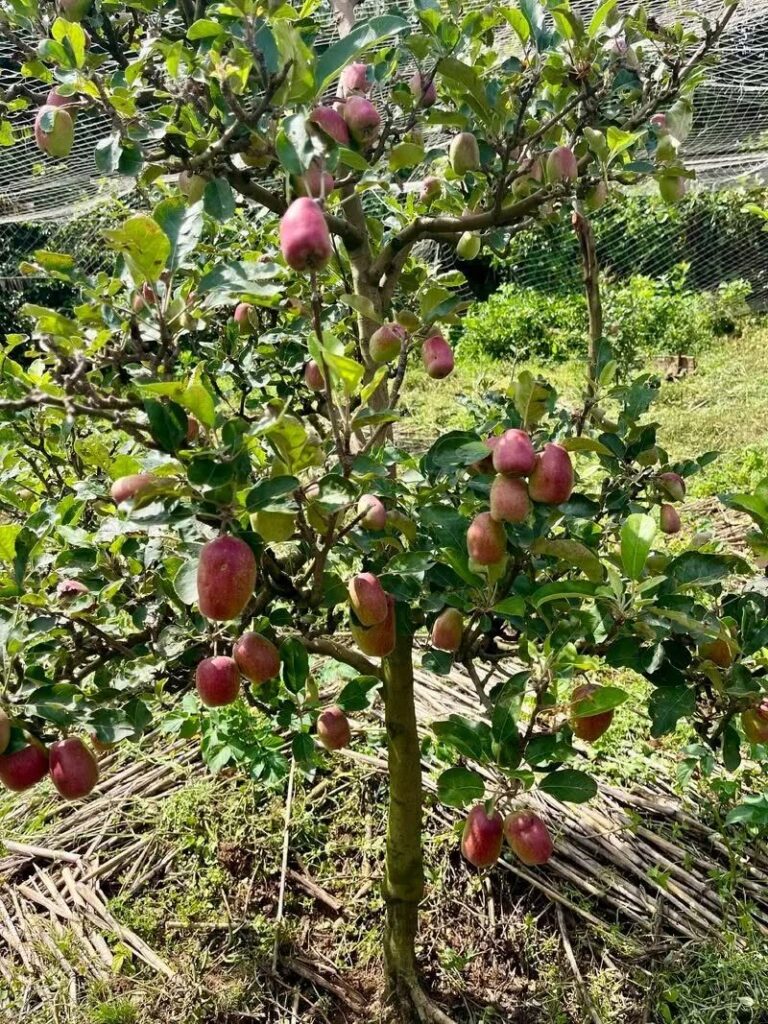
Apple is Ohio’s classic fruit tree. Ohio State University Extension notes that Ohio is one of the top 10 apple-producing states in the U.S. It also says Ohio grows about 50 apple varieties, including some Ohio originals.
Here is the key rule for home growers. OSU Extension states that all apple cultivars are self-incompatible. That means you should plant at least two different varieties that bloom at the same time.
For fewer sprays, look for disease-resistant types. OSU lists Enterprise, Goldrush, Liberty, Pristine, Redfree and Williams’ Pride among its recommendations. Fire blight and apple scab are the main problems to watch.
2. Dwarf and Semi-Dwarf Apple
Tree size is controlled by the rootstock. According to OSU Extension, dwarf trees reach about 10 feet, semi-dwarf about 15 feet, and standard trees at least 20 feet. Smaller trees also fruit earlier than large ones.
I recommend dwarf or semi-dwarf trees for most Ohio yards. They are easier to prune, spray and pick. You can fit more varieties into a small space.
OSU suggests spacing dwarf trees about 8 feet apart in the row and semi-dwarf about 10 feet apart. Note that these trees have weaker root anchorage. Many need a stake or support for life.
3. Crabapple (Malus species)
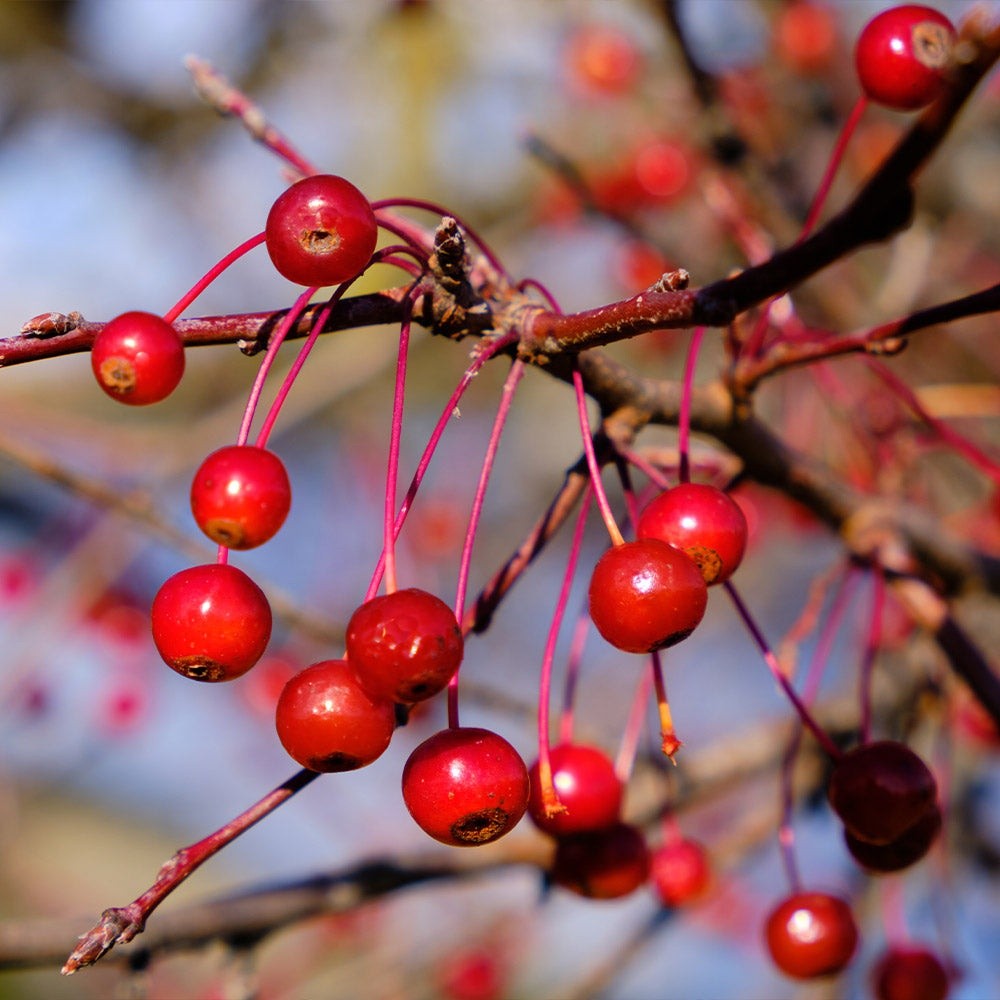
Crabapples are often grown for their spring flowers. Their small, tart fruit is also useful. It makes excellent jelly and cider blends.
Crabapples are tough and cold hardy. They also make good pollinators for eating apples, because they bloom heavily and for a long time.
Choose a variety with good disease resistance. Some ornamental crabapples suffer from scab and drop their leaves early. Ask your nursery which types are best for fruit.
4. Peach (Prunus persica)
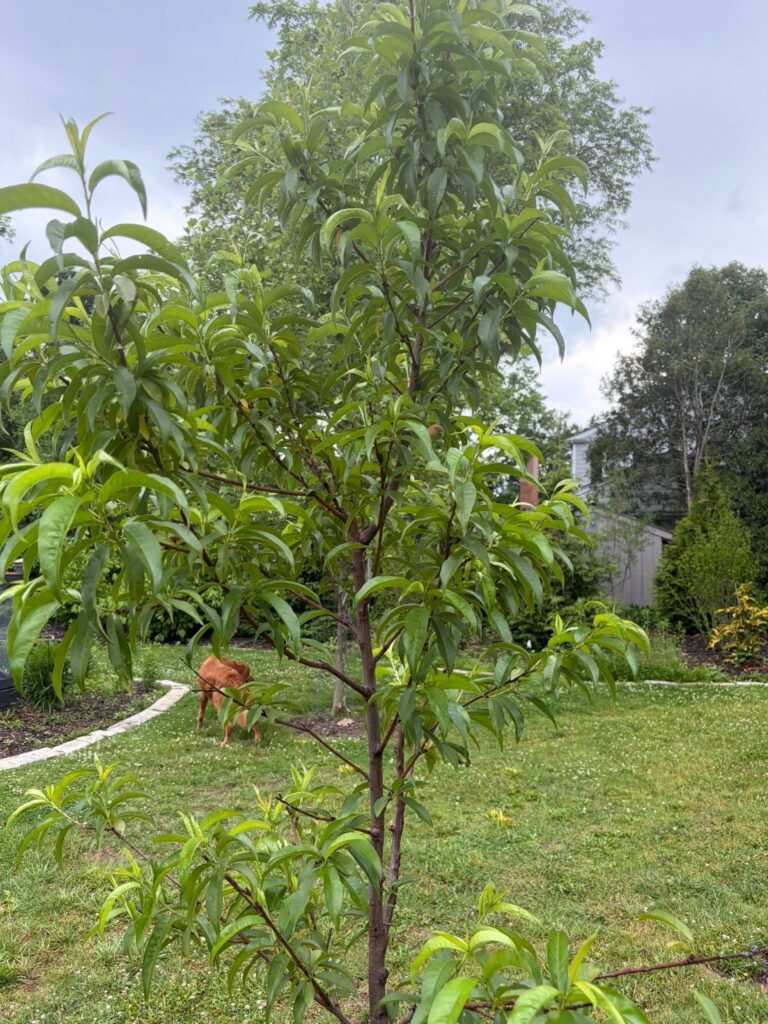
Peaches can do well in Ohio, but the climate is a challenge. OSU Extension reports that Ohio has about 1,000 acres of peach orchards, and that it is not considered a major peach-growing state.
Variety choice is critical. OSU describes Redhaven as the most reliable peach in Ohio. Reliance and Belle of Georgia are also listed as very hardy.
Peaches are self-pollinating. Even so, OSU notes that growing three or four varieties can extend your harvest. Prune to an open-center (vase) shape, and expect about 18 inches of new growth each year on a healthy tree.
5. Nectarine (Prunus persica var. nucipersica)
A nectarine is genetically close to a peach, but it has smooth skin. It is often a little harder to grow. It is more prone to some diseases and can suffer more from cold.
OSU Extension calls Mericrest the hardiest nectarine. It also lists Summer Beaut as a hardy choice. Start with these if you want to try nectarines in Ohio.
Nectarines need the same care as peaches. Give them full sun, well-drained soil and a spot where cold air does not settle. Protect the blossoms if a frost is forecast.
6. Apricot (Prunus armeniaca)
Apricots are a gamble in Ohio, but a rewarding one. The trees are hardy enough for most of the state. The problem is that they bloom very early, so a late frost can wipe out a crop.
Plant your apricot on the north side of a building or on a slope. This delays blooming by a few days and lowers the risk. Choose varieties bred for cold climates.
Some varieties are self-fertile, while others need a partner. Check the label. If you get fruit, you will not forget the taste of a tree-ripened apricot.
7. European Pear (Pyrus communis)
Pears are among the most reliable fruit trees for Ohio. They live long and need less spraying than many other tree fruits. They also bloom a little later than peaches or apricots.
OSU Extension lists varieties such as Bartlett, Bosc, Anjou, Seckel and Kieffer in its Ohio pear information. It also notes that only about ten pear varieties are grown and sold commercially.
Most pears need a second variety for pollination. Fire blight is the main danger. Avoid heavy nitrogen fertiliser, since soft, fast growth is more vulnerable.
8. Asian Pear (Pyrus pyrifolia)
Asian pears are round, crisp and juicy. Many people compare the texture to an apple. The fruit is eaten firm, which makes it easy to pick and store.
They are generally hardy in Ohio, but they bloom early. Some varieties also suffer from fire blight. Choose resistant types such as Shinseiki or Hosui, and check for local advice.
Plant two compatible varieties for good fruit set. A heavy crop needs thinning, or the fruit stays small. Thin to one fruit per cluster.
9. Sweet Cherry (Prunus avium)
Sweet cherries can grow in Ohio, but they are not the easiest tree. They bloom early and are prone to cracking in wet summers. Birds also love them.
Plant on well-drained soil and avoid low, frosty spots. Many sweet cherries need a second variety for pollination. A self-fertile variety such as Stella is a good starting point.
Netting is almost essential if you want to keep your harvest. A smaller tree on a dwarfing rootstock is also easier to net and pick.
10. Sour Cherry (Prunus cerasus)
Sour cherry is probably the best cherry for Ohio gardens. Trees are hardy, compact and reliable. Most are self-fertile, so one tree is enough.
Montmorency is the best-known variety. Newer types such as North Star are smaller and good for tight spaces. The fruit is tart, which makes it perfect for pies, jams and juice.
Sour cherries bloom later than sweet cherries, which helps in a frosty spring. Watch out for brown rot and black knot. Prune out black knot as soon as you see it.
ALSO READ: 35 Types of Cherry Trees (Sweet, Sour, and Flowering Varieties)
11. European Plum (Prunus domestica)
European plums, including prunes, are hardy and productive. They tend to be more reliable in Ohio than Japanese plums. The fruit is firm, sweet and ideal for drying and baking.
Many are self-fertile, such as Stanley and Italian prune types. This makes them easy for small gardens. They also bloom a little later than Japanese plums.
Thin the fruit if the branches are heavily loaded. This improves size and protects the limbs from breaking. Black knot is a common disease, so prune out any swellings early.
12. Japanese Plum (Prunus salicina)
Japanese plums are large, juicy and early to bear. They are popular for fresh eating. However, they bloom early and can lose blossoms to frost in Ohio.
Choose hardy cultivars and plant them in a spot with good air drainage. Most need a pollinator, ideally another Japanese plum or a compatible hybrid.
I find them worth trying because they fruit quickly. Still, treat them as a bonus tree, and do not depend on them for your main plum crop.
13. American Plum (Prunus americana)
American plum is a native tree that grows wild across much of Ohio. It forms a small, thicket-like tree with white blossoms in early spring. The fruit is small but flavourful.
It is very hardy and tolerates poor soil. Wildlife also benefits, since birds and mammals eat the fruit. It makes a good choice for a naturalised or edible hedge.
The tree needs cross-pollination, so plant several. The fruit is best used in jams and sauces. The skin is tart, and the flesh is sweet.
ALSO READ: 15 Common Plum Tree Problems (With Symptoms and Fixes)
14. Pawpaw (Asimina triloba)
Pawpaw is Ohio’s own tropical-tasting fruit. It is native to the eastern United States and grows wild in Ohio woodlands. Many people say the flavour is a mix of banana, mango and custard.
OSU South Centers runs pawpaw research in south central Ohio. Its trial varieties include Wells, Mango, SAB Overleese, Sunflower and NC-1. Ohio also hosts an annual pawpaw festival in the south of the state.
Plant at least two different varieties, because pawpaws need cross-pollination. Young trees like some shade for the first year or two. Fruit is soft and does not store long, so eat it soon after picking.
15. American Persimmon (Diospyros virginiana)
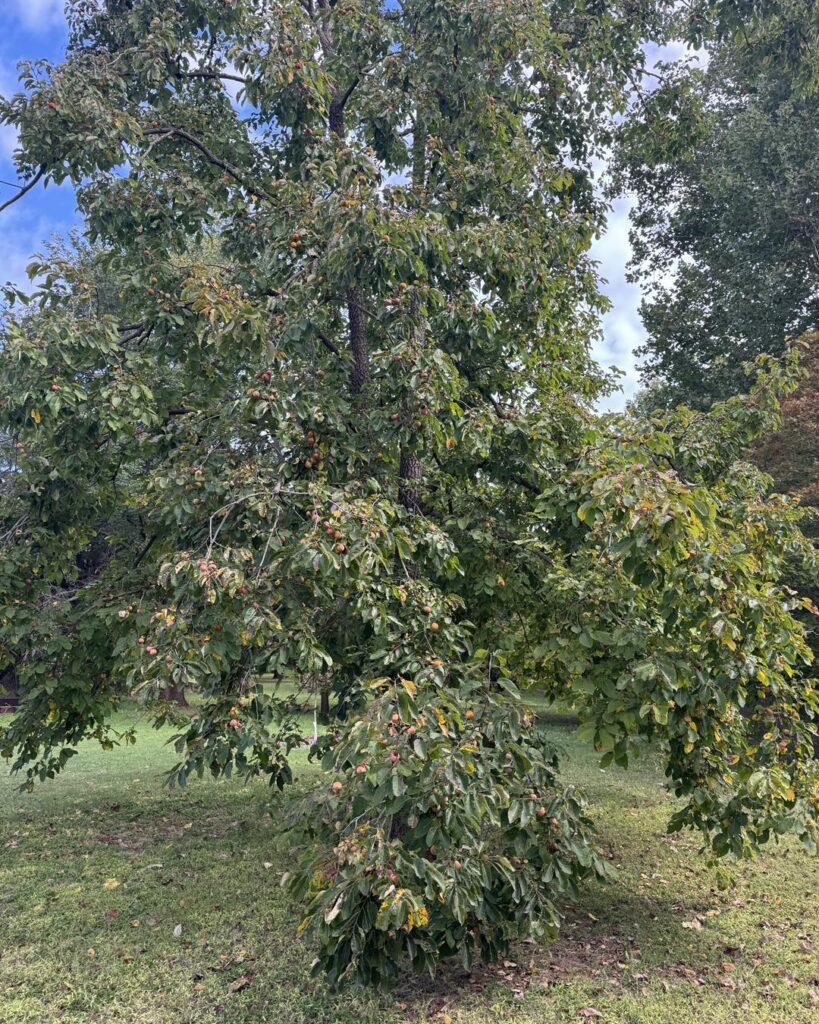
American persimmon is a native tree of southern Ohio. It is hardy, long-lived and rarely troubled by pests. The fruit is small and extremely sweet when fully ripe.
Be careful, though. Unripe persimmons are very astringent and will make your mouth pucker. Wait until the fruit is soft and wrinkled, often after the first frost.
Many trees are either male or female. For fruit, you need a female tree and often a male nearby. Some cultivars, such as Meader, are self-fertile and easier for home gardens.
16. Asian Persimmon (Diospyros kaki)
Asian persimmons produce large, orange fruit. They are borderline in Ohio. Most types are not reliably hardy in the colder parts of the state.
Try cold-hardy selections such as Nikita’s Gift, and plant them in a sheltered, sunny place. In zone 6, a protected site near a south-facing wall helps a lot.
Treat this tree as an experiment. If it survives and fruits, you will have a very attractive and productive tree. If you live in zone 5, it is probably not worth the risk.
17. Mulberry (Morus species)
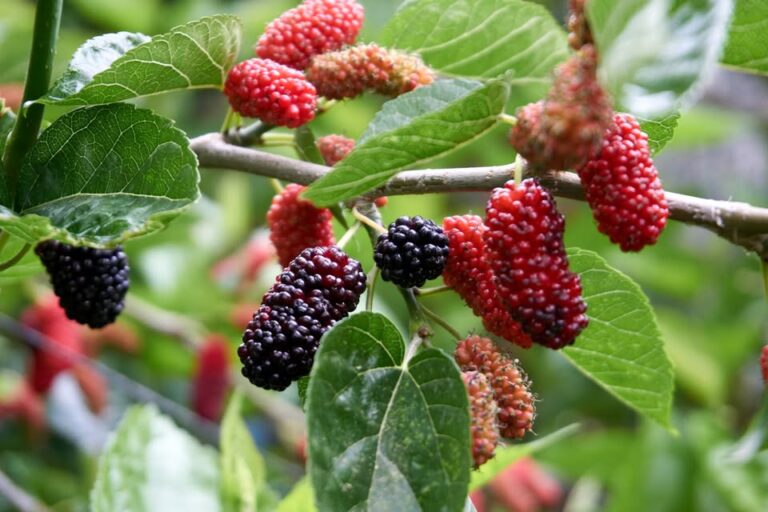
Mulberry grows fast and fruits early. Red mulberry is native to Ohio, while white mulberry was introduced. The tree grows easily, often from bird-dropped seed.
OSU Extension describes the Ohio mulberry as wild, nutritious and underrated. The berries are sweet and soft. They are excellent in jams and pies.
Be aware that ripe fruit stains pavements, cars and clothes. Plant it away from paths and parking areas. Named, fruiting varieties usually give better, larger berries than wild trees.
18. Hardy Fig (Ficus carica)
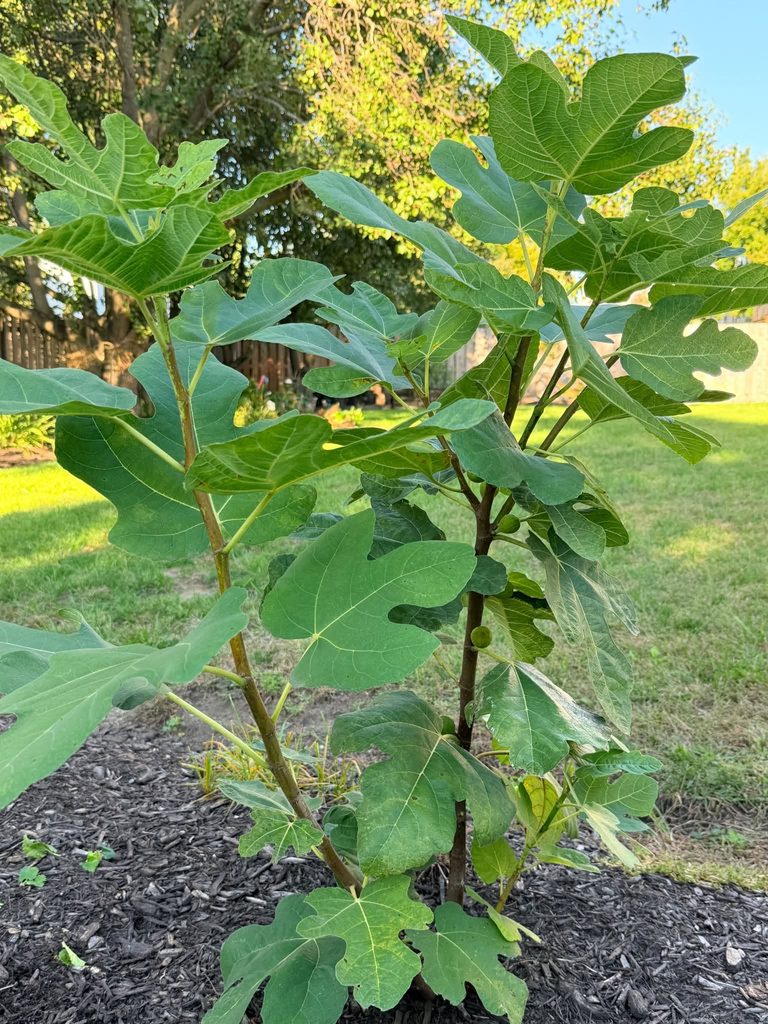
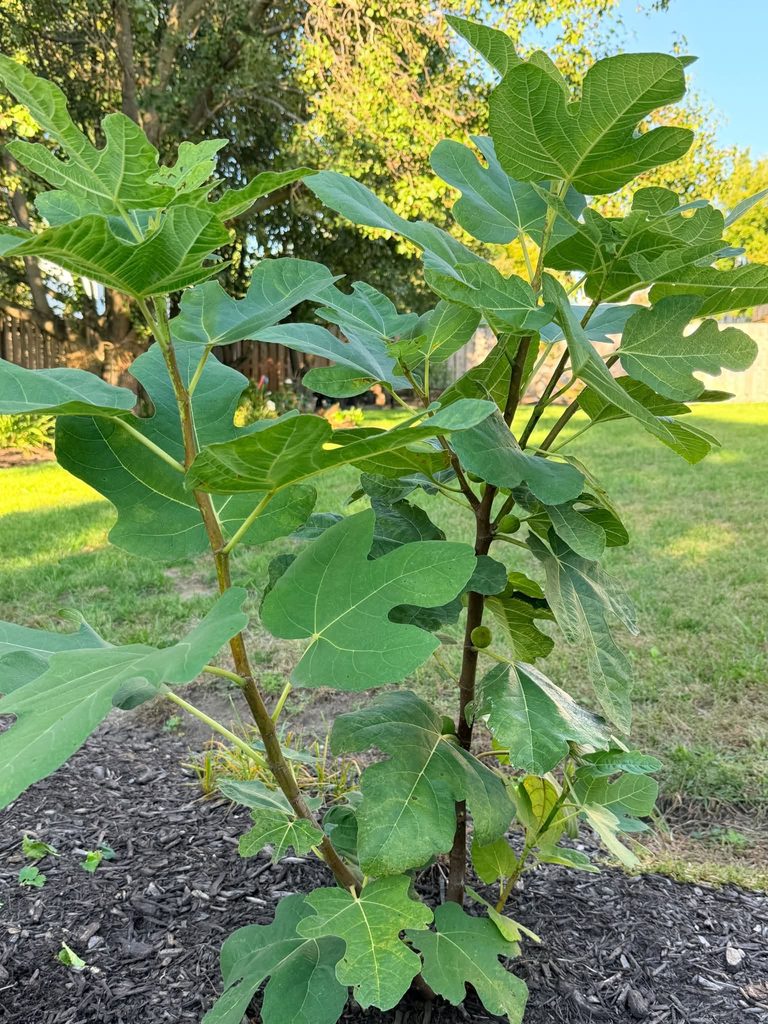
Figs can grow in Ohio, but they need protection. Trials at OSU South Centers in Piketon from 2017 to 2020 tested Brown Turkey and Hardy Chicago. OSU reports that most edible figs are killed to the ground at 20°F or below.
Those trials used a high tunnel for protection. Plants in the tunnel yielded about 2 to 5 pounds per plant over the first three years, compared with about 1 pound outdoors. That is a big difference.
For home growers, a pot is a simple option. Move it into an unheated garage for winter. Hardy Chicago fruits about three weeks earlier than Brown Turkey, which helps in a short Ohio season.
19. Serviceberry (Amelanchier species)
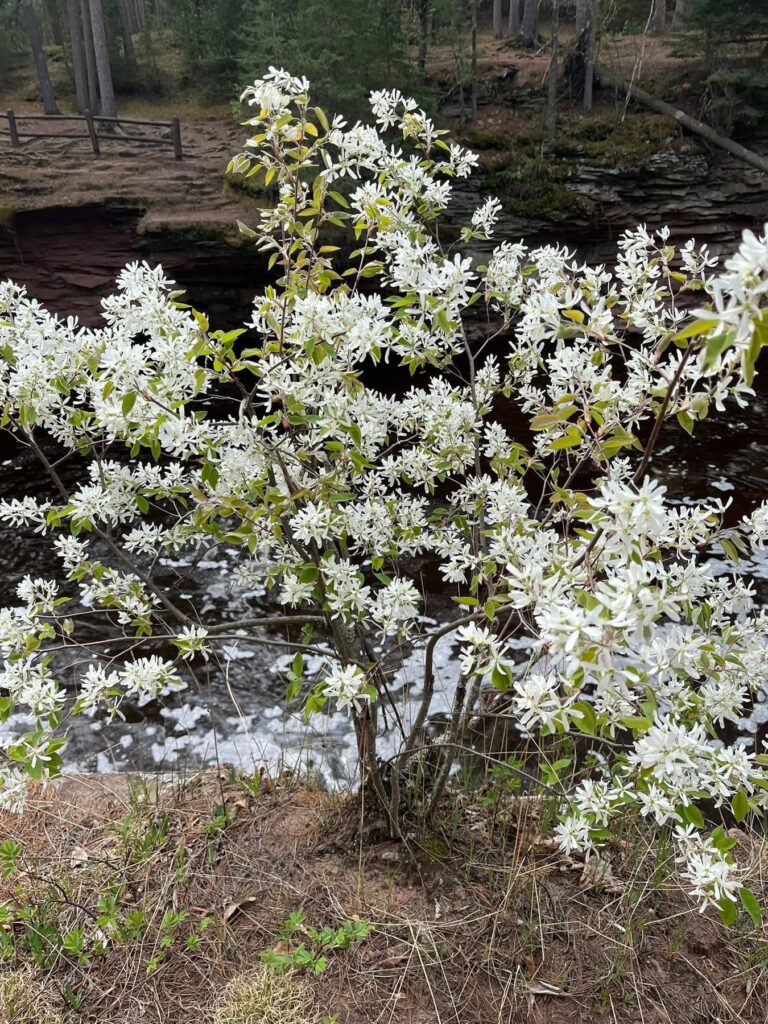
Serviceberry, also called Juneberry, is a native small tree. It gives white spring flowers, blue-purple fruit and good autumn colour. It is one of the best dual-purpose trees for Ohio.
The berries taste like a mix of blueberry and almond. They ripen in early summer, often before birds find them. Fresh, in muffins or in jam, they are delicious.
Serviceberry is very hardy and tolerates many soils. It is also self-fertile. Plant it as a small tree or multi-stem shrub, and net it if you want to compete with the birds.
20. Cornelian Cherry (Cornus mas)
Cornelian cherry is a tough, early-flowering tree. Its small yellow flowers open in late winter, often before anything else in the yard. It is very hardy and nearly pest-free.
The red fruit ripens in late summer. It is tart when firm and sweeter when fully soft. It makes excellent jam, syrup and cordial.
It grows slowly at first but lives for decades. Plant several for better fruit set, or buy a named fruiting variety. It also works well as a large hedge.
21. Quince (Cydonia oblonga)
Quince is an old-fashioned fruit tree that suits Ohio well. The tree is small and has pretty pink blossoms. The fruit is hard and fragrant, and must be cooked.
Cooked quince turns soft and rosy, with a flavour like apple and vanilla. It makes superb jelly, paste and baked desserts. A few fruits can perfume a whole kitchen.
Quince is self-fertile, so one tree is enough. Like pear and apple, it can get fire blight. Prune out affected branches quickly, and avoid too much fertiliser.
ALSO READ: 20 Ohio Native Shrubs (With Growing Details)
22. Jujube (Ziziphus jujuba)
Jujube is a tough, drought-tolerant tree from Asia. Many cultivars survive Ohio winters, especially in zone 6. It likes hot summers, so it does better in the south of the state.
The fruit tastes like a crisp apple when fresh and like a date when dried. Trees are usually self-fertile. Popular varieties include Li and Lang.
Jujube leafs out late in spring, so do not worry if it looks dead in May. Give it full sun and well-drained soil. In colder zones, treat it as an experiment.
23. Cherry Plum (Prunus cerasifera)
Cherry plums are small, hardy trees with fruit about the size of a large cherry. They often bloom very early, so frost can still be a risk. The fruit is juicy and sweet.
They are useful for small gardens and for pollinating other plums. Some varieties have purple leaves and pink flowers, so they are also decorative.
Plant more than one for a good crop. Harvest when the fruit is slightly soft. The flavour improves a lot as it ripens fully.
24. Nanking Cherry (Prunus tomentosa)
Nanking cherry is a large, bushy shrub or small tree. It is extremely cold hardy. It can handle some of Ohio’s coldest winters with ease.
It blooms early with pale pink flowers and bears small red cherries in early summer. The fruit is tart-sweet and great for jams. It fruits young, often in two or three years.
You need at least two plants for a good crop. It also makes a good edible hedge. Trees are short-lived, so plant new ones every so often.
25. Hardy Citrus, Trifoliate Orange (Poncirus trifoliata)
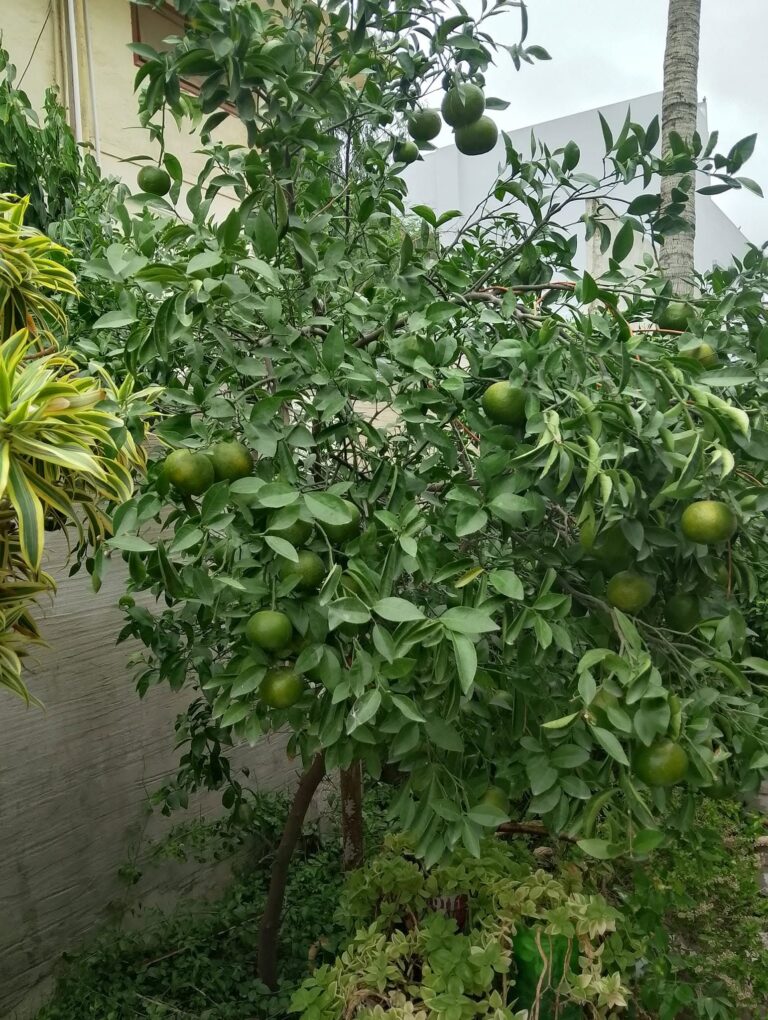
Trifoliate orange is a surprise. It is a cold-hardy citrus relative that survives in much of Ohio, especially zone 6 and with a sheltered spot. It has fragrant white flowers and green, thorny stems.
The fruit is small and very sour, with many seeds. People rarely eat it fresh. It is used in marmalade, cordials and as a rootstock for other citrus.
I would call it a curiosity tree. It is also a very good security hedge, as the thorns are fierce. Only plant it if you like the idea of a unique, edible landscape.
ALSO READ: 25 Ohio Native Trees (With Growing Details)
Common Ohio Fruit Tree Problems
Late frosts. These are the biggest threat. Plant on higher ground, delay pruning until late winter, and choose later-blooming varieties.
Fire blight. This bacterial disease affects apple, pear and quince. Cut out infected branches well below the damage, and sterilise your pruners.
Black knot. This fungus affects plums and cherries. Remove and destroy swollen, black growths during dry weather in winter.
Wet soil. Phytophthora root rot can kill trees in poorly drained sites. Raised beds or mounds can help.
Ohio Fruit Tree Basics
- Sun: Most fruit trees need at least six to eight hours of direct sun.
- Soil: Choose well-drained soil. Standing water near the roots is a common reason young trees fail.
- Pollination: Many fruit trees need a second variety nearby. Always check before you buy.
- Season: Plant bare-root trees in early spring. Container trees can go in during the growing season if you water them well.
Quick Reference Table
| Tree | Years to first fruit (typical) | Needs a partner tree? |
| Apple | 3–5 (dwarf is faster) | Yes |
| Peach | 2–4 | No |
| Sour cherry | 3–4 | No |
| Japanese plum | 3–4 | Often yes |
| Pawpaw | 3–5 (grafted) | Yes, a different variety |
| Mulberry | 2–4 | No for most |
| Hardy fig | 1–3 | No |
| Serviceberry | 3–5 | No |
These ranges are typical, not guaranteed. Your results depend on the variety, rootstock and care.
Basic Planting Steps
First, choose your spot. Make sure it has full sun and good drainage.
Second, dig a hole wider than the root ball but no deeper. Do not add fertiliser to the hole.
Third, set the tree at the right depth. For peaches, OSU Extension advises planting with the bud union about 2 inches above soil level.
Finally, water well and mulch with wood chips. Keep the mulch a few inches away from the trunk.
Frequently Asked Questions
What is the easiest fruit tree to grow in Ohio?
Sour cherry, pear and mulberry are usually the easiest. Pawpaw and serviceberry are also tough native choices. Apples are very popular, but they need more spraying.
Can I grow peaches in Ohio?
Yes. Redhaven is the most reliable peach in Ohio, according to OSU Extension. Choose hardy varieties, and plant on high, well-drained ground.
Do I need two trees for fruit?
Often yes. All apples need a partner of a different variety. Pears, many plums and pawpaws also do. Sour cherries, peaches and quince are self-fertile.
Can figs survive Ohio winters?
Only with help. OSU says most edible figs are killed to the ground at 20°F or below. Use a high tunnel or grow them in pots and store them indoors in winter.
When should I plant fruit trees in Ohio?
Early spring is best for bare-root trees. OSU Extension suggests ordering bare-root apple whips in March or April. Container trees can go in during the growing season if you provide plenty of water.
Final Thoughts
Ohio offers a wide choice of fruit trees. Apples, pears, sour cherries and plums are the classics. Pawpaw, persimmon, serviceberry and mulberry bring native flavour.
Start small. I would pick one reliable tree and one adventurous tree. Check your hardiness zone, plan for pollination, and plant in a frost-safe spot.
With a little patience, your own Ohio orchard will start to give back. It may take a few years, but the first bite is worth the wait.
References
- Ohio State University Extension (Ohioline). Growing Apples in the Home Orchard (HYG-1401). https://ohioline.osu.edu/factsheet/hyg-1401
- Ohio State University Extension (Ohioline). Growing Peaches and Nectarines in the Home Landscape (HYG-1406). https://ohioline.osu.edu/factsheet/hyg-1406
- Ohio State University Extension (Ohioline). Growing Hardy Figs in Ohio (HYG-1439). https://ohioline.osu.edu/factsheet/hyg-1439
- Ohio State University Extension (Ohioline). Selecting, Storing, and Serving Ohio Apples (HYG-5507). https://ohioline.osu.edu/factsheet/HYG-5507
- Ohio State University Extension (Ohioline). Selecting, Storing, and Serving Ohio Peaches (HYG-5525). https://ohioline.osu.edu/factsheet/HYG-5525
- State Climate Office of Ohio, The Ohio State University. Plant Hardiness Map Reflects Climate Change Impacts on Ohio. https://climate.osu.edu/news/plant-hardiness-map-reflects-climate-change-impacts-ohio
- U.S. Department of Agriculture, Agricultural Research Service. USDA Plant Hardiness Zone Map. https://planthardiness.ars.usda.gov/

Tim M Dave is a gardening expert with a passion for houseplants, particularly cacti and succulents. With a degree in plant biology from the University of California, Berkeley, he has vast experience in gardening. Over the years, he has cultivated a vast collection of desert plants and learned a great deal about how to grow and care for these unique companions.