17 Best Fruit Trees for Zone 5 (Identification, With Details)
Gardening in USDA Hardiness Zone 5 means winters that do not mess around. I have spoken with growers who assumed a fruit orchard was simply off the table once temperatures dropped to -20°F. That assumption is wrong, and I am glad to say so.
Zone 5 covers huge stretches of the country, from Iowa, Wisconsin, and Minnesota through parts of New York, Idaho, and the Rocky Mountain states. Winter lows here fall between -20°F and -10°F, cold enough to kill tender fruit trees outright, but far from a dead zone for home orchards.
In fact, some of the most famous fruit varieties in America were bred specifically to survive winters like these. The Honeycrisp apple, now grown around the world, came out of a cold-hardy breeding program built to beat Zone 5 conditions.
This guide covers 17 fruit trees that reliably grow in Zone 5, along with the cold-hardiness facts, pollination needs, and planting tips that decide whether a tree simply survives or actually produces a real harvest.
1. Cold-Hardy Apple Trees
Apples are the backbone of any Zone 5 orchard, and for good reason.
The University of Minnesota’s cold-hardy breeding program, founded in 1888, has released roughly 30 apple varieties bred specifically to survive brutal northern winters. Its most famous release, Honeycrisp, was named Minnesota’s official state fruit in 2006.
Other reliable Zone 5 apples include Fireside, Haralson, and Frostbite, all bred for cold survival without sacrificing flavor. Plant at least two different varieties, or an apple alongside a crabapple, within 100 feet for proper cross-pollination.
I find it genuinely remarkable that a fruit once considered impossible in Minnesota is now one of the most popular apples on earth. That history alone makes apples worth planting first.
2. Cold-Hardy Pear Trees
Pears handle Zone 5 winters better than most people expect, provided you pick the right cultivar.
Golden Spice, valued for its extreme hardiness, is rated to Zone 3, giving it a wide safety margin in Zone 5 gardens. Harrow Delight and Bartlett are also solid, disease-resistant choices for the region.
According to Iowa State University Extension, pear cultivars like Maxine and Moonglow show good resistance to fire blight, a common disease risk in the Midwest. Plant two varieties for reliable cross-pollination.
3. Hybrid Plum Trees
Standard European plums can struggle in the coldest pockets of Zone 5, which is why hybrid plums deserve top billing here.
Per Iowa State University Extension, hybrid plums developed by the University of Minnesota, including Alderman, Pipestone, Superior, and Underwood, offer excellent cold hardiness across the entire state of Iowa, a state that sits entirely within Zone 5.
Hybrid plums are self-unfruitful, meaning you need at least two different cultivars planted near each other. The payoff is worth the extra tree: heavy, reliable harvests even after a hard winter.
4. European Plum Trees
If your specific spot in Zone 5 runs slightly milder, European plums like Mount Royal and Stanley are worth considering.
Mount Royal is reliably cold-hardy throughout Iowa, according to extension research, and produces small, sweet, bluish-black fruit. Unlike hybrid plums, most European types are self-fruitful, so a single tree can still bear fruit.
5. Tart Cherry Trees
Tart cherries are, hands down, the most forgiving stone fruit for Zone 5.
Montmorency, the standard American pie cherry, is self-fertile and does not need a pollination partner. The University of Minnesota’s own tart cherry releases, Meteor and North Star, are similarly self-pollinating and require no second tree.
North Star even shows resistance to leaf spot and brown rot, two diseases that plague less hardy cherry varieties. If I had to recommend one stone fruit for a nervous first-time Zone 5 grower, it would be this one.
6. Cold-Hardy Sweet Cherry Trees
Sweet cherries are more marginal in Zone 5, but newer cultivars have closed the gap considerably.
Varieties bred for cold climates, sometimes marketed under names like Black Gold, offer improved hardiness and disease resistance compared to older sweet cherry stock. Most still need a compatible pollinator planted nearby.
Plant sweet cherries in a sheltered, sunny spot, and treat them as a slightly higher-effort project than tart cherries.
7. Hardy Apricot Trees
Apricots bloom earlier than almost anything else on this list, which makes them a genuine gamble in Zone 5.
Moongold and Sungold, both University of Minnesota introductions, are bred specifically for cold survival and are commonly planted together as pollination partners. Both are self-unfruitful, so a single tree will not set fruit.
Per Iowa State University Extension, Moorpark apricot is reliably hardy through the southern two-thirds of Iowa and is self-fruitful on its own. Plant apricots on a north-facing slope if possible, since this slows spring bud break and reduces frost damage.
8. Cold-Hardy Peach Trees
Peaches are pushing the edge of what Zone 5 can support, but a handful of tough cultivars make it possible.
Reliance is one of the hardiest peach varieties available and can handle conditions down toward Zone 4. Contender is another strong performer with good disease resistance.
Site selection is critical. Plant peaches on elevated ground, in full sun, away from low spots where cold air pools and settles overnight.
9. Hybrid Pear-Quince Trees
Standard quince can struggle in colder Zone 5 pockets, but hardier hybrid selections have improved reliability.
These trees produce the same aromatic fruit prized for jams, jellies, and pastes, cooked rather than eaten fresh. Choose a cultivar specifically rated for Zone 5, since hardiness varies significantly between quince varieties.
10. American Persimmon Trees
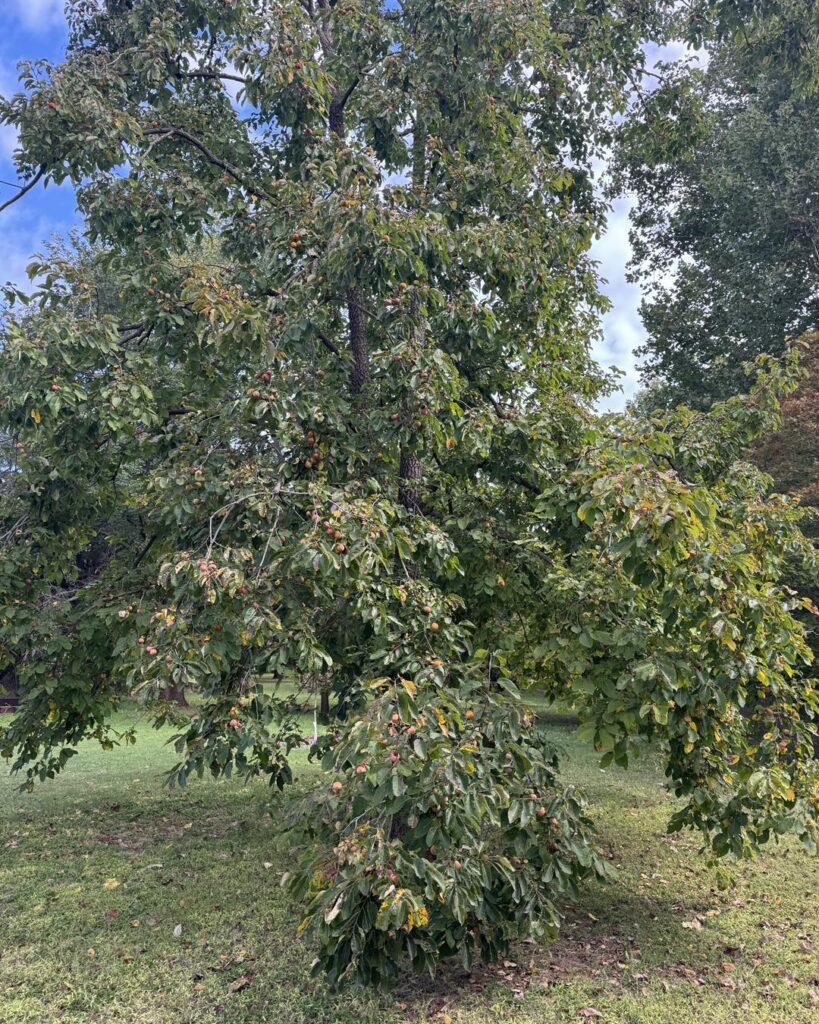
American persimmon is native to a wide swath of the continental U.S. and tolerates Zone 5 conditions far better than its Asian cousin, which needs a warmer climate.
Per Iowa Source’s coverage of regional backyard orcharding, persimmons are among the recommended late-flowering trees for Zone 5, since blooming after the last frost protects the crop from cold snaps. Fruit ripens soft and sweet after the first autumn frost.
11. Pawpaw Trees
Pawpaw might be the most surprising entry on this list for gardeners unfamiliar with native fruit.
It is recommended specifically for Zone 5 backyard orchards because it flowers late in spring, sidestepping the late-frost risk that threatens apricots and peaches. The custard-like fruit tastes like a cross between banana and mango.
Grafted pawpaw trees typically begin bearing fruit three to five years after planting. Plant at least two genetically different trees, since pawpaws require cross-pollination.
12. Asian Pear Trees
Asian pears, prized for their crisp, apple-like texture, are another late-flowering option well suited to Zone 5’s frost-prone springs.
They need a compatible pollination partner, ideally another Asian pear or a suitable European variety. Choose cultivars specifically marketed as cold-hardy, since not all Asian pear varieties handle Zone 5 winters equally well.
13. Mulberry Trees
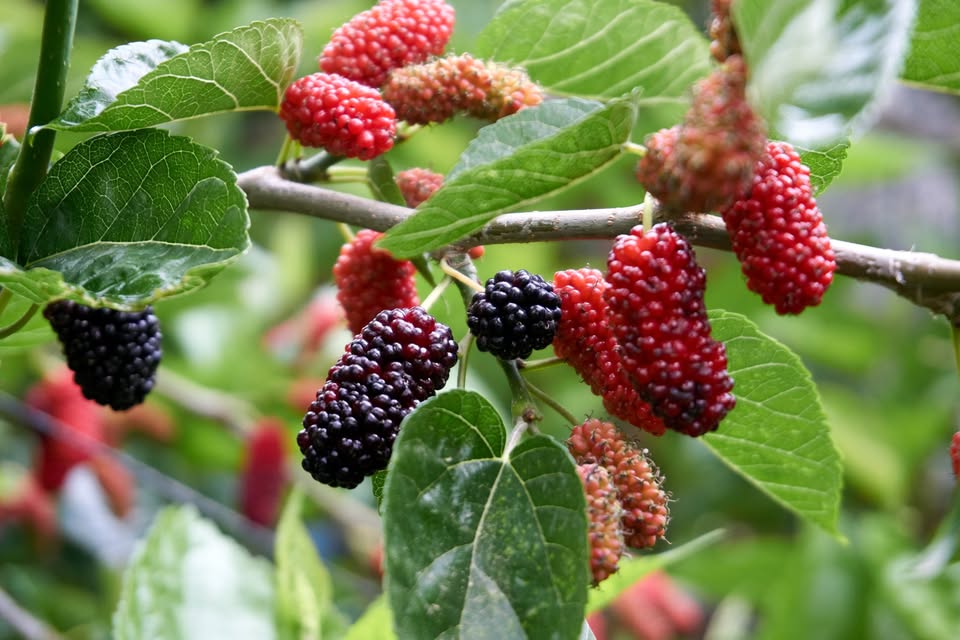
Mulberries are about as low-maintenance as fruit trees get, and the Illinois Everbearing cultivar handles Zone 5 cold with ease.
The tree tolerates poor soil and drought once established, and produces an extended harvest of elongated, blackberry-like fruit through much of summer. It is a smart, nearly hands-off choice for a backyard corner.
14. Hardy Hybrid Chestnut Trees
Not everyone thinks of chestnuts as a fruit tree, but they belong on any serious Zone 5 backyard orchard list.
Cold-hardy hybrid chestnuts perform well across the region and provide a harvest that stores far longer than most soft fruits. They also tolerate Zone 5 winters without the frost anxiety that plagues stone fruit.
15. Cold-Hardy Fig Trees (Container-Grown)
Figs are not naturally suited to Zone 5’s open ground, but cold-hardy cultivars like Chicago Hardy can still succeed with the right approach.
Growing figs in containers and moving them into an unheated garage or basement for winter is the most reliable strategy here. Even gardeners who cannot leave a fig outdoors year-round can still enjoy a late-summer harvest.
16. Haskap (Honeyberry) Trees and Shrubs
Haskap, also called honeyberry, is arguably the most cold-tolerant fruiting plant a Zone 5 gardener can grow.
These shrubby plants survive temperatures down to roughly -55°F and are the earliest-ripening fruit crop in North America, often ready in late May, weeks before strawberries. They need almost no winter protection whatsoever.
Plant at least two genetically distinct, bloom-matched cultivars within 30 feet of each other, since a single haskap variety cannot pollinate itself. The reward is a fruit that tastes like a cross between blueberry and raspberry.
17. Saskatoon (Serviceberry) Trees
Saskatoon, also known as serviceberry or juneberry, rounds out this list as one of the toughest, most reliable small trees for Zone 5.
It tolerates partial shade, a wide range of soils, and severe cold without complaint. The berries, similar in size and flavor to blueberries, are excellent fresh, baked, or dried, and the tree offers strong fall color as a bonus.
ALSO READ: 20 Best Fruit Trees for Zone 6 (Identification, With Details)
Quick Comparison: Cold Hardiness and Pollination
| Fruit Tree | Cold Hardiness | Pollination Need |
| Cold-hardy apple | Zone 3–4 varieties available | Needs partner |
| Tart cherry (Montmorency) | Zone 4 | Self-fertile |
| Hybrid plum | Zone 3–4 | Needs partner |
| Haskap (honeyberry) | Down to -55°F | Needs partner |
| Pawpaw | Zone 5–8 | Needs partner |
| American persimmon | Zone 4–9 | Often needs partner |
| Peach (Reliance) | Zone 4 | Mostly self-fertile |
Hardiness ratings vary by exact cultivar. Confirm figures with a local extension office before planting.
Understanding Zone 5 Before You Plant
A little context makes every choice on this list easier to understand.
The USDA Plant Hardiness Zone Map, produced by the Agricultural Research Service, sorts the country into zones based on average annual extreme minimum winter temperature. Zone 5 sits at -20°F to -10°F, one full band colder than Zone 6.
That gap matters more than it sounds. A tree rated for Zone 6 can suffer severe trunk and bud damage, or die outright, in its first Zone 5 winter. Always confirm a variety’s hardiness rating before buying.
Bloom timing is the other hidden risk. Fruit trees that flower early, apricots, tart cherries, and some plums, are especially vulnerable to late spring frosts that can wipe out an entire year’s crop, even on a perfectly hardy tree.
Choosing the right cultivar, not just the right species, is what separates a productive Zone 5 orchard from a disappointing one..
Planting Tips for Zone 5 Growers
A handful of habits make the biggest difference between a struggling tree and a productive one.
Choose cultivars, not just species. A “peach tree” can range from Zone 4 hardy to barely surviving Zone 7. The variety name matters as much as the fruit type.
Favor late-blooming trees where possible. Pawpaw, persimmon, and Asian pear flower later in spring, dodging the frost damage that regularly hits apricots and early peaches.
Plant on a slope, not in a hollow. Cold air sinks. A backyard low spot can run several degrees colder overnight than higher ground just a few yards away.
Mulch and wrap young trunks. First and second-winter trees are the most vulnerable to bark splitting and rodent damage in Zone 5 cold.
Give hybrid varieties a partner. Many Zone 5-bred plums, apricots, and apples are self-unfruitful. Skipping a second variety is the most common reason a healthy tree never sets fruit.
ALSO READ: 7 Best Homemade Pesticides for Fruit Trees: Organic Recipes That Actually Work
Frequently Asked Questions
What is the easiest fruit tree to grow in Zone 5? Tart cherry, especially Montmorency, is widely considered the most forgiving option. It is self-fertile, disease-resistant, and reliably cold-hardy.
Can peach trees survive Zone 5 winters? Yes, but only with hardy cultivars like Reliance or Contender, planted in a sheltered, elevated, sunny spot away from cold air pockets.
How many years until a Zone 5 fruit tree produces fruit? It depends on the species. Cherries can fruit within one to two years, while apples and pears typically need three to five years to reach full production.
Do I need two trees for pollination in Zone 5? Often, yes. Most apples, pears, hybrid plums, apricots, and haskap require a second compatible variety nearby. Tart cherries and Reliance peaches are common self-fertile exceptions.
Final Thoughts
Zone 5 asks more of a gardener than warmer regions do, but I would argue that makes a successful harvest even more satisfying.
Start with a tart cherry and a cold-hardy apple pair. Both are proven, well-documented performers with decades of university breeding behind them. Once those establish, branch into pawpaw, haskap, or a hybrid plum for variety.
A well-planned Zone 5 orchard, matched to the right cultivars and sited thoughtfully, can produce fresh fruit from late May honeyberries through October persimmons.
References
- USDA Agricultural Research Service. USDA Plant Hardiness Zone Map. https://planthardiness.ars.usda.gov/
- University of Minnesota Extension. Growing Stone Fruits in the Home Garden. https://extension.umn.edu/fruit/growing-stone-fruits-home-garden
- University of Minnesota, Minnesota Hardy. Cherries: University of Minnesota Cherry Varieties. https://mnhardy.umn.edu/cherries
- Iowa State University Extension and Outreach. Yard and Garden: Select Cold Hardy Fruit Tree Cultivars. https://www.extension.iastate.edu/news/yard-and-garden-select-cold-hardy-fruit-tree-cultivars
- Iowa State University Extension and Outreach. Backyard Orchards Require Planning Ahead. https://www.extension.iastate.edu/news/2008/feb/071101.htm
- West Virginia University Extension. Fruit Tree Chilling Requirements. https://extension.wvu.edu/lawn-gardening-pests/plant-disease/fruit-vegetable-diseases/fruit-tree-chilling
- Clemson University Home & Garden Information Center. Understanding Chill Hours for Fruit and Nut Trees. https://hgic.clemson.edu/factsheet/understanding-chill-hours-for-fruit-and-nut-trees-in-south-carolina/

Tim M Dave is a gardening expert with a passion for houseplants, particularly cacti and succulents. With a degree in plant biology from the University of California, Berkeley, he has vast experience in gardening. Over the years, he has cultivated a vast collection of desert plants and learned a great deal about how to grow and care for these unique companions.