20 Best Fruit Trees for Zone 6 (Identification, With Details)
If you garden in USDA Hardiness Zone 6, you are sitting on one of the most fruit-friendly zones in the country. I have talked to enough home growers to know the same question always comes up: “What can I actually plant here that will survive winter and still give me fruit?”
The honest answer is: a lot more than most people assume.
Zone 6 stretches across 38 states, running from southern New England down through Ohio, brushing the Texas panhandle, and curving up through New Mexico, Utah, Nevada, and into eastern Oregon and Washington. That is an enormous, diverse footprint.
Winters here are real. Average annual minimum temperatures fall between -10°F and 0°F, split into subzones 6a and 6b. But summers are warm enough, and the growing season long enough, to support apples, peaches, pears, cherries, figs, and even a few surprising choices like pawpaws and jujubes.
This guide walks through 20 fruit trees proven to grow in Zone 6, what makes each one worth planting, and important details, like chill hours and pollination needs, that decide whether a tree merely survives or actually produces fruit.
1. Apple Trees
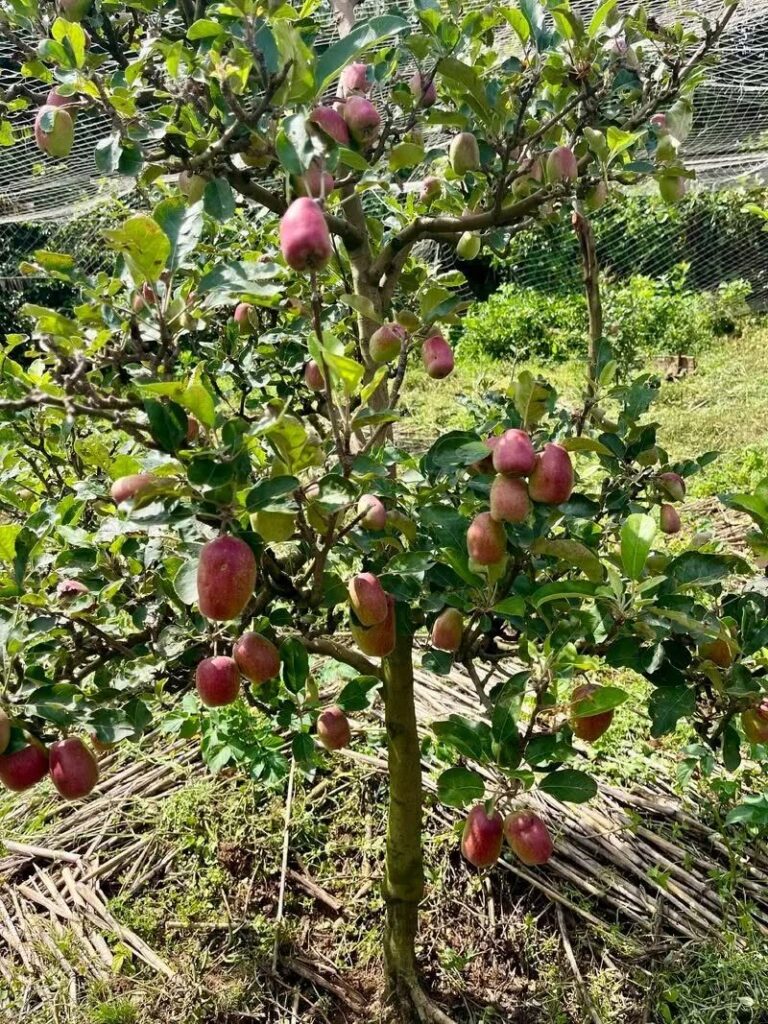
Apples are the safest bet in Zone 6, and there is a reason nurseries stock dozens of varieties for this zone alone.
Honeycrisp, Fuji, and Gala are excellent for fresh eating and grow reliably here. Granny Smith works well if you bake often, since its tartness holds up in pies.
Apples need winter chilling to flower properly, which Zone 6 provides in abundance. Most varieties also need a second apple variety nearby for cross-pollination, so plant at least two.
I always tell first-time growers to start with apples. They are the most forgiving fruit tree for a Zone 6 beginner, and the payoff, a tree loaded with fruit by year three or four, is genuinely satisfying.
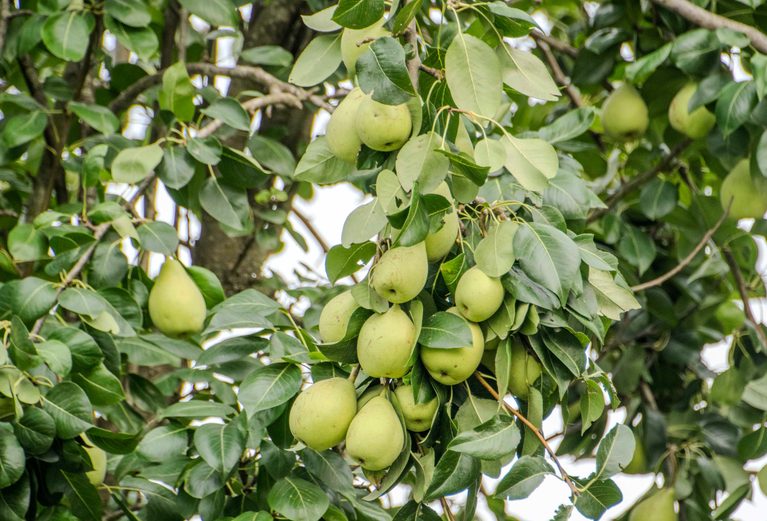
2. Pear Trees
Pears are underrated. Bartlett and Bosc varieties handle Zone 6 winters without complaint and are less fussy about soil than apples.
Pears also tend to have fewer pest problems than stone fruits. If you want an orchard tree that requires less spraying and less worry, this is it.
Plant two different pear varieties for pollination, spaced about 15 to 20 feet apart.
3. Peach Trees
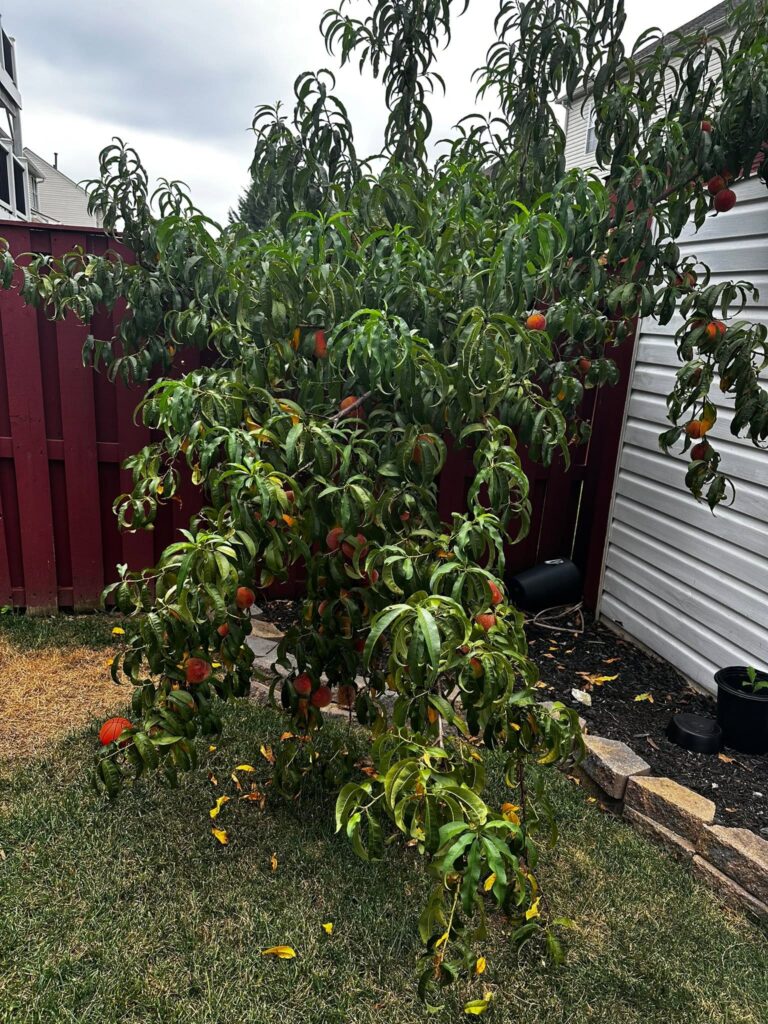
Peaches can absolutely thrive in Zone 6, but placement is everything.
Per Simply Trees’ Zone 6 growing guide, peach trees bloom early in spring, which means late frosts can damage the flowers before fruit ever sets. Plant them on a slope or elevated spot where cold air drains away, never in a low pocket of the yard.
Full sun and good airflow are non-negotiable. Get those two things right, and a Zone 6 peach tree rewards you with fruit that easily outclasses anything from a grocery store.
4. Plum Trees
Plums are one of the easier stone fruits for Zone 6 gardeners. Japanese varieties like Santa Rosa are popular for their reliability and flavor.
European plum varieties, including Damson, also handle Zone 6 cold well and often need less pampering than peaches.
Most plums benefit from a pollination partner, though a few self-fertile varieties exist if space is tight.
5. Sweet Cherry Trees
Sweet cherries have a reputation for being fussy, but modern self-pollinating varieties changed that.
The Lapins cherry, a self-fertile variety, can produce 15 to 20 gallons of fruit at full maturity and, notably, can fruit in its very first year, according to fast-growing-trees.com.
That is a fast payoff by fruit tree standards. Give it full sun and well-drained soil, and it earns its space quickly.
6. Tart Cherry Trees
If sweet cherries feel like too much of a gamble, tart cherries are the low-stress alternative.
Montmorency, the classic pie cherry, is self-fertile, more cold-tolerant than sweet cherry varieties, and less demanding overall. It is also smaller at maturity, which suits compact yards.
I think tart cherries deserve more attention than they get. They are essentially a “plant it and forget it” fruit tree once established.
7. Apricot Trees
Apricots grow in Zone 6, but they bloom even earlier than peaches, which puts them at the highest frost risk on this list.
Plant apricots against a south-facing wall or in a sheltered microclimate to buy a few extra degrees of protection during a cold snap. When the bloom survives, the payoff is fruit with a short but glorious harvest window in early summer.
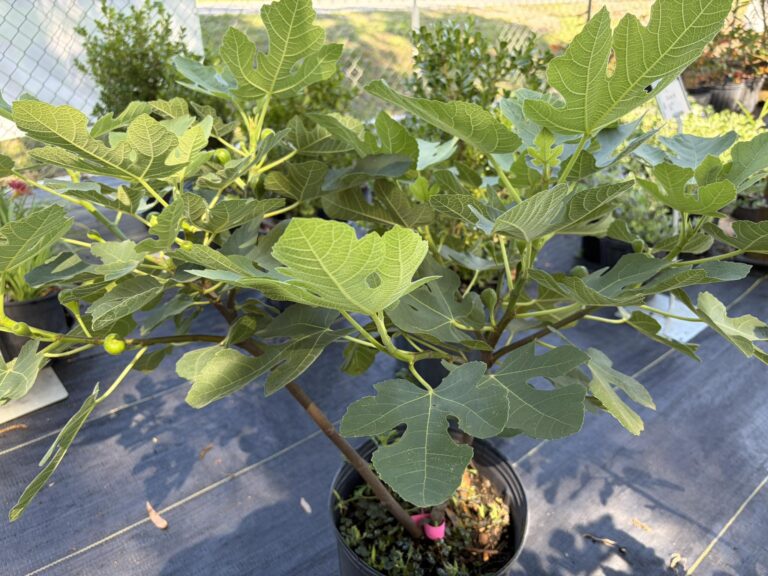
8. Fig Trees
Figs surprise most Zone 6 gardeners, since they are usually associated with warmer climates.
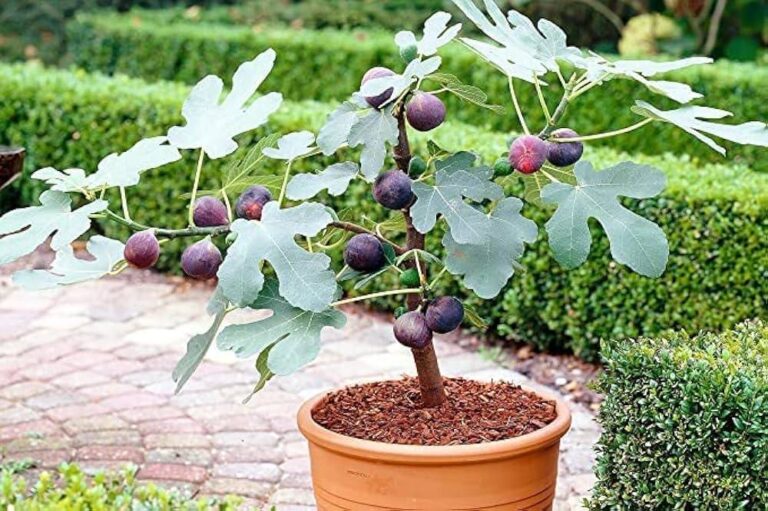
Cold-hardy cultivars like Chicago Hardy and Brown Turkey can survive Zone 6 winters, especially when planted against a protected wall or wrapped for winter. Even if the top growth dies back in a hard freeze, the roots often resprout and still produce a fall crop.
Container growing is another option. Move the pot into an unheated garage once temperatures drop, and figs become nearly foolproof.
9. Pawpaw Trees
Pawpaw is North America’s largest native fruit, and it happens to be perfectly suited to Zone 6.
Per University of Florida IFAS Extension, pawpaw is native to USDA Zones 5 through 8, so Zone 6 sits right in its comfort range. The fruit tastes like a cross between banana and mango, wrapped in custard-like flesh.
According to the University of Missouri Center for Agroforestry, grafted pawpaw trees typically begin producing fruit three to four years after planting, with full production reached in years five to seven. Plant at least two different varieties, since pawpaws need cross-pollination.
I find pawpaw one of the more exciting trees on this list simply because so few home growers know about it. It is a genuine conversation piece in the yard, and the fruit is not something you can casually buy at a supermarket.
10. American Persimmon Trees
American persimmon is tough, cold-hardy, and criminally underplanted.
Unlike the Asian varieties that need warmer zones, the American type handles Zone 6 winters without protection. Fruit ripens after the first frost, turning sweet and almost date-like in flavor.
Most persimmons need a male and female tree for fruit, though a few self-fertile cultivars exist. Ask your local extension office which varieties fruit reliably in your specific county.
11. Mulberry Trees
Mulberries are about as low-maintenance as fruit trees come. They tolerate poor soil, drought, and Zone 6 winters without much fuss.
Illinois Everbearing is a popular cold-hardy cultivar known for heavy, extended fruiting. The berries resemble elongated blackberries and are excellent fresh, baked, or dried.
One caution: mature mulberries can drop a lot of fruit, which stains patios and driveways. Plant them somewhere that mess is not a problem.
12. Quince Trees
Quince is not eaten raw, but cooked into jams, jellies, and pastes, it develops a floral flavor that apples and pears simply do not have.
The tree is compact, cold-hardy for Zone 6, and often self-fertile, so a single tree can produce fruit. It is a good pick if space is limited but you still want something distinctive.
13. Nectarine Trees
Nectarines are essentially fuzz-free peaches, and they share the same Zone 6 requirements: full sun, good drainage, and frost protection during bloom.
They are slightly more disease-prone than peaches in humid climates, so good airflow around the canopy matters even more here.
14. Asian Pear Trees
Asian pears, sometimes called apple-pears, have a crisp, juicy texture closer to an apple than a European pear.
They grow well in Zone 6 and need a pollination partner, ideally another Asian pear variety or a compatible European pear. The trees are also strikingly ornamental in spring bloom.
15. European (Damson) Plum Trees
Damson plums deserve a separate mention from Japanese plums because they are tougher, tarter, and better suited to preserving.
They handle Zone 6 cold reliably and are frequently used for jams and traditional English-style plum recipes. If you want a plum specifically for cooking rather than fresh eating, this is the one.
16. Jujube Trees
Jujube, also called Chinese date, is one of the more drought-tolerant and pest-resistant fruit trees you can plant in Zone 6.
It tolerates poor soil, needs minimal spraying, and produces small, apple-like fruit that turns sweet and wrinkled, similar to a date, as it dries on the tree. It is a low-effort choice for gardeners who want fruit without constant maintenance.
17. Medlar Trees
Medlar is a genuinely old-fashioned fruit, popular in medieval Europe and nearly forgotten today.
The fruit needs to “blet,” a controlled soft rotting process, before it becomes edible, developing a flavor often compared to spiced applesauce. It is cold-hardy through Zone 6 and makes an attractive, small ornamental tree even before you consider the fruit.
18. Cornelian Cherry (Cornus mas)
Technically a dogwood, not a true cherry, Cornelian cherry produces tart, cherry-like fruit used in preserves and syrups across Eastern Europe.
It is extremely cold-hardy, tolerates a wide range of soils, and blooms with cheerful yellow flowers in very early spring, often before anything else in the yard.
19. Serviceberry (Juneberry)
Serviceberry is a small tree or large shrub, depending on the variety, and it is one of the easiest fruiting plants for Zone 6.
The berries taste like a cross between blueberry and almond, and the tree tolerates shade better than most fruit trees on this list. It also offers strong fall color, so it pulls double duty as a landscape plant.
20. Edible Crabapple Trees
Not all crabapples are purely ornamental. Certain varieties produce fruit large and sweet enough for jelly, cider, and even fresh eating once fully ripe.
Crabapples are exceptionally cold-hardy, need little care, and often serve as reliable pollination partners for standard apple trees, which makes them a smart addition even in a small orchard.
Quick Comparison: Chill Hours and Pollination Needs
| Fruit Tree | Approx. Chill Hours Needed | Pollination |
| Apple | 400–1,000 | Needs partner |
| Pear | 400–800 | Needs partner |
| Peach | 400–950 | Mostly self-fertile |
| Sweet Cherry (Lapins) | 400–700 | Self-fertile |
| Tart Cherry | 700–1,200 | Self-fertile |
| Pawpaw | Low, cold-hardy to Zone 5 | Needs partner |
| Fig | Very low | Self-fertile |
| Persimmon (American) | 400–600 | Often needs partner |
Chill hour ranges are approximate and vary by cultivar. Always confirm figures with your local extension office before purchasing.
What “Zone 6” Really Means for Fruit Trees
Before picking trees, it helps to understand what the zone number actually tells you.
The USDA Plant Hardiness Zone Map, maintained by the Agricultural Research Service, is based on the average annual extreme minimum winter temperature at a given location. It is not a guess. It is built from decades of climate data and updated periodically, most recently in 2023.
Cold hardiness is only the first filter, though. It tells you whether a tree’s wood and buds can survive your coldest nights. It does not tell you about summer heat, rainfall, frost timing, or something gardeners often overlook: chill hours.
Chill hours matter more than most beginners realize. Per West Virginia University Extension, this is the number of hours a tree spends in the 32°F to 50°F range while dormant. Fruit trees need this cold exposure to break dormancy properly and bloom on schedule.
Most temperate fruit species need 700 to 1,300 chill hours, though some low-chill apple varieties need as little as 400. Zone 6 typically delivers enough chilling for nearly every tree on this list, which is part of why this zone is so forgiving for home orchards.
ALSO READ: 15 Drought Resistant Fruit Trees: Identification and Growth Details
Planting Tips for Zone 6 Growers
A few things separate a thriving Zone 6 orchard from a struggling one.
- Plant in mid-spring. Per fast-growing-trees.com, mid-April is generally the safe outdoor planting window once hard frosts pass.
- Watch your microclimate. Even within Zone 6, a south-facing wall or a low frost pocket can shift effective conditions by a full zone in either direction.
- Match chill hours to your exact location. Zone 6a and 6b differ by only five degrees, but that gap can matter for marginal varieties like apricots and figs.
- Space for pollination. Many fruit trees need a second variety nearby. Skipping this step is the single most common reason a healthy-looking tree never fruits.
- Protect early bloomers. Peaches, apricots, and nectarines flower early. A frost cloth on a predicted cold night can save an entire season’s harvest.
Frequently Asked Questions
What is the easiest fruit tree to grow in Zone 6? Apples and pears are generally the most forgiving, tolerating a wide range of soils and requiring the least specialized care.
Can I grow figs in Zone 6 without winter protection? Cold-hardy cultivars like Chicago Hardy can survive with minimal protection, though wrapping the trunk or growing in a container improves reliability.
How many years until a Zone 6 fruit tree produces fruit? It varies by species. Dwarf apples can fruit in 2 to 3 years, while pawpaws typically take 3 to 7 years to reach full production.
Do all fruit trees in Zone 6 need a pollination partner? No. Figs, tart cherries, and most peach varieties are self-fertile. Apples, pears, and pawpaws generally need a second variety nearby.
Final Thoughts
Zone 6 is genuinely one of the better growing zones for a home orchard. I would go as far as saying it offers the widest realistic variety without demanding the extra winter protection that colder zones require.
Start with two or three trees you actually enjoy eating, apples and a stone fruit are a solid first pairing, then expand from there once you understand your yard’s specific microclimate. A well-planned Zone 6 orchard can keep you in fresh fruit from June through the first frost of fall.
References
- USDA Agricultural Research Service. USDA Plant Hardiness Zone Map. https://planthardiness.ars.usda.gov/
- Michigan State University Extension. Smart Gardening: Growing Backyard Fruit Trees. https://www.canr.msu.edu/home_gardening/uploads/files/Backyard-Fruit-Trees_2024-04-25-AA.pdf
- West Virginia University Extension. Fruit Tree Chilling Requirements. https://extension.wvu.edu/lawn-gardening-pests/plant-disease/fruit-vegetable-diseases/fruit-tree-chilling
- Clemson University Home & Garden Information Center. Understanding Chill Hours for Fruit and Nut Trees. https://hgic.clemson.edu/factsheet/understanding-chill-hours-for-fruit-and-nut-trees-in-south-carolina/
- University of Missouri Center for Agroforestry. Growing and Marketing Pawpaw in Missouri. https://extension.missouri.edu/media/wysiwyg/Extensiondata/Pub/pdf/agguides/agroforestry/af1021.pdf
- Utah State University Extension. TreeBrowser: Hardiness Zone 6 Catalog. https://extension.usu.edu/treebrowser/catalog/index-hardiness-zone-6
- Mississippi State University Extension. Chilling Hour Requirements of Fruit Crops. https://extension.msstate.edu/publications/chilling-hour-requirements-fruit-crops

Tim M Dave is a gardening expert with a passion for houseplants, particularly cacti and succulents. With a degree in plant biology from the University of California, Berkeley, he has vast experience in gardening. Over the years, he has cultivated a vast collection of desert plants and learned a great deal about how to grow and care for these unique companions.