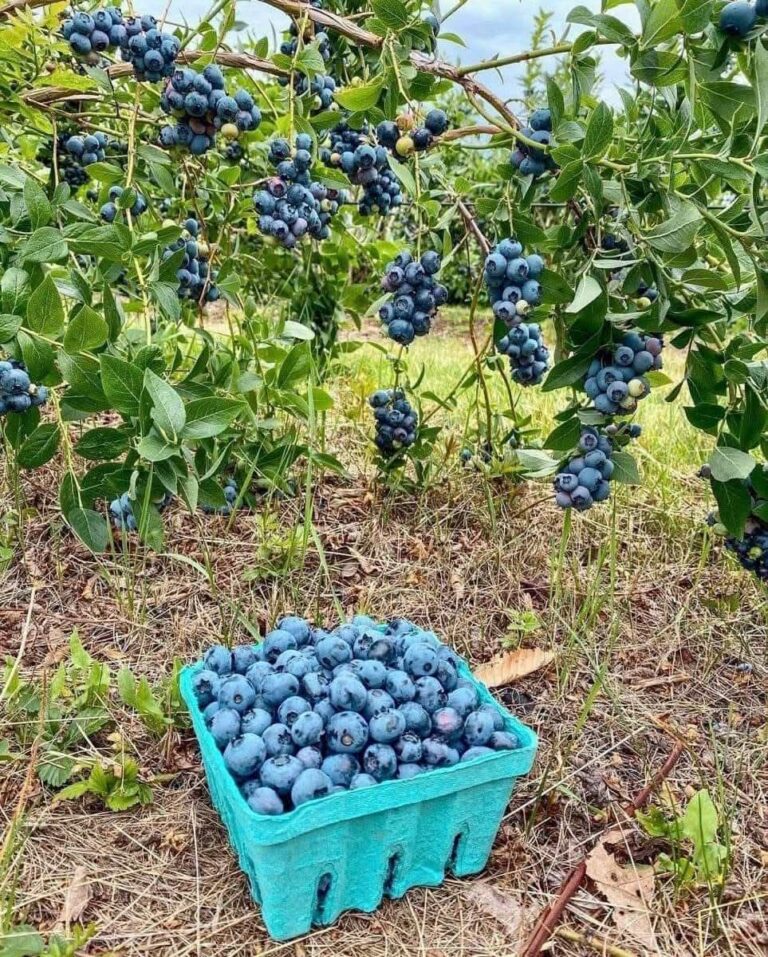
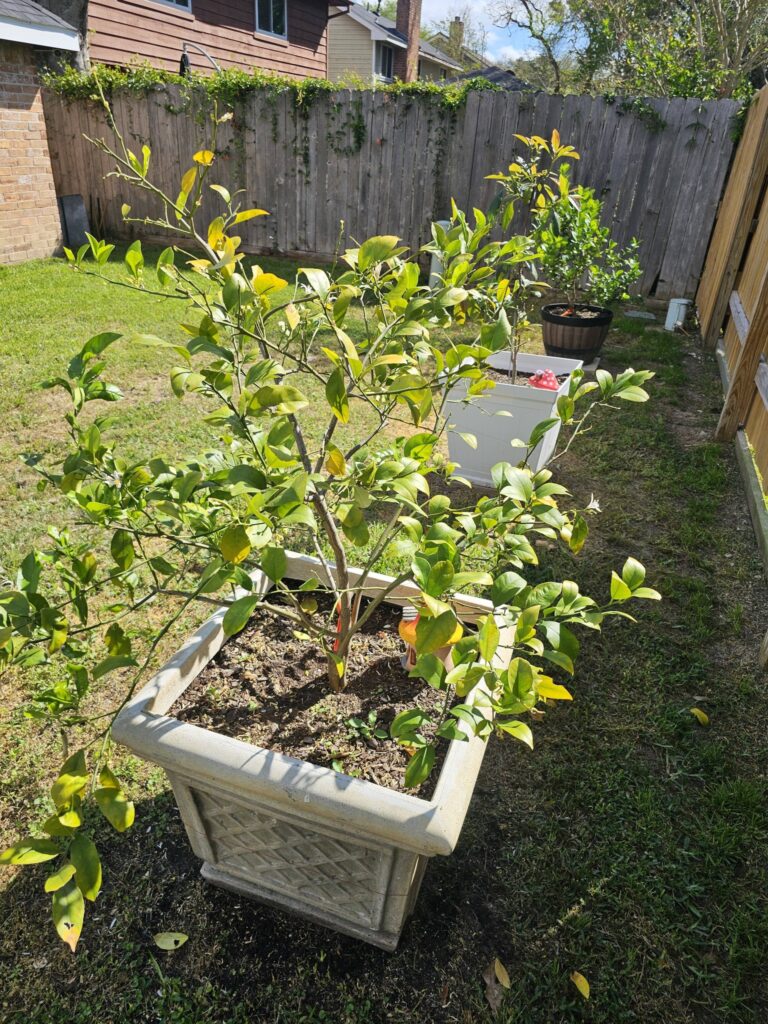
25 Fruit Trees That Grow in Shade (With Details Explained)
I will be honest from the start. No fruit tree thrives in deep, all-day shade. Most need at least six hours of direct sun to fruit well, and eight to ten hours is even better, according to University of Georgia Extension.
Still, a shady yard is not a lost cause. Many trees tolerate partial shade, meaning about three to six hours of direct sun, or bright dappled light. Some grow naturally under taller trees in the wild.
This guide covers 25 fruit trees that handle less light than the average orchard tree. I have included realistic notes on harvest, so you know what to expect before you plant.
What “Growing in Shade” Really Means
Shade comes in several kinds. Light shade means filtered sun under a thin canopy. Partial shade means three to six hours of direct sun. Full shade means less than three hours, and fruit trees rarely produce well there.
Shade usually changes two things: how well the tree grows and how much fruit it gives. Penn State Extension notes that most fruit plants need direct sun to power fruit production. A shade-tolerant tree will survive, but your harvest may be smaller.
Choosing the right species is the best way to improve your results. The trees below are grouped by climate, so you can find the best match for your garden.
Quick Tips Before You Plant
- Measure your sun. Check the spot at morning, noon, and late afternoon.
- Prune for light. Open the canopy so sunlight reaches the fruit.
- Feed and water well. Shaded trees compete with roots from larger neighbors.
- Be patient. Fruiting often takes longer in lower light.
Temperate-Climate Fruit Trees for Shade
1. Pawpaw (Asimina triloba)
Pawpaw is my first choice for shady gardens. It is a native North American understory tree, so it evolved under taller forest trees. The fruit tastes creamy and tropical, often compared to banana and mango.
Young pawpaws actually prefer partial shade. University of Georgia Extension notes that mature trees like more sun. The University of Florida describes the tree as shade tolerant, though growth is denser in sun.
Plant at least two different trees for cross-pollination. Expect fruit four to eight years after planting. Hardiness zones 5 to 9 suit it best.
2. Serviceberry (Amelanchier)
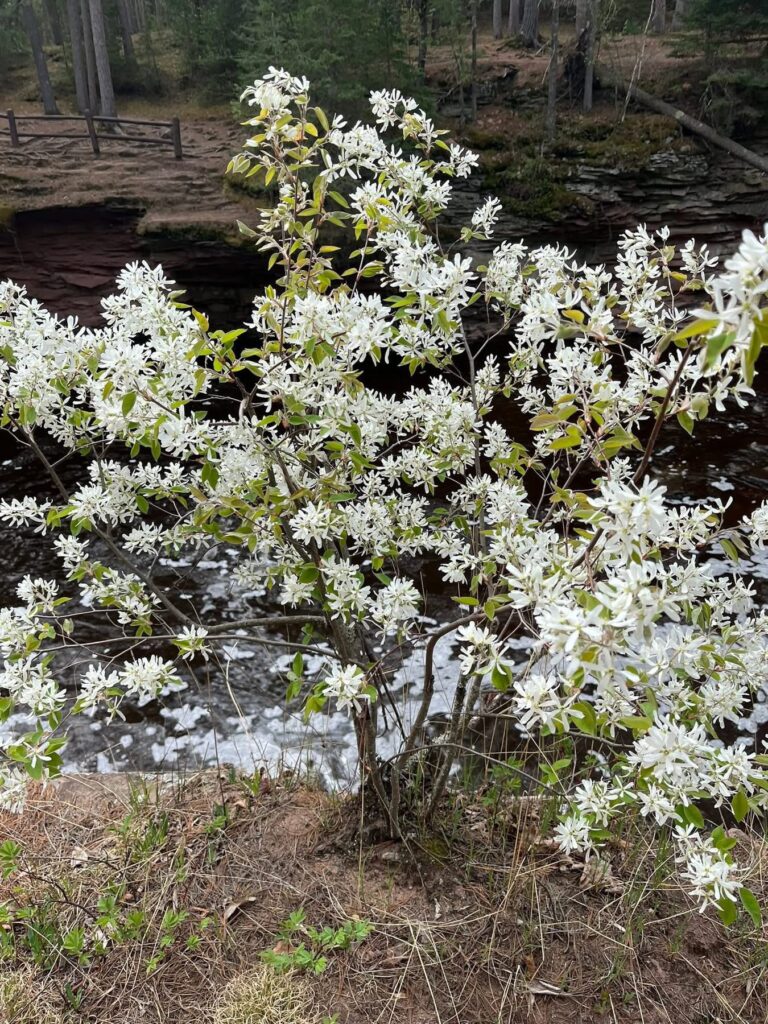
Serviceberry, also called juneberry, grows well in woodland edges and part shade. It gives you spring blossoms, summer berries, and bright fall color. That makes it useful in small gardens.
The berries look like blueberries and taste mildly sweet with an almond note. Birds love them too, so I suggest netting if you want a share. Many varieties are hardy in cold regions.
Fruit production is best with some morning sun. In heavier shade, you will still get leaves and flowers, but fewer berries.
3. Cornelian Cherry (Cornus mas)
Cornelian cherry is a tough, small tree from Europe and western Asia. It blooms in very early spring, often before many other plants wake up. The yellow flowers are a cheerful sight after winter.
It tolerates partial shade better than most true cherries. The red fruits are tart and are often turned into jam, syrup, or preserves. Fresh, they taste like a sour cherry.
The tree is slow to start but long-lived. Plant it in well-drained soil and give it room to spread.
4. Medlar (Mespilus germanica)
Medlar is an old European fruit tree that deserves more attention. It has pretty white spring flowers and a wide, gnarled shape. It handles light to partial shade in most gardens.
The fruit is eaten after “bletting,” a softening stage that happens after harvest. The flesh turns soft and sweet, with a taste like spiced apple sauce. It is unusual, and that is part of the charm.
Medlars are mostly self-fertile, so one tree is enough. They are happy in zones 5 to 8.
5. Mulberry (Morus)
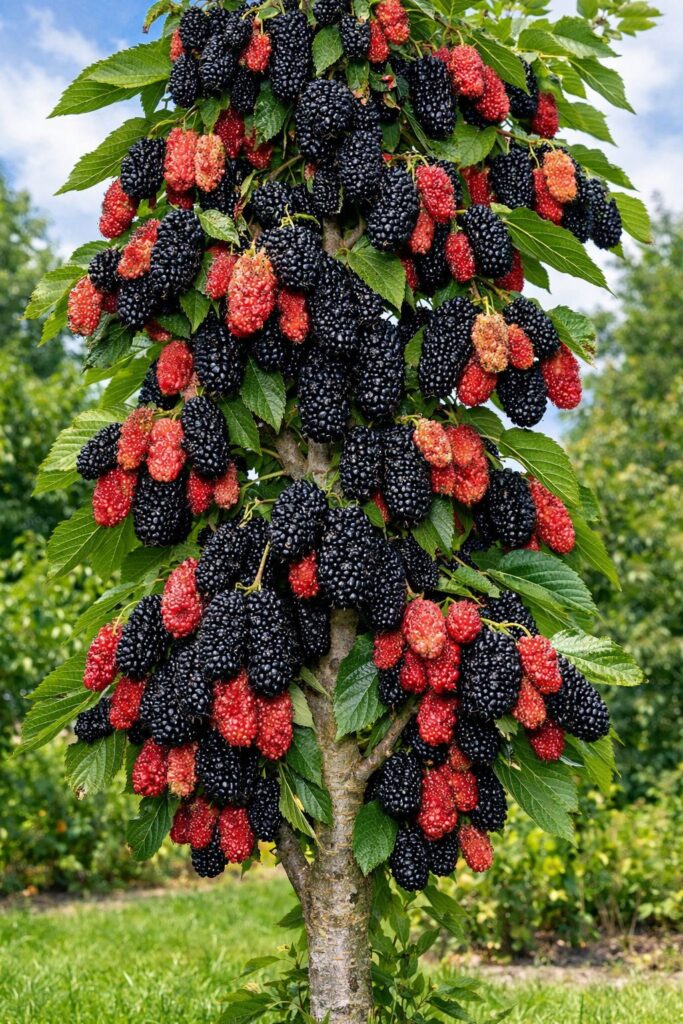
Mulberries are famously adaptable. They grow in many soils and tolerate some shade, though they produce more fruit in sun. In part shade, they still give a decent crop in many regions.
The berries are sweet, juicy, and easy to eat straight from the tree. They also make excellent jam and pies. Choose a named, fruiting variety rather than a seedling.
A warning from experience: fallen berries stain paths and patios. Do not plant one next to a driveway or a pale deck.
6. Morello Sour Cherry (Prunus cerasus)
Sweet cherries demand sun, but sour cherries are more forgiving. Morello types are among the more shade-tolerant cherries you can grow. They are also self-fertile, which makes planting easy.
The fruit is dark red and very tart. It is wonderful for pies, juice, and preserves. Many gardeners also find it less prone to splitting than sweet cherries.
Give it good air movement to limit disease. Even in part shade, you can expect a modest crop once the tree matures.
7. Crabapple (Malus)
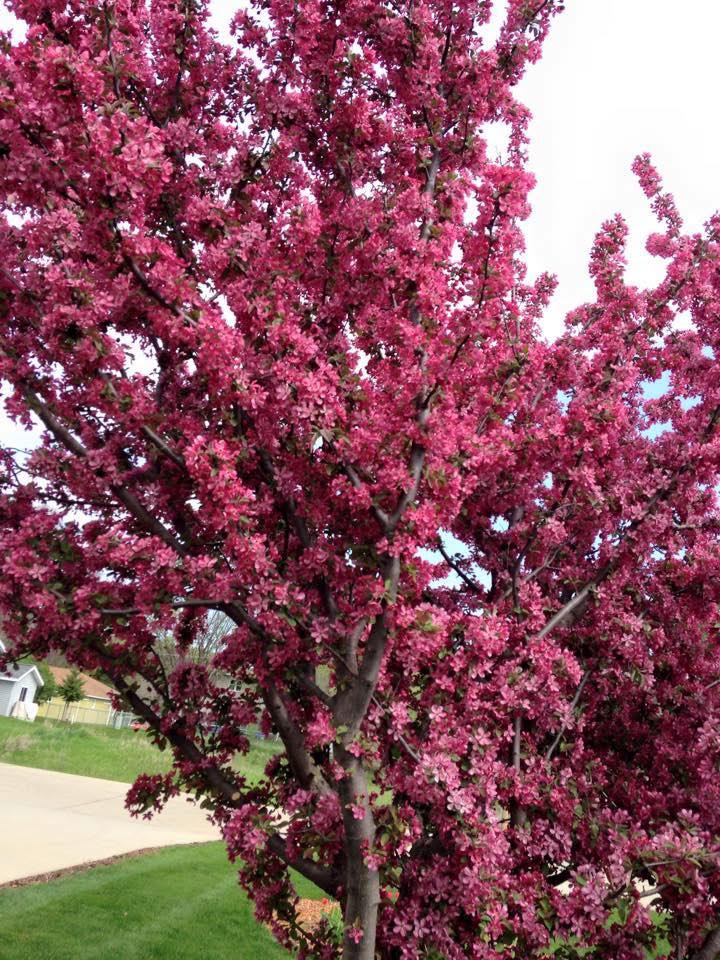
Crabapples are small, tough, and decorative. Many fruiting varieties tolerate light shade, though flowering and fruiting improve with more sun. They are a good choice for borders and small yards.
The fruit is small and tart. It is excellent for jelly, cider blends, and sauces. Some varieties, like ‘Dolgo’, are grown specifically for kitchen use.
Crabapples also help pollinate regular apple trees nearby. That is a useful bonus if you have a small orchard.
8. American Plum (Prunus americana)
American plum grows wild along woodland edges and in thickets across North America. That gives it a natural tolerance for partial shade. It is hardy and low-maintenance.
The fruit is small, with tangy skin and sweet flesh. I find it best cooked into jam or sauces. Birds and wildlife also enjoy it.
Plant more than one tree to improve pollination. It spreads by suckers, so give it space or manage the shoots.
9. Mayhaw (Crataegus)
Mayhaws are hawthorn relatives native to the southern United States. They grow naturally in wet lowlands and under taller trees. That makes them good for damp, partly shaded spots.
The small red berries are used almost entirely for jelly. Mayhaw jelly is a regional treat in places like Louisiana and Georgia. The flavor is rich and slightly floral.
They tolerate poorly drained soil better than most fruit trees. If you have a wet, half-shaded corner, this tree is worth a look.
10. Chokecherry (Prunus virginiana)
Chokecherry is a hardy native that grows well at woodland edges. It handles partial shade and cold winters. It also supports birds and pollinators.
The name comes from the astringent taste of raw fruit. Cooked, however, the berries make fine jelly and syrup. Sugar softens the tartness well.
Remember that the seeds, leaves, and stems contain compounds that are harmful if eaten in quantity. Remove the pits before processing the fruit.
11. American Persimmon (Diospyros virginiana)
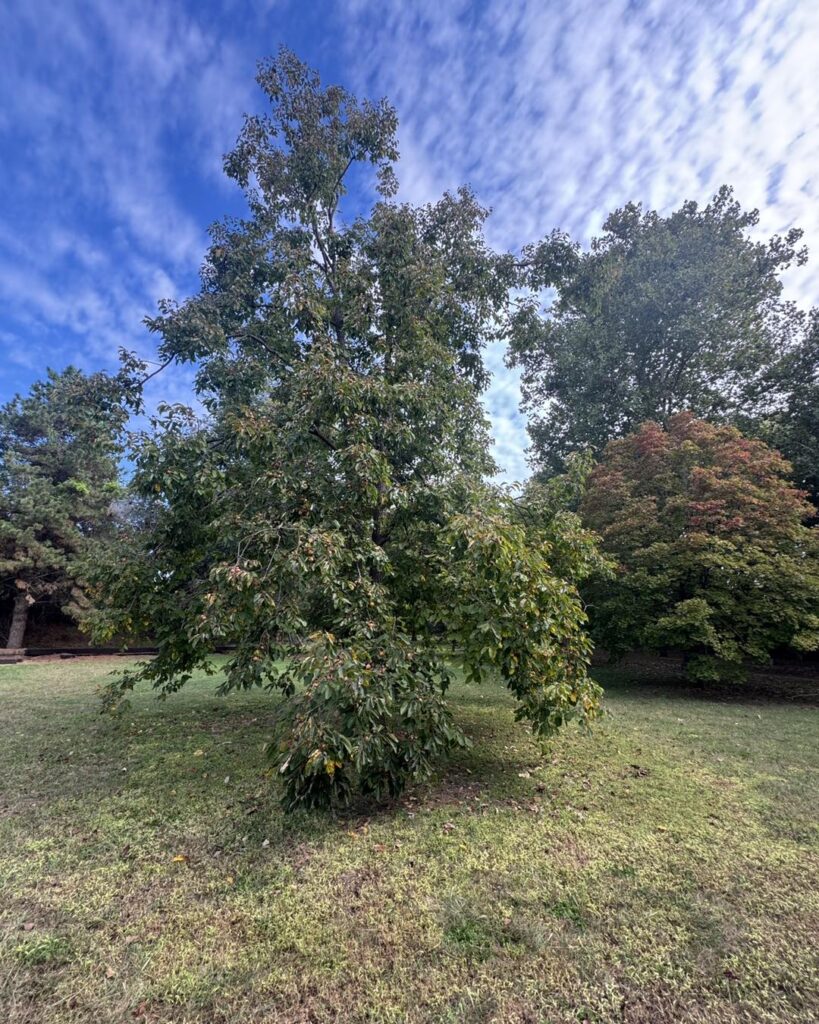
American persimmon is a native tree that tolerates some shade while fruiting best in sun. It is hardy, adaptable, and long-lived. Wild trees often appear along forest edges.
The fruit is sweet and honey-like, but only when fully ripe. Unripe persimmons are very astringent, so wait until they soften. A light frost often improves the flavor.
Some trees need a male and a female for fruit, so check the variety. Plan for patience, as young trees can take several years to bear.
Mediterranean and Subtropical Fruit Trees for Shade
12. Loquat (Eriobotrya japonica)
Loquat is an evergreen with large, glossy leaves. It copes well with partial shade, which makes it popular in city gardens. The tree is attractive all year.
The golden fruit ripens in late winter or spring. It tastes like a mix of apricot, peach, and citrus. It is best eaten fresh.
Loquats prefer mild climates and can be damaged by hard freezes. In the right region, they are reliable and easy.
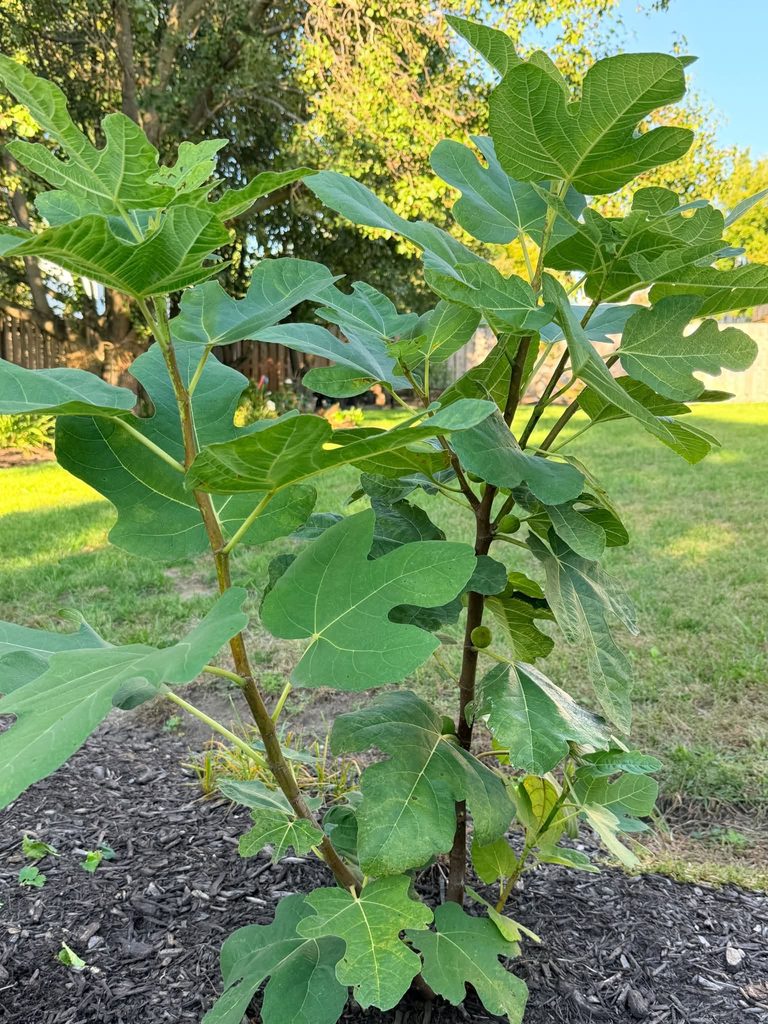
13. Fig (Ficus carica)
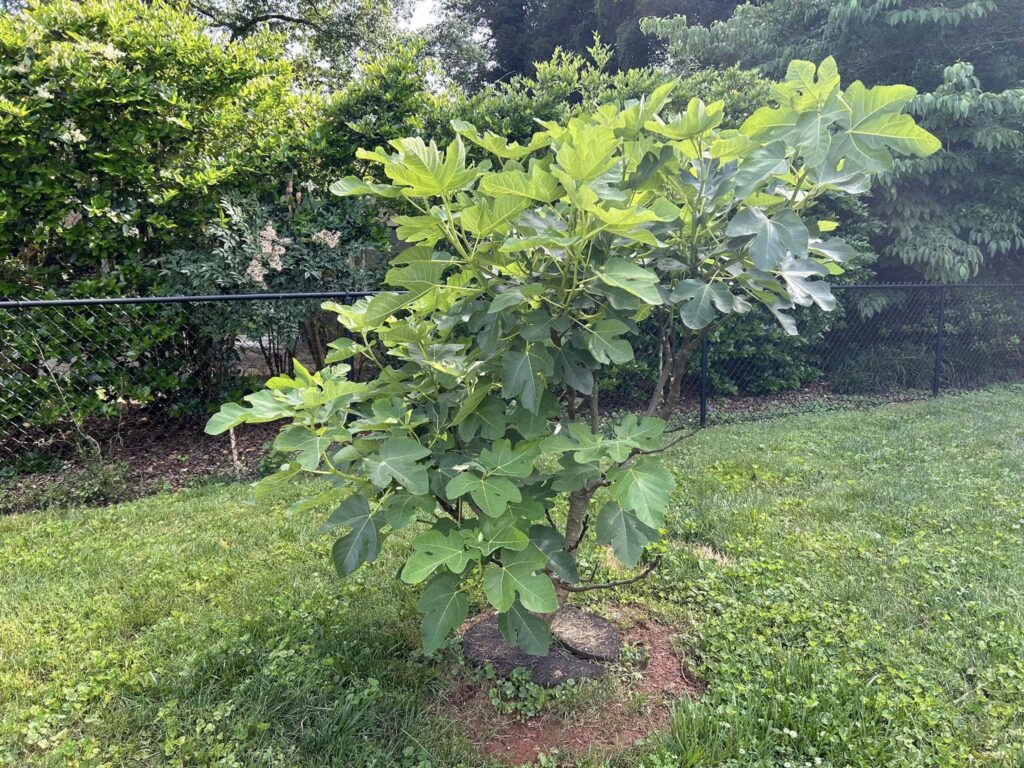
Figs love sun, but many varieties still fruit with half a day of light. In a shadier spot, the crop will be smaller and ripen later. The tree itself usually stays healthy.
Choose self-fertile varieties like ‘Brown Turkey’ or ‘Celeste’. They do not need a pollinator. Plant near a warm wall if you can, since it reflects heat.
Figs also do well in large containers. That lets you move them to catch the best light as seasons change.
14. Guava (Psidium guajava)
Guava is a vigorous tropical tree that tolerates light to partial shade. It prefers sun, but it adapts well and keeps growing in modest light. Fruit may be fewer under shade.
The fruit is fragrant, sweet, and rich in vitamin C. You can eat it fresh or turn it into juice and jam. Many people grow it for the aroma alone.
It is quick to establish and can fruit within a few years. Prune regularly to keep light reaching the inner branches.
15. Avocado (Persea americana)
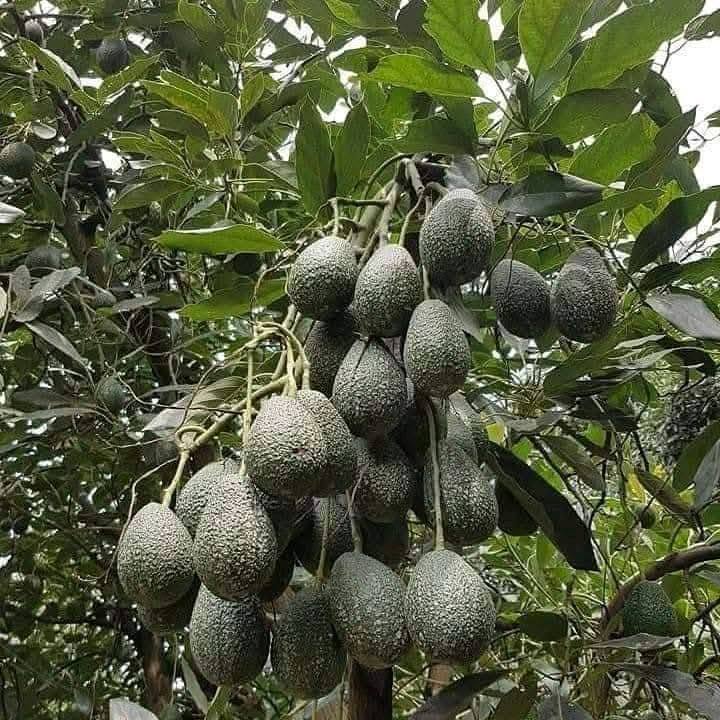
Avocados are not shade lovers, but young trees need protection from harsh sun. Many gardeners grow them under light shade for the first year or two. Mature trees then prefer more sun.
If your site is partly shaded, choose a dwarf or compact variety. Good drainage matters more than anything else for avocados. Wet roots cause serious problems.
Do not expect heavy yields in low light. Still, a young tree in dappled shade is a good way to start.
Citrus Trees That Tolerate Shade
16. Calamondin (Citrus × microcarpa)
Calamondin is one of the easiest citrus trees for shady spots. It tolerates partial shade and grows well in pots. It is also popular as an indoor plant.
The small orange fruits are very sour, like a mix of lime and mandarin. They are used in drinks, marinades, and marmalade. A few go a long way.
It produces fruit nearly year-round in warm climates. Water regularly and feed with a citrus fertilizer.
17. Kumquat (Citrus japonica)
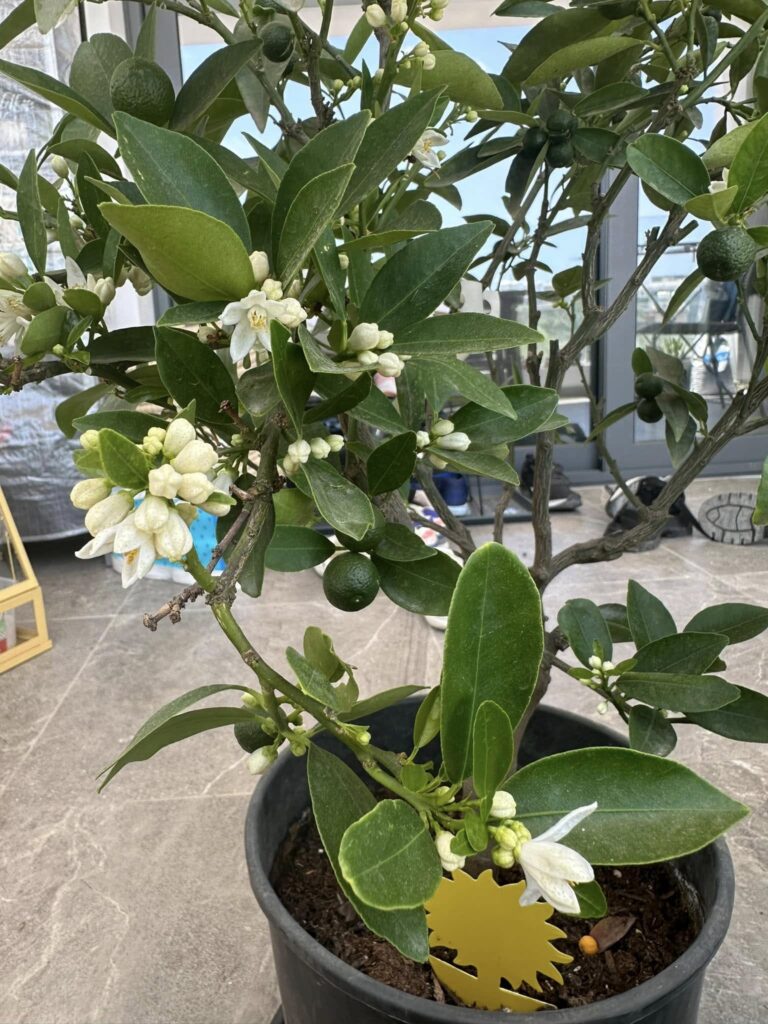
Kumquats are small, compact, and forgiving. They grow in bright partial shade and give a decent crop. They are also more cold-tolerant than many citrus trees.
The fruit is eaten whole, skin and all. The peel is sweet and the flesh is tart, which makes a lively contrast. I find them addictive.
Kumquats are slow-growing, so they suit small gardens and containers. They are also attractive, with glossy leaves and bright fruit.
18. Meyer Lemon (Citrus × meyeri)
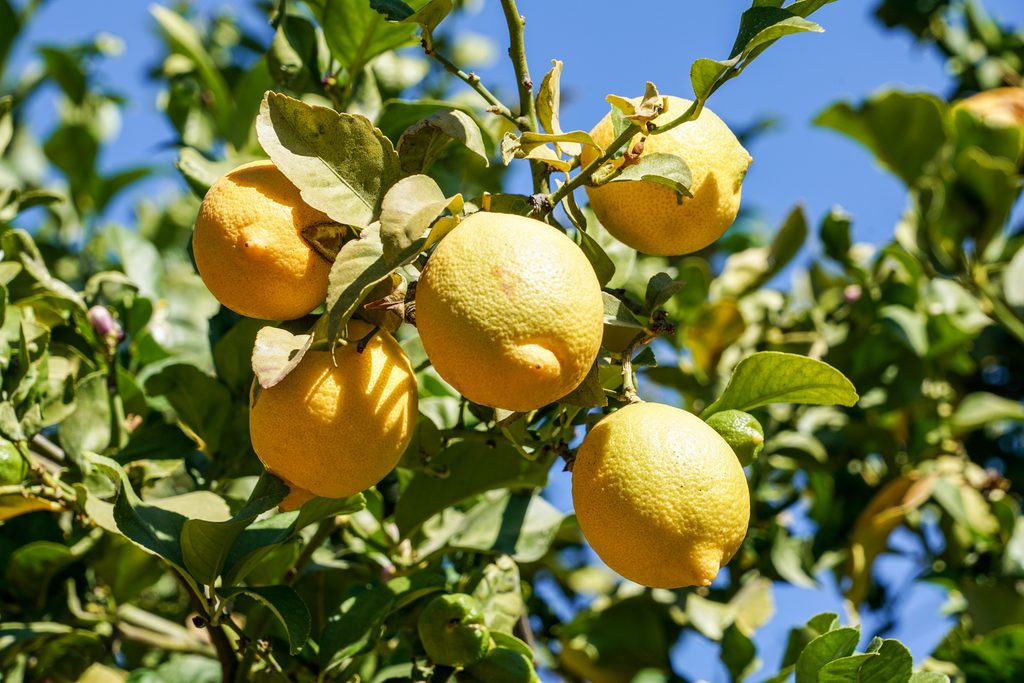
Meyer lemon is a hybrid that is gentler than true lemons. It can do well with morning sun and afternoon shade, especially in hot regions. Afternoon shade prevents leaf scorch.
The fruit is juicy, less acidic, and slightly sweet. It has a floral aroma that many cooks love. It is excellent in desserts and drinks.
Expect fewer lemons in low light. Even so, a partially shaded tree can still give a pleasing harvest.
19. Makrut Lime (Citrus hystrix)
Makrut lime, also called kaffir lime, grows well in filtered light. It is prized for its aromatic, double-lobed leaves. Many cooks value the leaves more than the fruit.
The leaves are essential in Thai, Lao, and Indonesian dishes. They add a bright citrus fragrance to soups and curries. A single tree can supply a household.
It is compact and suits pots. Protect it from cold, and keep the soil evenly moist.
Tropical Fruit Trees for Shade
20. Banana (Musa)
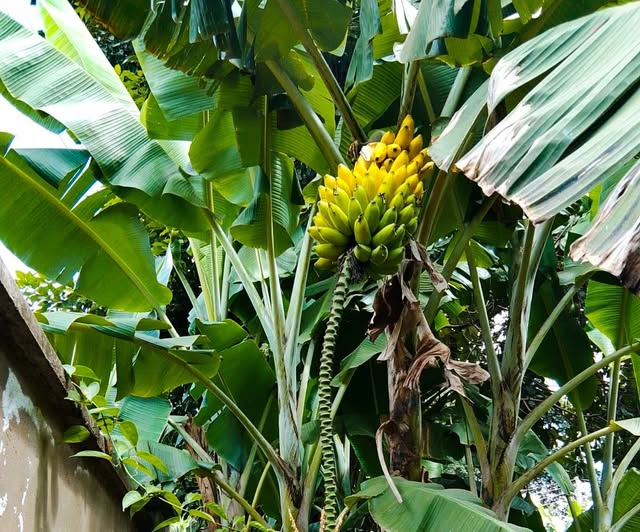
Strictly speaking, a banana is a giant herb, not a tree. Still, gardeners treat it as one, so it belongs here. Many varieties tolerate partial shade, especially in hot climates.
Fruiting is slower in shade, but the plant stays lush. Ensure plenty of water and rich soil. Bananas are heavy feeders.
Remove extra suckers so the main plant can fruit. A well-kept clump can give a steady supply of fruit.
21. Soursop (Annona muricata)
Soursop is a tropical tree that tolerates light shade, especially when young. It enjoys warmth, humidity, and rich soil. It is related to the pawpaw, which explains the similar creamy texture.
The large, spiny fruit has white, juicy flesh. The flavor mixes pineapple, strawberry, and citrus. It is popular in juices and ice cream.
Soursop needs a frost-free climate. Protect young trees from wind and keep the soil moist.
22. Surinam Cherry (Eugenia uniflora)
Surinam cherry, or pitanga, is a small tropical shrub-tree. It copes well with partial shade and can even be shaped into a hedge. That makes it practical for narrow spaces.
The ribbed fruit turns from orange to deep red. It has a sweet-tart, slightly resinous taste. Fully ripe fruit is the sweetest.
It grows slowly and does well in containers. Give it regular water and a mild climate.
23. Grumichama (Eugenia brasiliensis)
Grumichama is a Brazilian cherry that tolerates partial shade. It is naturally an understory plant in its home forests. The glossy leaves look attractive in any garden.
The dark purple fruit tastes like a sweet cherry with a hint of spice. It ripens in late spring in warm regions. Birds also love it.
It grows slowly, so patience is needed. Provide rich, moist soil and protection from cold.
24. Acerola (Malpighia emarginata)
Acerola, or Barbados cherry, prefers sun but accepts light shade. In a bright, partly shaded spot, it still grows and fruits. It is well known for its high vitamin C content.
The small red fruit is tart and juicy. It is used in drinks, jams, and supplements. Eat it fully ripe for the best taste.
It is a bushy, compact plant. That makes it easy to grow in a large pot.
25. Jabuticaba (Plinia cauliflora)
Jabuticaba is a striking Brazilian tree. The grape-like fruit grows directly on the trunk, which looks remarkable. It tolerates partial shade and is usually slow-growing.
The fruit tastes like a sweet grape with a thick skin. It is eaten fresh or made into wine and jelly. Fruit spoils quickly after picking, so enjoy it fast.
Give it acidic, moist soil and a lot of patience. Some seedlings take many years to fruit, but grafted plants are faster.
ALSO READ: 25 Fast Growing Fruit Trees (With Planting Details)
How to Get More Fruit From a Shady Spot
Even shade-tolerant trees need help. These simple steps can improve your results.
- Prune for sunlight. Thin crowded branches so light reaches the center of the tree.
- Trim nearby trees. Lifting a neighbor’s canopy can add an hour or two of sun.
- Choose dwarf rootstocks. Smaller trees fit better in tight spots.
- Use reflective surfaces. Light-colored walls bounce light onto the tree.
- Water and mulch. Roots from larger trees compete for moisture.
- Test your soil. North Carolina State Extension notes that most fruit trees prefer a soil pH of 6.0 to 6.5.
Also, avoid planting near black walnut trees. Penn State Extension warns that they release a natural compound, juglone, that can inhibit other plants.
Frequently Asked Questions
Can any fruit tree grow in full shade?
Not really. Some trees survive in deep shade, but they rarely fruit well. Aim for at least three to four hours of direct sun.
What is the most shade-tolerant fruit tree?
Pawpaw is widely regarded as one of the best, especially for young trees. Serviceberry and Cornelian cherry are also strong choices.
Which shady-spot fruits are easiest for beginners?
Mulberry, serviceberry, calamondin, and guava are forgiving. They adapt to many soils and need little care.
Final Thoughts
Shade limits your options, but it does not end your fruit-growing dreams. The key is to match the tree to your climate and your real light levels. Start with one or two species, and learn how they behave.
If I had to pick a first tree for a shady temperate garden, it would be pawpaw. For a warm region, I would try calamondin or loquat. Both give a lot of reward for modest effort.
Measure your light, choose carefully, and be patient. A shady corner can still become a productive, beautiful part of your garden.
References
- Penn State Extension. “Home Orchards: The Planting Site.” https://extension.psu.edu/home-orchards-the-planting-site
- University of Georgia, College of Agricultural and Environmental Sciences. “Plant Fruit Trees Now to Create a Home Orchard.” https://fieldreport.caes.uga.edu/plant-fruit-trees-now-to-create-a-home-orchard/
- North Carolina State Extension. “North Carolina Production Guide for Smaller Orchard Plantings.” https://content.ces.ncsu.edu/north-carolina-production-guide-for-smaller-orchard-plantings
- University of Tennessee Agricultural Extension Service. “Landscaping with Fruit & Nut Crops” (SP307-J). https://uthort.tennessee.edu/wp-content/uploads/sites/228/2023/11/SP307-J.pdf
- University of Florida IFAS. “Asimina triloba: Pawpaw” (Gilman and Watson). https://edis.ifas.ufl.edu/pdffiles/ST/ST08600.pdf
- USDA Forest Service, Fire Effects Information System. “Asimina triloba, pawpaw.” https://research.fs.usda.gov/feis/species-reviews/ASITRI
- USDA Forest Service, Northern Research Station. “Life History and Disturbance Response of Asimina triloba (Pawpaw).” https://www.fs.usda.gov/nrs/atlas/tree/resources/lhdr/lhdr_367.html

Tim M Dave is a gardening expert with a passion for houseplants, particularly cacti and succulents. With a degree in plant biology from the University of California, Berkeley, he has vast experience in gardening. Over the years, he has cultivated a vast collection of desert plants and learned a great deal about how to grow and care for these unique companions.