Chicago Hardy Fig Tree (Identification, With Growing Details)
When I first heard that figs could grow near Chicago, I did not believe it. Figs felt like a Mediterranean fruit, something for warm hillsides and stone walls. Then I tasted a fresh fig from a northern backyard. It was sweet, soft and warm from the sun.
That tree was a Chicago Hardy fig. It is the best-known fig for gardeners who face real winters. This guide explains what it is, how cold it can handle, and how to care for it year after year.
You will find clear steps for planting, feeding, pruning and winter protection. I have also included honest details about what can go wrong. Let’s begin.
What Is a Chicago Hardy Fig Tree?
The Chicago Hardy fig (Ficus carica ‘Chicago Hardy’) is a common fig variety bred for cold tolerance. University of Illinois Extension calls it the most cold-tolerant fig tree and says it performs well across Illinois. Gardeners also see it sold as “Hardy Chicago.”
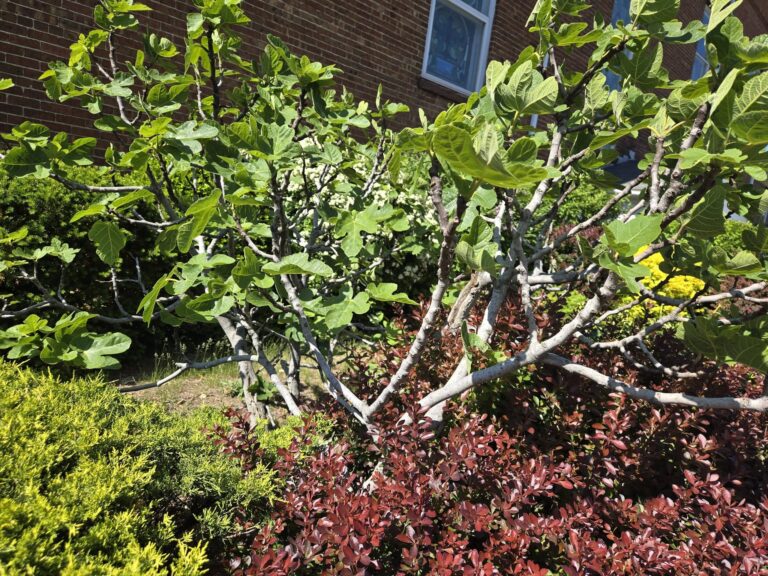
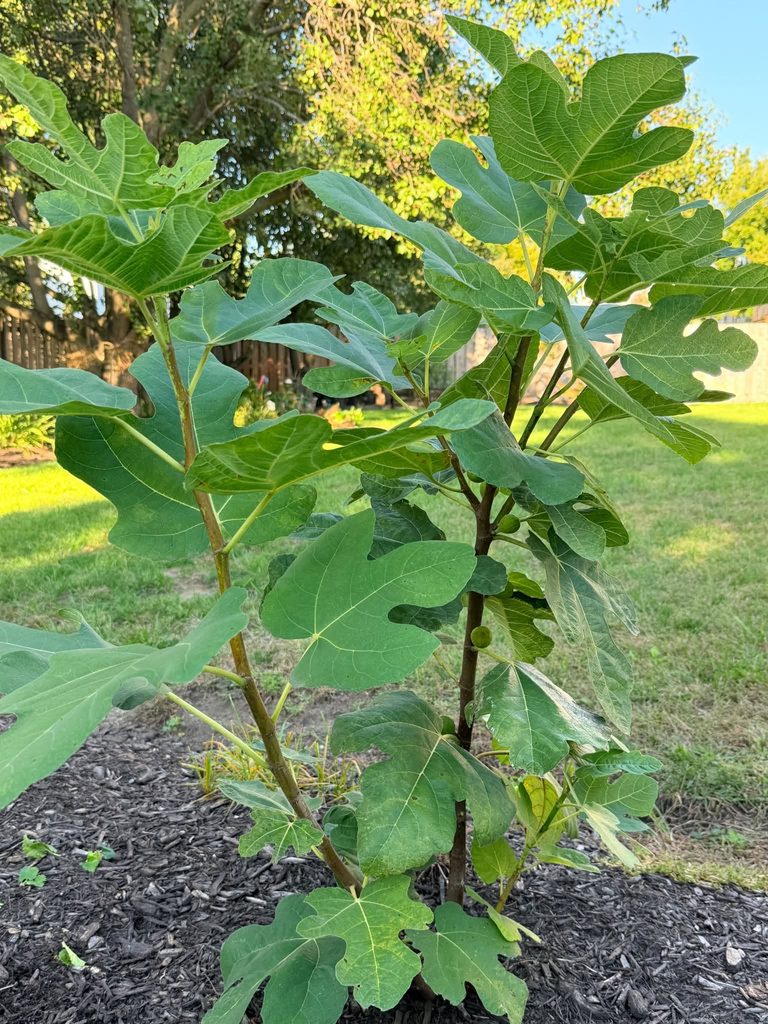
The tree produces medium-sized, purple-skinned fruit. Penn State Extension also notes its large, dark green leaves with three fingers. The fruit is sweet, and the tree is vigorous. It is a fine choice for beginners who want a real harvest.
One more point matters for new growers. Common figs do not need pollination to make fruit. UC Master Gardeners explain that these types do not need a pollinating wasp. That is why the Chicago Hardy suits home gardens so well.
Quick Facts About the Chicago Hardy Fig
Here is a short summary before we go deeper:
- Hardiness: Hardy to zone 5 according to The Morton Arboretum, and about 10°F according to Penn State Extension.
- Size: 10 to 15 feet tall and 9 to 12 feet wide, per Illinois Extension. It can be kept near 6 feet with pruning.
- Sun: At least 6 to 8 hours of direct light each day.
- Pollination: Self-pollinating. No second tree is needed.
- Fruit: Purple-brown, sweet figs that ripen from late summer into early fall.
- Bears fruit: From the first year, says Illinois Extension.
ALSO READ: 10 Cold Hardy Fig Trees (Identification, With Growing Details)
The Chicago Hardy Fig Guide in 14 Steps
1. Understand Where the Name Comes From
The name suggests a link to Chicago, and that is fair. The variety earned its fame by surviving cold Midwest winters better than most figs. Illinois Extension lists it as the top choice for gardeners in the state.
Chicago itself has become a little warmer over time. WTTW reported that Chicago was in USDA zone 5 in 1990 and is now firmly in zone 6, with the lakefront in zone 6b. That helps fig growers. It does not remove the need for winter care.
I like to think of the name as a promise with fine print. The tree can survive. It does so best when you give it a sheltered spot and some winter help. We will cover both later.
2. Know the Real Hardiness Limits
Hardiness is the question every cold-climate gardener asks first. The answer has two parts. The roots are tougher than the branches. Penn State Extension says winter damage to figs begins below 15°F, except for ‘Chicago Hardy,’ which tolerates about 10°F.
Below that, the top growth may die. The tree can still regrow from the roots. Penn State adds that dieback to the base is not necessarily fatal. A University of Illinois Extension podcast also describes Chicago Hardy as surviving roughly zero to 10°F with some dieback.
Be honest about your own winter. If your area drops far below zero, plan on protection. The tree is not “plant and forget” in zone 5. In zone 6 and above, it is much easier. Check the USDA Plant Hardiness Zone Map by zip code first.
3. Learn How Big the Tree Will Get
Plan for size before you dig a hole. Illinois Extension reports a mature height of 10 to 15 feet and a width of 9 to 12 feet. That is a large plant for a small yard. The Morton Arboretum lists 15 to 20 feet in a protected site.
In cold areas, size is often smaller. Winter dieback keeps many trees shorter than the textbook figure. Some gardeners see this as a bonus. A tree that grows back each year from the base stays easy to manage.
You can also keep it small on purpose. Illinois Extension says a Chicago Hardy can be held at about six feet tall. Figs tolerate severe pruning. This makes the tree suitable for patios and small beds.
4. Expect Sweet Fruit, But Know the Two Crop Types
Figs can give two crops. The first, called the breba crop, grows on last year’s wood and ripens in mid-summer. The second, the main crop, grows on new wood and ripens in late summer to early fall. Penn State notes that the breba crop is smaller and less flavorful.
This matters in cold places. If winter kills the branches, the breba crop is lost. The main crop still forms on new growth. A University of Illinois Extension podcast speaker said in-ground figs in Illinois often lose their early crop to cold.
Do not be discouraged. Illinois Extension notes that figs can bear fruit in their first year, while many fruit trees need several. Penn State says figlets take about 90 days to ripen after they appear. Start strong in spring so the main crop has enough time.
5. Choose the Right Planting Time
Plant in spring after the hard frosts are over. This gives the roots a full season to settle before winter. UC Master Gardeners say you can plant in spring or late fall in mild areas. In cold areas, I would not risk a fall planting.
Young trees are more fragile than older ones. Penn State says young trees cannot tolerate temperatures of roughly 20 to 30°F. A small plant in its first winter needs extra care. Mulch it well and shelter it from wind.
If you buy a container-grown tree, check the roots. UC Master Gardeners advise cutting off any circling roots before planting. This simple step helps the roots spread out. It also helps the tree anchor itself.
ALSO READ: 25 Types of Fig Trees (Identification, With Pictures)
6. Pick a Sunny, Sheltered Site
Sun is the key to sweet fruit. Illinois Extension recommends six to eight hours of full sun, while Penn State suggests at least eight. Aim for the higher number if you can. More sun means better ripening and a stronger tree.
Shelter matters almost as much. Illinois Extension advises a site protected from intense wind. Penn State suggests the south side of a building. A south-facing wall stores heat and reduces cold stress. Many northern fig growers swear by this trick.
Avoid low spots where cold air collects. Also avoid places where water stands after rain. Figs hate wet feet. A gentle slope near a house wall is close to ideal. I would choose that spot every time.
7. Prepare the Soil Correctly
Figs prefer rich, loamy and well-drained soil. Illinois Extension recommends rich loam. Penn State suggests a soil pH of 6.0 to 6.5 and warns against sandy soil, because sandy soil can harbor nematodes. A simple soil test will tell you where you stand.
Mix compost into the planting area. Penn State advises not to fertilize at planting. Mulch with compost instead. This feeds the soil gently and avoids burning young roots.
Dig a hole wide enough for the roots. Plant at the same depth as the pot. Water deeply after planting. Then add a layer of mulch, but keep it away from the trunk to prevent rot.
8. Water and Feed with Care
Water new trees regularly. Illinois Extension says that after the first year, figs tolerate mild drought. Do not take that as permission to ignore them. Penn State notes that figs are sensitive to drought and wind, especially in pots.
Feed lightly. For in-ground trees, Penn State recommends a high-nitrogen fertilizer after cutting back to encourage branching. When figlets appear, switch to a moderate fertilizer such as 5-10-5 or 5-10-10. Too much nitrogen late in the season can push soft growth that winter will kill.
Stop feeding by midsummer in cold zones. This helps wood harden before frost. Hardened wood survives cold better than soft, green shoots. It is a small habit that pays off every winter.
9. Prune for Shape and Fruit
Pruning figs is forgiving. Illinois Extension says figs tolerate severe pruning. UC Master Gardeners advise pruning in winter and warn that summer pruning can invite disease in their climate. Remove dead, damaged or crossing branches.
In cold areas, wait until spring growth starts. That way you can see which wood survived. Penn State notes that winter-killed in-ground trees can be cut to the base and will regrow, since figs fruit on current-year growth. Cut back to live wood.
Protect your skin when you prune. The milky sap can irritate. NC State Extension warns that fig sap can cause contact dermatitis and a sun-triggered skin reaction. Wear gloves and long sleeves. Wash off any sap quickly.
10. Protect an In-Ground Tree in Winter
This is the most important step for northern growers. Penn State Extension suggests mulching the base 6 to 12 inches deep. After a hard frost, remove remaining leaves and unripe figs. Then choose a protection method.
The first method is wrap and cover. Prune the branches, tie them together, and wrap them in burlap or row cover. Then enclose the plant in cardboard and fill loosely with dry straw. Add a tarp on top, but leave a gap at the bottom for airflow.
The second method is trenching. Dig around the root ball, bend the tree into a trench, and bury it. Cover the soil with plywood or cardboard to deter rodents, then mulch heavily. Avoid plastic and bubble wrap, which trap moisture and can cause fungal disease. Use straw instead of hay.
11. Grow a Chicago Hardy Fig in a Container
A pot is the safest option in very cold areas. Illinois Extension says figs can grow in the ground or in a large container. Container trees can come indoors for winter. Penn State advises pots of at least 18 inches across.
In autumn, let the leaves fall and the tree go dormant. Illinois Extension says dormant trees do not need a heated space. An unheated garage or cool basement works well. Penn State says to keep it dark and water about monthly, just enough to stop the roots from drying out.
Bring the pot back outdoors in April, as Penn State suggests, once danger of hard frost has passed. Move it gradually into full sun. Repot every few years and root-prune when needed. Pots dry out fast in summer, so check the soil often.
12. Manage Pests and Diseases
Chicago Hardy figs are generally easy to keep healthy. Illinois Extension describes figs as low-maintenance and mostly free from significant pests. Penn State adds that this variety resists deer and some pests. Still, watch for trouble.
Common issues include fig rust and leaf spot, both fungal diseases. UF/IFAS Extension says fig rust appears yearly and the tree usually recovers without treatment. Rake up fallen leaves, thin crowded growth for airflow, and avoid overhead watering. Do not compost infected leaves.
Insects can also bother the fruit. Penn State lists beetles, wasps and stink bugs. Fig mites can spread Fig Mosaic Virus, and no chemical control exists for the virus. Buy healthy plants from a reliable nursery. Horticultural oil helps control mites.
ALSO READ: 15 Common Fig Tree Diseases and Problems (With Proven Fixes)
13. Harvest at the Right Time
Patience pays here. Illinois Extension warns that figs will not ripen after picking. So wait until they are fully ripe. Ripe Chicago Hardy figs are deep purple or brown and yield slightly when touched. Soft, mushy fruit is overripe.
Penn State lists other signs. The fig changes color, softens, and its stem bends downward. The small opening at the bottom, called the ostiole, opens. Check your tree every day or two in late summer. Birds and insects will also be watching.
Eat fresh figs quickly. UC Master Gardeners say fresh figs must be hand-picked and eaten within days. They also store poorly. Dry extras in a dehydrator, or make jam. Share a basket with a neighbor. It is a lovely way to make friends.
14. Consider Dwarf Options and Where to Buy
Small gardens can still grow figs. A University of Illinois Extension podcast mentioned ‘Fignomenal,’ a dwarf mutation of Chicago Hardy. After about five years in a 10-inch container, it reached roughly 36 inches tall and wide. It may also fruit earlier.
Be careful with other varieties. UC Master Gardeners note that of over 700 fig varieties, many do not make edible figs or need special pollinators. Stick to common types. Penn State also lists hardy alternatives such as ‘Celeste’ and ‘Violette de Bordeaux.’
Buy from a reputable local nursery or a trusted mail-order grower. Ask whether the tree is a true Chicago Hardy. Check the roots and the stems. A healthy young tree in a 1- to 3-gallon pot is usually a good start.
A Simple Seasonal Care Calendar
A calendar makes the work feel light. Here is the rhythm I follow each year.
Early spring: Remove winter protection once hard frost danger has passed. Penn State Extension advises bringing container trees outdoors in April. Check stems for green wood and cut away anything dead.
Late spring: Apply compost and a light feeding. Water deeply during dry weeks. Tie up any branches that lean too far, and watch for the first tiny figlets.
Summer: Keep the soil evenly moist and mulched. Pick off damaged leaves if you see spots or rust. Since figlets need about 90 days to ripen, healthy summer growth decides the size of your harvest.
Early fall: Harvest ripe fruit every day or two. Stop feeding. Let the tree slow down and harden its wood for winter.
Late fall: After a hard frost, remove leaves and any unripe figs. Mulch the base 6 to 12 inches deep, or move the pot to a cool, dark place. Then wrap or bury in-ground trees if your winters are severe.
Winter: Leave the tree alone. Water container figs lightly, about once a month. Check protection after storms and make sure rodents have not found a way in.
ALSO READ: How to Prune a Fig Tree (Timing, Techniques, and Tools)
Why the Chicago Hardy Fig Is Worth the Effort
Some gardeners ask whether the work is worth it. I think it is, and here is why. A single tree can give you fresh fruit from your own yard, with no sprays and no trips to the store. Fresh figs rarely reach shops in good condition, so homegrown fruit tastes far better.
The tree is also forgiving. It tolerates hard pruning, regrows after dieback and needs no partner for pollination. Illinois Extension describes it as low maintenance and generally free of significant pests. Few fruit trees are that easy.
Finally, it adds beauty. The big, lobed leaves give a tropical look to a northern garden. In late summer, the purple fruit hangs among them like small lanterns. It is a quiet pleasure, and one I look forward to every year.
Common Mistakes to Avoid
Many failures come from the same few errors. The first is planting in shade. Figs need sun to ripen. The second is skipping winter protection in zone 5 or colder. The third is overwatering in winter.
Another mistake is fertilizing too late in the season. Soft growth in fall invites cold damage. A fourth is wrapping the tree in plastic. Trapped moisture rots wood and spreads disease.
Finally, do not give up in spring. A fig can leaf out late. Penn State notes that dieback is not always fatal. Scratch a twig with your fingernail. Green beneath the bark means the wood is alive.
ALSO READ: Edible Fig Tree Care: How to Grow, Nurture, and Harvest Fruits
Frequently Asked Questions
Is a Chicago Hardy fig really hardy in zone 5? It is hardy to zone 5 according to The Morton Arboretum. Expect dieback in cold winters and plan protection. The roots often survive and send up new shoots.
How long until it bears fruit? Illinois Extension says figs can fruit in their first year. A stronger harvest usually comes after the tree is established.
Do I need two trees? No. Chicago Hardy is self-pollinating, so one tree is enough.
Can I grow it indoors? Yes, in a large pot near a very sunny window or under lights. The tree still benefits from a cool, dormant rest in winter. Penn State says figs need at least 100 hours of chilling to fruit.
Final Thoughts
The Chicago Hardy fig proves that sweet, homegrown figs are not limited to warm places. With a sunny, sheltered site and good winter care, you can pick fresh fruit in the middle of a northern summer. I still remember how surprised I felt at that first taste.
Start with a healthy tree. Give it sun, good drainage and patient care. Mulch well before the first hard freeze. If your winters are harsh, a pot is a safe and easy choice.
Figs reward gardeners who pay attention. Each fall you will learn a little more. By the third or fourth year, you may be the person your neighbors ask for advice.
References
- University of Illinois Extension. Go Figure: Figs Are a Great Addition to Home Gardens. https://extension.illinois.edu/news-releases/go-figure-figs-are-great-addition-home-gardens
- University of Illinois Extension. Ancient Crop, Modern Gardens: The Fascinating Story of Figs (Good Growing, Ep. 246). https://extension.illinois.edu/podcasts/good-growing/ep-246-ancient-crop-modern-gardens-fascinating-story-figs-goodgrowing
- Penn State Extension. Winterizing Your Fig Tree. https://extension.psu.edu/winterizing-your-fig-tree
- Penn State Extension. Figs in the Home Garden. https://extension.psu.edu/figs-in-the-home-garden
- UC Master Gardeners, University of California Agriculture and Natural Resources. Figs. https://ucanr.edu/node/152245
- University of Florida IFAS Extension, Marion County. Fig Rust. https://blogs.ifas.ufl.edu/marionco/2020/08/14/fig-rust/
- USDA Agricultural Research Service. 2023 USDA Plant Hardiness Zone Map. https://planthardiness.ars.usda.gov/

Tim M Dave is a gardening expert with a passion for houseplants, particularly cacti and succulents. With a degree in plant biology from the University of California, Berkeley, he has vast experience in gardening. Over the years, he has cultivated a vast collection of desert plants and learned a great deal about how to grow and care for these unique companions.