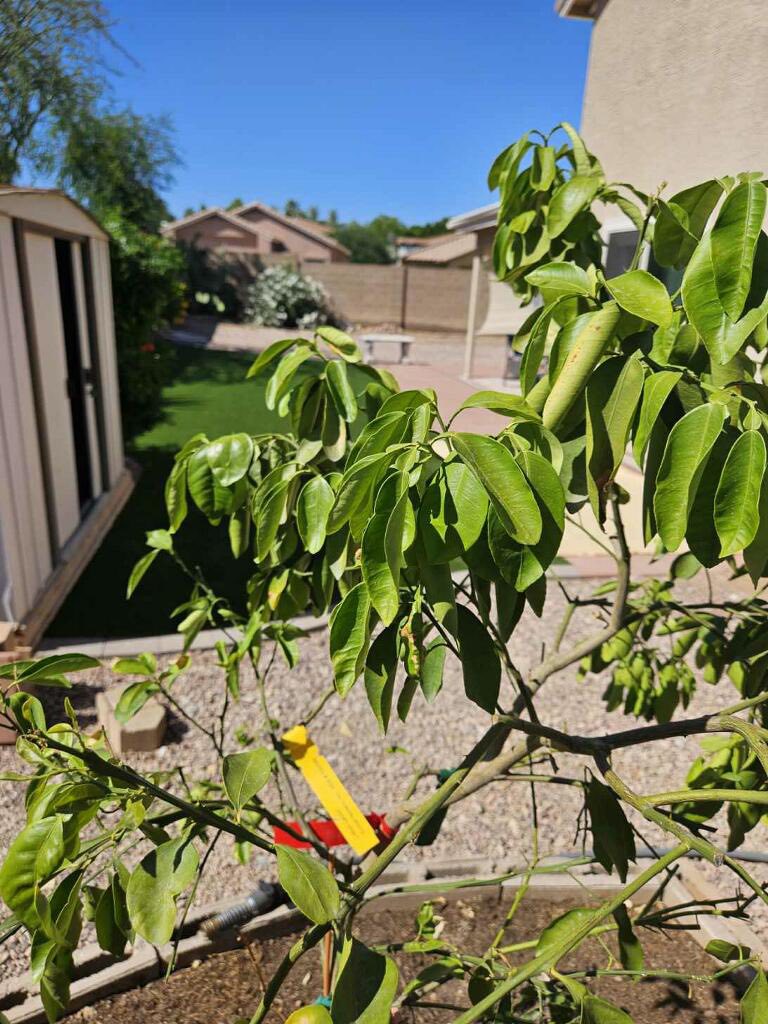
10 Cold Hardy Fig Trees (Identification, With Growing Details)
Many gardeners believe figs belong only in the Mediterranean. I used to think so too. Then I saw a Hardy Chicago tree loaded with fruit in a place where snow stays for months, and my opinion changed.
The truth is simple. Some fig varieties handle cold far better than others, and the right choice can make the difference between a dead stick and a basket of sweet fruit.
This guide lists 10 cold hardy fig trees that have a proven record in cooler regions. You will find hardiness details, flavor notes, and clear advice for each one.
What Does Cold Hardy Mean for a Fig Tree?
The word hardy is often misunderstood. It does not only describe how well the branches survive frost. The roots matter more.
According to University of Tennessee Extension, hardiness refers mainly to the roots’ ability to survive low temperatures. If the roots live, the tree can regrow from the ground each spring, even when the top is damaged.
This point is important for fruit. Common figs usually form their main crop on the current season’s new growth. That means a tree frozen to the ground can still produce figs, as long as the growing season is long enough.
The cold limit is real, though. Ohio State University Extension notes that most edible fig cultivars can be killed to the ground at 20°F or below. This is one reason commercial fig production in the United States stays concentrated in California.
Here is the encouraging part. University of Tennessee Extension reports that several cultivars can be grown in zones 5, 6, and 7 when they are properly sited and managed. The varieties below are the ones I would trust most.
Quick Comparison of the 10 Cold Hardy Fig Trees
| Variety | Fruit Color | Ripening | Cold Notes |
| Hardy Chicago | Purple-brown | Early to mid | Roots survive to about -20°F |
| Brown Turkey | Purple-brown | Mid | Reliable and widely sold |
| Celeste | Brown to purple | Early | Reported hardy to 0°F |
| LSU Purple | Glossy purple | Mid | Relatively cold tolerant |
| Brunswick | Green-yellow to bronze | Mid | Good for containers |
| White Marseilles | Yellow-green | Early | Cold hardy, fast growing |
| Violette de Bordeaux | Deep purple | Mid | Good for small spaces |
| O’Rourke | Purple | Early | Bred by LSU |
| Brooklyn White | Yellow | Early | Cold hardy honey fig |
| Ronde de Bordeaux | Purple | Early | Cold hardy, heavy producer |
The 10 Best Cold Hardy Fig Trees
1. Hardy Chicago (Also Called Bensonhurst Purple)
If I had room for only one fig tree in a cold climate, this would be it. Hardy Chicago is the benchmark for cold tolerance.
University of Tennessee Extension describes it as likely the most cold tolerant common fig. The above-ground parts are hardy to about 10°F, while the roots can survive around -20°F. Those numbers explain why it keeps regrowing after rough winters.
The fruit is the second reason to love it. Ohio State University Extension calls the flavor exceptional and compares it to a peach. Under average outdoor conditions, it ripens about three weeks before Brown Turkey, which is a big advantage in short seasons.
There is a limit, even for this champion. Iowa State University Extension notes that Hardy Chicago may not always overwinter in zone 5a. Mulch, wrapping, or container growing can improve the odds.
It is also a common-type fig. That means no pollination is needed to set fruit, so a single tree is enough.
2. Brown Turkey
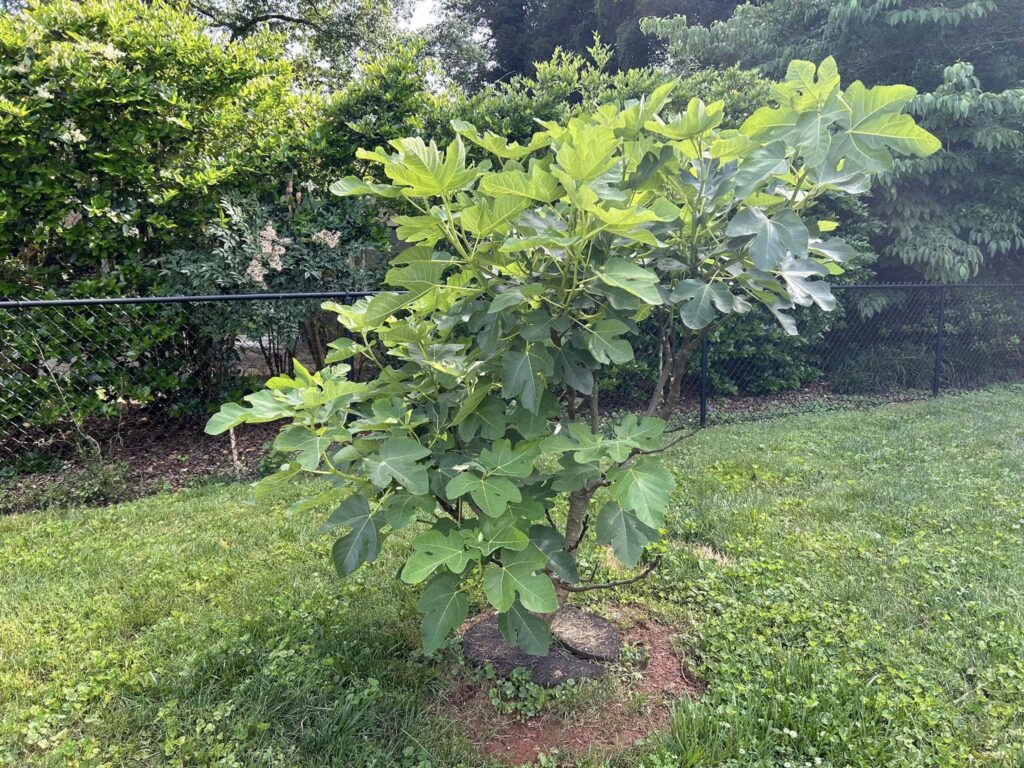
Brown Turkey is probably the fig most people meet first. You will find it in almost every garden center, and for good reason.
University of Tennessee Extension calls it one of the most common cultivars on the market and a reliable one. It produces large, purple-brown fruit with a mild, sweet taste. Many gardeners also enjoy its attractive, large leaves.
However, I must share an important warning. Ohio State University Extension cautions that some Brown Turkey plants sold from California may not be the same hardy type that does well in cold regions.
Their advice is practical. Buy a small number of plants first and test them. If they survive your winter, then expand your planting.
Brown Turkey is a good choice for zones 6 to 9 with protection in the colder end of that range. Always ask the nursery where the cuttings came from.
3. Celeste (Sugar Fig)
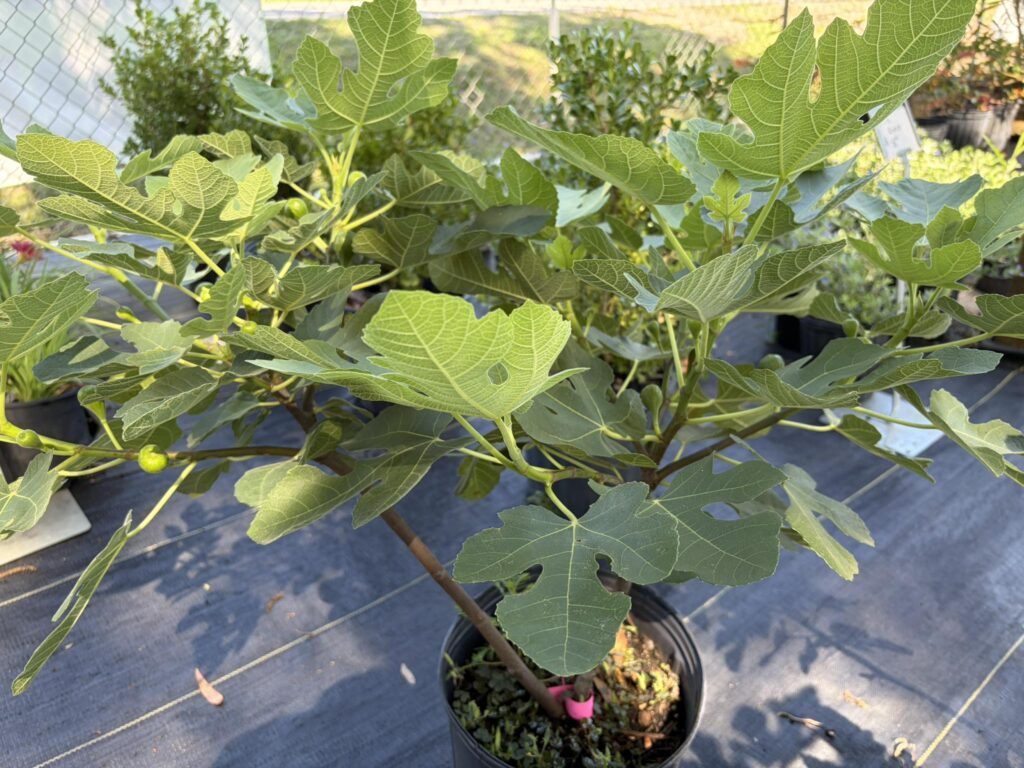
Celeste is the fig I recommend to beginners. It is forgiving, productive, and sweet. In fact, it is often nicknamed the Sugar Fig.
The University of Tennessee’s fruit specialists describe it as a compact tree with brown to purple fruit. It produces early and is reported to be hardy to about 0°F. That makes it a strong option for zone 6 and a possible one in sheltered zone 5 gardens.
University of Maryland Extension adds that Celeste has a closed eye. This tiny opening at the bottom of the fruit is sealed, which helps keep insects and rot out. The same source describes it as heat tolerant and pest and disease resistant.
The fruit has medium size, brown-purple skin, and amber flesh. In my experience, the taste is honey-like and rich, especially when the figs ripen fully on the tree.
Celeste also grows well in pots. If your winters are very harsh, you can move the container into a cold garage.
4. LSU Purple
LSU Purple comes from the fig breeding program at Louisiana State University. Do not let the southern origin fool you. It has a reputation for good cold tolerance and strong performance.
The University of Florida describes the fruit as medium to small, with glossy purple skin and amber to pink flesh. It also has a closed eye, which is useful in wet weather.
Texas A&M AgriLife Extension lists LSU Purple among the varieties suggested for trial plantings in Texas. University of Tennessee Extension also grows it in its demonstration collections.
I like this variety for gardeners who want a dependable, productive tree without much fuss. It is attractive in the landscape and produces fruit that looks as good as it tastes.
Plant it in full sun and protect the base in winter. In zones 6 and 7, a thick mulch layer is usually enough.
5. Brunswick
Brunswick is an old and trusted fig. It has been grown in home gardens for generations, and it is known for large fruit with a mild, sweet flavor.
University of Maryland Extension lists it among its recommended cultivars and notes that it does well in containers. This is valuable for cold regions. A potted tree can be moved to a sheltered place when temperatures drop.
Brunswick usually performs best in zones 7 to 9. In zone 6, it needs extra care, such as mulching and wrapping. I would not choose it as my first fig for zone 5.
The tree has a broad, spreading habit. Give it enough room, ideally in a sunny spot near a south-facing wall.
One small tip: harvest the fruit when it hangs down and feels soft. Figs do not ripen well after picking, so patience pays off.
ALSO READ: 25 Types of Fig Trees (Identification, With Pictures)
6. White Marseilles
This variety is for gardeners who prefer light-colored figs. White Marseilles produces yellow-green fruit with a delicate, sweet taste.
University of Maryland Extension describes it as a white fig that is fast growing and cold hardy. The University of Tennessee’s fruit specialists also list it as an early yellow fruit. Early ripening is a major benefit where autumn arrives quickly.
The thin skin makes the fruit lovely for eating fresh. I also find it good for jam, since the color stays bright and attractive.
Because it grows fast, it can recover well after winter dieback. A tree that is cut back by frost can still make a decent crop in the same year.
Plant it where it receives at least six to eight hours of direct sun. Light, well-drained soil will keep the roots healthy.
7. Violette de Bordeaux
Violette de Bordeaux is a favorite among fig enthusiasts, and I understand why. The fruit is deep purple, almost black, with a rich and distinctive flavor.
The University of Tennessee’s fruit specialists describe it as a deep purple fig with a unique taste. University of Tennessee Gardens also grows it in its Jackson collection, which shows that it is respected in cooler parts of the mid-South.
The tree stays relatively small. That makes it suitable for patios, small yards, and large containers. It is also easier to cover or move in winter than a large tree.
It may be sold under slightly different names. The same Tennessee publication warns that some cultivars are known by more than one name, so buying from a reputable nursery is wise.
In zone 6, protect the plant well. In zones 7 and 8, it can be a very rewarding tree.
8. O’Rourke
O’Rourke is another product of the Louisiana State University program. It is a cross between a Celeste and a Capri fig from California, according to University of Florida sources.
The fruit is small to medium in size and purple. University of Tennessee Extension lists it as an early fig, which helps in cooler summers.
The leaves are an easy way to identify it. The University of Florida notes that O’Rourke leaves have five to seven lobes, which is different from the similar-sounding Improved Celeste.
I would call this a good second or third tree in a collection. It adds variety and extends your harvest when planted with later types.
Like all figs, it appreciates full sun, warm spots, and winter protection in zone 6. It is not the hardiest on this list, but it is a solid performer.
ALSO READ: 15 Common Fig Tree Diseases and Problems (With Proven Fixes)
9. Brooklyn White
Brooklyn White is a lesser-known variety that deserves more attention. The fruit is yellow, early, and very sweet, often described as a honey fig.
The University of Tennessee’s fruit specialists list it among cold hardy cultivars suited to cooler areas. Early fruit is again the key benefit. When a tree ripens its figs before the first hard frost, you get the full harvest.
Many gardeners enjoy yellow figs because they look different in a fruit bowl. The flavor is often milder and more delicate than that of dark figs.
Place it in the warmest part of your yard. A south or east side of a building helps the tree absorb heat and gives it some shelter from cold wind.
Texas A&M AgriLife Extension also recommends planting figs on the east side of a home or barn for winter protection. The same idea works well for this variety.
10. Ronde de Bordeaux
Ronde de Bordeaux is a French variety that has become popular with home growers in cool climates. According to the University of Tennessee’s fruit specialists, it produces early fruit, crops heavily, and has good flavor. It is also listed as cold hardy.
This combination is rare. Many early varieties give smaller yields, and many heavy croppers ripen late. Ronde de Bordeaux gives you both speed and quantity.
The fruit is purple and rich. I find it excellent for fresh eating, drying, and baking.
Because fig names can be confusing, buy only from a trusted source. A mislabeled tree may not have the cold tolerance you expect.
In zones 6 and 7, plant it in a sheltered location and mulch the root zone deeply after the first hard frost.
How to Help Your Fig Tree Survive Winter
Choosing the right variety is only half the job. Good winter care decides the result. These simple steps have worked well for many gardeners.
Choose the Right Site
Figs love sun and warmth. The City of Philadelphia’s fig species profile lists full sun and well-drained soil as basic needs. It also notes that figs need regular watering and careful attention to winter protection.
A spot near a south-facing wall is ideal. The wall stores heat in the day and releases it at night.
Protect the Roots First
University of Maryland Extension warns that unprotected fig plants, apart from their roots, are often injured when temperatures stay below 20°F for a long time. So the goal is to save the roots and as much wood as possible.
Add a deep layer of mulch, such as straw, shredded leaves, or wood chips, after the ground begins to freeze. Do it too early, and you may invite rodents.
The Maryland publication also notes that insulating materials around fig bushes can become a winter home for voles. Check the area and use wire guards if needed.
ALSO READ: Beginner: How to Prune a Fig Tree (Timing, Techniques, and Tools)
Consider Containers in Very Cold Areas
Iowa State University Extension explains that common figs can tolerate roughly 15°F to 20°F after proper cold acclimation. However, pots are more exposed than the ground, so that is often too cold for a potted tree.
In colder regions, move the container into an unheated garage or shed after the leaves drop. Water it lightly during winter so the roots do not dry out completely.
In spring, bring it outside gradually. This protects tender new growth from sudden sun and wind.
Be Patient With Fruiting
University of Maryland Extension states that fig plants usually begin to bear fruit in the second or third year after planting. So please do not give up early.
The main harvest generally ripens from August until the first frost on the current year’s wood. Some cultivars also produce an early breba crop on last year’s wood. In very cold climates, the breba crop is often lost, so the main crop is what you rely on.
University of Tennessee Extension also notes that in colder areas, fig trees are often kept to about 10 to 20 feet in height. In practice, many cold climate trees stay smaller because of regular dieback and pruning.
Frequently Asked Questions
What is the most cold hardy fig tree?
Hardy Chicago is widely considered the most cold tolerant common fig. University of Tennessee Extension reports above-ground hardiness near 10°F and root hardiness near -20°F.
Do I need two fig trees to get fruit?
No. Common figs such as Hardy Chicago, Brown Turkey, and Celeste do not need pollination. Iowa State University Extension notes that these types are suitable for North America because the fig wasp is not native here.
Can I grow figs in zone 5?
It is possible, but it requires extra effort. Choose Hardy Chicago or Celeste, plant in a sheltered spot, mulch heavily, and consider growing in a container that you can move indoors.
When should I plant a fig tree?
Spring is usually best in cold regions. The tree then has a full season to build roots before its first winter.
Final Thoughts
Growing figs in a cold climate takes some care, but the reward is worth it. Hardy Chicago, Celeste, and Brown Turkey are the safest starting points, while the other seven varieties offer variety in color, flavor, and ripening time.
My advice is simple. Start with one or two proven trees, protect the roots, and be patient for the first two or three seasons. Before long, you may be picking sun-warmed figs from your own garden, even when winter was harsh.
References
- University of Tennessee Gardens. Common Fig: Ficus carica. https://utgardens.tennessee.edu/common-fig-ficus-carica/
- Ohio State University Extension. Growing Hardy Figs in Ohio (HYG-1439). https://ohioline.osu.edu/factsheet/hyg-1439
- Iowa State University Extension and Outreach. Growing Hardy Figs in Iowa. https://yardandgarden.extension.iastate.edu/how-to/growing-hardy-figs-iowa
- University of Maryland Extension. Growing Figs in Maryland. https://extension.umd.edu/resource/growing-figs-maryland
- University of Tennessee Extension. Figs (D234-B). https://uthort.tennessee.edu/wp-content/uploads/sites/228/2025/02/D234-B-Figs.pdf
- Texas A&M AgriLife Extension Service. Figs. https://agrilifeextension.tamu.edu/wp-content/uploads/2025/05/Figs.pdf
- City of Philadelphia (phila.gov). Species Profile: Fig, English. https://www.phila.gov/media/20180919202432/SpeciesProfile_Fig_English.pdf

Tim M Dave is a gardening expert with a passion for houseplants, particularly cacti and succulents. With a degree in plant biology from the University of California, Berkeley, he has vast experience in gardening. Over the years, he has cultivated a vast collection of desert plants and learned a great deal about how to grow and care for these unique companions.