15 Types of Citrus Trees (Identification, With Pictures)
I once stood in front of a nursery bench full of citrus trees and felt completely lost. Every label sounded sweet and promising. Yet the trees were very different, and the wrong choice would have cost me years.
Citrus is a big, varied family. Some trees give sweet fruit for the breakfast table. Others give sharp juice, fragrant zest or tiny fruits you eat whole. This guide covers 15 types of citrus trees to help you pick with confidence.
A Quick Look at the Citrus Family
The citrus family is larger than most people think. The University of California, Riverside holds one of the world’s biggest living collections. It was established in 1910 and holds roughly 1,000 different types of citrus and relatives.
About 850 of those belong to the subgenus Citrus, the group we know best. UC Agriculture and Natural Resources lists them as sweet oranges, sour oranges, mandarins, lemons, limes, grapefruits, pummelos and citrons.
The business side is large too. The USDA’s Citrus Fruits 2025 Summary shows that California grew 84 percent of US citrus. Florida grew 13 percent, and Texas and Arizona together grew the rest. UC also reports that oranges, lemons, mandarins and grapefruit are each among California’s top export crops.
Many popular citrus fruits are hybrids. Grapefruit, for example, is a cross between a sweet orange and a pummelo. Keep that in mind as you read.
Oranges
1. Sweet Orange
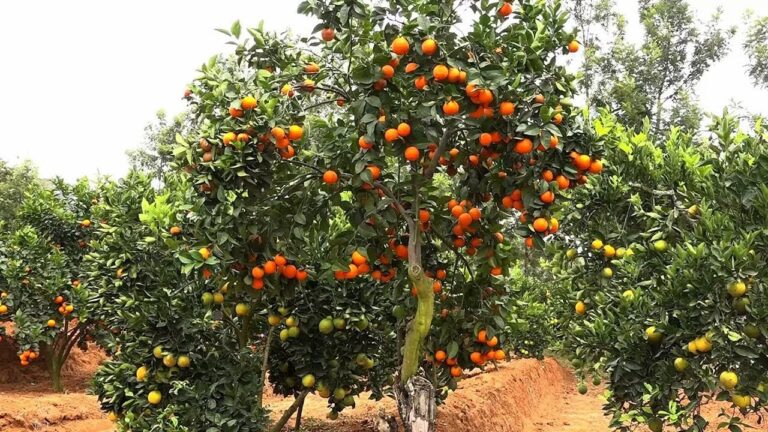
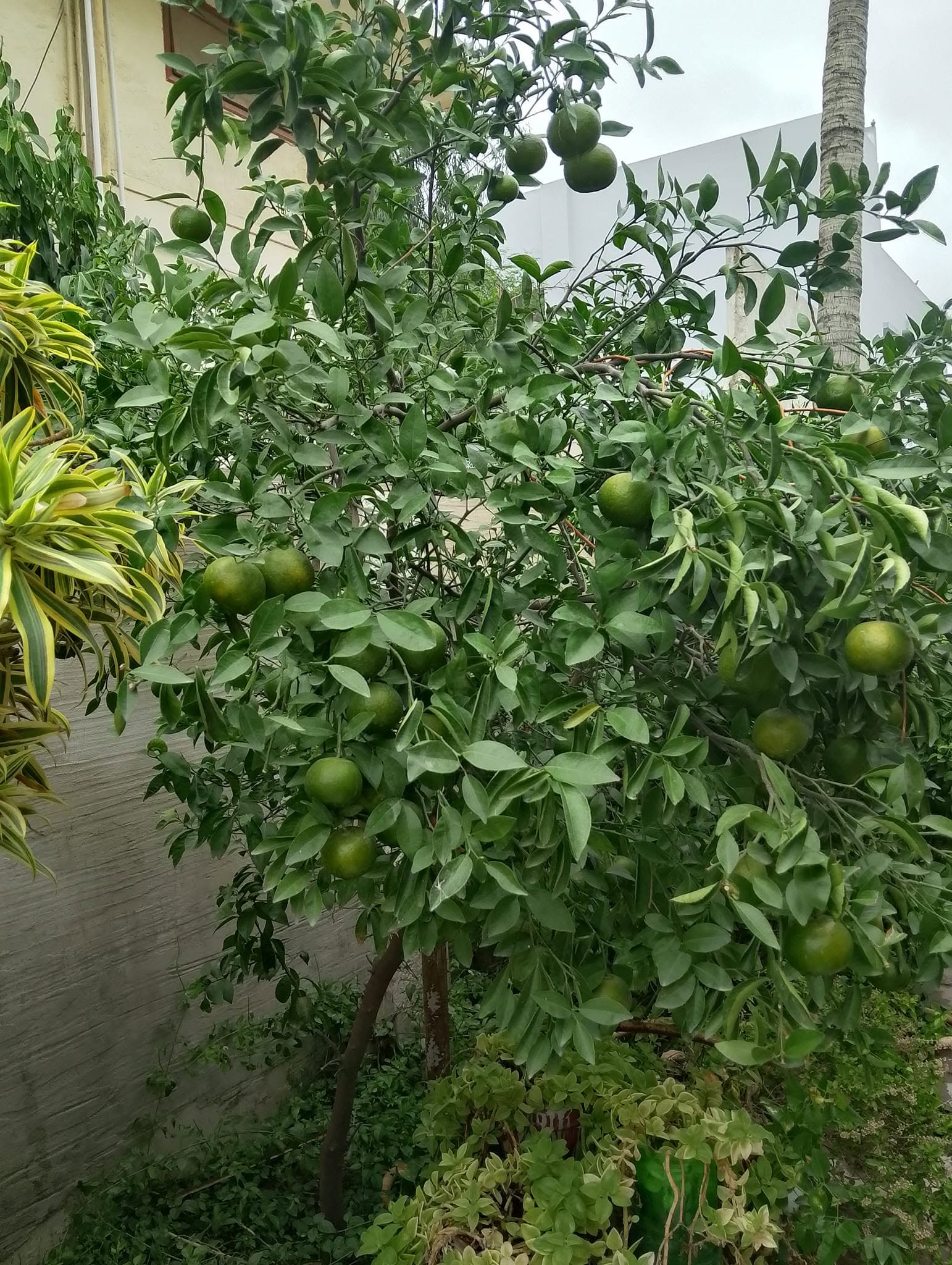
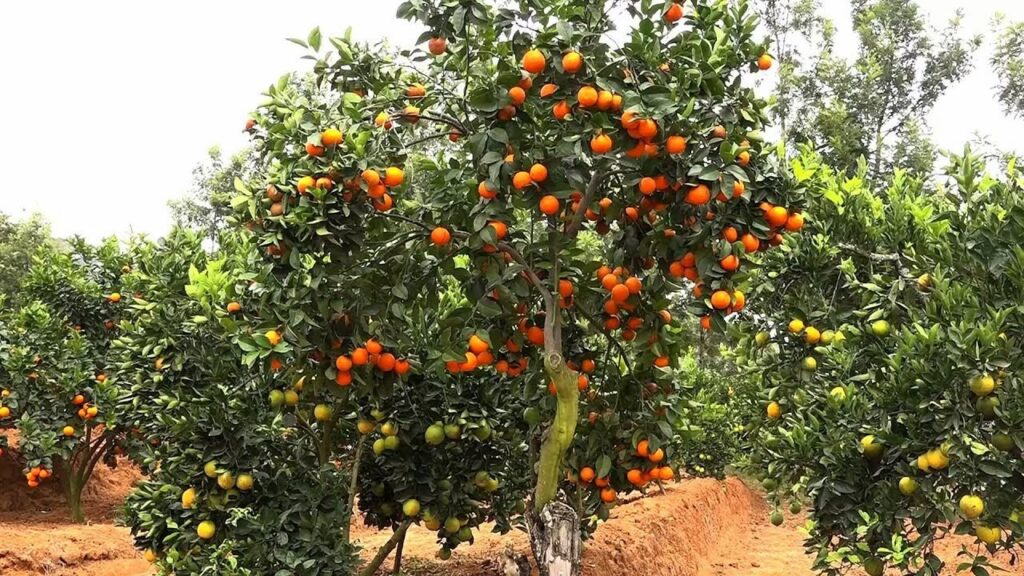
Sweet orange is the citrus most people picture first. The University of Florida calls it the first choice for a home landscape. If you can grow only one citrus tree, this is often the safest pick.
Varieties are grouped by season. UF suggests early types such as ‘Hamlin’, midseason types such as ‘Pineapple’ and ‘Midsweet’, and the late ‘Valencia’. Planting two or three gives you fruit over many months.
Sweet oranges grow into medium to large trees. They need full sun, deep watering and good drainage. They are less cold tolerant than mandarins, so protect them in freezes.
2. Navel Orange
Navel oranges are named for the small “belly button” at the blossom end. They are seedless and easy to peel, which makes them a family favorite. The fruit is sweet, juicy and best eaten fresh.
UF notes that navel selections come in standard orange-fleshed and red-fleshed forms. UC Riverside also lists navels among California’s best-selling citrus for many years. Their reputation is well earned.
Navels are propagated by grafting, because the fruit has no seeds. Buy a grafted tree from a certified nursery. They prefer warm, sunny regions with cool winter nights for the best color.
3. Blood Orange
Blood oranges are the showpiece of the orange family. The flesh turns deep red or burgundy. The color comes from natural pigments that form when nights are cool.
The flavor is sweet with a hint of berry. UF includes the Ruby blood orange among its “conversation fruits,” meaning fruits that start a chat at the dinner table. They look dramatic in salads and drinks.
Blood oranges do best where winter nights are cool. In very hot climates, the color stays pale. They are moderately cold tolerant and grow well in large pots.
4. Sour Orange (Seville)
Sour orange, also called Seville orange, is the bitter cousin of the sweet orange. Its botanical name is Citrus aurantium. You will not enjoy it as a snack.
The real value is in the kitchen. The tart juice and fragrant peel are the classic base for marmalade. Cooks also use it in marinades and sauces.
The tree is thorny and fairly hardy. Its flowers smell wonderful. It makes a good ornamental tree in warm climates, though you will likely harvest more for cooking than for eating.
READ MORE ON: 50 Types of Orange Trees (Varieties With Pictures)
Mandarins and Their Relatives
5. Mandarin (Tangerine)
Mandarins are small, loose-skinned citrus that peel in seconds. UC specialists note that California mandarins have grown in popularity for their sweet, slightly less acidic flavor. The rind is easy to remove.
UF recommends mandarin hybrids as early-maturing substitutes for tangerines. It singles out ‘Ponkan’ as an excellent, easily peeled choice for the home landscape. These trees are also more cold tolerant than sweet oranges.
Mandarins are among the original citrus species, with roots in southern China and Southeast Asia. Many modern citrus fruits trace back to them. That makes them central to the whole family.
6. Satsuma Mandarin
Satsuma is the cold-hardy champion of the mandarin group. UC Cooperative Extension notes that Satsumas produce easy-to-peel, seedless fruit. They are among the most cold hardy citrus trees of commercial importance.
The fruit ripens early, often in autumn. The flavor is sweet and mild. The tree stays compact, so it suits small gardens.
Satsumas have one quirk. UC notes that many varieties tend to alternate bear, with a heavy crop one year and a lighter one the next. Thinning fruit and feeding well can even things out.
7. Clementine
Clementine is the lunchbox citrus. It is small, sweet and nearly seedless when grown away from other citrus. Many shoppers know it under popular brand names, though some brands blend different mandarins.
The scientific name is Citrus clementina. It was among the first two citrus genomes sequenced by a University of Florida-led team in 2011. That work helps researchers fight diseases such as greening.
Clementines ripen in winter, so they suit holiday tables. The tree is compact and productive. Keep it away from other citrus if you want seedless fruit, since cross-pollination adds seeds.
8. Tangelo
Tangelos are a cross between a mandarin and a grapefruit or pummelo. They combine easy peeling with a juicy, tangy flavor. UC extension materials describe tangelos as grapefruit and mandarin hybrids.
A well-known example is the Minneola, with its bell-shaped neck. The flavor is rich and slightly tart. Many people find it more exciting than a plain mandarin.
Tangelos often need a second citrus tree nearby for good fruit set. Check the variety before you buy. They grow best in warm regions with full sun.
ALSO READ: 10 Best Small Citrus Trees for Gardens: Identification With Full Care Guides
Grapefruit and Pummelo
9. Grapefruit
Grapefruit is bold, juicy and refreshing. It is a natural hybrid of a sweet orange and a pummelo. UF calls it the common second choice after oranges in a home landscape.
UF also notes that trees are very heavy yielding, so one tree is usually enough. UC extension highlights red types such as Star Ruby, with deep color and a less acidic flavor, and Flame. Both are good for fresh eating.
Grapefruit is sensitive to cold. UF horticulturists have noted freeze damage in grapefruit, lemons and limes in colder spells. Plant it in a warm, sheltered spot.
10. Pummelo (Pomelo)
Pummelo is the giant of the citrus family. A single fruit can be as large as a small melon. The skin is thick and the pith is spongy.
It is an ancestor of the grapefruit. UC Riverside keeps a whole category for pummelos and their hybrids. The flesh is sweeter and less bitter than grapefruit, though often drier.
The tree is large and vigorous, and it needs space. It is also cold tender. In my view, it is best for warm gardens where you can enjoy its huge, fragrant fruit.
Lemons and Limes
11. Lemon
Lemons are the workhorse of the kitchen. The two main commercial types are Eureka and Lisbon. UC Riverside describes both as major lemon varieties of the world.
They are tart, juicy and aromatic. The tree grows quickly and can bloom several times a year. Lisbon trees are thorny and more cold tolerant, while Eureka trees are almost thornless.
Lemons are not equally easy everywhere. UF does not recommend true lemons for home use in Florida because of their susceptibility to scab. Check local advice before you plant.
12. Meyer Lemon
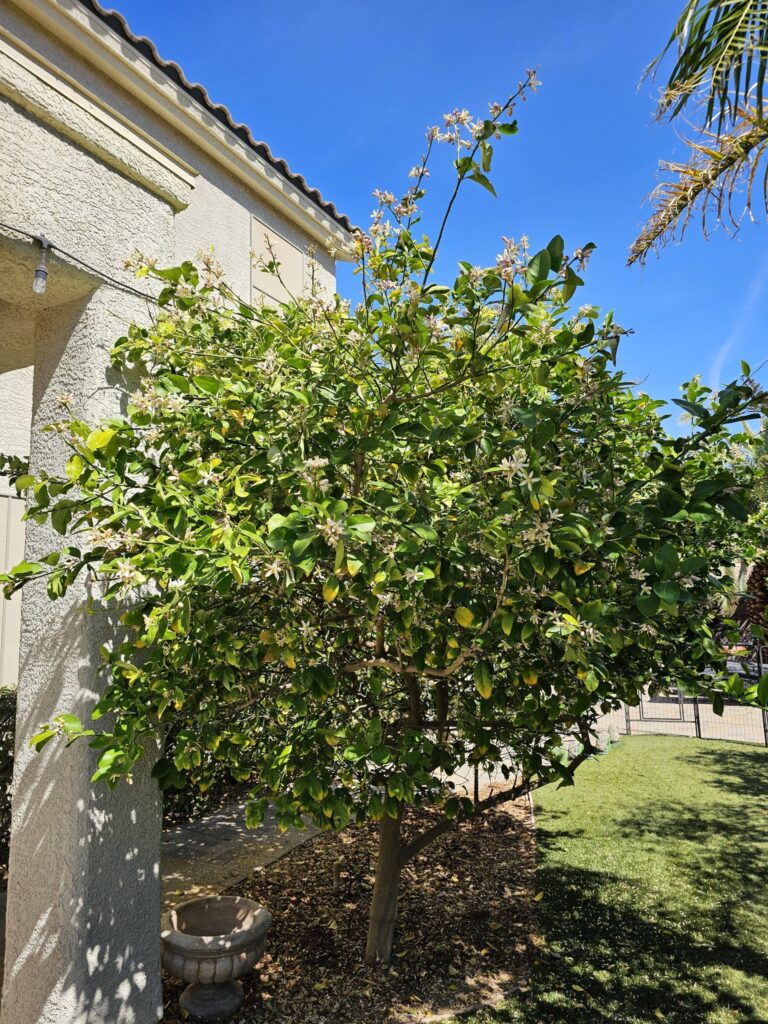
Meyer lemon is the gardener’s favorite. It is thought to be a cross between a lemon and a sweet orange. USDA explorer Frank Meyer brought it from China in 1908.
The fruit is rounder, sweeter and less acidic than a regular lemon. It has a thin, orange-yellow skin and a floral aroma. The tree is self-pollinating, so one is enough.
UF says Meyer lemons need protection when temperatures fall below 20°F. They grow well in containers, which makes them easy to move indoors. The “Improved Meyer” has been the only variety sold since the 1970s because it resists a harmful virus.
13. Lime
Limes are small, sharp and full of aroma. UF names two good home choices: the ‘Tahiti’ Persian lime and the ‘West Indian’ lime, also called Key or Mexican lime. Fruit can be picked at nearly any time of year.
The Persian lime is larger and seedless. UC extension notes that the Bearss lime, a Tahiti-type, has seedless fruit that is larger and milder than the Mexican lime. The Key lime is smaller, seedy and more intensely flavored.
Limes are the most cold sensitive citrus in this list. In cool climates, grow them in pots and bring them indoors. Warmth and sun are what they love.
READ MORE: 25 Types of Lemon Trees (Different Varieties, With Pictures)
Small and Unusual Citrus
14. Kumquat
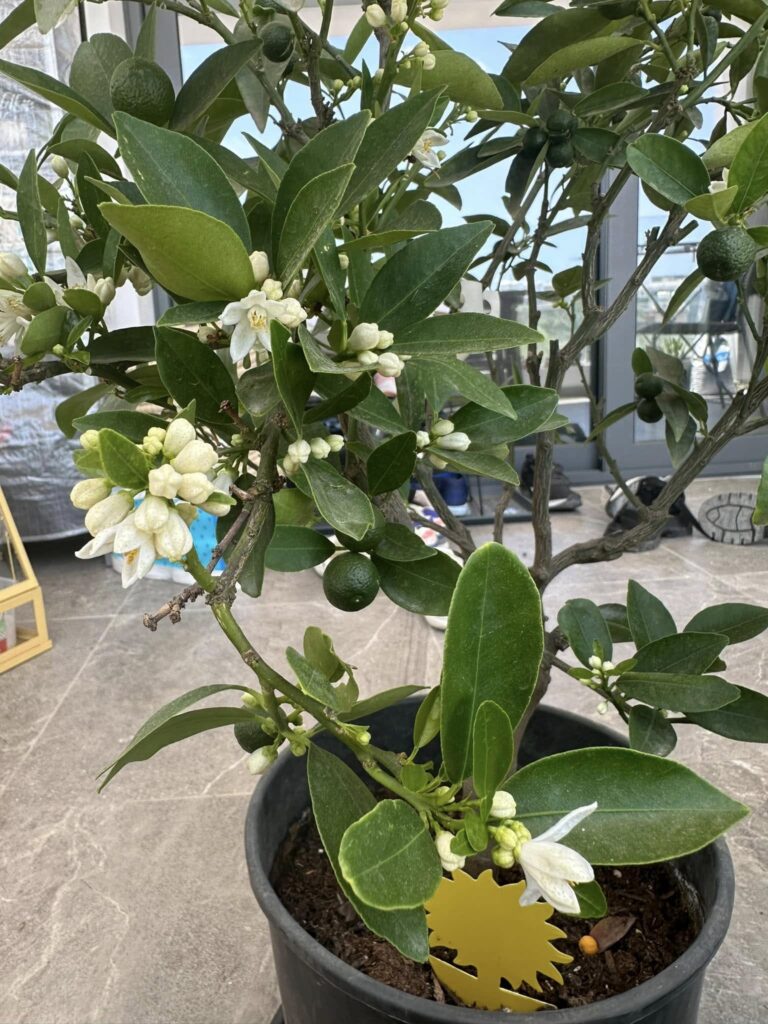
Kumquats are tiny, oval fruits you eat whole. The rind is sweet, while the flesh is tart. Together, the taste is a surprising sweet-sour burst.
UF’s horticulture agents list the kumquat (Citrus japonica) among types that grow well in home landscapes. The tree is small and neat. It works well as a container plant or ornamental.
Kumquats are quite hardy compared with many citrus. They suit cooler spots where oranges struggle. Use the fruit in jams, salads and cocktails.
15. Citron (Buddha’s Hand)
Citron is one of the original citrus species. UC Riverside’s curator notes that mandarins, pomelos, citrons, kumquats and papedas were likely the main original species. Many other citrus fruits descend from them.
The best-known form is Buddha’s hand, a fruit with long, finger-like segments. It has almost no juice or pulp. Its value lies in the fragrant rind, used for zest, candying and perfume.
The tree is thorny and quite cold tender. It needs warmth and shelter. Think of it as a conversation piece that also smells wonderful.
Other Citrus Worth Knowing
Several other citrus types are worth a mention. Yuzu is a cool-climate citrus with a fragrant, tart fruit. Bergamot gives Earl Grey tea its distinct flavor. Calamondin and limequat are small, tough trees that suit pots.
UF horticulture agents also recommend rangpur lime, a lemon and mandarin cross, for juice and zest in cooler parts of Florida. It is a great example of how hybrids fill gaps between the main types.
ALSO READ: Citrus Tree Summer Maintenance: Watering, Fertilization, Mulching, Pests, and More
How to Choose the Right Citrus Tree
A few questions will guide your choice. Think about climate, space and how you plan to use the fruit. Then match the tree to your conditions.
- Cold winters: choose Satsuma, kumquat or Meyer lemon in a pot.
- Warm, sunny gardens: choose sweet orange, navel or grapefruit.
- Small spaces: choose Meyer lemon, kumquat or Satsuma.
- Easy peeling: choose mandarin, Satsuma or clementine.
- Cooking and drinks: choose lemon, lime or Seville orange.
Basic Citrus Care
Most citrus needs six to eight hours of sun and well-drained soil. Water deeply, then let the top layer dry slightly. Do not let roots sit in water.
Feed with a fertilizer made for citrus. Plant at the correct depth, and keep mulch away from the trunk. Always buy certified, disease-free trees from a registered nursery.
Frequently Asked Questions
Which citrus tree is easiest for beginners?
Satsuma mandarin and Meyer lemon are both forgiving. They are compact, relatively cold hardy and productive.
Which citrus tree handles cold best?
Satsuma mandarins and kumquats are among the hardiest. Limes and pummelos are the most sensitive.
Do I need two citrus trees to get fruit?
Most citrus is self-fruitful. Some tangelos and mandarins benefit from a second tree, so check the variety.
Final Thoughts
Citrus trees reward patience and care. Each type offers something different, from the easy sweetness of a mandarin to the bold zing of a lime. The best tree is the one that suits your climate and your kitchen.
If I had to choose one, I would plant a Satsuma or a Meyer lemon first. Both forgive mistakes and give fruit fairly quickly. After that, you can explore the rest of this wonderful family.
References
- University of Florida, UF/IFAS Extension. Citrus Culture in the Home Landscape (HS132). https://ask.ifas.ufl.edu/publication/HS132
- University of California, Agriculture and Natural Resources. Citrus variety collection is a treasurehouse of diversity. https://ucanr.edu/sites/ucanr/?impact=78
- University of California, Riverside, Givaudan Citrus Variety Collection. Pummelos and their hybrids. https://citrusvariety.ucr.edu/citrus/pummelos.html
- University of California Cooperative Extension, Riverside County. Citrus Management: Varieties, Planting and Tree Care. https://ccfruitandnuts.ucanr.edu/sites/default/files/2012-04/140618.pdf
- University of California, Riverside, Givaudan Citrus Variety Collection. Lemons and their hybrids. https://citrusvariety.ucr.edu/citrus-varieties/category-or-type/lemons
- University of Florida, UF/IFAS Gardening Solutions. Meyer Lemon. https://gardeningsolutions.ifas.ufl.edu/home/plants/edible-plants/fruits/meyer-lemon
- USDA National Agricultural Statistics Service. Citrus Fruits 2025 Summary (August 2026). https://esmis.nal.usda.gov/sites/default/release-files/796038/cfrt0826.pdf

Tim M Dave is a gardening expert with a passion for houseplants, particularly cacti and succulents. With a degree in plant biology from the University of California, Berkeley, he has vast experience in gardening. Over the years, he has cultivated a vast collection of desert plants and learned a great deal about how to grow and care for these unique companions.