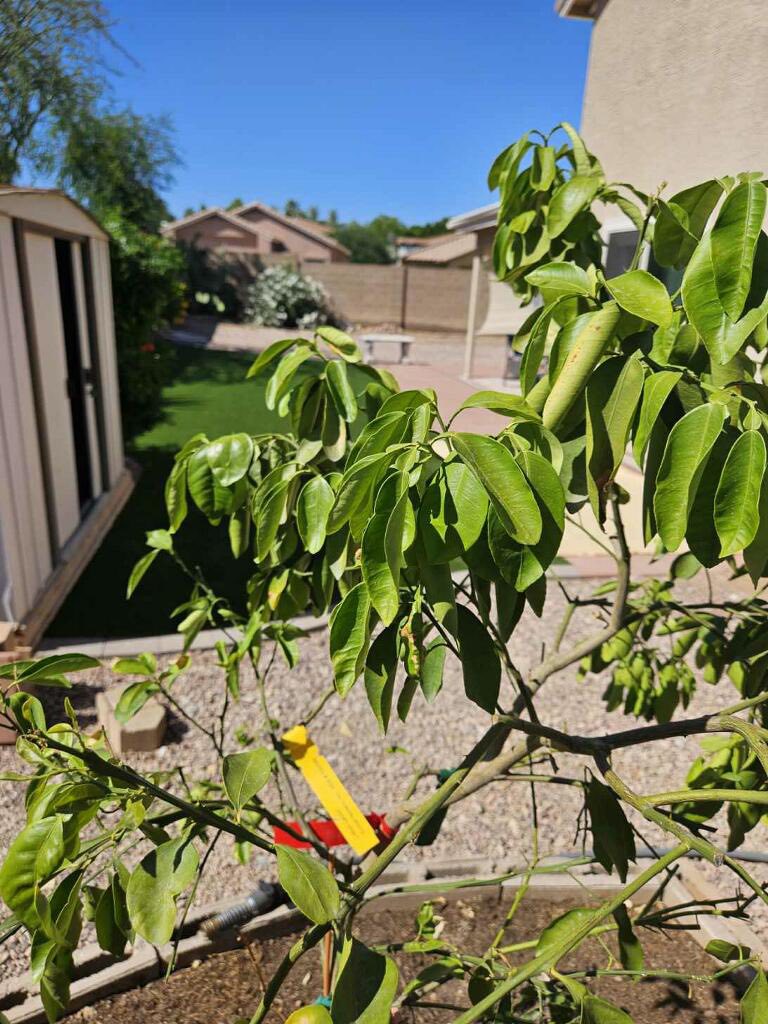
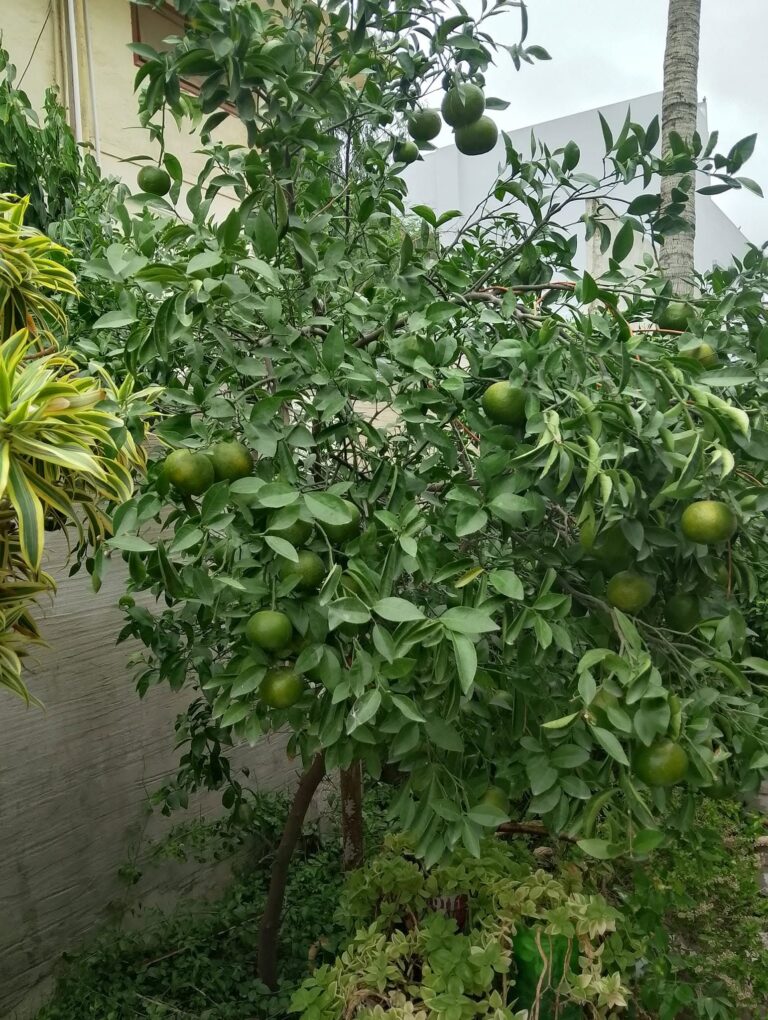
15 Orange Tree Diseases and Problems (With Proven Fixes)
Few things are as satisfying as picking an orange from your own tree. Few things are as discouraging as finding that tree covered in spots, gum or yellow leaves. I have felt both feelings, and I know how quickly worry sets in.
This guide covers 15 common orange tree diseases and problems, with symptoms, the likely causes and practical steps to take.
Why Orange Tree Health Matters
Citrus is a major crop, and the stakes are high. According to the USDA National Agricultural Statistics Service, California produced 84 percent of all US citrus in its 2025 summary. Florida produced 13 percent, and Texas and Arizona together made up the rest.
Florida’s story is a warning. The University of Florida reports that orange production there fell from 242 million boxes to 104.6 million boxes in 2014. A single disease was the main driver.
Home growers face smaller stakes, but the lessons are the same. Healthy trees resist problems better. Good soil, careful watering and early action protect your harvest.
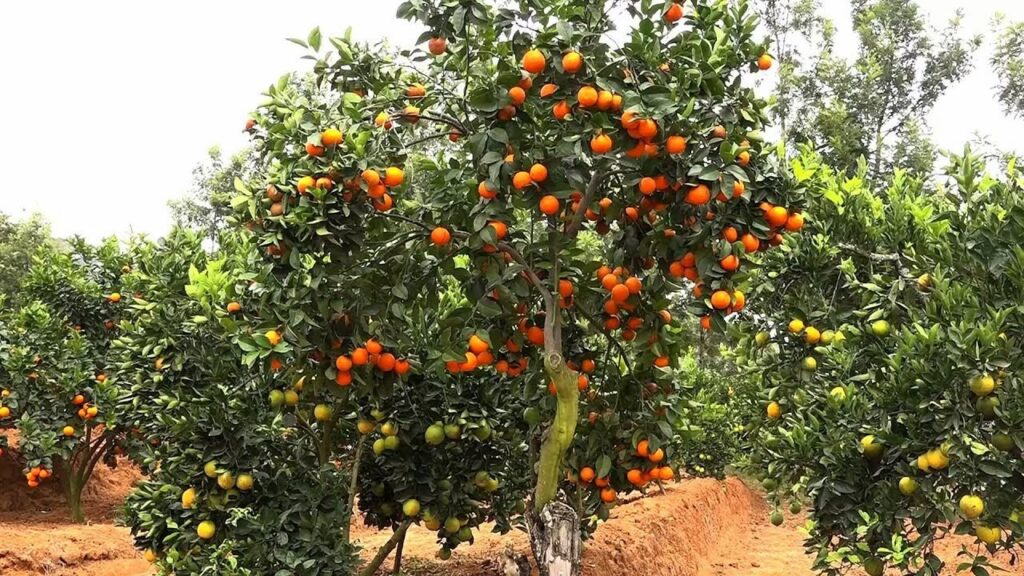
15 Orange Tree Diseases and Problems
1. Citrus Greening (Huanglongbing or HLB)
Citrus greening is the most serious threat to orange trees worldwide. It is a bacterial disease that damages the tree’s vascular system. The tree can no longer move nutrients properly.
Look for blotchy, mottled yellow leaves. Fruit stays small, lopsided and bitter, and often stays green at the bottom. Trees decline over several years and eventually die.
The numbers are sobering. Since HLB was first found in Florida in 2005, orange acreage there has fallen by 26 percent and yield by 42 percent, according to UF/IFAS economists. Researchers also report that Florida has lost about $7.8 billion in revenue and 7,513 jobs since 2007.
There is no cure. The disease spreads through the Asian citrus psyllid, a small insect. Control the psyllid aggressively, buy only certified nursery trees, and remove infected trees. Report suspected cases to your local agriculture office.
2. Citrus Canker
Citrus canker is a bacterial disease caused by Xanthomonas citri. It produces raised, corky lesions on leaves, stems and fruit. The spots often have a yellow halo.
Rain combined with wind is the main way it spreads. UF/IFAS notes that leaves are most vulnerable when they are partially expanded. The early lesions are tiny pinpoint spots that grow to about 2 to 10 millimeters.
Canker does not usually kill trees quickly. But it reduces yields, harms fruit quality and increases leaf drop. It is also a regulated disease in many areas.
Never move infected plant material. Contact your local extension office if you suspect canker. Windbreaks and copper sprays may help in some regions, but follow local rules.
3. Greasy Spot
Greasy spot is a common fungal disease in warm, humid regions. It first causes a swelling on the underside of the leaf. Later, dark brown to black, greasy-looking spots appear.
The fungus is Zasmidium citri-griseum. UF/IFAS describes it as a summer disease. Infection happens in warm, wet weather, but symptoms often show months later.
Heavy infections cause severe leaf drop. Fruit can also develop a pink pitting called greasy spot rind blotch. That mostly affects grapefruit but can touch other citrus.
Rake and remove fallen leaves. Keep the canopy open for air movement. Where fungicides are appropriate, an oil or copper spray timed in summer is the standard approach.
4. Melanose
Melanose causes small, rough, dark brown spots on leaves and fruit. On fruit, it can create a “mudcake” pattern. The spots feel like sandpaper under your finger.
The fungus is Diaporthe citri. It lives in dead twigs and wood, and rain spreads the spores. Young leaves and fruit are the most vulnerable.
UF/IFAS explains how to tell it apart from greasy spot. Melanose lesions cover the oil glands on the fruit surface. Greasy spot lesions do not.
The damage is mostly cosmetic, but it lowers fruit value. Prune out dead wood every year. That simple step removes the fungus’s home. Copper sprays can protect young fruit where needed.
ALSO READ: 50 Types of Orange Trees (Varieties With Pictures)
5. Citrus Scab
Citrus scab forms raised, wart-like growths on fruit and leaves. The bumps are pale pink, gray or brown. They give the fruit a rough, scabby surface.
It is a fungal disease. It spreads in cool, wet weather, especially on young growth. Lemons and some tangerines suffer most, but oranges can be affected too.
The inside of the fruit is usually fine. Still, scabby fruit looks poor and sells badly. Severe infection can distort young leaves.
Prune to improve airflow. Remove infected twigs and fallen debris. Protect new flushes with a suitable fungicide during spring if the problem returns each year.
6. Alternaria Brown Spot
Alternaria brown spot causes dark brown to black spots on leaves, twigs and fruit. Young leaves can curl, die and fall. Fruit may crack or drop early.
The fungus is Alternaria alternata. UF/IFAS lists it among the main citrus diseases to identify. It is more serious in tangerines and their hybrids, but oranges can still be affected.
Wet weather and humid conditions help it spread. It targets young, soft growth. That is why spring and fall flushes are the most at risk.
Avoid overhead watering. Keep the grass and weeds around the tree trimmed. In commercial groves, growers time fungicide sprays to match new growth.
7. Citrus Black Spot
Citrus black spot is a fungal disease that mainly harms fruit appearance. It appears as sunken, dark spots with a lighter center. Several forms exist, including hard spot, false melanose, cracked spot and virulent spot.
The fungus is Phyllosticta citricarpa. UF/IFAS notes that black spot can be found on all commercial citrus species. Cracked spot is reported to result from an interaction between rust mites and the fungus.
Fruit with black spot can still be edible. But it is often banned from fresh fruit markets because of quarantine rules. That makes it a big economic concern for growers.
Remove fallen leaves, which carry the spores. Copper and other fungicides may be used under local guidance. Report suspected cases promptly, since this disease is regulated in many regions.
8. Phytophthora Foot Rot and Gummosis
Foot rot and gummosis attack the lower trunk. The first sign is often gum oozing from small cracks in the bark. The tree seems to be “bleeding.”
The cause is Phytophthora fungi. University of California experts say these fungi are present in almost all citrus orchards. They develop quickly in moist, cool conditions.
UF/IFAS warns that when foot rot partially girdles the trunk, the leaves yellow and the tree declines. Early detection is essential. Late symptoms are clear, but early signs are easy to miss.
Plant on well-drained soil and keep the trunk dry. Never pile mulch against the bark. If you find a canker, UC guidance says you can cut away or scrape off the diseased bark. Use resistant rootstocks when you buy.
9. Phytophthora Root Rot
Root rot works underground, so it is hard to catch. The leaves turn light green or yellow and may drop. The canopy thins gradually.
The same Phytophthora group causes it. Spores spread in irrigation and rainwater, then attack the feeder roots. These are the tiny roots that take up water and nutrients.
UC extension materials stress that management combines three tools. These are resistant rootstocks, careful irrigation and effective fungicides where appropriate. No single tool is enough alone.
Avoid overwatering, especially in heavy clay. Water slowly and deeply instead of often. Raised beds can help in poorly drained gardens.
ALSO READ: 10 Common Citrus Tree Leaf Problems: Identification and Proven Solutions
10. Brown Rot of Fruit
Brown rot affects the fruit, not the tree itself. Affected fruit develops a firm, tan to brown area. It also has a distinctive, unpleasant odor.
Phytophthora species are again responsible. Splashing rain moves spores from the soil up to low-hanging fruit. Wet autumn weather increases the risk.
The problem can continue after harvest. Infected fruit may look fine at picking and rot in storage. That is a real trap for growers who store oranges.
Prune the lowest branches so fruit stays off the ground. Keep soil under the tree clean. Harvest in dry weather and inspect fruit before storage.
11. Bot Gummosis
Bot gummosis attacks branches and trunks. It causes cankers, dieback and gum oozing from dead bark. The wood under the bark may turn brown to yellowish.
A group of fungi in the Botryosphaeriaceae family cause it. UC IPM says it can cause rapid decline and death. Young trees are especially at risk if the affected tissue is not removed.
The dead bark often stays tightly attached, so the problem is not obvious. That makes it easy to miss until the damage is serious. Check your trunks and limbs regularly.
UC guidance notes that no effective fungicides are currently available for bot gummosis in California. Prevention is the main tool. Avoid wounding trees, prune in dry weather and remove diseased wood promptly.
12. Anthracnose
Anthracnose is a fungal disease that appears on stressed trees. It causes tan to brown spots on leaves and fruit. It can also cause twig dieback and fruit drop.
It tends to strike trees weakened by cold, drought or other diseases. Wet weather spreads the spores. Fruit can show sunken spots as it ripens or in storage.
UF/IFAS includes anthracnose among the common blemishes and decay problems of citrus fruit. It often comes as a secondary problem. The tree is weak first, and the fungus follows.
Focus on tree health. Feed, water and prune properly. Remove dead twigs, because they host the fungus. Protect trees from frost damage when possible.
13. Stem-End Rot
Stem-end rot begins at the button where the fruit attaches. The rind softens and turns brown, and decay spreads inward. It mostly appears after harvest.
UF/IFAS identifies several forms, including Phomopsis, Diplodia and Alternaria stem-end rot. Each is caused by a different fungus. All of them live in dead twigs and wood in the tree.
The fruit can look perfect on the tree and decay days later. I have seen a whole bowl spoil this way. It is frustrating, but it is preventable.
Prune dead wood every year. Harvest carefully to avoid wounds. Cool and dry the fruit soon after picking. Do not store damaged or wet fruit.
14. Sooty Mold
Sooty mold looks like a black, powdery film on leaves and fruit. It can be wiped off with your finger. It rarely harms the tree directly.
The mold grows on honeydew, a sticky liquid left by sap-feeding insects. Aphids, scale, mealybugs and whiteflies all produce it. So sooty mold is really a sign of an insect problem.
A heavy layer blocks light and reduces photosynthesis. Fruit may look dirty, though it is safe once washed. Ants often guard the insects, so a trail of ants is a clue.
Control the insects, and the mold will fade. Wash leaves with a strong stream of water. Use insecticidal soap or horticultural oil where needed. Keep ants off the trunk with sticky barriers.
15. Rust Mites and Nutrient Deficiencies
I group these two because they cause similar worries. Both change the look of the leaves and fruit. Neither is a classic disease, but both are very common.
Citrus rust mites are tiny pests that russet the fruit rind. The skin turns brown or silver and rough. UF/IFAS also links rust mites to cracked spot with black spot. Inspect fruit with a hand lens in summer.
Nutrient deficiencies cause yellow leaves. A lack of nitrogen yellows the whole leaf. Iron or zinc deficiency often causes yellow leaves with green veins. Test your soil before you add anything.
Use a fertilizer made for citrus. Water evenly, and add mulch away from the trunk. Healthy, well-fed trees tolerate mites better. When in doubt, ask your local extension office to test soil and leaves.
Prevention Checklist for Orange Trees
Most problems share the same roots. A few good habits prevent many of them. Here is the short list I follow myself.
- Buy certified trees from registered nurseries.
- Plant in well-drained soil and full sun.
- Water at the base, not over the leaves.
- Prune dead wood every year and clean tools between cuts.
- Rake up fallen leaves and fruit.
- Keep mulch off the trunk.
- Watch for the Asian citrus psyllid and report suspicious symptoms.
ALSO READ: Citrus Tree Summer Maintenance: Watering, Fertilization, Mulching, Pests, and More
Frequently Asked Questions
Why are my orange tree leaves turning yellow?
Common causes include nutrient deficiency, root rot, overwatering and citrus greening. Check soil drainage and roots first. Blotchy, asymmetrical yellowing may signal greening, so contact your extension office.
Can a tree with citrus greening be saved?
There is currently no cure. Control of the psyllid and removal of infected trees are the main methods.
Is fruit with spots safe to eat?
Often yes, especially with melanose, scab or greasy spot. Do not eat rotten or moldy fruit. When in doubt, throw it out.
Final Thoughts
Orange trees are generous, but they are not immune to trouble. The good news is that most issues show early warnings. A short walk around your tree each week can save your harvest.
Start with soil, water and clean pruning. These three habits prevent more problems than any spray. If something looks serious, call your local extension service for advice that fits your region.
References
- University of Florida, UF/IFAS Extension. Impact of Citrus Greening on Citrus Operations in Florida (FE983). https://ask.ifas.ufl.edu/publication/FE983
- University of Florida, UF/IFAS Extension. A Guide to Citrus Disease Identification (CH159). https://ask.ifas.ufl.edu/publication/CH159
- University of Florida, UF/IFAS Extension. Citrus Fruit Blemishes and Decay Caused by Fungi and Bacteria (HS1291). https://edis.ifas.ufl.edu/publication/HS1291/pdf
- University of California, UC IPM. Phytophthora Gummosis of Citrus. https://ipm.ucanr.edu/home-and-landscape/phytophthora-gummosis-of-citrus/
- University of California, UC IPM. Bot Gummosis, Citrus Pest Management Guidelines. https://ipm.ucanr.edu/agriculture/citrus/dothiorella-gummosis/
- California Department of Food and Agriculture (CDFA). Florida citrus production off more than 70 percent; HLB to blame. https://plantingseedsblog.cdfa.ca.gov/wordpress/index.php/2016/02/22/florida-citrus-production-off-more-than-70-percent-hlb-to-blame-from-southeast-farm-press
- USDA National Agricultural Statistics Service. Citrus Fruits 2025 Summary (August 2026). https://esmis.nal.usda.gov/sites/default/release-files/796038/cfrt0826.pdf

Tim M Dave is a gardening expert with a passion for houseplants, particularly cacti and succulents. With a degree in plant biology from the University of California, Berkeley, he has vast experience in gardening. Over the years, he has cultivated a vast collection of desert plants and learned a great deal about how to grow and care for these unique companions.