25 Cold Hardy Vegetables (Varieties That Survive Freezing Winters)
I used to think the garden season ended with the first frost. Then I tasted a spinach leaf picked on a frozen November morning. It was crisp and sweet, and it changed my mind for good.
The truth is simple. Many vegetables do not just survive cold weather. They improve in it. With the right choices, you can harvest well into winter.
This guide covers 25 cold hardy vegetables. You will learn how cold each one can take, when to plant, and how to protect your crop.
Quick Answer: What Are the Most Cold Hardy Vegetables?
The hardiest vegetables are kale, spinach, collards, Brussels sprouts, cabbage, garlic, leeks, turnips, and arugula. Oregon State University Extension says hardy crops can withstand heavy frost, which means temperatures below 28°F.
Many others tolerate a light frost between 28°F and 32°F. These include carrots, beets, lettuce, and cauliflower. Both groups are good choices for autumn and winter.
Hardy and Semi-Hardy: What the Terms Mean
Extension services sort vegetables into groups by frost tolerance. Hardy vegetables handle hard frost. Semi-hardy ones handle light frost only. Tender ones, such as tomatoes, die at the first frost.
Oregon State notes that cold weather does not kill hardy vegetables. It simply slows their growth. That is an important idea. The plant waits, then grows again when light and warmth return.
Purdue Extension adds a useful warning. On the average first frost date, the chance of frost is only 50 percent. So frost can come earlier or later than the calendar says.
Why Cold Makes Vegetables Taste Better
Many gardeners notice that frosted greens taste sweeter. This is not a myth. Extension specialists explain that cold triggers plants to turn starch into sugar.
The sugar acts like a natural antifreeze. It lowers the temperature at which water inside the leaf freezes. That protects the plant, and it improves flavor for you.
Clemson Extension confirms that frost sweetens kale. I have noticed the same in carrots and Brussels sprouts. A cold night can turn a plain crop into a real treat.
25 Cold Hardy Vegetables
1. Kale
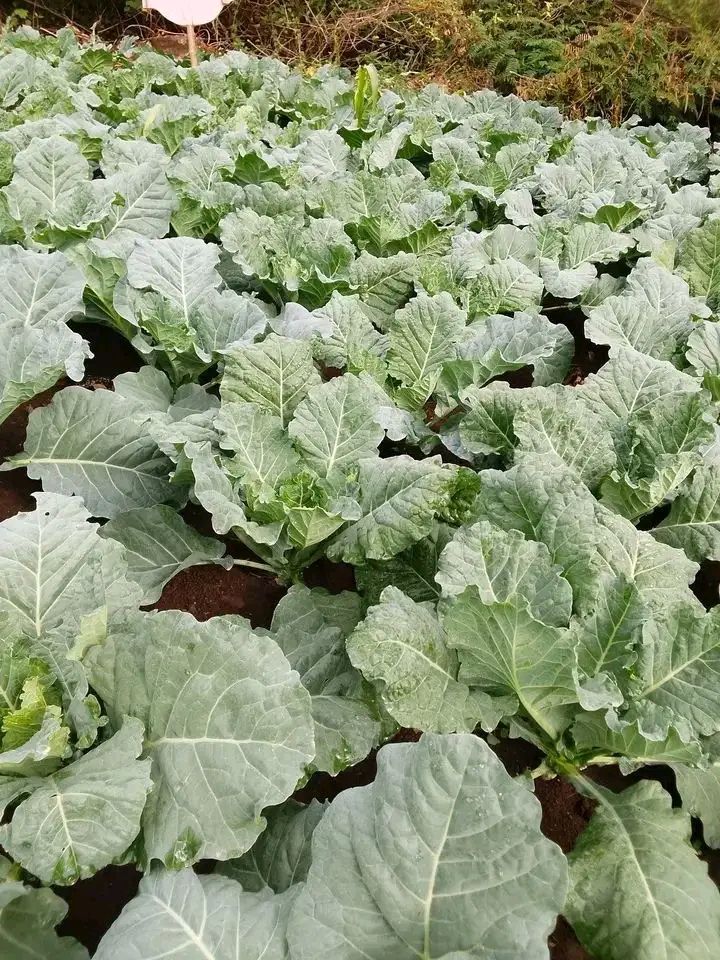
Kale is the champion of the cold garden. University of Minnesota Extension calls it the hardiest of the midsummer crops, surviving down to about 20°F. Clemson Extension gives the same figure.
It matures in 40 to 65 days, according to Minnesota. Plants keep growing in cool weather. Frost makes the leaves sweeter and less bitter.
Best varieties: ‘Winterbor’, ‘Red Russian’, and ‘Siberian’. Clemson notes that Siberian is among the most cold-hardy. I like to pick the outer leaves and let the center keep growing.
2. Spinach
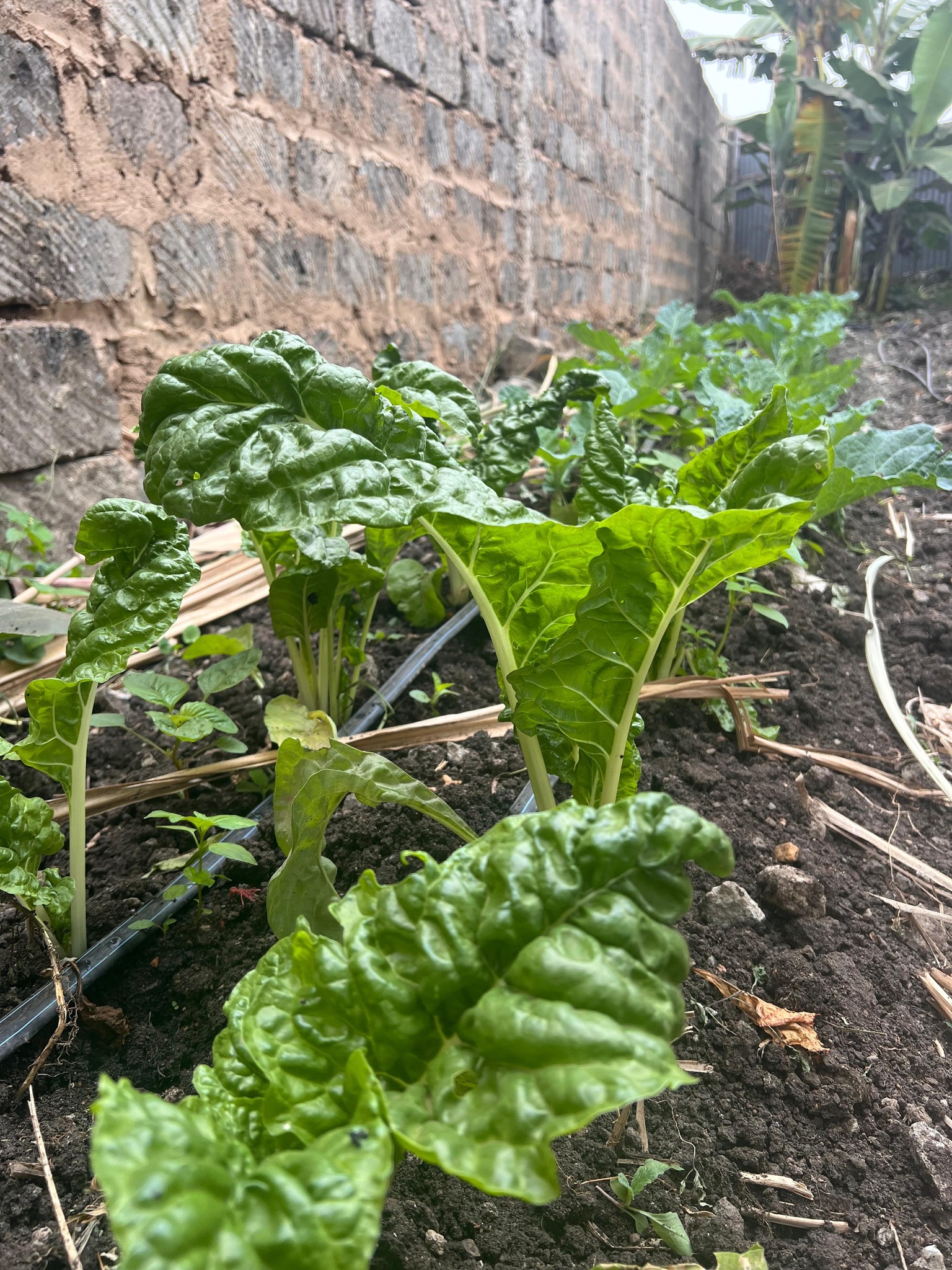
Spinach is one of the fastest cold weather crops. Minnesota Extension lists it at 35 to 45 days to maturity. It survives frost and may even overwinter.
Oregon State places spinach in its hardy group. Plants stop growing in the darkest weeks. They start again as days lengthen in late winter.
Tip: sow in early autumn so plants are mature before deep cold. Cover with a row cover on the coldest nights. The leaves stay tender and sweet.
3. Collard Greens
Collards are a classic cold season green. They have large, smooth leaves and a mild, earthy taste. Purdue Extension lists them as hardy.
They grow tall and tolerate hard frost well. Like kale, they improve after several cold nights. The flavor becomes richer and less sharp.
Best use: slow cooking, soups, and stews. Harvest the lower leaves first. A single healthy plant can feed a family for weeks.
4. Brussels Sprouts
Brussels sprouts need a long season. They are slow to mature, so plant them in early summer. Oregon State lists them as hardy to heavy frost.
The sprouts form along the stalk in autumn. A few frosty nights make them sweeter. I find frost-kissed sprouts far milder than those from the shop.
Tip: harvest from the bottom of the stalk first. Pick sprouts when they are firm and about an inch wide. Leave the stalk standing for later picking.
5. Cabbage
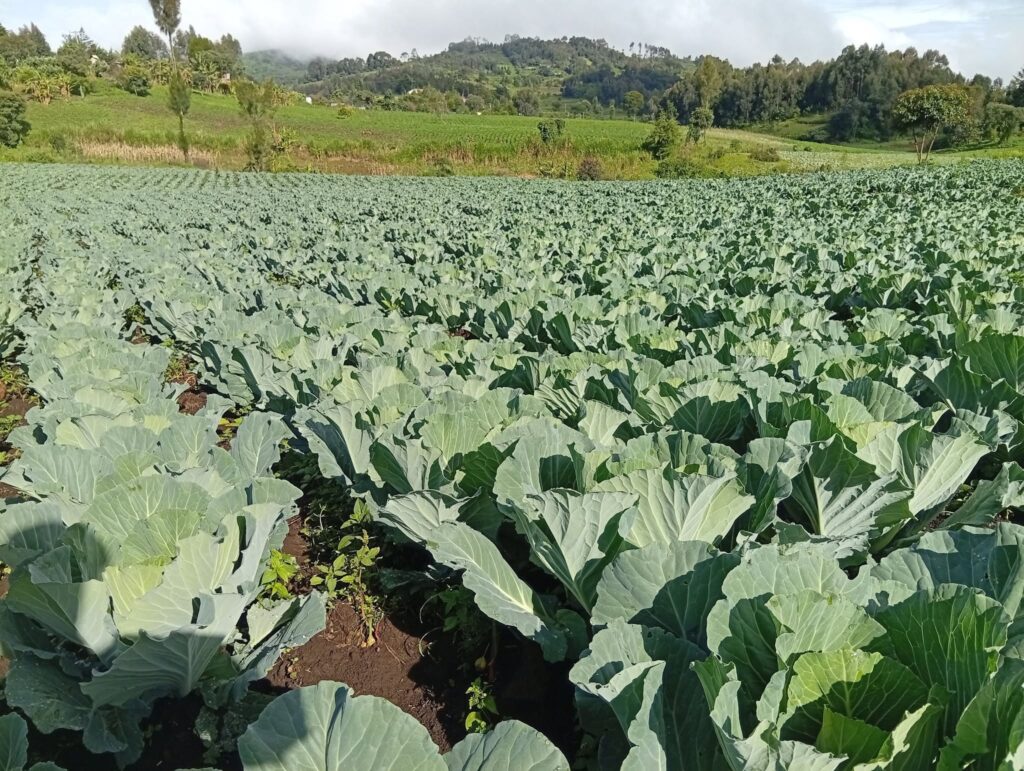
Cabbage is dependable and hardy. Oregon State and Purdue both list it among the hardy vegetables. Tight heads shrug off frost.
Choose late-season varieties for winter storage. They hold well in the garden until you need them. Savoy types are especially tough.
Best use: slaws, ferments, and roasted wedges. Cut heads before a very hard freeze, or cover them. Fresh cabbage in November feels like a small victory.
6. Broccoli
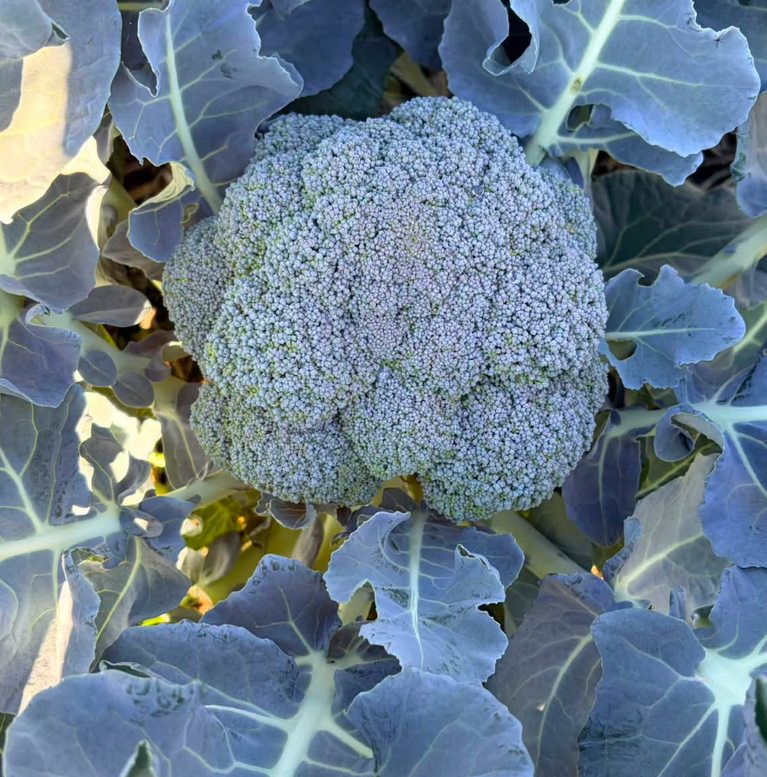
Broccoli grows well in cool seasons. Minnesota Extension lists it at 50 to 70 days and notes it survives light frost. Oregon State counts it among its hardy crops.
After you cut the main head, side shoots keep coming. This gives you extra harvests for weeks. Cool weather makes the heads firm and sweet.
Interesting fact: Oregon State says purple-sprouting broccoli resists winter rots, thanks to its red-purple pigment. It is a smart pick for wet climates.
7. Kohlrabi
Kohlrabi looks strange, but it is easy to love. The swollen stem tastes like a mild, sweet turnip. Oregon State lists it as hardy.
Minnesota Extension gives 50 to 60 days to maturity. It is a quick crop for late summer sowing. Frost does not harm it.
Best use: raw in salads, or roasted. Peel the tough outer skin first. Harvest when the bulb is about the size of a tennis ball for the best texture.
8. Garlic
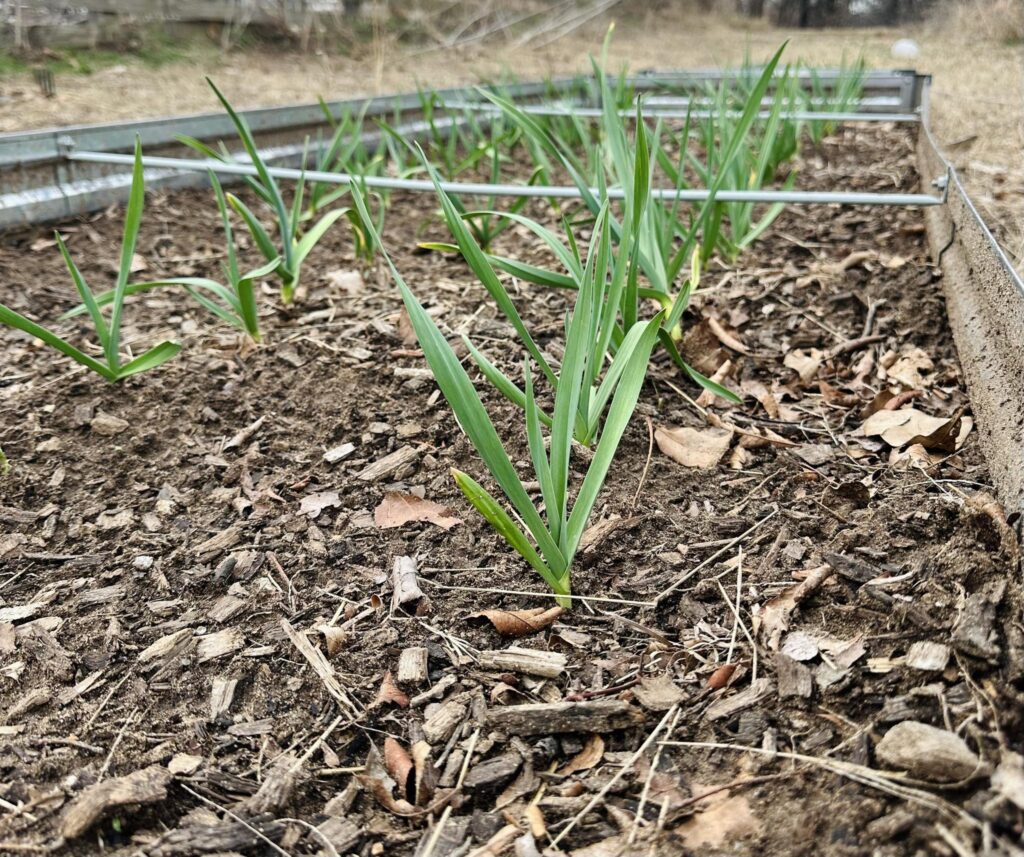
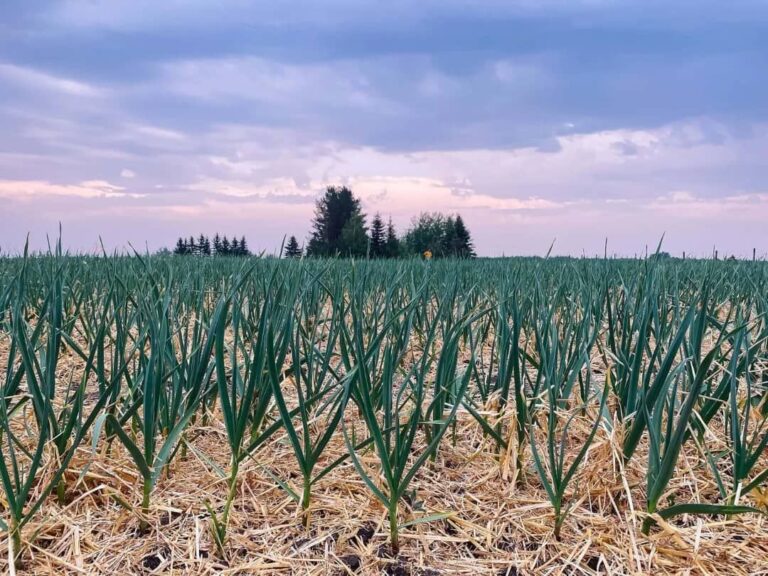
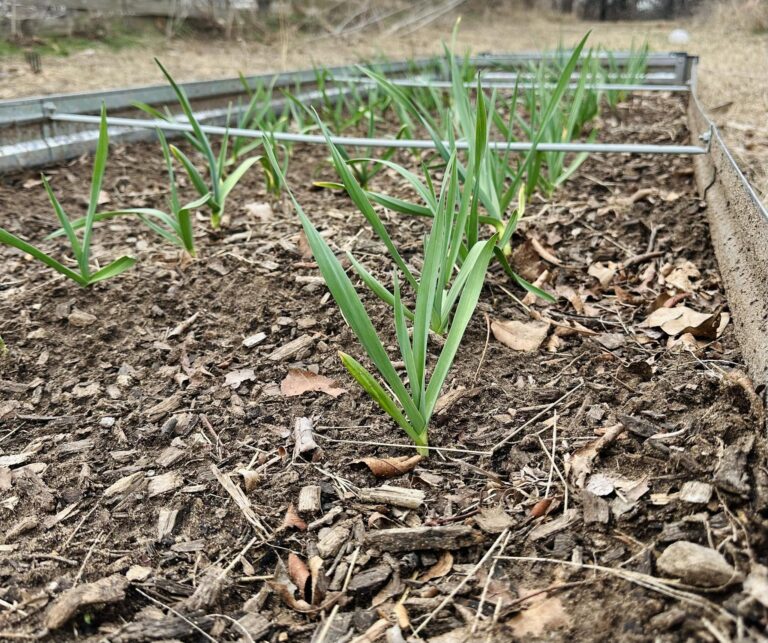
Garlic is a simple winter crop. You plant cloves in autumn. They root, rest through winter, and grow again in spring. Oregon State lists garlic among its hardy vegetables.
The cold is actually helpful. Most garlic needs a period of chilling to form good bulbs. Planting in autumn gives it that.
Tip: plant cloves pointed end up, about 2 inches deep. Mulch with straw. You will harvest bulbs the following summer.
9. Leeks
Leeks are tough and mild. They stand in the garden all winter in many areas. Oregon State lists them as hardy to hard frost.
They take a long time to grow, so start early. Hill soil around the stems to blanch them white. Frost sweetens the flavor.
Best use: soups, potato dishes, and tarts. Dig them as needed through winter. A frozen leek will often thaw and still be good.
10. Onions
Onions tolerate frost well. Oregon State and Purdue both place them in the hardy group. Some varieties are planted in autumn to overwinter.
Green onions are the easiest. They stay small and keep growing in cool weather. I harvest them with scissors all winter.
Tip: choose short-day or overwintering varieties for autumn planting. Mulch lightly. In spring, they grow quickly and make full bulbs.
11. Carrots
Carrots are semi-hardy. Oregon State lists them as tolerating light frost, between 28°F and 32°F. Tops may die back, but the roots survive.
The best part is the taste. Cold turns starch into sugar, so winter carrots are very sweet. I think they are the best carrots of the year.
Tip: cover rows with 6 inches of straw or leaves. This keeps the soil workable. You can dig carrots as needed, even in snow.
12. Parsnips
Parsnips are a winter classic. Oregon State lists them as semi-hardy. The roots tolerate freezing ground very well.
They need a long season, often 100 days or more. Sow in spring, and harvest after frost. Cold gives them their nutty, sweet flavor.
Best use: roasting, mashing, and soups. Leave them in the soil until you want them. Dig before the ground freezes solid, or mulch heavily.
13. Beets
Beets are semi-hardy and easy. Oregon State says tops may die back in a freeze, but roots survive. Mulch helps protect them.
Both the roots and the greens are edible. The greens are best harvested young. Roots stay sweet in cool soil.
Tip: harvest before the ground freezes hard. Twist off the tops, leaving an inch of stem. Store roots in a cool, damp place.
14. Turnips
Turnips grow quickly and handle frost. Oregon State lists them as hardy. Many varieties mature in 40 to 60 days.
Small roots taste mild and sweet. Large ones can turn woody. Harvest them young for the best flavor.
Bonus: the leaves are edible too. Turnip greens are rich and slightly peppery. Sow in late summer for autumn harvest.
15. Rutabaga
Rutabaga is a cross between cabbage and turnip. It is large, firm, and very cold hardy. Oregon State places it in its hardy group.
It needs a long, cool season. Sow in midsummer for fall harvest. A frost improves the taste noticeably.
Best use: mashed, roasted, or in stews. Roots store well in a cool cellar. They can also stay in the ground under mulch.
16. Radishes
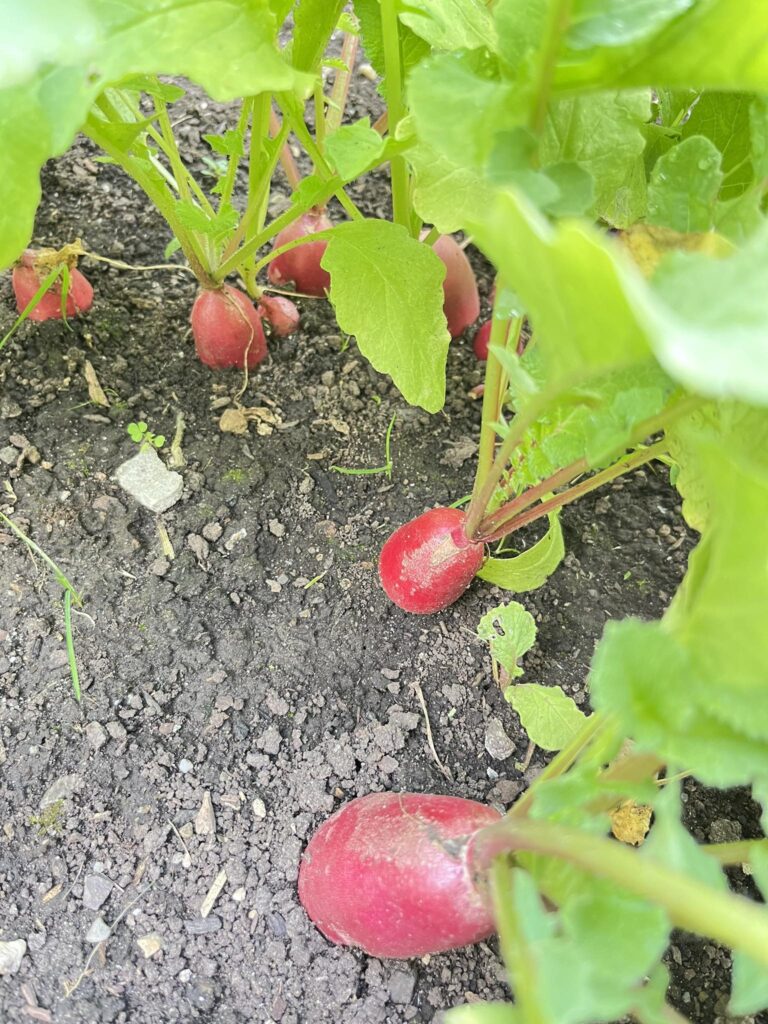
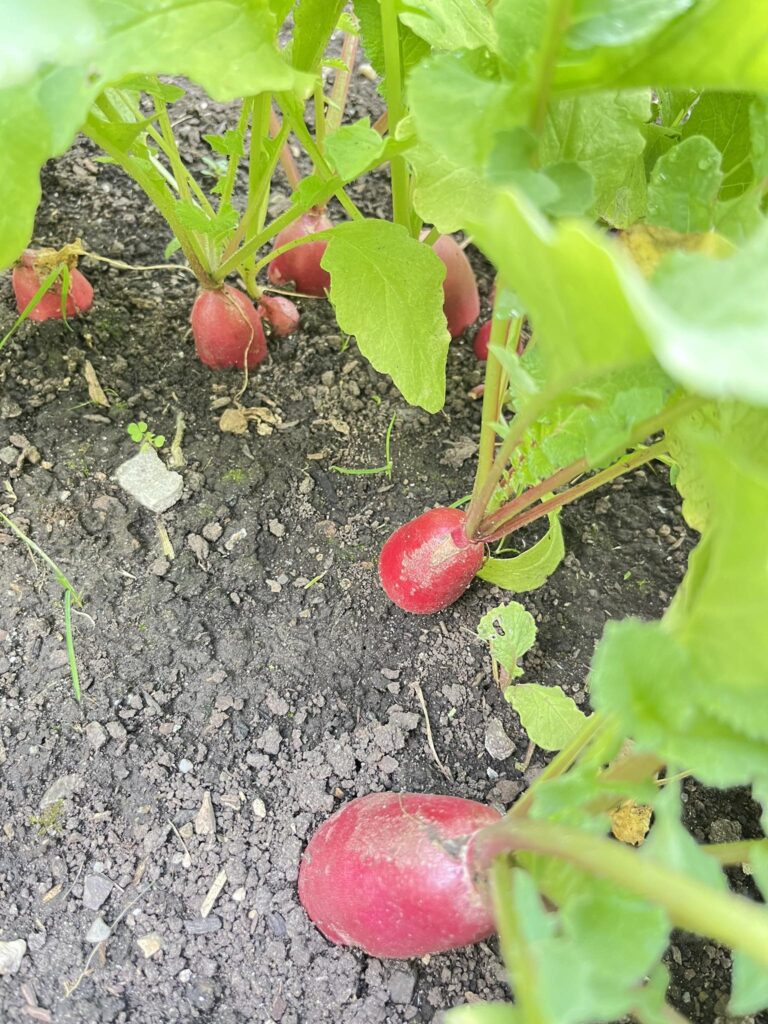
Radishes are the fastest crop on this list. Many are ready in about 25 days. Oregon State and Purdue list them as hardy.
Cool weather suits them well. In heat they turn hot and woody. In cold, they stay crisp and mild.
Tip: try winter types such as daikon or ‘Watermelon’. They grow larger and store well. Sow every two weeks for steady harvests.
17. Arugula
Arugula is a peppery salad green. Oregon State lists it as hardy. It grows quickly in cool weather.
The flavor is milder in autumn than in summer. Heat makes it bitter and causes it to bolt. Cool nights keep it tender.
Tip: sow thickly and cut young leaves. A low tunnel keeps it going into winter. I often harvest it in under 30 days.
18. Mustard Greens
Mustard greens add a bold, spicy kick. Oregon State and Purdue both list them as hardy. They grow fast and tolerate hard frost.
Varieties range from green to deep red. Red types are very attractive in cold gardens. Cooking mellows the heat.
Best use: stir-fries, soups, and mixed salads. Pick leaves young for the mildest taste. Plants keep producing all season.
19. Mâche (Corn Salad)
Mâche is a small, tender green with a nutty taste. Oregon State lists corn salad as hardy. It is one of the toughest salad greens.
It grows low to the ground in rosettes. Frost does not bother it. It even grows slowly under snow.
Tip: sow in early autumn and thin seedlings. Harvest the whole rosette. It is a lovely salad base when little else is fresh.
20. Swiss Chard
Swiss chard is semi-hardy. Oregon State and Purdue both list it as tolerating light frost. In mild winters, it keeps going.
The colorful stems brighten a gray garden. Leaves stay tender in cool weather. It handles heat better than most cold crops.
Tip: mulch heavily and cover with a row cover. In many areas, chard will resprout in spring. Harvest outer leaves and leave the center.
21. Lettuce
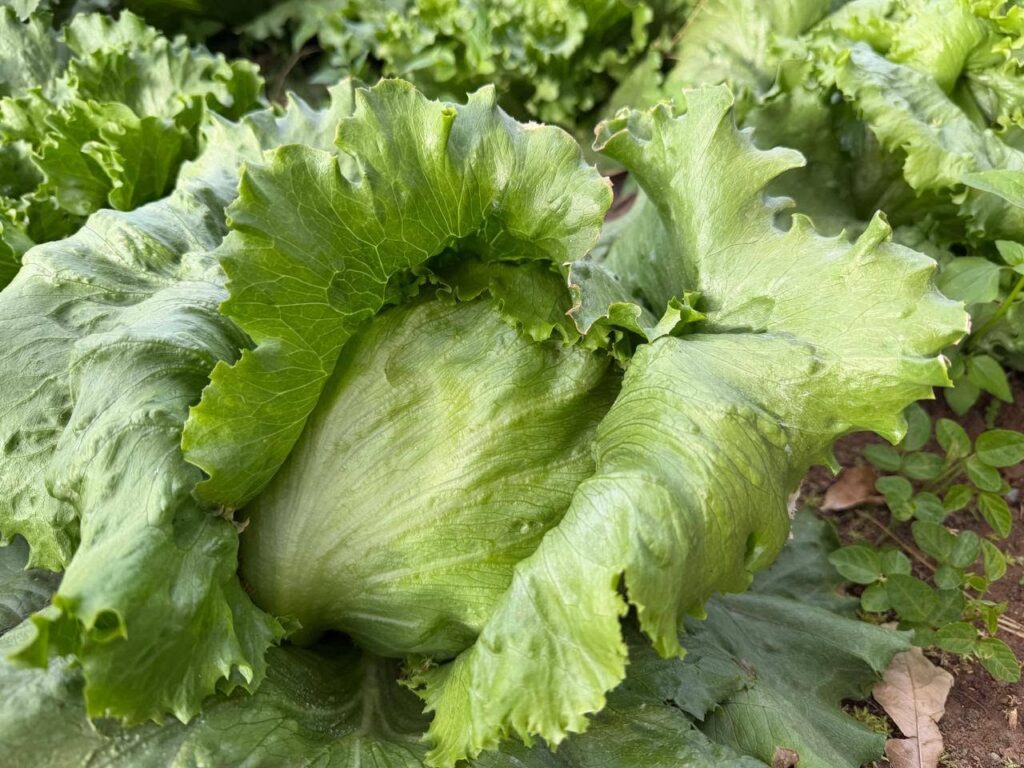
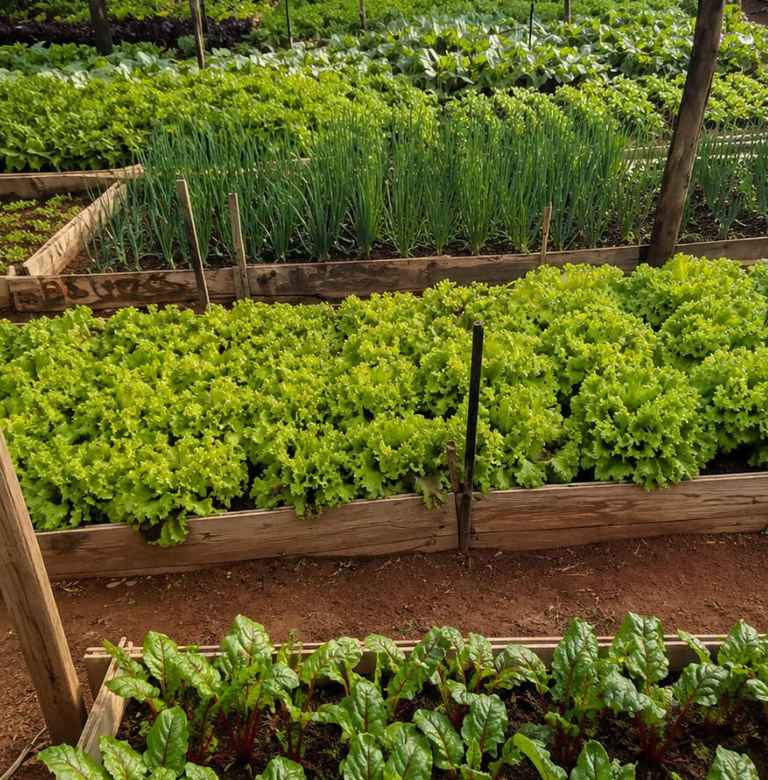
Lettuce is semi-hardy. Oregon State lists it as tolerating light frost. Cool weather makes it crisp and sweet.
Choose cold-tolerant varieties. ‘Winter Density’ and ‘Arctic King’ are popular names. Loose-leaf types are usually tougher than heads.
Tip: grow lettuce in a cold frame or low tunnel. It will keep producing through much of winter. Water in the morning so leaves can dry.
22. Peas
Peas love cool weather. Purdue lists peas as hardy, while Oregon State notes that garden peas are semi-hardy before flowering. Flowers are damaged by frost.
Plant early in spring, or in late summer for autumn pods. Illinois Extension advises planting hardy vegetables four to six weeks before the last frost date in spring.
Tip: provide a trellis. Pick pods young, while they are sweet. Pea shoots are also a delicious winter treat.
23. Fava Beans
Fava beans, also called broad beans, are very hardy. Oregon State lists them among crops that withstand heavy frost. They can be planted in autumn.
They grow slowly through winter. In spring, they flower and set pods. Oregon State says gardeners might harvest fava beans by March with good planning.
Bonus: fava beans fix nitrogen in the soil. They also work as a cover crop. Stake tall plants in windy spots.
24. Cauliflower
Cauliflower is semi-hardy. Oregon State lists it as tolerating light frost. Minnesota Extension gives 60 to 80 days to maturity.
It is more sensitive than broccoli. Hard freezes can damage the heads. Protect it on very cold nights.
Tip: tie outer leaves over the head to shield it from frost and sun. Look for colored types, such as purple and orange. They are showy and tasty.
25. Chinese Cabbage (Napa)
Chinese cabbage is semi-hardy. Oregon State lists it as tolerating light frost. It forms tall, tender heads in cool weather.
The flavor is mild and slightly sweet. It is wonderful in stir-fries and kimchi. Heat makes it bolt, so autumn is the best season.
Tip: sow in late summer, about 8 to 10 weeks before the first hard frost. Cover heads before a deep freeze. Harvest before temperatures stay below freezing.
Quick Comparison of Frost Tolerance
| Group | Frost Tolerance | Examples |
| Hardy | Below 28°F | Kale, spinach, collards, garlic, leeks, turnips |
| Semi-hardy | 28–32°F | Carrots, beets, lettuce, chard, cauliflower |
| Tender | Killed by frost | Tomatoes, peppers, cucumbers, beans |
These ranges come from Oregon State University Extension. Actual tolerance depends on plant age, variety, and weather. Mature plants are usually tougher than young seedlings.
When to Plant for Cold Season Harvest
Timing matters more than anything else. Count backward from your first frost date. Add the days to maturity, plus about two weeks for slower autumn growth.
Oregon State suggests planting hardy crops from mid-August to early October for a spring harvest. Minnesota Extension advises sowing from midsummer for fall harvest. Sow earlier in colder areas.
In spring, plant hardy crops early. Illinois Extension says hardy vegetables can go in four to six weeks before the average frost-free date. Semi-hardy ones can follow two to three weeks before.
ALSO READ: 25 Vegetables to Grow in Winter (Cold Hardy Varieties, With Details)
How to Protect Crops in Winter
You do not need a greenhouse. A few simple tools go a long way. Mulch, row covers, and low tunnels are cheap and effective.
Mulch with straw or shredded leaves after the soil cools. This keeps roots from freezing hard. It also helps carrots and parsnips stay in the ground.
Row cover adds a few degrees of warmth. A low tunnel adds more. Water plants before a freeze, because moist soil holds heat better than dry soil.
Using High Tunnels and Hoop Houses
A high tunnel is a plastic-covered frame that traps heat. USDA reports that the air inside a high tunnel can be 10 to 15 degrees warmer than outside. That can decide whether a crop survives.
Virginia State University Extension says a tunnel can add at least four weeks to the spring and fall seasons. It notes that cold hardy vegetables can grow through winter in most regions of Virginia.
In the United States, USDA’s Natural Resources Conservation Service offers cost-share help for qualifying farmers. Check with your local office. Small tunnels are also easy to build at home.
Common Mistakes to Avoid
The first mistake is planting too late. Plants need to be nearly mature before growth slows. Seeds sown after the first frost rarely succeed.
The second is overwatering in cold weather. Wet soil can rot roots and freeze solid. Water only when the top inch is dry.
The third is harvesting too early. Many crops are best after a few frosts. Be patient and taste as you go.
Frequently Asked Questions
What is the most cold hardy vegetable?
Kale is often named the hardiest. University of Minnesota Extension says it survives down to about 20°F. Some varieties, such as Siberian and Red Russian, are tougher still.
Can I grow vegetables all winter?
In many areas, yes. Choose hardy crops, and add mulch or row covers. In very cold regions, a high tunnel or cold frame helps.
Do vegetables taste better after frost?
Many do. Cold makes plants convert starch to sugar. Kale, carrots, parsnips, and Brussels sprouts are good examples.
When should I plant cold hardy vegetables?
Plant in late summer for autumn crops. Plant hardy types in early spring too. Count back from your average first frost date.
Which cold hardy vegetables grow fastest?
Radishes, arugula, spinach, and turnips are quick. Many are ready in 25 to 45 days. They are ideal for late sowing.
Final Thoughts
A cold garden is a calm, rewarding garden. There are fewer pests and fewer weeds. The vegetables are crisp, sweet, and full of flavor.
Start small. Pick four or five crops from this list, such as kale, spinach, garlic, carrots, and radishes. Learn how they behave in your climate.
Autumn is the right moment to begin. Even now, you may be able to sow something quick. Next winter, you could be picking fresh greens through the snow.
References
- Oregon State University Extension Service. Plant cold-hardy vegetables now for a spring harvest. https://extension.oregonstate.edu/news/plant-cold-hardy-vegetables-now-spring-harvest
- University of Minnesota Extension. Planting vegetables in midsummer for fall harvest. https://extension.umn.edu/planting-and-growing-guides/planting-vegetables-midsummer-fall-harvest
- Purdue University Extension. The Fall Vegetable Garden (HO-66-W). https://ag.purdue.edu/department/hla/extension/extension-publications-library/ext-pubs/ho-66-w.html
- University of Illinois Extension. Cool Season Vegetables. https://extension.illinois.edu/sites/default/files/cool_season_vegetables_infosheet.pdf
- Clemson Cooperative Extension, Home & Garden Information Center. Kale Is a Headless Cabbage. https://hgic.clemson.edu/kale-is-a-headless-cabbage/
- Virginia State University Cooperative Extension. High Tunnels and Season Extension. https://www.ext.vsu.edu/high-tunnels-main-1
- U.S. Department of Agriculture. High Tunnels Protect Crops through Sleet and Snow. https://www.usda.gov/node/21464

Tim M Dave is a gardening expert with a passion for houseplants, particularly cacti and succulents. With a degree in plant biology from the University of California, Berkeley, he has vast experience in gardening. Over the years, he has cultivated a vast collection of desert plants and learned a great deal about how to grow and care for these unique companions.