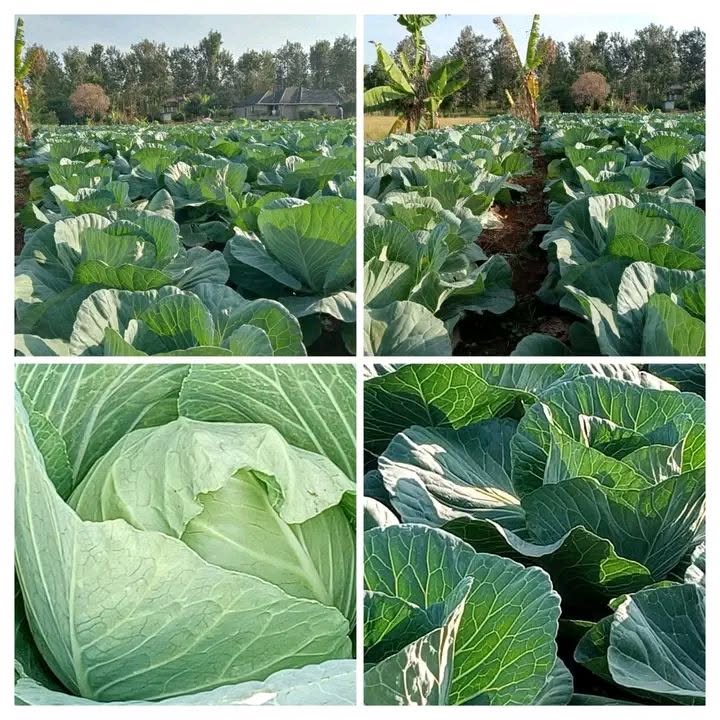
30 Vegetables That Grow in Shade (With Planting Details)
I used to think a shady backyard meant no vegetable garden at all. Then I actually tried planting lettuce under a maple tree, and it grew better than the lettuce baking in my sunny bed. That surprise changed how I garden.
If your yard is fenced in by trees, buildings, or a north-facing wall, you are not out of options. Many vegetables tolerate partial or even significant shade, and some genuinely prefer it.
This guide walks you through 30 vegetables that grow in shade, why they succeed there, and how much light each one actually needs.
Understanding Shade Before You Plant
Not all shade is equal, and this matters more than most articles admit. Light shade means 3 to 6 hours of direct sun, often filtered through tree branches. Partial shade usually refers to 3 to 4 hours of direct sun. Full shade means less than 3 hours, and very few vegetables survive there.
According to Iowa State University Extension and Outreach, leafy vegetables such as leaf lettuce, spinach, collards, Swiss chard, and kale can be successfully grown in areas that receive just 3 to 4 hours of sun daily. Radishes, kohlrabi, beets, cauliflower, and broccoli are also listed as workable options for partial shade.
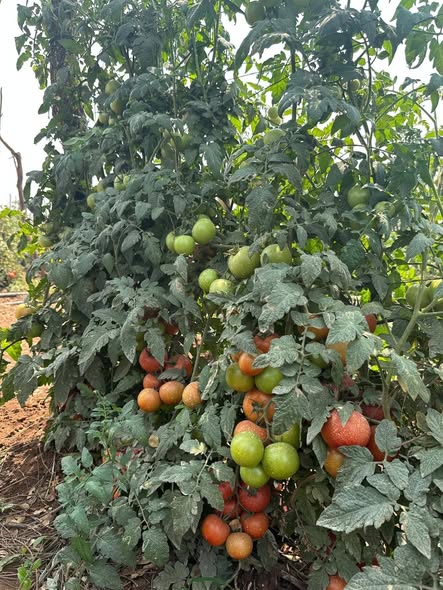
NC State Extension makes an important distinction. Vegetables grown for their leaves and roots tolerate shade far better than those grown for fruit. Tomatoes, peppers, and squash need eight or more hours of direct sun, but leafy and root crops can manage with six hours or less and still produce a harvest.
Here is a simple rule I use in my own garden: if you eat the leaf, stem, or root, shade is usually fine. If you eat the fruit or flower of the plant, you need full sun. Keep that in mind as you go through this list.
30 Vegetables That Grow in Shade
1. Lettuce
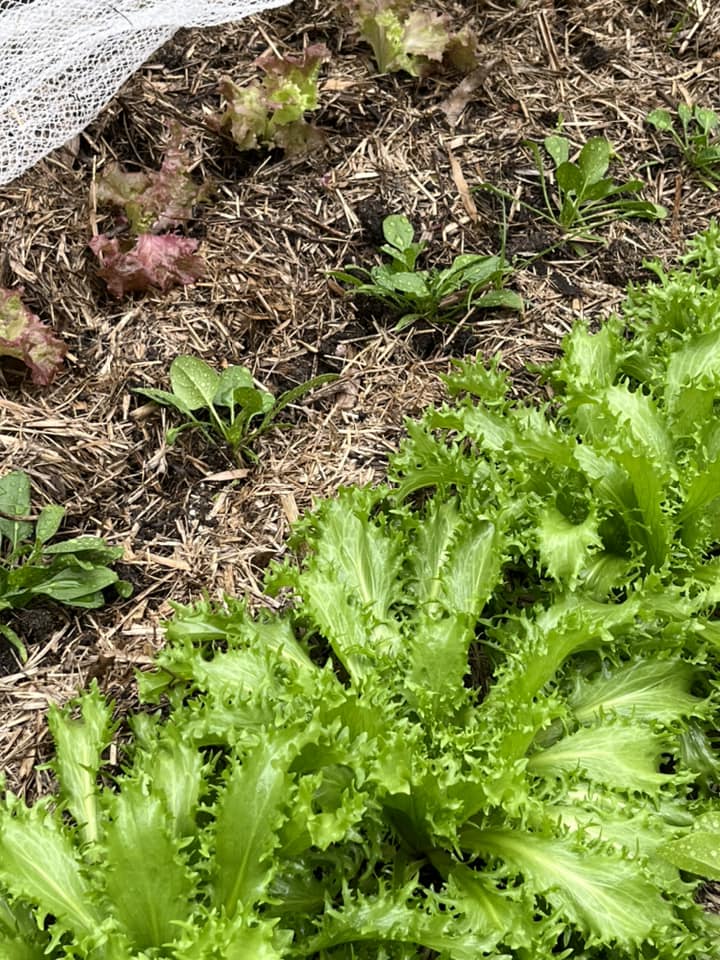
Lettuce is the easiest shade vegetable to start with, and it rewards beginners quickly. It actually prefers cooler conditions, and too much direct sun in summer causes bitterness and early bolting.
Illinois Extension notes that leaf lettuce grows well with about 4 hours of full sun, making it ideal for dappled or partly shaded beds. I have grown loose-leaf varieties under a porch overhang with excellent results.
Plant in spring and again in early fall for two solid harvests. Harvest outer leaves continuously rather than pulling the whole head, and the plant will keep producing for weeks.
READ MORE: 35 Different Types of Lettuce (With Pictures, and Care Tips)
2. Spinach
Spinach genuinely dislikes harsh summer sun. Heat and long daylight hours push it to bolt and turn bitter, so a shaded bed actually extends your harvest window.
This crop grows well in areas receiving only 3 to 4 hours of direct light, according to extension research from Iowa State. Cooler, shadier soil keeps the leaves tender and sweet.
Sow seeds directly in early spring or fall. Keep the soil consistently moist, since dry spells trigger premature flowering even in shade.
READ MORE: 35 Types of Spinach Worth Growing (With Pictures, and Care Tips)
3. Kale
Kale is remarkably tough and shrugs off low light better than almost any other green. Some gardeners even use shade cloth deliberately in midsummer to keep kale productive through a fall harvest.
It can be harvested at baby size long before full maturity, which works in its favor when sunlight is limited. The leaves stay tender and the flavor turns milder in shadier spots.
Plant it in early spring before nearby trees fully leaf out, then again in late summer. Kale’s cold tolerance means it often outlasts every other crop in the bed.
READ MORE: 30 Different Types of Kale: Variety With Pictures Explained
4. Swiss Chard
Chard is one of the most forgiving vegetables for a shaded garden. Its brightly colored stems still develop nicely even with reduced sunlight, and the plant stays productive for months.
Regular harvesting of outer leaves keeps chard producing new growth from the center. Rich, well-drained soil and steady watering matter more here than direct sun exposure.
I like planting chard along the edge of a shaded raised bed, where it gets morning light and afternoon shelter. It rarely bolts even during a warm stretch.
5. Arugula
Arugula grows fast and handles cooler, shaded spots with ease. Its peppery bite intensifies slightly in shade, which some cooks actually prefer for salads and garnishes.
This is a quick crop, often ready within a few weeks of sowing. Regular trimming keeps the plant from flowering too early, which helps avoid a bitter aftertaste.
Because it matures so fast, arugula works well as a succession crop planted every couple of weeks. Shady beds slow bolting and stretch the harvest season considerably.
6. Mustard Greens
Mustard greens tolerate shade nearly as well as kale and chard. They grow best in cool weather, and shade helps delay bolting during unexpected warm spells in spring or fall.
The leaves develop a sharper flavor in full sun, so partial shade actually produces a milder, more balanced taste that many gardeners prefer for cooking.
Sow directly into the soil and thin seedlings early. Harvest young leaves for salads or let them grow larger for braising and stir-fries.
7. Collard Greens
Collards are a Southern garden staple that handle partial shade without much complaint. NC State Extension specifically lists collards among the vegetables suited to shady garden spots.
They are grown for their sturdy, nutrient-dense leaves rather than fruit, which is exactly why reduced sunlight does not stop production the way it would with tomatoes.
Plant in early spring or late summer. A light frost in fall actually sweetens collard leaves, so don’t rush the final harvest.
8. Bok Choy
Bok choy, sometimes called pak choi, thrives in cooler and shadier conditions. It bolts quickly in hot, sunny weather, so afternoon shade genuinely extends its productive window.
This Asian green grows well as a cut-and-come-again crop. Baby bok choy in particular does well in beds that only get a few hours of morning sun.
Keep soil consistently moist for the crispest stems. Harvest whole heads or individual leaves depending on how you plan to cook with them.
9. Mizuna
Mizuna is a feathery, mild Japanese mustard green that performs beautifully in shaded beds. It is part of a broader group of Asian greens well suited to low-light gardening.
I grow mizuna as a year-round cut-and-come-again crop in shadier raised beds, and it rarely shows stress even with limited direct sun.
Its delicate texture makes it ideal for salad mixes. Harvest outer leaves regularly to keep new growth coming steadily through the season.
10. Tatsoi
Tatsoi forms neat rosettes of dark, spoon-shaped leaves and handles shade impressively well. It is closely related to bok choy and shares its preference for cooler growing conditions.
This green is particularly cold-hardy, which pairs naturally with the cooler microclimate that shaded garden beds tend to create in early spring and late fall.
Plant it thickly for baby greens or space it out for full rosettes. Either way, tatsoi rewards patient, shade-tolerant gardeners.
11. Watercress
Watercress is naturally suited to shaded, consistently moist environments, closer to its native streambank habitat than a sunny vegetable patch. It genuinely struggles in intense, direct sun.
Because it needs constant moisture, watercress does best in shaded containers or beds near a water source. Dappled light through trees mimics its preferred growing conditions closely.
Harvest young shoots regularly for a peppery, slightly bitter green that works well in salads, sandwiches, and soups.
12. Endive
Endive tolerates shade reasonably well and, like lettuce, becomes bitter under intense heat and direct sun. A partly shaded bed helps keep the leaves crisp and mild.
This leafy vegetable is grown much like lettuce, with similar spacing and watering needs. It pairs well in mixed shaded beds alongside chard and arugula.
Blanching the inner leaves, by tying outer leaves together, reduces bitterness further and produces the pale, tender heart prized in salads.
13. Beets
Beets tolerate partial shade, though the roots grow more slowly and stay somewhat smaller than beets grown in full sun. North Carolina State Extension confirms this trade-off directly.
Even in shadier conditions, beets remain worth planting because you can harvest the greens even if the roots never bulk up fully. That makes beets a double-purpose crop.
Give beets consistent moisture and loose, well-drained soil. Thin seedlings early so the remaining roots have room to develop properly.
ALSO READ: 25 Best Companion Plants for Beets (And Those to Avoid)
14. Carrots
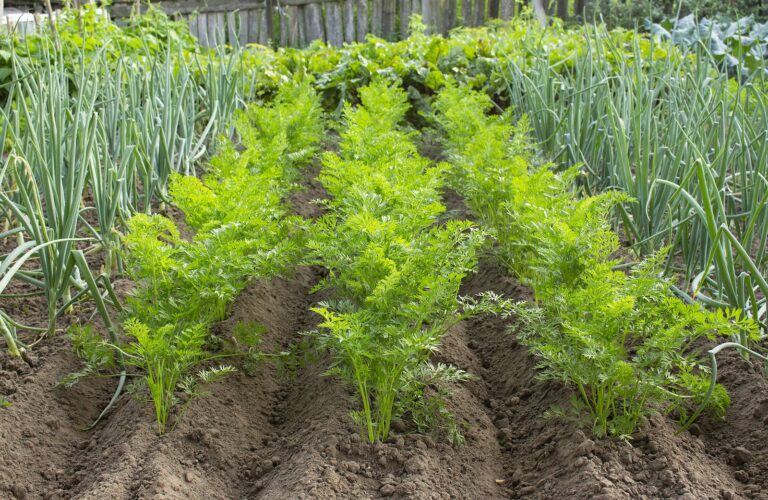
Carrots handle partial shade surprisingly well, and cooler soil actually benefits them. Washington State University notes that morning sun alone is often sufficient for a decent carrot crop.
Intense heat can make carrot cores turn woody and bitter, so a shadier bed timed to avoid peak summer often produces sweeter, more tender roots.
Loosen the soil deeply before sowing, since carrots need room to grow straight. Keep the bed weed-free, as young carrot seedlings compete poorly with weeds.
15. Radishes
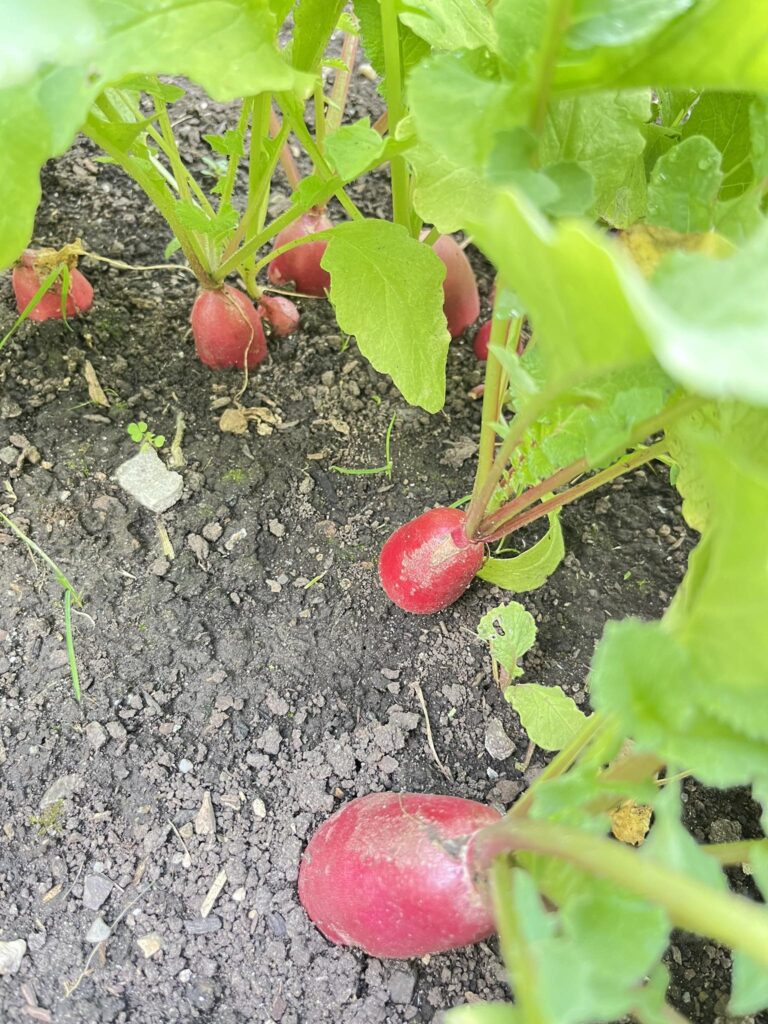
Radishes are one of the fastest and most forgiving shade vegetables, often ready to harvest in three to four weeks. They can get by with only 3 to 6 hours of sun.
Too much shade, however, pushes radishes to put energy into leafy growth instead of the root itself. Moderate, not deep, shade produces the best results.
Grow radishes in spring or fall rather than summer heat. Their speed makes them ideal for filling gaps between slower-growing shade crops.
16. Turnips
Turnips are one of the easiest root vegetables for a partly shaded garden. Both the crisp roots and the tender greens are edible, giving you two harvests from one planting.
They grow reliably with just a few hours of direct sun daily, and the shaded soil helps keep them from turning woody in warm weather.
Sow directly in early spring or late summer for a fall harvest. Keep soil moist and harvest young for the sweetest, most tender flavor.
17. Rutabaga
Rutabaga behaves much like a larger, denser turnip and tolerates similar shade conditions. It needs a longer growing season, so patience matters more here than with faster root crops.
Cooler, partly shaded soil actually supports the slow, steady root development rutabaga needs, and it helps prevent the roots from becoming fibrous in hot weather.
Plant in mid to late summer for a fall and even winter harvest. Rutabaga stores exceptionally well once cured, making it worth the wait.
18. Potatoes
Potatoes can grow in partial shade, though yields shrink compared to full sun. With less than 6 hours of light, expect fewer and smaller tubers, but still a usable harvest.
If you only have a shadier spot available, choose it over skipping potatoes entirely. Even a modest yield of homegrown potatoes is worth the reduced sunlight trade-off.
Hill soil around the stems as they grow to protect developing tubers from light exposure, which causes greening and bitterness regardless of overall sun levels.
19. Jerusalem Artichoke
Jerusalem artichoke, also called sunchoke, is remarkably shade-tolerant for a root vegetable and grows almost like a weed once established. It tolerates dappled shade far better than most tubers.
This plant produces tall, sunflower-like stalks and a nutty-flavored tuber underground. It spreads aggressively, so many gardeners contain it to one dedicated bed or border.
Plant tubers in spring and harvest after the first frost, when the flavor sweetens noticeably. Leave a few tubers in the ground for next year’s crop.
20. Horseradish
Horseradish is one of the toughest shade-tolerant root crops available, thriving in partial shade with minimal fuss. Its pungent root develops well even without full-day sun exposure.
Because it is a perennial, horseradish can be planted once in a shaded corner and left largely alone for years, making it a low-maintenance choice for tricky spots.
Harvest roots in fall after the plant’s first year, digging carefully to avoid damaging the main taproot used for grating and preserving.
21. Broccoli
Broccoli requires at least 3 to 6 hours of sun to form proper heads, but afternoon shade helps it stay cool during warm stretches, which can prevent premature bolting.
NC State Extension lists broccoli among shade-workable crops, especially when grown for a fall harvest in a bed that receives strong morning sun and lighter afternoon shade.
Plant transplants in early spring or midsummer for fall heads. Consistent moisture and cooler afternoons produce tighter, more flavorful florets.
22. Cauliflower
Cauliflower behaves similarly to broccoli and tolerates partial shade reasonably well, though it is slightly fussier about consistent conditions during head formation.
Iowa State University Extension includes cauliflower among vegetables suited to partial shade settings, particularly when planted to mature during cooler fall weather.
Blanch white varieties by tying outer leaves over the developing head to protect it from any remaining sunlight, which otherwise causes discoloration.
23. Cabbage
Cabbage is a dependable partial-shade crop grown for its tightly wrapped leaves rather than fruit. NC State Extension specifically recommends it for shadier garden areas.
Shade slows head formation slightly but rarely stops it altogether. The trade-off is often a milder-flavored, less bitter head compared to cabbage grown in blazing full sun.
Plant in early spring or late summer. Firm the soil well around transplants, since cabbage needs stability as its heavy head develops.
ALSO READ: Help! Why Is My Cabbage Not Forming Heads?
24. Kohlrabi
Kohlrabi is an underrated shade performer, producing its distinctive swollen stem even with reduced sunlight. It is listed among partial-shade crops by both Iowa State and North Carolina extension programs.
The vegetable matures relatively quickly, which helps it succeed in shadier beds where slower crops might struggle to bulk up before the season shifts.
Harvest when the stem is about the size of a tennis ball. Larger kohlrabi tends to turn woody, regardless of how much shade or sun it received.
25. Brussels Sprouts
Brussels sprouts tolerate limited sunlight better than many gardeners expect, and the cooler, shadier microclimate actually suits this cold-hardy crop well.
Because they take a long season to mature, planting them in a partly shaded bed can help protect young plants from early-season heat stress.
A light frost improves the flavor of Brussels sprouts considerably. Plan your shaded planting so harvest lands after the first cool snaps of fall.
26. Peas
Peas are a classic cool-season crop, and shade helps extend their productive window before summer heat sets in and ends the harvest early.
The old gardening advice to plant peas around St. Patrick’s Day, even in lingering snow, reflects just how cold-tolerant and shade-forgiving this crop really is.
Provide a short trellis or stakes, since climbing varieties need support. Harvest pods regularly to encourage the vine to keep producing.
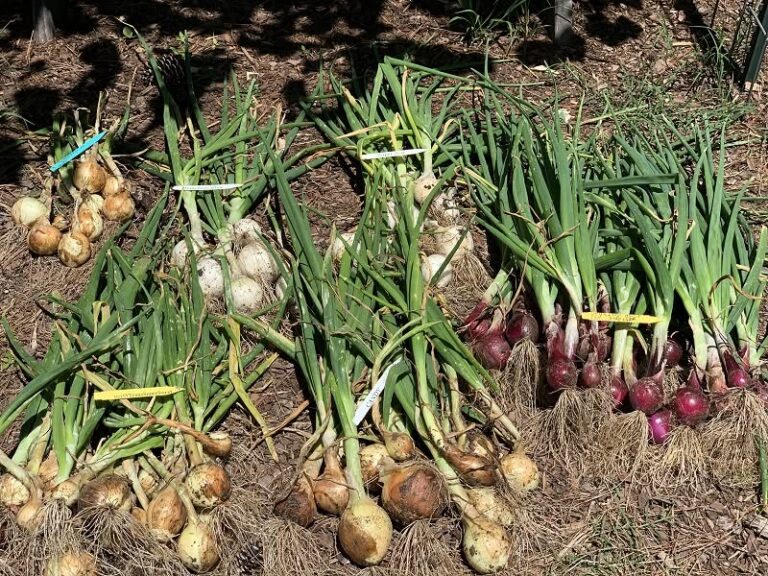
27. Green Onions (Scallions)
Green onions handle shade remarkably well compared to bulb onions, which need more consistent sun to size up properly. Scallions, grown for their green tops, are far more forgiving.
They fit neatly into small gaps in a shaded bed, growing upright without competing much for space with taller neighboring crops.
Harvest by snipping tops as needed, or pull whole plants once they reach your preferred size. Regrowth from cut bases often continues for another round.
ALSO READ: 21 Major Types of Onions: (Yellow, Red, White, and More Other Varieties)
28. Leeks
Leeks tolerate partial shade better than most allium relatives, since they are grown for their long white stem rather than a bulb that needs full sun to mature.
Cooler, shadier soil can actually help leeks stay tender and mild, avoiding the sharper bite that intense sun and heat sometimes produce.
Plant in trenches and gradually hill soil around the stems as they grow, which blanches the lower portion and keeps it pale and tender.
29. Celery
Celery prefers cooler growing conditions and benefits from some afternoon shade, especially in warmer climates where full sun can cause the stalks to turn stringy and bitter.
It needs consistently moist soil throughout its growing cycle, and shade helps reduce moisture loss that would otherwise stress the plant during hot afternoons.
Start celery from transplants rather than direct seed for the best results. Keep the bed well-watered and mulched to retain soil moisture.
30. Parsnips
Parsnips, like their carrot relatives, handle partial shade without much trouble and actually develop a sweeter flavor after exposure to a light frost in fall.
Deep, loose soil matters more to parsnip success than intense sunlight does, so a shaded bed with well-worked earth can still produce a strong harvest.
Sow seeds directly, since parsnips dislike transplanting. Be patient, as this root vegetable takes longer to mature than most others on this list.
Tips for Growing Vegetables in Shade
Watch your light patterns for a full day before choosing what to plant. A spot with morning sun and afternoon shade behaves very differently from one with the reverse pattern.
Improve soil fertility deliberately. Shaded areas, especially those under trees, often compete with roots for nutrients, so added compost genuinely helps struggling crops recover.
Space plants a bit further apart than sunny-garden spacing charts suggest. Reduced light means slower growth, and extra airflow helps prevent fungal problems in damper, shadier soil.
Choose fast-maturing varieties whenever possible. Quick crops like radishes and baby greens are more forgiving of limited light than slow-growing vegetables.
Frequently Asked Questions
Can vegetables grow in full shade with no direct sun at all? Very few can. Most vegetables need at least 2 to 3 hours of direct or filtered light daily to produce a meaningful harvest.
Do shade-grown vegetables taste different? Often, yes. Many leafy greens turn milder and less bitter, while root vegetables may grow smaller but noticeably sweeter, especially after a light frost.
How much sunlight counts as partial shade? Most extension guidelines define partial shade as roughly 3 to 4 hours of direct sunlight daily, often combined with filtered or dappled light the rest of the day.
Final Thoughts
A shady yard is not a dead end for growing your own food. Thirty different vegetables, spanning leafy greens, root crops, brassicas, and alliums, can genuinely thrive with less than a full day of sun.
I still remember doubting that first shaded lettuce bed. Now it is one of the most reliable parts of my garden every single season. Give shade a real chance, and you might feel the same surprise I did.
References
- Iowa State University Extension and Outreach – Which vegetables will grow in partial shade? https://yardandgarden.extension.iastate.edu/faq/which-vegetables-will-grow-partial-shade
- NC State Extension Publications – Vegetable Gardening, Extension Gardener Handbook https://content.ces.ncsu.edu/extension-gardener-handbook/16-vegetable-gardening
- NC State Extension Publications – Vegetable Gardening: A Beginner’s Guide https://content.ces.ncsu.edu/home-vegetable-gardening-a-quick-reference-guide
- University of Illinois Extension – Use the whole garden and grow a salad in the shade https://extension.illinois.edu/blogs/flowers-fruits-and-frass/2022-06-24-use-whole-garden-and-grow-salad-shade
- University of Minnesota Extension – Gardening in the Shade https://extension.umn.edu/garden-and-home/yard-and-garden/gardening-in-minnesota/gardening-in-the-shade
- Clemson Cooperative Extension, Home & Garden Information Center – Planning a Garden https://hgic.clemson.edu/factsheet/planning-a-garden/
- NC Cooperative Extension, Beaufort County Center – Can I Still Plant Veggies? Your Late Summer Garden Plan https://beaufort.ces.ncsu.edu/news/can-i-still-plant-veggies-yes-your-late-summer-garden-plan/

Tim M Dave is a gardening expert with a passion for houseplants, particularly cacti and succulents. With a degree in plant biology from the University of California, Berkeley, he has vast experience in gardening. Over the years, he has cultivated a vast collection of desert plants and learned a great deal about how to grow and care for these unique companions.