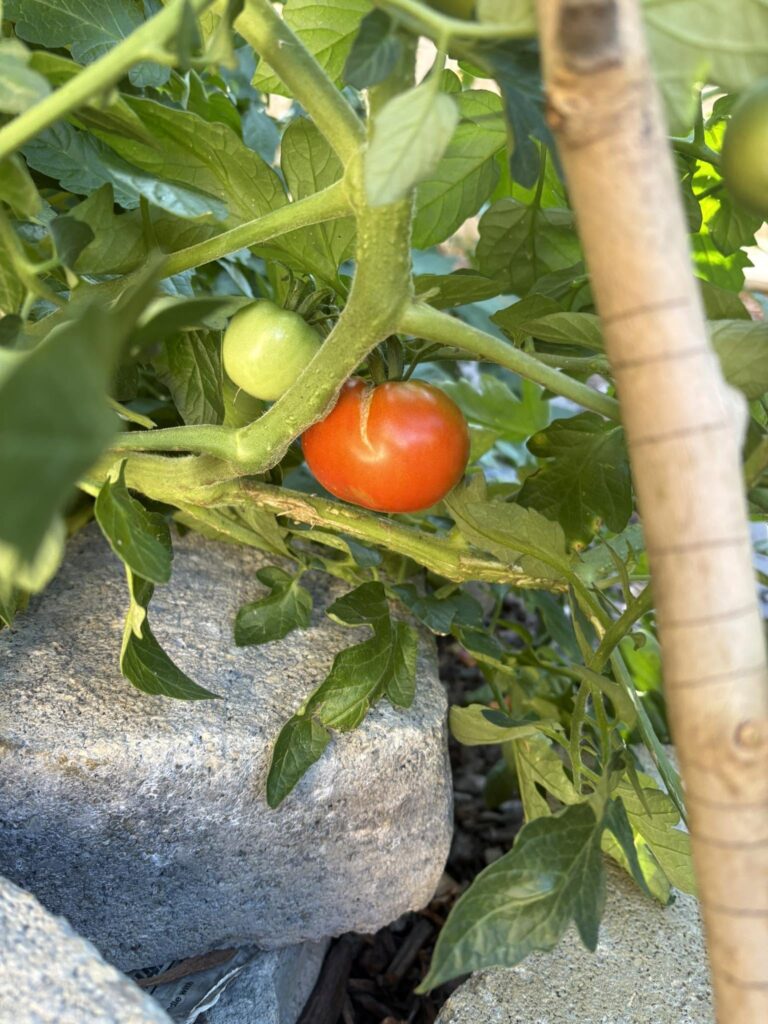
25 Vegetables to Grow in Winter (Cold Hardy Varieties, With Details)
Most people assume the garden shuts down once frost arrives. It doesn’t have to, and honestly, some of the best vegetables of the year come out of a cold garden.
I remember the first time I pulled spinach out from under a light dusting of snow. It felt almost illegal, like I was harvesting something out of season, except the plant clearly disagreed with me.
There’s real science behind this. Oregon State University Extension horticulturist Jim Myers explains that cold weather doesn’t kill hardy vegetables outright, it simply slows their growth, with growth rate roughly doubling for every 18-degree rise in temperature within a moderate range.
That single fact changes how gardeners should think about winter. It isn’t a dead season; it’s a slow one, and the right vegetables use that slowness to their advantage, turning starch into sugar and becoming noticeably sweeter along the way.
This guide covers 25 vegetables suited to winter growing, along with hardiness details and simple protection strategies for each. Some survive open ground through hard freezes. Others need a cold frame or row cover to make it through.
Understanding Winter Hardiness Levels
Not every winter vegetable tolerates the same cold. Oregon State University Extension separates crops into hardy types, which withstand heavy frost below 28°F, and semi-hardy types, which only tolerate light frost between 28°F and 32°F.
Season extension tools matter too. According to gardening experts referencing Eliot Coleman’s winter research, a cold frame can raise the internal temperature roughly 10 to 14 degrees above outside air on a cold night, while a high tunnel offers similar protection at a larger scale.
Timing still comes first, though, before any tool or trick. Crops need to be established well before the coldest weather sets in, since growth practically stalls once daylight and temperature both drop together in earnest.
1. Kale
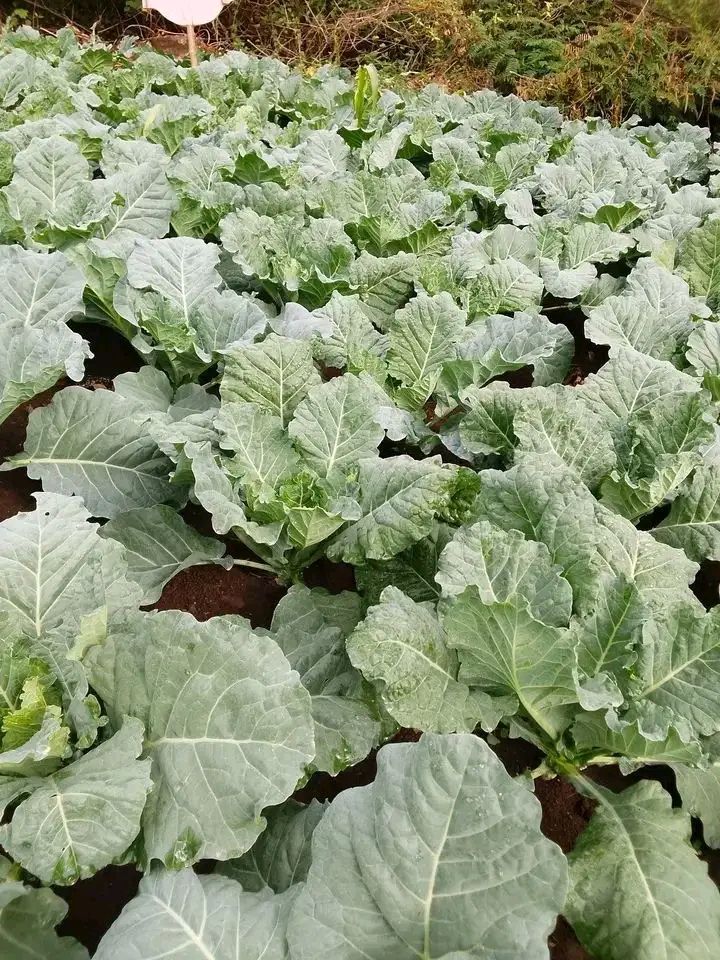
Kale might be the single toughest vegetable most home gardeners will ever grow. Certain varieties, such as ‘Red Russian’ and ‘Siberian,’ handle temperatures well below freezing without much visible damage at all.
I’ve grown kale that outlasted every other crop in the bed by months, sitting there through repeated freezes looking almost unbothered by the whole ordeal. Few vegetables reward cold weather quite this generously.
Sow in late summer so plants are full-grown before frigid nights arrive. Harvest lower leaves continuously, and a well-tended plant can realistically survive six months or longer without complaint.
2. Spinach
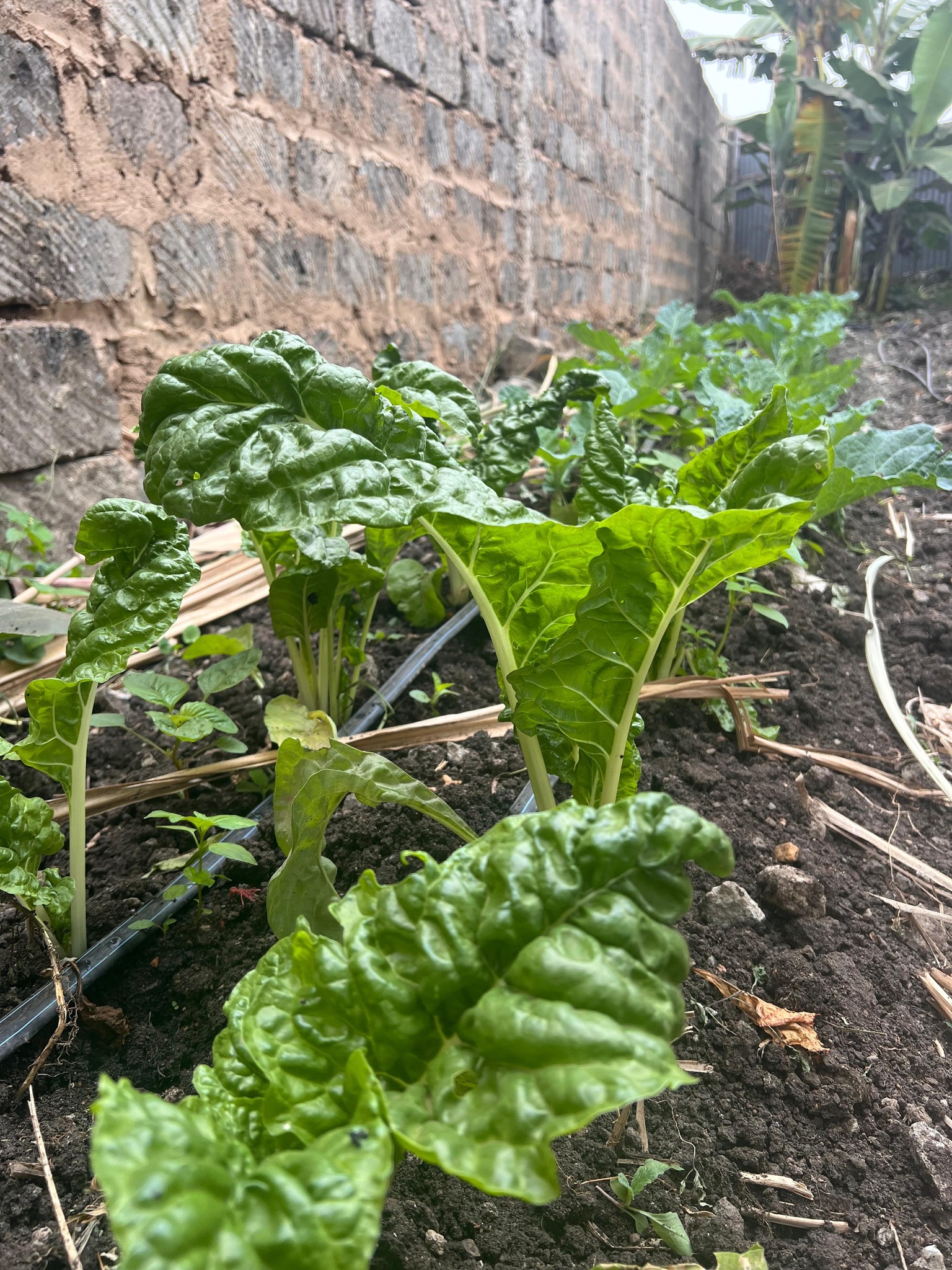
Spinach is deceptively tender-looking but genuinely tough underneath. Savoy types with crinkled leaves, like ‘Tyee’ or ‘Winter Bloomsdale,’ tolerate temperatures down to 0°F according to cold-hardy gardening research.
It overwinters without protection in many temperate zones, though colder regions typically see the crop die back after a hard freeze before sprouting fresh growth again in spring.
For continuous winter salads rather than a spring rebound, cover spinach with a medium to heavyweight frost blanket. That extra layer keeps leaves productive right through the coldest stretch of the season.
3. Mache (Corn Salad)
Mache is the hardiest green on this entire list, and possibly the hardiest vegetable most gardeners have never tried. It can overwinter down to 5°F, going dormant in the harshest cold and sprouting back as one of the earliest spring crops.
I think mache deserves far more attention than it gets. In Zone 3 winters, according to Fine Gardening’s cold-frame research, it’s one of only five crops reliably harvestable all winter long, alongside spinach, scallions, claytonia, and carrots.
It needs patience, since most varieties take at least 60 days to mature. Once established, though, leaves can be snipped continuously throughout the cold season with barely any additional effort.
ALSO READ: 25 Vegetable Plants to Grow in Fall (With Care Details)
4. Collard Greens
Collards quietly outperform kale in raw cold tolerance, which surprises a lot of gardeners who assume kale is the toughest brassica available. Some varieties hold steady down to 0°F without wilting.
Flavor genuinely improves as temperatures drop, developing a fuller, sweeter taste that summer-grown collards simply don’t have. I’ve found this to be one of the more dramatic before-and-after flavor changes in the whole garden.
Harvest outer leaves first, working upward as the plant continues producing. University of Georgia Extension lists collards among its recommended winter garden crops for exactly this kind of extended, gradual harvest.
5. Cabbage
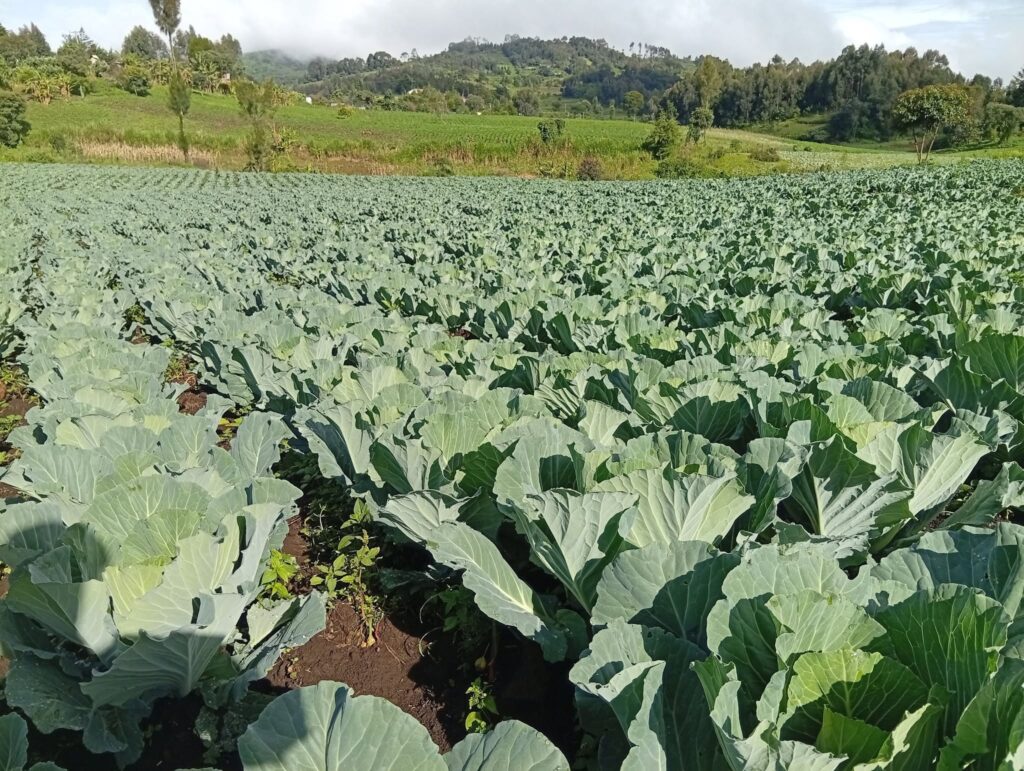
Cabbage handles winter conditions well once fully established, and overwintering varieties are specifically bred to shrug off cold that would damage other crops. Pest pressure also drops significantly during the colder months.
Flavor improves with frost exposure here too, a pattern that shows up again and again across this list. It’s almost a rule at this point: cold-hardy vegetables tend to taste better, not worse, after a freeze.
Protect heads with a cold frame in regions with severe winters. Harvest to Table notes that cabbage planted in autumn can be sheltered through winter this way, then allowed to mature fully once spring arrives.
6. Brussels Sprouts
Brussels sprouts are practically synonymous with winter flavor improvement. A hard frost sweetens the sprouts noticeably, softening the bitterness that puts off so many people who’ve only tried them grown in warmer conditions.
This is a genuinely slow crop, needing a long season before frost even becomes relevant. Planting has to happen well ahead of time, typically in mid-summer, for a proper winter harvest window.
Harvest sprouts from the bottom of the stalk upward as each one matures. Leaving the plant in the garden after a light frost only continues to sweeten whatever sprouts remain.
7. Broccoli
Broccoli tolerates heavy frost according to Oregon State University Extension’s hardiness classifications, placing it firmly among the toughest crops for a winter bed rather than a fair-weather one.
Purple-sprouting varieties deserve special mention here. They contain anthocyanin, the same pigment responsible for red and purple coloring in many plants, which appears to help resist the rot that heavy winter rains often cause.
Established plants can be left in the garden for a slow, staggered harvest. Side shoots continue forming over weeks, making a single planting productive across a surprisingly long stretch of winter.
8. Cauliflower
Cauliflower falls into the semi-hardy category, tolerating light frost but needing more protection than broccoli once temperatures drop into harsher territory. Purple-headed varieties like ‘Purple Cape’ show noticeably better cold tolerance than standard white types.
I find cauliflower slightly less forgiving than most winter crops on this list, since prolonged exposure to hard freezes can damage the developing head in ways that are hard to reverse.
A cold frame or row cover extends its viable range considerably. Outer leaves can also be tied over the head for extra insulation, doubling as the same blanching technique used to keep the curd pale.
9. Kohlrabi
Kohlrabi is an underrated winter crop, tolerating heavy frost according to Oregon State University Extension’s classification of hardy vegetables. Its swollen stem stores well and holds flavor better than many people expect.
This is one of the vegetables I recommend most often to gardeners looking to diversify their winter beds beyond the usual kale-and-spinach routine. It’s genuinely easy and rarely disappoints.
Harvest once the bulb reaches a manageable size, since older ones turn woody and fibrous. Both the bulb and its leafy tops remain edible well into the cold season.
10. Leeks
Leeks are remarkably cold-hardy and often survive in open ground through moderate winters with little to no additional protection needed. Their flavor, much like collards and kale, tends to improve rather than decline after frost.
Overwintering alliums like leeks establish strong roots before dormancy sets in, according to Washington State University Extension’s winter gardening resources, giving them real staying power through the coldest months.
Mound soil around the base as the plant grows to blanch the lower stem. Harvest as needed through winter, since leeks tolerate a slow, gradual pull far better than a rushed one.
11. Carrots
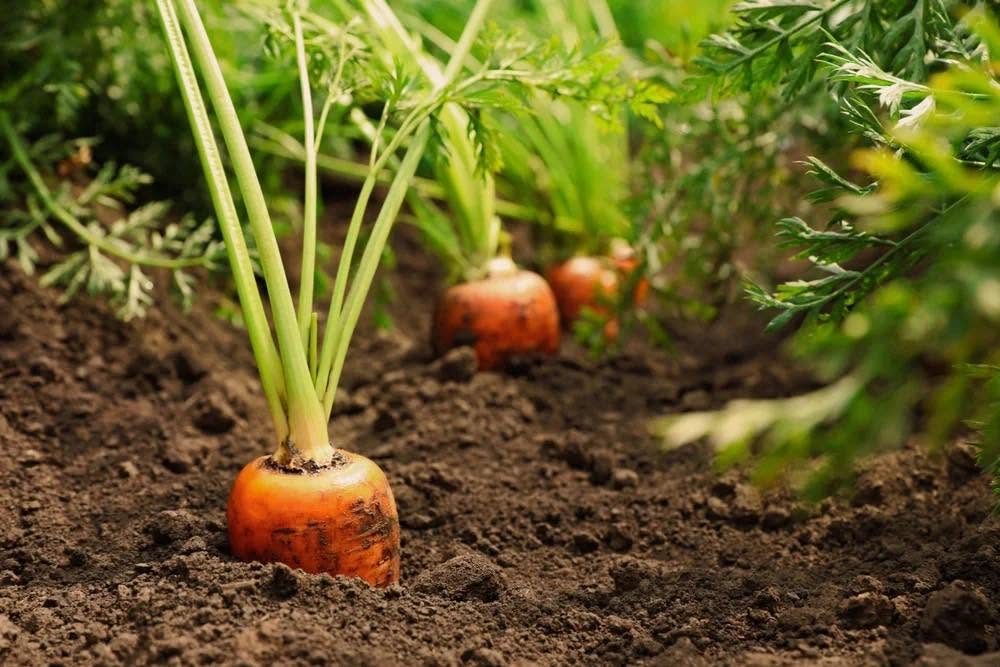
Carrots can be left in the ground and harvested throughout winter, according to Oregon State University Extension, provided the soil doesn’t freeze completely solid around the roots.
Cold genuinely transforms carrot flavor. The starch-to-sugar conversion triggered by low temperatures makes winter-harvested carrots noticeably sweeter than anything pulled during a summer heatwave.
Mulch heavily with straw or leaves to prevent the ground from freezing hard around the roots. This single step can extend your carrot harvest window by weeks, sometimes even longer in milder regions.
12. Beets
Beets behave much like carrots underground, with root vegetables becoming sweeter after frost as the plant concentrates its sugars in response to cold stress, according to Oregon State University Extension.
The tops may die back in harsher freezes, but the roots themselves generally survive intact beneath the surface, ready to be dug up whenever conditions allow access to the bed.
Mulch generously and check periodically through winter. Beets left too long without any insulation risk freezing solid, so a thick layer of straw genuinely earns its keep here.
ALSO READ: 25 Best Companion Plants for Beets (And Those to Avoid)
13. Parsnips
Parsnips take their sweet time, needing well over 100 days to mature, and reward that patience more than almost any other winter root crop on this list.
Left in the ground through a hard frost, parsnips develop a genuinely nutty, almost caramel-like sweetness that’s difficult to replicate through any other growing method or timing.
Many gardeners leave parsnips in place through the first snowfall, harvesting gradually as needed. Deep mulch prevents the ground from locking up too hard to dig through comfortably.
14. Turnips
Turnips are listed among Oregon State University Extension’s hardy vegetables, tolerating heavy frost below 28°F without significant damage to the below-ground root itself.
Both the root and the leafy greens remain edible, and cold weather sweetens both parts in tandem, which makes turnips something of a two-for-one winter crop worth the garden space.
Harvest before the ground freezes completely solid, since prolonged deep freezes can eventually damage exposed roots. A layer of mulch buys valuable extra time here.
15. Rutabaga
Rutabaga sits comfortably among Oregon State University Extension’s list of vegetables tolerant of heavy frost, alongside broccoli, kale, and cabbage. It’s a genuinely underused crop in most home gardens.
The flavor rounds out and sweetens considerably with cold exposure, similar to its cousin the turnip, but with a slightly denser, more substantial texture once cooked.
Rutabagas also store exceptionally well after harvest. This makes them a practical choice for extending your usable winter produce supply well beyond what’s still growing in the ground.
16. Radishes
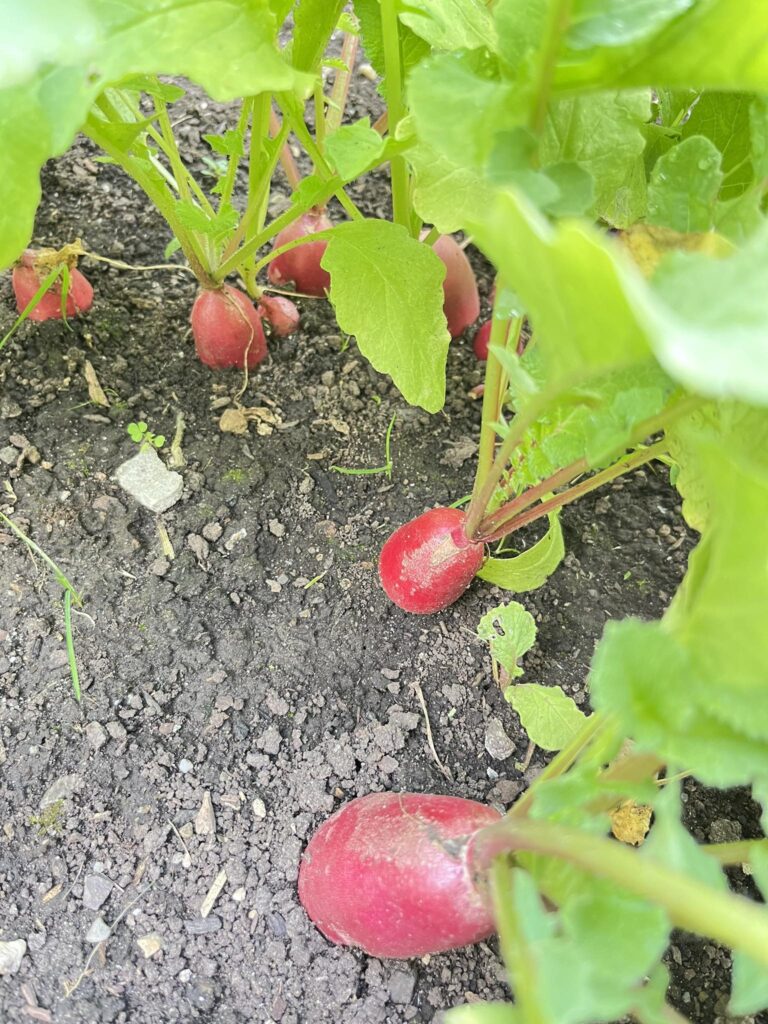
Radishes are listed among Oregon State University Extension’s frost-tolerant crops, handling temperatures below 28°F reasonably well for such a fast-maturing root vegetable.
Winter varieties, distinct from the quick spring and summer types, grow larger and store longer, making them a genuinely different crop from the radishes most people are used to.
Mulch around the base to protect roots from freezing solid. Harvest as needed, since winter radishes generally hold in the ground far better than their fast-growing summer counterparts.
17. Onions
Onions tolerate heavy frost according to Oregon State University Extension, and fall-planted bulbs establish strong root systems before winter dormancy sets in properly.
This head start matters enormously. Washington State University Extension notes that overwintering alliums like onions resume vigorous growth once temperatures rise again in spring, well ahead of anything planted fresh.
Mulch the bed to protect developing roots through the harshest weeks. Choose varieties suited to your specific day-length region, since this detail affects bulb formation significantly.
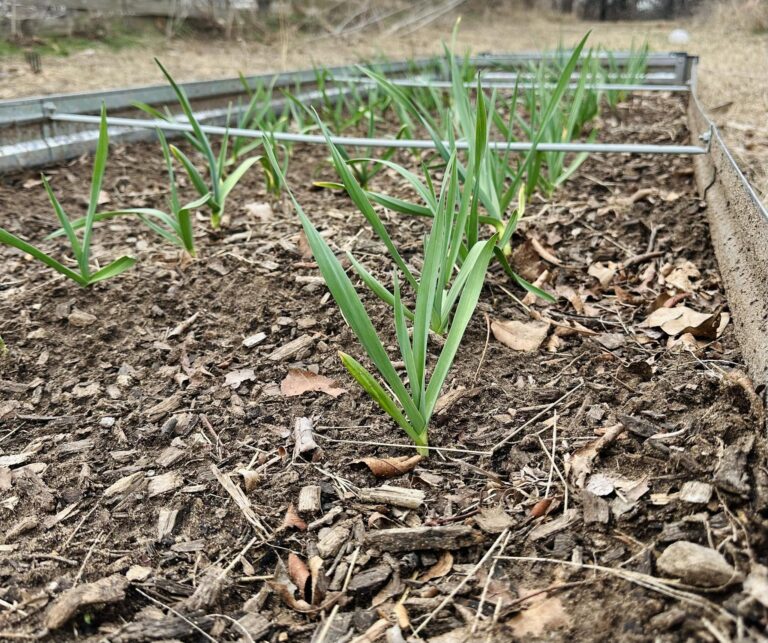
18. Garlic
Garlic is planted in fall specifically to overwinter and mature the following summer, making it one of the most patient crops any home gardener will ever grow.
I’ve grown to appreciate garlic exactly because it demands so little through winter. Plant the cloves, mulch the bed, and largely leave it alone until spring growth resumes on its own schedule.
Plant cloves in full sun with well-prepared soil, then mulch heavily as freezing weather sets in. Remove any flower scapes that emerge later to redirect the plant’s energy into the bulb.
19. Swiss Chard
Swiss chard is listed among the “miscellaneous” hardy winter crops in Washington State University Extension’s overwintering guide, tolerant enough to handle a genuinely cold bed with minimal fuss.
Its colorful stems hold up surprisingly well against frost, staying visually striking even as the rest of the garden fades into the muted browns and greys typical of deep winter.
Harvest outer leaves near the base, leaving the center intact. A single fall-planted chard can realistically remain productive well into the coldest part of the season with basic mulch protection.
20. Arugula
Arugula tolerates heavy frost according to Oregon State University Extension’s hardiness list, and its flavor turns noticeably milder once cold weather sets in properly.
I find winter arugula genuinely more pleasant to eat than the sharper, more peppery version that summer heat tends to produce. Cold seems to round off its harsher edges.
A row cover extends its productive window considerably. Harvest young leaves continuously, and the plant will keep regrowing from the center through much of the cold season.
21. Winter Lettuce
Certain lettuce varieties, such as ‘Winter Density’ and ‘Green Wave,’ are specifically bred for cold tolerance, unlike standard summer lettuce which collapses at the first real frost.
Salad greens generally slow their growth in cold weather but can remain hardy down to about 20°F, according to Oregon State University Extension’s winter gardening research.
A cold frame or low tunnel keeps lettuce productive well past what open ground alone would allow. Harvest outer leaves regularly rather than waiting for a full head to develop.
22. Mustard Greens
Mustard greens, including varieties like ‘Mizuna,’ handle cold reasonably well and appear repeatedly across cold-hardy crop lists from multiple university extension programs.
The flavor mellows considerably in cold weather compared to the sharper bite mustard greens develop under summer heat, making the winter harvest noticeably more approachable for most palates.
Harvest outer leaves continuously, and new growth will keep emerging from the center of the plant through much of the season, provided some basic frost protection is in place.
23. Scallions (Green Onions)
Scallions are among the small handful of crops considered dependable through the harshest Zone 3 winters, according to Fine Gardening’s cold-frame research, alongside spinach, mache, claytonia, and carrots.
This reliability makes scallions a genuinely smart choice for gardeners in colder regions who want at least something fresh coming out of the garden through the deepest winter months.
Harvest by snipping the tops as needed, and the base continues regrowing steadily. A cold frame or simple mulch layer is usually enough protection to keep them productive.
24. Claytonia (Miner’s Lettuce)
Claytonia is one of the hardiest winter greens available, ranked alongside mache as dependable even in the most severe winter conditions according to cold-frame gardening research from Alaska’s extension programs.
It has a mild, slightly succulent texture that works well in winter salads, offering something genuinely different from the more common kale-and-spinach combination most winter gardens rely on.
This plant asks for very little once established. A simple cold frame or unheated tunnel is typically enough to keep claytonia harvestable straight through the coldest stretch of the year.
ALSO READ: 25 Best Vegetables to Grow in Pots (With Care Details)
25. Chicory (Including Radicchio)
Chicory and radicchio fall into the semi-hardy category, tolerating light frost according to Oregon State University Extension, with outer leaves sometimes dying back while the center stays completely intact.
For crops that form heads, like radicchio, damaged outer leaves can simply be peeled away to reveal an undamaged, perfectly usable center underneath, a detail worth knowing before writing off a frost-hit plant.
A cold frame extends their range into harsher climates. University of Georgia Extension includes related greens among its recommended crops for a productive, extended winter garden.
Final Thoughts
Winter gardening rewards patience and preparation more than any single trick or gadget. Choose crops matched to your actual winter severity, mulch generously, and use a cold frame or row cover where it genuinely earns its cost.
I no longer think of winter as a closed season for the garden. It’s slower, certainly, but a slow harvest still beats an empty bed, and the flavor payoff on many of these crops is honestly hard to match any other time of year.
Start with the hardiest options if you’re new to this, kale, spinach, and mache in particular rarely disappoint, then expand into root crops and brassicas as your confidence and your local climate allow.
References
- Oregon State University Extension — Plant Cold-Hardy Vegetables Now for a Spring Harvest — https://extension.oregonstate.edu/news/plant-cold-hardy-vegetables-now-spring-harvest
- Oregon State University Extension — Growing Winter Vegetables — https://extension.oregonstate.edu/sites/extd8/files/documents/12281/growingwintervegetables.pdf
- University of Alaska Fairbanks Cooperative Extension — Stretch Your Growing Season with Season Extension Techniques and Cold Hardy Vegetables — https://itgrowsinalaska.community.uaf.edu/2020/10/08/stretch-your-growing-season-into-the-fall-with-season-extension-techniques-and-cold-hardy-vegetables/
- Colorado State University Extension (Pueblo County) — Harvesting Overwintered Vegetables — https://pueblo.extension.colostate.edu/harvesting-overwintered-vegetables
- Washington State University Extension — Winter Gardening Handout — https://wpcdn.web.wsu.edu/extension/uploads/sites/82/2022/02/Winter-Gardening-Handout.pdf
- University of Georgia Extension — Winter Vegetable Gardening — https://site.extension.uga.edu/madison/?p=1291
- Colorado State University Extension — Garden Notes #723: Vegetable Gardening in Winter — https://cmg.extension.colostate.edu/Gardennotes/723.pdf

Tim M Dave is a gardening expert with a passion for houseplants, particularly cacti and succulents. With a degree in plant biology from the University of California, Berkeley, he has vast experience in gardening. Over the years, he has cultivated a vast collection of desert plants and learned a great deal about how to grow and care for these unique companions.