25 Best Vegetables to Grow in Pots (With Care Details)
Not everyone has a backyard, and that’s fine. A pot, a sunny spot, and the right vegetable can turn any balcony into a working garden.
I have grown food in containers for years, and I still get a small thrill every time a seedling pushes through the soil in a bucket that used to hold paint. It never gets old.
Container gardening isn’t a compromise anymore. It’s a legitimate, productive way to grow food. According to the National Gardening Association, food gardening participation in the U.S. rose from 36 million households in 2008 to 42 million by 2013, a 17% jump in just five years. Urban gardening alone grew by 29% in that same window.
Much of that growth happened in pots, on rooftops, and along fire escapes. Penn State Extension notes that container plants rely entirely on the nutrients inside their pot, so they need more regular feeding than garden beds. That single fact changes how you approach the whole project.
This guide covers 25 vegetables that genuinely thrive in containers. I’ll walk through pot size, sunlight, watering, and any quirks worth knowing before you plant. Let’s get into it.
Quick Basics Before You Start
Good drainage matters more than almost anything else. Oregon State University Extension recommends drilling holes about half an inch from the base of any pot, then raising it slightly on bricks or slats so water actually escapes.
Size the pot to the plant, not the other way around. University of Maryland Extension suggests 8 to 10 gallons and 12 to 16 inches of depth for large vegetables like tomatoes, while smaller crops such as radishes and lettuce do fine in 1 to 3 gallons.
Use a proper potting mix, never garden soil straight from the ground. Garden soil compacts in containers and drowns roots, according to Virginia Tech Extension. With that out of the way, here are the 25 vegetables worth your pots.
1. Tomatoes
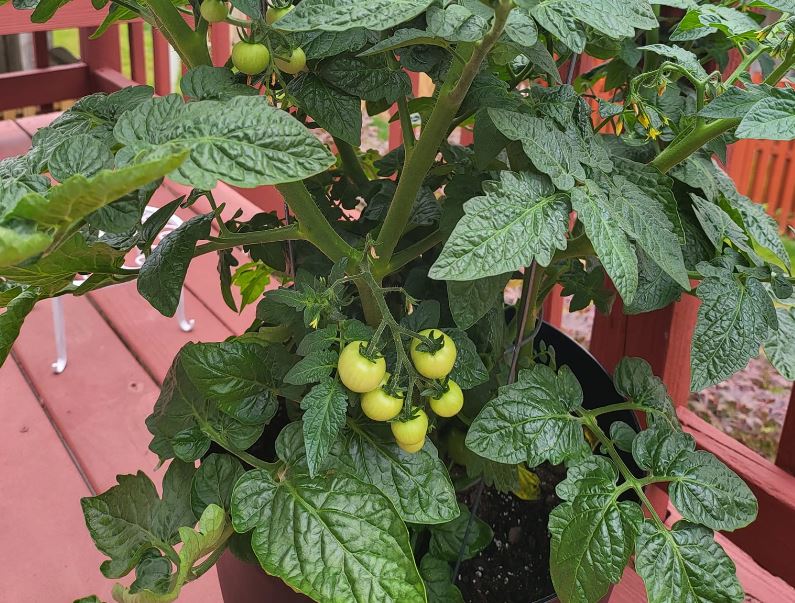
Tomatoes are the classic container vegetable, and for good reason. A single tomato plant needs at least a 20-inch-wide pot, according to Penn State Extension, with the container as deep as it is wide. Choose determinate or dwarf varieties like ‘Patio’ or ‘Tiny Tim’ if space is tight.
I always feel a bit proud watching the first tomato blush red on a plant that started life in what used to be a laundry basket. It really is possible, and University of Maryland Extension has documented tomatoes grown in 25-gallon pots producing impressively large harvests.
Give tomatoes 6 to 8 hours of direct sun daily and stake them early. Water consistently, since irregular watering causes blossom end rot and split fruit. Feed every two to four weeks with a soluble fertilizer once flowering begins.
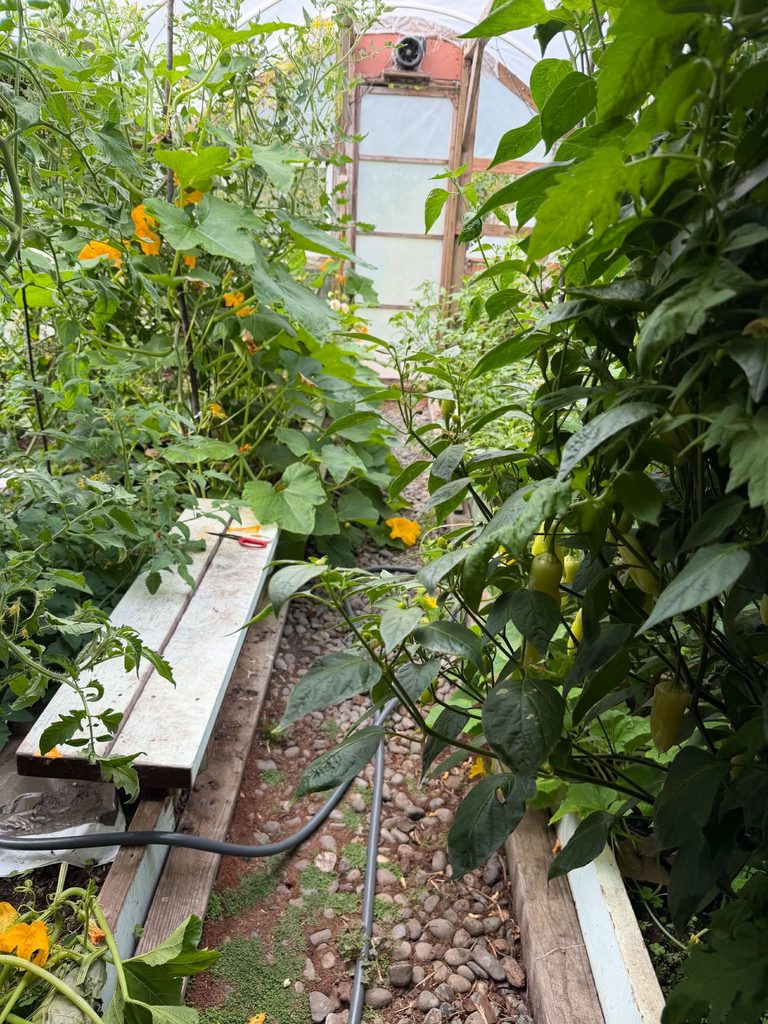
2. Bell Peppers
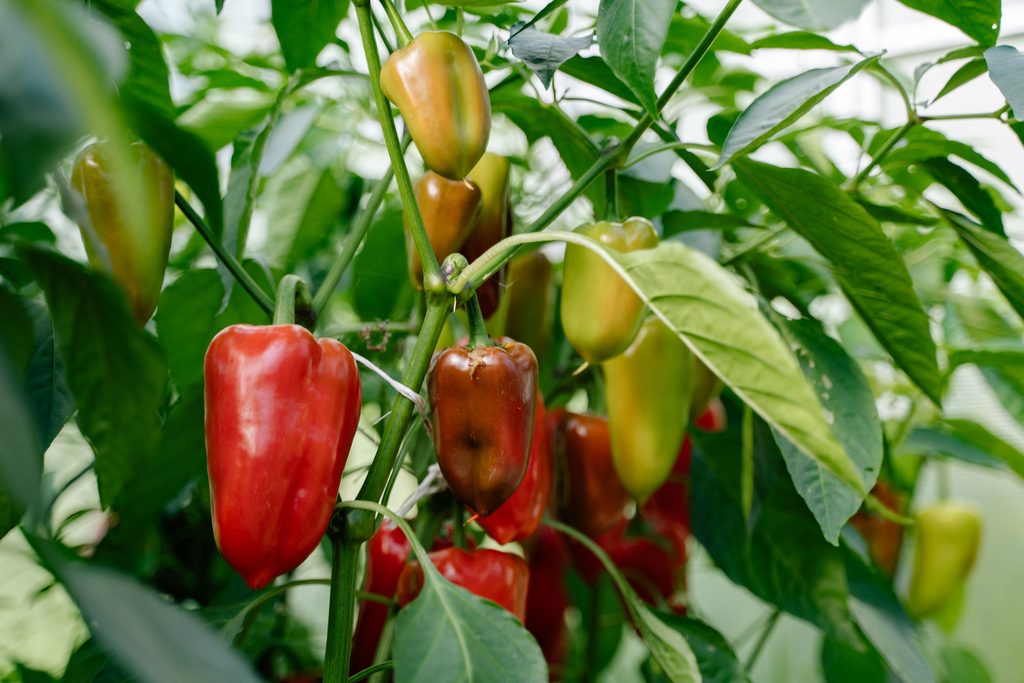
Peppers are compact, colorful, and forgiving. They need less room than tomatoes, thriving in a 14-inch pot according to Penn State’s container gardening research.
Peppers love heat, so a warm patio corner or south-facing balcony suits them well. Full sun for at least six hours produces the sweetest, most colorful fruit. I’ve found that peppers left slightly root-bound often fruit even more heavily, which is a rare case where a snug pot works in your favor.
Keep the soil evenly moist but never soggy. A slow-release fertilizer at planting, followed by monthly feeding, keeps the plant productive well into autumn in warmer climates.
3. Chili Peppers
Chilies grow almost identically to bell peppers but tolerate slightly drier conditions and smaller pots, sometimes as small as 10 to 12 inches for compact varieties. Ornamental types like ‘Thai Hot’ even double as decorative plants.
These plants genuinely enjoy stress in moderation. A bit of dryness between waterings tends to concentrate heat and flavor in the fruit, something home growers notice quickly once they compare a stressed plant against an overwatered one.
Bring potted chili plants indoors before frost if you want to keep harvesting through winter on a sunny windowsill. Many varieties are perennial in nature and will happily produce a second season.
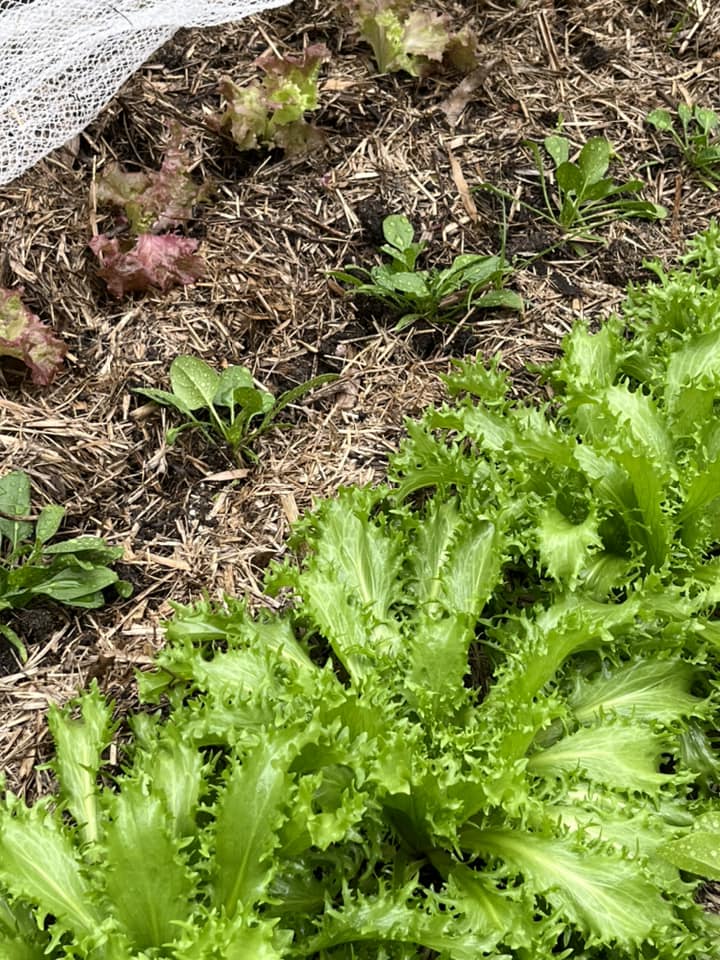
4. Lettuce
Lettuce is arguably the easiest vegetable on this list. A shallow, wide container works better than a deep one, since lettuce roots stay close to the surface. Ten-inch pots are suitable, per Oregon State University Extension.
I like growing loose-leaf varieties because you can snip outer leaves and let the plant keep producing for weeks. It feels almost like a renewable harvest rather than a one-time crop.
Lettuce tolerates light shade and actually prefers cooler temperatures, bolting quickly in summer heat. Succession planting every two weeks keeps a steady supply coming, and it germinates fast enough that beginners rarely feel discouraged.
5. Spinach
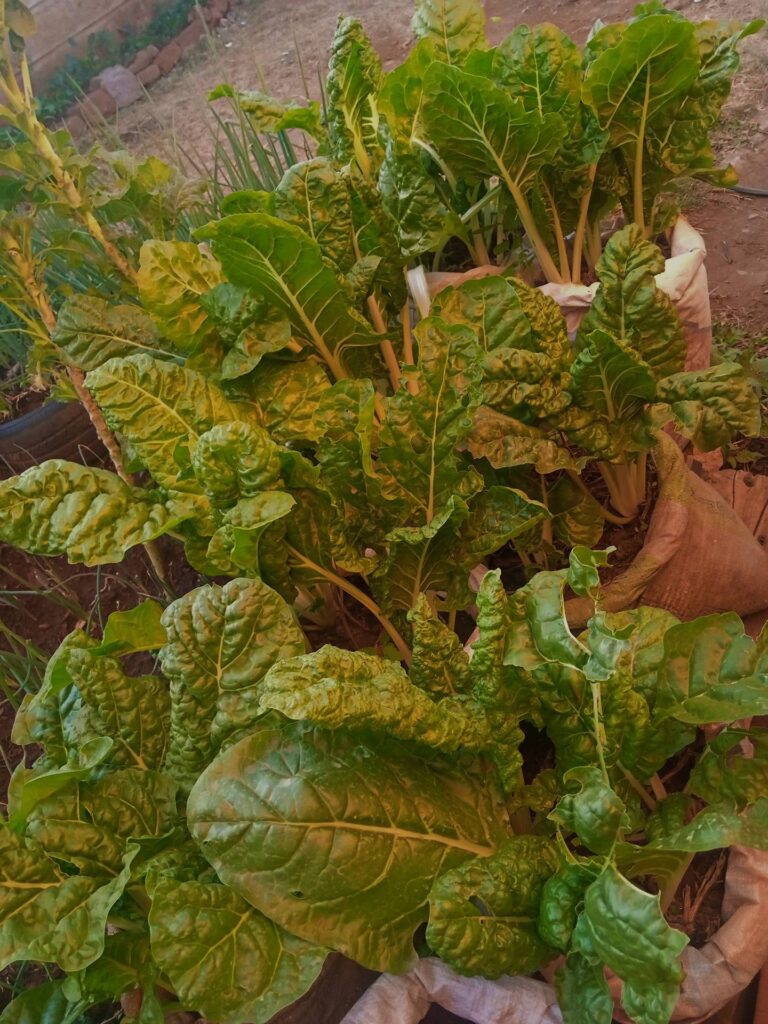
Spinach is a cool-season leafy green that does well in pots as shallow as 6 to 8 inches. It grows quickly, often ready for its first harvest within a month of sowing seed.
This is one crop that actually benefits from some light shade, tolerating partial sun better than most fruiting vegetables. That makes it a smart pick for balconies that don’t get full sun all day.
Keep the soil consistently moist, since spinach bolts and turns bitter under drought stress. Harvest outer leaves regularly rather than waiting for full maturity, and the plant will keep producing for several weeks.
6. Radishes
Radishes reward impatient gardeners. Many varieties mature in just three to four weeks, making them one of the fastest crops on this list. A 6 to 8 inch deep pot is enough for most types.
I plant a row of radishes almost as a test to see if a new container garden is working before committing to slower crops. If radishes struggle, something in the soil or light setup needs fixing.
Thin seedlings so roots have room to swell properly, spacing them about an inch apart. Consistent watering prevents the roots from turning woody or overly spicy.
7. Carrots
Carrots need depth more than width, since the root has to push straight down without obstruction. A pot at least 12 inches deep works for standard varieties, though dwarf types like ‘Thumbelina’ do fine in shallower containers.
Oregon State University Extension specifically recommends ‘Thumbelina’ as a container favorite for exactly this reason. Rocky or compacted soil produces forked, stunted roots, so a loose, sandy potting mix matters more here than for most vegetables.
Sow seeds directly, since carrots dislike transplanting. Thin seedlings early to avoid crowding, and keep the surface consistently moist during germination, which can take up to three weeks.
8. Green Beans
Bush bean varieties are ideal for containers, avoiding the need for tall trellising that pole beans require. A pot around 12 inches wide and deep suits most bush types comfortably.
Beans fix their own nitrogen through root nodules, which means they need less fertilizer than many other vegetables. I’ve noticed potted beans often outperform expectations simply because they aren’t as demanding as tomatoes or peppers.
Full sun and regular watering keep pods forming steadily. Harvest often, since beans left too long on the plant slow down overall production for the rest of the season.
9. Cucumbers
Cucumbers are vigorous vining plants, but compact bush varieties like ‘Bush Champion’ or ‘Salad Bush’ handle container life well. Give them a 5-gallon pot at minimum, matching Oregon State’s general guidance for deep-rooted crops.
A small trellis or stake helps keep vines contained and improves air circulation, which reduces powdery mildew, a common problem in cucumbers grown too close together.
These plants are thirsty. On hot days, containers can dry out within hours, so check moisture daily during summer. Consistent watering also prevents the bitter taste that stressed cucumber plants sometimes develop.
10. Eggplant
Eggplant shares similar container needs with peppers, doing well in a 14-inch pot, according to Penn State Extension’s container research. Its glossy purple fruit also makes it one of the more attractive plants for a patio display.
Eggplant loves consistent heat and struggles in cool, damp conditions. If your region has short or mild summers, starting seedlings indoors gives the plant a head start before moving it outside.
Support the main stem once fruit sets, since the weight can bend or snap young plants. Regular feeding every few weeks keeps production steady through the warm months.
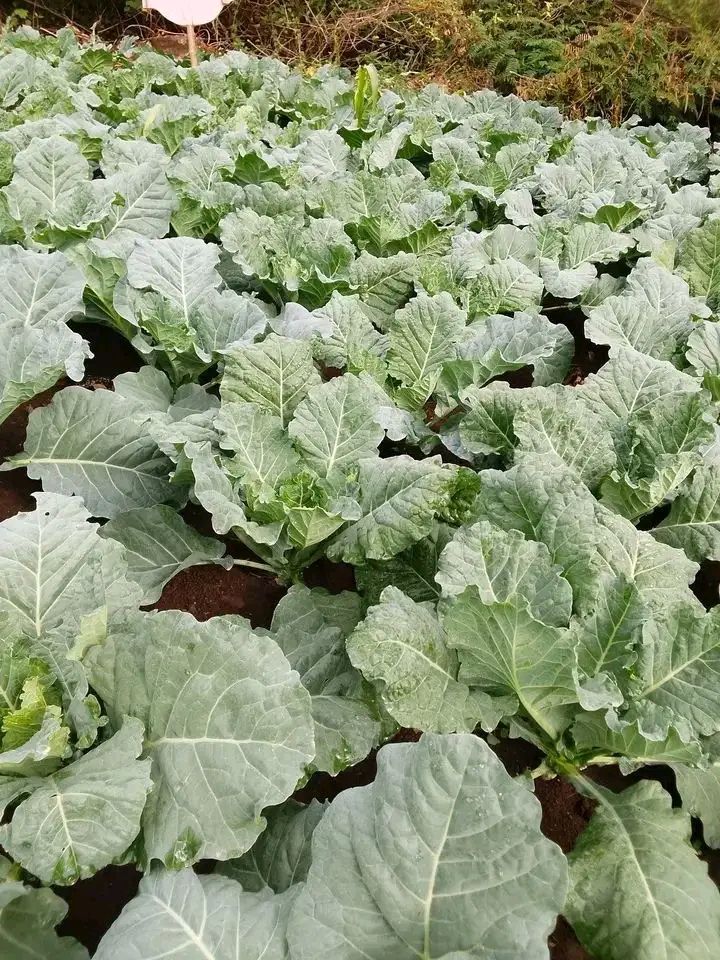
11. Kale
Kale is remarkably tolerant of neglect, cold, and light shade, making it a strong choice for less-than-perfect balcony conditions. A pot around 12 inches deep gives roots enough room to establish.
I’ve kept kale producing well into frosty weather, since cold actually sweetens the leaves rather than damaging them. Few container vegetables reward patience through winter quite like kale does.
Harvest outer leaves and let the central growing point continue producing. Regular picking, rather than one big harvest, keeps the plant productive for months at a time.
12. Swiss Chard
Swiss chard combines the toughness of kale with more colorful stems, often in shades of red, yellow, and pink. University of Maryland Extension lists chard among its recommended crops for medium-sized containers.
This plant tolerates heat better than spinach and cold better than lettuce, which makes it useful across a longer growing season than most leafy greens on this list.
Cut outer leaves near the base and new growth will keep emerging from the center. A single plant in a 12-inch pot can provide harvests for several months if maintained properly.
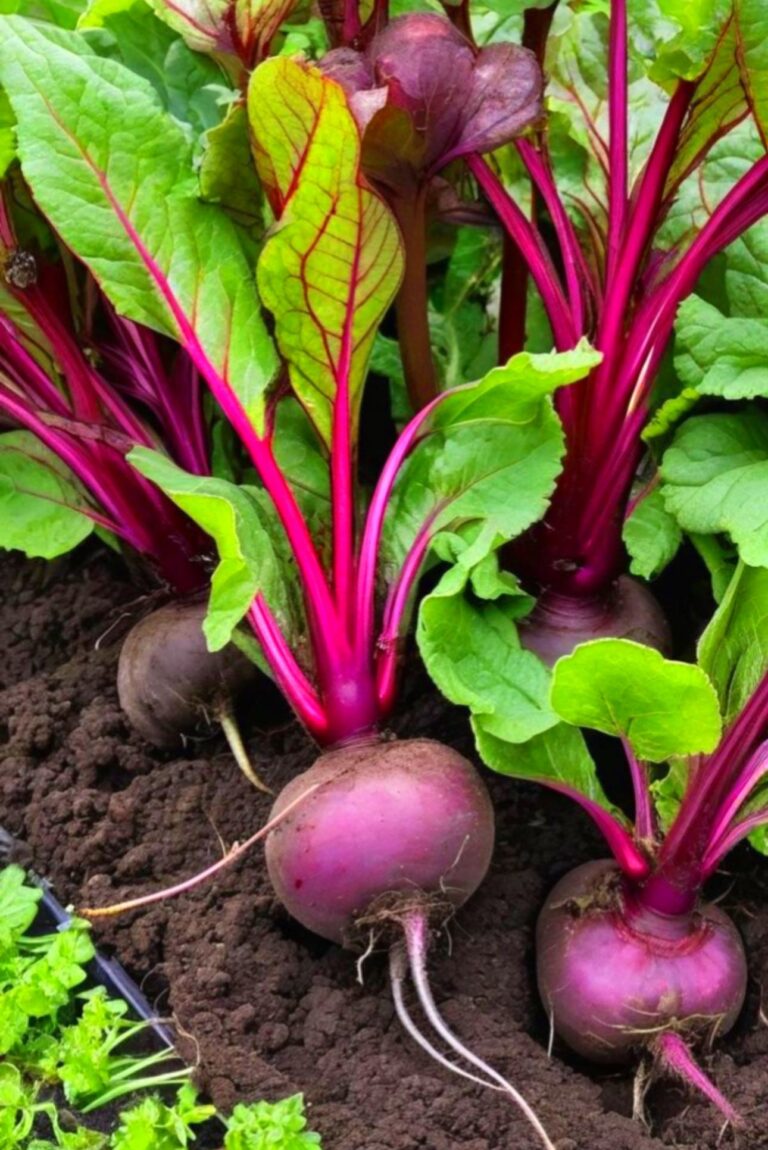
13. Beets
Beets give you two crops in one container: the root and the edible greens on top. A pot roughly 12 inches deep suits most beet varieties comfortably.
Thinning is essential here, since crowded beets produce small, misshapen roots. I always feel slightly guilty pulling out perfectly healthy seedlings, but the remaining plants genuinely need that breathing room to swell properly.
Consistent moisture prevents the roots from becoming tough or woody. Harvest greens sparingly while the roots develop, since removing too much foliage slows down root growth.
14. Green Onions (Scallions)
Green onions are about as low-maintenance as container vegetables come. A shallow pot, even one only 6 to 8 inches deep, is enough since the roots stay compact.
They also regrow from kitchen scraps, which I find oddly satisfying. Place the root end of a store-bought scallion in soil or water and new green shoots appear within days.
Harvest by snipping the tops as needed, and the base will keep producing new growth. This makes scallions one of the most continuously productive plants for a small kitchen container.
15. Zucchini and Summer Squash
Zucchini grows large, so container gardeners should choose compact bush varieties such as ‘Raven’ or ‘Astia’ rather than sprawling types. A container of at least 5 gallons, ideally larger, gives roots enough space.
These plants are heavy feeders and heavy drinkers. On a hot summer afternoon, a container zucchini plant can look wilted by mid-day even with adequate water, simply due to its large leaf surface losing moisture fast.
Hand-pollination sometimes helps in balcony settings where bees are scarce, using a small brush to transfer pollen between flowers. One healthy plant can still produce more zucchini than a small household can eat.
16. Peas
Peas prefer cool weather and do well in pots around 8 to 10 inches deep, especially bush or dwarf varieties that don’t need extensive trellising. Snap peas and snow peas both adapt well to container life.
A small trellis or even a few upright twigs gives climbing types something to grip. Peas are also visually pleasing, with delicate white or purple flowers before the pods form.
Sow directly once soil temperatures are cool but not freezing. Harvest pods regularly, since letting them mature too long on the vine reduces overall yield for the rest of the season.
17. Broccoli
Broccoli needs a slightly larger container than most people expect, ideally 5 gallons or more, since the root system spreads wider than the compact head above ground suggests.
Cool-season timing matters enormously here. Planting broccoli during warm weather often causes it to bolt, producing loose, bitter flower heads instead of the tight one most gardeners want.
After harvesting the main head, side shoots often continue forming for several more weeks. This secondary harvest is smaller but genuinely worthwhile, and many gardeners overlook it entirely.
18. Cabbage
Compact or mini cabbage varieties such as ‘Gonzales’ or ‘Caraflex’ fit container life far better than full-sized field types. A 5-gallon pot with rich, well-draining soil suits them well.
Cabbage is a heavy feeder, so regular fertilizing through the growing season keeps heads forming densely rather than loosely. Consistent watering also prevents heads from splitting once they reach maturity.
Watch for cabbage worms, a common pest even in container settings. A simple row cover or netting over the pot usually keeps moths from laying eggs on the leaves.
19. Garlic
Garlic is a patient crop, often taking six to nine months from planting to harvest, but it requires almost no daily attention in between. A pot around 10 to 12 inches deep works well for a handful of cloves.
I like garlic precisely because it asks so little. Plant individual cloves in autumn, water occasionally through winter, and mostly forget about the pot until spring growth resumes in earnest.
Harvest once the lower leaves yellow and begin to dry out. Curing the bulbs afterward in a dry, ventilated spot for a few weeks improves both flavor and storage life significantly.
20. Potatoes
Potatoes grow surprisingly well in tall containers, grow bags, or even stacked tires, with University of Maryland Extension noting that container size directly affects total yield. A 10-gallon bag or bucket is a practical minimum.
The trick is “hilling,” adding soil or mulch gradually as the plant grows, which encourages more tubers to form along the buried stem. It’s oddly satisfying to dig through a bag at harvest time, never quite sure how many potatoes are hiding inside.
Full sun and consistent moisture matter throughout the growing season. Reduce watering once the foliage yellows and dies back, signaling that the tubers are ready to harvest.
21. Arugula
Arugula is fast, peppery, and forgiving, germinating within a week and ready to harvest in about three to four weeks after that. A pot as shallow as 6 inches is enough.
This is one of the few container vegetables I’d recommend for absolute beginners without hesitation. It rarely fails, tolerates light shade, and regrows quickly after cutting.
Harvest leaves while young for the mildest flavor, since older leaves turn noticeably spicier and slightly tough. Succession sowing every couple of weeks keeps a steady, continuous supply.
22. Bok Choy
Bok choy is a compact Asian green that fits neatly into pots around 8 to 10 inches deep. Baby bok choy varieties are especially well suited to container life, maturing in just five to six weeks.
It handles cooler weather gracefully and tends to bolt quickly once summer heat arrives, so spring and autumn are the best windows for planting it outdoors.
Harvest whole heads once mature, or pick outer leaves gradually for a longer, staggered harvest. Either method works well depending on how quickly you want to use the crop.
23. Okra
Okra thrives in heat that would stress out many other vegetables, making it an excellent choice for hot climates or sun-drenched balconies. A pot of at least 5 gallons gives the taproot room to develop.
This plant genuinely seems to enjoy conditions that wilt everything else nearby. I’ve seen okra standing upright and productive on days when neighboring pepper plants looked thoroughly defeated by the heat.
Harvest pods when they’re young and tender, usually within a week of flowering. Left too long, pods turn woody and fibrous, so frequent checking during peak season pays off.
24. Turnips
Turnips grow quickly, often ready within five to six weeks, and both the root and the leafy tops are edible. A pot around 10 to 12 inches deep suits most varieties comfortably.
They tolerate cooler weather well and actually develop sweeter flavor after a light frost, similar to kale in that respect. This makes turnips a solid late-season option when other crops are winding down.
Thin seedlings early to prevent overcrowding, which otherwise produces small, fibrous roots. Regular watering keeps the roots tender rather than tough or overly sharp in flavor.
25. Mustard Greens
Mustard greens round out this list as another fast, forgiving leafy crop, ready for harvest in about three to four weeks. A shallow pot, similar to lettuce or arugula, works fine.
These greens carry a distinctive peppery bite that mellows considerably when cooked, making them useful both raw in small amounts and sautéed as a side dish.
Harvest outer leaves continuously rather than pulling the whole plant, and new growth will keep emerging from the center for several more weeks. Cooler weather produces the mildest, most tender leaves.
Final Thoughts
Twenty-five vegetables is a long list, but the underlying principles stay consistent throughout. Match pot size to root depth, use a proper potting mix, water attentively, and feed regularly, since containers offer no reserve of outside nutrients the way garden soil does.
Start small. Pick three or four vegetables from this list that suit your climate and sunlight, rather than trying everything at once. A few well-tended pots will teach you more than a dozen neglected ones ever could.
There is something genuinely rewarding about pulling a radish or snipping a handful of lettuce from a container you set up yourself, on a balcony that had nothing growing on it a few months earlier. That, more than any statistic, is probably the best reason to start.
References
- Penn State Extension — Container Vegetable Gardening: Four Keys to Success — https://extension.psu.edu/container-vegetable-gardening-four-keys-to-success
- Oregon State University Extension Service — Container Gardening: Grow Vegetables Even Without Yard Space — https://extension.oregonstate.edu/news/container-gardening-grow-vegetables-even-without-yard-space
- University of Maryland Extension — Growing Vegetables in Containers and Salad Tables — https://extension.umd.edu/resource/growing-vegetables-containers-and-salad-tables
- University of Maryland Extension — Types of Containers for Growing Vegetables — https://extension.umd.edu/resource/types-containers-growing-vegetables
- University of Maine Cooperative Extension — Container Gardening Series: Growing Vegetables in Container Gardens — https://extension.umaine.edu/publications/2762e/
- Virginia Cooperative Extension (Virginia Tech) — Vegetable Gardening in Containers — https://www.pubs.ext.vt.edu/426/426-336/426-336.html
- Iowa State University Extension and Outreach — Container Vegetable Gardening — https://store.extension.iastate.edu/Product/Container-Vegetable-Gardening-PDF

Tim M Dave is a gardening expert with a passion for houseplants, particularly cacti and succulents. With a degree in plant biology from the University of California, Berkeley, he has vast experience in gardening. Over the years, he has cultivated a vast collection of desert plants and learned a great deal about how to grow and care for these unique companions.