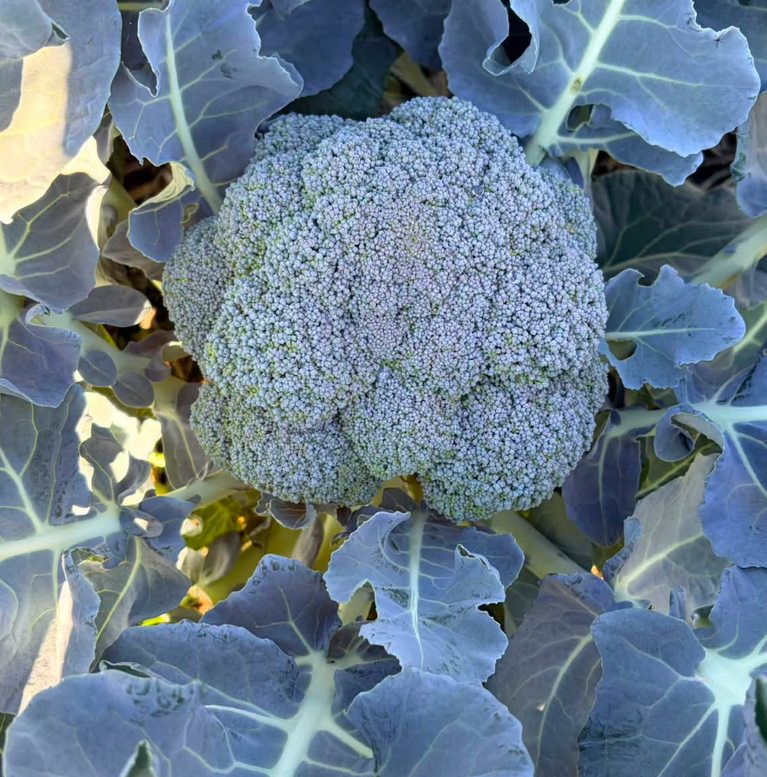
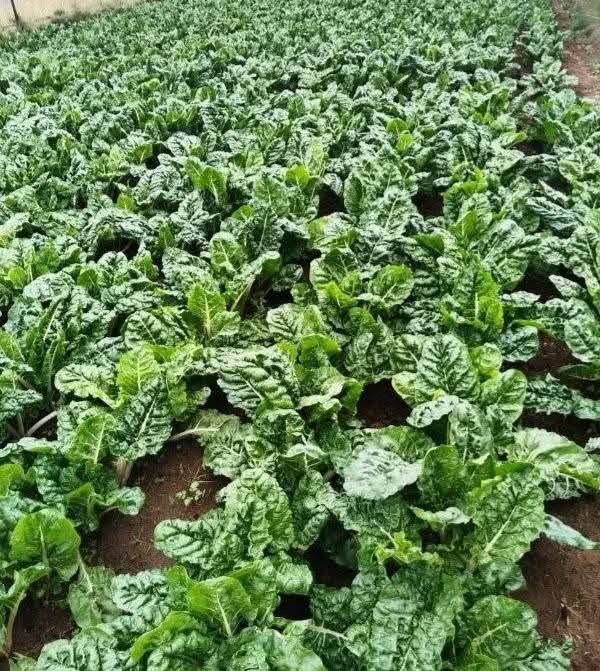
25 Vegetable Plants to Grow in Fall (With Care Details)
Summer gets all the attention, but fall is quietly one of the best seasons for a vegetable garden. Fewer pests, milder days, and cooler nights genuinely change how plants behave.
I didn’t understand this until I planted kale in September almost as an afterthought. It outgrew everything I’d babied all summer, and it kept producing long after frost had finished off the tomatoes.
The University of Maryland Extension notes that frost actually increases sugar content in many cool-season crops, improving both flavor and cold hardiness at the same time. Cold isn’t the enemy here; for the right vegetables, it’s an advantage.
Climate patterns are shifting too. The same extension office reports that warmer fall weather and later first frosts are extending the growing season, giving leafy greens, carrots, beets, and turnips noticeably more time to develop before winter sets in.
This guide walks through 25 vegetable plants suited for fall growing, along with realistic planting windows and care details for each.
Why Fall Gardening Works Differently
Daylight becomes the real limiting factor once autumn arrives, not just temperature. University of Maryland Extension points out that vegetable growth slows drastically once daily sunlight drops below 10 hours, so timing matters more than most gardeners expect.
That means early planting is critical. Crops need to be well established before daylight and temperature both decline together, according to the same source, or growth stalls before the plant ever reaches harvest size.
Split fall vegetables into two groups. Hardy crops survive a hard frost outright, while half-hardy crops only tolerate light frost. Knowing which group your plant falls into changes how late you can safely leave it in the ground.
1. Broccoli
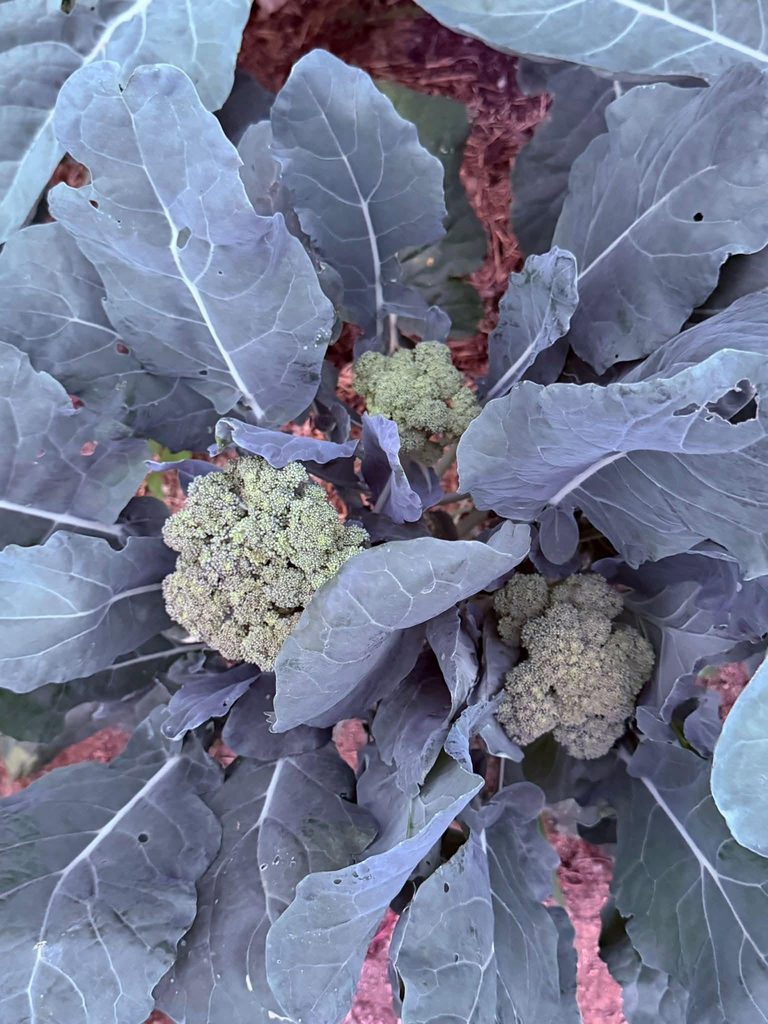
Broccoli is a fall garden staple, and for good reason. University of Georgia Extension recommends starting it as transplants rather than direct seed, giving the plant a head start before cooler weather slows growth.
I’ve always found broccoli oddly rewarding in autumn, since the heads seem to form tighter and denser than anything grown in spring heat. Cooler nights genuinely improve the texture, not just the taste.
Plant transplants about 12 to 14 weeks before your first expected frost. After harvesting the main head, side shoots often continue forming for several more weeks, extending the harvest well into the cold season.
2. Cauliflower
Cauliflower behaves much like broccoli but is slightly less forgiving of temperature swings. It also does best started as a transplant, according to University of Georgia Extension’s fall gardening research.
Heads can discolor or turn bitter if exposed to prolonged heat during early development, so timing the transplant date matters more here than with most other cole crops.
Blanching, tying the outer leaves over the developing head, keeps it pale and tender. This small step, done once the head reaches about the size of an egg, makes a noticeable difference in final quality.
3. Cabbage
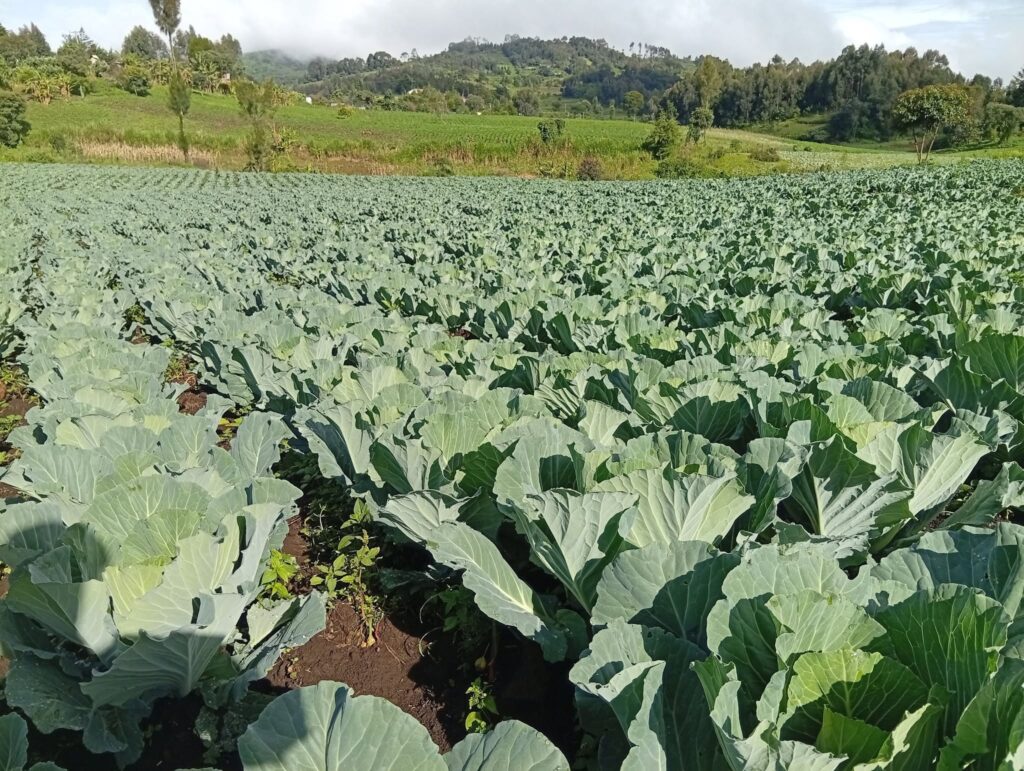
Cabbage is remarkably cold-hardy once established, tolerating frost with little visible damage. Virginia Cooperative Extension lists cabbage among crops whose flavor actually improves after a light frost hits the garden.
I like planting a few compact varieties for fall specifically because they mature faster than the large storage types, giving a real harvest before winter closes the window entirely.
Space plants generously, since crowded cabbage produces smaller, looser heads. Consistent moisture during head formation prevents splitting, a common frustration when rain becomes irregular in early autumn.
4. Brussels Sprouts
Brussels sprouts might be the single best argument for fall gardening. Iowa State University Extension notes that their flavor genuinely improves after a fall frost, turning a divisive vegetable into something far more palatable.
This plant needs a long season, so it should go in the ground in mid to late summer for a proper fall harvest. Patience is part of the deal here, but it pays off once the first frost hits.
Harvest sprouts from the bottom of the stalk upward as they mature, snapping them off individually. Leaving the plant in place after a light frost only sweetens the remaining sprouts further.
5. Kale
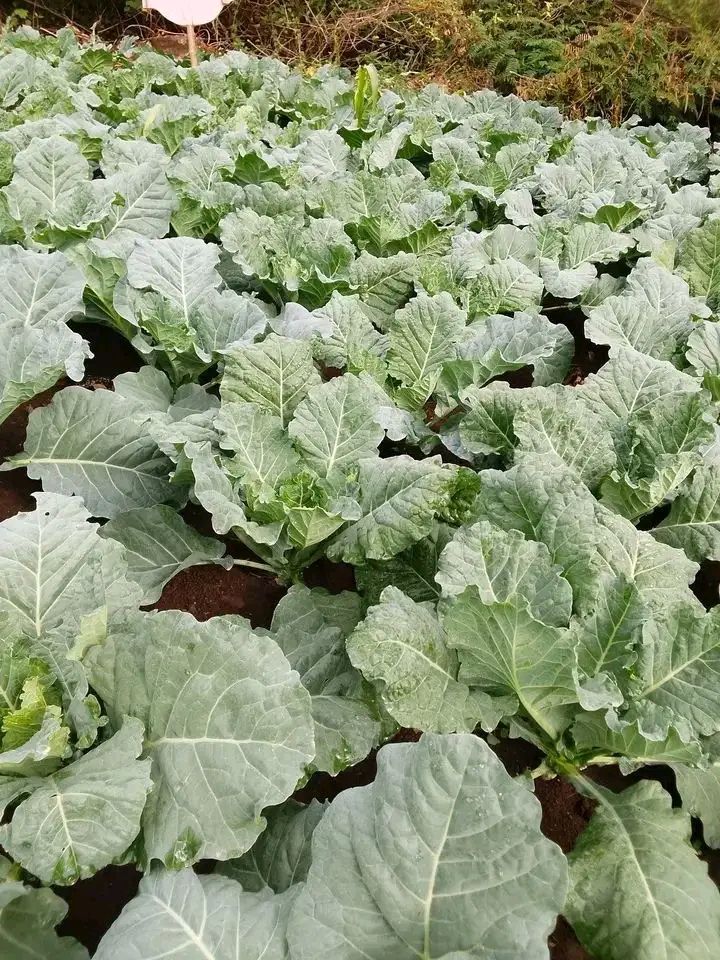
Kale is arguably the toughest vegetable on this entire list. It tolerates hard frost with barely a flinch, and University of Arizona Cooperative Extension includes it among crops that can be planted well into autumn.
I’ve harvested kale from under a light dusting of snow before, which still surprises me every time it happens. Few vegetables reward cold weather quite as generously as this one does.
Harvest outer leaves continuously and the plant keeps producing from the center. A single fall planting can realistically supply fresh greens for months, right through the coldest part of the year.
6. Spinach
Spinach thrives in the cooler, shorter days of fall, avoiding the bolting problem that plagues it in summer heat. University of Minnesota Extension notes that spinach is a strong candidate for succession planting through late summer into fall.
It also handles light frost without much trouble, and the flavor tends to sweeten noticeably once temperatures drop, similar to kale in that respect.
Sow seed directly rather than transplanting, since spinach dislikes root disturbance. Keep soil consistently moist during germination, and harvest outer leaves regularly to keep new growth coming.
7. Lettuce
Lettuce practically demands cooler weather. Grown in summer heat it turns bitter and bolts quickly, but fall conditions bring out its best qualities entirely. University of Minnesota Extension recommends late-summer sowing for a genuinely tender fall crop.
Loose-leaf varieties work particularly well for succession planting, allowing repeated small harvests rather than one large cut. I find this approach far more satisfying, since the supply never really runs dry.
Sow every couple of weeks through late summer for a continuous autumn harvest. Row covers extend the season further, protecting tender leaves from the season’s first hard frosts.
8. Swiss Chard
Swiss chard sits somewhere between kale and spinach in toughness, tolerating light frost while producing colorful, sturdy stems well into autumn. It’s also one of the easier crops to fit into a mixed fall bed.
The plant’s resilience genuinely surprised me the first time I grew it, since it kept producing usable leaves weeks after I expected the season to end.
Harvest outer leaves near the base, leaving the center intact for continued growth. This method keeps a single planting productive for an extended stretch of the fall season.
9. Carrots
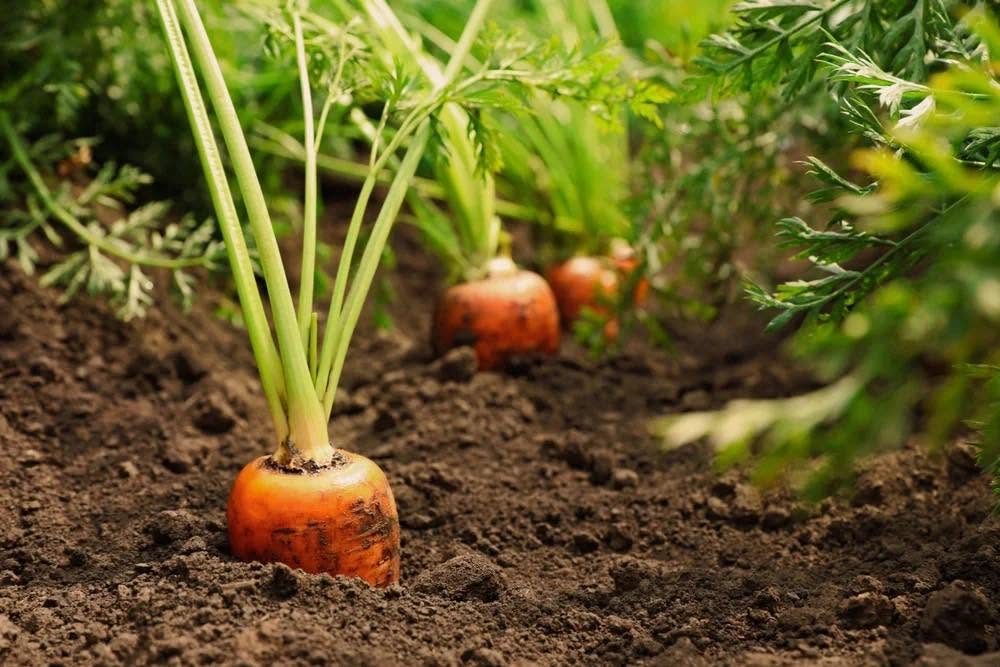
Carrots benefit enormously from a fall planting, developing sweeter flavor as cooler soil temperatures set in. University of Maryland Extension classifies carrots as a half-hardy crop, tolerant of light frost but not hard freezes.
Root vegetables in general seem to respond well to this seasonal shift, and carrots are perhaps the clearest example. The starch-to-sugar conversion triggered by cold genuinely changes how the finished root tastes.
Sow seed directly into loose, well-drained soil about 10 to 12 weeks before your first hard frost. Mulching heavily can extend the harvest window even further into the colder months.
10. Beets
Beets pair well with carrots in a fall bed, tolerating similar conditions and offering the same double harvest of root and edible greens. They also fall into the half-hardy category, according to University of Maryland Extension.
I appreciate beets specifically because they give you two crops from one planting, the greens usable early and the roots ready a bit later in the season.
Thin seedlings to prevent crowding, which otherwise stunts root development. Consistent moisture through the growing period prevents the roots from toughening or splitting near harvest time.
11. Turnips
Turnips grow quickly, often ready within six to eight weeks, making them a practical late-season option even for gardeners who started their fall planning a bit behind schedule.
University of Georgia Extension lists turnips among crops suitable for September and October planting, specifically because their fast maturity fits neatly into the shrinking daylight window of autumn.
Both the root and the leafy greens are edible, and cold weather tends to sweeten both. Harvest before the ground freezes solid, since prolonged hard freezes can damage exposed roots.
12. Radishes
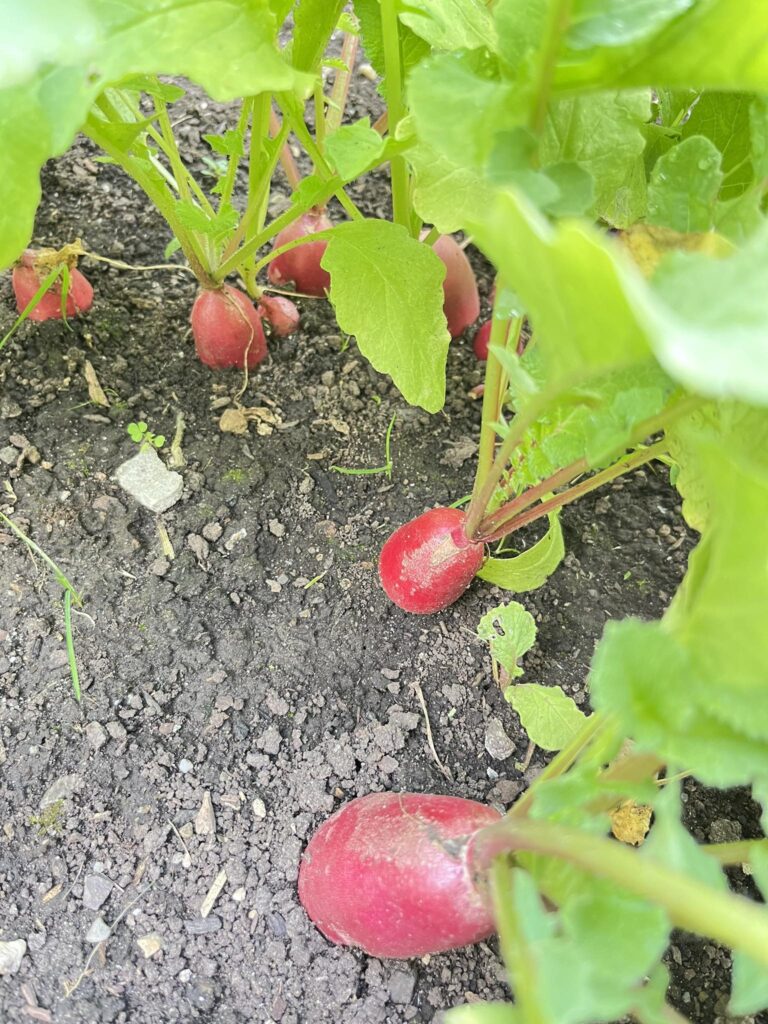
Radishes are the fastest crop on this entire list, often ready within three to four weeks of sowing. This makes them ideal for filling small gaps in a fall garden as other crops finish up.
I use radishes almost as a testing crop, sowing a quick row whenever a bed opens up unexpectedly. If they come up quickly and cleanly, I know the soil and timing are working in my favor.
Sow directly and thin seedlings early for proper root development. Consistent watering prevents the roots from becoming overly sharp or woody by the time they’re ready to pull.
13. Garlic
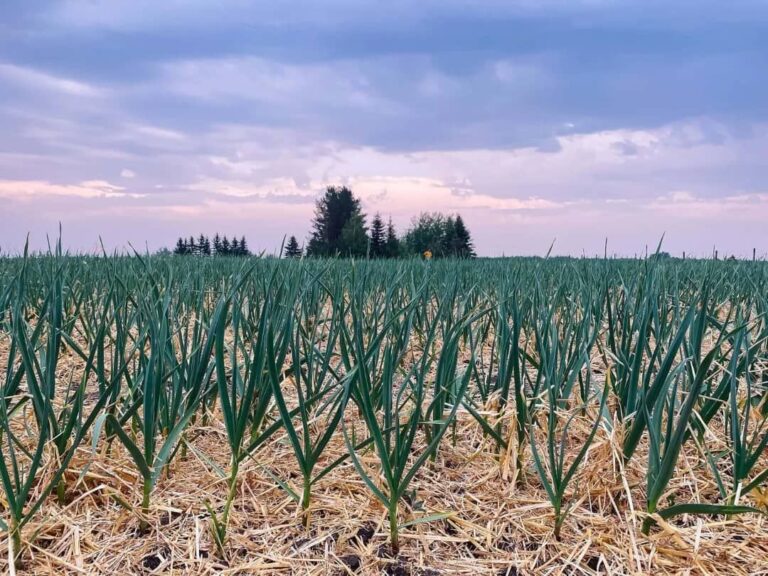
Garlic is planted in fall specifically to harvest the following summer, making it something of an outlier on this list. University of Arizona Cooperative Extension recommends planting cloves from mid-September through November.
There’s a strange patience required here that I’ve grown to appreciate. You plant cloves, walk away for the better part of a year, and eventually pull up bulbs that started life in a completely different season.
Plant large, unpeeled cloves about six inches apart and one to three inches deep in full sun. Remove any flower scapes that appear in spring to redirect the plant’s energy into bulb development.
14. Onions
Onions share a planting window with garlic, going into the ground in fall for a summer harvest the following year. University of Arizona Extension notes they require similar soil preparation, including compost and phosphorus-rich amendments.
Fall-planted onions establish strong root systems before winter dormancy, which gives them a real head start once spring growth resumes in earnest.
Choose varieties suited to your specific day-length region, since onions are notably sensitive to this factor. Getting that detail wrong is one of the more common mistakes new gardeners make.
ALSO READ: 25 Best Vegetables to Grow in Pots (With Care Details)
15. Leeks
Leeks are remarkably cold-hardy, often surviving in the ground through moderate winters with minimal protection. Their flavor, much like kale, tends to improve rather than suffer after a frost.
I like leeks for fall gardening because they’re forgiving of a slightly late harvest. Unlike many crops on this list, a few extra cold weeks in the ground rarely ruin them.
Mound soil around the base as the plant grows to blanch the lower stem, producing the tender white portion prized in cooking. Harvest as needed through autumn and into early winter.
16. Peas
Fall peas are less commonly grown than their spring counterparts, but cooler autumn weather actually suits them well, provided they’re planted early enough to mature before a hard freeze.
Snap and snow pea varieties both work for a fall crop. The trick is counting backward from your first expected frost date and choosing a variety with a suitably short maturity window.
Provide a small trellis for climbing types, and harvest pods regularly once they begin forming. Regular picking encourages the plant to continue producing until cold weather finally ends the season.
17. Arugula
Arugula is fast and forgiving, much like radishes, and tolerates the cooling temperatures of fall exceptionally well. University of Arizona Extension includes it among the crops suited to September and October planting.
Its flavor turns notably milder in cool weather compared to the sharper bite it develops during summer heat, which makes fall arugula genuinely more pleasant for most palates.
Sow seed directly and harvest young leaves for the best flavor. Succession sowing every couple of weeks keeps a steady supply coming right up until the first hard frost arrives.
18. Mustard Greens
Mustard greens tolerate light frost well and develop a milder, more balanced flavor once autumn temperatures set in. They’re listed among Virginia Cooperative Extension’s recommended cool-season fall crops.
I find mustard greens particularly useful for filling gaps in a fall bed, since they germinate quickly and rarely disappoint even in less-than-ideal soil conditions.
Harvest outer leaves regularly rather than waiting for full maturity. New growth continues from the center of the plant, extending usable harvests for several additional weeks.
19. Bok Choy
Bok choy handles cool fall weather gracefully, avoiding the quick bolting that often occurs when it’s grown in summer heat instead. Baby varieties mature especially fast, fitting neatly into a shortening autumn season.
This is one of the more visually satisfying fall crops, with tidy, compact heads that look almost ornamental sitting in a cool-season bed.
Harvest whole heads once mature or pick outer leaves gradually for a staggered harvest. Either approach works well, depending on how quickly you plan to use the crop.
ALSO READ: Indoor Vegetable Garden: Requirements For Success
20. Collard Greens
Collards are exceptionally cold-tolerant, often outlasting kale in the harshest fall conditions. Like many crops on this list, their flavor sweetens considerably after exposure to frost.
I’ve watched collards shrug off temperatures that damaged nearly everything else in the garden, which says a lot about how well-suited this crop is to late-season growing.
Harvest larger outer leaves first, leaving the center to keep producing. A single fall planting, properly spaced, can realistically provide greens well into the winter months in milder climates.
21. Kohlrabi
Kohlrabi is a somewhat underused fall vegetable, forming a swollen, edible stem that has a flavor somewhere between cabbage and broccoli. It matures relatively quickly, usually within about eight weeks.
I think kohlrabi deserves more attention than it usually gets. It’s easy to grow, tolerates cool weather well, and offers something genuinely different from the typical fall garden lineup.
Harvest once the bulb reaches roughly the size of a tennis ball, since larger ones tend to turn woody. Both the bulb and the leafy tops are edible and worth using.
22. Rutabaga
Rutabaga is a hardy root crop that benefits from a longer maturity window, typically 80 to 90 days, making early fall planting essential rather than optional.
This is a crop that rewards patience specifically. Left in the ground through a few frosts, the roots develop a noticeably sweeter, more rounded flavor than if harvested too early.
Thin seedlings for proper root development and mulch heavily as cold weather approaches. Rutabagas store remarkably well after harvest, making them a practical crop for extending your fall produce into winter.
23. Parsnips
Parsnips take their time, often needing well over 100 days to mature, so fall harvest usually means planting in early to mid-summer rather than late summer like many other crops here.
The reward for that patience is significant. Parsnips left in the ground through a hard frost develop a genuinely sweet, almost nutty flavor that’s difficult to replicate any other way.
Loose, deep soil prevents forked or misshapen roots. Many gardeners leave parsnips in the ground through the first snowfall, harvesting gradually as needed through early winter.
ALSO READ: 30 Vegetables That Grow in Shade (With Planting Details)
24. Endive
Endive is a slightly bitter leafy green that fall weather actually tames considerably, softening its edge compared to a summer-grown crop. It’s a strong choice for gardeners looking to diversify beyond typical lettuce and spinach.
I’ve come to appreciate endive specifically in fall salads, where its texture holds up better than more delicate greens once temperatures start dropping regularly.
Blanching the center by tying outer leaves together a week or two before harvest reduces bitterness further. Harvest whole heads once mature, ideally before the hardest frosts set in.
25. Mizuna
Mizuna rounds out this list as a fast-growing, feathery Asian green well suited to cooler fall conditions. University of Arizona Extension notes it among crops that thrive when planted in the September to October window.
It has a mild, slightly peppery flavor that mellows further as temperatures cool, similar to arugula, making it a versatile addition to fall salads and quick sautés alike.
Harvest young leaves continuously for the best texture and flavor. This plant regrows quickly after cutting, often providing multiple harvests from a single fall planting.
Final Thoughts
Fall gardening rewards a bit of planning more than raw effort. Know your first frost date, work backward from each crop’s maturity window, and lean into hardy varieties once the calendar starts working against you.
I’ve grown to genuinely prefer this season over spring in some ways. There’s less competition from weeds and pests, and the cooler weather makes the whole process feel calmer and more deliberate.
Pick a handful of vegetables from this list based on your region’s frost timing, and don’t be afraid to let a light freeze do some of the work for you. Many of these crops taste better precisely because of it.
References
- University of Maryland Extension — Fall Vegetable Gardening — https://extension.umd.edu/resource/fall-vegetable-gardening
- University of Georgia Cooperative Extension (CAES) — Fall Vegetable Gardening — https://fieldreport.caes.uga.edu/publications/C1258/fall-vegetable-gardening/
- University of Minnesota Extension — Planting Vegetables in Midsummer for Fall Harvest — https://extension.umn.edu/planting-and-growing-guides/planting-vegetables-midsummer-fall-harvest
- Iowa State University Extension and Outreach — Fall Planting of Vegetables — https://yardandgarden.extension.iastate.edu/how-to/fall-planting-vegetables
- Virginia Cooperative Extension (Virginia Tech) — Fall Vegetable Gardening — https://www.pubs.ext.vt.edu/426/426-334/426-334.html
- University of Arizona Cooperative Extension — Fall Vegetable Gardening — https://extension.arizona.edu/sites/default/files/attachment/FallVegetableGardening.pdf
- University of Tennessee Extension — Fall Vegetable Gardens (SP291-G) — https://rutherford.tennessee.edu/wp-content/uploads/sites/200/2022/05/SP291-G-Fall-Vegetable-Gardens.pdf

Tim M Dave is a gardening expert with a passion for houseplants, particularly cacti and succulents. With a degree in plant biology from the University of California, Berkeley, he has vast experience in gardening. Over the years, he has cultivated a vast collection of desert plants and learned a great deal about how to grow and care for these unique companions.