30 Types of Indeterminate Tomatoes (Different Varieties, With Care Tips)
There is a specific kind of joy in walking out to the garden in late August and finding tomatoes still ripening on a vine that refuses to quit. That is the whole appeal of indeterminate tomatoes.
Unlike their compact cousins, indeterminate tomato plants keep growing, flowering, and setting fruit until frost finally stops them. According to Iowa State University Extension, this harvest period often stretches across two to three months, not just a few weeks.
That long season is exactly why most heirloom tomatoes and nearly all greenhouse tomatoes fall into the indeterminate category, as noted by the University of Georgia’s Commercial Tomato Production Handbook.
This guide covers 30 types of indeterminate tomatoes, organized by how you would use them: cherry snacking, everyday slicing, beefsteak sandwiches, heirloom flavor, and specialty paste tomatoes.
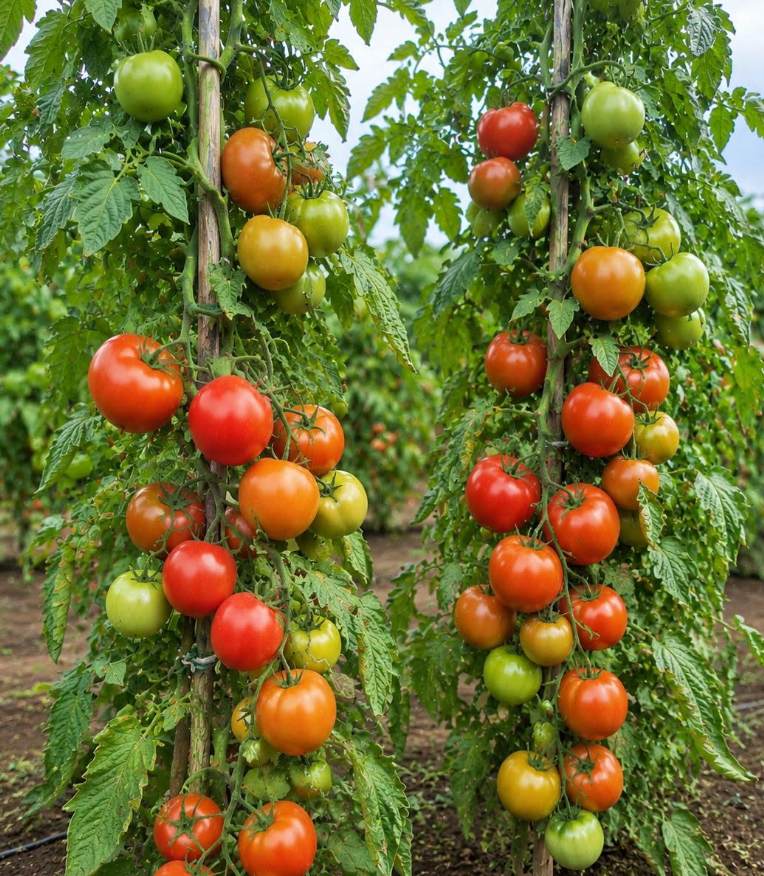
What Does “Indeterminate” Actually Mean?
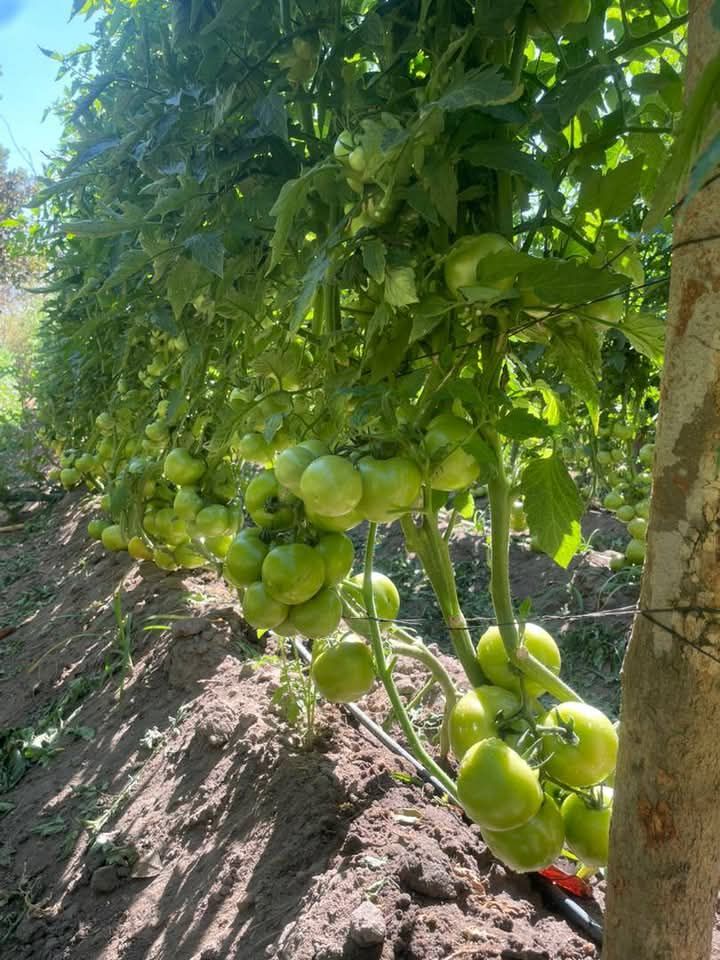
An indeterminate tomato plant never reaches a final height and stops growing on its own. Left unsupported, vines can sprawl seven feet or longer before the season ends.
The stems keep producing new leaf and flower clusters continuously, roughly every second leaf, rather than setting a fixed number of clusters and stopping.
Because growth never really pauses, these plants need sturdy stakes, cages, or trellising. A basic tomato cage built for a determinate bush usually is not tall enough.
Pruning matters more here too. Mississippi State University Extension notes that indeterminate varieties are typically pruned heavily when trellised, moderately when staked, and only lightly when grown in a cage.
The tradeoff for the extra maintenance is a steady, rolling harvest. Instead of one large batch of ripe tomatoes, you get a slow, dependable trickle from midsummer through the first frost.
Now, let me take you through different types of indeterminate tomatoes
Cherry and Grape Varieties
1. Sun Gold
Sun Gold is one of the most requested cherry tomatoes among home gardeners, and for good reason. The small, golden-orange fruit is intensely sweet, almost tropical in flavor.
The vines grow long and need real support, often reaching six feet or more by late summer if left unchecked on a sturdy trellis.
Fruit ripens quickly, often within 57 days of transplant, and the thin skin means these are best eaten fresh rather than cooked down or canned.
2. Sweet 100
Sweet 100 lives up to its name with enormous clusters of small, bright red fruit produced in long, cascading trusses throughout the season.
A single well-supported plant can realistically produce hundreds of tomatoes over a full growing season, which explains why one or two plants is usually enough for a family.
Flavor leans sweet with mild acidity, and the vines are vigorous enough that regular pruning of suckers keeps the plant from becoming an unmanageable tangle.
3. Sweet Million
Sweet Million is a close relative of Sweet 100, bred with improved disease resistance while keeping similar sweetness and productivity.
The plant tends to stay slightly more manageable, though it still requires a tall cage or stake system by midsummer.
Because the fruit holds slightly longer on the vine without splitting, Sweet Million is a solid pick for gardeners who cannot check the garden every single day.
4. Black Cherry
Black Cherry produces small, round fruit with a deep purplish-brown skin and a rich, almost smoky sweetness that sets it apart from standard red cherries.
The plant grows tall and rangy, typically needing a six-foot stake or cage, and benefits from consistent sucker removal to manage its sprawling habit.
Clemson University’s Home and Garden Information Center notes that this cultivar shows notable resistance to blossom end rot compared to many other cherry types.
5. Yellow Pear
Yellow Pear is a genuine heirloom, tracing back to 1700s Europe, producing small, pear-shaped, golden-yellow fruit in heavy clusters.
Early American colonists reportedly used this variety for pickling and flavoring soups, and it remains popular today largely for its novelty shape and mild, slightly tangy flavor.
The vines grow vigorously and produce reliably through the whole season, making it a strong choice for gardeners who want steady, low-maintenance cherry tomatoes.
6. Matt’s Wild Cherry
Matt’s Wild Cherry is about as close to a truly wild tomato as most gardeners will ever grow, producing tiny, intensely flavored red fruit.
The vines are exceptionally vigorous and disease-resistant, often outperforming more delicate hybrid cherries in poor soil or inconsistent watering conditions.
Because the fruit is so small, harvesting takes patience, but the concentrated, tangy-sweet flavor rewards the extra effort at the table.
7. Snow White
Snow White produces pale, ivory-yellow cherry tomatoes with an unusually low acidity and a mild, almost fruity sweetness.
The plant grows tall and needs firm support, similar to most cherry-type indeterminates, and tends to hold fruit well without cracking in humid weather.
Its pale color makes it a favorite for mixed cherry tomato salads, where the visual contrast against red and black varieties really stands out.
ALSO READ: Understand Why Tomatoes Split on The Vine (And What to Do)
Classic Main-Crop Slicers
8. Better Boy
Better Boy has been a garden staple for decades, valued for its reliable, medium-to-large red fruit and broad disease resistance package.
Clemson HGIC lists it among the classic indeterminate cultivars that will keep growing taller until frost, which means it needs consistent staking from an early stage.
Flavor is well-balanced, and the plant’s resistance to verticillium wilt, fusarium wilt, and nematodes makes it forgiving in less-than-perfect soil.
9. Big Beef
Big Beef is an award-winning hybrid known for large, meaty fruit and unusually strong resistance to a wide range of common tomato diseases.
The plant produces steadily over a long season, and individual fruits often weigh close to a pound under good growing conditions.
Because of its dependable performance across different climates, Big Beef is frequently recommended by extension programs as a safe, all-purpose slicing tomato.
10. Early Girl
Early Girl earns its name honestly, often producing ripe, five-ounce fruit in as little as 54 days from transplant, according to extension research.
Despite the early fruit, the vine itself keeps growing and producing indeterminately right through the rest of the season.
This combination of early yield and long-season productivity makes Early Girl one of the most commonly grown slicing tomatoes in home gardens nationwide.
11. Big Girl
Big Girl offers larger fruit than its Early Girl relative, with a similar reliable, easy-to-grow vine habit that suits beginner gardeners well.
The plant produces consistently through summer, and the fruit holds up reasonably well for slicing, canning, or simple sandwich use.
Because it tolerates a range of soil conditions, Big Girl is often the second variety gardeners try after starting with something smaller.
12. Fantastic
Fantastic has built its reputation almost entirely on yield, producing heavy, consistent crops of medium-sized, round, red fruit all season long.
The vines grow vigorously and need firm staking, since the plant tends to put on substantial height once it gets established.
Flavor is considered solid rather than exceptional, which suits gardeners who prioritize volume for everyday cooking over standout heirloom taste.
13. Champion
Champion is classified as a medium-early variety, typically beginning to bear fruit around 65 days after transplanting, per University of Illinois Extension research.
The plant continues producing steadily afterward, blending an earlier-than-average start with the extended harvest window typical of indeterminate types.
Its fruit is medium-sized and well suited to everyday fresh eating, without the size or drama of a dedicated beefsteak variety.
14. Quick Pick
Quick Pick was specifically bred with broader disease resistance than many comparable early varieties, according to garden extension research summaries.
The plant produces four-ounce fruit within about 60 days, filling the gap between the earliest cherry types and slower main-crop slicers.
Because of its disease tolerance, Quick Pick performs well in gardens where earlier plantings have struggled with common fungal issues.
15. Early Cascade
Early Cascade combines a trailing, semi-cascading growth habit with large clusters of small-to-medium fruit ready in about 55 days.
The vine still behaves as a true indeterminate, continuing to grow and produce well beyond that first early harvest.
Its clustered fruiting habit makes harvesting efficient, since multiple ripe tomatoes are often ready from the same truss at once.
ALSO READ: 7 Reasons Tomatoes are Dropping Off the Vine Prematurely (And How to Fix)
Beefsteak Varieties
16. Beefmaster
Beefmaster is built for gardeners who want genuinely enormous fruit, often producing tomatoes in the one-to-two-pound range under strong growing conditions.
The vines grow tall and need very sturdy support, since the sheer weight of the fruit can snap weaker stakes or cages.
Because beefsteak types like this one bear later than standard main-crop reds, patience is part of the deal, but the payoff is substantial slicing tomatoes for sandwiches.
17. Supersteak
Supersteak pushes fruit size even further, frequently yielding some of the largest tomatoes available in home garden seed catalogs.
The trade-off for that size is a longer wait and a plant that demands serious structural support to keep the heavy trusses off the ground.
Texture tends to be meaty with fewer seed cavities, which makes Supersteak popular for thick-cut sandwich slices rather than sauces.
18. Delicious
Delicious has long held informal records for sheer tomato size, with some specimens reportedly exceeding four pounds under ideal conditions.
The plant requires ample space and strong staking, since both the vine and the fruit clusters get genuinely heavy by late summer.
Flavor is generally described as mild and juicy, which suits fresh eating better than long-cooked applications where a more concentrated tomato taste is preferred.
19. Mortgage Lifter
Mortgage Lifter carries a well-known origin story, reportedly bred by a radiator repairman in the 1930s who sold seedlings to pay off his house.
The fruit is large, pinkish-red, and notably low in acid, with a smooth, meaty texture that heirloom tomato fans often single out as a favorite.
Because it is open-pollinated, gardeners can save seed from Mortgage Lifter year after year and expect the same characteristics to reappear reliably.
ALSO READ: 8 Reasons Your Tomatoes Are Too Small (And How to Make the Fruit Bigger)
Heirloom Varieties
20. Brandywine
Brandywine is arguably the most famous heirloom tomato in American gardens, producing large, pinkish-red fruit with a rich, old-fashioned flavor.
The plant grows tall, often over six feet, with somewhat sparse, potato-like foliage that distinguishes it visually from standard hybrid tomato plants.
Because it lacks much modern disease resistance, Brandywine benefits from good airflow, crop rotation, and consistent watering to stay productive through the season.
21. Cherokee Purple
Cherokee Purple produces dusky, rose-purple fruit with a deep, smoky-sweet flavor that has made it a favorite on farmers market tables.
The vines are vigorous and sprawling, typical of older heirloom genetics, and generally need a robust cage or trellis to stay under control.
Its unusual coloring, along with genuinely excellent flavor, has helped this variety become one of the most commonly grown heirlooms nationwide.
22. Black Krim
Black Krim originated in the region of Crimea and produces deep maroon-black fruit with a distinctive salty-sweet, almost smoky taste.
The plant tolerates a range of climates reasonably well for an heirloom, though it still lacks the disease-resistance genetics bred into modern hybrids.
Fruit size runs medium to large, and the unusual color makes it a standout addition to a mixed heirloom tomato platter.
23. Green Zebra
Green Zebra stays green even when fully ripe, marked with darker green stripes, and offers a tangy, slightly citrusy flavor unlike most red tomatoes.
Because ripeness is not obvious from color alone, gardeners typically judge readiness by a slight softening and a faint yellow blush near the blossom end.
The vines grow with typical indeterminate vigor and produce reliably through a long season once established.
24. Pineapple
Pineapple tomatoes produce large, yellow-and-red marbled fruit with a genuinely fruity, low-acid flavor that lives up to the tropical name.
The plant needs sturdy staking to support its sizable fruit clusters, and individual tomatoes often weigh a pound or more at peak size.
Because of its striking marbled interior, Pineapple is a popular choice for sliced tomato displays at farmers markets and dinner parties alike.
25. Chef’s Choice Orange
Chef’s Choice Orange produces large, round, bright orange fruit with a sweeter, less acidic flavor than most standard red slicers.
Iowa State University Extension lists it among recommended indeterminate cultivars for home gardens, citing its consistent size and productivity.
The vine grows with typical indeterminate vigor, and the orange color adds welcome variety to a garden otherwise dominated by red fruit.
26. Golden Sweet
Golden Sweet is technically a grape-type tomato, producing oval, yellow fruit in long, generous clusters throughout the season.
The vines are vigorous and productive, often outproducing standard cherry types once fully established on a tall support system.
Flavor runs notably sweet with low acidity, making it a favorite for snacking straight off the vine rather than cooking.
ALSO READ: Why Are My Tomatoes Not Turning Red? What to Do
Paste, Novelty, and Specialty Varieties
27. Amish Paste
Amish Paste bridges the gap between heirloom flavor and practical sauce-making, producing large, oxheart-shaped, deep red fruit with meaty flesh.
Unlike most dedicated paste tomatoes, which are typically determinate, Amish Paste keeps growing and producing on a true indeterminate vine.
Its fuller flavor compared to standard Roma types makes it popular among home cooks who want an heirloom taste in their canned sauce.
28. Speckled Roman
Speckled Roman produces elongated, red fruit marked with distinctive gold stripes, offering both visual appeal and solid paste-tomato texture.
The vine grows tall and needs firm staking, typical of indeterminate types, and continues producing steadily across a long harvest window.
Its lower moisture content makes it useful for sauces, while the striking stripes also make it a popular choice for fresh heirloom tomato displays.
29. Long Keeper
Long Keeper is a genuine novelty, producing orange fruit with red-streaked flesh that stores remarkably well after harvest, often for several weeks.
Unlike most tomatoes, which spoil quickly once picked, this variety was specifically developed for extended shelf life without refrigeration.
Flavor is milder than fresh summer tomatoes, but the storage ability makes it a practical choice for extending homegrown tomatoes into the cooler months.
30. White Wonder
White Wonder produces pale, ivory-white fruit, each weighing around eight ounces, with a notably mild, low-acid flavor.
The plant grows with standard indeterminate vigor and needs the same sturdy staking as other full-sized heirloom varieties on this list.
Its unusual color and gentle flavor make it a talking point in mixed heirloom tomato salads, especially alongside deeply colored varieties like Black Krim.
ALSO READ: Understanding Tomato Pollination: Do Tomatoes Need to be Pollinated?
Why Indeterminate Tomatoes Deserve Extra Attention
Indeterminate varieties dominate two very different corners of the tomato world: backyard heirlooms and commercial greenhouses. Both rely on the same non-stop growth habit for different reasons.
USDA’s Economic Research Service reports that greenhouse growing systems using indeterminate varieties can produce up to 15 times more yield per unit of area than open-field production.
Greenhouse-grown tomatoes have also become a bigger part of what Americans eat fresh. By the early 2020s, greenhouse tomatoes made up about 60 percent of total fresh tomato import volume, up sharply from roughly 14 percent in the early 2000s, according to USDA ERS data.
Cherry and grape tomatoes lead that shift. In 2023, close to 80 percent of all cherry and grape tomato imports were greenhouse-grown, USDA reports, and nearly all of those come from indeterminate vines.
For home gardeners, the appeal is simpler: fresh, ripe tomatoes on the table for months, not weeks, from the exact same handful of plants.
ALSO READ: Understanding Tomato Blight: Types + Identification
Indeterminate vs. Determinate: The Practical Differences
Plant height is the clearest signal. Determinate types stop at roughly four feet, per the University of New Hampshire Extension, while indeterminate vines keep climbing well past that.
Harvest timing tells a similar story. Determinate plants ripen most fruit within four to six weeks. Indeterminate plants spread that harvest over two to three months instead.
Support needs differ sharply too. A simple cage suits most determinate bushes, but indeterminate vines generally need six-foot stakes, heavy cages, or a string trellis system.
Flavor is where many gardeners notice the biggest gap. Most heirloom tomatoes, prized for complex, old-fashioned flavor, are indeterminate, according to the University of Florida’s Gardening Extension.
How to Choose the Right Indeterminate Variety
Start with your kitchen goals. Fresh eating and salads favor cherry types like Sun Gold or Black Cherry, while sauce-making leans toward Amish Paste or Speckled Roman.
Think about your support system next. If you already have a tall trellis or cattle-panel arch, larger heirlooms like Brandywine or Pineapple will make full use of that structure.
Consider your season length too. Shorter growing seasons benefit from earlier varieties like Early Girl or Early Cascade, which still produce indeterminately once established.
Finally, weigh flavor against convenience. Heirlooms generally offer richer, more complex taste, while modern hybrids like Big Beef trade a little flavor for stronger disease resistance.
ALSO READ: Understanding Yellow Spots on Tomato Leaves (Causes + Fixes)
Growing Tips for Indeterminate Tomatoes
Install support at planting time, not later. Driving a stake or setting a cage after the plant has already sprawled tends to damage roots and stems unnecessarily.
Prune suckers regularly if you are training vines up a single stake. Mississippi State University Extension recommends heavier pruning for trellised plants than for caged ones.
Water deeply and consistently, since indeterminate plants carry fruit at multiple ripening stages simultaneously, and inconsistent moisture is a common cause of cracking.
Feed lightly but regularly through the season. Because these plants keep growing and fruiting for months, they draw more cumulative nutrients from the soil than a determinate bush ever will.
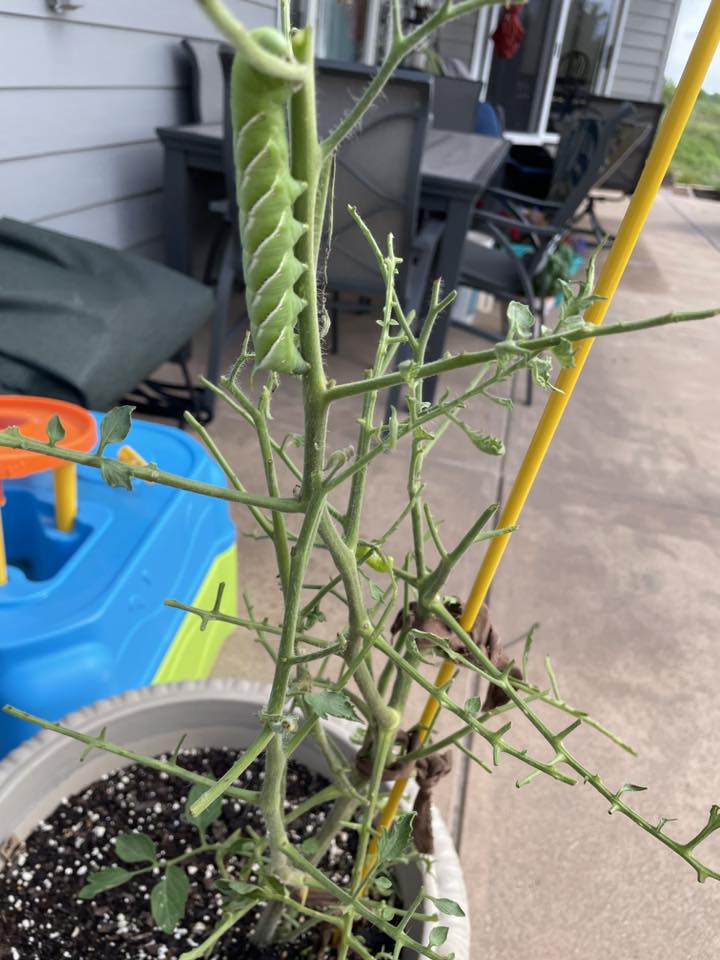
ALSO READ: Understanding Tomato Hornworms: Facts, Identification and How to Control Them in Your Garden
Frequently Asked Questions
Do all indeterminate tomatoes need staking?
Yes, in almost every case. Even smaller-fruited cherry varieties like Sweet 100 grow long, heavy vines that will sprawl and rot on bare soil without support.
Can indeterminate tomatoes be grown in containers?
They can, but the container needs to be large, generally 15 to 20 gallons, with a tall stake or cage built into the setup from day one.
Why do indeterminate tomatoes take longer to ripen fruit than determinate ones?
Indeterminate plants divide their energy between ongoing vine growth and fruit production simultaneously, while determinate plants stop growing and channel all their energy into ripening.
Are heirloom tomatoes always indeterminate?
Not always, but the large majority are. Most heirloom varieties predate the disease-resistant, compact hybrids bred more recently for determinate growth habits.
Final Thoughts
I still think there is nothing quite like an heirloom tomato, warm from the vine, eaten standing in the garden before it ever makes it to the kitchen.
With 30 varieties covered here, from tiny Matt’s Wild Cherry to the towering Brandywine, there is an indeterminate tomato suited to almost any garden, climate, or kitchen project.
Give your vines a strong stake, a bit of patience, and consistent water, and the long, steady harvest that follows tends to be worth every bit of the extra effort.
References
- Iowa State University Extension and Outreach. Recommended Cultivars and Types of Tomatoes for the Home Garden. Yard and Garden. https://yardandgarden.extension.iastate.edu/how-to/recommended-cultivars-and-types-tomatoes-home-garden
- University of Georgia Cooperative Extension. Commercial Tomato Production Handbook. College of Agricultural and Environmental Sciences. https://fieldreport.caes.uga.edu/publications/B1312/commercial-tomato-production-handbook/
- Alabama Cooperative Extension System. Greenhouse Tomato Production. https://www.aces.edu/blog/topics/crop-production/greenhouse-tomato-production/
- Kansas State University Extension, Sedgwick County. Recommended Tomato Varieties. https://www.sedgwick.k-state.edu/gardening-lawn-care/documents/Variety%20Recommendations%202016.pdf
- United States Department of Agriculture, Economic Research Service. Greenhouse Tomatoes Fuel U.S. Import Growth in Fresh Tomatoes. https://www.ers.usda.gov/data-products/chart-gallery/gallery/chart-detail/?chartId=109371
- United States Department of Agriculture, Economic Research Service. Greenhouse Tomato Production Spans Most U.S. States. https://www.ers.usda.gov/data-products/charts-of-note/chart-detail?chartId=92604
- United States Department of Agriculture, Economic Research Service. Impact of Greenhouse Tomatoes on the Fresh Field Tomato Industry. https://www.ers.usda.gov/media/13863/impact-of-greenhouse-tomatoes-on-the-fresh-field-tomato-industry.pdf?v=30382

Tim M Dave is a gardening expert with a passion for houseplants, particularly cacti and succulents. With a degree in plant biology from the University of California, Berkeley, he has vast experience in gardening. Over the years, he has cultivated a vast collection of desert plants and learned a great deal about how to grow and care for these unique companions.