15 Potted Trees That Survive Winter (With Growing Details)
A bare patio in January feels sad. I have felt that many times. Pots stand empty, the soil is frozen, and the garden seems to sleep.
It does not have to be that way. Some trees stay alive and attractive in containers all winter. You only need the right species and a little protection.
This guide covers 15 reliable choices. You will also learn why container trees struggle in the cold and what to do.
Why Potted Trees Struggle in Winter
A tree in the ground has natural insulation. The soil around the roots holds heat and cushions sudden temperature drops. A tree in a pot has no such protection.
Roots are far less cold-hardy than branches. In a container, the roots sit in open air. Penn State Extension explains that the roots of above-ground container plants can reach the same temperature as the winter air.
This is why a hardy tree can still die in a pot. The branches may handle -20°F, but the roots may not.
The safest rule is to go two zones colder. Penn State Extension advises choosing plants rated two zones colder than your own for containers. If you live in zone 6, choose trees rated for zone 4.
The USDA Plant Hardiness Zone Map is the standard tool for this. It is based on the average annual extreme minimum winter temperature, shown in 10°F zones and 5°F half zones. Look up your zip code before you buy anything.
15 Potted Trees That Survive Winter
1. Dwarf Alberta Spruce (Picea glauca ‘Conica’)
Hardiness: zones 3–6.
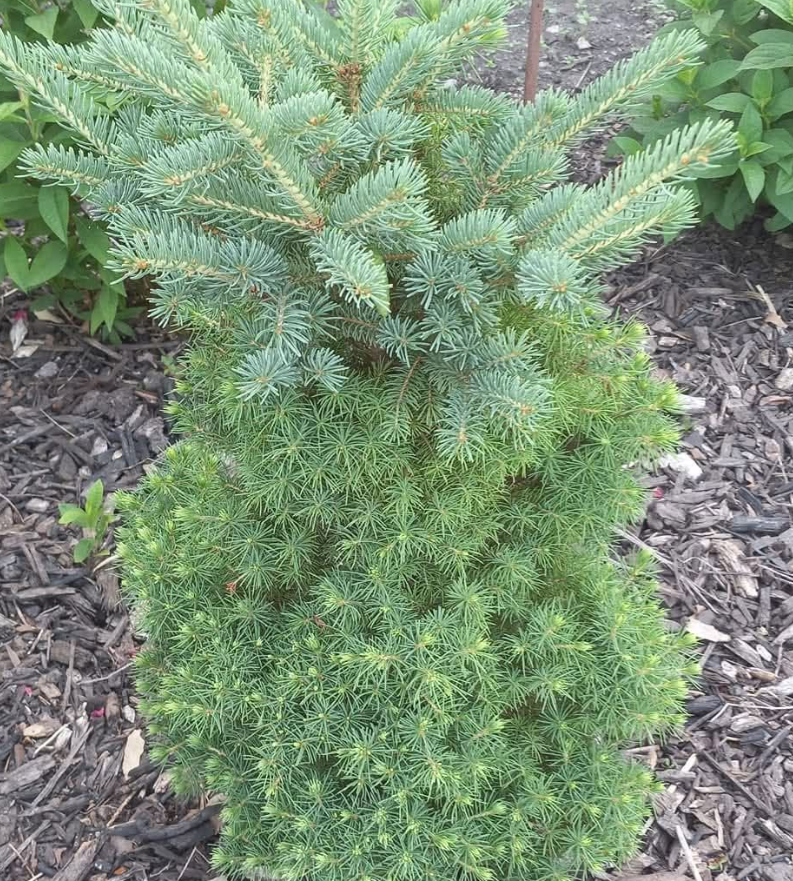
This is the classic potted evergreen. Its neat, cone shape looks good by a front door, and it needs almost no pruning.
It handles cold very well. The dense needles shed snow easily. I like how it stays green when everything else looks tired.
Water it before the ground freezes. Winter wind and sun can dry the needles and turn them brown. Place the pot in a sheltered spot, or wrap the tree loosely in burlap.
2. Japanese Maple (Acer palmatum)
Hardiness: zones 5–8.
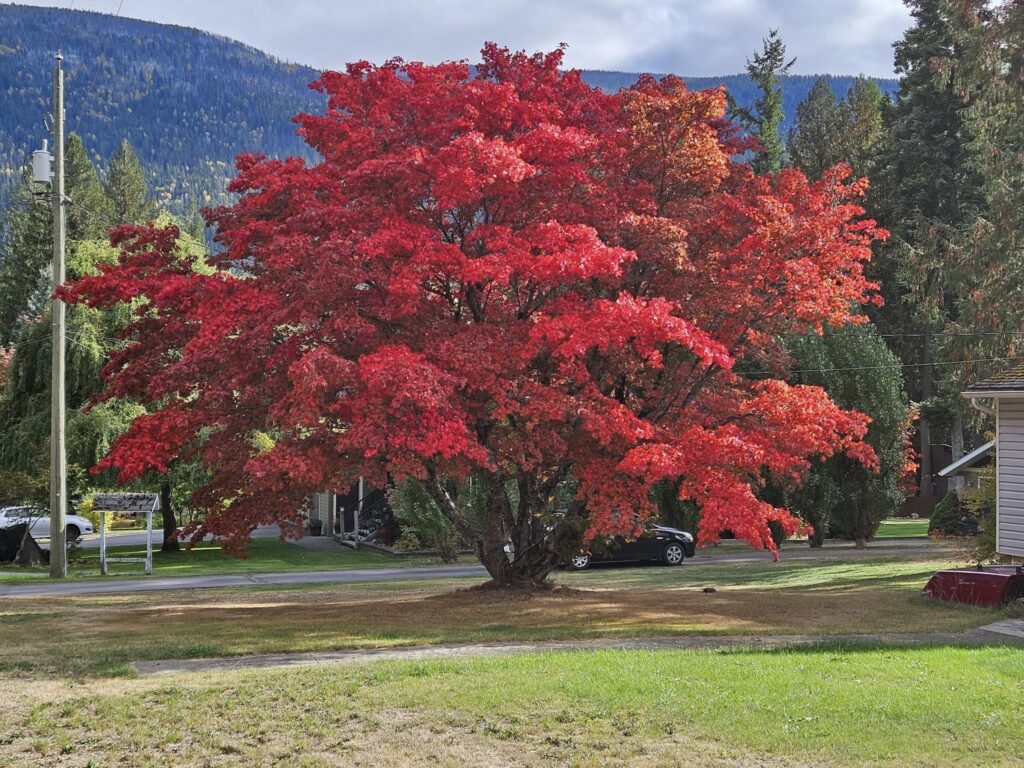
Few trees look as elegant in a pot. The delicate leaves turn bright red, orange, or gold in autumn.
Choose a dwarf or slow-growing variety. Cultivars such as ‘Bloodgood’ and ‘Emperor I’ do well in containers. Smaller types like ‘Orangeola’ also adapt nicely.
Japanese maples need extra care in cold zones. Move the pot against a house wall, away from harsh wind. Mulch the top of the soil well. In zone 5 or colder, store the pot in an unheated garage.
3. Mugo Pine (Pinus mugo)
Hardiness: zones 2–7.
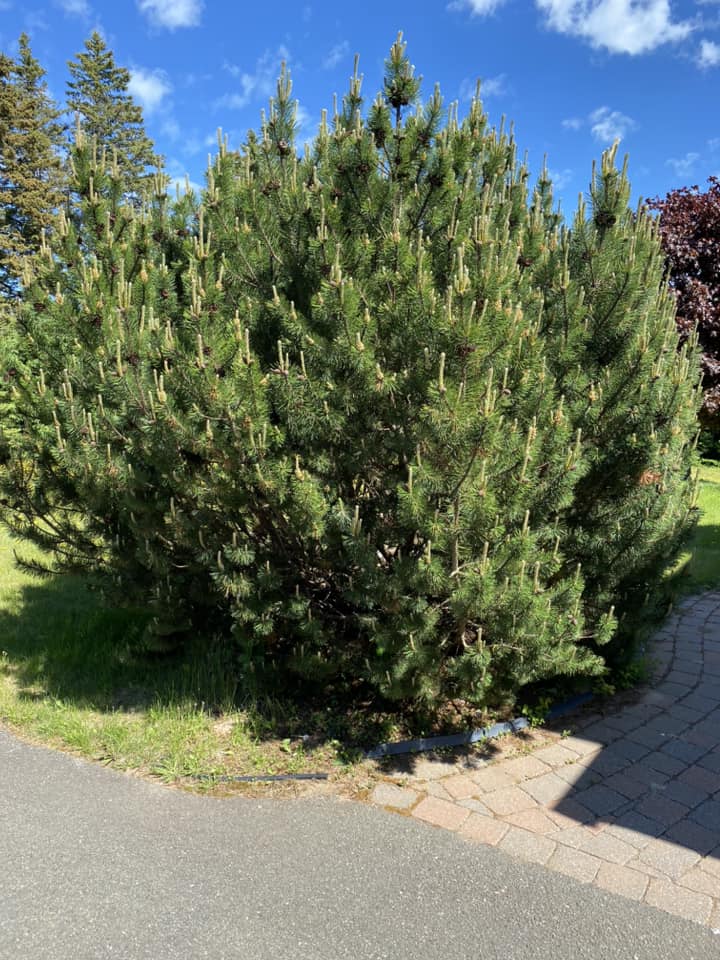
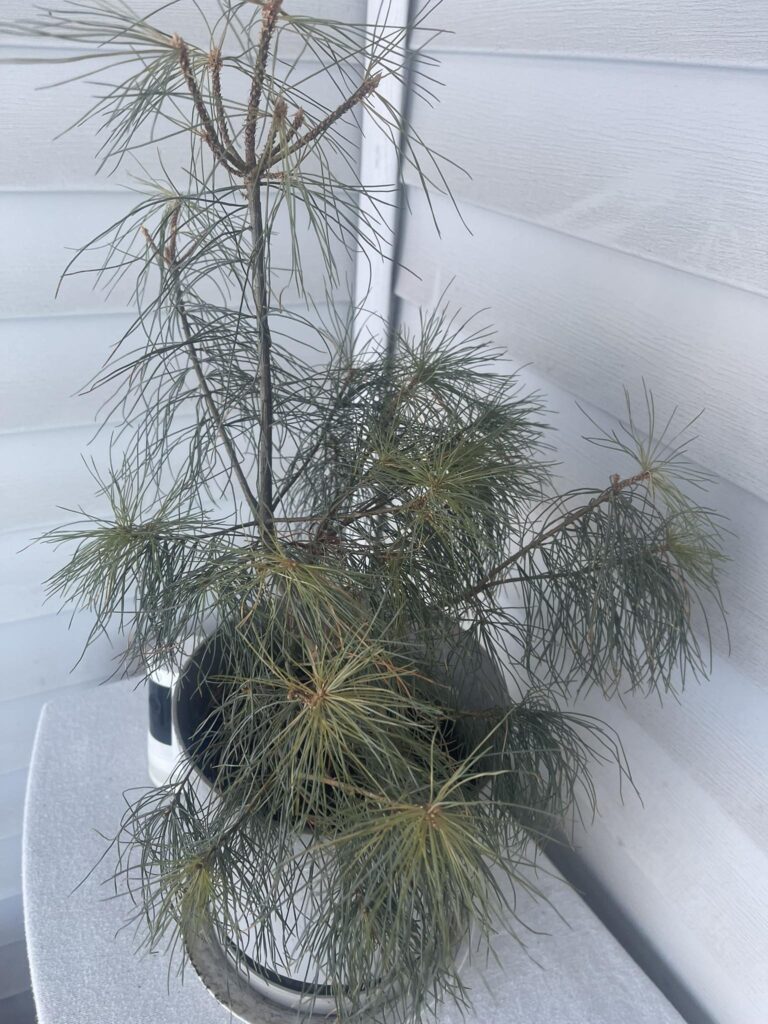
This pine is tough. It grows from the mountains of Europe, so cold is natural to it. Many dwarf varieties stay under four feet.
The tree is slow and compact. It will not outgrow its pot quickly. That makes it a good long-term choice.
Mugo pine prefers full sun and sharp drainage. Use a gritty soil mix. Wet roots in winter are a bigger danger than cold itself.
4. Emerald Green Arborvitae (Thuja occidentalis ‘Smaragd’)
Hardiness: zones 2–7.
This narrow evergreen creates a green privacy screen. It works well in a pair of large pots near a gate or seating area.
Arborvitae keeps its color all winter. The foliage stays fresh green, unlike some evergreens that turn bronze. I find it one of the most dependable choices.
Heavy snow can bend the branches. Tie them loosely with soft twine before the first big storm. Brush snow off gently if it piles up.
ALSO READ: Emerald Green vs Green Giant Arborvitae: Which One Should You Choose?
5. Skyrocket Juniper (Juniperus scopulorum ‘Skyrocket’)
Hardiness: zones 4–9.
This is a tall, pencil-thin tree with silvery blue foliage. It adds height to a small space without taking much room.
Junipers handle drought and cold well. They are also resistant to deer in many regions. That is a real benefit for gardeners who battle hungry wildlife.
Pick a deep, heavy pot. A narrow tree in a light pot can tip over in winter wind. Fill the bottom with stones if needed.
6. Dwarf Crabapple (Malus ‘Sargent’ or ‘Tina’)
Hardiness: zones 4–8.
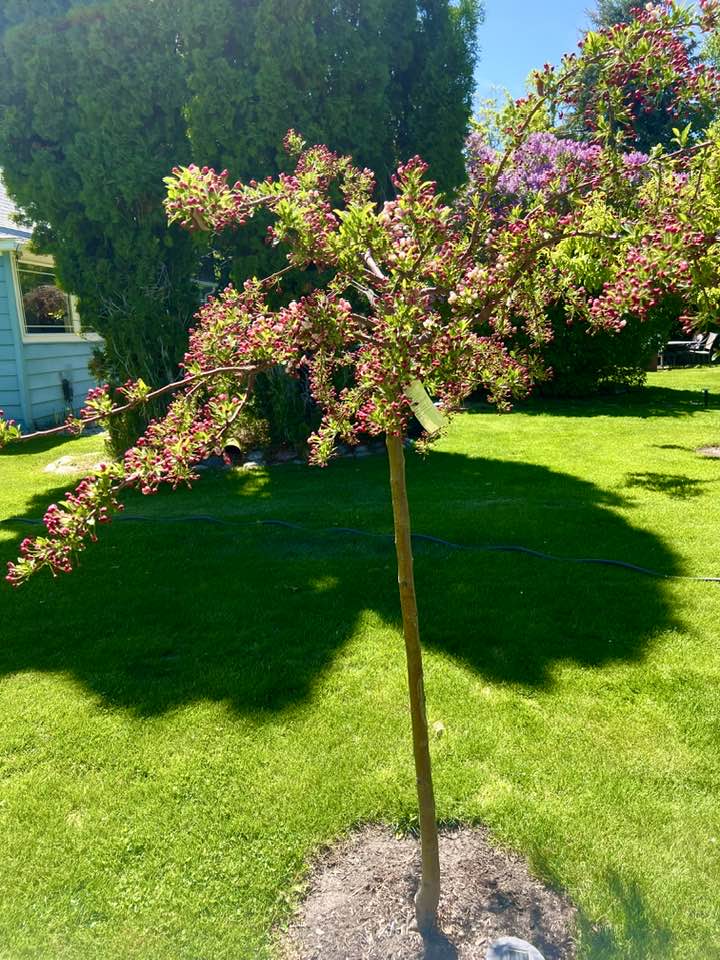
If you want flowers, this is a wonderful option. Spring brings clouds of pink and white blossoms. Autumn brings small, colorful fruit that birds love.
Dwarf crabapples stay compact. ‘Tina’ stays under five feet. This makes it ideal for a patio.
Winter is easy for this tree because it goes fully dormant. Group the pot with others and mulch it well. Water occasionally during dry spells.
7. Serviceberry (Amelanchier ‘Autumn Brilliance’)
Hardiness: zones 4–9.
Serviceberry gives four seasons of beauty. You get white spring flowers, edible summer berries, red autumn leaves, and graceful winter bark.
It is a native North American species. That means it is naturally suited to cold winters. Native trees are often tougher than imported ones.
Choose a multi-stem form for a pot. Keep the soil lightly moist through autumn. A well-watered root ball freezes more slowly and protects the roots.
8. Star Magnolia (Magnolia stellata)
Hardiness: zones 4–8.

This small magnolia opens white, star-shaped flowers in early spring. The display is spectacular, and the tree stays compact.
The fuzzy flower buds sit on the branches all winter. They look lovely against the snow. I always feel a small thrill when they begin to swell.
A late frost can damage open flowers. Place the pot where you can move it, or cover it on frosty spring nights. A sheltered position also helps.
9. Dwarf Hinoki Cypress (Chamaecyparis obtusa ‘Nana Gracilis’)
Hardiness: zones 4–8.
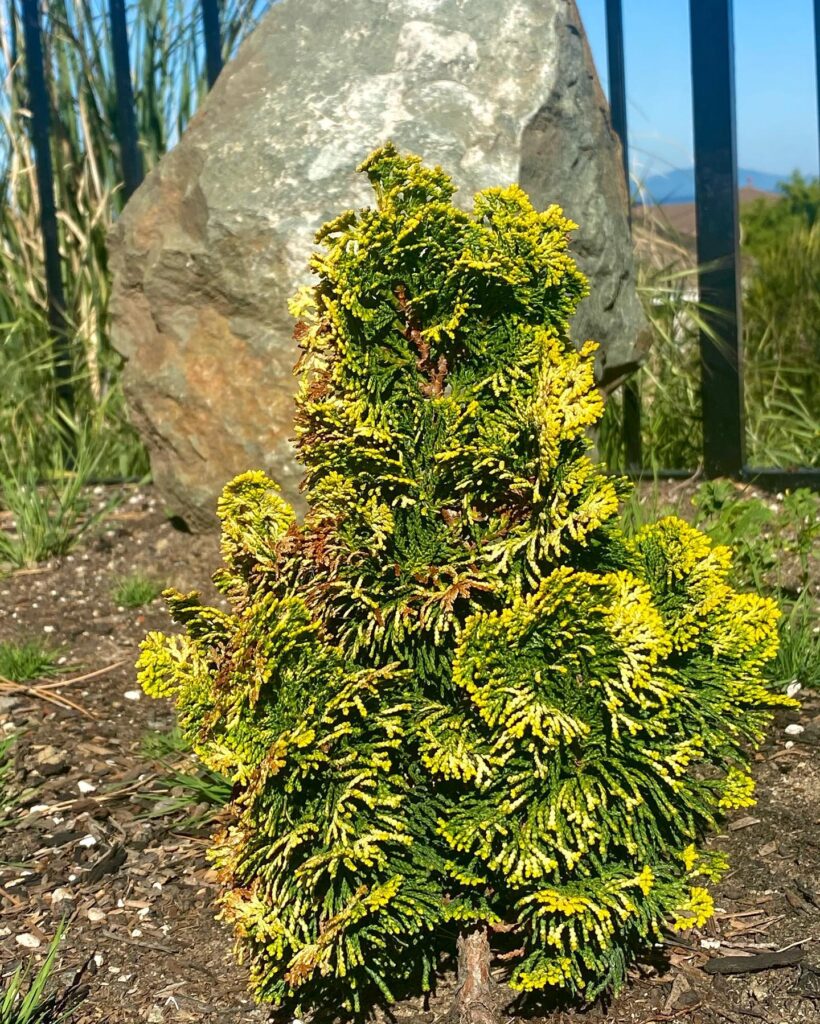
This slow-growing evergreen has dark green, shell-like foliage. It looks almost sculpted. It is a favorite for Japanese-style gardens.
The tree grows only a few inches a year. That is perfect for a container. It can stay in the same pot for many seasons.
Hinoki cypress dislikes drying winter wind. Place it in a spot protected from the prevailing wind. Keep the soil slightly moist but never soggy.
10. Japanese Holly ‘Sky Pencil’ (Ilex crenata ‘Sky Pencil’)
Hardiness: zones 5–9.
This upright holly looks like a green column. It has small, glossy leaves and stays very narrow. It suits modern and formal designs.
The foliage stays green all winter. That gives structure when other plants are bare. Pairs of ‘Sky Pencil’ in matching pots look striking.
It needs a bit more care than the spruces. In zone 5, wrap the pot with insulating material. Mulch the surface and shelter it from strong wind.
11. Korean Lilac Tree Form (Syringa meyeri ‘Palibin’)
Hardiness: zones 3–7.
This small lilac is grafted onto a straight trunk. It forms a neat, rounded head. In late spring, it fills with fragrant lavender-pink flowers.
It is extremely cold-hardy for a flowering tree. Lilacs actually need a cold winter to bloom well. Mild winters can lead to fewer flowers.
The tree handles winter on its own once dormant. Prune right after flowering, not in autumn. Pruning too late removes next year’s buds.
12. Chicago Hardy Fig (Ficus carica ‘Chicago Hardy’)
Hardiness: zones 5–10.
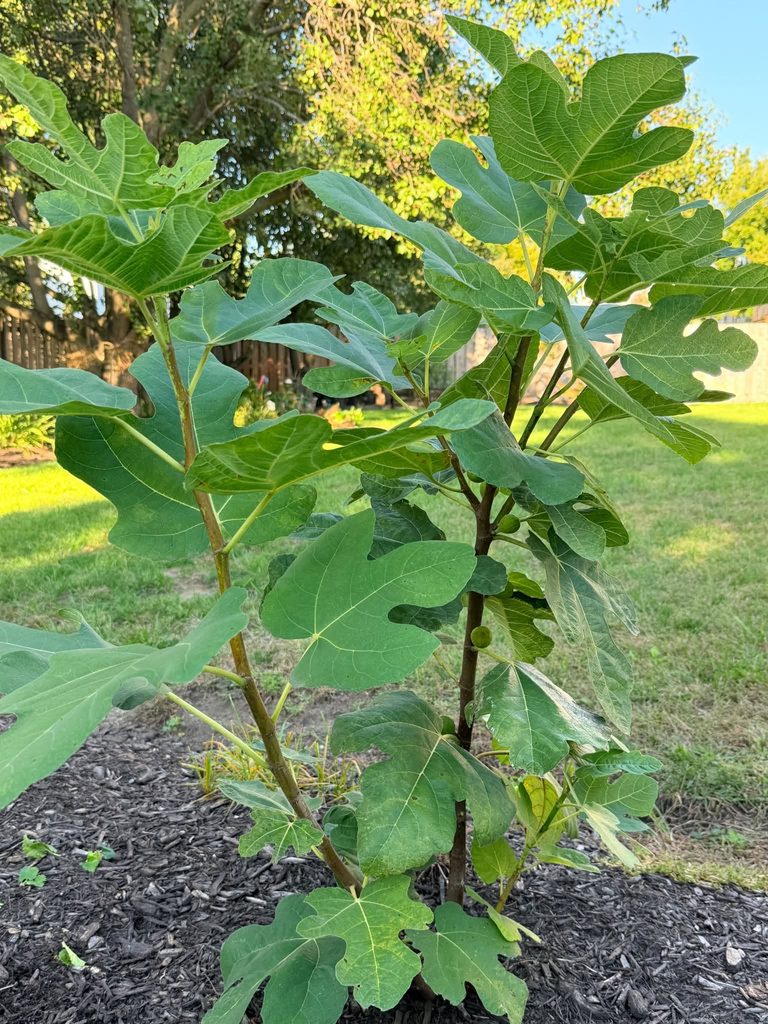
Yes, you can grow figs in a cold climate. This variety survives frost better than most. It can even die back to the ground and regrow in spring.
Figs thrive in pots. A restricted root system often improves fruiting. I love the idea of picking fresh figs from a patio container.
In cold areas, move the pot into an unheated garage or shed after the leaves drop. Iowa State Extension notes that a moderately cold location of 20 to 45°F keeps container trees dormant until spring. Check the soil now and then.
13. Dwarf Apple Tree (Malus domestica on M27 or M9 rootstock)
Hardiness: zones 4–8.
A dwarf apple gives you fruit in a small space. Spring brings blossom, and late summer brings apples. It is both ornamental and useful.
Check the rootstock before you buy. Dwarfing rootstocks like M27 and M9 suit containers. Some varieties also need a second tree for pollination.
Apples are hardy, but their roots can be vulnerable in pots. Wrap the container and mulch the soil. Move the tree to a protected place during extreme cold.
14. Boxwood Standard (Buxus sempervirens)
Hardiness: zones 5–9.
A boxwood shaped as a ball on a stem is a timeless sight. It looks smart at an entrance all year. The small, dense leaves stay green in winter.
Boxwood tolerates clipping very well. You can keep the shape tidy with a few trims in summer. It is a dependable evergreen.
Boxwood can suffer from winter burn in sun and wind. Shade it from strong winter sun if possible. Water well in late autumn before the soil freezes.
15. Dwarf Colorado Blue Spruce (Picea pungens ‘Globosa’)
Hardiness: zones 2–7.
This compact spruce has blue-gray needles and a rounded shape. It stays small, often three to five feet. That makes it suitable for pots.
The color stands out against snow. It adds a cool, calm tone to a winter patio. I consider it one of the best-looking evergreens for containers.
It is extremely cold-tolerant, but roots still need care. Place the pot against a wall or group it with other containers. Grouping reduces wind exposure and temperature swings.
ALSO READ: 25 Cold Hardy Evergreen Shrubs That Keep Your Garden Alive All Winter (Identification With Pictures)
How to Protect Potted Trees in Winter
Even hardy trees need a little help in a pot. These steps make a real difference. Most take less than an hour.
Water before the freeze. A well-watered root ball freezes more slowly than a dry one. University of Illinois Extension also recommends checking moisture throughout the winter.
Group your pots together. Cluster them against a house wall, away from wind. The University of Nevada, Reno Extension says grouping pots and placing them close to the house reduces winter stress.
Add mulch. Cover the soil with two to three inches of shredded bark or straw. This slows heat loss from the top of the pot. It also reduces freeze-thaw swings.
Insulate the container. Wrap pots with bubble wrap, burlap, or foam board. Penn State Extension suggests wrapping clay or ceramic pots in bubble wrap or other insulation covered with plastic.
Choose the right pot. Larger pots hold more soil and insulate better. Wood, thick plastic, and concrete are safer than thin ceramic. Make sure there are drainage holes.
Bury the pot if you can. Iowa State Extension recommends that plants overwintered in containers be heeled into the ground after dormancy but before the soil freezes. The surrounding soil acts as natural insulation.
Protect evergreens from wind. Use burlap screens or an anti-desiccant spray. Evergreens lose water through their needles all winter. Frozen roots cannot replace it.
Common Mistakes to Avoid
I have made some of these myself. They are easy to repeat.
- Trusting the zone on the label. That rating assumes the tree is planted in the ground.
- Letting pots dry out. Winter drought kills as many container trees as cold does.
- Overwatering in storage. Soggy soil in a garage leads to root rot.
- Using fragile pots. Frozen, wet soil expands and can crack terracotta.
- Fertilizing late. New growth in autumn will not survive the first hard frost.
When to Bring Trees Indoors
Some trees do better in an unheated space than outdoors. This is especially true if you are in a colder zone than a tree’s rating suggests. A garage, shed, or cold porch works well.
The goal is cold, not warm. A heated room wakes the tree too early. It may sprout new leaves in January and then suffer.
Aim for temperatures between 20°F and 45°F. Check the soil every few weeks. Water lightly if it feels dry. Move the pot outdoors again in spring once the worst frost has passed.
Final Thoughts
Winter does not have to end your container garden. The right tree, the right pot, and a few simple steps are enough. Start with the hardiest species if you are new to this.
Dwarf Alberta spruce, mugo pine, and arborvitae are very forgiving. Japanese maple and fig reward the extra effort. Whichever you choose, check your zone and subtract two.
I hope this list helps you build a patio that looks alive even in the coldest months. Pick one or two trees and try them this season. You may be surprised how well they do.
References
- Penn State Extension. Overwintering Plants in Containers. https://extension.psu.edu/overwintering-plants-in-containers
- USDA Agricultural Research Service. 2023 USDA Plant Hardiness Zone Map. https://planthardiness.ars.usda.gov/
- Iowa State University Extension and Outreach. Overwintering Unplanted Trees, Shrubs and Perennials. https://yardandgarden.extension.iastate.edu/how-to/overwintering-unplanted-trees-shrubs-and-perennials
- University of Illinois Extension. Overwintering Potted Plants (Good Growing). https://extension.illinois.edu/blogs/good-growing/2020-11-18-overwintering-potted-plants
- University of Nevada, Reno Extension. Overwintering Containerized Plants. https://extension.unr.edu/publication.aspx?PubID=2103
- UMass Extension. Effects of Cold on Landscape Plants. https://www.umass.edu/agriculture-food-environment/landscape/fact-sheets/effects-of-cold-on-landscape-plants
- Mississippi State University Extension. Protecting Plants from Cold Temperatures in Winter (P2303). https://extension.msstate.edu/sites/default/files/publications/P2303_web.pdf

Tim M Dave is a gardening expert with a passion for houseplants, particularly cacti and succulents. With a degree in plant biology from the University of California, Berkeley, he has vast experience in gardening. Over the years, he has cultivated a vast collection of desert plants and learned a great deal about how to grow and care for these unique companions.