25 Cold Hardy Evergreen Shrubs That Keep Your Garden Alive All Winter (Identification With Pictures)
Winter has a way of stripping a garden down to bare bones. One day you have a lush, green backdrop, and the next, it’s all twigs and silence.
If you’ve ever stood at your window in January wishing for a bit of color and life outside, you’re not alone. That’s exactly why cold hardy evergreen shrubs deserve a permanent spot in your landscape.
These tough, reliable plants hold their leaves through frost, snow, and biting winds. They give structure to your yard when everything else goes dormant. And honestly, there’s something comforting about seeing green leaves poking through a layer of snow.
In this guide, I’ll walk you through 25 of the best cold hardy evergreen shrubs. Each one can handle harsh winters, and most thrive in USDA zones 3 through 7. Whether you want privacy screening, foundation planting, or just a splash of winter interest, you’ll find something here that fits.
Why Evergreen Shrubs Matter in Cold Climates
Before jumping into the list, let’s talk about why these plants are so valuable.
Evergreens provide year-round structure. While deciduous shrubs go bare, evergreens hold their shape and color. This gives your landscape a backbone, even in the dead of winter.
They offer shelter for wildlife. Birds and small animals often take refuge in dense evergreen foliage during cold months. According to the U.S. Forest Service, evergreen shrubs and trees play a key role in providing winter cover and food sources for birds and mammals in temperate climates.
They reduce wind exposure. Planted strategically, evergreen shrubs can act as windbreaks, protecting your home and other plants from harsh winter gusts.
They’re low maintenance once established. Most cold hardy evergreens don’t need much fuss. A bit of mulch, occasional pruning, and proper watering during dry spells usually does the trick.
Best Cold Hardy Evergreen Shrubs
Now, let’s get into the list.
1. Boxwood (Buxus sempervirens)
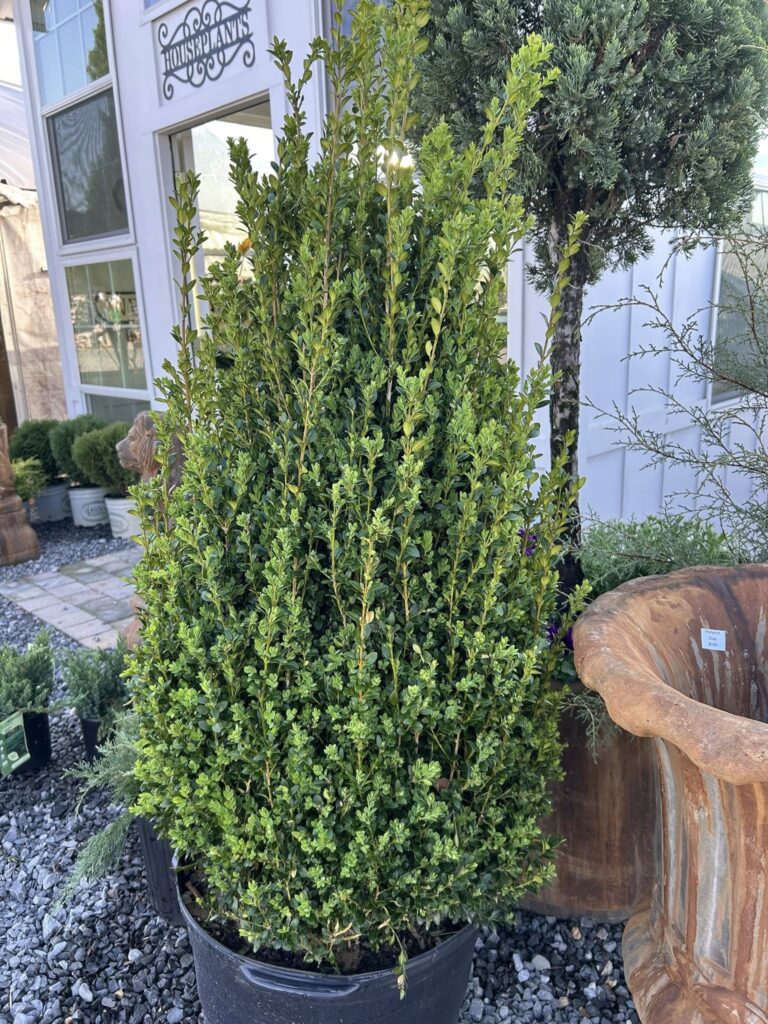
Boxwood is probably the most classic evergreen shrub out there. It’s dense, compact, and takes shaping beautifully. I’ve always admired how formal gardens use boxwood to create clean lines and hedges.
It grows well in USDA zones 5 through 8, though some cultivars like ‘Green Velvet’ can handle zone 4. Boxwood prefers partial shade and well-drained soil. Just be careful with boxwood blight, a fungal disease that’s become more common in recent years.
2. Inkberry Holly (Ilex glabra)
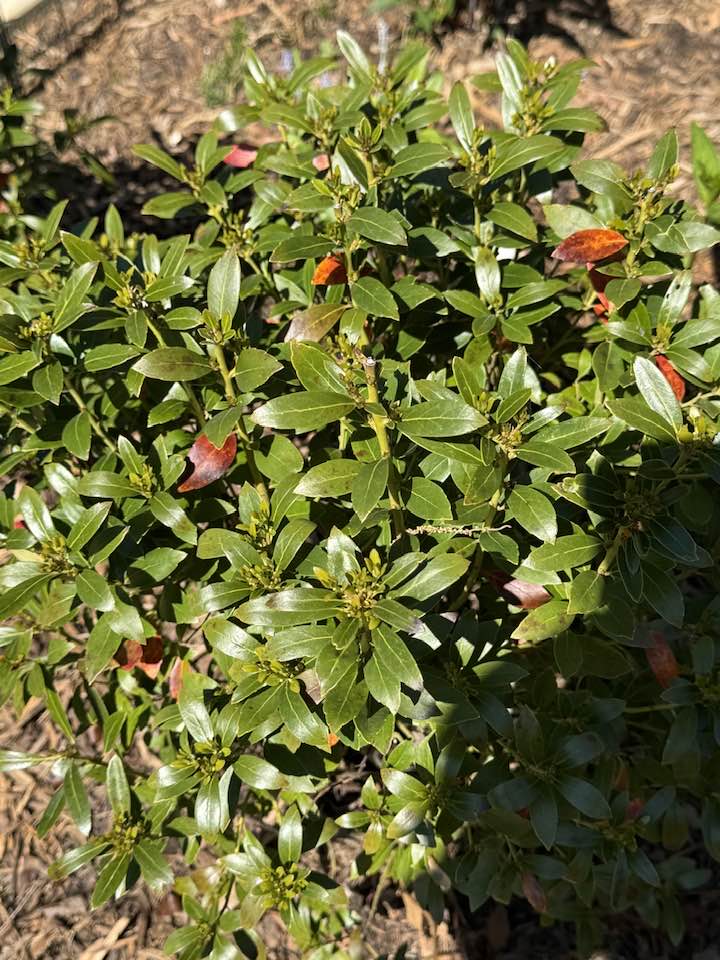
Inkberry holly is a native North American shrub that holds its dark green leaves through winter. It’s a great alternative to boxwood if you want something a little more relaxed.
This shrub does well in zones 4 through 9. It tolerates wet soil better than most evergreens, which makes it a smart pick for low spots in your yard.
3. Mountain Laurel (Kalmia latifolia)
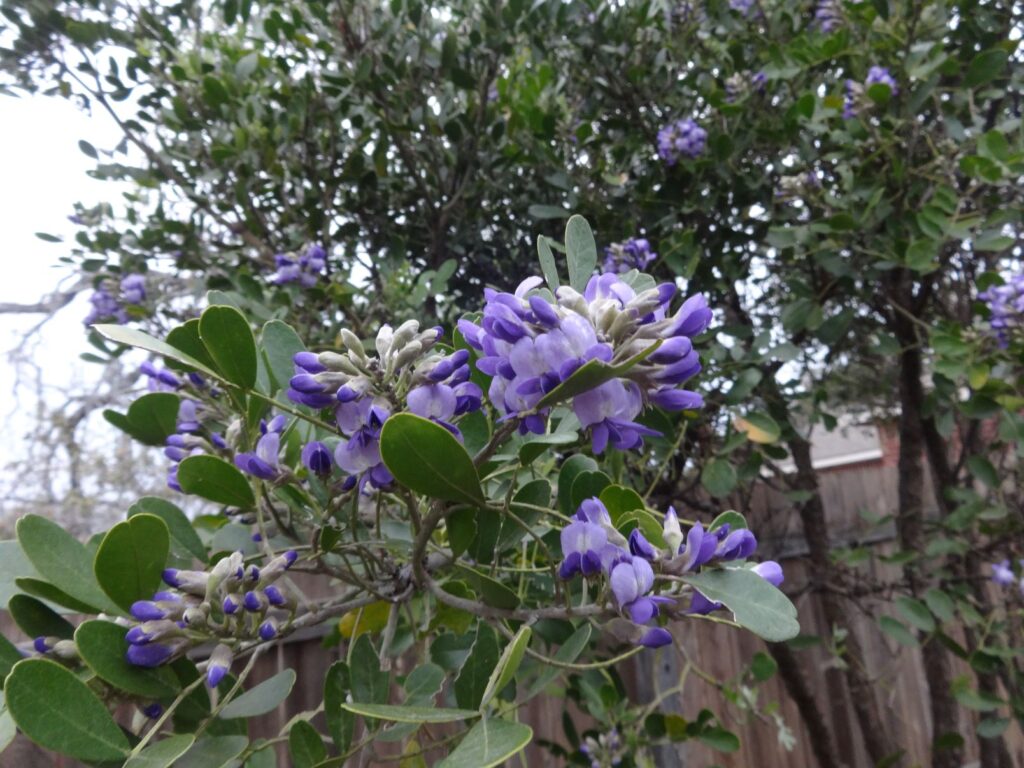
Mountain laurel brings something special to the table: stunning spring blooms on top of evergreen foliage. The flowers range from pink to white and look almost like little cups.
It thrives in zones 4 through 9 and prefers acidic, well-drained soil with partial shade. According to the Lady Bird Johnson Wildflower Center, mountain laurel is native to the eastern United States and is often found in woodland understories.
4. Rhododendron
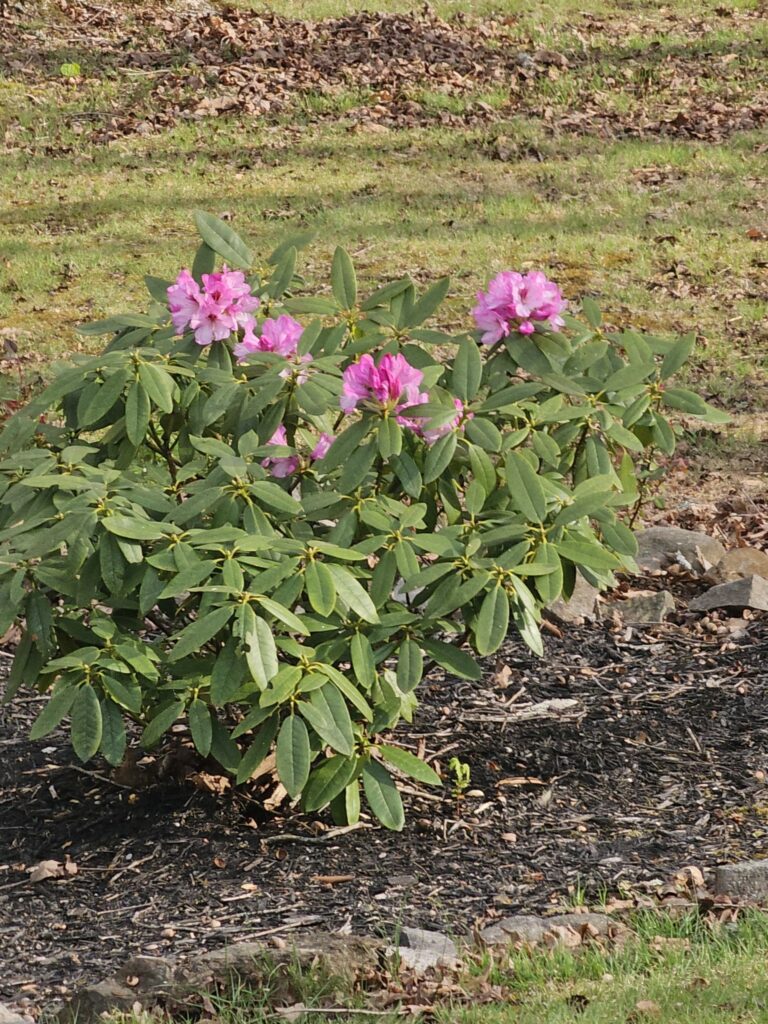
Rhododendrons are showstoppers. Their glossy, leathery leaves stay green all winter, and come spring, they explode with color. Some varieties, like ‘PJM’ rhododendron, can survive temperatures down to -25°F.
Most rhododendrons do well in zones 4 through 8. They need acidic soil and protection from harsh winter winds, which can scorch their leaves.
5. Japanese Holly (Ilex crenata)
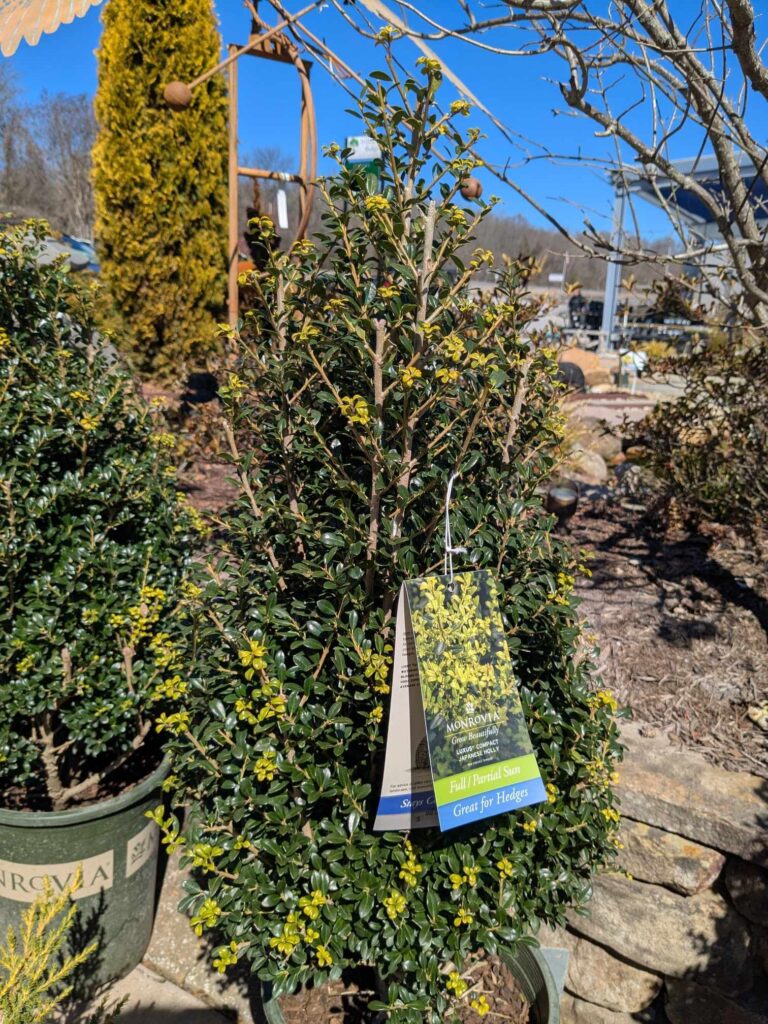
If you want something that looks like boxwood but is a bit hardier and easier to maintain, Japanese holly is worth considering. Its small, glossy leaves create a fine texture that works well in formal or informal designs.
This shrub grows in zones 5 through 8. It’s adaptable to different soil types and tolerates light shade.
6. Yew (Taxus species)
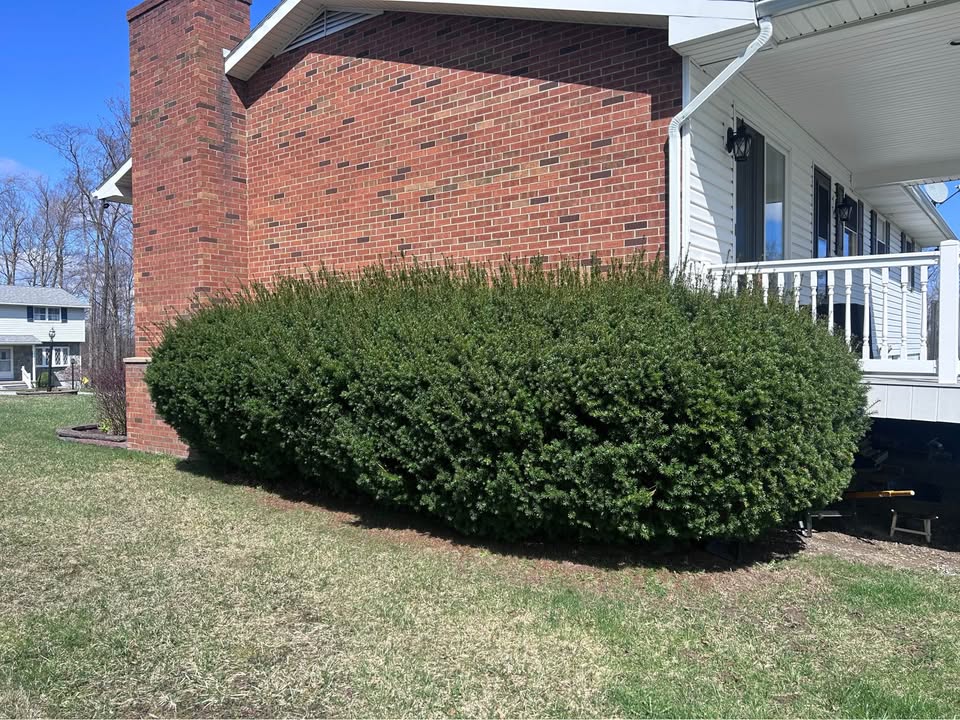
Yew shrubs are incredibly versatile. They tolerate heavy shade, poor soil, and harsh pruning better than almost any other evergreen. I’ve seen old yew hedges that have survived decades of neglect and still look sharp.
Most yews thrive in zones 4 through 7. Just a word of caution: all parts of the yew plant are toxic if ingested, so keep that in mind if you have pets or small children.
7. Juniper (Juniperus species)
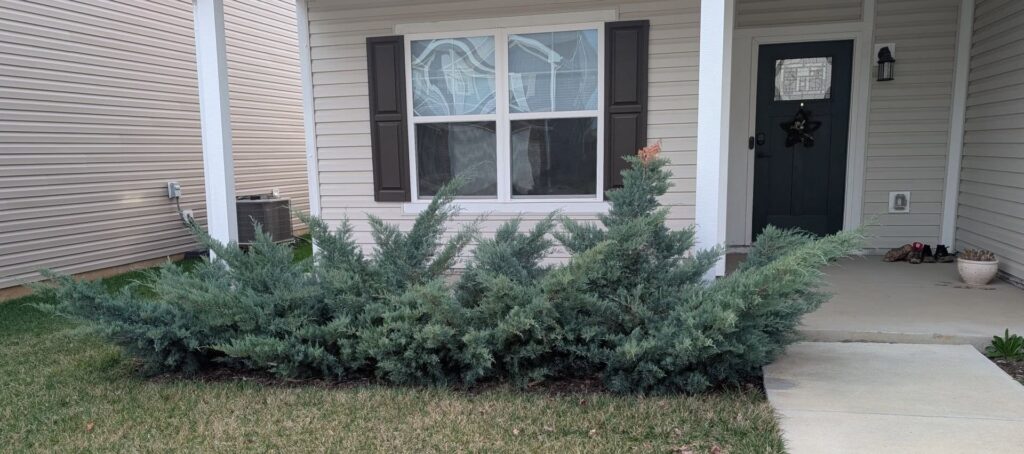
Junipers come in so many shapes and sizes, from low-growing groundcovers to tall, columnar specimens. Their needle-like or scale-like foliage often takes on a blue or silver tone, which adds a nice contrast to a winter garden.
Junipers are extremely cold hardy, with many varieties surviving down to zone 3. They love full sun and well-drained soil, and they don’t tolerate wet feet.
8. Arborvitae (Thuja species)
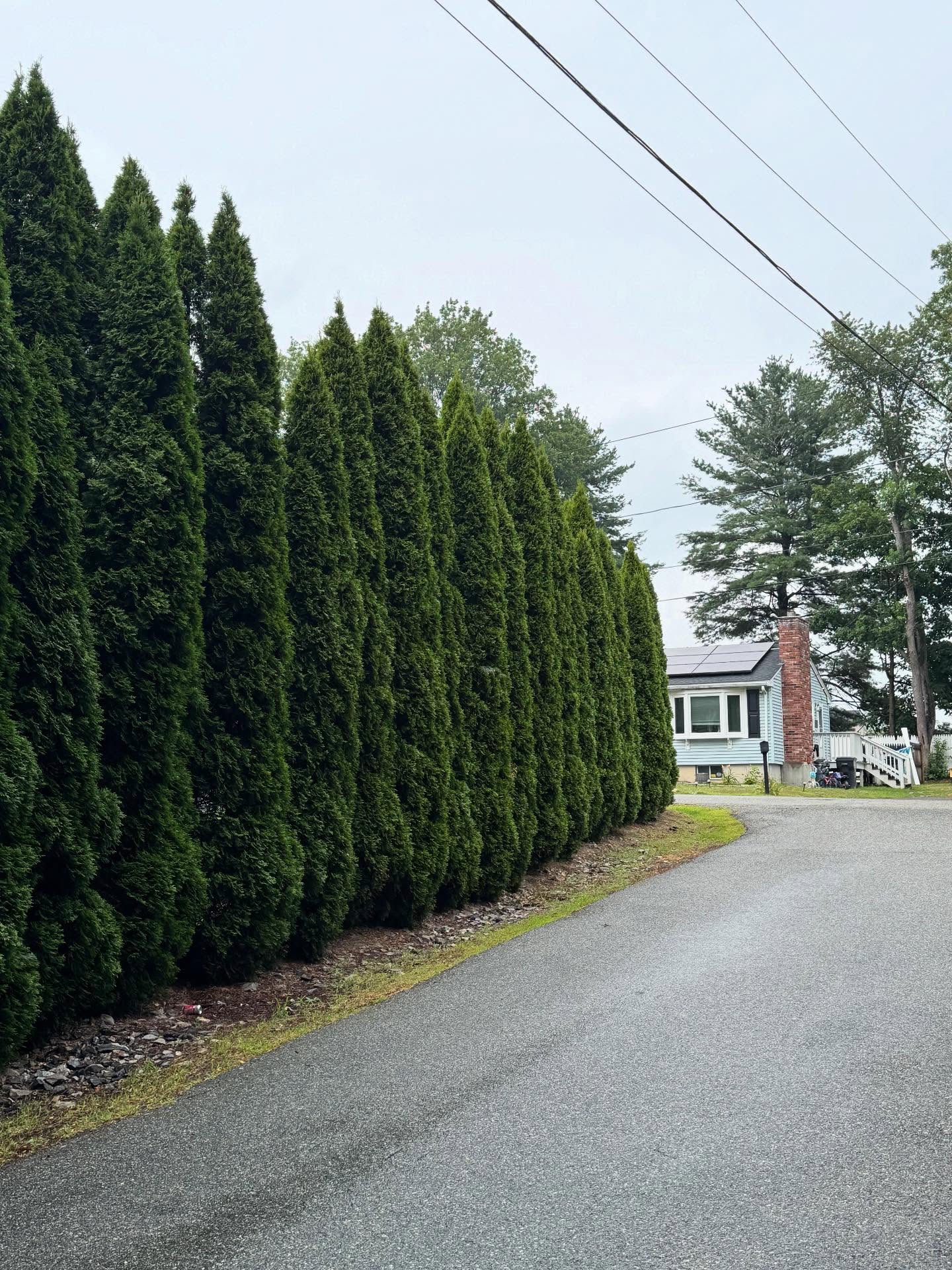
Arborvitae is a go-to choice for privacy hedges and windbreaks. Its dense, feathery foliage stays green (or sometimes turns slightly bronze) through winter.
‘Green Giant’ and ‘Emerald Green’ are two popular cultivars that do well in zones 3 through 7. Arborvitae grows fast, so it’s a good option if you want quick coverage.
9. Mugo Pine (Pinus mugo)
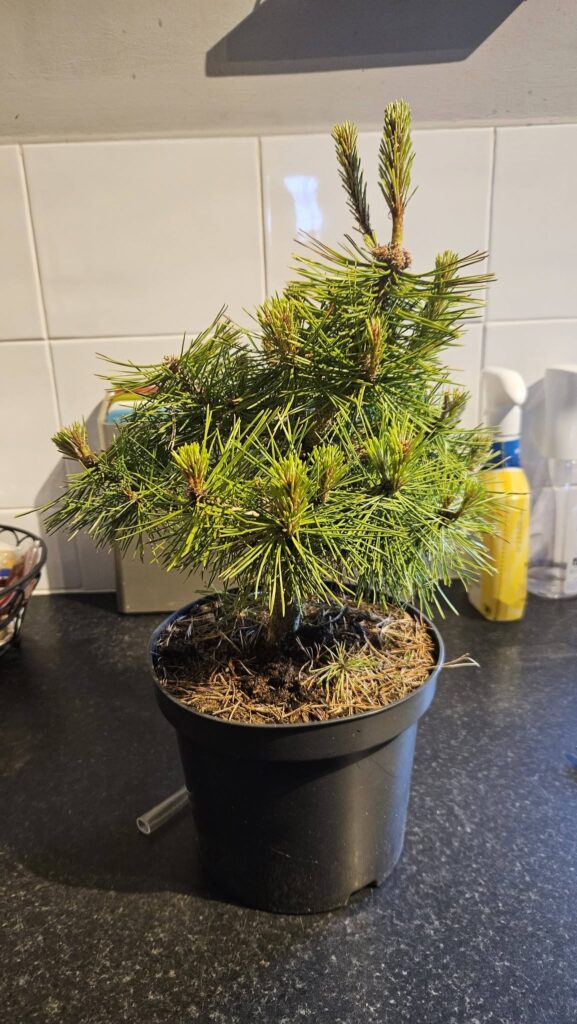
Mugo pine is a compact, slow-growing evergreen that works beautifully in rock gardens or as a foundation plant. Its needles stay a rich green color all year.
This pine handles zones 2 through 7, making it one of the toughest shrubs on this list. It prefers full sun and tolerates poor, rocky soil.
10. Leucothoe (Leucothoe fontanesiana)
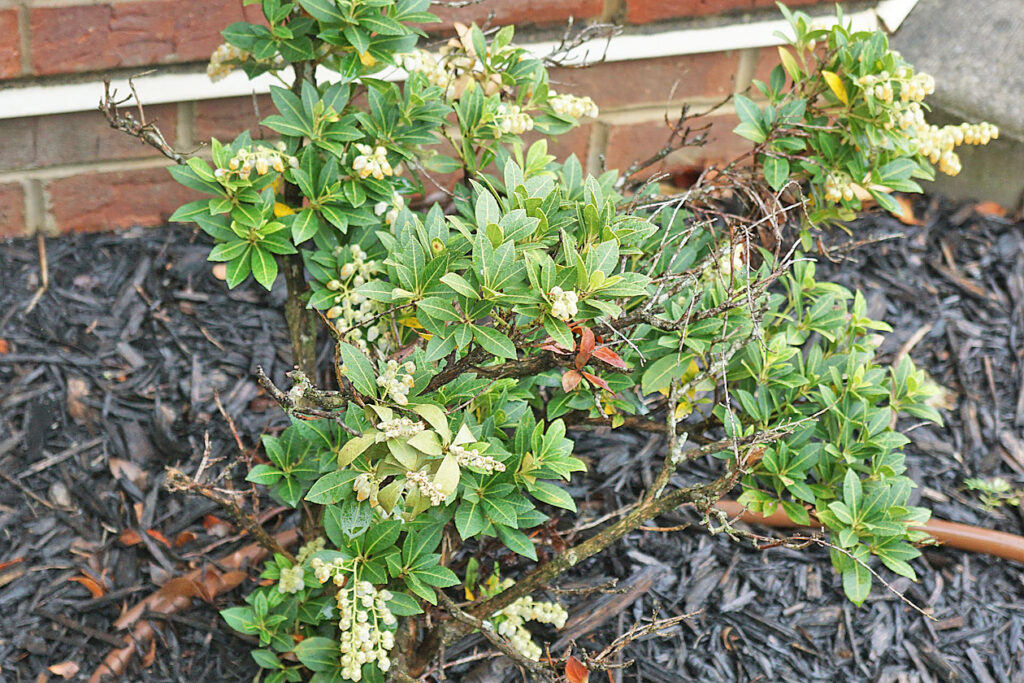
Leucothoe has arching branches with glossy leaves that often take on a reddish-purple tint in winter. It’s a graceful shrub that works well in shaded woodland gardens.
It grows in zones 4 through 8 and prefers moist, acidic soil with partial to full shade.
11. Oregon Grape Holly (Mahonia aquifolium)
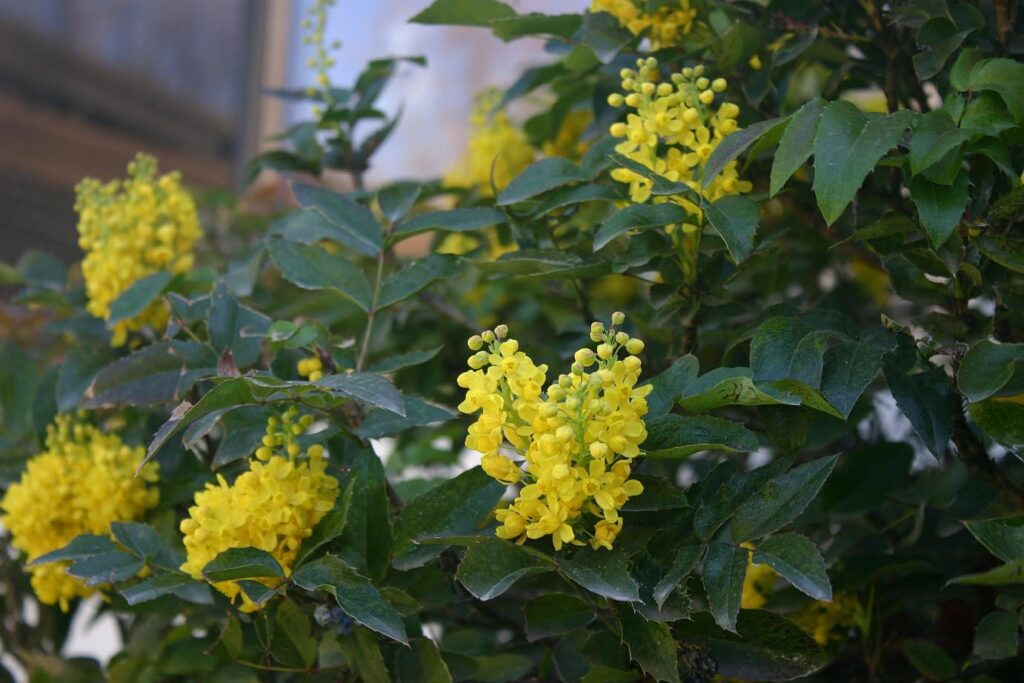
This Pacific Northwest native has spiny, holly-like leaves and produces clusters of yellow flowers in spring, followed by blue berries. The foliage often takes on a bronze or purple hue in cold weather.
Oregon grape holly is hardy in zones 5 through 8. It tolerates dry shade once established, which makes it useful for tricky spots under trees.
12. Heather (Calluna vulgaris)
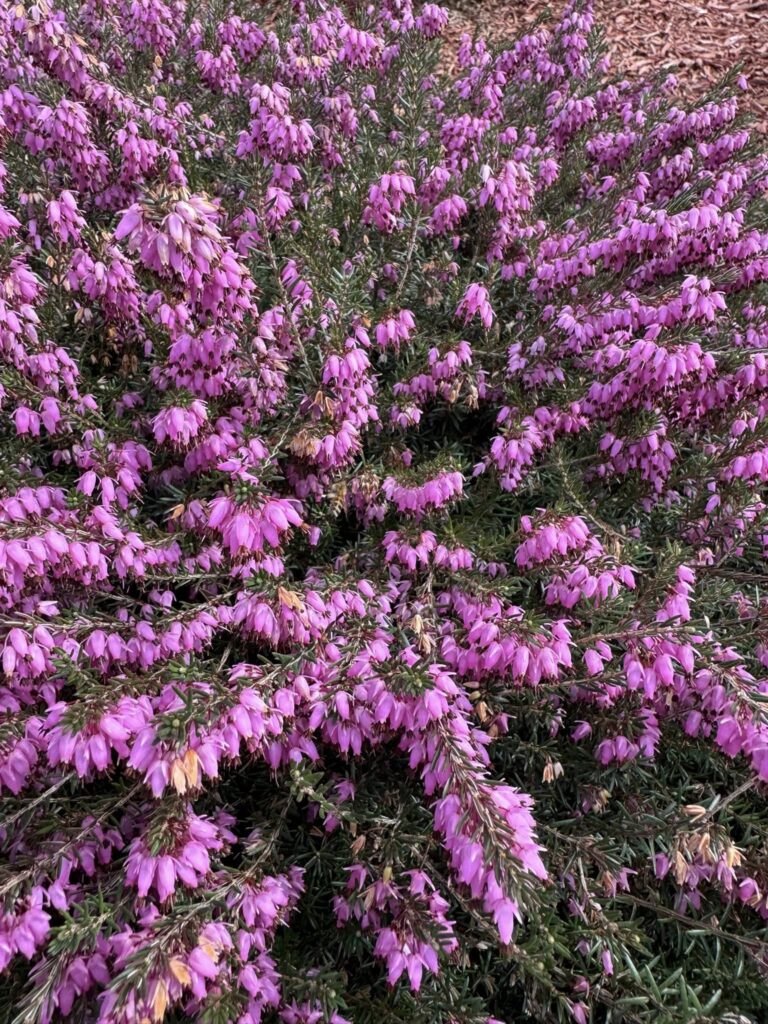
Heather is a low-growing shrub that adds texture and, in many cases, winter color through its foliage. Some varieties even bloom in late fall or winter.
It does best in zones 4 through 6, in full sun with acidic, well-drained soil. I find heather works wonderfully in rock gardens or as a groundcover.
13. Holly (Ilex aquifolium and hybrids)
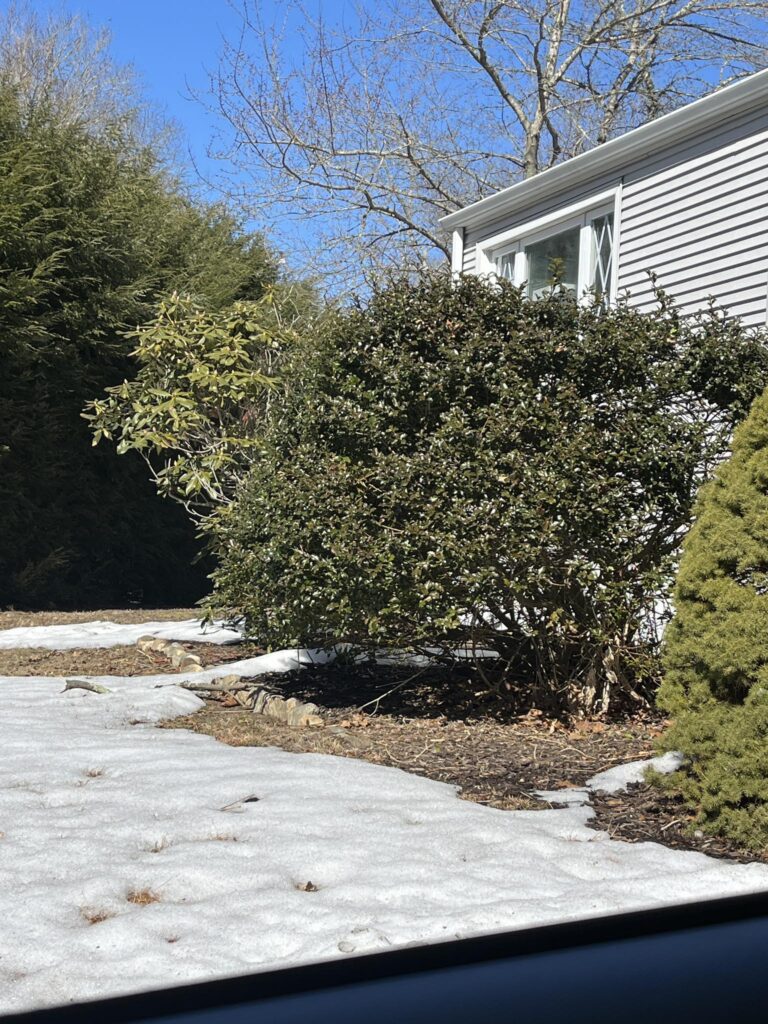
Classic English holly, with its glossy, spiny leaves and bright red berries, is a winter icon. It’s often associated with the holiday season for good reason.
Most hollies grow in zones 5 through 9, though some hybrids tolerate zone 4. They need both male and female plants nearby for the females to produce berries.
14. Wintercreeper (Euonymus fortunei)
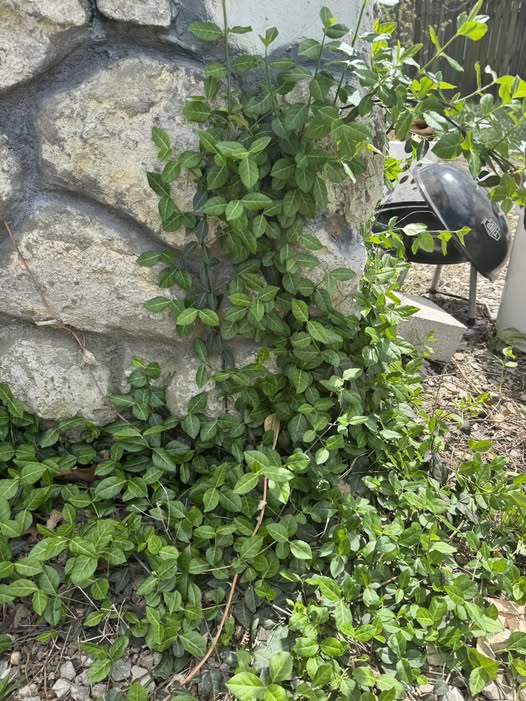
Wintercreeper is a versatile evergreen that can act as a groundcover, climbing vine, or low shrub depending on the variety. Its leaves often take on a purplish tint in cold weather.
This plant is extremely adaptable, thriving in zones 4 through 9. It tolerates a wide range of soil and light conditions, though it can become invasive in some areas, so check local guidelines first.
15. Dwarf Alberta Spruce (Picea glauca ‘Conica’)
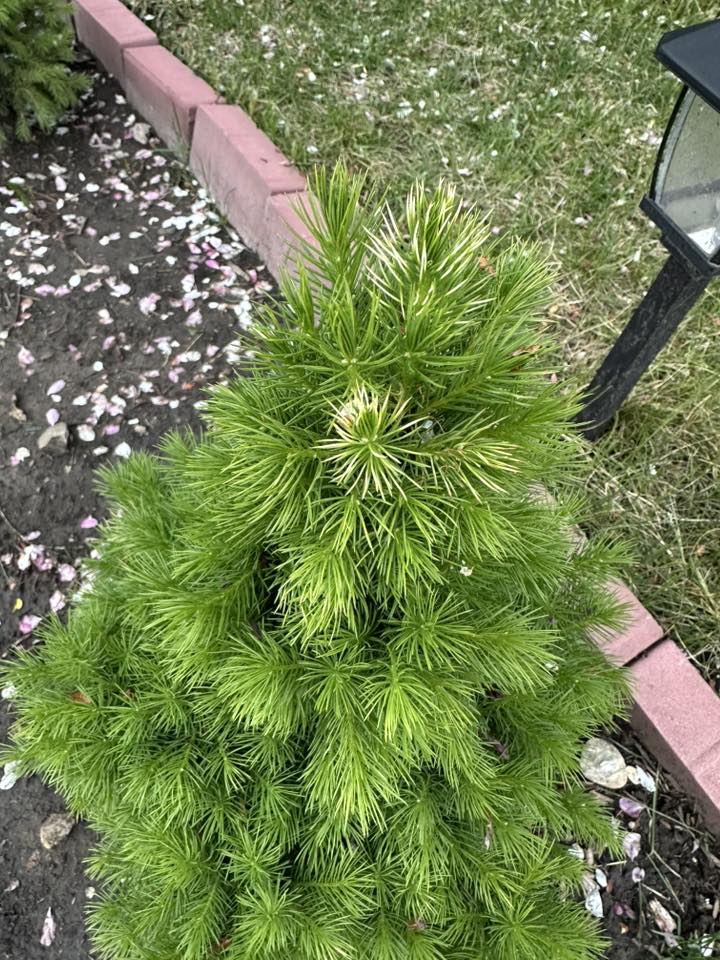
This little conifer has a tidy, conical shape and dense, soft green needles. It’s a favorite for adding a formal touch to small gardens or container plantings.
Dwarf Alberta spruce grows in zones 2 through 6. It prefers full sun to partial shade and consistent moisture, especially when young.
16. Boxleaf Euonymus (Euonymus japonicus)
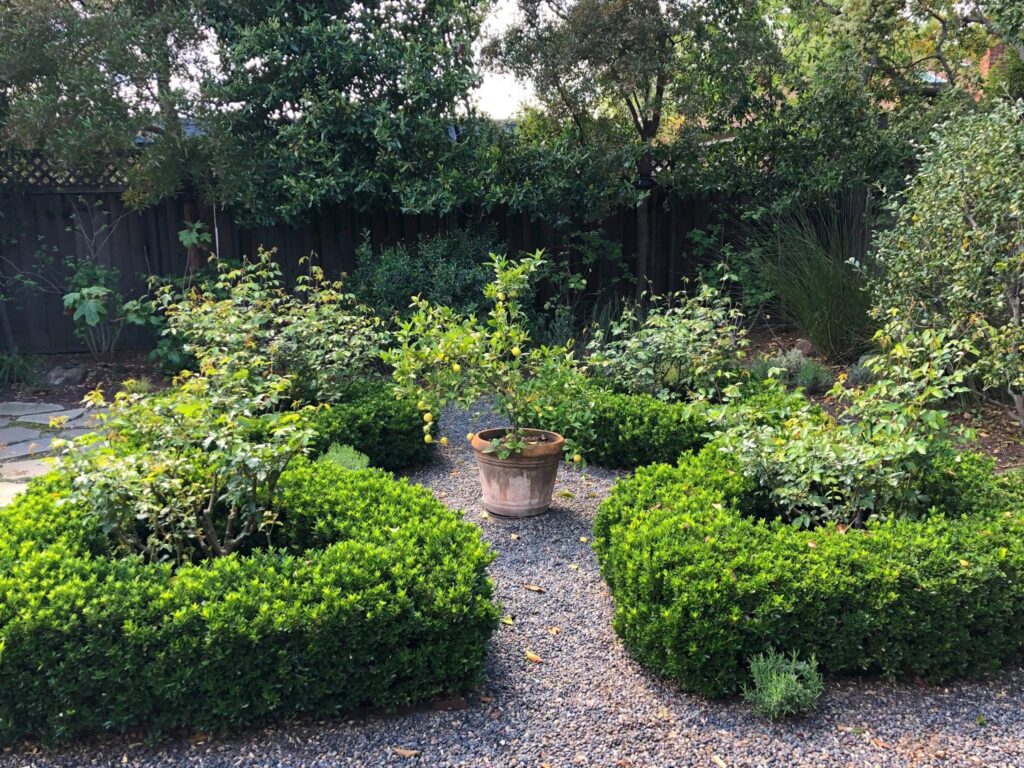
Similar in appearance to boxwood, this shrub has glossy, leathery leaves that hold up well in winter. It’s often used for hedging and topiary.
It’s hardy in zones 6 through 9, so it’s better suited for slightly milder cold climates compared to true boxwood.
17. Skip Laurel (Prunus laurocerasus ‘Schipkaensis’)
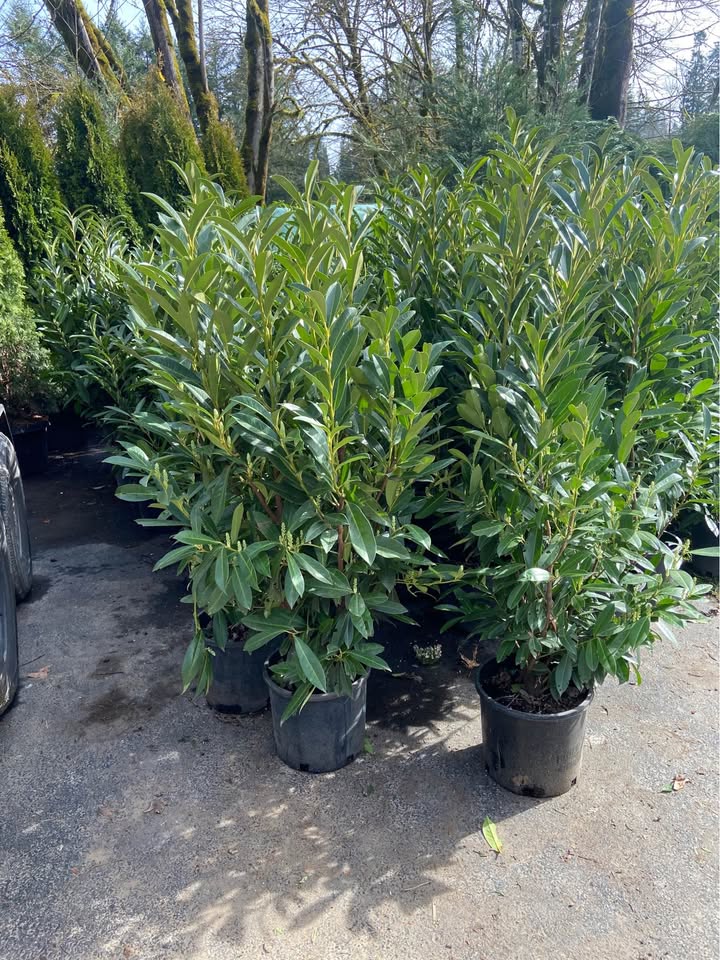
Skip laurel, also called Schip laurel, has large, glossy leaves and grows into a dense privacy hedge fairly quickly. I’ve always thought it looks lush even in the coldest months.
This shrub thrives in zones 6 through 9. It tolerates both sun and shade, making it flexible for different parts of the yard.
18. Bayberry (Myrica pensylvanica)
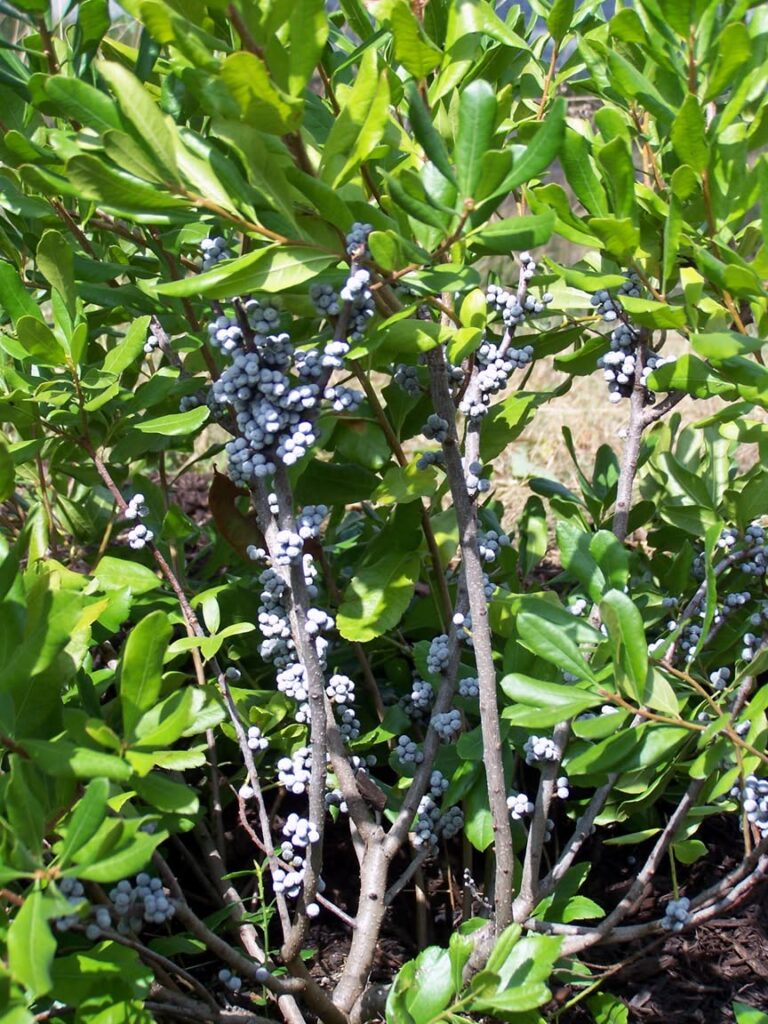
Bayberry is a native shrub known for its aromatic leaves and waxy, gray berries that persist into winter. Birds love the berries, and the leaves stay semi-evergreen to evergreen depending on the climate.
It grows in zones 3 through 7 and tolerates poor, sandy soil, salt spray, and wind. This makes it a great choice for coastal gardens.
19. Wax Myrtle (Morella cerifera)
A close relative of bayberry, wax myrtle has a similar aromatic quality and works well as a screening plant. Its foliage tends to be a bit more evergreen in warmer parts of its range.
Wax myrtle is hardy in zones 6 through 9 and tolerates wet soil, making it useful for rain gardens or areas with poor drainage.
20. Camellia (Camellia japonica)
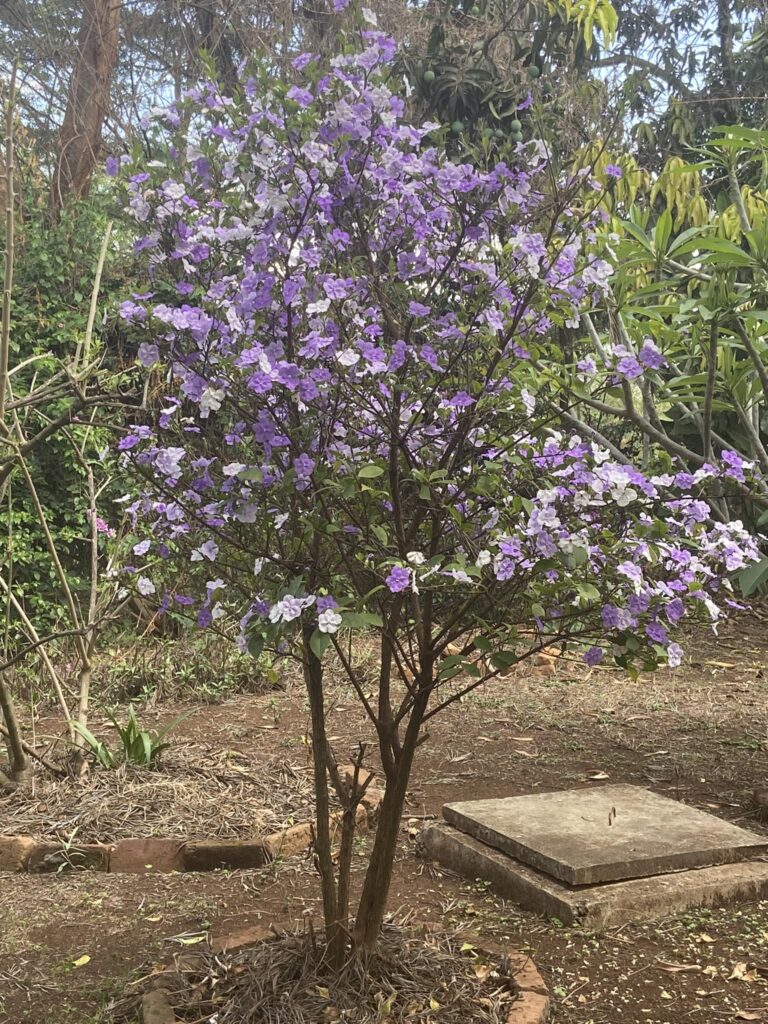
Camellias are known for their stunning winter and early spring blooms, set against dark, glossy evergreen foliage. They bring a touch of elegance to any garden.
Most camellias grow in zones 7 through 9, though some cold hardy cultivars like ‘Winter’s Star’ can survive in zone 6. They prefer acidic soil and protection from harsh winter sun and wind.
21. Daphne (Daphne odora)
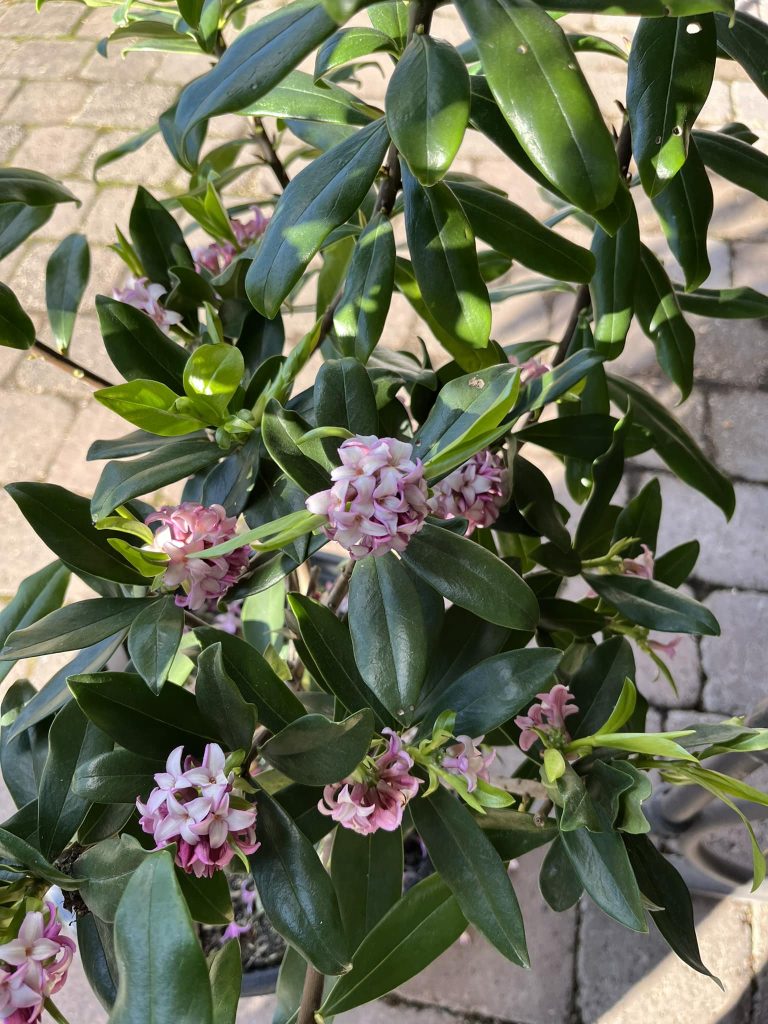
Daphne is a smaller shrub, but it packs a punch with its incredibly fragrant winter flowers. The leathery, evergreen leaves stay attractive year-round.
This shrub does best in zones 7 through 9. It prefers partial shade and well-drained soil, and it doesn’t like being moved once established.
22. Pieris (Pieris japonica)
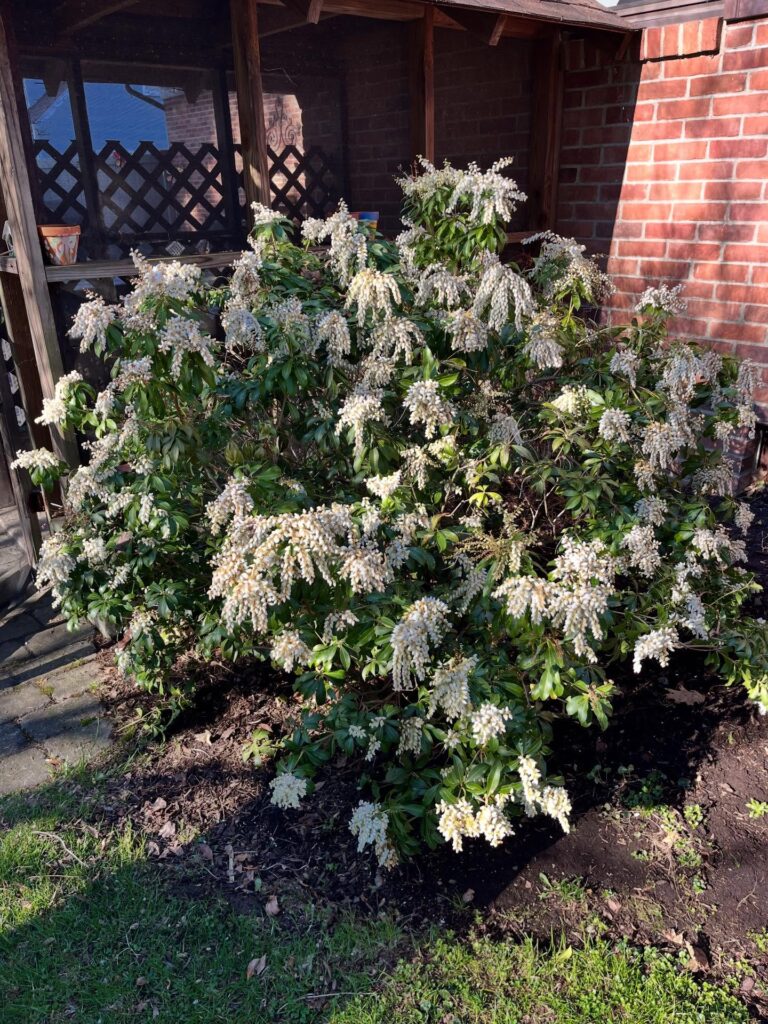
Pieris, also called lily-of-the-valley shrub, has glossy leaves and drooping clusters of white or pink flowers in early spring. New growth often emerges in shades of red or bronze, adding extra interest.
It’s hardy in zones 5 through 8 and prefers acidic, moist, well-drained soil with partial shade.
23. Cotoneaster (Cotoneaster species)
Cotoneaster shrubs vary widely in size and shape, from low groundcovers to tall hedges. Many varieties hold small, glossy leaves and bright red berries through winter, which birds appreciate.
Most cotoneasters grow in zones 4 through 8. They’re drought tolerant once established and prefer full sun.
24. Spreading Yew (Taxus baccata ‘Repandens’)
This low-growing form of yew spreads horizontally, making it perfect for groundcover or foundation planting. Its dark green needles stay attractive through the coldest months.
Spreading yew thrives in zones 4 through 7. Like other yews, it tolerates shade and poor soil but needs good drainage.
25. Sarcococca (Sarcococca hookeriana)
Also called sweet box, this shrub is a hidden gem for shaded gardens. Its glossy, dark green leaves stay attractive all winter, and tiny, fragrant white flowers appear in late winter, filling the air with a surprisingly strong sweet scent.
Sarcococca grows in zones 6 through 8. It tolerates deep shade better than almost any other evergreen on this list, which makes it ideal for those tricky north-facing spots.
Tips for Growing Cold Hardy Evergreen Shrubs
Choose the right zone. Always check your USDA hardiness zone before selecting a shrub. Planting something rated for zone 7 in a zone 4 garden is setting yourself up for disappointment.
Mulch generously. A thick layer of mulch around the base helps retain soil moisture and protects roots from freezing temperatures. The University of Minnesota Extension recommends applying mulch after the ground freezes to prevent rodents from nesting near plant roots over winter.
Water before the ground freezes. Evergreens lose moisture through their leaves all winter long. Going into winter with well-hydrated roots makes a big difference in how well they handle the cold.
Avoid heavy pruning in fall. Pruning stimulates new growth, which can be vulnerable to frost damage. It’s better to prune in late winter or early spring instead.
Protect from winter sun and wind. Some evergreens, especially broadleaf varieties like rhododendron and camellia, can suffer from leaf scorch when exposed to harsh winter sun combined with frozen ground. A burlap screen can help.
Final Thoughts
Choosing the right cold hardy evergreen shrubs can completely transform how your garden looks and feels during winter. Instead of staring at bare branches for months, you get structure, color, and even fragrance and berries depending on what you plant.
I always tell people to mix things up. Combine a few broadleaf evergreens like rhododendron or holly with some conifers like juniper or arborvitae. Add a low-growing groundcover like cotoneaster or heather to fill in the gaps. The result is a layered, textured landscape that holds its own no matter how cold it gets outside.
Take your time picking varieties that match your zone, soil, and light conditions. A little planning now means a garden that stays alive and interesting, even when everything else has gone quiet for the season.
References
- U.S. Forest Service – Wildlife Habitat and Winter Cover: https://www.fs.usda.gov/
- Lady Bird Johnson Wildflower Center – Kalmia latifolia: https://www.wildflower.org/plants/result.php?id_plant=KALA
- USDA Plant Hardiness Zone Map: https://planthardiness.ars.usda.gov/
- North Carolina State University Extension – Plant Toolbox (Ilex glabra): https://plants.ces.ncsu.edu/plants/ilex-glabra/
- Missouri Botanical Garden – Plant Finder: https://www.missouribotanicalgarden.org/PlantFinder/PlantFinderDetails.aspx?taxonid=275510
- Oregon State University Extension – Landscape Plants Database: https://landscapeplants.oregonstate.edu/

Tim M Dave is a gardening expert with a passion for houseplants, particularly cacti and succulents. With a degree in plant biology from the University of California, Berkeley, he has vast experience in gardening. Over the years, he has cultivated a vast collection of desert plants and learned a great deal about how to grow and care for these unique companions.