25 Stunning Shrubs With Pink Flowers: Identification and Pictures
Pink is one of the most versatile colors in a garden. It can be soft and romantic, bold and dramatic, or somewhere beautifully in between. Whether you are redesigning a backyard,, or simply looking for something new to plant, shrubs with pink flowers are among the best choices you can make.
I have spent years observing gardens across different climates, and I keep coming back to the same conclusion — pink-flowering shrubs offer something no other plant category quite matches: year-round structure with seasonal spectacle.
This guide covers 25 of the most beautiful, reliable, and garden-worthy shrubs with pink flowers. Each entry includes key details to help you choose the right plant for your space, soil, and climate.
Why Choose Shrubs With Pink Flowers?
Before diving into the list, it is worth understanding why pink-flowering shrubs deserve a permanent place in your landscape plan.
- Pink flowers attract pollinators. Bees, butterflies, and hummingbirds are all drawn to pink-toned blooms. This makes these shrubs valuable beyond their beauty — they support local ecosystems.
- Shrubs provide structure. Unlike annuals or perennials, shrubs give your garden a permanent framework. The flowers are the seasonal highlight, but the plant itself contributes texture and form all year long.
- Pink is a versatile color. It complements almost every other garden color — white, purple, deep red, and even orange. This makes pink-flowering shrubs easy to incorporate into existing planting schemes.
25 Best Shrubs With Pink Flowers
1. Rhododendron (Rhododendron spp.)
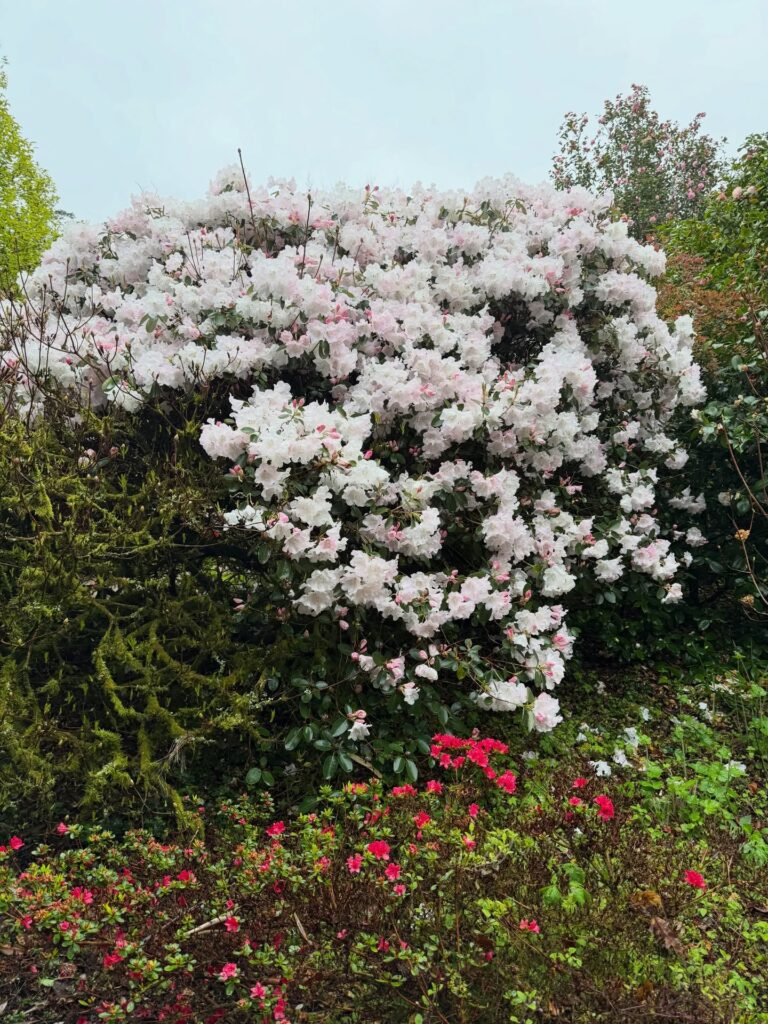
Few shrubs command attention the way a blooming rhododendron does. The flower clusters can be enormous, ranging from soft blush pink to vivid magenta. Most varieties bloom in spring, and the show can last several weeks.
Rhododendrons prefer acidic, well-drained soil and partial shade. They are best suited to USDA hardiness zones 4–9, depending on the cultivar. ‘PJM’ and ‘Nova Zembla’ are excellent pink-flowering varieties for colder climates.
Key tip: Avoid waterlogged roots. Rhododendrons are highly sensitive to poor drainage.
2. Azalea (Rhododendron spp. — Azalea group)
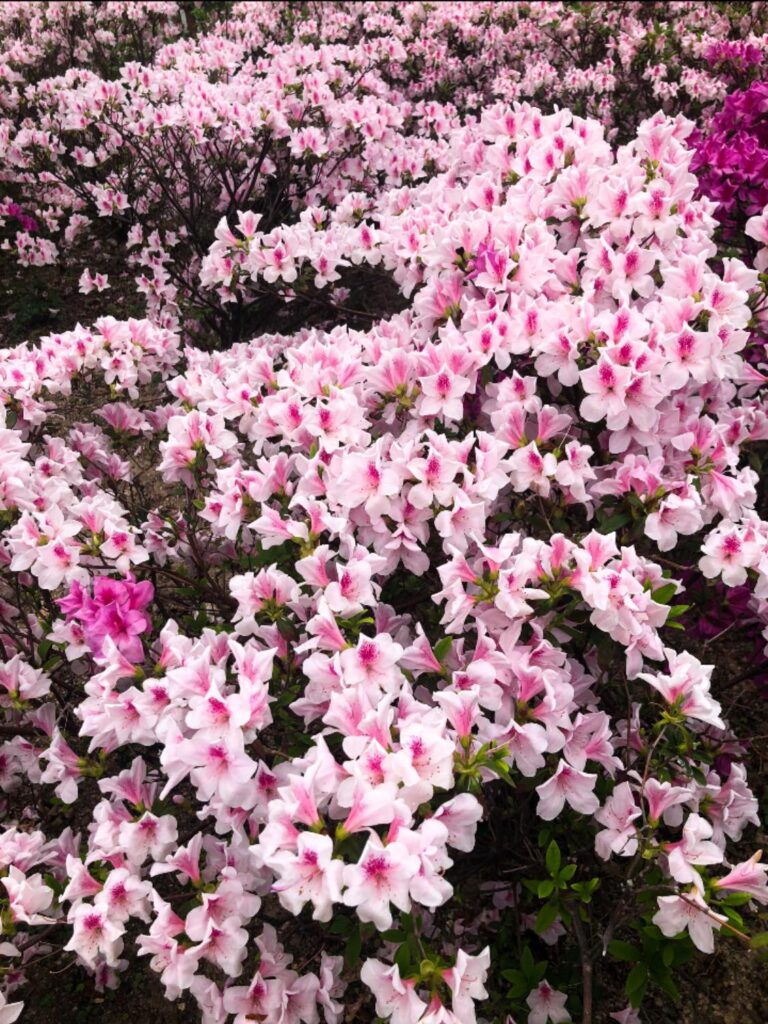
Azaleas are technically rhododendrons, but they have earned their own spotlight. Deciduous azaleas produce some of the most vivid pink flowers of any garden shrub, while evergreen azaleas offer a tidier, more compact habit.
They thrive in zones 4–9, prefer acidic soil, and need dappled light. Varieties like ‘Encore Autumn Chiffon’ bloom in both spring and fall — an excellent choice for extended color.
3. Weigela (Weigela florida)
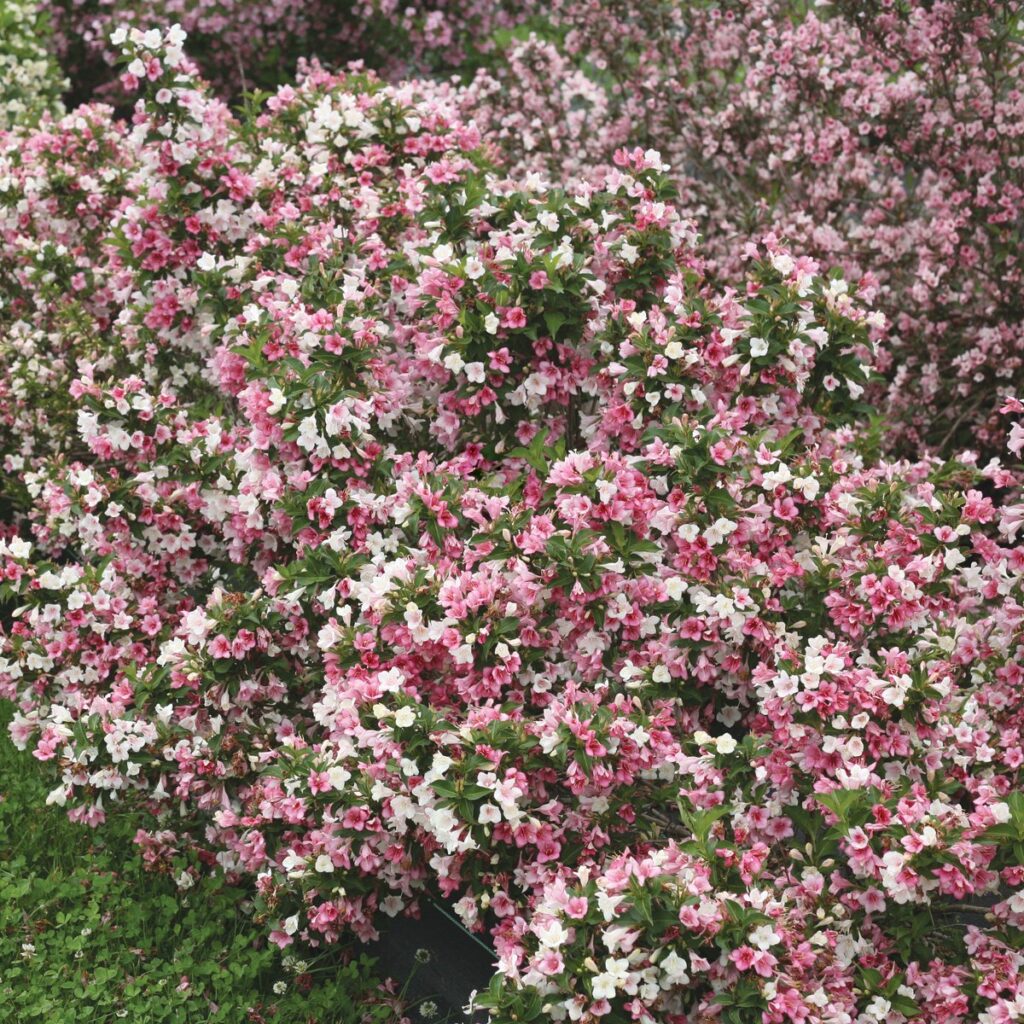
Weigela is a dependable, easy-to-grow shrub with tubular pink or rose-colored flowers. It blooms heavily in late spring to early summer, often with a smaller repeat bloom in late summer.
This shrub is a hummingbird magnet. It grows in zones 4–8 and tolerates a wide range of soil types as long as drainage is good. The variety ‘Wine and Roses’ pairs deep burgundy foliage with bright pink blooms — a striking combination.
4. Spiraea (Spiraea spp.)
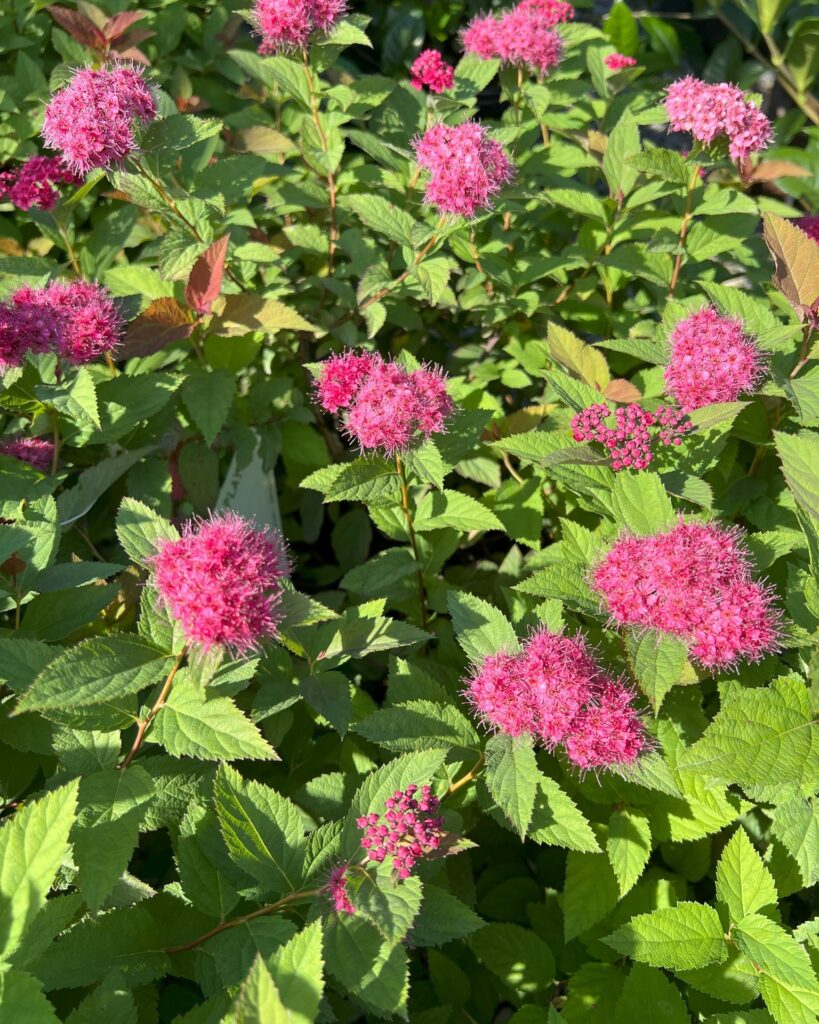
Spiraea comes in many forms, but the pink-flowering varieties are among the most popular landscape shrubs in the world. ‘Anthony Waterer’ and ‘Little Princess’ produce flat-topped clusters of rosy pink flowers from summer into fall.
These shrubs are tough. They tolerate heat, cold (zones 3–9), and a range of soil conditions. They are also fast-growing and respond well to pruning.
5. Camellia (Camellia japonica / Camellia sasanqua)
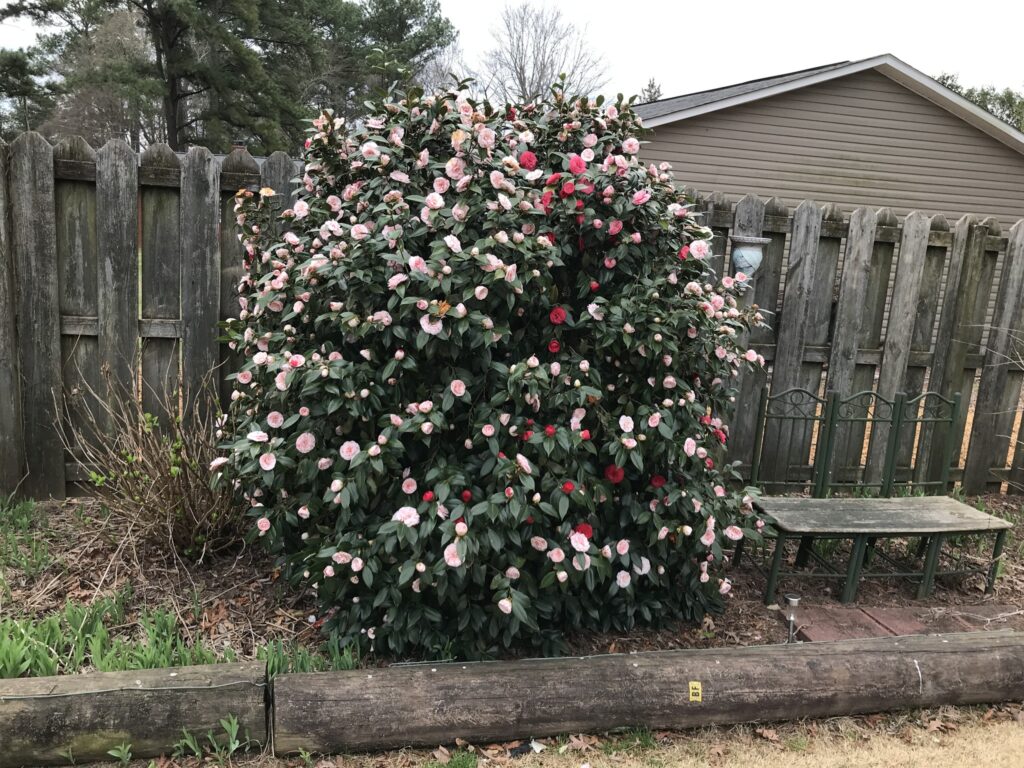
Camellias are among the most elegant shrubs you can grow. The flowers are almost artificially perfect — full, symmetrical, and available in soft blush to deep rose-pink tones. Sasanqua camellias bloom in autumn and winter; japonica types bloom in late winter through spring.
They prefer acidic, well-drained soil and partial shade. Best suited to zones 6–10. ‘Kramer’s Supreme’ and ‘Donation’ are highly rated pink cultivars.
6. Hydrangea (Hydrangeaspp.)
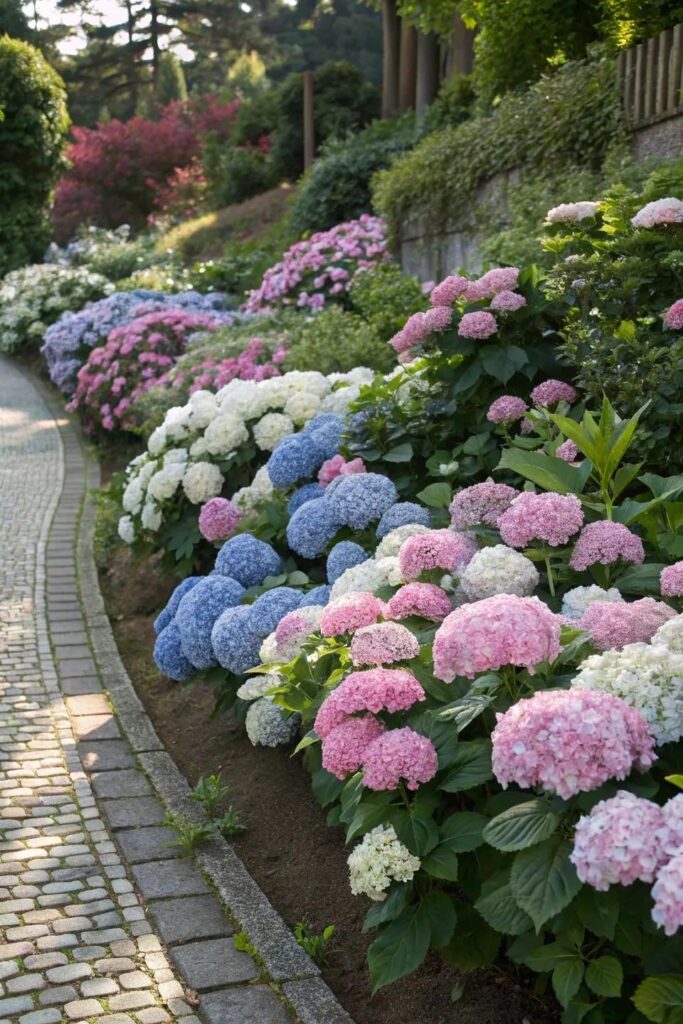
Hydrangeas are beloved worldwide, and for good reason. Bigleaf hydrangeas (H. macrophylla) produce stunning pink blooms that can turn blue depending on soil pH — a fascinating quality unique to this genus.
Smooth hydrangeas (‘Invincibelle Spirit’) and panicle hydrangeas (‘Vanilla Strawberry’) also offer beautiful pink tones. They grow in zones 3–9 and prefer consistent moisture and morning sun.
7. Rose of Sharon (Hibiscus syriacus)
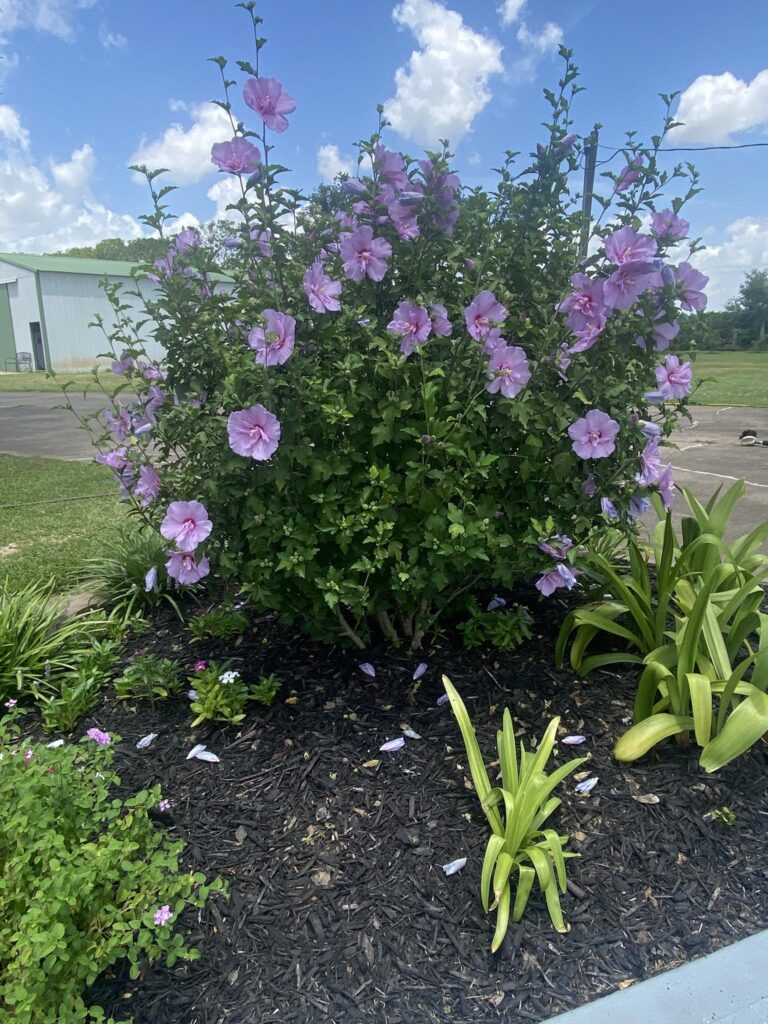
This late-summer bloomer fills the gap when most other flowering shrubs have finished. Rose of Sharon produces hollyhock-like pink or bicolored flowers from July through September, making it invaluable for late-season color.
It is highly adaptable — tolerating heat, drought, and urban pollution. Zones 5–9. The variety ‘Aphrodite’ bears rich rose-pink flowers with a deep red eye.
8. Oleander (Nerium oleander)
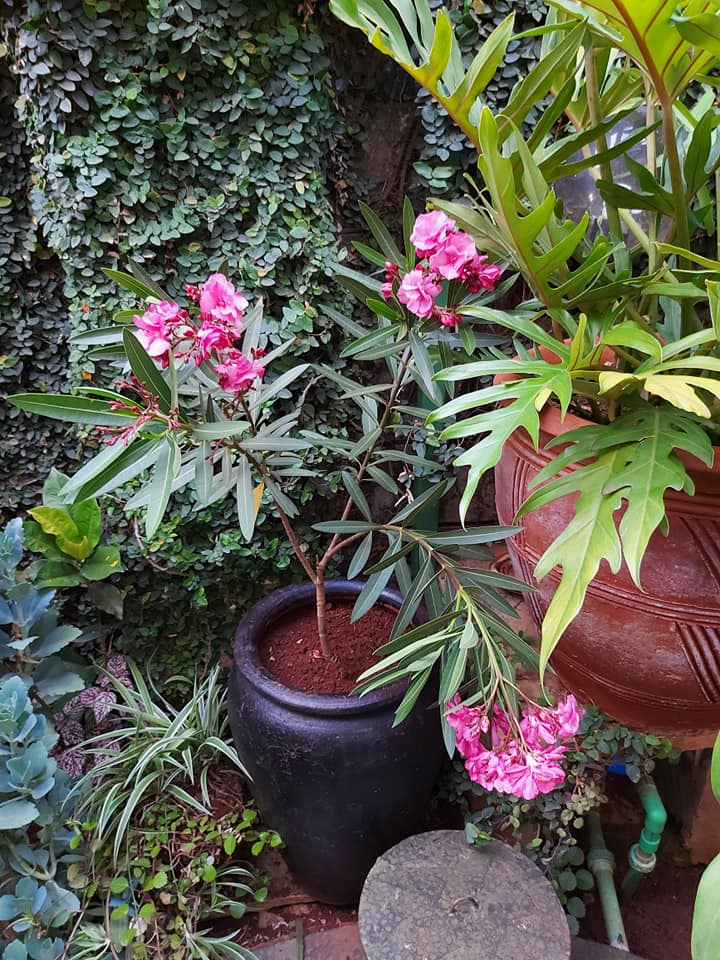
In warm climates, oleander is practically indestructible. It thrives in heat, drought, and coastal conditions that would stress most other shrubs. Pink-flowering varieties like ‘Petite Pink’ and ‘Sister Agnes’ (soft blush) are widely planted in Mediterranean-style landscapes.
Zones 8–11. Important note: all parts of the oleander plant are toxic to humans and animals. Plant with caution in households with children or pets.
9. Loropetalum (Loropetalum chinense var. rubrum)
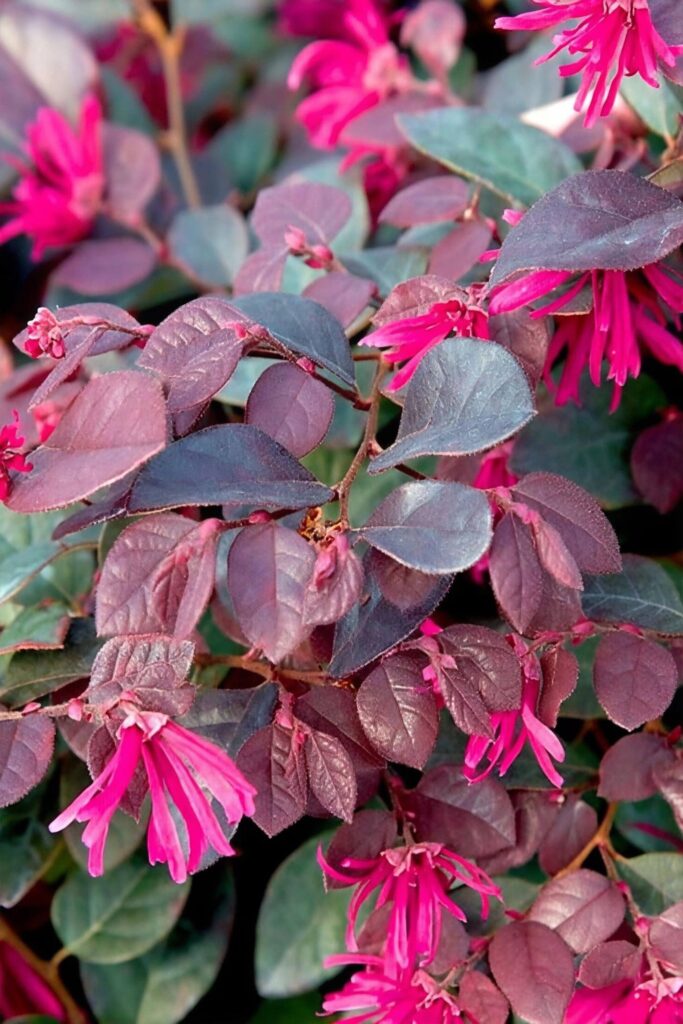
Also called Chinese fringe flower, loropetalum is one of the most visually distinctive shrubs available. The fringe-like pink or magenta flowers appear against burgundy or purple foliage, creating a dramatic contrast that few other shrubs can replicate.
It blooms primarily in spring with scattered re-bloom. Zones 7–10. ‘Purple Pixie’ is a compact, weeping variety ideal for small gardens.
10. Flowering Quince (Chaenomeles speciosa)
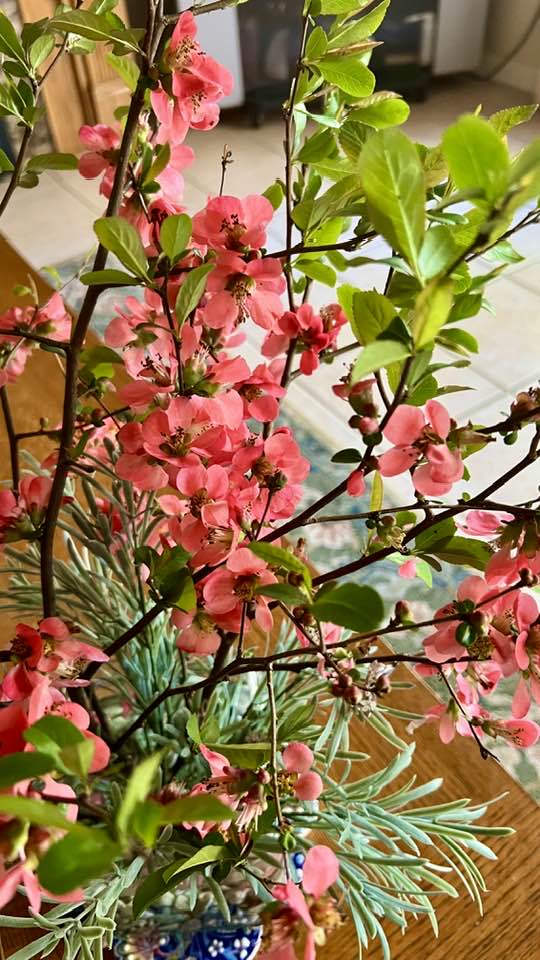
Flowering quince is one of the first shrubs to bloom in late winter or early spring. The flowers emerge before the leaves, creating a stunning effect on bare branches. Pink and coral-pink varieties are especially popular.
It is a tough, thorny shrub suited to zones 4–9. The variety ‘Toyo-Nishiki’ produces pink, white, and red flowers on the same plant — an unusual and beautiful trait.
11. Mountain Laurel (Kalmia latifolia)
Mountain laurel is a native North American shrub with unusual geometric flower buds that open into star-shaped pink or white blooms. The buds alone are worth planting this shrub for.
It grows in zones 4–9, prefers acidic, well-drained soil, and tolerates deep shade better than most flowering shrubs. ‘Sarah’ and ‘Olympic Fire’ are richly colored pink varieties.
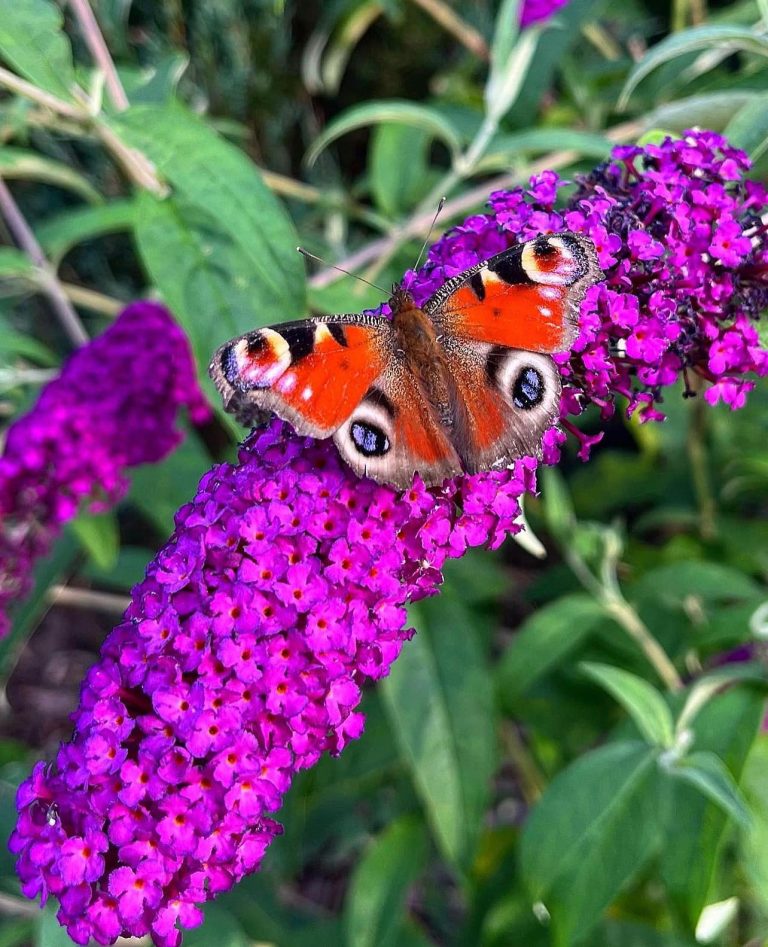
12. Butterfly Bush (Buddleja davidii)
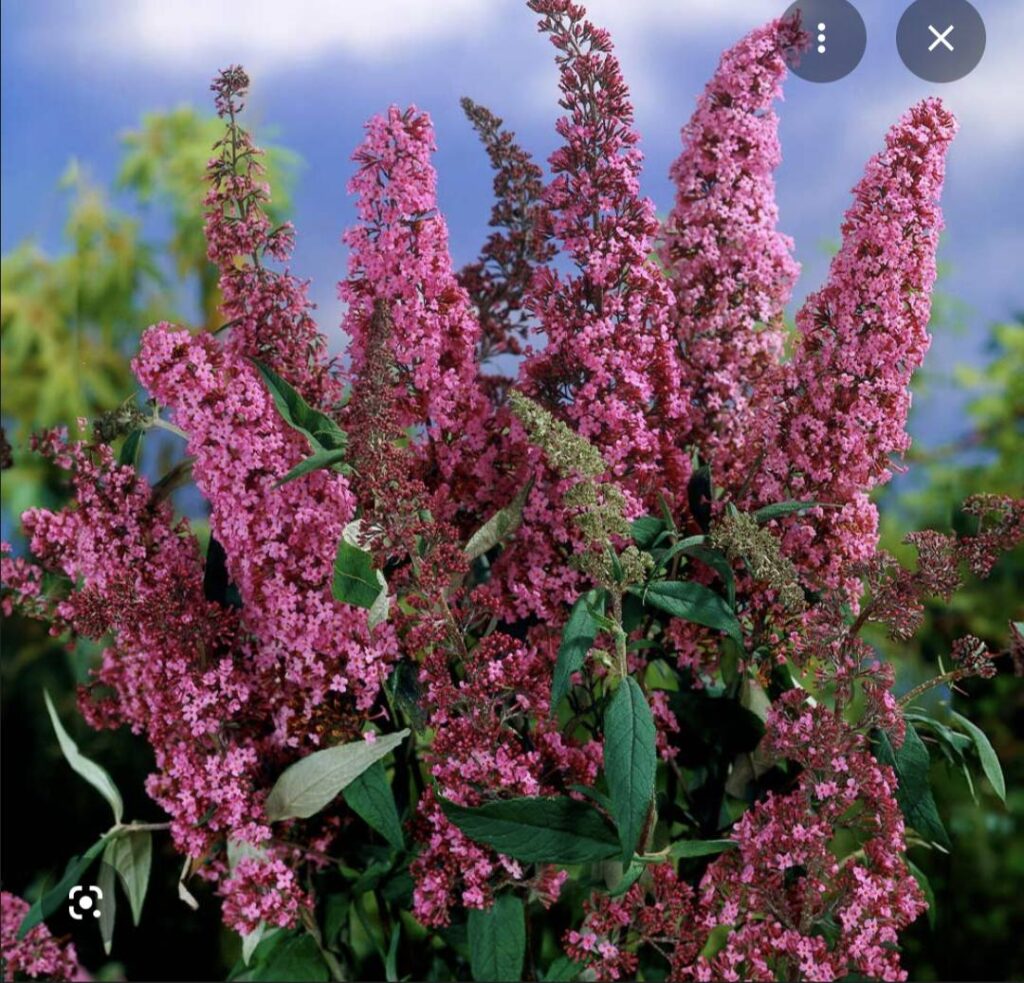
The name says it all. Butterfly bushes are among the top pollinator-attracting shrubs you can plant. Pink and lilac-pink varieties like ‘Pink Delight’ produce long, fragrant flower spikes from midsummer to frost.
Zones 5–9. Note that in some regions, butterfly bush is considered invasive. Choose sterile varieties like ‘Lo & Behold Pink Micro Chip’ to prevent unwanted spread.
13. Kolkwitzia (Kolkwitzia amabilis) — Beauty Bush
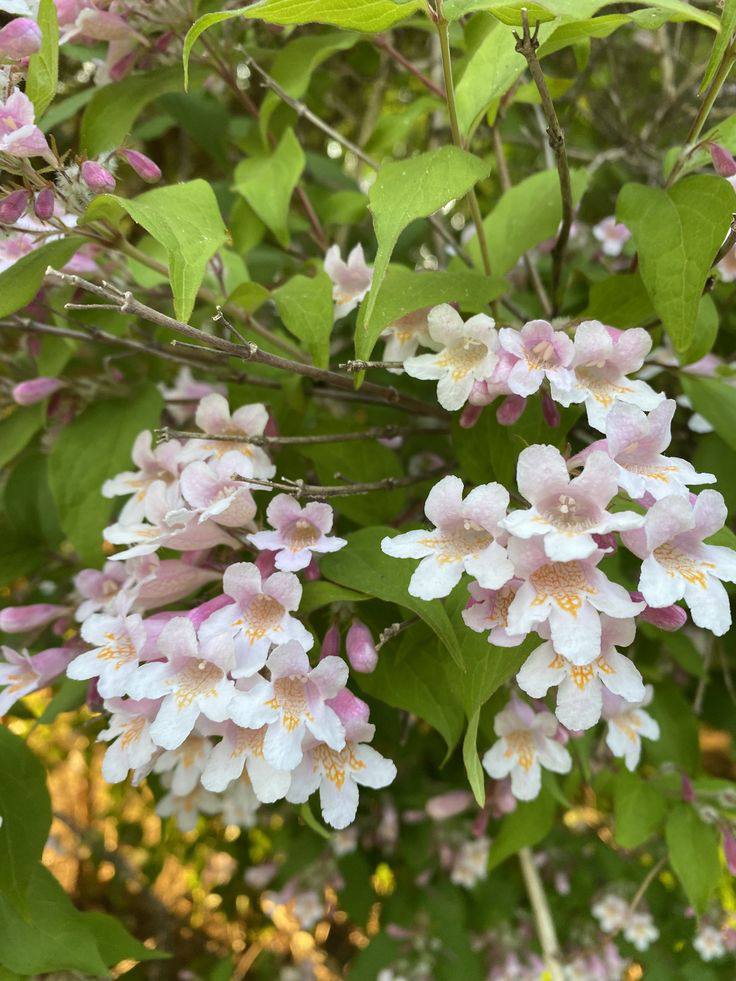
The name “beauty bush” is entirely earned. In late spring, this shrub becomes completely covered in small, trumpet-shaped pink flowers, nearly hiding the foliage beneath. The display is breathtaking.
Kolkwitzia is hardy to zones 4–8, drought-tolerant once established, and remarkably disease-free. It grows 6–10 feet tall, making it ideal as a specimen or screen plant.
14. Escallonia (Escallonia spp.)
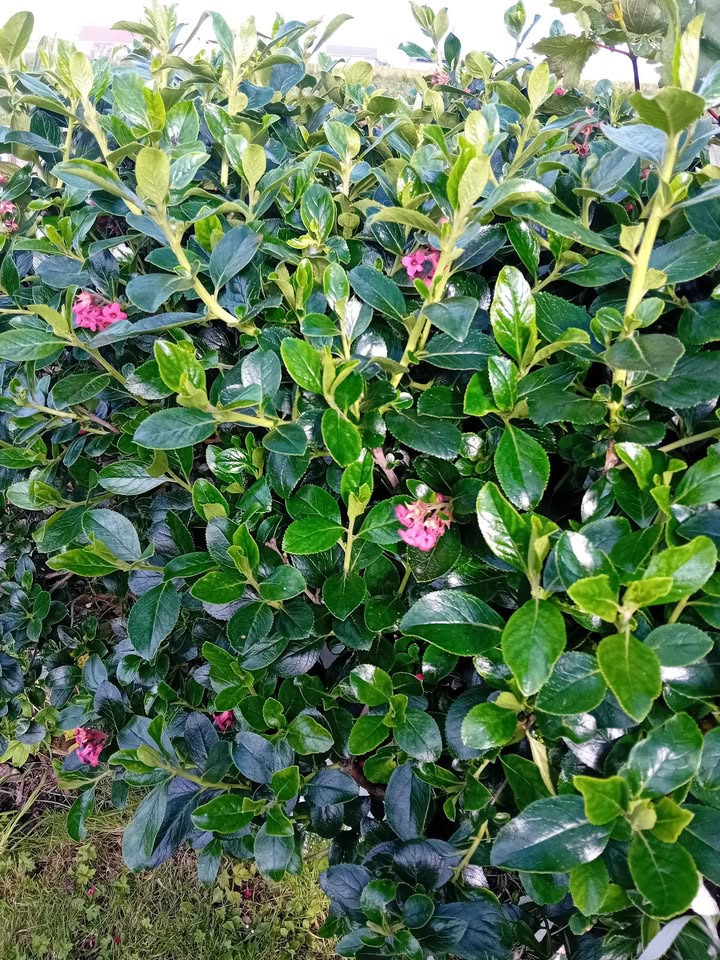
Escallonia is a fantastic choice for coastal gardens. It tolerates salt air and wind better than almost any other flowering shrub, making it popular in seaside landscapes. The small, tubular pink flowers appear from late spring through fall.
Zones 7–10. ‘Apple Blossom’ produces pale pink flowers with white centers. Escallonia also responds well to formal clipping and works as a hedge.
15. Abelia (Abelia × grandiflora)
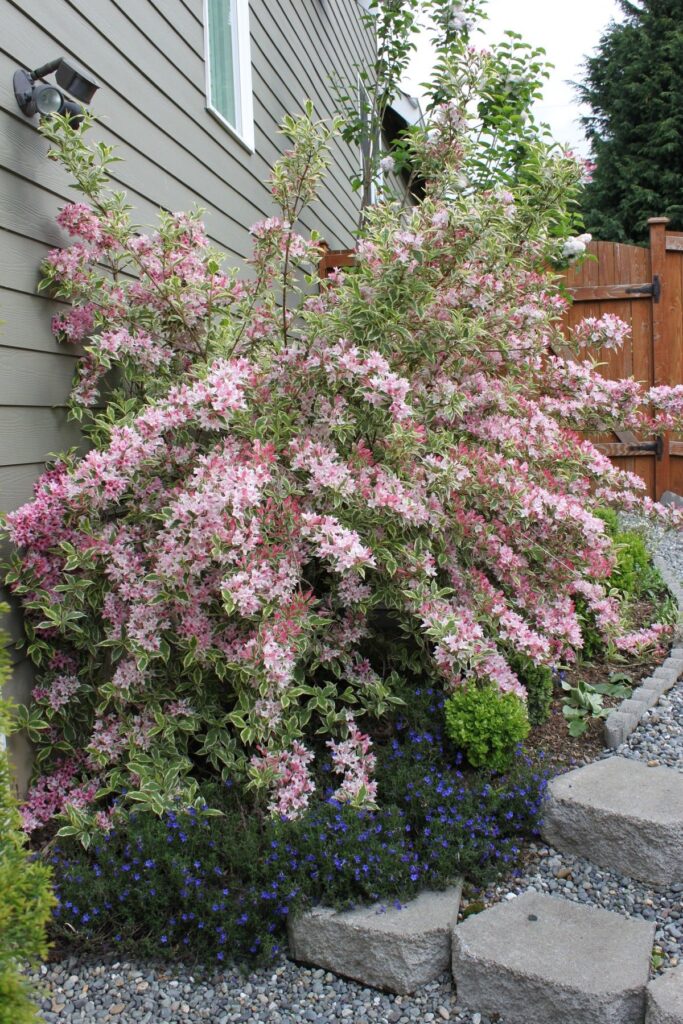
Abelia is an underused gem. The small, tubular flowers are a pale pink to white, but what makes abelia special is its incredibly long bloom season — from early summer all the way into autumn.
It is semi-evergreen in mild climates and deciduous in cold ones. Zones 5–9. The foliage often turns bronze or purplish in fall, extending the season of interest even after the flowers fade.
16. Deutzia (Deutzia spp.)
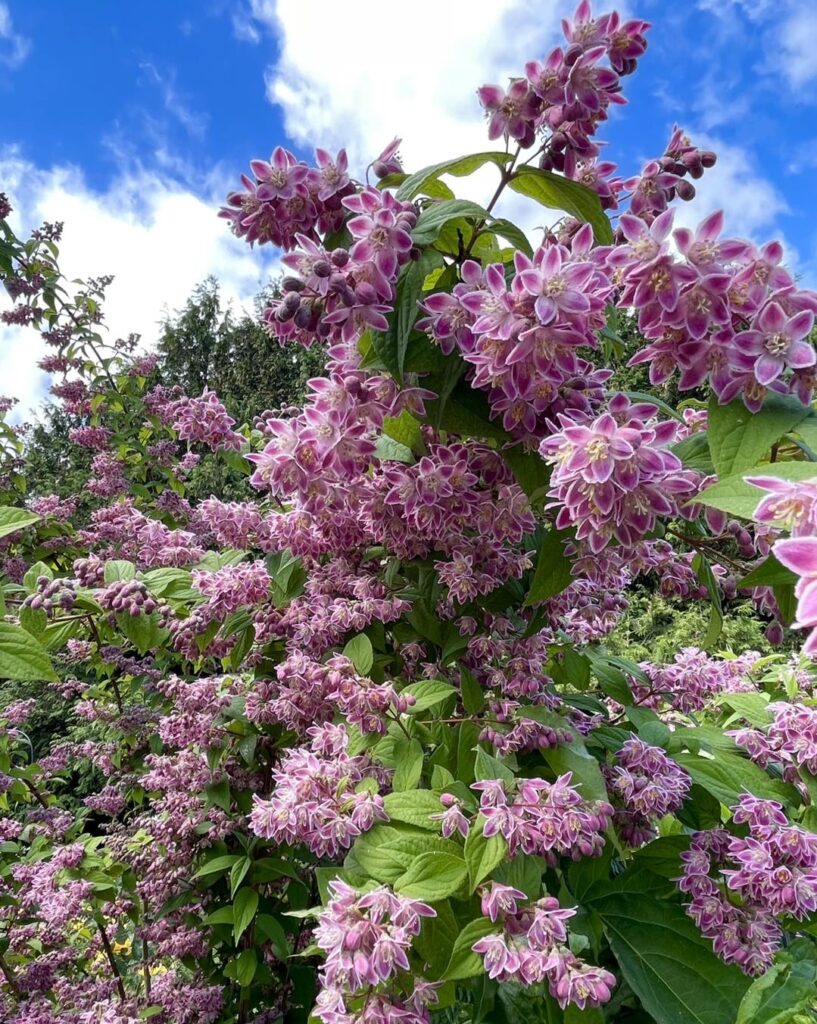
Deutzia is a classic cottage garden shrub that deserves far more attention than it receives. ‘Nikko’ and ‘Yuki Cherry Blossom’ produce charming pink blossoms in spring, covering the arching branches in delicate color.
It is very cold-hardy (zones 4–8), low-maintenance, and fast-growing. Deutzia looks especially beautiful when planted in groups or as a loose hedge.
17. Leptospermum (Leptospermum scoparium) — Tea Tree
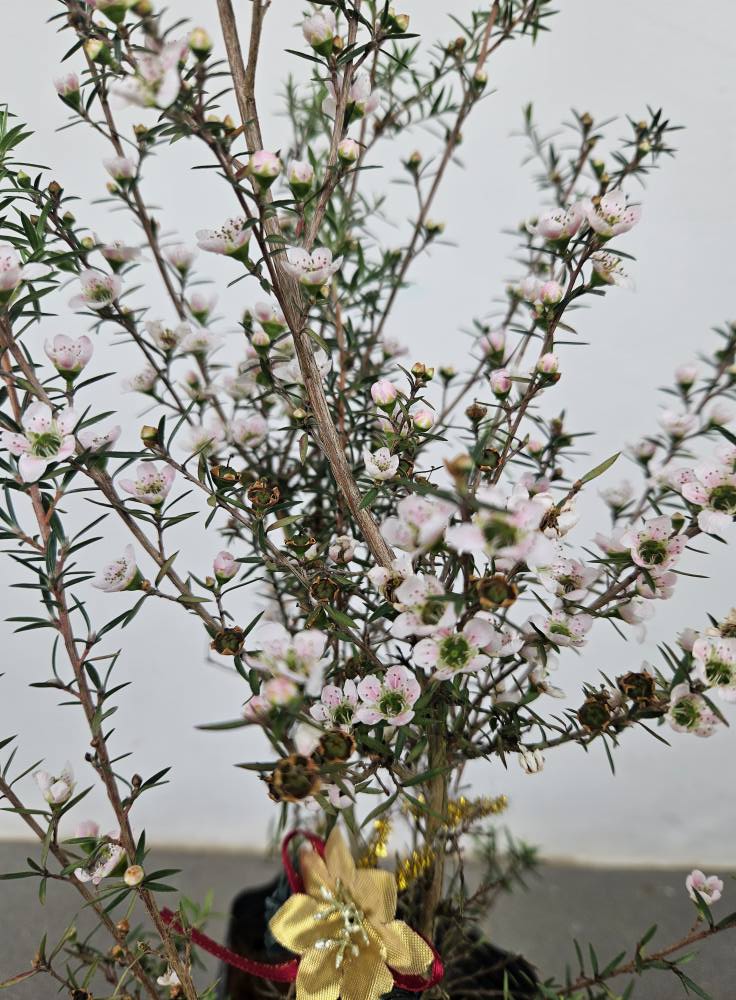
Leptospermum, or New Zealand tea tree, is a delicate-looking shrub with small, five-petaled flowers in pink or deep rose. Despite its fragile appearance, it is surprisingly resilient in mild climates.
Zones 8–10. ‘Helene Strybing’ and ‘Ruby Glow’ are outstanding pink cultivars. It grows well in sandy, free-draining soil and full sun — ideal for Mediterranean or coastal gardens.
18. Indigofera (Indigofera spp.)
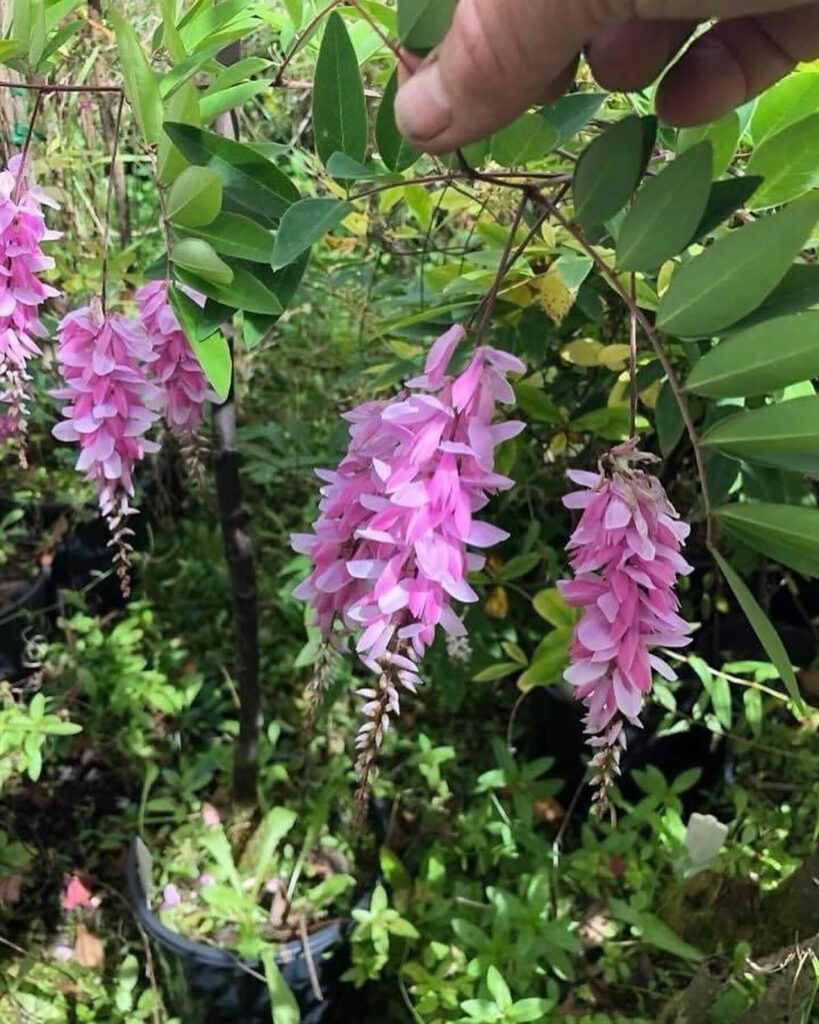
Indigofera is not well-known outside specialist gardening circles, but it deserves a much wider audience. The long racemes of small, pea-like pink or rose-pink flowers appear from midsummer through fall — a time when few other shrubs are performing.
Zones 6–9. It dies back in cold winters but re-sprouts reliably from the roots. This makes it a low-effort, high-reward plant for borders.
19. Lantana (Lantana camara)
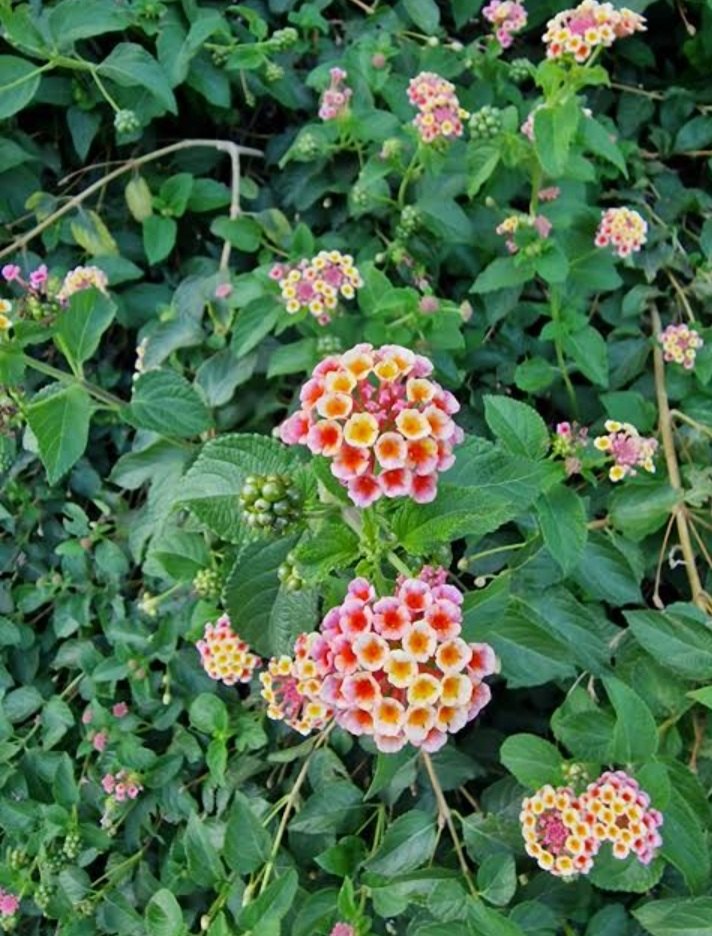
Lantana is one of the toughest, most heat-tolerant shrubs available. Pink and bicolored pink varieties bloom continuously from spring through frost, producing clustered flower heads that butterflies adore.
Zones 8–11 (grown as an annual in colder regions). It requires minimal water once established and thrives in poor soil. Note that lantana is invasive in some warm-climate regions — check local guidelines before planting.
20. Cistus (Cistus spp.) — Rock Rose
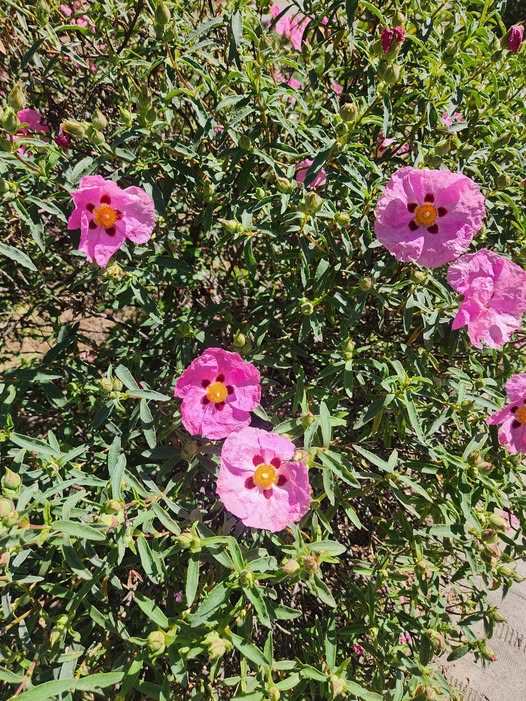
Cistus, or rock rose, is a Mediterranean shrub perfectly suited to dry, sunny gardens. The papery, tissue-like pink flowers appear in late spring and each bloom only lasts a day — but the plant produces them in such abundance that the display continues for weeks.
Zones 7–10. It thrives in poor, alkaline soil and intense heat. ‘Brilliancy’ is a vivid rose-pink variety well worth seeking out.
21. Daphne (Daphne spp.)
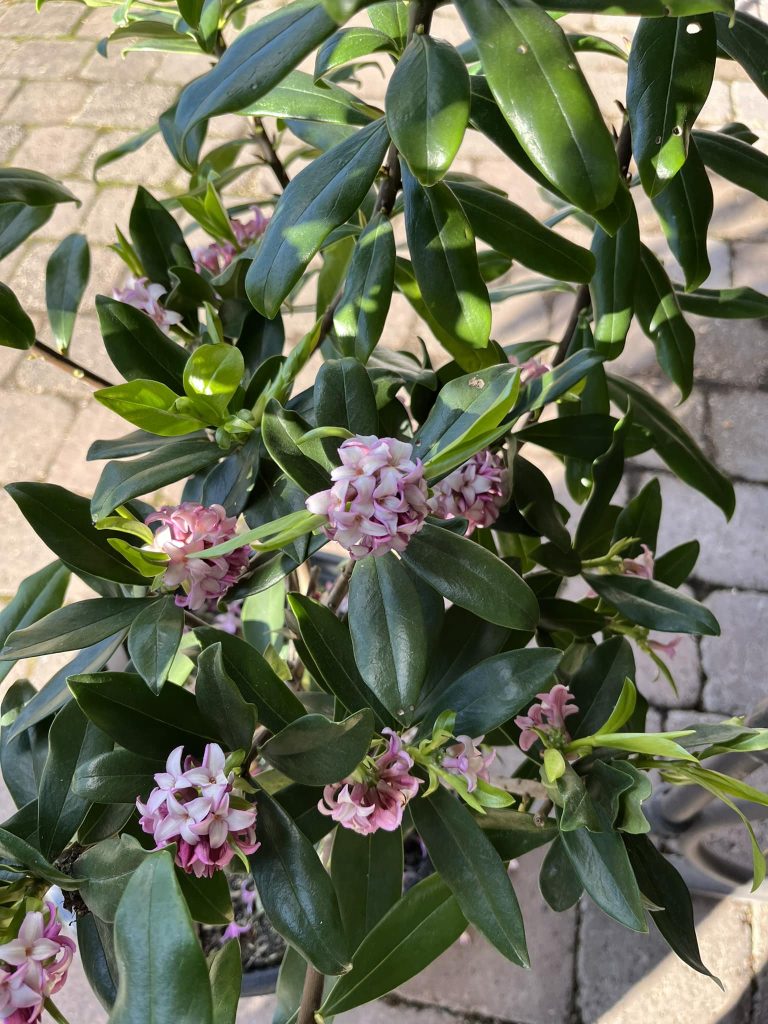
Daphne is a small shrub that punches far above its weight in one particular area: fragrance. The small, star-shaped pink flowers of Daphne odora and Daphne mezereum are among the sweetest-scented of any flowering plant.
Zones 4–9, depending on species. Daphne can be temperamental — it prefers well-drained soil and resists being moved. But once established in a happy spot, it rewards you generously every year.
22. Prunus glandulosa — Dwarf Flowering Almond
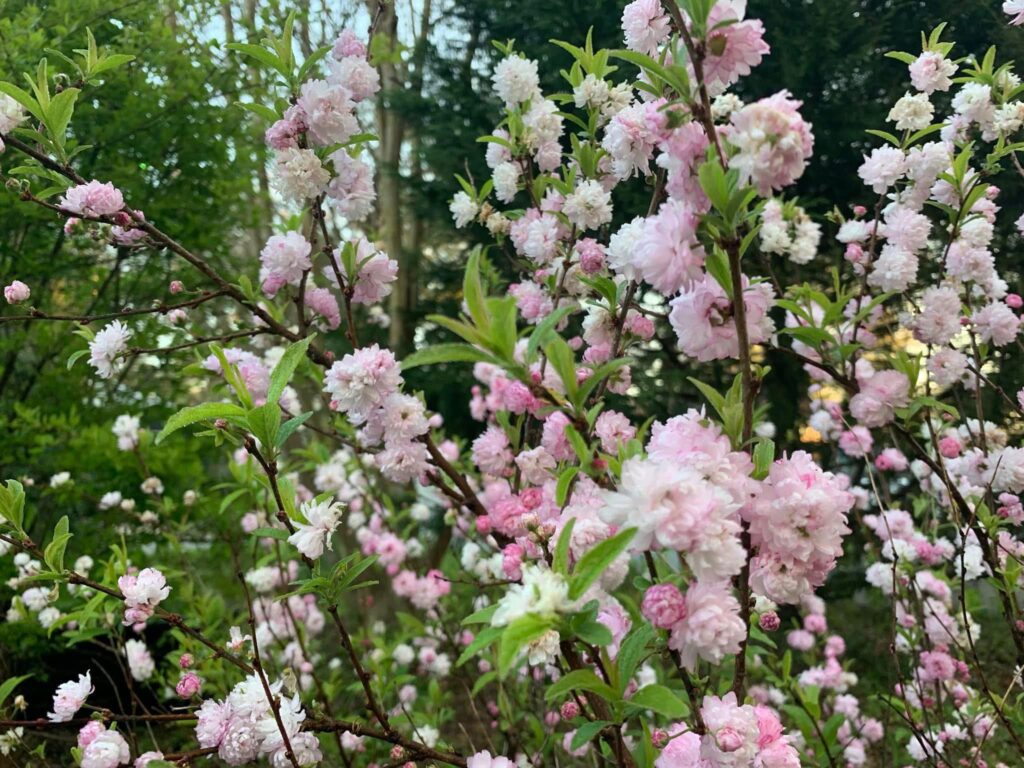
This small shrub is one of spring’s most cheerful sights. ‘Sinensis’ and ‘Rosea Plena’ produce fully double pink flowers that cover every stem before the leaves appear, creating a pom-pom effect along the branches.
Zones 4–8. It grows 4–5 feet tall, making it ideal for small gardens or as a border accent. Regular pruning after blooming keeps it compact and floriferous.
23. Viburnum (Viburnum× carlcephalumand others)
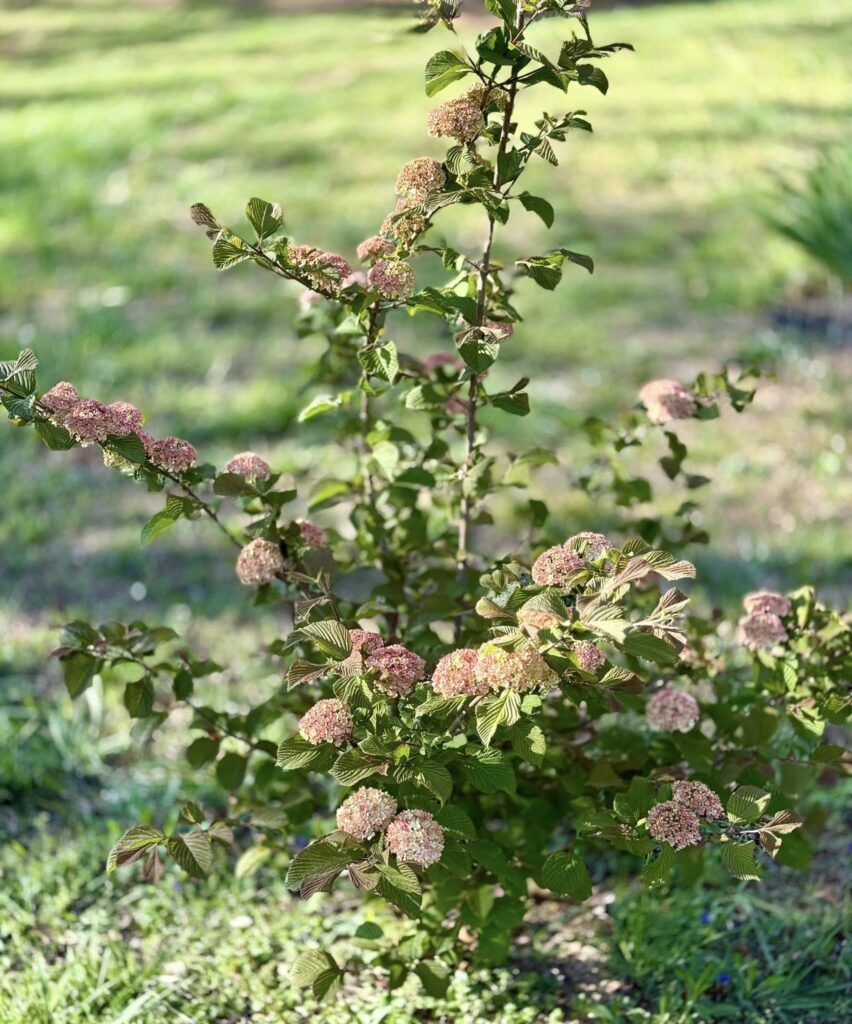
While many viburnums are white-flowering, the Carlcephalum hybrid and ‘Cayuga’ produce pink-tinged buds that open to fragrant, globe-like flower clusters in spring. The pink color is subtle — a warm blush — but deeply charming.
Zones 5–8. Viburnums are prized for their four-season interest: spring flowers, summer foliage, fall color, and winter berries. Few shrubs do as much work in a landscape.
24. Shrub Rose (Rosa spp.)
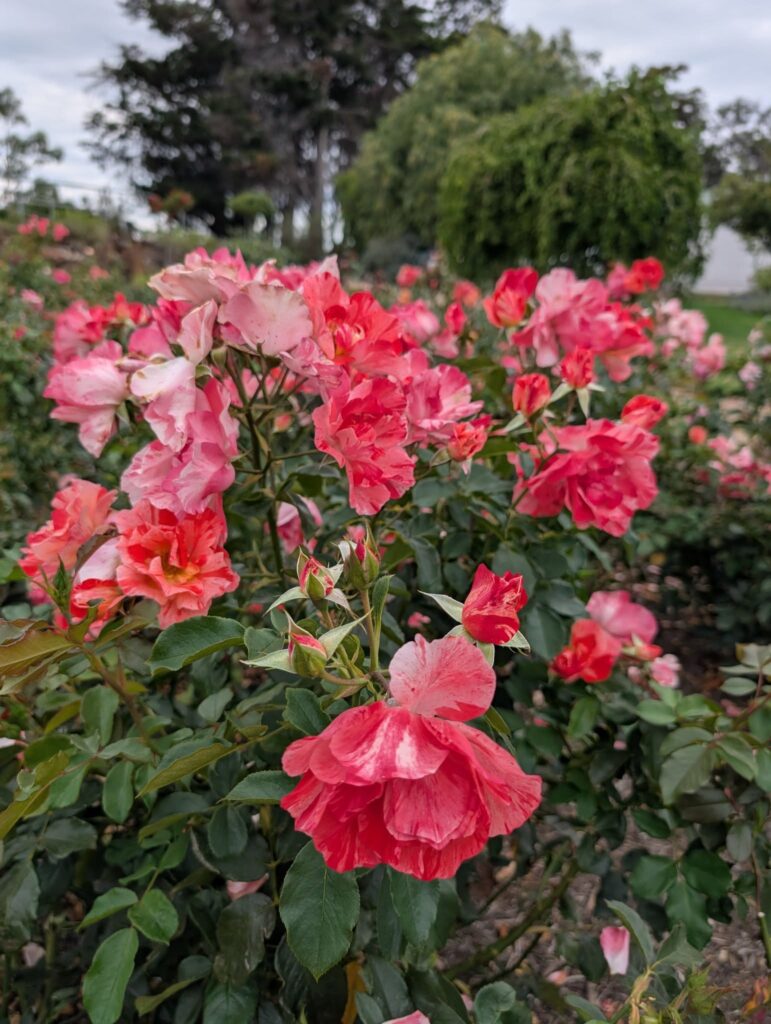
No list of pink-flowering shrubs would be complete without roses. Modern shrub roses like ‘Knock Out Pink’, ‘Carefree Beauty’, and ‘The Fairy’ offer continuous bloom from late spring to first frost with minimal maintenance.
Unlike their high-maintenance hybrid tea cousins, shrub roses resist disease, tolerate neglect, and need little deadheading. Zones 4–9. They are, in a word, transformative.
25. Salvia greggii — Autumn Sage
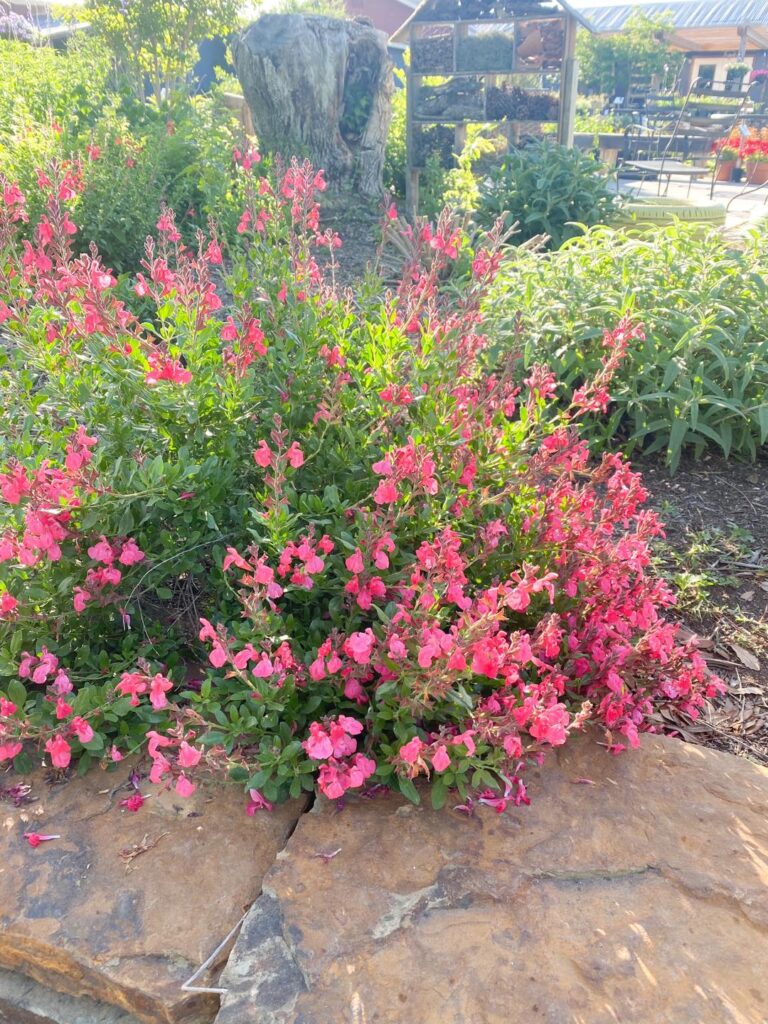
Rounding out the list is one of the best-kept secrets in the shrub world. Autumn sage produces small but prolific pink, coral, or rose-colored flowers from spring through fall — one of the longest bloom seasons of any flowering shrub.
Zones 6–9. It is drought-tolerant, deer-resistant, and loved by hummingbirds. The variety ‘Pink’ is a classic, while ‘Coral’ adds a warm, sunset-toned option.
How to Choose the Right Pink-Flowering Shrub for Your Garden
With 25 options on the table, choosing can feel overwhelming. Here are a few practical filters:
By climate: For hot, dry gardens — choose oleander, lantana, or cistus. For cold climates — spiraea, kolkwitzia, or rhododendron. For coastal areas — escallonia or leptospermum.
By bloom season: Spring color — azalea, flowering quince, mountain laurel. Summer color — weigela, butterfly bush, rose. Fall color — rose of Sharon, abelia, autumn sage.
By garden size: Small gardens benefit from dwarf varieties — compact spiraea, ‘Purple Pixie’ loropetalum, or ‘Pink Micro Chip’ butterfly bush. Large gardens can accommodate full-sized rhododendrons, kolkwitzia, or Rose of Sharon.
By soil preference: Acid-loving shrubs include rhododendrons, azaleas, mountain laurel, and camellias. Most other shrubs on this list are adaptable to a wide pH range.
Essential Care Tips for Pink-Flowering Shrubs
- Pruning: Most spring-blooming shrubs should be pruned immediately after flowering. Summer and fall bloomers can be pruned in late winter.
- Fertilizing: Use a balanced slow-release fertilizer in early spring. For acid-loving shrubs, choose a formula designed for azaleas and rhododendrons.
- Watering: Establish new shrubs with consistent watering during the first growing season. Most are drought-tolerant once mature.
- Mulching: A 2–3 inch layer of organic mulch around the base conserves moisture, regulates soil temperature, and suppresses weeds.
Final Thoughts
Pink-flowering shrubs represent one of the most rewarding plant categories in horticulture. They offer everything a gardener could want: seasonal drama, structural permanence, wildlife value, and an almost universal aesthetic appeal.
Whether you choose the bold spectacle of a blooming rhododendron, the fragrant subtlety of a daphne, or the tireless productivity of a shrub rose, you are investing in a plant that will give back for years — often decades.
Start with one or two varieties that match your climate and garden conditions. You may find, as I have, that pink-flowering shrubs quietly become the plants you look forward to most each season.
References
- University of Florida IFAS Extension — Flowering Shrubs for the Landscape https://gardeningsolutions.ifas.ufl.edu/plants/ornamentals/shrubs/
- North Carolina State University Extension — Plant Toolbox: Shrubs https://plants.ces.ncsu.edu/plants/?plant_type=shrubs
- Clemson Cooperative Extension — Landscape Plants for the Southeast https://hgic.clemson.edu/category/flowers-shrubs/shrubs/

Tim M Dave is a gardening expert with a passion for houseplants, particularly cacti and succulents. With a degree in plant biology from the University of California, Berkeley, he has vast experience in gardening. Over the years, he has cultivated a vast collection of desert plants and learned a great deal about how to grow and care for these unique companions.