Humidifier for Majesty Palm: The Best Type and How to Get Humidity Right
Majesty palms are beautiful. Walk into a room with one, and you instantly feel like you are somewhere tropical. But here is the thing most plant guides skip: without the right humidity level, your majesty palm will struggle — no matter how well you water or fertilize it.
If you have noticed brown, crispy tips on your palm’s fronds, or the leaves yellowing faster than expected, low indoor humidity is almost certainly the cause.
This article will walk you through everything you need to know about choosing and using a humidifier for majesty palms — from why they need it, to which type works best, to practical tips that genuinely make a difference.
Why Majesty Palms Demand High Humidity
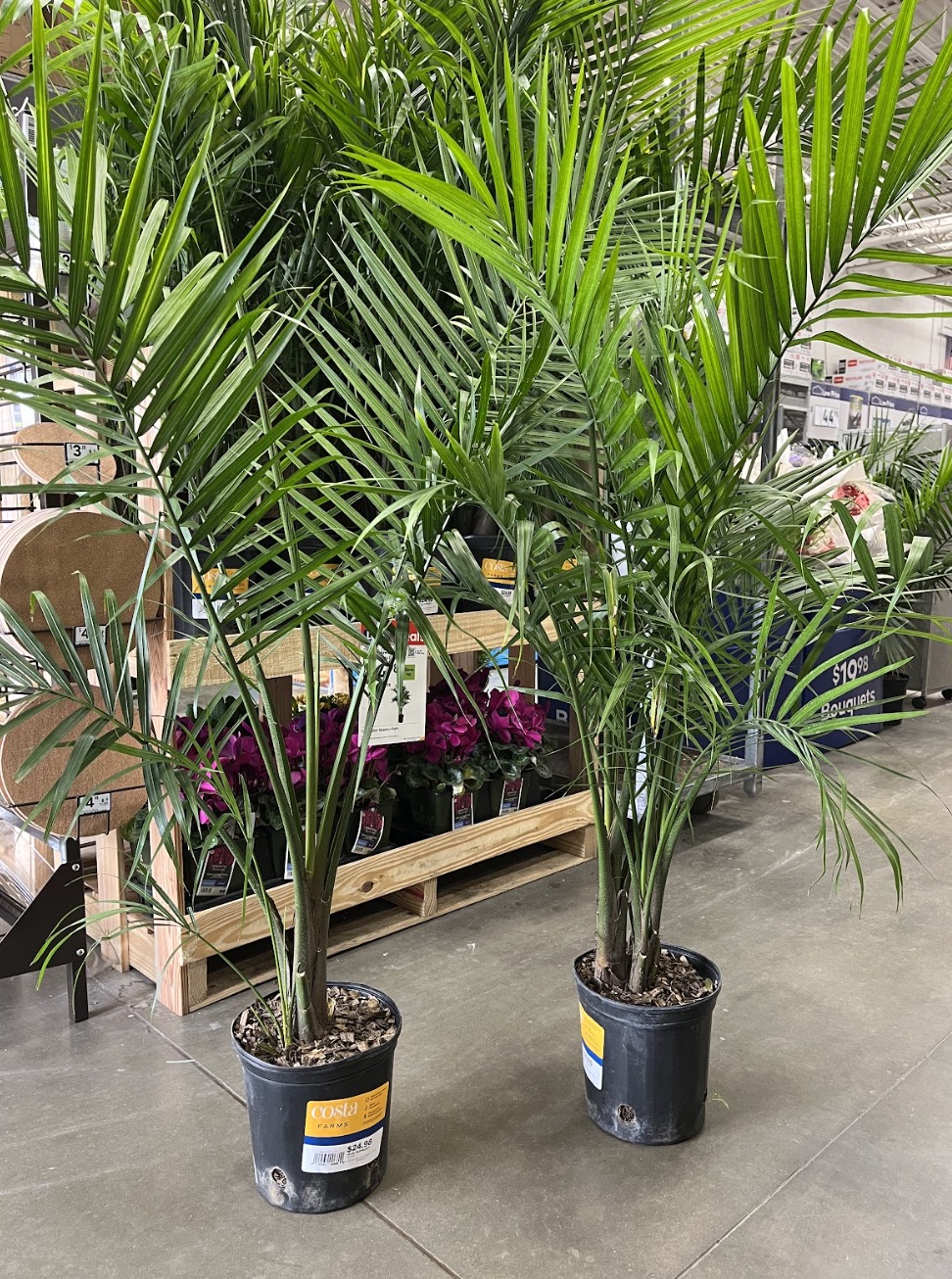
Majesty palm (Ravenea rivularis) originates from the riverbanks and humid lowlands of Madagascar. In the wild, this plant grows near streams and wetlands where the air is consistently moist. Its natural habitat has humidity levels that often exceed 60–80%.
Most homes, particularly in winter when heating systems run constantly, hover between 20–40% relative humidity. That is a dramatic drop from what the majesty palm is evolutionarily designed for.
When humidity falls too low, the palm’s leaf tips begin to dry out first. The cells at the margins of each leaflet lose moisture faster than the plant can replenish it through its roots. Over time, the brown tips spread inward, and the plant takes on a tired, stressed appearance.
This is not a watering problem. More water will not fix dry air. What your majesty palm needs is a reliable source of ambient moisture — and that is exactly what a good humidifier provides.
Ideal Humidity Range for Majesty Palm
Majesty palms thrive at a relative humidity of 50–60% or higher. Below 40%, you will begin to see stress signs. Below 30%, the plant can seriously decline.
If you want to know exactly where your home stands, an inexpensive digital hygrometer (humidity meter) placed near your palm will tell you everything. Many gardeners are surprised to find their living rooms register just 25–30% in winter.
A humidifier brings your indoor humidity into the right range consistently and passively. Once it is set up and running, your job is mostly to keep it filled and clean.
Types of Humidifiers: Which One Works Best for Majesty Palm?
Not every humidifier is equal when it comes to plant care. Each type works differently, and some are better suited to the needs of tropical houseplants like the majesty palm.
1. Ultrasonic Cool Mist Humidifiers
These are among the most popular choices for houseplant owners, and for good reason. Ultrasonic humidifiers use high-frequency vibrations to turn water into a fine, cool mist. They are:
- Quiet during operation
- Energy-efficient
- Available in a wide range of sizes
- Easy to find and relatively affordable
The mist they produce is fine enough to raise the room’s humidity without soaking nearby furniture. For majesty palms placed in living rooms or bedrooms, this is an ideal balance.
One minor drawback: if you use tap water, ultrasonic models can leave a fine white mineral dust on surfaces. Using distilled or filtered water resolves this completely.
2. Evaporative Humidifiers
Evaporative models work by drawing air through a wet wick or filter, releasing moisture naturally into the room. They are self-regulating — the drier the air, the faster they release moisture.
These are a solid choice if you want a set-and-forget option. They will not over-humidify a space, and they do not produce the white mineral dust that ultrasonic models sometimes do. However, they tend to be louder and require regular filter replacements.
3. Warm Mist (Steam) Humidifiers
Warm mist humidifiers boil water and release steam. They are effective at raising humidity and kill bacteria in the process. That said, they are not ideal for use around tropical plants for a few reasons:
- The warm mist can slightly raise the ambient temperature near the plant
- They consume more energy
- The warm air output can sometimes cause condensation issues near plant leaves
They work fine in a pinch but are not the first choice for plant-focused humidification.
4. Whole-House Humidifiers
If you keep multiple tropical houseplants — or simply want consistent humidity throughout your home — a whole-house humidifier installed in your HVAC system is worth considering. This is the most hands-off solution, though it requires professional installation and a higher upfront investment.
For dedicated plant enthusiasts with multiple humidity-loving tropicals, it is often the most cost-effective option over time.
How to Position a Humidifier for Maximum Benefit
Placement matters just as much as the type of humidifier you choose. Poor positioning can mean the humidity never actually reaches your majesty palm — even if the humidifier is running all day.
Here are the key principles:
- Place the humidifier within 3–5 feet of the plant. Humidity dissipates quickly in open spaces, especially if there is air circulation from fans or vents.
- Do not aim the mist directly at the leaves. A constant stream of moisture on the fronds can encourage fungal disease. Let the humidifier mist the surrounding air, not the plant itself.
- Avoid placing the humidifier near heat vents or air conditioning units. These will counteract the humidity before it reaches the plant.
- Elevate the humidifier if possible. Mist rises and disperses as it moves upward. A humidifier placed on a table or shelf rather than on the floor will distribute moisture more effectively.
How Much Humidity Is Enough? Using a Hygrometer to Monitor
Guessing the humidity level is not reliable. A digital hygrometer is an inexpensive and essential tool for any serious plant owner. Most cost between $10 and $20 and give real-time readings of both temperature and relative humidity.
Place the hygrometer at the same height as your majesty palm’s pot. Check the reading at different times of day — humidity can fluctuate significantly between morning and evening, and more so in winter versus summer.
Your target: keep the reading consistently at or above 50% near your palm. If it dips below 40%, run your humidifier on a higher setting or for a longer period each day.
Some humidifiers include built-in hygrometers and automatic shut-off features that activate once the desired humidity level is reached. These “smart” models take all the guesswork out of the equation.
How Often Should You Run the Humidifier?
This depends on the baseline humidity in your home and the capacity of your humidifier. Here are some general guidelines:
- In dry climates or winter months: Run the humidifier daily, ideally for several hours during the daytime.
- In naturally humid climates (like coastal or tropical regions): Supplemental humidification may only be needed a few months per year.
- If using a small personal humidifier: You may need to run it continuously to maintain target humidity near the palm.
Many plant owners find it easiest to run the humidifier in the morning, letting it bring the room humidity up to the right level, then allowing it to taper off in the afternoon. Setting a timer on the humidifier removes the need to remember entirely.
Humidifier Maintenance: Keeping It Clean Matters
A neglected humidifier can become a health hazard. Standing water in the tank can harbor mold and bacteria, which are then dispersed into the air you breathe — and onto your plant.
Follow these maintenance steps consistently:
- Empty and rinse the water tank daily if the unit is running regularly.
- Deep clean the tank weekly with a diluted white vinegar solution or a product designed for humidifier cleaning.
- Replace filters on evaporative models as recommended by the manufacturer (usually every 1–3 months).
- Use distilled or filtered water whenever possible to minimize mineral buildup and white dust.
A clean humidifier performs better, lasts longer, and is safer for both you and your plant.
Alternative and Supplemental Humidity Methods
A humidifier is the most effective tool, but it is not the only option. Combining methods gives the best results, especially in very dry conditions.
Pebble Trays
Place a shallow tray filled with small pebbles and water beneath the pot. As the water evaporates, it raises the local humidity around the plant. This is a passive, low-effort method that works best as a supplement rather than a replacement.
Make sure the pot sits on top of the pebbles, not directly in the water. Roots should never sit in standing water.
Grouping Plants Together
Plants release moisture through a process called transpiration. Grouping humidity-loving plants together creates a microclimate with slightly higher ambient moisture. Pairing your majesty palm with other tropical houseplants like peace lilies, calatheas, or ferns can provide a modest humidity boost.
Misting
Misting is often recommended in older plant care books, but its effectiveness is limited. The boost in humidity it provides lasts only minutes. Regular misting also risks fungal issues if moisture sits on the fronds. It is better used as an occasional supplement on very dry days rather than as a routine practice.
What Happens When Humidity Is Too High?
It is worth noting that excessive humidity — above 80–90% — can create problems too. High humidity in stagnant air encourages:
- Fungal diseases on leaves
- Root rot if soil drainage is poor
- Mold growth on the soil surface
This is why good air circulation is important alongside humidification. A small fan running on low in the same room helps distribute moisture evenly and prevents stagnant pockets of damp air from settling around the plant.
Signs Your Majesty Palm Is Getting the Right Humidity
You will know your efforts are working when you notice:
- New fronds unfurling fully without brown edges
- Leaf tips remaining green and supple
- Overall growth becoming more vigorous during the growing season
- Reduced yellowing of older fronds
Conversely, if despite proper watering and fertilizing the palm still shows brown tips and crispy edges, humidity is the variable to examine first.
Choosing the Right Humidifier Size
Humidifiers are rated by the square footage of the room they can effectively humidify. Choosing an undersized unit is one of the most common mistakes plant owners make.
- A small personal humidifier (less than 200 sq ft capacity) is appropriate only for small bedrooms with limited ventilation.
- A medium humidifier (200–500 sq ft) suits most living rooms and common areas.
- A large room humidifier (500+ sq ft) is ideal for open-plan spaces or rooms with high ceilings.
When in doubt, size up. A larger humidifier running on a low setting is far more effective and consistent than a small unit running at maximum capacity.
Top Features to Look for in a Humidifier for Majesty Palm
When shopping, prioritize these features:
- Built-in hygrometer and auto-humidity control — maintains your target without constant monitoring
- Large water tank — reduces the frequency of refills (look for 1 gallon or more)
- Quiet operation — important if the palm is in a bedroom or workspace
- Easy-clean design — wide tank openings make cleaning far less tedious
- Timer function — allows scheduled operation without manual intervention
- 360-degree mist nozzle — allows flexible placement and directional control
These are not luxury features. In the long run, they make consistent plant care significantly easier.
The Bigger Picture: Humidity as Part of Total Majesty Palm Care
Humidity alone will not keep your majesty palm thriving. It is one part of a broader care routine.
Pair your humidification efforts with:
- Bright, indirect light — majesty palms love light but scorch in direct afternoon sun
- Consistent watering — keep the soil moist but never waterlogged; good drainage is essential
- Regular fertilizing — use a balanced liquid fertilizer every 4–6 weeks during the growing season
- Proper temperature — keep the palm away from cold drafts and temperatures below 50°F (10°C)
- Root space — repot every 2–3 years when the plant becomes root-bound
Humidity is the most commonly neglected factor among the above. Fixing it often produces visible improvement within a few weeks.
Suggested For You:
20 Different Types of Palm Trees: Identification, Features, and Care
Ravenala madagascariensis (Travellers Palm): Size, Growth Rate, Problems and Cultivation Details
Final Thoughts
I have seen many gardeners do everything right — the right pot, the right soil, the right light — and still watch their majesty palm decline. Nine times out of ten, the answer is dry air.
A quality humidifier is one of the best investments you can make for a majesty palm indoors. It is simple, consistent, and addresses the core challenge of growing a tropical plant in a climate-controlled home.
Start with a medium-sized ultrasonic cool mist humidifier, place it a few feet from your palm, pick up a hygrometer to track your progress, and keep your target at 50–60% relative humidity. You will likely see a noticeable improvement in the health and appearance of your plant within the first month.
Majesty palms are forgiving once their humidity needs are met. Give them that, and they will reward you with lush, arching fronds that bring the tropics right into your living room.
References
- University of Florida IFAS Extension — Florida Master Gardener Volunteer Program: Palms for the Home Landscape https://edis.ifas.ufl.edu/publication/EP340
- North Carolina State University Extension, NC State Plants Database — Ravenea rivularis (Majesty Palm) https://plants.ces.ncsu.edu/plants/ravenea-rivularis/

Tim M Dave is a gardening expert with a passion for houseplants, particularly cacti and succulents. With a degree in plant biology from the University of California, Berkeley, he has vast experience in gardening. Over the years, he has cultivated a vast collection of desert plants and learned a great deal about how to grow and care for these unique companions.