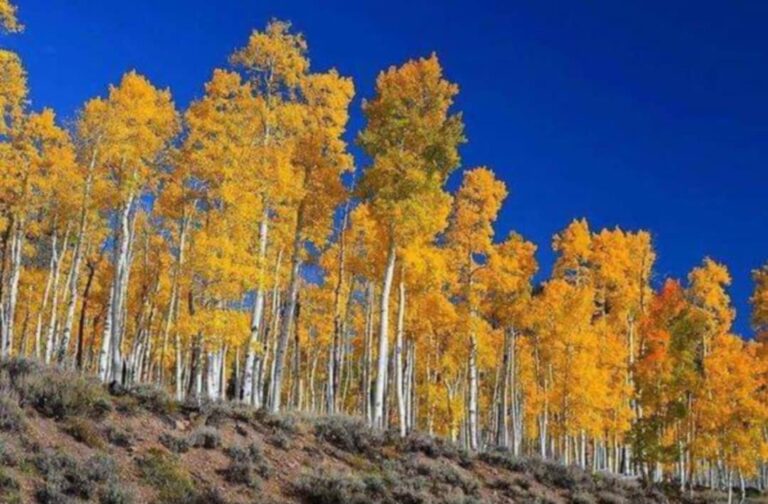
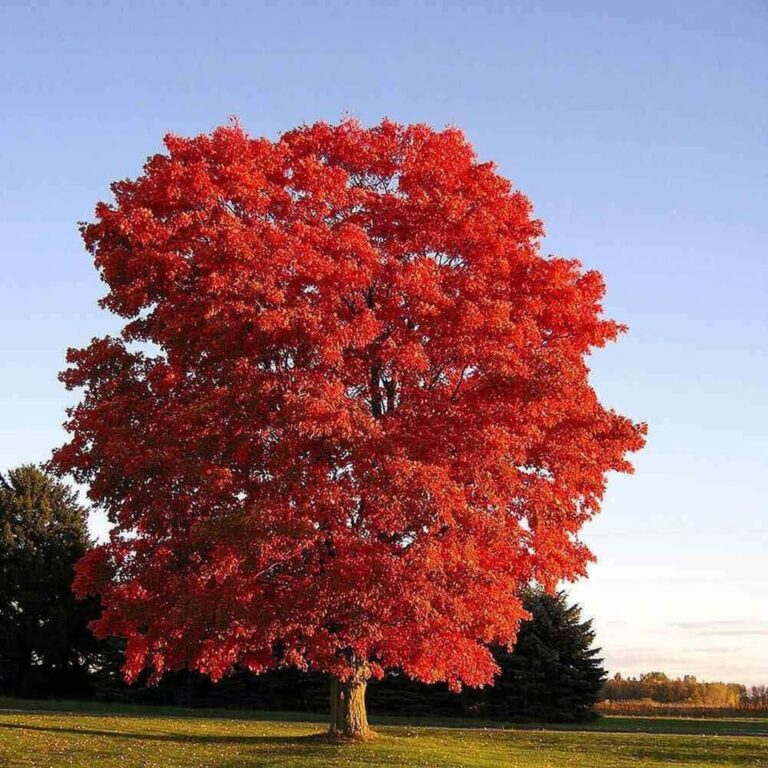
25 Trees to Plant in Memory of Someone (Names, With Pictures)
Losing someone leaves a quiet space that nothing seems to fill. Many people look for a way to keep that person close. A tree can help.
A stone fades, and flowers wither. A tree keeps growing. It gives shade, shelter, and beauty long after the day it was planted.
I have seen families gather around a young sapling, each person adding a handful of soil. It was a simple moment, yet it brought real comfort. This guide will help you choose the right tree for that moment.
Why a Tree Makes a Meaningful Memorial
A memorial tree is a gift to the living as well as a tribute to the dead. It gives you a place to visit, to sit, and to remember.
It also does real good for the world. According to U.S. Forest Service scientists, urban trees across America store an estimated 708 million tons of carbon and absorb about 21 million tons more each year. Your single tree joins that quiet work.
Trees also lower household energy costs. A Forest Service study in Chicago found that raising tree cover by 10 percent can cut total heating and cooling energy use by 5 to 10 percent. The same study showed that the long-term benefits of planting and caring for trees are more than twice their costs.
So your memorial does three things at once. It honors a life, it comforts the family, and it helps the planet.
Now, let us look at 25 trees that families often choose.
25 Trees to Plant in Memory of Someone
1. Oak
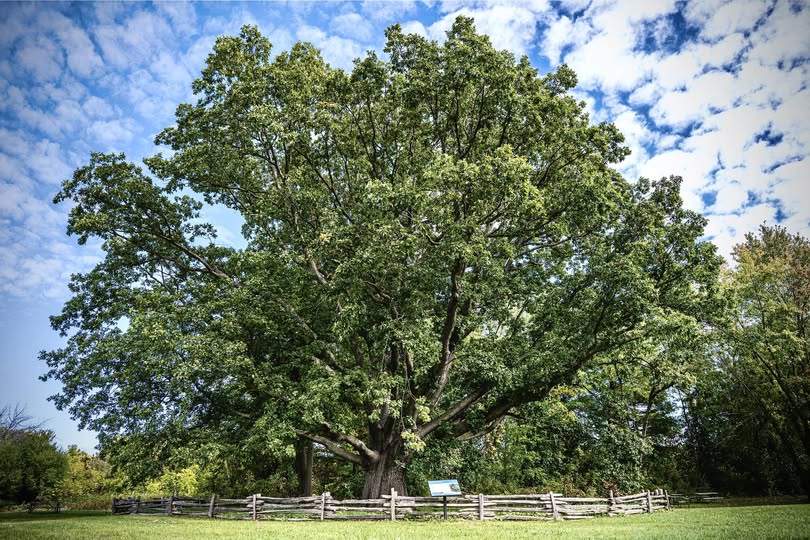
The oak is a classic symbol of strength and endurance. Many oak species can live for hundreds of years. That makes it a fitting tribute to a strong, steady person.
Oaks also support wildlife. Birds, squirrels, and countless insects depend on them. Your memorial becomes a small ecosystem.
Give an oak plenty of room. It grows slowly at first, but it will become a magnificent shade tree. It is truly a gift for future generations.
2. Sugar Maple
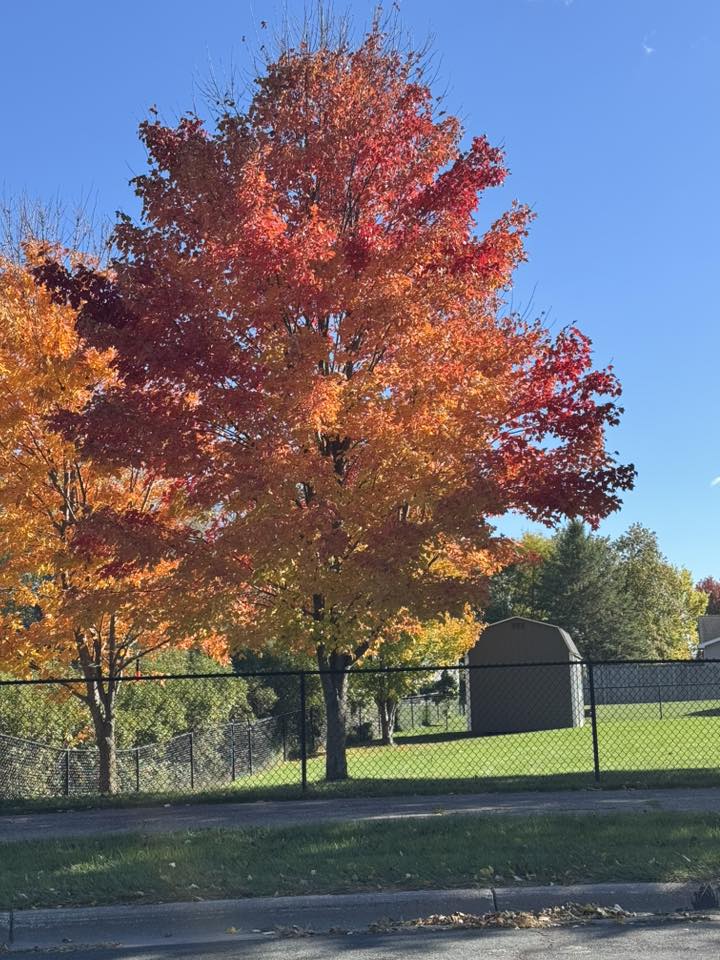
Maples are loved for their brilliant fall color. Red, orange, and gold leaves make every autumn feel special. For many families, that yearly show becomes a ritual of remembrance.
Sugar maples grow best in cool or temperate regions. They like rich, well-drained soil.
If you live in a warmer area, look at red maples. They tolerate a wider range of conditions and still give lovely color.
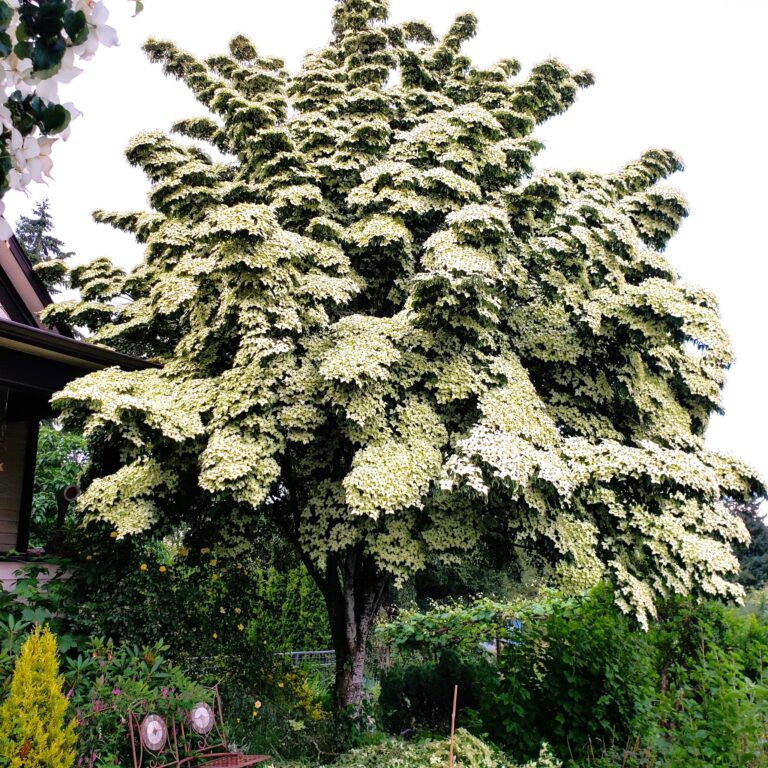
3. Dogwood
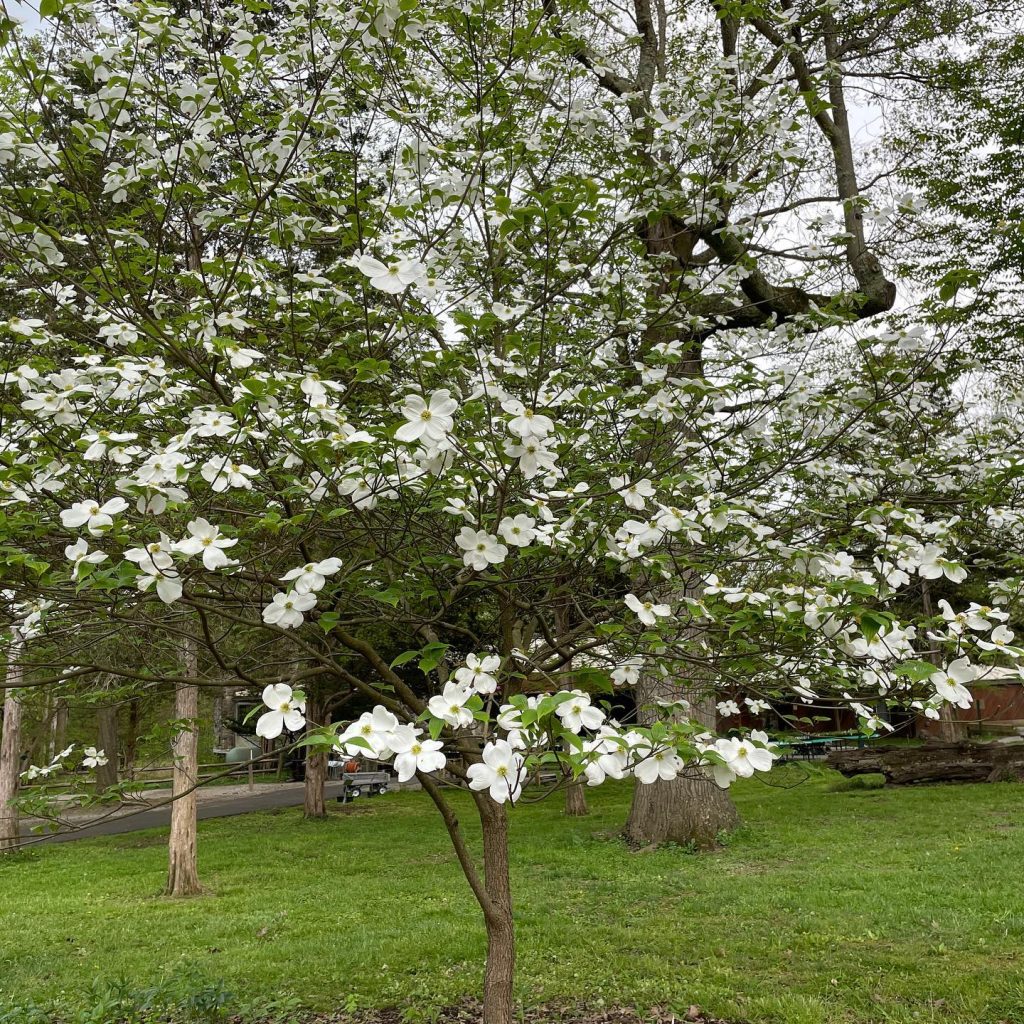
The flowering dogwood is a gentle, graceful tree. Its white or pink spring blossoms feel like a promise of renewal and new life.
It stays small, usually 15 to 25 feet tall. That makes it perfect for a modest garden or a corner of the yard.
Dogwoods prefer partial shade and moist soil. Plant one where you can see it from a window, and enjoy it every spring.
4. Cherry Tree
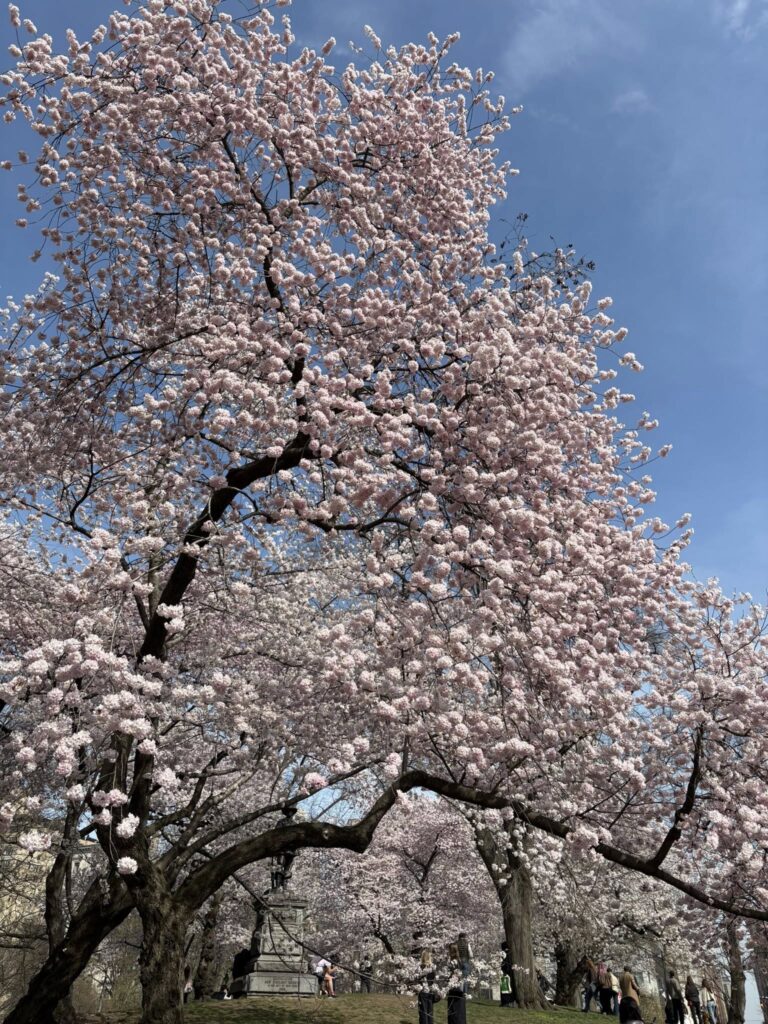
Cherry trees bloom with clouds of pink and white flowers. The blossoms last only a short time. In Japanese culture, that brief beauty reminds people of how precious life is.
I find this idea moving. A cherry tree does not pretend that time stands still. It teaches us to treasure what we have.
Choose a variety that fits your climate. Ornamental cherries need full sun and well-drained soil.
5. Magnolia
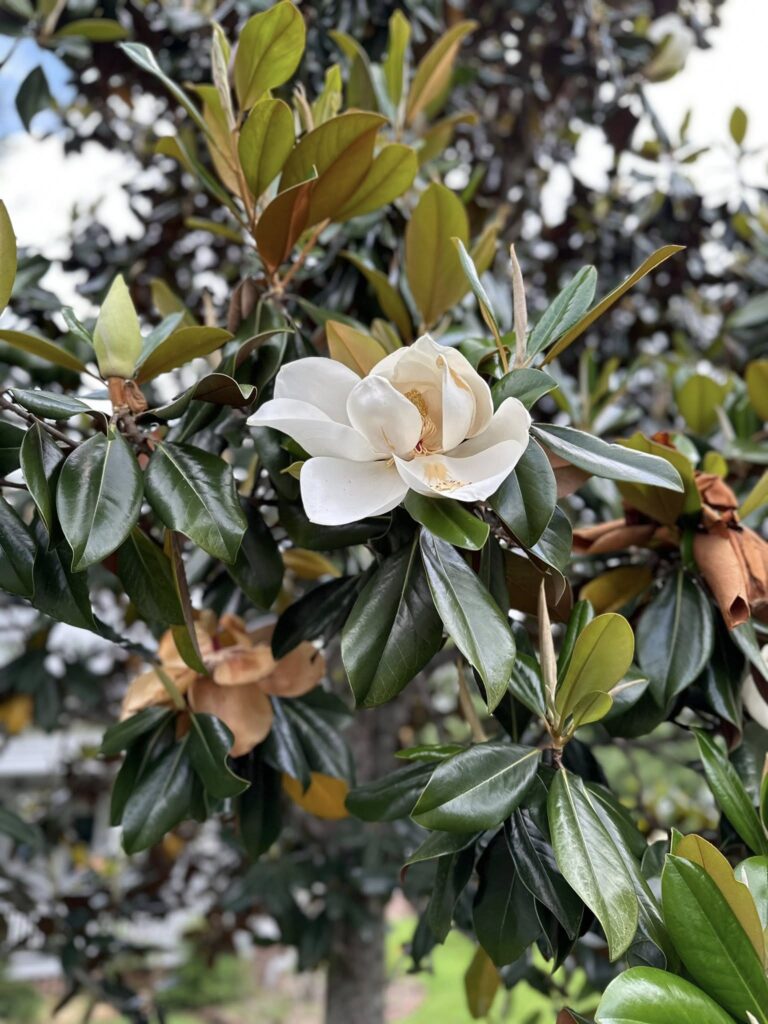
The magnolia is bold, elegant, and full of character. Its large, fragrant flowers stand for dignity and perseverance.
Southern magnolias are evergreen and keep their glossy leaves all year. Saucer magnolias lose their leaves but flower early in spring.
Magnolias need room to spread. They are an ideal choice for someone who stood out for their grace and quiet strength.
6. Weeping Willow
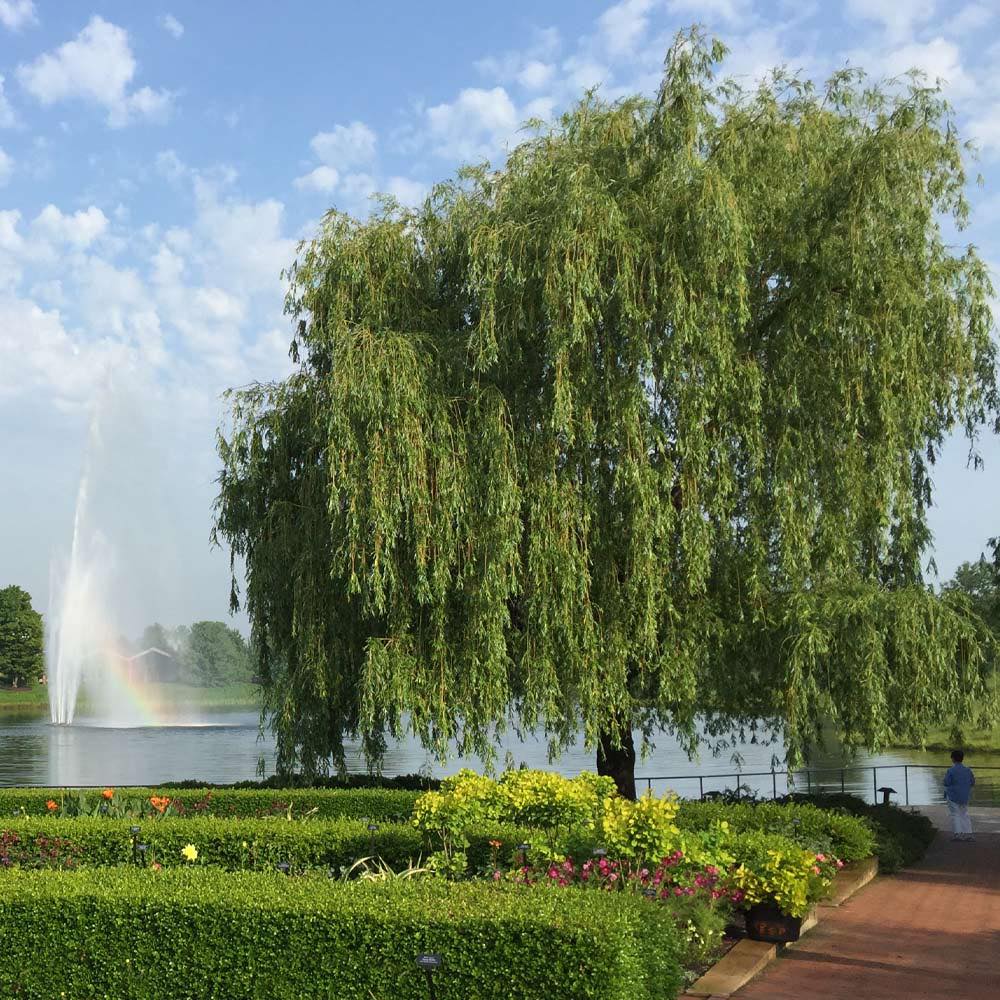
The weeping willow is one of the oldest symbols of grief and mourning. Its long, drooping branches look like falling tears. For many people, that image feels honest and comforting.
It grows fast and loves water. A pond, a stream, or a damp corner of the yard suits it best.
One warning: willow roots spread widely. Keep them away from pipes, drains, and foundations.
7. Eastern Redbud

The redbud bursts into pink-purple blossoms in early spring, often before its leaves appear. It reminds us that beauty can return after a hard season.
This small tree is easy to grow. It fits well in most home gardens and tolerates a range of soils.
Its heart-shaped leaves are a sweet bonus. A redbud is a lovely memorial for someone with a warm, loving heart.
8. Japanese Maple
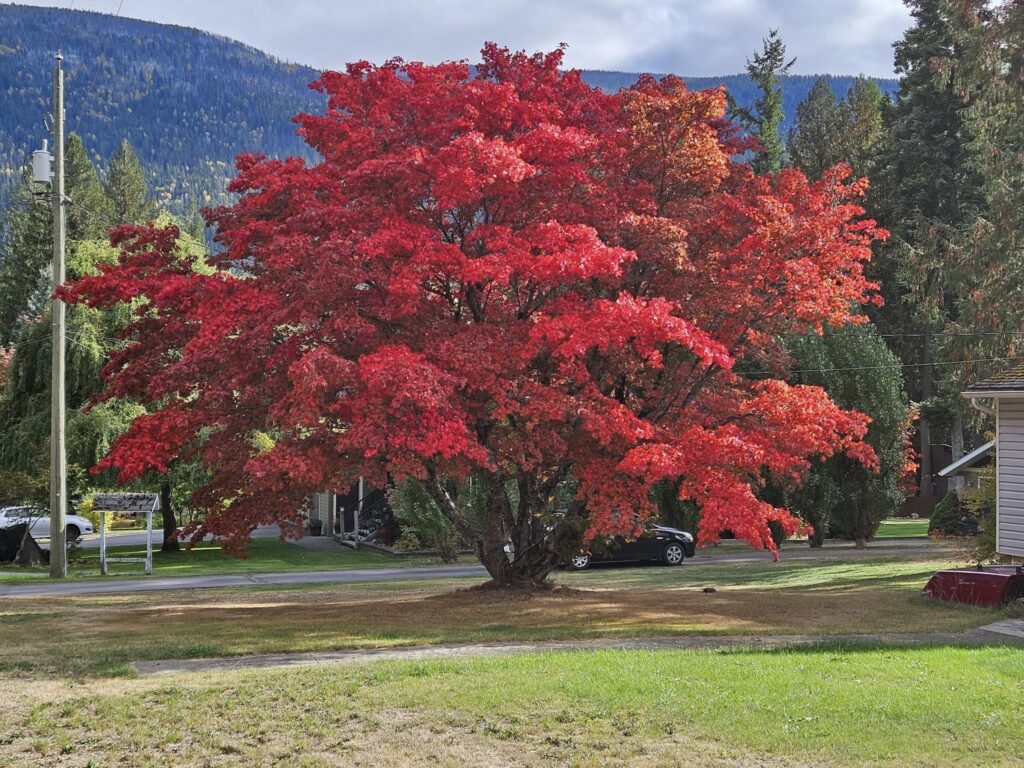
The Japanese maple is calm and sculptural. Its delicate, lacy leaves bring a feeling of peace and reflection. A bench placed beneath it makes a perfect quiet corner.
It stays small, often 15 to 25 feet tall. Many varieties thrive in pots, too.
Plant it where it gets morning sun and afternoon shade. Harsh afternoon heat can scorch the leaves.
9. River Birch
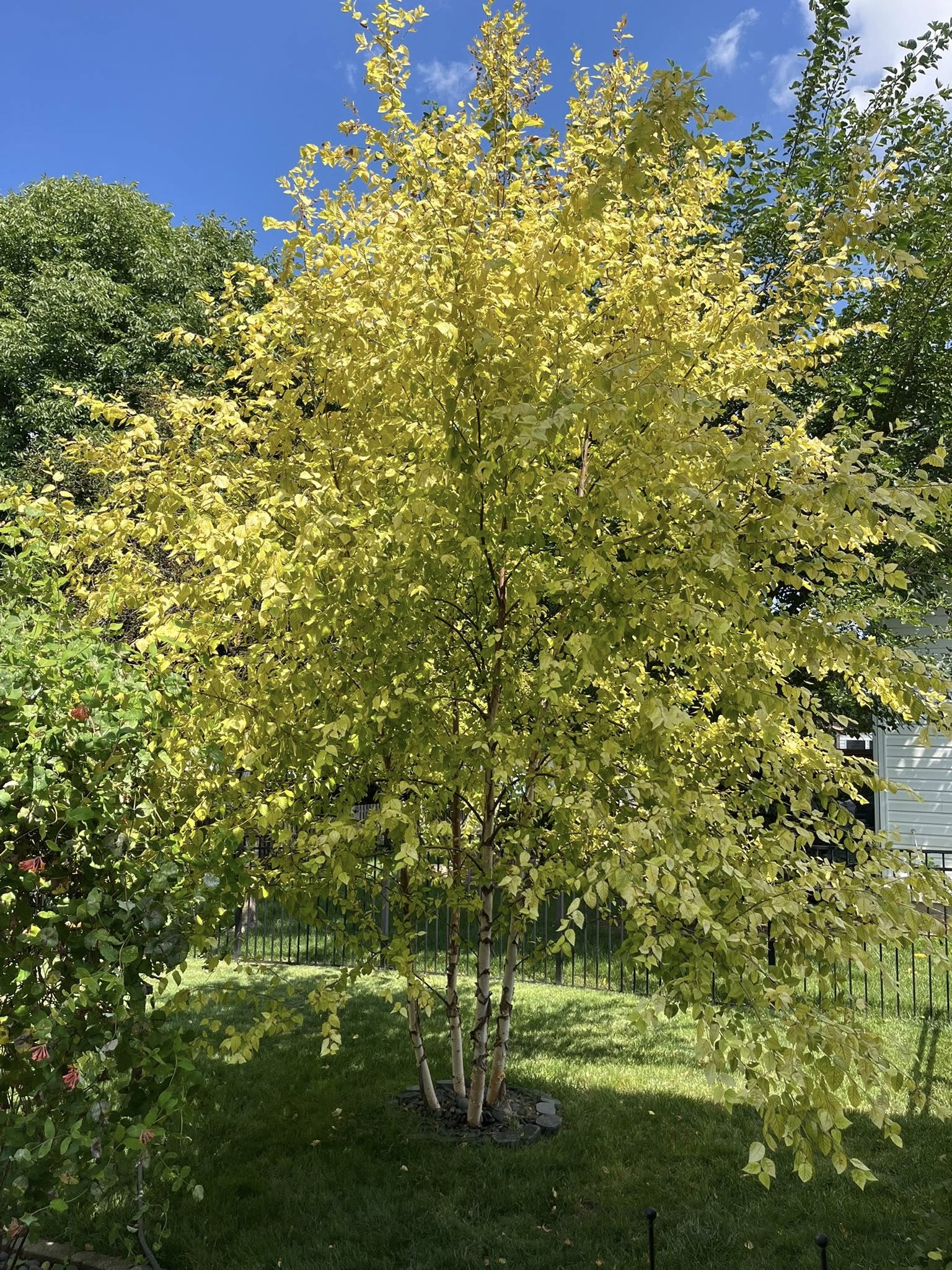
The river birch has peeling, papery bark in shades of cream and cinnamon. Many cultures link birches with new beginnings and fresh starts.
It is also a tough, adaptable tree. It handles heat and wet soil better than many other birches.
Plant a clump of three for a striking effect. It makes a beautiful memorial for someone who brought light into every room.
10. Ginkgo
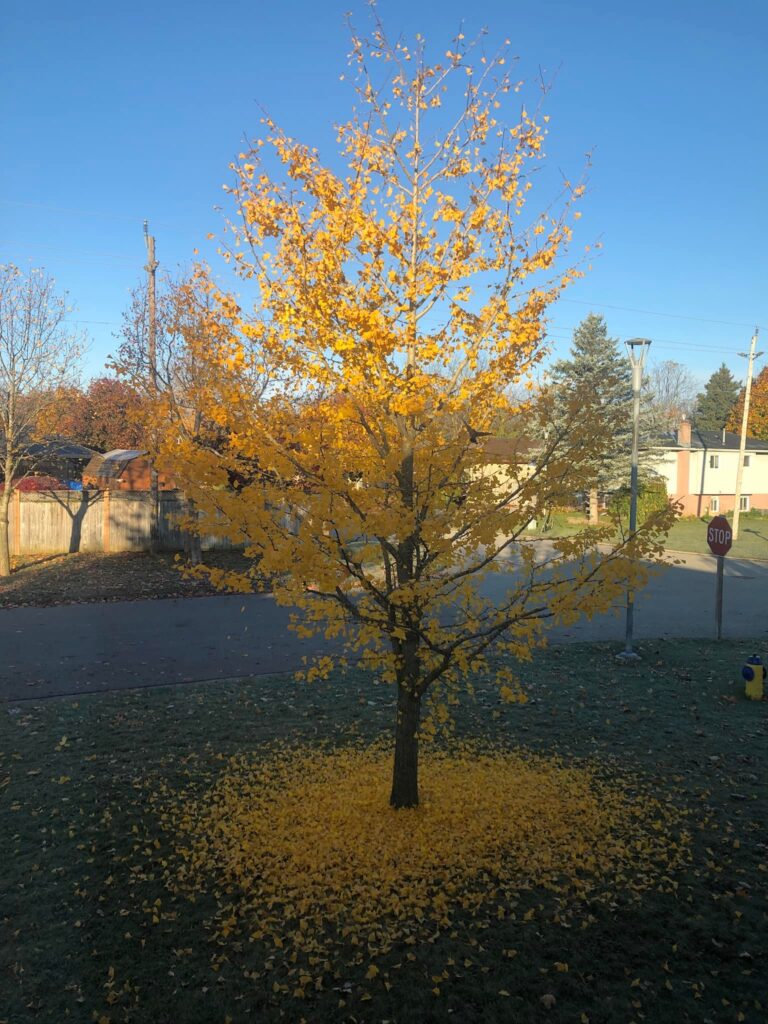
The ginkgo is often called a living fossil, because the species has existed for an enormous span of time. It stands for longevity and resilience.
Its fan-shaped leaves turn a brilliant yellow in autumn. They often drop all at once, creating a golden carpet.
Choose a male tree. Female ginkgoes produce fruit that smells unpleasant when it falls.
11. Linden
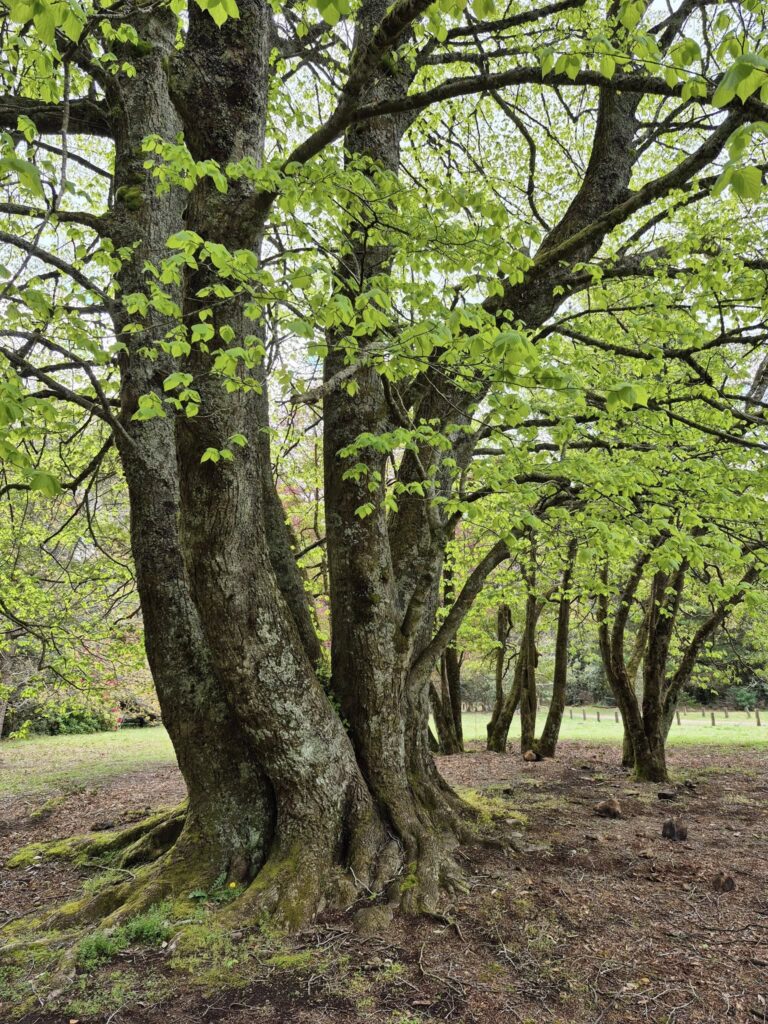
The linden, also called the basswood, is a gentle shade tree with heart-shaped leaves. In European folklore, it has long stood for love and friendship.
In early summer, it produces fragrant flowers. Honeybees adore them, so your memorial supports pollinators too.
Lindens grow into large, rounded trees. They suit a spacious yard or a quiet park setting.
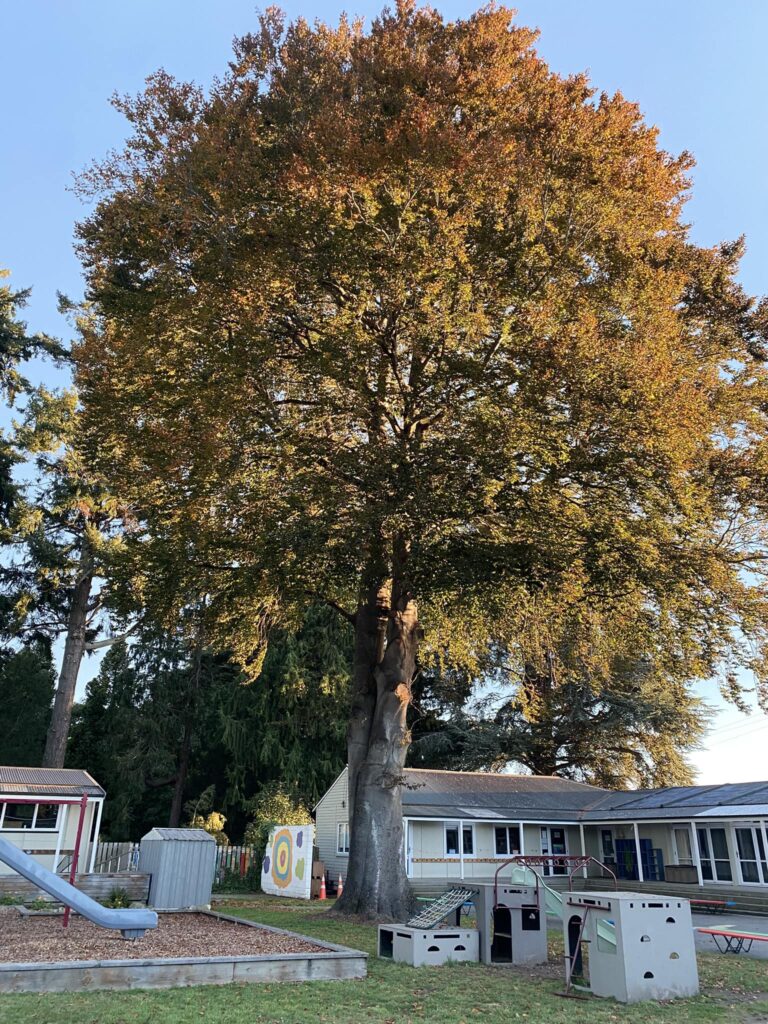
12. American Beech
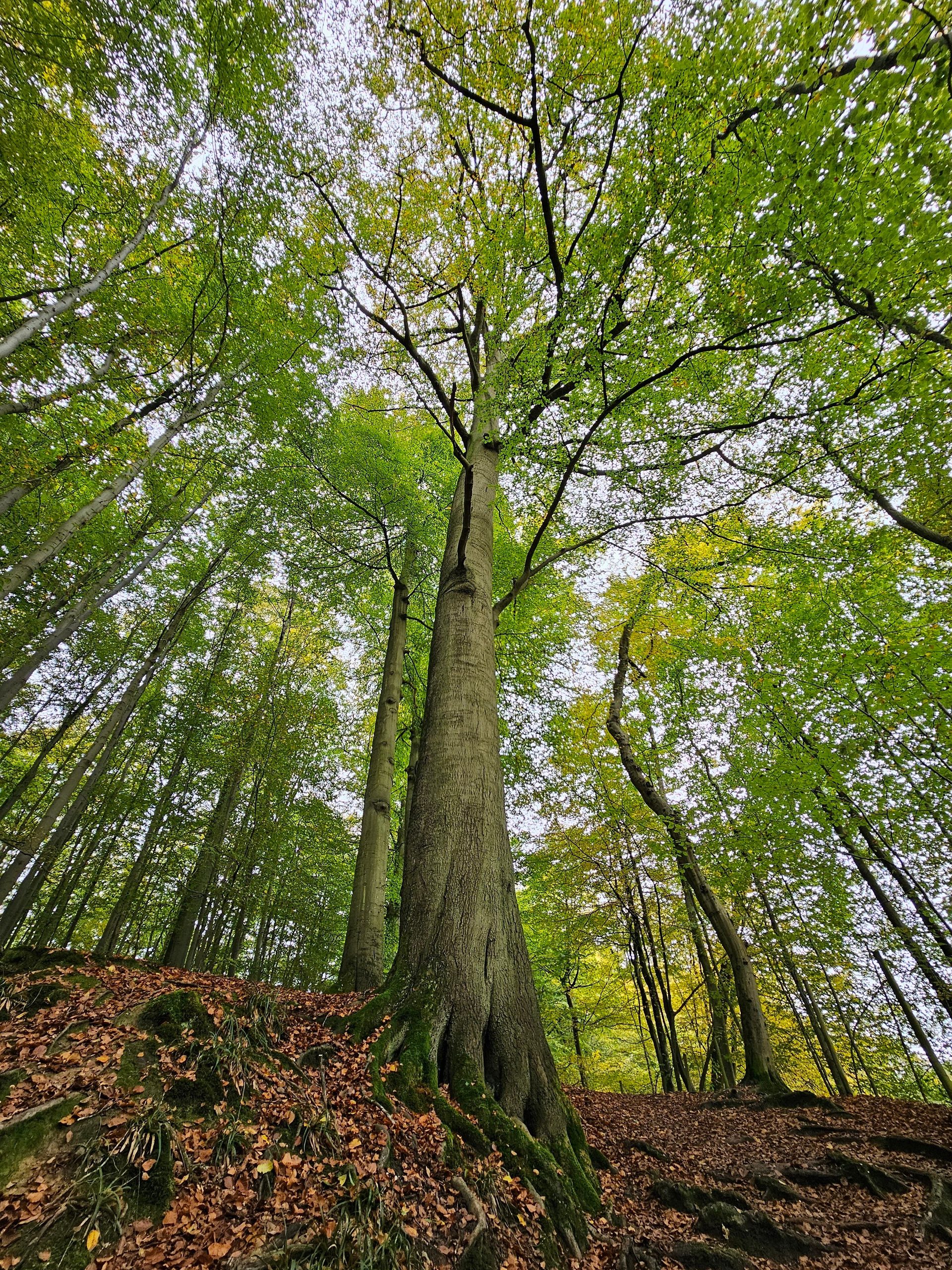
The beech has smooth, silvery-gray bark and a majestic shape. It is a symbol of wisdom and quiet strength.
It grows slowly, but it rewards patience. Its leaves turn golden bronze in the fall and often cling on through winter.
Give it deep, rich soil and plenty of space. A beech is a fine choice for a grandparent or a respected elder.
13. Crabapple
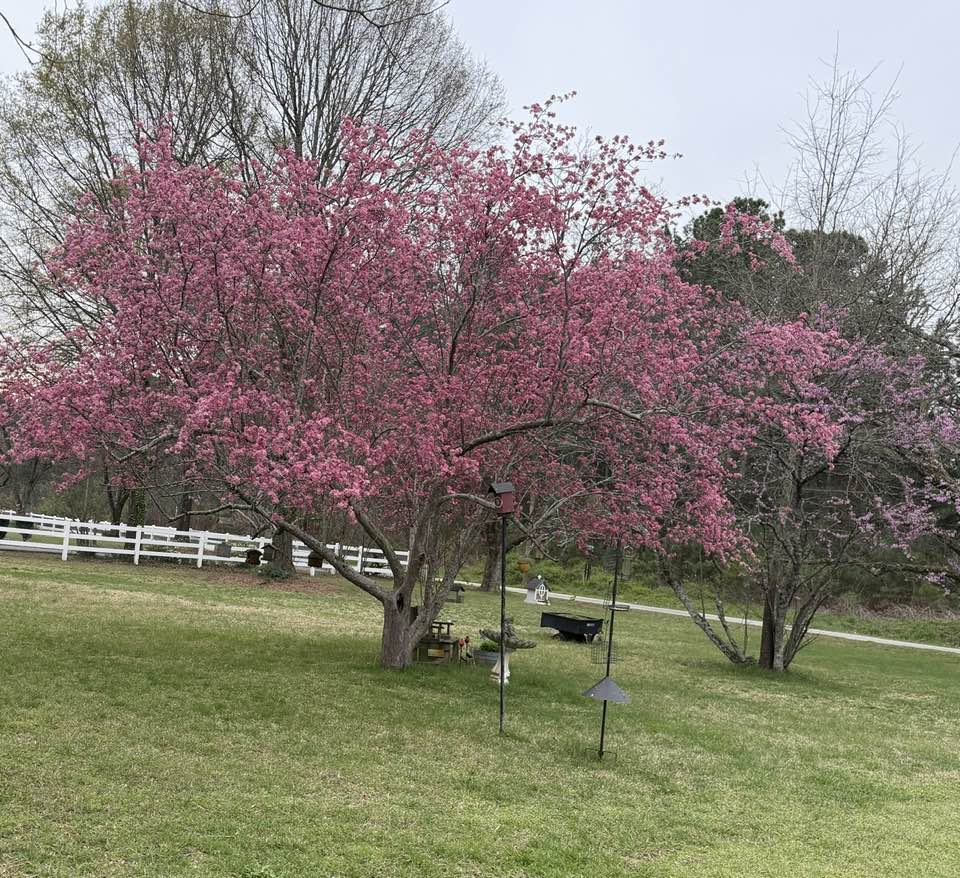
The crabapple is a cheerful tree. In spring, it covers itself in white, pink, or red blossoms. In autumn, small fruits feed birds and other wildlife.
It represents joy and abundance. It works well for someone who was generous and full of life.
Look for disease-resistant varieties. They stay healthy with much less effort from you.
14. Serviceberry

The serviceberry is a favorite for small gardens. It offers white spring flowers, edible summer berries, and fiery fall color. That is three seasons of beauty from one tree.
Birds love the berries, and so do people. You can pick them for pies and jams.
This tree stands for sharing and gratitude. It fits a person who loved gathering family around the table.
15. Eastern White Pine
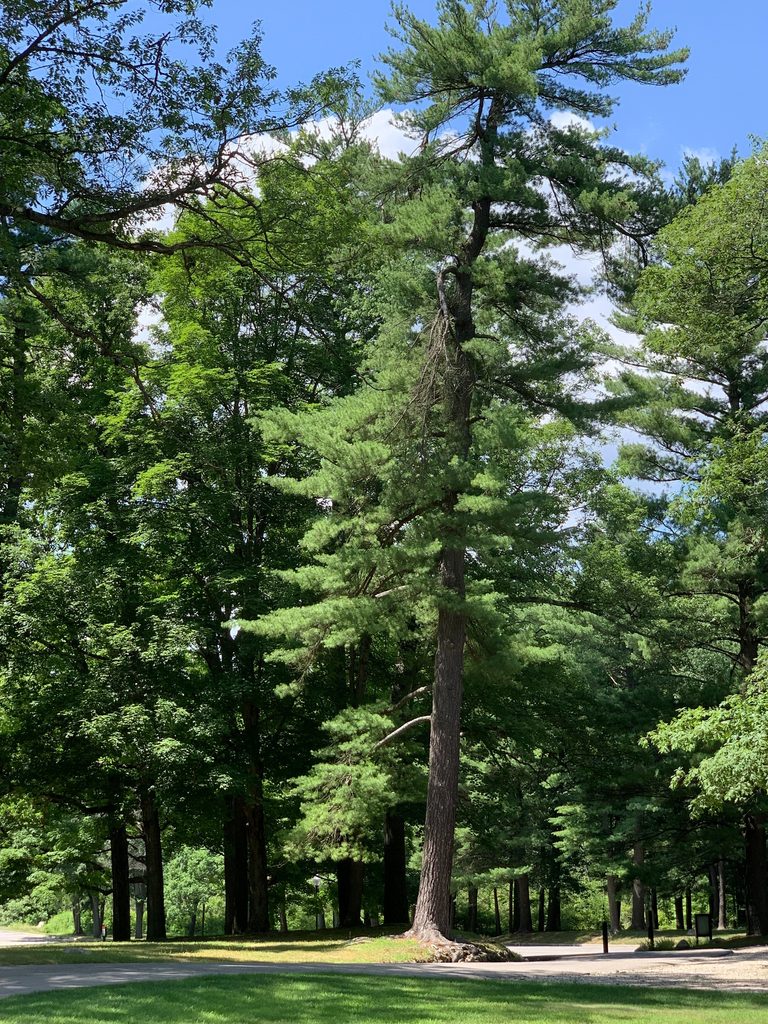
Pines stay green all year. For this reason, many people see them as a symbol of eternal life and endurance.
The eastern white pine grows tall and fast. Its soft needles and gentle sound in the wind are deeply calming.
It needs lots of space and full sun. Plant it where it can grow freely, and it will stand for decades.
16. Eastern Red Cedar
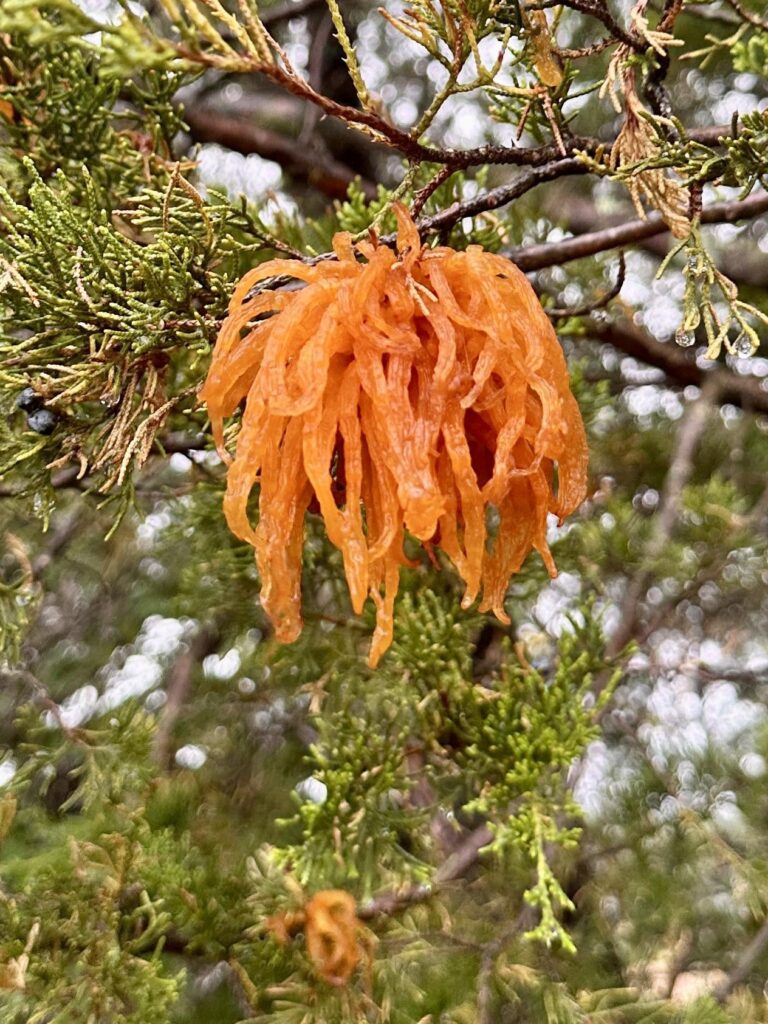
The red cedar is tough and long-lived. It handles poor soil, drought, and cold. That makes it a good memorial for someone who faced hardship with courage.
Its dense evergreen branches shelter birds in winter. The blue berry-like cones provide food, too.
Cedars carry a fresh, woody scent. Many people find it comforting and familiar.
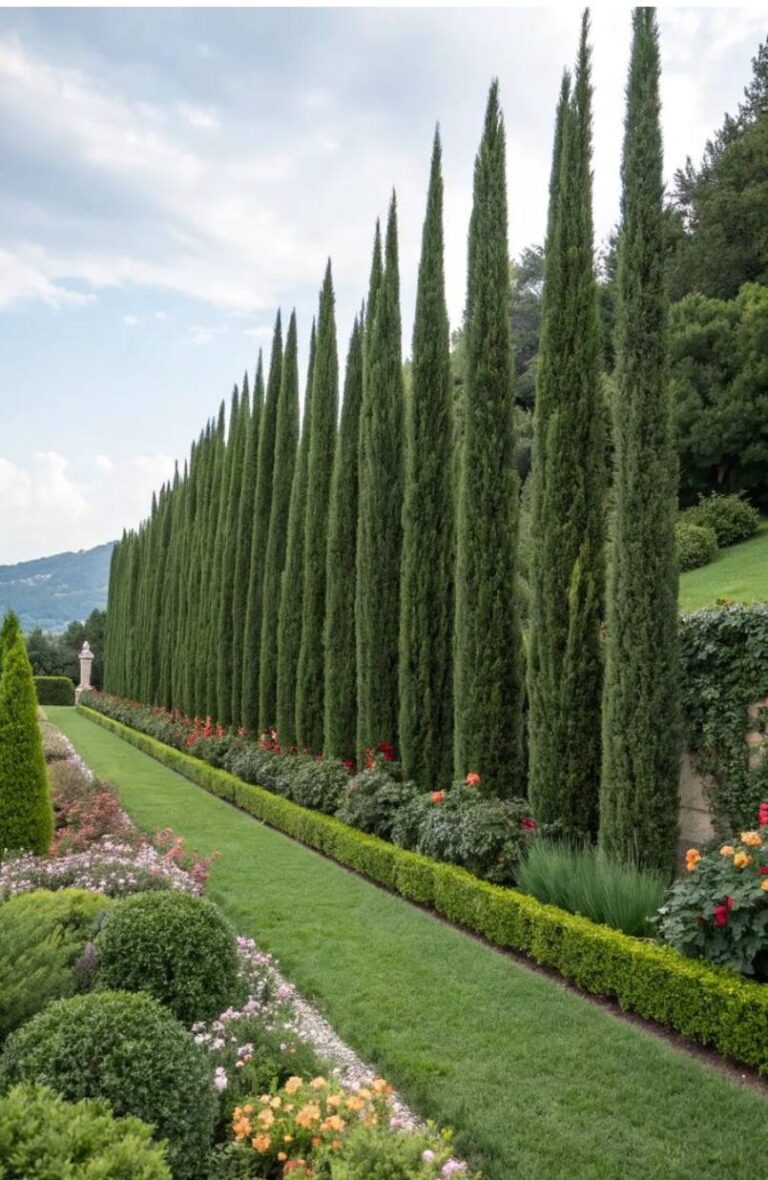
17. Italian Cypress
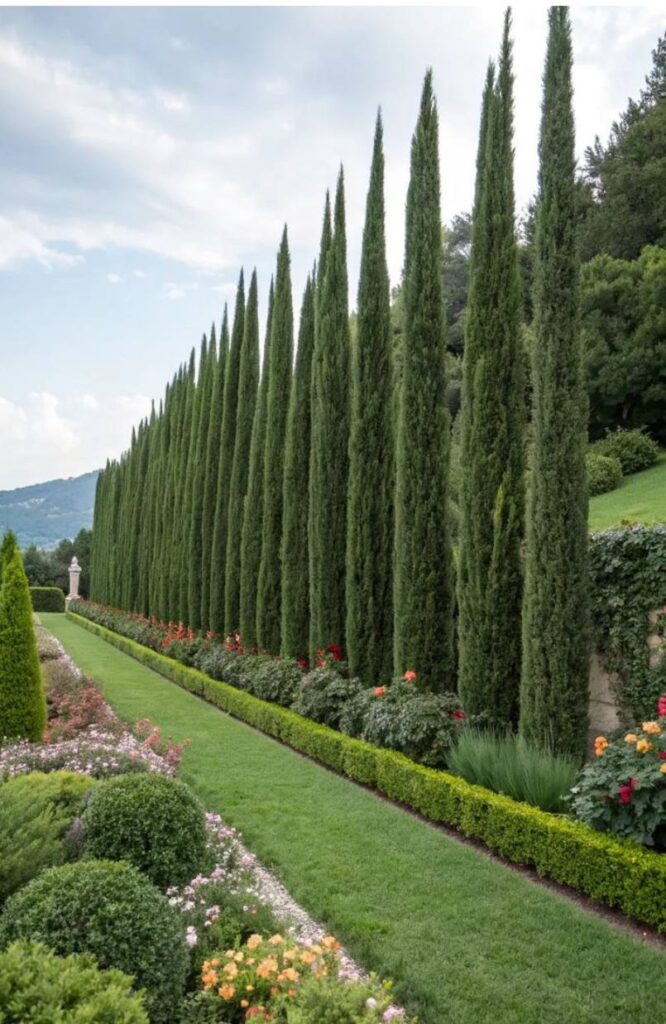
The cypress has long been planted in cemeteries and gardens around the Mediterranean. It stands as a symbol of remembrance and eternal life.
Its tall, narrow shape looks elegant and formal. It works well as a pair framing a path or a gate.
It prefers warm, dry climates. In cold regions, look for hardier cypress varieties.
18. Olive Tree
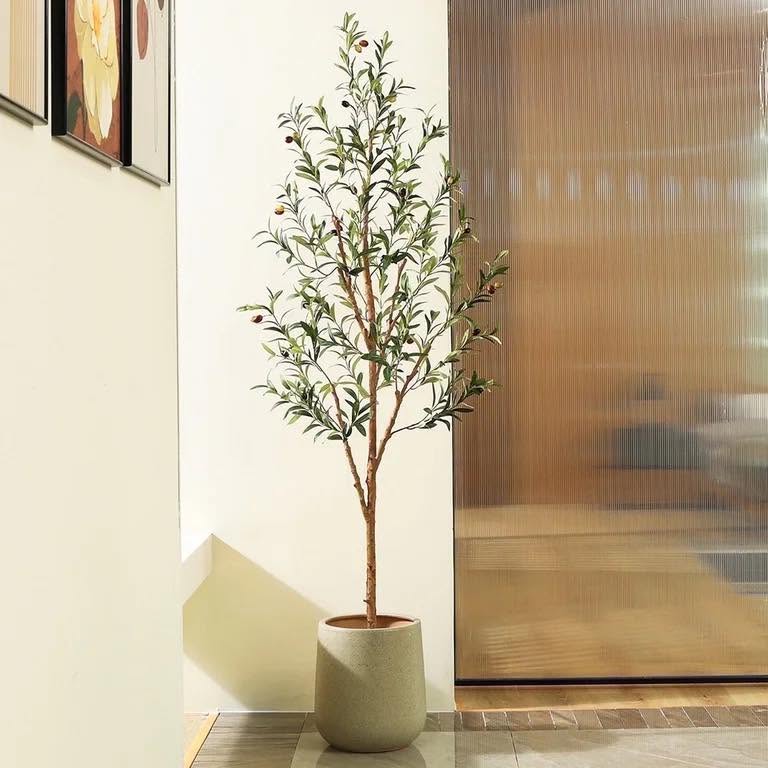
The olive tree is a worldwide emblem of peace and reconciliation. It suits someone known for kindness and calm.
Olive trees can live for centuries. Their silvery leaves shimmer in the breeze and look lovely all year.
They need warm weather and well-drained soil. In cooler areas, grow one in a large pot and bring it indoors for winter.
19. Apple Tree
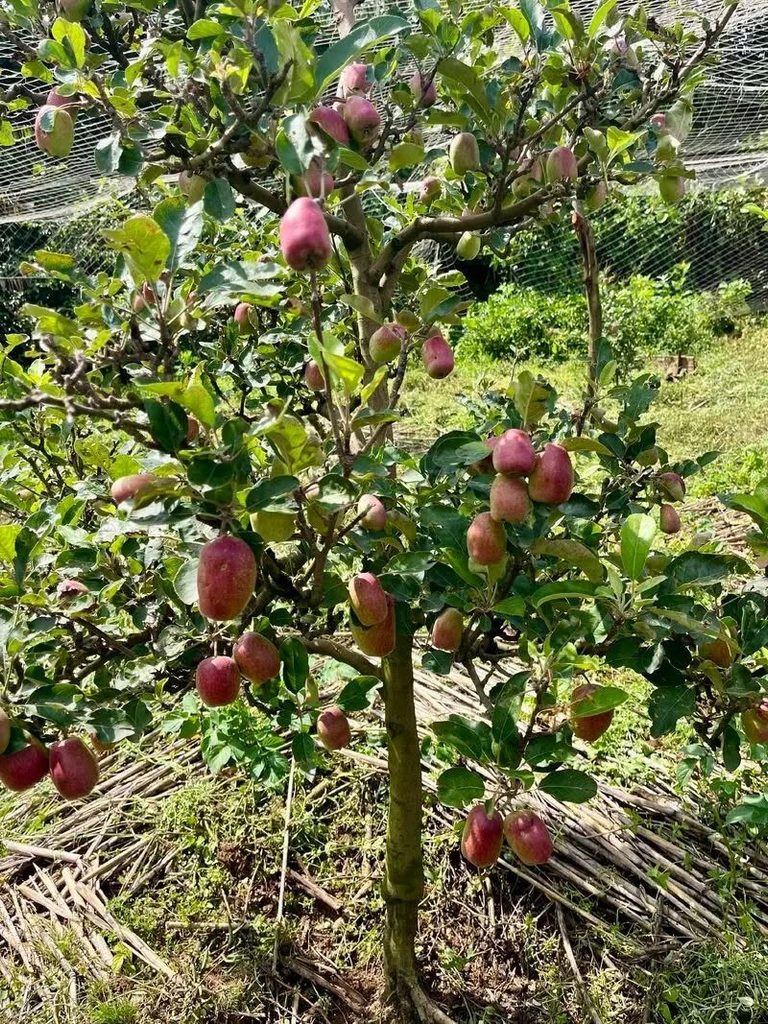
An apple tree gives something back every year. Each autumn, the family can pick fruit and share it. This makes it a very personal and practical memorial.
Many families bake a pie from the first harvest. That small tradition keeps a loved one’s memory alive at the table.
Most apple trees need a second variety nearby for pollination. Dwarf types work well in small yards.
20. Fig Tree
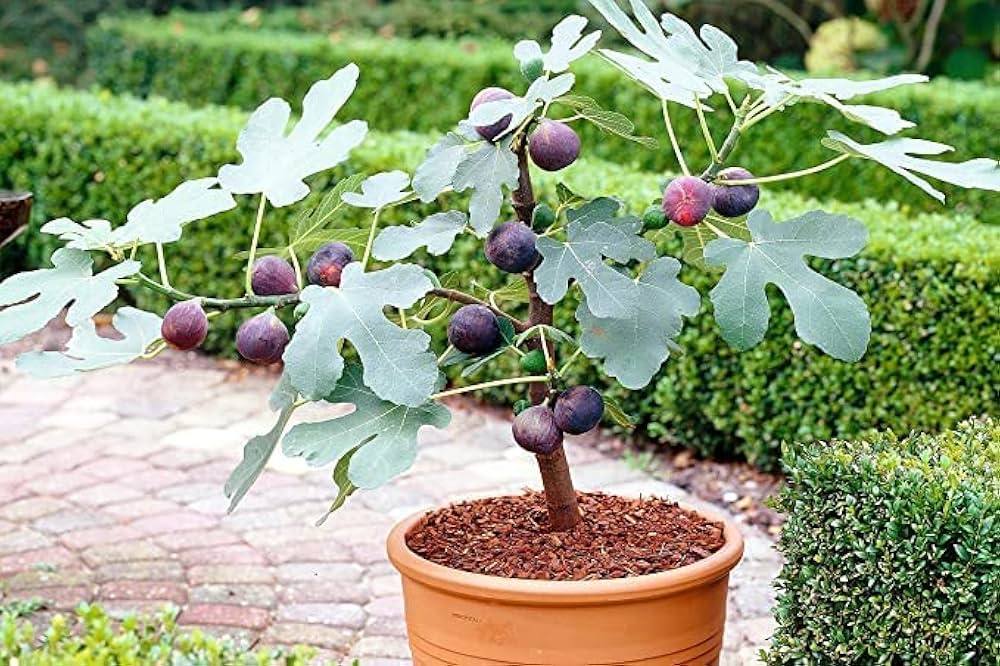
The fig tree stands for abundance, peace, and plenty. It has a rich place in many cultures and traditions.
It grows well in warm climates. Some hardy types can survive colder winters with good protection.
Its large, bold leaves add a tropical feel. Fresh figs are a sweet reward for the care you give.
21. Jacaranda
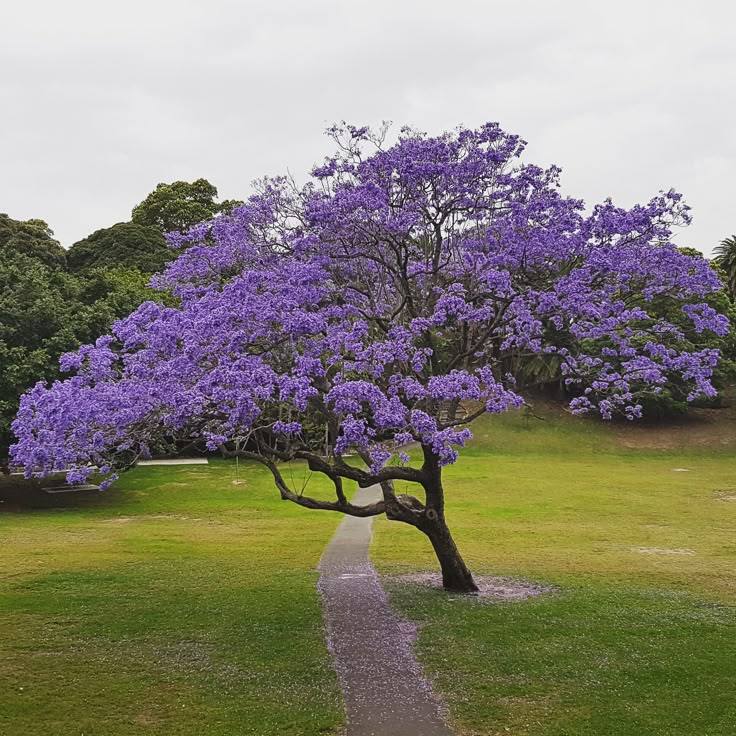
In warm regions, the jacaranda is a showstopper. In season, it covers itself in clouds of lavender-purple flowers. The fallen blossoms form a soft purple carpet below.
It symbolizes renewal and rebirth. For many people in warm climates, it marks a hopeful time of year.
Jacarandas need sun and frost-free weather. Plant one away from parked cars, as the petals can stain.
22. Pecan
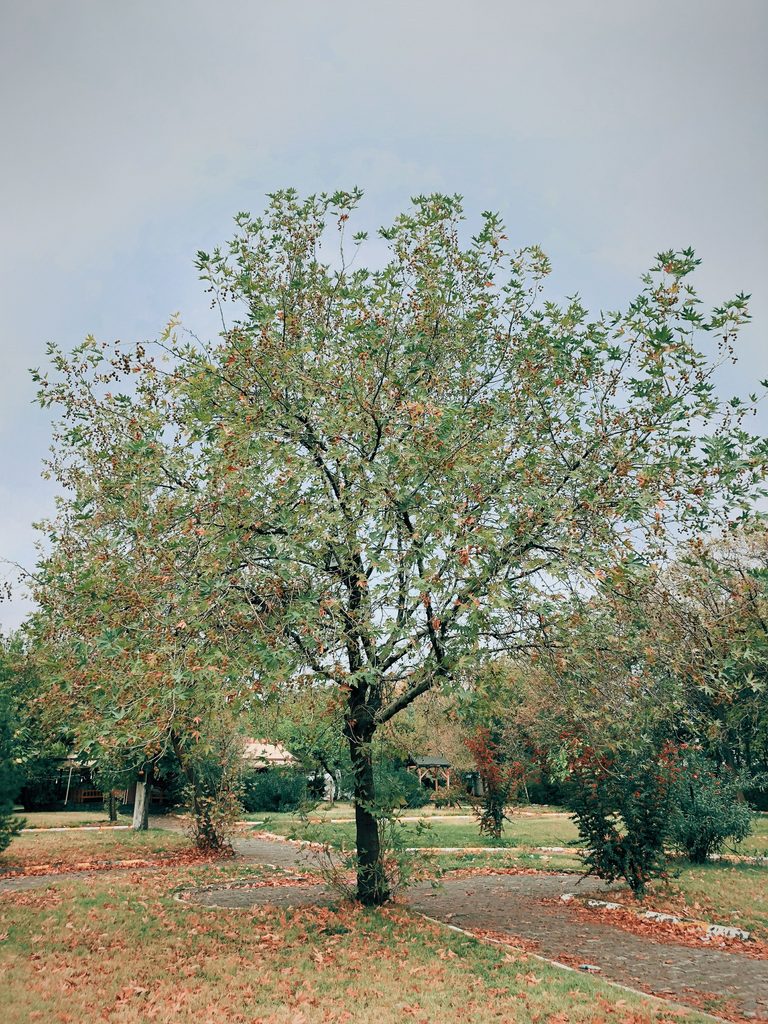
The pecan is a grand, long-lived nut tree. It gives shade, food, and legacy all in one. Future generations will gather its nuts.
It needs a lot of room and warm summers. This is a tree for a big yard or open land.
Plant it with the future in mind. Your great-grandchildren may enjoy its harvest.
23. American Sycamore
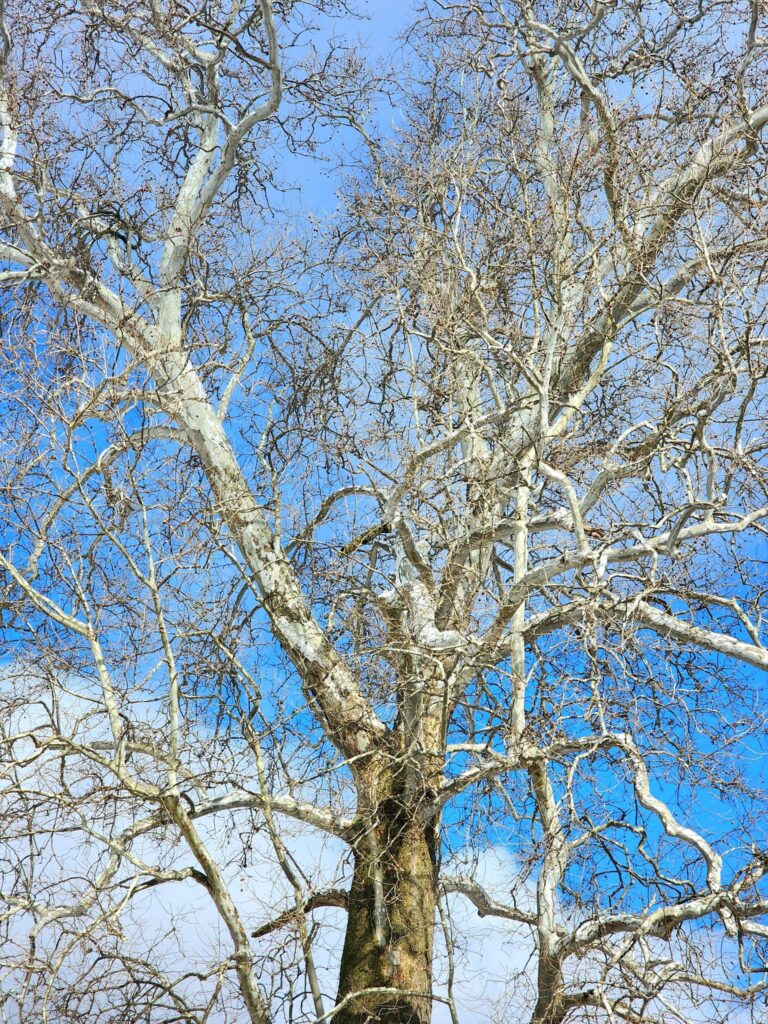
The sycamore is a giant. Its patchwork bark flakes off in shades of green, white, and tan. It stands for protection and shelter.
It grows quickly and offers deep, cool shade. It prefers moist soil and open space.
I recommend it only for large properties. Its size and falling leaves are best suited to parks and wide lawns.
24. American Holly
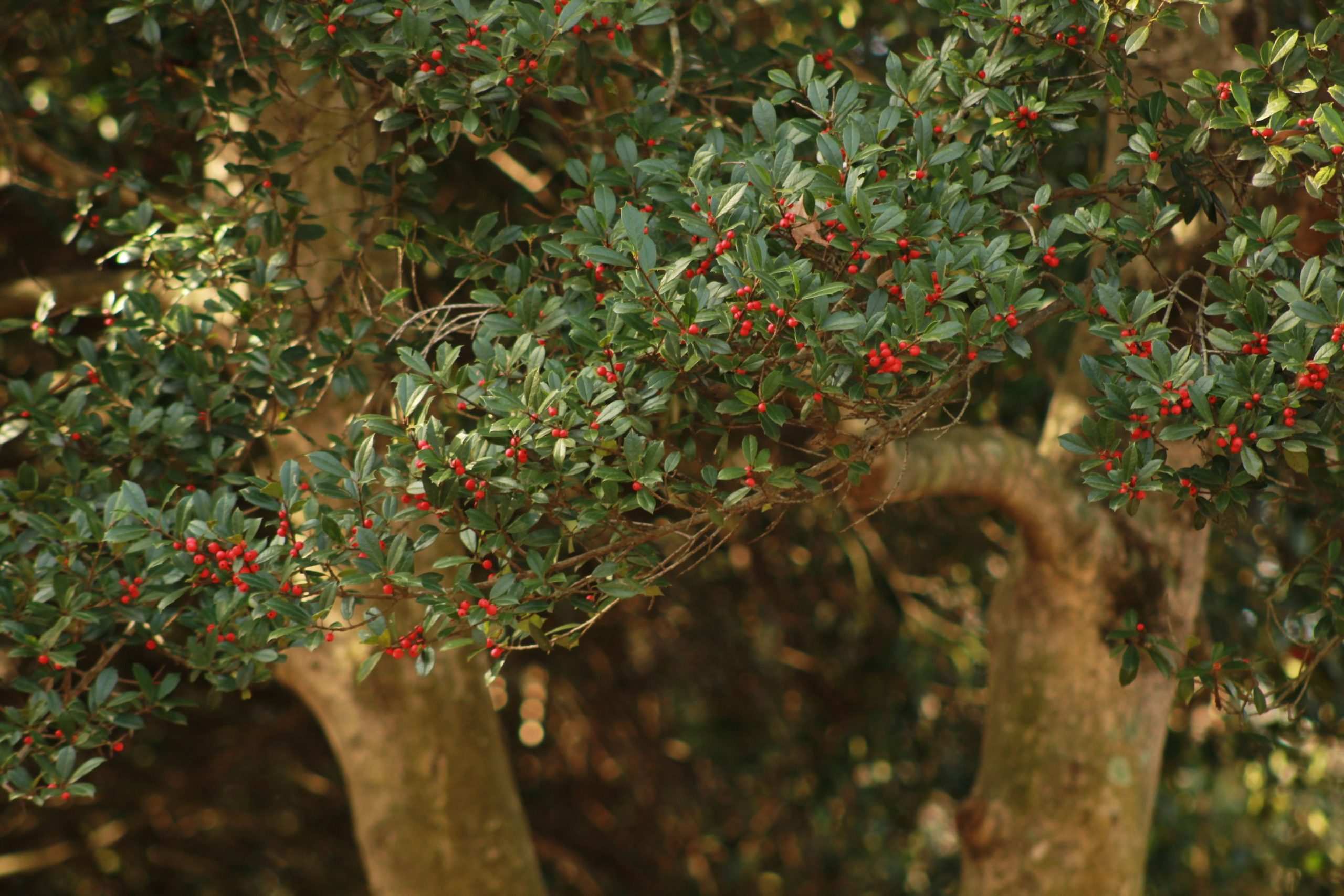
The holly keeps its glossy green leaves through the coldest months. Its red berries bring cheer in winter. It stands for hope and endurance during hard seasons.
Holly trees are either male or female. Only females produce berries, and they need a male nearby.
Birds enjoy the berries and the shelter. It is a lovely choice for a loved one who loved Christmas and family.
25. Colorado Blue Spruce
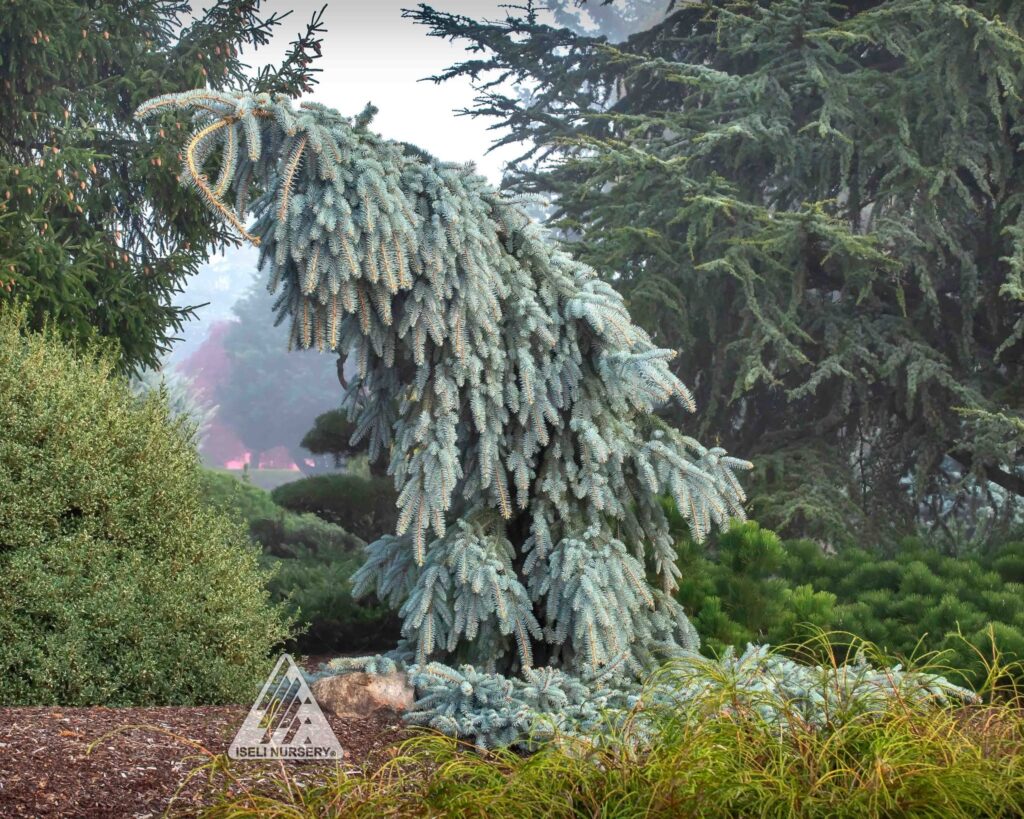
The blue spruce is striking, with silvery-blue needles and a perfect cone shape. It symbolizes steadfastness and everlasting memory.
It thrives in cold climates and full sun. It grows slowly at first, then reaches impressive size.
Plant it in an open spot with good air movement. A well-placed spruce is a lasting landmark.
How to Choose the Right Memorial Tree
Before you pick a species, think about three simple questions.
- What did the person love? A fruit lover might deserve an apple tree. A person who adored spring might be remembered by a cherry in bloom.
- What will grow well where you live? In the United States, the USDA Plant Hardiness Zone Map shows which plants survive local winters. Wherever you live, check your local climate and ask a nearby nursery for advice.
- How much space do you have? The University of Minnesota Extension advises that the first step is to choose a location that fits the tree’s mature height and width. A tree that is too big for the spot will cause trouble later.
How to Plant a Memorial Tree the Right Way
A tree planted badly may struggle for years. A few simple steps can make a big difference.
Plant at the correct depth. This is the most common mistake. Researchers at Bartlett Tree Research Laboratories dug up 363 newly planted trees and found that 93 percent had too much soil or mulch covering the root flare.
Dig a wide hole. University of Illinois Extension notes that wider is better than deeper, and that digging too deep is the most common planting mistake. The University of Minnesota suggests a hole about twice the width of the container.
Mulch, but carefully. Nebraska Extension reports that a 2 to 3 inch layer of wood chip mulch can nearly double plant growth in the first few years. Keep the mulch a few inches away from the trunk.
Water well. Soak the soil deeply after planting and through the first two summers. Young roots need steady moisture.
Stake only if needed. If you stake the tree, remove the stakes after one year, as University of Minnesota Extension advises.
Spring and autumn are usually the best planting seasons. Mild weather helps roots settle without stress.
Ways to Personalize Your Memorial Tree
A tree becomes more meaningful when it carries a personal touch. Here are a few simple ideas.
- Add a small plaque or stone with a name and dates.
- Place a bench nearby so visitors can sit and reflect.
- Plant on a special date, such as a birthday or anniversary.
- Invite family and friends to help with the planting.
- Share a memory aloud as each person adds soil.
These small acts turn planting into a ceremony. In my experience, that is what people remember most.
Final Thoughts
Grief does not follow a schedule. Some days it feels heavy, and some days it feels light. A memorial tree can stand with you through both.
Choose a tree that matches the person you loved. Think about their personality, their favorite season, and the place they called home. Then plant it with care, and give it time.
Years from now, you may sit in its shade and feel close to them again. That is the quiet gift a tree can give.
References
- U.S. Department of Agriculture. Urban Trees Store Carbon, Enhance the Environment, Provide Economic Benefits. https://www.usda.gov/node/17159
- USDA Forest Service Research & Development. Chicago’s Urban Forest Ecosystem: Results of the Chicago Urban Forest Climate Project. https://research.fs.usda.gov/treesearch/4285
- NC State University, College of Natural Resources. 5 Benefits of Urban Forests. https://cnr.ncsu.edu/news/2022/04/5-benefits-of-urban-forests/
- University of Minnesota Extension. Planting Trees and Shrubs. https://extension.umn.edu/news/planting-trees-and-shrubs
- University of Nebraska–Lincoln Extension. Tree Planting Depth. https://hles.unl.edu/e278de61-a318-4514-83f6-c90a2bc92dcc.pdf
- University of Nebraska–Lincoln Extension (Lancaster County). Good Planting, Care Techniques Get Trees off to a Good Start. https://lancaster.unl.edu/good-planting-care-techniques-get-trees-good-start/
- University of Illinois Extension. Tree and Shrub Planting Guide. https://extension.illinois.edu/sites/default/files/info_sheet_tree_planting.pdf

Tim M Dave is a gardening expert with a passion for houseplants, particularly cacti and succulents. With a degree in plant biology from the University of California, Berkeley, he has vast experience in gardening. Over the years, he has cultivated a vast collection of desert plants and learned a great deal about how to grow and care for these unique companions.