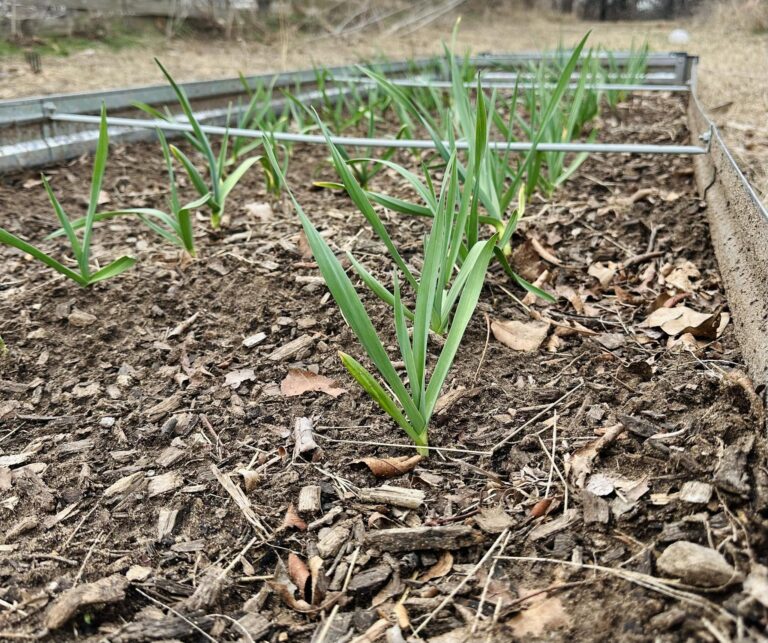
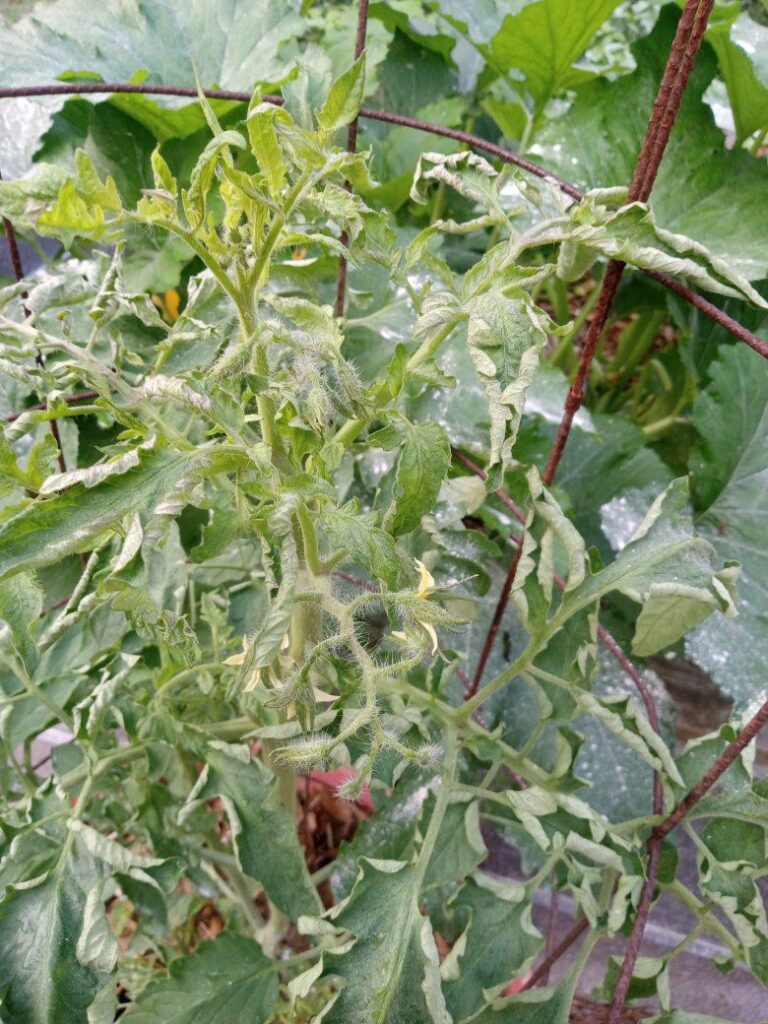
30 Deer Resistant Vegetables (With Growing Tips)
You plant your rows with care. You water them every evening. Then one morning, the leaves are torn and the young plants are gone.
I have seen this happen to gardeners more than once, and it never gets easier. Deer are quiet, patient, and very good at finding a free meal.
The good news is that you do not have to give up. Some vegetables are simply less attractive to deer. This guide explains which ones, why they work, and how to use them well.
Why Deer Visit Home Gardens
Deer are not just a rural problem anymore. Researchers estimate that the U.S. white-tailed deer population grew from about 500,000 in the early 1900s to roughly 25 to 30 million today, according to experts quoted in national reporting. That is a huge increase.
Suburban gardens often sit next to woodlots and open lawns. For a hungry deer, that is an ideal mix of food and cover.
Deer usually feed around dawn, dusk, and night. Because of this, you may never see the visitor. You only see the damage.
Deer also have no upper front teeth. The leaves and stems they eat show jagged, torn edges rather than a clean cut. That is a useful clue when you are not sure what is eating your plants.
What Makes a Vegetable Deer Resistant?
Deer rely heavily on smell and taste. They tend to skip plants with a strong scent, a bitter or toxic taste, or a rough, hairy texture.
According to the UConn Home and Garden Education Center, rhubarb is toxic to deer, and deer usually avoid root vegetables, prickly cucumbers, hairy-leaved squashes, and strongly scented crops such as onions, garlic, and fennel.
That gives us a clear starting point. Still, I want to be honest about one thing.
No vegetable is completely deer proof. The same UConn guidance warns that hungry deer are unpredictable and may eat even the most resistant plants. Think of these crops as your first line of defense, not a guarantee.
The 30 Best Deer-Resistant Vegetables
1. Garlic
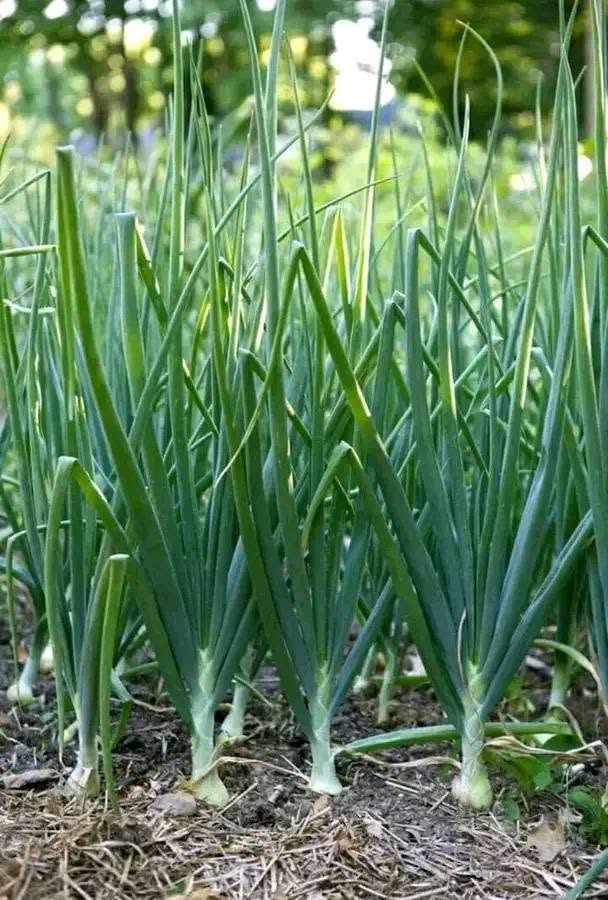
Garlic is the gold standard of deer-resistant crops. Its sharp smell comes from sulfur compounds, and deer simply do not like it. I always plant garlic first when a garden borders the woods.
It is also easy to grow. Plant cloves in autumn, and you will harvest bulbs the following summer.
Try planting garlic around the edge of your beds. The strong scent can help shield nearby, more tempting crops.
2. Onions
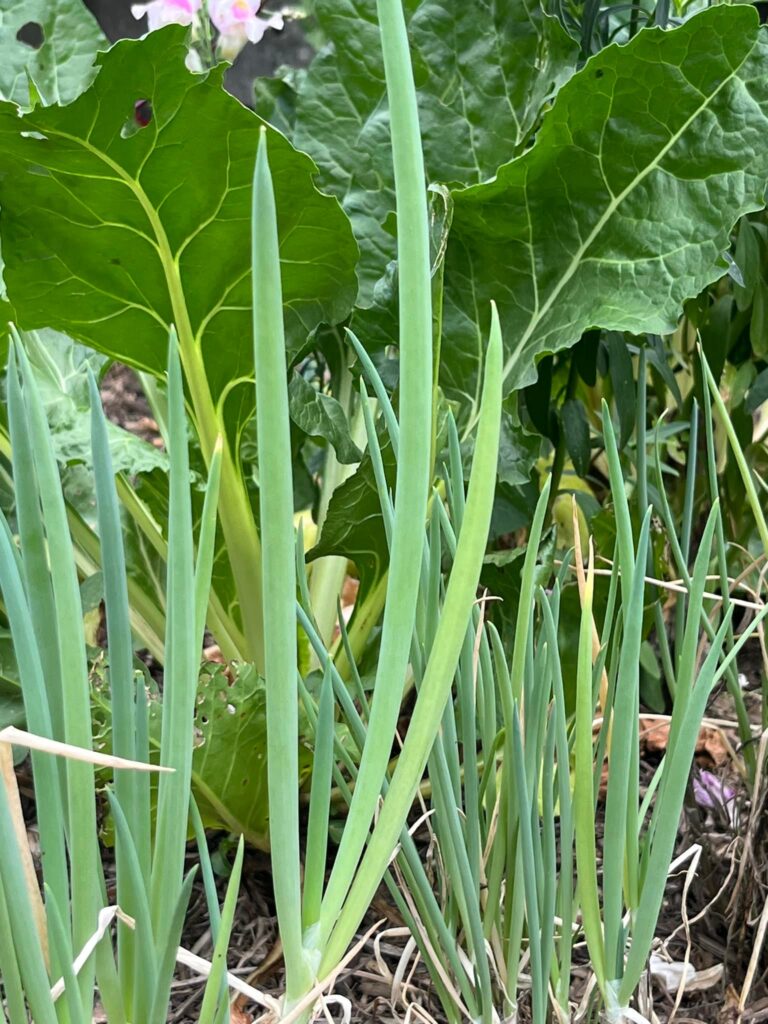
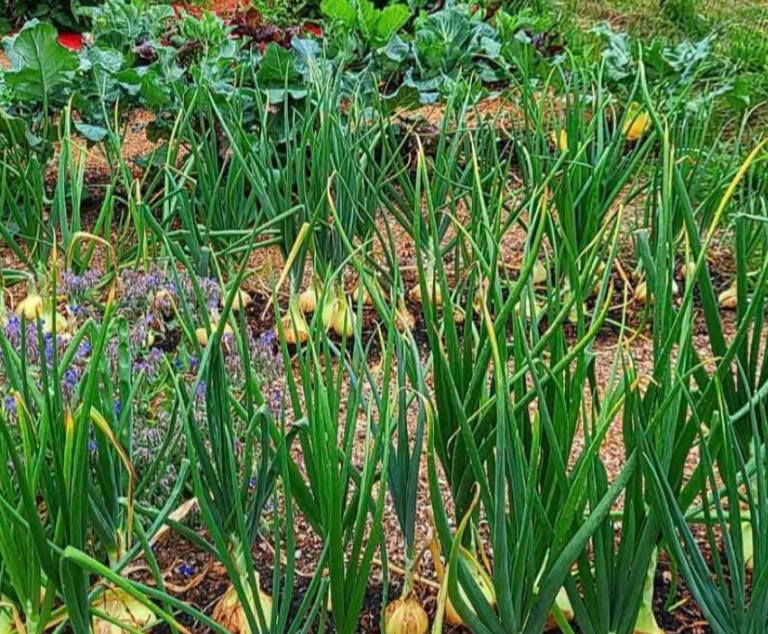
Onions share garlic’s strong aroma, so deer rarely touch them. They grow well in most soils and need little attention once established.
Onions are also very flexible in the kitchen. You can grow bulb onions, store them, and use them for months.
Plant them in rows next to leafy greens to add a scented buffer. It will not stop every deer, but it often helps.
3. Leeks
Leeks are milder than onions, but deer still tend to ignore them. Their tall, flat leaves are tough and not especially tasty to a browsing animal.
They also handle cold weather very well. In many regions, leeks can stay in the ground well into winter.
If you want a deer-resistant crop that feels a little special, leeks are a smart choice. They make excellent soups.
4. Shallots
Shallots look like small, elegant onions. They have the same pungent smell, which keeps deer away.
They grow in clusters from a single bulb. One planted shallot can give you several in return.
I like to tuck them between other plants in raised beds. They use very little space and give a good return.
ALSO READ: 25 Cold Hardy Vegetables (Varieties That Survive Freezing Winters)
5. Chives
Chives are a hardy perennial that comes back every year. Their onion scent makes them unappealing to deer.
The purple flowers in spring are lovely, too. Bees visit them often, so you help pollinators while protecting your garden.
Plant chives along paths and bed borders. They make a living fence that smells good to you and bad to deer.
6. Rhubarb
Rhubarb is one of the safest picks on this list. The leaves contain oxalic acid, which is toxic, and deer seem to know it.
This is a long-lived perennial. Plant it once in a sunny, well-drained spot, and it can produce for many years.
Never eat the leaves. Only the stalks are safe for people. Deer avoid the leaves, and so should we.
7. Asparagus
Asparagus spears are tender when they first appear, but the mature fern-like foliage is feathery and not very appealing to deer. In most gardens, damage is minimal.
It does need patience. Plants take about two to three years before you can harvest properly.
The reward is worth the wait. A healthy bed can produce for 15 years or more, which makes it a smart long-term investment.
8. Artichokes
Globe artichokes have thistle-like, prickly leaves. Deer do not enjoy chewing on them.
They are large, handsome plants that add structure to a vegetable garden. In warm climates, they behave as perennials.
Even in cooler areas, you can grow them as annuals with a little planning. I find them well worth the space.
9. Fennel
Fennel has a strong licorice scent that deer dislike. Its feathery leaves and crisp bulbs are useful in the kitchen, too.
The plant is tall and airy. It also attracts beneficial insects such as hoverflies.
One caution: fennel can crowd out neighbors. Give it its own corner of the garden.
10. Horseradish
Horseradish roots are fiery and pungent, and deer stay far away. The roots are underground and the leaves are rough, so there is little to tempt a visitor.
This plant is tough and spreads easily. Once it is in the ground, it is hard to remove.
Plant it in a contained bed or large pot if you do not want it to take over.
11. Hot Peppers
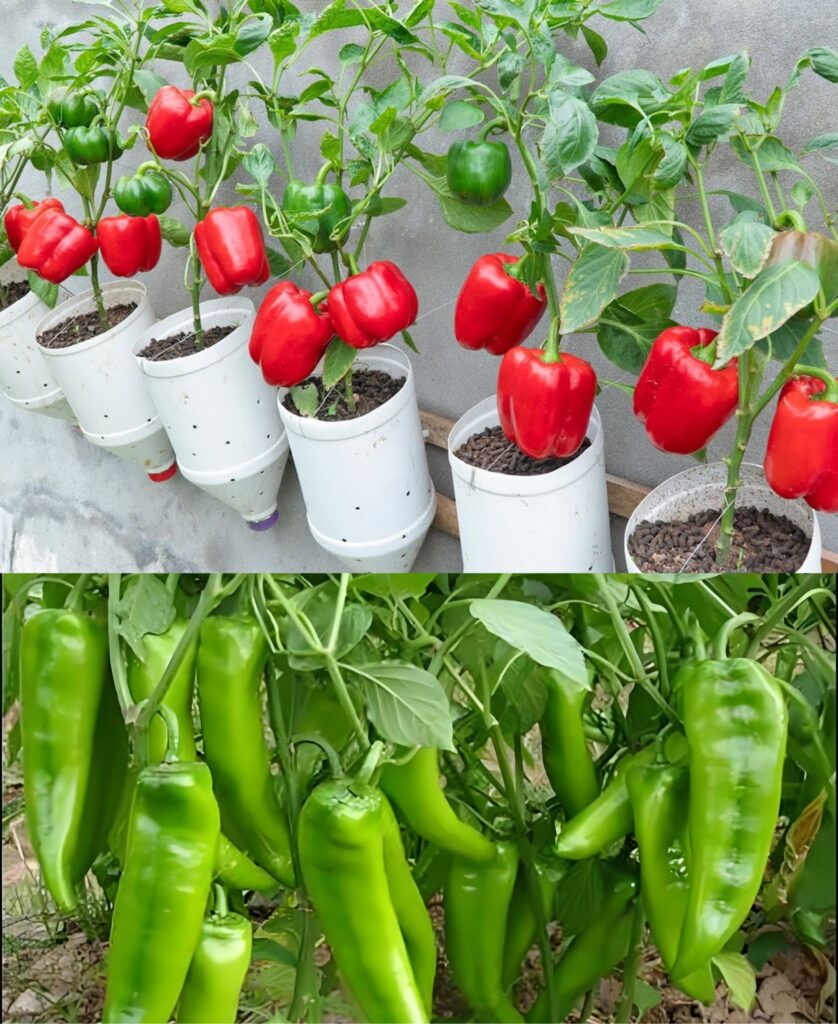
Hot peppers contain capsaicin, the compound that makes them spicy. Deer avoid it, and many commercial repellents even use similar ingredients.
Jalapeños, cayenne, and habaneros are all good choices. They also thrive in warm, sunny spots.
Sweet peppers are less reliable, so I place hot varieties on the outer rows. They act as a spicy shield.
12. Okra
Okra has fuzzy leaves and stems that many animals find unpleasant. Deer generally leave it alone.
It loves heat and grows quickly in summer. In warm regions, it is one of the most dependable vegetables you can plant.
Pick the pods young, when they are about three to four inches long. They stay tender that way.
13. Cucumbers
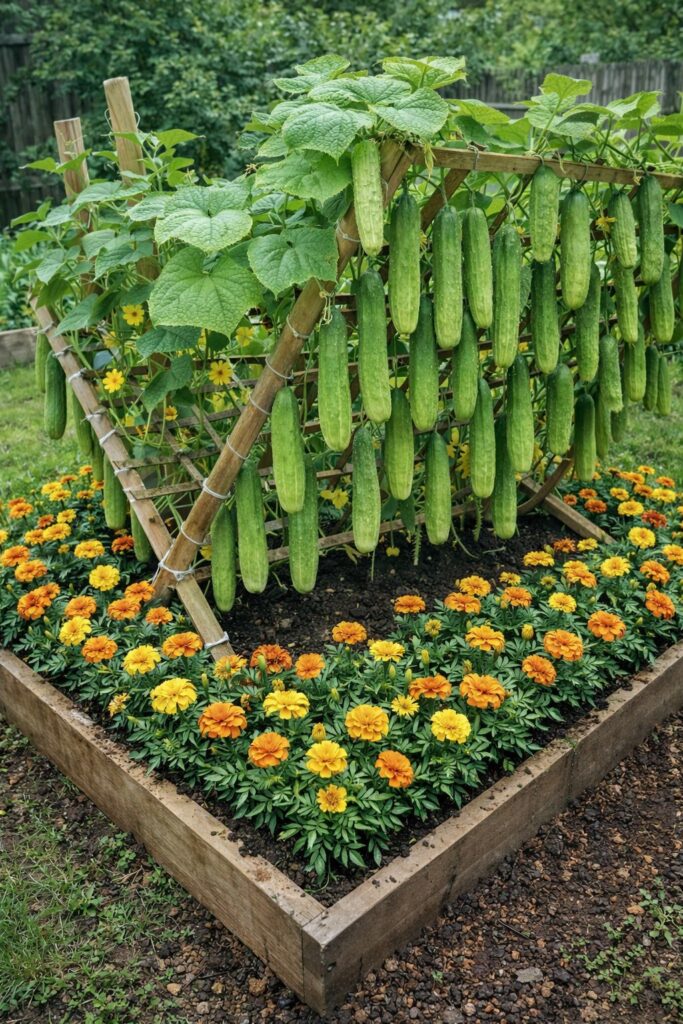
Cucumber vines have rough, prickly leaves and stems. Deer tend to skip them in favor of softer food.
They are productive, too. A few plants can feed a whole family during the summer.
Train them up a trellis to save space and keep the fruit clean. It also makes harvesting easier.
14. Zucchini
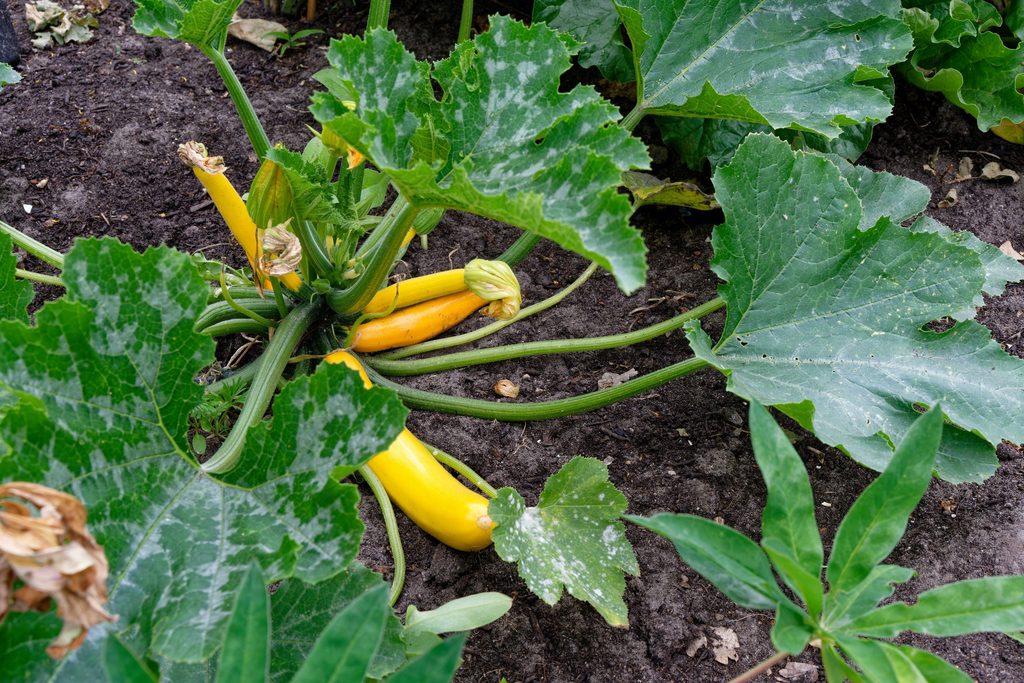
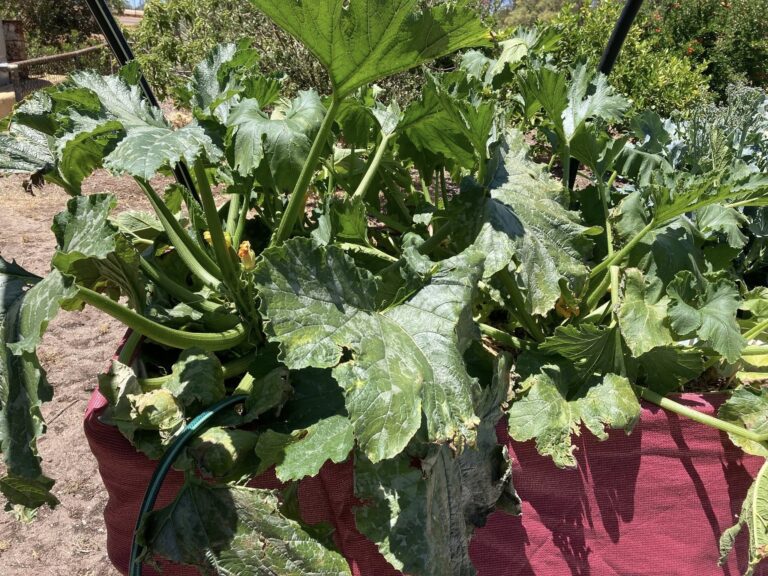
Zucchini and other summer squash have hairy, scratchy leaves. Deer usually avoid them, though the blossoms can occasionally be nibbled.
These plants grow fast and produce a lot. Most gardeners end up giving some away.
I suggest planting only two or three plants. That is often more than enough.
15. Winter Squash and Pumpkins
Winter squash vines are covered in rough hairs, which deer find unpleasant. In many gardens, they are left alone.
I should be honest here. Deer will sometimes eat pumpkins in the fall, especially when other food is scarce.
Surrounding your squash patch with garlic or onions can help. It adds another layer of protection.
16. Radishes
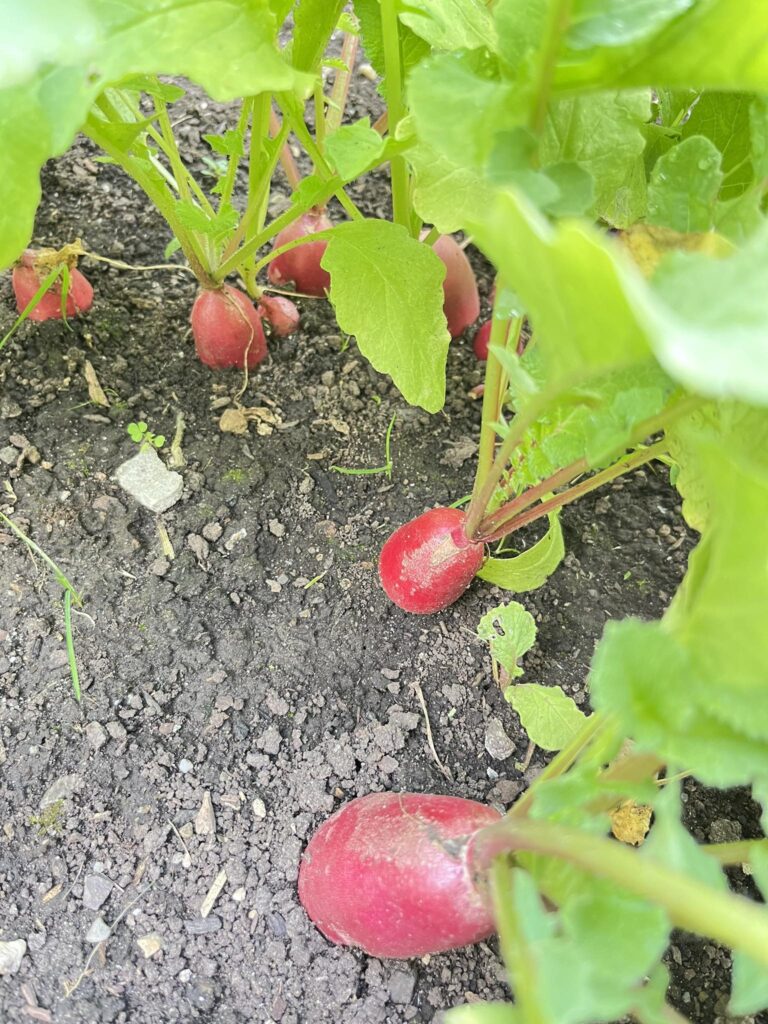
Radishes grow underground, and the leaves have a peppery bite. Deer rarely bother with them.
They are also the fastest crop on this list. Some varieties are ready in just 25 to 30 days.
They are perfect for beginners. You get quick results, which builds confidence.
17. Turnips
Turnips are root crops, so most of the plant is hidden below ground. Deer would have to dig to reach it, and they seldom do.
The greens can sometimes be nibbled. Even so, the damage is usually light compared with leafy crops.
Turnips grow well in cool weather. Sow them in early spring or late summer for the best results.
18. Parsnips
Parsnips need a long season, but they ask for very little care. Deer ignore the roots, and the foliage is not a favorite.
They taste sweeter after a frost. That makes them a lovely late-season crop.
Be patient, because seeds germinate slowly. Keep the soil moist, and they will come up.
19. Celeriac
Celeriac, also called celery root, has a strong celery scent. Deer tend to avoid it.
It looks unusual, with a knobby, rough root. It tastes wonderful in soups and mashes.
Plant it in rich, moist soil. It needs steady water to form a large root.
20. Beets
Beets are mostly safe because the roots grow underground. The tops are sometimes sampled, so watch for light damage.
If deer take a few leaves, the roots will usually keep growing. That makes beets quite forgiving.
You also get two crops in one. The roots and the greens are both edible.
21. Carrots
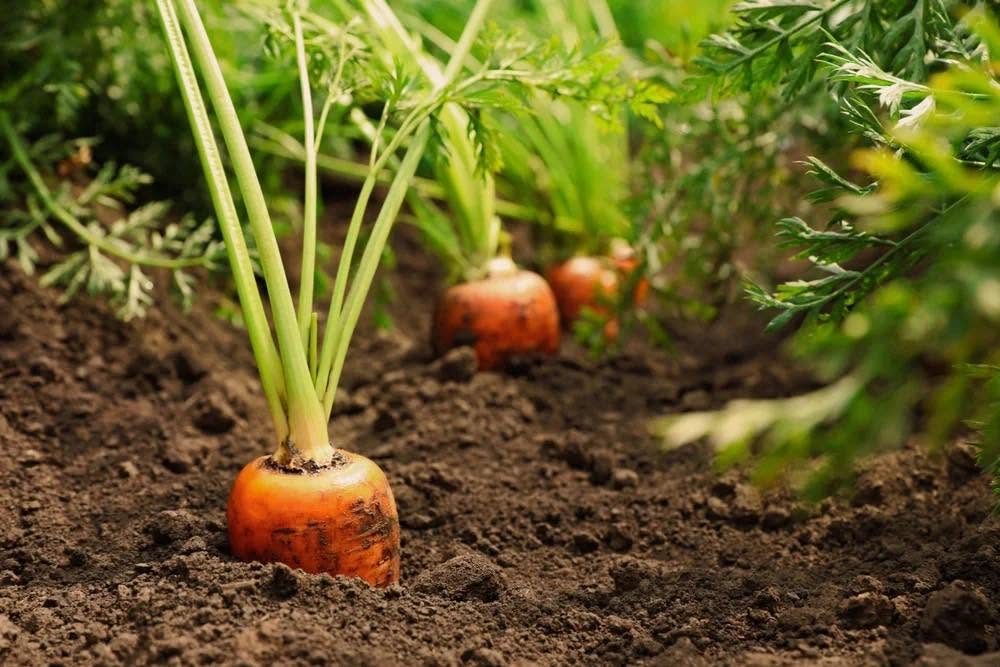
Carrots grow below the soil, which protects them. Deer rarely dig for them, although they may nibble the feathery tops.
Light damage to the leaves seldom harms the root. The plant simply keeps growing.
Carrots do best in loose, sandy soil. Remove stones and clumps so the roots grow straight.
22. Rutabaga
Rutabaga is a hardy root vegetable that handles cold weather well. Deer rarely target the roots.
It is a good choice for fall gardens. The flavor improves after cool nights.
Use it as you would a potato. It is excellent roasted or mashed.
23. Potatoes
Potato plants contain natural toxins in their leaves and stems. Deer tend to avoid them for that reason.
The tubers grow underground, safely out of reach. In many gardens, potatoes are left alone entirely.
A word of caution: never eat green potatoes or the plant’s leaves. These parts contain solanine, which is harmful to people.
24. Jerusalem Artichokes
Also called sunchokes, these are tall, sturdy plants related to sunflowers. Their rough leaves and underground tubers keep deer away in most cases.
They grow very fast, often reaching six to ten feet. They can also spread aggressively.
Give them a dedicated bed. I like to use them as a tall backdrop at the edge of the garden.
25. Arugula
Arugula is a leafy green, but it has a sharp, peppery taste. Deer usually find it less appealing than sweet lettuce.
It grows quickly in cool weather. You can harvest young leaves in about four weeks.
Plant a new row every couple of weeks. This keeps the harvest coming.
26. Mustard Greens
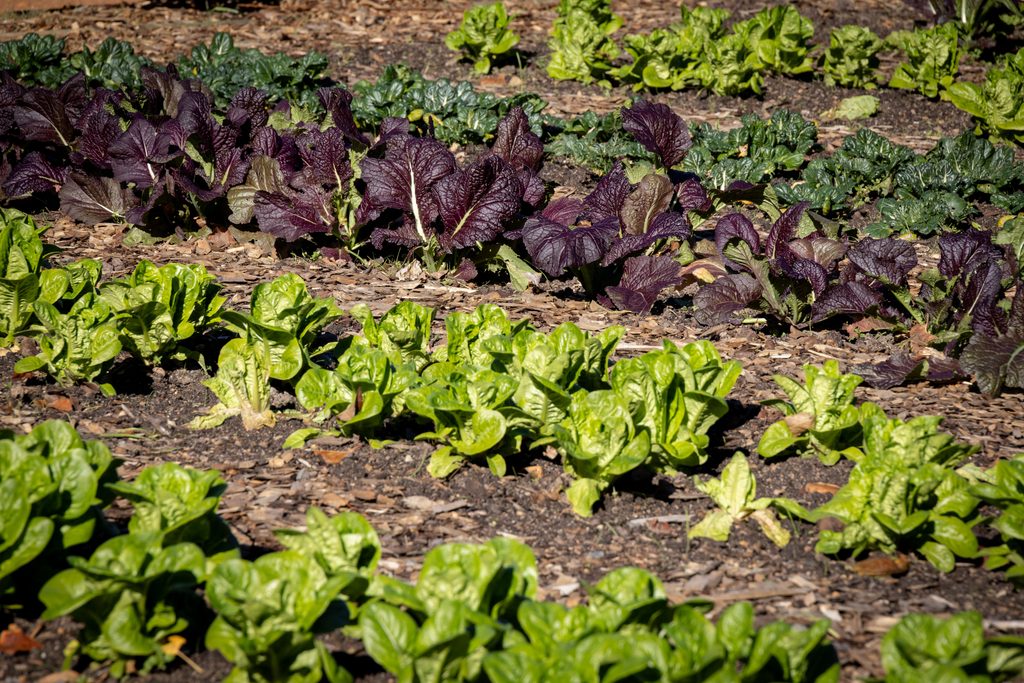
Mustard greens have a strong, spicy flavor. That bite helps keep deer away from most plantings.
They are fast, tough, and easy to grow. They also tolerate cold better than many leafy crops.
Pick them young for a milder taste. Older leaves are stronger and better for cooking.
27. Swiss Chard
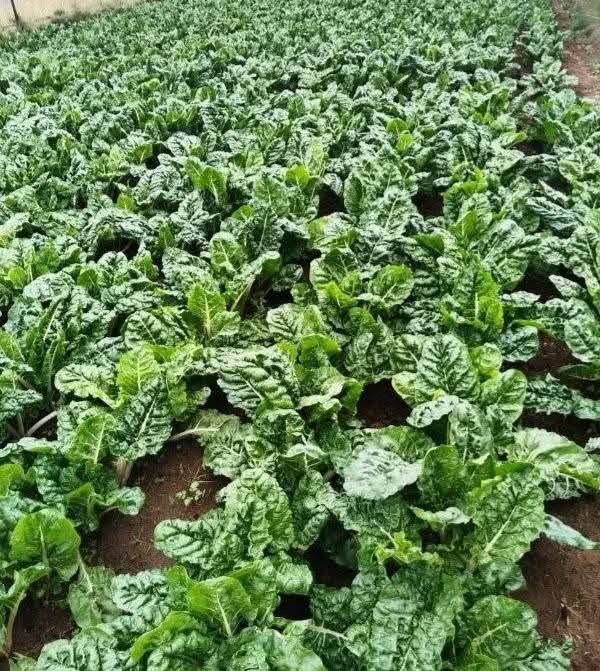
Swiss chard is a leafy green that deer often skip. The leaves contain oxalates, which add a slightly bitter, earthy taste.
It also looks beautiful. The colorful stems in red, yellow, and pink brighten any bed.
Chard is generous. Pick the outer leaves and the plant keeps producing all season.
28. Celery
Celery has a strong smell and a stringy texture. Deer generally leave it alone.
It is a thirsty plant that needs rich, damp soil. Mulch helps keep moisture steady.
It takes a long time to mature. Still, homegrown celery has a flavor that store-bought cannot match.
29. Eggplant
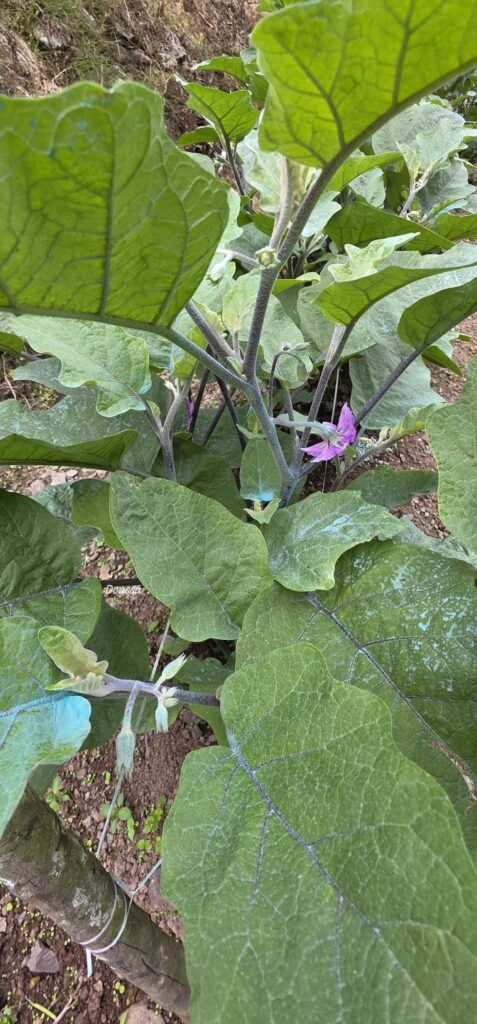
Eggplant leaves are slightly fuzzy and bitter. In most gardens, deer pass them by, though results can vary.
The plants love heat and sun. In cool areas, start them indoors and move them out when the weather is warm.
I treat eggplant as moderately resistant. A little extra protection, such as hot peppers nearby, gives peace of mind.
30. Scallions
Scallions, or green onions, are the last on the list, and they are among the easiest. They carry the same strong scent as other onions.
They grow quickly and fit into tiny spaces. You can even grow them in pots on a patio.
Cut the green tops and let the plant regrow. You will have a fresh supply for weeks.
ALSO READ: 35 Flowers That Deer Won’t Eat (Names, With Pictures)
How to Make Your Garden Even More Deer Proof
Choosing the right vegetables is only the start. A few smart habits can raise your success rate.
Fencing is the strongest long-term solution. UMass Extension notes that fencing is the most effective long-term answer to deer damage. A tall fence, around eight feet, is the safest bet where deer pressure is high.
Use scent as a shield. Plant garlic, onions, chives, and hot peppers around the outside of the garden. Place tender crops in the center.
Rotate repellents. Deer can get used to one product. Switch between types, and reapply after heavy rain.
Plant close to the house. Deer prefer plots near forest edges. A garden near your home, with lights or movement, feels riskier to them.
Keep an eye out. Check for tracks, torn leaves, and droppings. Early action stops a habit from forming.
Tips for Gardeners Who Struggle with Heavy Deer Pressure
If deer visit every night, a few extra steps help. First, grow your most vulnerable crops, such as lettuce and beans, in raised beds with netting.
Second, use more than one method at a time. Combine resistant crops, fencing, and repellents.
Finally, be flexible. Deer taste changes with the season. In a harsh winter or dry summer, they may try plants they normally avoid.
Final Thoughts
Gardening with deer nearby can feel like a never-ending contest. I have felt that frustration myself.
But you have real options. Strong-smelling crops, prickly leaves, and underground roots all work in your favor.
Start with a few of the 30 vegetables above. Garlic, onions, rhubarb, and hot peppers are a great place to begin. Add more each year as you learn how the deer in your area behave.
With the right plan, you can enjoy a full harvest and share the landscape with wildlife, from a safe distance.
References
- UConn Home and Garden Education Center. Deer Resistant Vegetables and Herbs. https://homegarden.cahnr.uconn.edu/factsheets/deer-resistant-vegetables-and-herbs/
- UConn Extension. Deer Damage and Control. https://extension.uconn.edu/?p=6635
- UMass Amherst Extension Vegetable Program. Preventing Deer Damage. https://www.umass.edu/agriculture-food-environment/vegetable/fact-sheets/preventing-deer-damage
- Montana State University Extension. Minimizing Deer Damage in Gardens (MontGuide). https://ougfc.montana.edu/extension/montguides/montguidepdfsforstore/MT202308AG%20Minimizing%20Deer%20Damage.pdf
- NC State Extension. Reducing Deer Damage in the Landscape. https://lee.ces.ncsu.edu/2026/02/reducing-deer-damage-in-the-landscape-2
- University of Kentucky Cooperative Extension. Managing White-tailed Deer Problems in Kentucky. https://publications.mgcafe.uky.edu/sites/publications.ca.uky.edu/files/for57.htm
- USDA APHIS Wildlife Services. White-tailed Deer Damage Management in New York. https://www.aphis.usda.gov/sites/default/files/ny-2015-deer-damage-mgt-ea.pdf

Tim M Dave is a gardening expert with a passion for houseplants, particularly cacti and succulents. With a degree in plant biology from the University of California, Berkeley, he has vast experience in gardening. Over the years, he has cultivated a vast collection of desert plants and learned a great deal about how to grow and care for these unique companions.