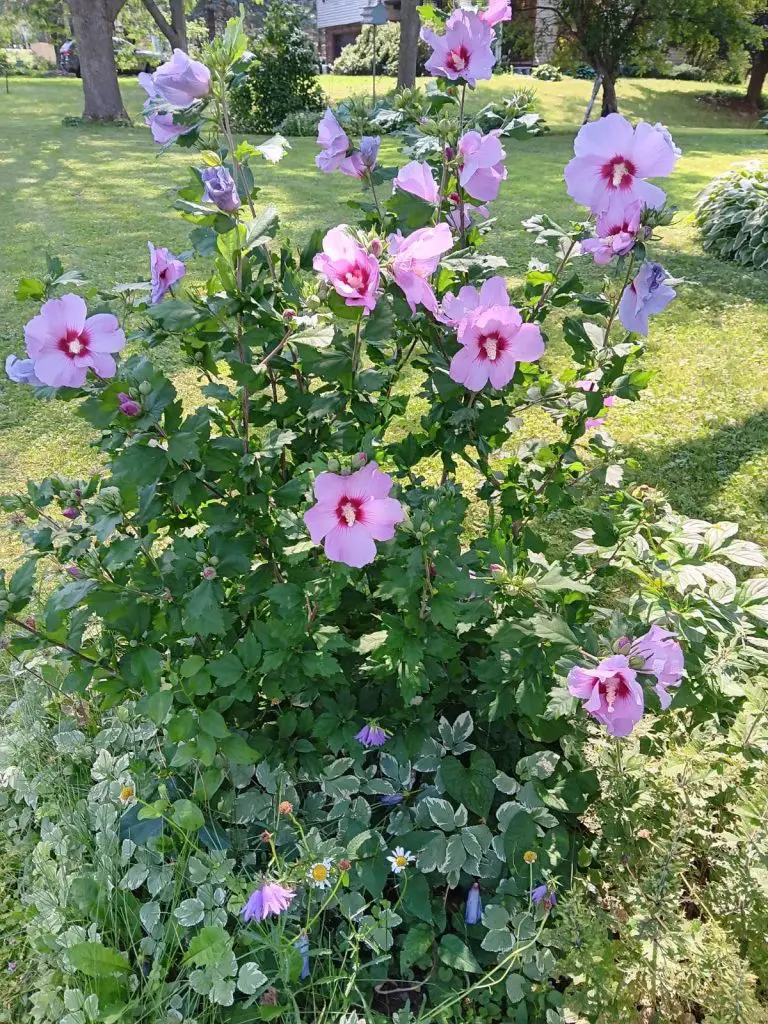
25 Reblooming Perennial Flowers (Varieties Identification, With Pictures)
I used to think perennials meant one glorious bloom, then months of green foliage doing nothing. Then I learned the trick: most spent flowers are just plants trying to make seed, and you can interrupt that process.
Deadheading tricks the plant into believing it needs to keep blooming to reproduce. Iowa State University Extension confirms this directly. Cutting spent flowers back and feeding the plant afterward channels its energy into fresh blossoms rather than seed production.
Not every perennial responds this way. Peonies, lilies, and astilbe bloom once and are done for the year, no matter what you do. But a surprising number of garden favorites will reward a little effort with a genuine second, even third, flush of color.
Some perennials rebloom on their own once conditions cool down in late summer. Others need a firm hand with the pruners at exactly the right moment. Knowing which category a plant falls into saves you a lot of wasted effort and disappointment.
This list covers 25 reblooming perennial flowers, and how to trigger rebloom.
1. Daylily ‘Stella de Oro’
This compact daylily changed the game when it was bred in 1975. Unlike most daylilies, which bloom once for a few weeks, ‘Stella de Oro’ produces golden trumpet flowers continuously from late spring into fall when properly maintained.
It grows in a tidy clump about a foot tall, which makes it useful for edging beds or softening the front of a border without overwhelming smaller neighbors.
How to trigger rebloom: Remove spent blooms and seedpods regularly. Once every flower on a stalk finishes, cut that entire stalk down near the ground to redirect energy into new growth.
It is also remarkably drought tolerant once established, and a light application of slow-release fertilizer in early spring supports stronger, more consistent reblooming through the whole season.
2. Veronica (Speedwell)
Veronica sends up tall, spiky racemes packed with small flowers that open from bottom to top. It is one of the most reliable vertical accents for a sunny perennial border.
How to trigger rebloom: According to NC State Extension’s Plant Toolbox, cutting the plant back to the basal rosette after its first bloom encourages many varieties to rebloom later in the season.
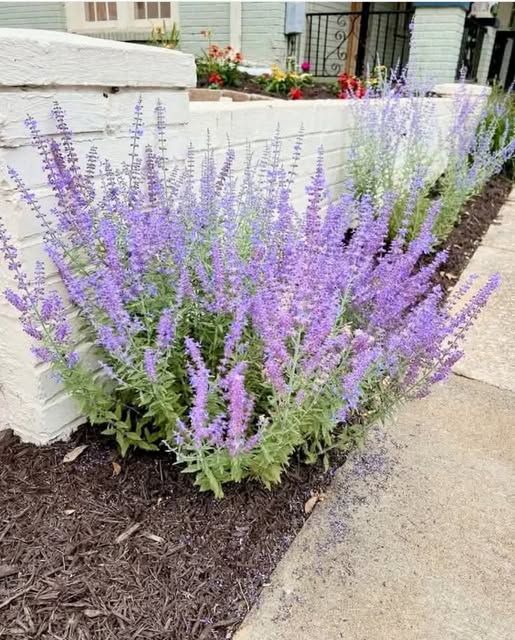
3. Salvia (Meadow Sage)
Salvia nemorosa and its hybrid cousin Salvia x sylvestris produce dense violet-blue flower spikes that bees and hummingbirds cannot resist.
How to trigger rebloom: NC State Extension notes that this plant will rebloom through summer if moisture is available, and deadheading directly encourages that second flush. A hard shear after the first flowering wave typically produces new spikes within four to six weeks.
4. Threadleaf Coreopsis ‘Moonbeam’
Coreopsis brings soft, buttery-yellow daisy flowers on fine, airy foliage. It is a workhorse for hot, dry spots where other perennials struggle.
How to trigger rebloom: University of Missouri Extension notes that shearing Coreopsis ‘Moonbeam’ back by one-third to one-half encourages both rebloom and a tidier, more compact growth habit.
5. Catmint (Nepeta)
Catmint forms soft mounds of gray-green foliage topped with lavender-blue flower spikes. It has a loose, romantic look that softens formal garden edges beautifully.
How to trigger rebloom: NC State Extension advises shearing off fading flowers to encourage new growth and another wave of flowering. This is one of the easiest reblooming perennials to maintain, since it tolerates a fairly aggressive haircut.
6. Shasta Daisy
Classic white petals with a sunny yellow center. Shasta daisy is instantly recognizable and blooms from June through September with consistent care.
How to trigger rebloom: Deadhead before the flower goes fully to seed. For the best results, follow the flowering stem down to where a new bud is emerging, and cut just above that point rather than simply lopping off the spent bloom.
7. Purple Coneflower (Echinacea)
Coneflower’s daisy-like petals surrounding a spiny orange-brown center make it one of the most recognizable native perennials in American gardens. Pollinators flock to it.
How to trigger rebloom: Regular deadheading of spent blooms redirects energy toward new flower buds instead of seed production. Leaving a portion of the last flush unclipped in fall provides seed heads that feed songbirds through winter.
This dual approach, deadheading through summer and letting the final round go to seed, gives you the best of both worlds: extended color and a small gift to local wildlife once the season winds down.
8. Black-Eyed Susan (Rudbeckia)
Golden-yellow petals radiate around a dark chocolate-brown center, giving this native perennial its cheerful, unmistakable look through late summer and fall.
How to trigger rebloom: Deadheading spent blooms extends flowering considerably. Rudbeckia is generous with new buds once the first flush is removed promptly, often producing smaller but still abundant flowers well into autumn.
It also tends to self-seed readily if left alone, so gardeners who want tidy clumps rather than a spreading colony should stay consistent with deadheading throughout the season.
9. Pincushion Flower (Scabiosa)
Delicate, lacy blooms in soft lavender, pink, or white sit atop wiry stems, giving this perennial a dainty, cottage-garden feel.
How to trigger rebloom: Missouri Extension lists scabiosa among the perennials that become bushier and more compact with regular deadheading, encouraging continued flowering through the season.
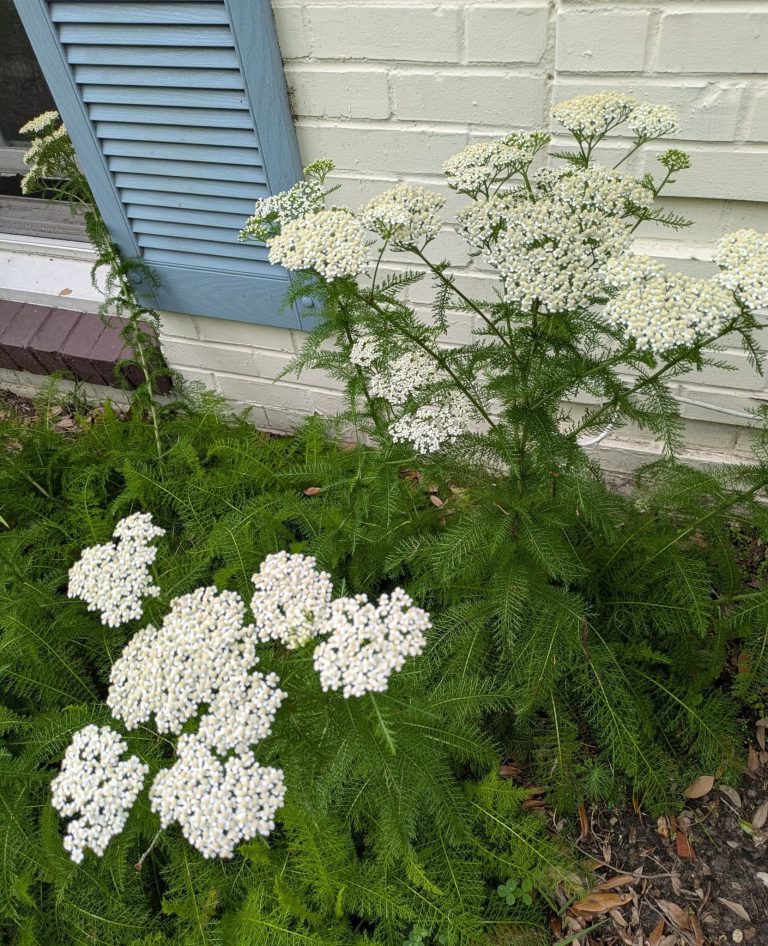
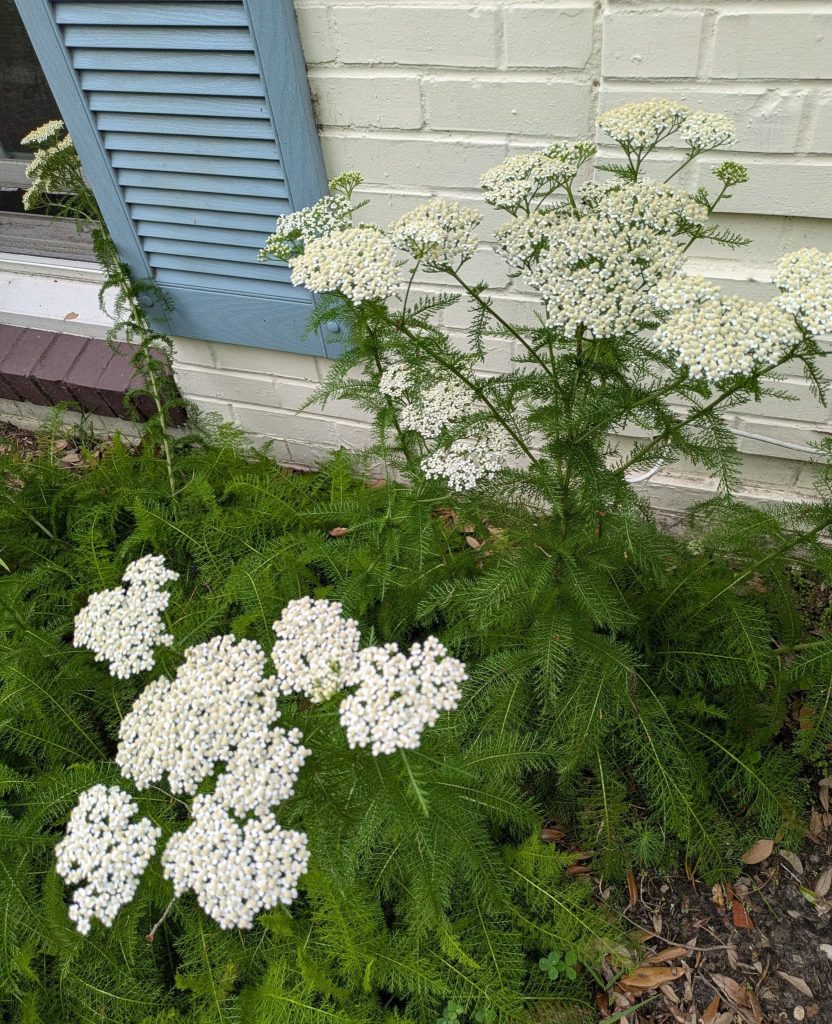
10. Yarrow (Achillea)
Flat clusters of tiny flowers sit atop ferny, aromatic foliage. Yarrow tolerates poor soil and drought better than almost any other perennial on this list.
How to trigger rebloom: Colorado State University’s PlantTalk program notes that yarrow can be encouraged to rebloom by pinching off spent flowers before they form seed heads, which also helps prevent unwanted self-seeding.
11. Blanket Flower (Gaillardia)
Warm red-and-yellow petals radiate outward like a pinwheel, giving blanket flower its fitting name. It thrives in hot, sunny locations with minimal fuss.
How to trigger rebloom: Like yarrow, blanket flower rebounds well when spent blooms are pinched off before seed forms. This simple habit keeps color coming through most of the summer.
12. Bellflower (Campanula)
Bell-shaped blue or purple flowers dangle gracefully along upright or trailing stems, depending on the species. Campanula brings a soft, romantic texture to borders.
How to trigger rebloom: UNH Extension groups campanula with plants that respond to the same treatment as Shasta daisy: cut spent flowers back to a lateral bud, then cut the entire flowering stalk at the base once no more buds remain.
13. Garden Phlox
Domed clusters of fragrant flowers in pink, purple, or white make garden phlox a midsummer showstopper, and its scent carries well across the garden.
How to trigger rebloom: Treated the same way as campanula and Shasta daisy, garden phlox responds to prompt deadheading with continued flowering into late summer.
14. Dianthus (Pinks)
Fringed, spicy-scented flowers in shades of pink, white, and red sit atop grassy, blue-green foliage. The clove-like fragrance is a bonus most gardeners don’t expect.
How to trigger rebloom: Shearing off spent flowers is the recommended approach. This leaves behind lush, mounding foliage that stays attractive right up until frost, while encouraging additional flowering.
15. Delphinium
Tall, dramatic spires in true blue, purple, pink, or white make delphinium one of the most striking perennials for the back of a border.
How to trigger rebloom: Cutting the flower stalk down after the first bloom, rather than just deadheading individual flowers, often triggers a second, smaller flush later in the season.
16. Reblooming Bearded Iris
Unlike traditional bearded iris, which flowers only once each spring, reblooming varieties are specifically bred to flower again in late summer or early fall.
How to trigger rebloom: Remove spent flower stalks at the base once blooming finishes. Consistent watering and feeding through summer supports the energy reserves needed for that second autumn show.
17. Anise Hyssop (Agastache)
Spiky purple-blue flower wands rise above licorice-scented foliage. Agastache draws bees and hummingbirds from across the yard and tolerates heat exceptionally well.
How to trigger rebloom: Regular deadheading of spent flower spikes keeps new buds forming through summer and into fall, particularly in hot, sunny locations where this plant performs best.
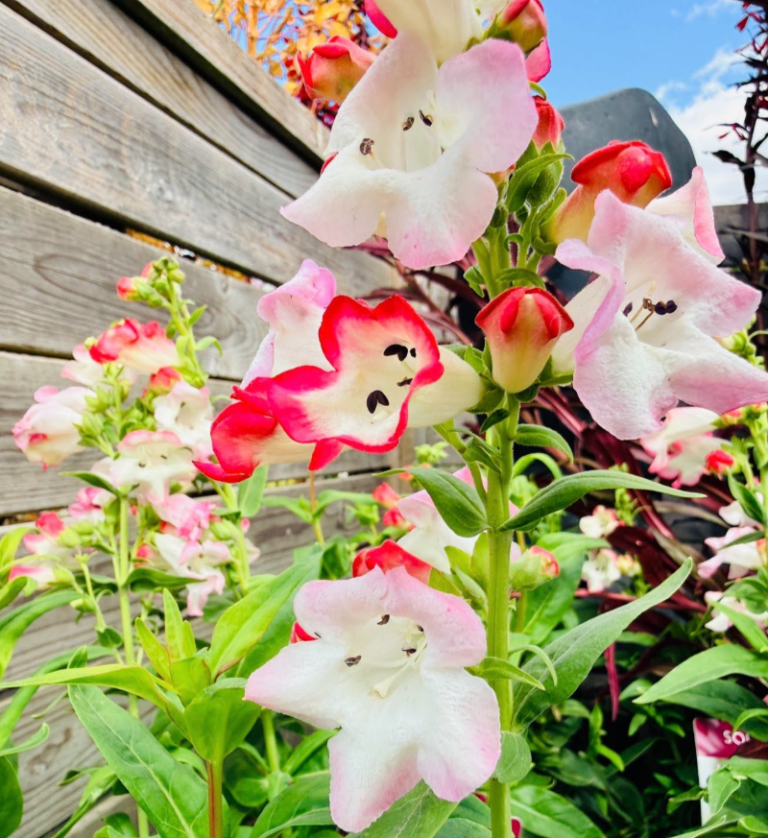
18. Beardtongue (Penstemon)
Tubular, foxglove-like flowers in pink, purple, or white bloom in dense spikes, attracting hummingbirds with their nectar-rich shape.
How to trigger rebloom: Deadhead promptly after the first flowering flush. Penstemon rewards this attention with a second, though usually lighter, round of blooms later in the season.
19. Lavender
Fragrant purple-blue spikes and silvery foliage make lavender a garden and kitchen favorite alike, prized for both its beauty and its calming scent.
How to trigger rebloom: Shearing lavender back after the first bloom, cutting into the foliage but not into old woody stems, encourages a fresh flush of flower spikes while also keeping the plant compact and tidy.
Cutting into old wood is the one mistake to avoid here, since lavender does not regenerate well from bare, woody stems the way many other perennials do.
READ MORE ON: 35 Types of Lavender (Plant Varieties Explained, With Pictures)
20. Gaura (Whirling Butterflies)
Tiny, airy pink or white flowers dance atop wiry stems, giving this perennial its charming nickname. It moves beautifully in even the lightest breeze.
How to trigger rebloom: A midsummer shearing back by about a third refreshes the plant and stimulates a fresh round of its delicate, butterfly-like blooms through fall.
21. Pink Evening Primrose
Cup-shaped pink flowers open in the evening and stay open through the following morning, giving this spreading perennial a soft, romantic quality in the garden.
How to trigger rebloom: Missouri Extension notes that shearing pink evening primrose back by one-third to one-half encourages rebloom and keeps growth more compact, similar to the treatment recommended for Coreopsis ‘Moonbeam.’
22. Repeat-Blooming Shrub Roses
Modern shrub roses, unlike many heirloom varieties that flower only once, are bred specifically for continuous flowering from late spring through the first hard frost.
How to trigger rebloom: When deadheading roses, cut just above a stem with five leaflets rather than three, since this spot is more likely to stimulate a strong new flowering shoot. Consider leaving the very last blooms of the season to form decorative rose hips.
This five-leaflet rule surprises a lot of gardeners who simply snip wherever looks convenient. Taking the extra few seconds to find the right leaflet noticeably improves how quickly and strongly the plant responds with new growth.
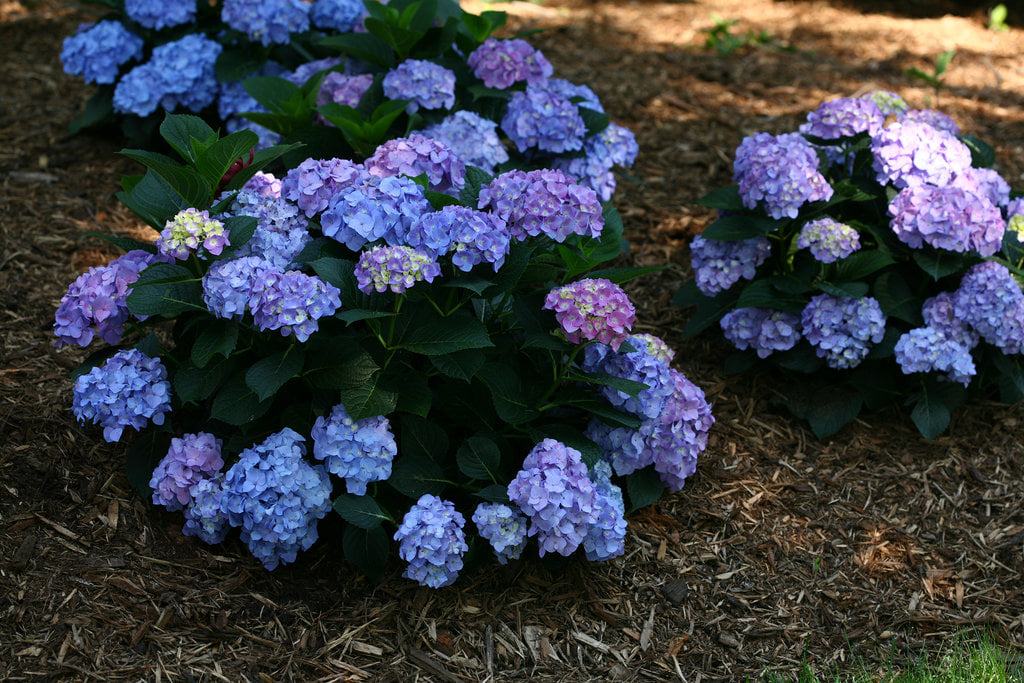
23. Reblooming Hydrangea
Newer hydrangea cultivars in the Endless Summer series flower on both old and new wood, which means they bloom again even after a hard winter damages last year’s stems.
How to trigger rebloom: Clemson Cooperative Extension notes that these repeat-blooming varieties continue producing new flower buds throughout the growing season, unlike traditional hydrangeas that bloom only once on old wood.
24. Repeat-Flowering Clematis
Certain clematis varieties, including the popular ‘Nelly Moser,’ put on two separate flowering displays in a single growing season, rather than one.
How to trigger rebloom: Clemson Extension describes ‘Nelly Moser’ as flowering from May to June, then producing repeat blooms again in September. Light pruning after the first flush, following the correct pruning group for your variety, supports this second display.
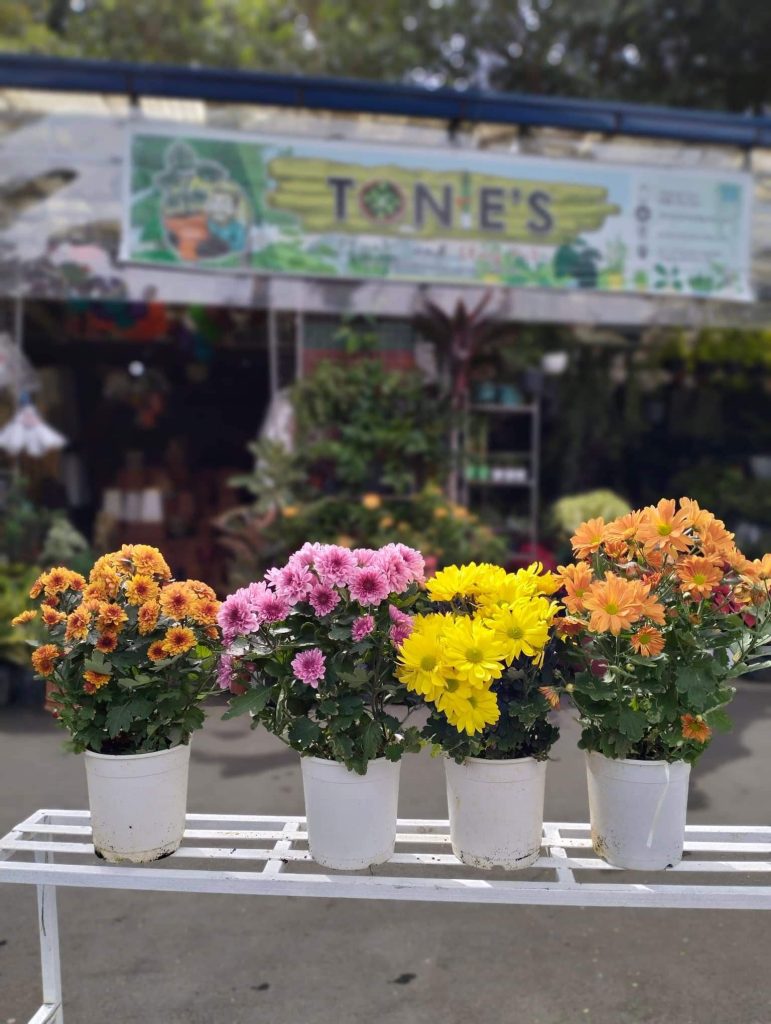
25. Garden Mums (Chrysanthemum)
Dense, rounded mounds of daisy-like flowers in warm autumn colors make garden mums a fall staple, though few gardeners realize they can bloom earlier too with the right care.
How to trigger rebloom: Clemson Extension recommends pinching chrysanthemums every four to six weeks to encourage a fuller plant, continuing until late July when flower buds begin forming for the main fall display.
Why Deadheading Actually Works
It helps to understand the biology here, because it makes the whole process feel less like guesswork.
A flowering plant’s core mission is reproduction: bloom, get pollinated, form seed, repeat next year. Once a flower is pollinated and starts forming seed, the plant considers that job done and stops investing energy in more blooms.
South Dakota State University Extension explains that removing a spent flower before it sets seed interrupts this cycle. The plant, still driven to reproduce, tries again by producing another flower.
This is also why timing matters so much. University of Missouri Extension notes that deadheading costs nothing but time, yet it directly redirects the plant’s energy from seed production into fresh blossoms.
There is a small tradeoff worth knowing about. The second and third flushes of flowers are almost always smaller and less abundant than the first. UNH Extension notes this plainly with Shasta daisy: the second bloom is usually less substantial than the first, but still very much worth the effort.
A Quick Word On Technique
Not every reblooming perennial wants the same treatment, and that distinction matters more than most guides admit.
Some plants, like coreopsis and catmint, respond best to a full shear across the entire plant once the first flush fades. Others, like Shasta daisy and campanula, do better with individual stems cut back to a lateral bud, one at a time.
For the shear-back group, hedge shears or a sharp pair of snips work well. Cut back by roughly one-third to one-half of the plant’s height, taking care to leave enough healthy foliage behind for the plant to keep photosynthesizing while it regrows.
For the individual-stem group, always cut just above a node, where a leaf meets the stem. That node is where new growth or a fresh bud is most likely to emerge, so cutting there gives the plant the clearest signal to keep producing flowers.
Fertilizing after a hard shear makes a real difference. These plants use considerable energy producing flowers, so feeding them after cutting back gives them the resources to rebloom strongly rather than limping along with sparse, weak flowers. A balanced, slow-release fertilizer applied right after shearing works well for most of the perennials on this list.
Timing your cuts around your own schedule works too. If you know you will be away during a plant’s peak bloom, an earlier trim can shift the flowering window to better match when you’ll actually be home to enjoy it. Gardeners have used this trick for years to time blooms around weddings, reunions, and summer vacations.
Watering also plays a bigger role than most people expect. Reblooming asks a lot of a plant, and a stressed, drought-affected specimen simply does not have the reserves to push out a strong second flush, no matter how carefully you deadhead it.
Final Thoughts
A garden built entirely around once-blooming perennials can feel like a series of short performances separated by long, quiet intermissions. Working reblooming varieties into the mix changes that rhythm completely.
I like mixing early rebloomers like salvia and veronica with later ones like garden mums and reblooming iris, so something is always finishing just as something else is starting. It keeps the whole bed feeling alive rather than static.
Think about succession as you plan your beds, the same way a vegetable gardener thinks about succession planting. Pair an early-summer rebloomer with a late-summer one nearby, and the visual handoff between them will feel almost seamless.
None of this requires special skill, just consistency. A few minutes with pruners every week or two, through the growing season, is really all it takes to turn a garden that blooms for three weeks into one that performs for three months or more.
If you are new to deadheading, start small. Pick three or four plants from this list, learn their specific rhythm this season, and expand the practice to the rest of your beds once it becomes second nature. By next year, walking the garden with a pair of snips will feel less like a chore and more like a habit you actually look forward to.
Keep a simple record, too. Jot down which plants responded fastest to shearing, which ones sulked afterward, and roughly when each new flush appeared. That small bit of note-taking pays off enormously by the second or third season, once you have your own personal calendar for exactly when to reach for the pruners.
References
- Iowa State University Extension and Outreach, Linn County — Perennial Deadheading: https://www.extension.iastate.edu/linn/perennial-deadheading
- South Dakota State University Extension — Enjoy More Flowers in Your Garden by Deadheading Regularly: https://extension.sdstate.edu/enjoy-more-flowers-your-garden-deadheading-regularly
- University of New Hampshire Extension — What Is the Best Way to Deadhead Perennials?: https://extension.unh.edu/blog/2019/07/what-best-way-deadhead-perennials
- Clemson Cooperative Extension, Home & Garden Information Center — Growing Perennials: https://hgic.clemson.edu/factsheet/growing-perennials/
- NC State Extension Gardener Plant Toolbox — Veronica: https://plants.ces.ncsu.edu/plants/veronica/
- NC State Extension Gardener Plant Toolbox — Nepeta (Catmint): https://plants.ces.ncsu.edu/plants/nepeta/
- University of Missouri Extension — Boost Your Blossoms by Deadheading: https://extension.missouri.edu/news/boost-your-blossoms-by-deadheading

Tim M Dave is a gardening expert with a passion for houseplants, particularly cacti and succulents. With a degree in plant biology from the University of California, Berkeley, he has vast experience in gardening. Over the years, he has cultivated a vast collection of desert plants and learned a great deal about how to grow and care for these unique companions.