25 Types of Microgreens Worth Knowing (With Pictures, and Growing Tips)
Microgreens are not a passing trend. They are baby vegetable and herb plants, harvested just after the first true leaves appear, usually within one to three weeks of planting. They sit between sprouts and baby greens in size, but they pack far more flavor and nutrition into a small bite.
Research backs this up. Studies show microgreens can contain nutrient levels 2.5 to 9 times higher, and antioxidant levels up to 40 times higher, than their fully grown counterparts, according to recent research reported by UConn Extension.
A separate study from the University of Maryland and USDA found similar results, with some microgreens showing four to 40 times more nutrients than mature vegetables, based on work published in the Journal of Agricultural and Food Chemistry.
If you have ever wondered which microgreens to grow, why they taste so different from one another, or how they compare nutritionally, this guide walks through 25 popular varieties.
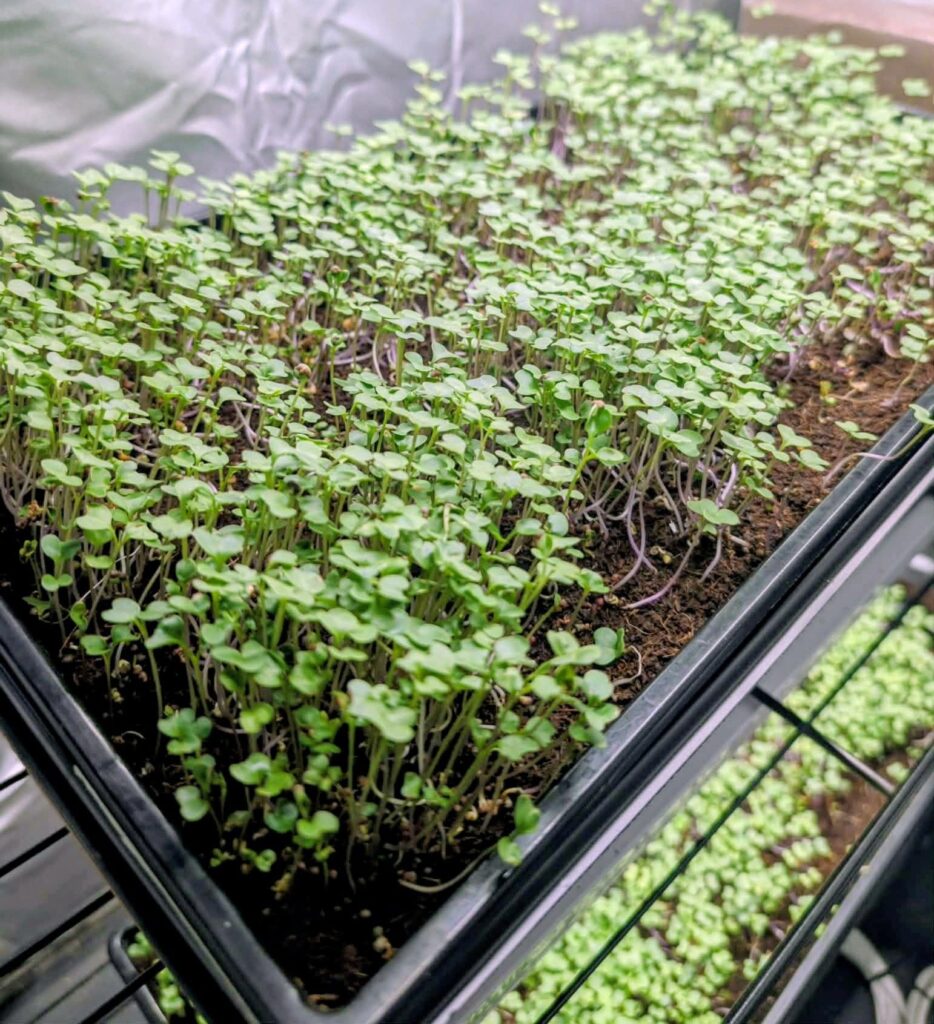
Brassica Family Microgreens (Peppery and Pungent)
1. Broccoli Microgreens
Broccoli microgreens taste mild with a slight peppery finish. They are one of the most studied varieties, and researchers have found they carry notably high total phenolic content, a marker linked to antioxidant activity, according to a nutritional profile study of six microgreen types. I like tossing these into scrambled eggs; they hold their texture well under heat.
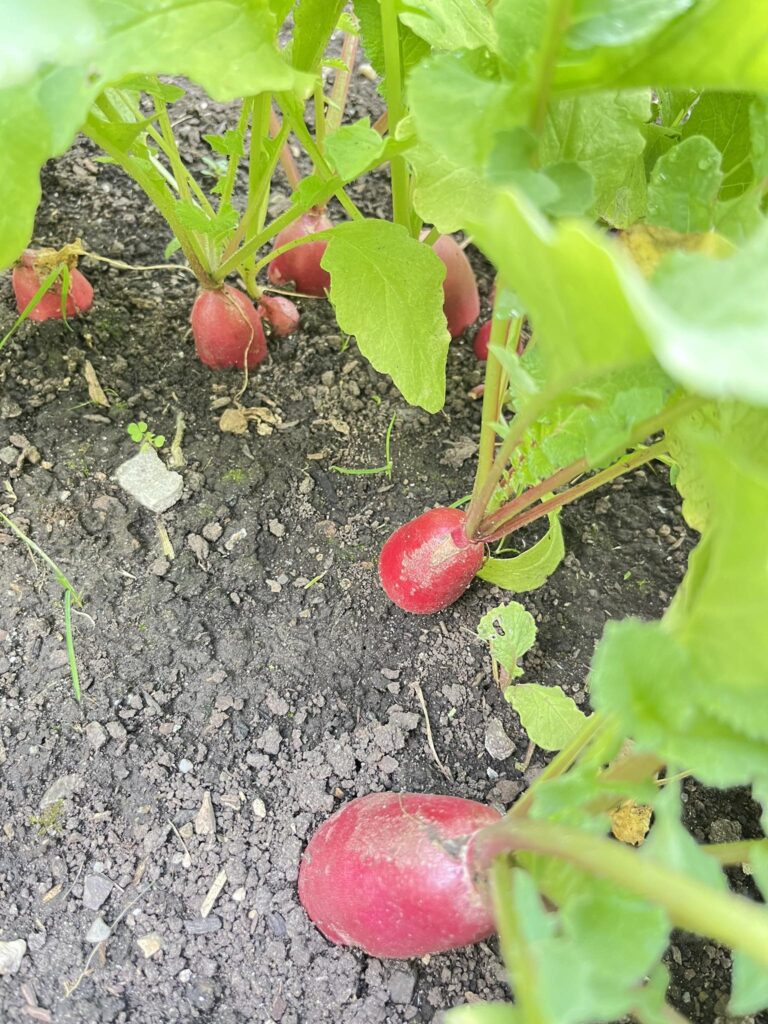
2. Radish Microgreens
This is the one that surprised me most. Radish microgreens deliver a sharp, spicy kick that rivals wasabi in small doses. They germinate quickly, often within three to five days, making them a great starter crop for beginners.
3. Kale Microgreens
Kale microgreens taste earthier and slightly sweeter than the mature leaf. Researchers studying microgreen kale found the young version carried a different, often richer, bioactive compound profile compared to fully grown kale, based on work from USDA Agricultural Research Service scientists.
ALSO READ: 30 Different Types of Kale: Variety With Pictures Explained
4. Arugula Microgreens
Arugula microgreens carry a strong, nutty, peppery bite, even more intense than mature arugula leaves. A little goes a long way on sandwiches or pizza. I usually add them right before serving, since heat tends to mellow their sharpness quickly.
5. Mustard Microgreens
Mustard microgreens bring real heat. If you enjoy horseradish or wasabi, this variety will not disappoint. They grow quickly and are forgiving for first-time growers, and a small pinch can liven up a plain rice bowl instantly.
6. Cabbage Microgreens
Cabbage microgreens taste mild and slightly sweet, with a crunchy texture. Early studies on red cabbage microgreens found they were notably richer in glucosinolates, sulfur-containing compounds linked to potential cancer-protective effects, per the same USDA-affiliated research.
ALSO READ: 35 Types of Cabbage Explained (With Pictures, and Care Tips)
7. Black Radish Microgreens
Black radish microgreens stand out for their antioxidant punch. In one comparative study, black radish showed the highest antioxidant scavenging activity among six microgreen types tested, reaching over 83% in lab measures, according to the Scientific Reports study. The flavor is bold and spicy.
8. Bok Choy Microgreens
Bok choy microgreens have a clean, mild, slightly sweet taste. They work beautifully in Asian-style stir-fries and noodle bowls, adding crunch without overpowering other flavors. They also hold up well as a raw topping on rice dishes.
9. Wasabi Mustard Microgreens
This niche variety delivers intense, sinus-clearing heat. Restaurants often use it as a plating accent because a small amount transforms an entire dish. If you enjoy sushi, try a pinch on top of your next roll instead of the usual paste.
10. Tatsoi Microgreens
Tatsoi microgreens have glossy, spoon-shaped leaves with a mild, slightly buttery flavor. I find them a gentler option for people who want brassica nutrition without the sharp bite. They wilt nicely into warm soups without losing their color.
Legume and Grain Family Microgreens (Sweet and Crunchy)
11. Pea Shoot Microgreens
Pea shoots taste remarkably like fresh garden peas, sweet and crisp. They are among the few microgreens that can regrow after cutting, giving you a second harvest from one planting, per UF/IFAS Extension guidance on microgreen regrowth.
12. Sunflower Microgreens
Sunflower microgreens are crunchy, nutty, and satisfying, almost like a mild sunflower seed in leaf form. They need a slightly longer soak before planting but reward you with a hearty, substantial texture.
ALSO READ: 25 Different Types of Sunflowers: Tall, Dwarf and Other Major Varieties
13. Wheatgrass Microgreens
Wheatgrass has an intense, grassy taste most people juice rather than eat whole. It became popular decades ago alongside the broader microgreens movement, which UConn Extension traces back to California chefs in the 1980s who began adding these greens to dishes, alongside the rise of wheatgrass smoothies.
14. Buckwheat Microgreens
Buckwheat microgreens (technically called “lettuce” microgreens in the trade) have a slightly tart, lemony crunch. They are one of the fastest-growing varieties and popular in green smoothies. The large, heart-shaped leaves also make a striking plate garnish.
15. Lentil Microgreens
Lentil microgreens taste fresh and slightly earthy, with a satisfying crunch. They are an easy, forgiving crop for beginner growers experimenting with legume varieties. I like folding them into a warm grain salad for extra texture.
16. Chickpea Microgreens
Chickpea microgreens have a nutty, almost bean-sprout-like flavor. They take a bit longer to mature but offer a hearty bite that works well in grain bowls. Their thicker stems mean they hold up better than most greens when stored a few extra days.
Herb Family Microgreens (Aromatic and Bold)
17. Basil Microgreens
Basil microgreens carry an intense, concentrated version of basil’s classic sweet and peppery aroma. A small handful can flavor an entire caprese salad.
READ MORE ON: 35 Types of Basil Plants: Every Variety Explained, With Pictures
18. Cilantro Microgreens
Cilantro microgreens taste sharper and more citrusy than the mature herb. If you love cilantro in salsas and tacos, this version delivers more flavor per bite. They also germinate more slowly than most, so patience pays off here.
19. Fennel Microgreens
Fennel microgreens have a distinct anise, licorice-like taste. They pair especially well with fish dishes and citrus-based salads. A light sprinkle over roasted salmon adds an unexpected but welcome note.
20. Amaranth Microgreens
Amaranth microgreens are visually striking, often deep red or pink, and taste mild and earthy. They add color contrast to any plate, which is part of why chefs favor them for garnishing. I like scattering them over pale-colored soups just for the visual pop.
21. Chia Microgreens
Chia microgreens have a subtle, slightly peppery taste. They are less common commercially but easy to grow at home using just a damp paper towel or shallow tray. Because the seeds are so small, they need almost no covering soil at all.
Beet, Onion, and Specialty Microgreens (Colorful and Distinct)
22. Red Beet Microgreens
Red beet microgreens carry an earthy, slightly sweet taste with striking magenta stems. In nutrient testing, beet microgreens showed solid mineral content, including potassium and magnesium levels comparable to other tested varieties, according to the six-microgreen nutritional comparison study.
23. Bean Microgreens
Bean microgreens (often mung or adzuki based) stood out in one study for having the highest ascorbic acid, or vitamin C, content among six varieties tested, at over 80 milligrams per 100 grams fresh weight, per the same Scientific Reports research.
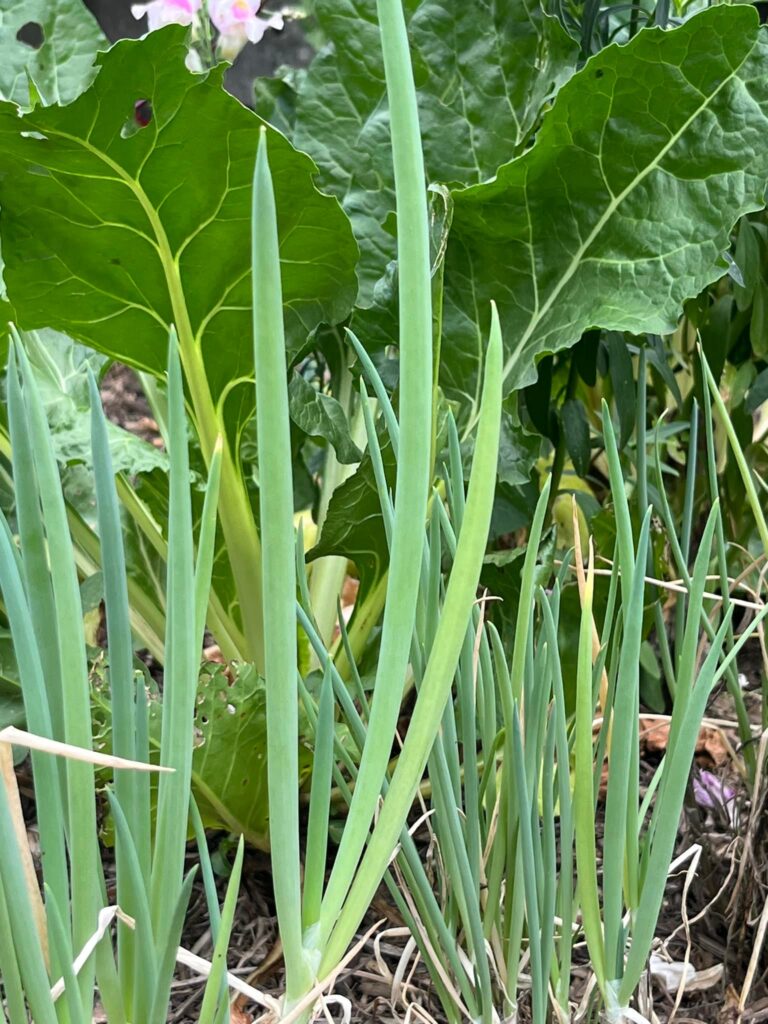
24. Onion and Chive Microgreens
Onion and chive microgreens bring a mild, savory bite without the sharpness of a raw onion. They finish beautifully over baked potatoes, soups, and omelets.
READ MORE ON: 21 Major Types of Onions: (Yellow, Red, White, and More Other Varieties)
25. Corn Shoot Microgreens
Corn shoots taste surprisingly sweet, almost like fresh corn kernels in leaf form. They are less common but worth trying if you can find seed; the texture is crisp and refreshing.
Why Microgreens Deserve a Spot on Your Windowsill
Here is a quick word on why these tiny greens matter.
They grow fast. Most varieties are ready to harvest in 7 to 21 days. You do not need a backyard, a greenhouse, or even much sunlight. A sunny windowsill or a simple grow light works fine.
They are nutrient-dense. Because they are harvested so early, microgreens concentrate vitamins, minerals, and plant compounds into a smaller volume of tissue.
They matter globally, too. One study noted that roughly one in every four people worldwide faces a deficiency in essential micronutrients, and researchers see microgreens as one practical way to help close that gap, according to findings published in Scientific Reports.
They are budget-friendly. A packet of seeds costs a few dollars and can produce several trays. Compare that to buying pre-packaged greens weekly at the grocery store.
How These Nutrient Numbers Actually Compare
It helps to see a few real figures side by side rather than vague claims. In one detailed nutrient analysis of six microgreen types:
- Vitamin C (ascorbic acid) ranged from about 32.7 mg per 100 g in red beet up to 80.5 mg per 100 g in bean microgreens.
- Potassium ranged from roughly 187 mg to 416 mg per 100 g across varieties.
- Magnesium ranged from about 46 mg to 87 mg per 100 g.
- Calcium ranged from about 67 mg to 149 mg per 100 g.
These figures come from a peer-reviewed nutritional profile study published in Scientific Reports. The takeaway I draw from this: no single microgreen wins on every nutrient. Variety matters more than picking one “superfood” green.
Which Microgreens Should You Actually Grow First?
With 25 options, it helps to narrow things down by what you actually want. Here is how I would sort them by goal.
- If you want maximum flavor impact: go with radish, mustard, or wasabi mustard. A small handful changes an entire dish, so you get flavor without needing a full tray each week.
- If you want the fastest results: radish, buckwheat, and mustard tend to germinate within three to five days. They are ideal if you are new to growing and want quick, encouraging results.
- If you’re cooking for kids or picky eaters: pea shoots, sunflower, and bok choy are mild, sweet, and crunchy. They blend into familiar dishes without announcing themselves.
- If color and presentation matter to you: amaranth, red beet, and red cabbage bring vivid color that photographs well and dresses up a plain plate instantly.
- If you want a second harvest from one planting: pea shoots and some wheatgrass varieties can regrow after the first cut, stretching your seed investment further.
Frequently Asked Questions
Are microgreens the same as sprouts? No. Sprouts are germinated seeds eaten whole, including the root, while microgreens are cut above the soil and only the stem and leaves are eaten. This distinction matters for food safety, since sprouts carry a higher risk of bacterial contamination.
How long do microgreens last once harvested? Most varieties stay fresh in the refrigerator for about a week when stored in a container or sealed bag, based on guidance from South Dakota State University Extension.
Do microgreens need soil to grow? Not always. Many varieties, including buckwheat and pea shoots, grow well on a damp paper towel or coconut coir mat, though soilless potting mix generally gives sturdier results.
Can I regrow microgreens after cutting them? A few types, such as pea shoots, can regrow a second, smaller harvest. Most brassica microgreens like radish, broccoli, and mustard, however, are cut once and do not regrow.
Are microgreens actually more nutritious, or is that marketing? The gap is real and measurable. Multiple university and government-affiliated studies, cited throughout this article, have independently confirmed elevated nutrient and antioxidant levels compared to mature vegetables of the same species.
Growing Microgreens at Home: The Basics
You do not need fancy equipment. Extension researchers at South Dakota State University note that microgreens can be grown in ordinary flowerpots or shallow trays, using simple soilless potting mixes, on a sunny windowsill or under supplemental lights.
Here is a simplified process:
- Fill a shallow tray with about an inch of soilless potting mix.
- Sprinkle seeds thickly and evenly across the surface.
- Mist gently and cover until germination, then remove the cover.
- Place in a sunny spot or under grow lights.
- Keep the medium moist, never soggy.
- Harvest with scissors just above the soil line, usually 7 to 21 days later.
Most microgreens are ready to eat immediately after a quick rinse, or can be stored in the refrigerator for about a week.
One safety note worth repeating: microgreens are not the same as sprouts. Extension specialists at the University of Minnesota point out that sprouts are eaten whole, roots included, which carries a higher risk of foodborne illness since bacteria like E. coli tend to live on the seed coat. Microgreens, by contrast, are cut above the soil line, and the part you eat never touches the growing medium directly.
That said, health researchers still note there is a possible food safety risk with microgreens, so proper handling, clean water, and good hygiene during growing and harvesting remain important.
The Bigger Picture: Why Demand Is Growing
This is not just a home-gardening hobby anymore. The global microgreens market is projected to reach roughly $3.4 billion by 2030, with North America leading demand, driven by rising interest in organic food, health-conscious eating, and plant-based diets, according to market analysis cited by UConn Extension.
Researchers at Penn State have also studied microgreens through a food-security lens. Their team found these plants can be grown in a variety of soilless production systems in small indoor spaces, with or without artificial lighting, making them a practical option even in food deserts.
I find that framing genuinely compelling. This is not only about garnishing a plate. It is about giving people, regardless of climate or space, a way to grow something fresh and nutritious indoors, year-round.
Simple Ways to Use Microgreens in Everyday Cooking
I get asked often whether microgreens are only for fancy plating. They are not. Here are simple, everyday ways to work them in.
Breakfast: Fold a handful of broccoli or kale microgreens into scrambled eggs during the last minute of cooking. The heat softens them just enough while keeping some crunch.
Sandwiches and wraps: Swap out lettuce for arugula or radish microgreens. You get more flavor and nutrition in the same amount of space.
Soups: Add tatsoi, bok choy, or amaranth microgreens right before serving, off the heat. This keeps their color bright and their texture intact.
Smoothies: Buckwheat, wheatgrass, and sunflower microgreens blend well into fruit smoothies without overpowering the sweetness.
Garnish: Amaranth, red cabbage, and beet microgreens add instant color to grain bowls, tacos, or plated dinners, no extra effort required.
None of this requires special skills. It is mostly about remembering they exist and reaching for them the way you would reach for salt or a squeeze of lemon.
Final Thoughts
Twenty-five varieties is a lot to choose from, and I would not recommend trying them all at once. Start with one from each flavor family: radish for heat, pea shoots for sweetness, basil for aroma, and beet for color. From there, let your own palate guide the rest.
What struck me most while researching this topic is how consistent the science is across independent institutions. UConn, Penn State, the University of Maryland, and USDA researchers all arrive at a similar conclusion: these small greens carry an outsized nutritional and culinary impact for their size.
Whether you are growing them for flavor, nutrition, or just the quiet satisfaction of watching something grow on your windowsill in the middle of winter, microgreens are one of the easiest, fastest wins in home gardening today.
References
- UConn Extension, University of Connecticut. “The Amazing Power of Microgreens: Easy to Grow and a Superfood.” https://extension.uconn.edu/publication/microgreens/
- Penn State University News. “Small but mighty: Microgreens go from trendy vegetables to functional food.” https://www.psu.edu/news/research/story/small-mighty-microgreens-go-trendy-vegetables-functional-food
- University of Maryland, College of Agriculture & Natural Resources. “Mighty Microgreens.” https://agnr.umd.edu/news/mighty-microgreens
- National Institutes of Health, National Center for Biotechnology Information (PMC). “Preharvest Nutrient Deprivation Reconfigures Nitrate, Mineral, and Phytochemical Content of Microgreens.” https://www.ncbi.nlm.nih.gov/pmc/articles/PMC8228507/
- South Dakota State University Extension. “Growing Microgreens at Home.” https://extension.sdstate.edu/growing-microgreens-home
- Penn State Extension. “A Step-By-Step Guide for Growing Microgreens at Home.” https://extension.psu.edu/a-step-by-step-guide-for-growing-microgreens-at-home
- University of Minnesota Extension. “Mini greens, mega benefits: Growing microgreens at home.” https://extension.umn.edu/yard-and-garden-news/mini-greens-mega-benefits-growing-microgreens-home

Tim M Dave is a gardening expert with a passion for houseplants, particularly cacti and succulents. With a degree in plant biology from the University of California, Berkeley, he has vast experience in gardening. Over the years, he has cultivated a vast collection of desert plants and learned a great deal about how to grow and care for these unique companions.