20 Best Companion Plants for Apple Trees (That Actually Work, With Details)
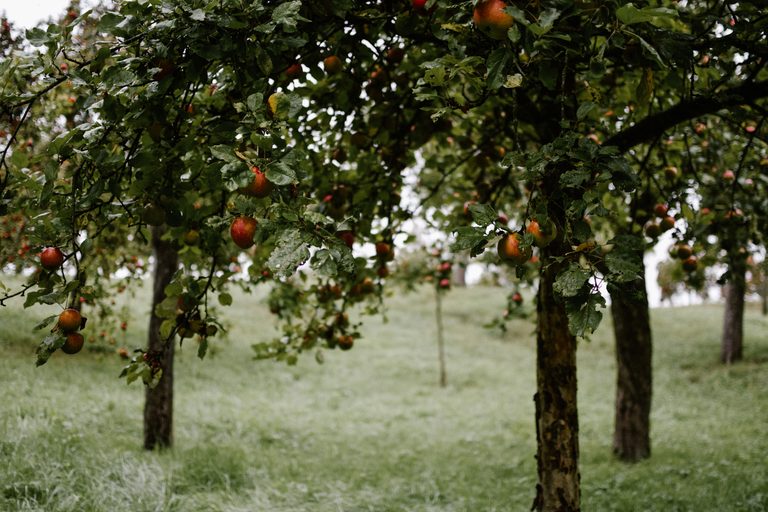
An apple tree does not grow in isolation in nature. It grows in a web of grasses, flowers, insects, and fungi. Recreating that web in your backyard is what companion planting tries to do.
Pest control is the biggest reason gardeners plant around their apple trees. Certain herbs and flowers confuse pest insects with strong scents, while others lure predatory insects that eat the pests for you.
Pollination is the second reason, and it matters more than most people realize. According to the USDA, about 35 percent of the world’s food crops depend on animal pollinators to reproduce, and apples sit firmly in that group.
Soil health rounds out the list. Nitrogen-fixing plants such as clover can add real, measurable nutrition to the ground. Well-managed white clover can fix between 80 and 200 pounds of nitrogen per acre, though only part of that becomes available right away.
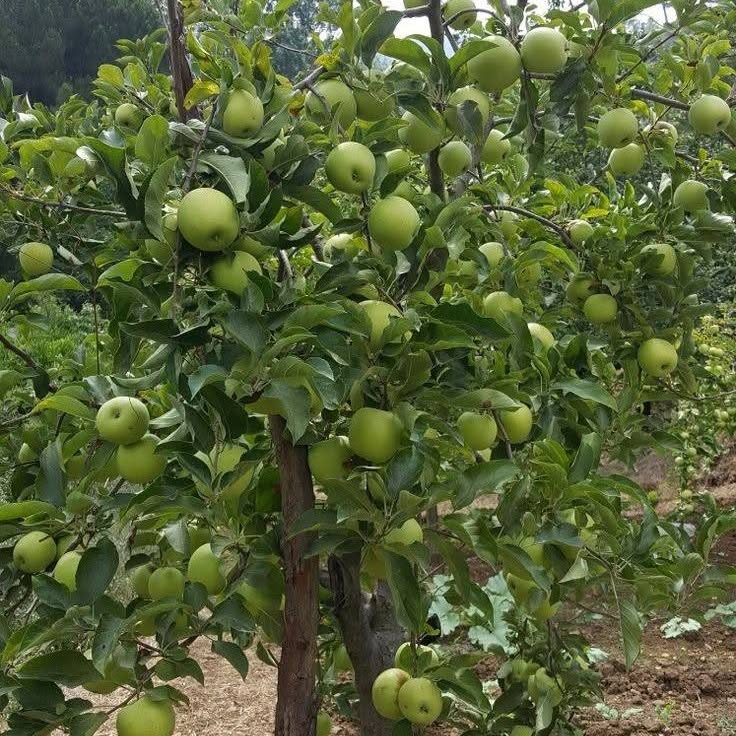
Quick Overview: The 20 Companion Plants for Apple Trees
Before we go deep into each one, here is the full list you are about to explore:
- Chamomile
- Comfrey
- White clover
- Chives
- Garlic
- Nasturtium
- Marigold
- Yarrow
- Lavender
- Dandelion
- Daffodil
- Tansy
- Hyssop
- Sweet cicely
- Fennel
- Dill
- Borage
- Horseradish
- Lemon balm
- Rosemary
Now let’s break down what each plant actually does for your apple tree.
1. Chamomile
Chamomile is often called the plant’s physician, and gardeners have relied on it for generations. Its flowers smell faintly of apples and straw.
That scent draws in hoverflies and parasitic wasps, two insects that feed on aphids and other soft-bodied pests. Chamomile also seems to boost the vigor of nearby plants when grown in small amounts.
Planting tip: Scatter chamomile seeds around the drip line, not right against the trunk. It self-seeds easily, so one packet goes a long way.
2. Comfrey
Comfrey earns its keep with a root system that plunges deep into the subsoil. It pulls up potassium, calcium, and other minerals that shallow-rooted plants cannot reach.
Gardeners cut the leaves back two or three times a season and lay them on the soil as mulch. As the leaves break down, those nutrients return to the surface where apple tree roots can use them.
One caution: comfrey spreads aggressively from root fragments. Choose a sterile variety like Bocking 14 if you want to keep it contained.
3. White Clover
If I had to pick one single companion for an orchard floor, it would be white clover. It is a living nitrogen factory, low-growing, and it tolerates mowing and foot traffic without complaint.
Clover forms a partnership with soil bacteria that pull nitrogen straight from the air. That nitrogen becomes available to the apple tree’s roots over time, cutting down on how much fertilizer you need.
It also carpets the ground, which crowds out weeds and keeps soil moisture steady during dry spells.
4. Chives
Chives are one of the most recommended companions in the entire allium family. Their sulfur compounds seem to interfere with a fungal disease that troubles nearly every apple grower.
Used as an apple companion plant, chives help prevent apple scab and deter deer and rabbits. That is a rare double win: disease suppression and wildlife deterrence in one small plant.
Fair warning: chives spread by both seed and bulb offsets. Trim the flower heads before they go to seed if you want to control the spread.
5. Garlic
Garlic works through smell alone, and pests seem to hate it. Planted near fruit trees, garlic repels a long list of unwanted visitors.
Research from horticultural extension writers notes that garlic used in companion planting repels aphids, caterpillars, mites, and Japanese beetles, and that planted near apple trees, garlic protects against apple scab.
Bonus benefit: garlic also draws in beneficial insects. It offers shelter, pollen, and nectar that attract lady beetles, lacewings, and parasitic flies, which then hunt the pests that damage your fruit.
6. Nasturtium
Nasturtium is what growers call a trap crop. Aphids seem to prefer its soft, round leaves over almost anything else in the garden.
Plant a ring of nasturtium a short distance from your apple tree. The aphids gather there instead of on your fruit, and you can simply remove the affected leaves.
It also flowers heavily through summer, feeding bees and other pollinators the entire season.
7. Marigold
Marigold is the classic companion plant, and for good reason. Its roots release compounds that suppress harmful nematodes living in the soil.
Fluxing Well, an orchard-focused resource, notes that marigolds repel pests like aphids, nematodes, and beetles. That combination makes marigold one of the hardest-working flowers you can plant near an apple tree.
Choose French marigolds over other varieties, since they show the strongest nematode-suppressing effect in field trials.
8. Yarrow
Yarrow looks delicate, but it is tough as nails once established. Its flat, feathery flower clusters act like a landing pad for beneficial insects.
Ladybugs, hoverflies, and predatory wasps all favor yarrow’s blooms. Those same insects then patrol your apple tree for aphids and other soft pests.
Yarrow also tolerates drought well, so it will not compete with your tree for water during a dry summer.
9. Lavender
Lavender brings fragrance, color, and function all in one plant. Its strong scent seems to confuse moths and other flying pests before they reach the tree.
According to gardening research summaries, lavender helps repel pests like moths and aphids, keeping your tree healthier, while also drawing in pollinating bees that boost fruit set.
Placement tip: give lavender full sun and well-drained soil. It struggles in the same damp mulch that apple trees sometimes sit in, so keep it a few feet out.
10. Dandelion
I know, most people fight this plant instead of planting it. But dandelion earns its spot on this list for a real reason.
Its long taproot breaks up compacted soil and draws minerals upward. The bright yellow flowers also open early in spring, feeding bees before most other blooms appear, which matters for apple pollination timing.
Its extensive roots provide a crucial early food supply for bees and butterflies, right when your apple blossoms need pollinators the most.
11. Daffodil
Daffodil is planted for one specific reason: deer and rodents will not touch it. Every part of the plant is toxic to browsing animals, which makes it a natural fence around your tree.
Daffodils bloom early, before the apple tree leafs out, so they do not compete for sunlight. Ring the base of your tree with bulbs in fall and enjoy a spring border that also protects your bark from nibbling deer.
12. Tansy
Tansy carries a sharp, bitter scent that many insects avoid entirely. Ants, beetles, and certain moths tend to steer clear of areas where tansy grows thick.
It also attracts ladybugs and other predatory insects with its bright yellow button flowers. Keep it contained though, since tansy spreads by rhizome and can take over a bed if left unchecked.
Note: tansy is mildly toxic if ingested, so keep it away from areas where pets or children graze.
13. Hyssop
Hyssop is a lesser-known herb, but orchard growers who use it swear by it. Bees adore its blue-purple flower spikes, and the plant blooms for weeks at a stretch.
Its aromatic oils also seem to discourage cabbage moths and other flying pests from settling nearby. Plant it along a sunny edge of the orchard where its scent can drift toward the tree.
14. Sweet Cicely
Sweet cicely brings a soft anise fragrance and delicate, fern-like leaves. It is quieter than most companions on this list, but still useful.
Along with dogwood, sweet cicely is known to attract beneficial insects that eat apple tree pests. It grows well in partial shade, which makes it a good fit for the north side of an apple tree’s canopy.
15. Fennel
Fennel is a plant I recommend with a caveat. Its flowers are outstanding for attracting ladybugs, lacewings, and parasitic wasps, all of which help control aphids and caterpillars.
However, fennel releases compounds that can slow the growth of some nearby plants. Keep it a good distance from young apple trees, and treat it more as a border plant than a direct companion.
16. Dill
Dill works much like fennel but without the same competitive downside. Its umbrella-shaped flower heads are a magnet for tiny parasitic wasps that lay eggs inside aphids and caterpillars.
It is also an easy, low-maintenance annual. Let a few plants go to seed each year and dill will return on its own, season after season.
17. Borage
Borage is one of the fastest ways to bring bees into your orchard. Its blue, star-shaped flowers produce nectar almost constantly through summer.
Growers also report that borage improves the vigor of nearby fruiting plants, likely because it draws so many pollinators to the area. It self-seeds readily, so one planting can return for years.
18. Horseradish
Horseradish is planted at the base of apple trees in some traditional orchards for one purpose: disease resistance. Its pungent roots are believed to help fend off fungal issues in the surrounding soil.
It is a tough, low-maintenance perennial that tolerates poor soil. Plant it a few feet from the trunk, since its roots can grow deep and wide over time.
19. Lemon Balm
Lemon balm carries a bright, citrusy scent that pollinators find irresistible, hence its name. Bees are drawn to its small white flowers throughout the growing season.
Some pest insects, on the other hand, seem repelled by the same fragrance. It spreads readily from seed, so trim it back before it flowers if space is tight.
20. Rosemary
Rosemary rounds out this list as a hardy, aromatic shrub that pairs surprisingly well with fruit trees in warmer climates. Its strong scent deters a range of flying pests.
It also provides late-season nectar for bees when many other flowers have already finished blooming. In colder zones, grow it in a pot and move it indoors for winter.
Companion Planting Chart: Quick Reference
| Plant | Main Benefit | Best Placement |
| Chamomile | Attracts predatory insects | Drip line |
| Comfrey | Mines minerals, mulch | 3–4 ft from trunk |
| White clover | Nitrogen fixing | Full orchard floor |
| Chives | Deters apple scab, deer | Around trunk |
| Garlic | Repels aphids, mites | Under canopy |
| Nasturtium | Trap crop for aphids | 2–3 ft ring |
| Marigold | Suppresses nematodes | Drip line |
| Yarrow | Draws beneficial insects | Sunny edge |
| Lavender | Repels moths, draws bees | Full sun, outer ring |
| Dandelion | Early pollinator food | Naturalized |
| Daffodil | Deters deer, rodents | Ring around base |
| Tansy | Deters ants, beetles | Orchard border |
| Hyssop | Draws bees | Sunny edge |
| Sweet cicely | Attracts beneficial insects | Partial shade |
| Fennel | Draws parasitic wasps | Distant border |
| Dill | Draws parasitic wasps | Near canopy edge |
| Borage | Heavy pollinator draw | Anywhere sunny |
| Horseradish | Disease resistance | A few feet out |
| Lemon balm | Pollinator draw, pest repel | Anywhere sunny |
| Rosemary | Late-season nectar | Warm, sheltered spot |
Plants to Avoid Near Apple Trees
Not everything belongs near an apple tree. Black walnut releases a chemical called juglone that stunts many nearby plants, apples included.
Potatoes and other nightshades can share pest and disease pressure with apples, so keep real distance between them. Grass right up to the trunk also competes hard for water and nutrients, which is why a mulched or planted ring almost always outperforms bare turf.
How I Would Plan This in Real Life
Start small. Pick three or four plants from this list in your first year rather than all twenty at once.
I would lead with white clover for the soil, chives or garlic for disease and pest defense, and borage or nasturtium for pollinators. That trio alone covers most of what an apple tree needs.
Add more layers as your confidence grows. A mature apple guild might include eight to twelve companion plants working together by year three or four.
Timing matters too. Plant spring bulbs like daffodils in autumn, sow annual herbs such as dill and borage after the last frost, and put perennials like lavender, yarrow, and rosemary in during their dormant or cool season for the best root establishment.
Give each new planting its own watering routine for the first few weeks, since young companion plants and an established apple tree do not always need water at the same rate.
I also keep a simple notebook by the back door. Each spring, I jot down which companions bloomed strongest, which pests showed up anyway, and which combinations seemed to genuinely help. Over a few years, that record becomes more useful than any single article, including this one, because it reflects your own soil, climate, and tree.
Frequently Asked Questions
What is the best companion plant for apple trees? White clover is hard to beat for overall value. It fixes nitrogen, suppresses weeds, and needs almost no maintenance once established.
Can I plant vegetables under an apple tree? Some shallow-rooted herbs and low vegetables work fine, but avoid heavy feeders and anything in the nightshade family, since they compete for the same nutrients.
How far from the trunk should companion plants go? Most flowers and herbs do well starting at the drip line, roughly the same distance as the tree’s outer branches, so their roots do not crowd the trunk directly.
Do companion plants really stop pests, or is it a myth? It is a mix of both. Documented cases exist, like the bean-ant-aphid interaction studied by researchers, but not every popular claim holds up under testing.
How many companion plants does one apple tree actually need? There is no fixed number. Even three or four well-chosen plants, one nitrogen fixer, one pest deterrent, and one pollinator magnet, will noticeably improve conditions around a young tree.
Will companion plants replace the need for pruning and spraying? No. Think of companion planting as support, not a substitute. Good pruning, proper watering, and basic disease monitoring still matter just as much as what grows around the base.
Final Thoughts
Companion planting will not turn a struggling apple tree into a perfect one overnight. What it does is stack small, real advantages, better soil, more pollinators, fewer pests, into one thriving ecosystem around your tree.
I have watched my own small orchard change once I stopped treating the tree as a lone specimen and started treating it as part of a community. Give a few of these 20 plants a season, and I think you will notice the difference too.
References
- Washington State University Extension — Gardening with Companion Plants: https://pubs.extension.wsu.edu/product/gardening-with-companion-plants-home-garden-series/
- Oregon State University Extension — Fruit Tree Pest Management: https://extension.oregonstate.edu/gardening/berries-fruit/fruit-tree-pest-management
- Washington State University Tree Fruit — Orchard Pest Management: https://treefruit.wsu.edu/crop-protection/opm/
- USDA — The Importance of Pollinators: https://www.usda.gov/about-usda/general-information/initiatives-and-highlighted-programs/peoples-garden/importance-pollinators
- USDA Natural Resources Conservation Service — The Importance of Pollinators: https://www.nrcs.usda.gov/state-offices/pennsylvania/the-importance-of-pollinators

Tim M Dave is a gardening expert with a passion for houseplants, particularly cacti and succulents. With a degree in plant biology from the University of California, Berkeley, he has vast experience in gardening. Over the years, he has cultivated a vast collection of desert plants and learned a great deal about how to grow and care for these unique companions.